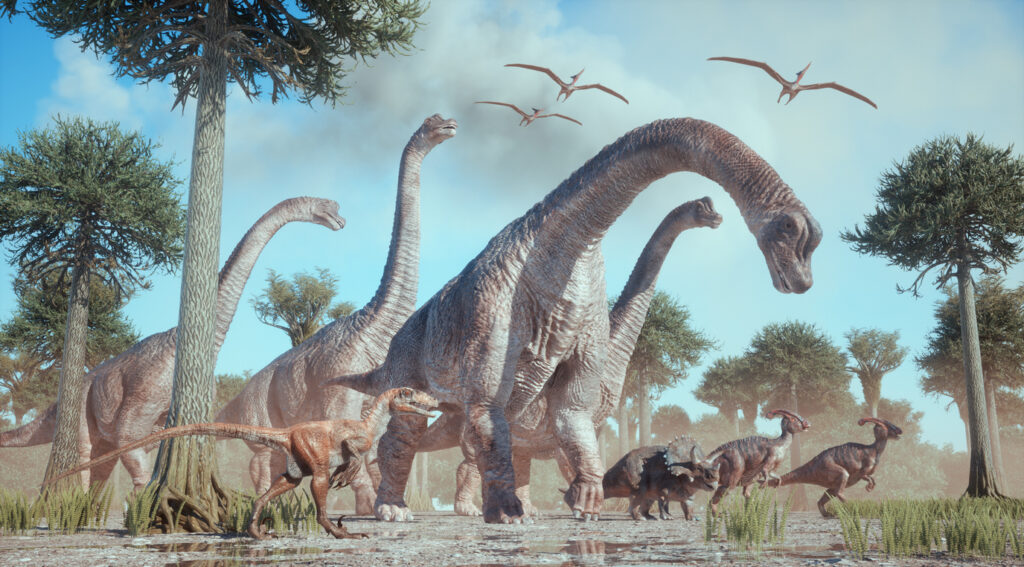
We know how dinosaurs looked and even how some may have sounded, but smell is a sense often forgotten in reconstructions. (To be fair, it would be a bit hard to get across, anyway.) That being said, it mattered hugely for their lives. Here’s what we know about what dinosaurs probably smelled like, and why it’s so important to our understanding of these incredible Jurassic creatures.
Their smell was shaped by size.
Larger dinosaurs like sauropods likely carried stronger odours simply because of their bulk. More body heat, sweat-like secretions, and natural oils would have combined to create noticeable scents, especially in warm, humid prehistoric climates.
This size factor matters because smell could reveal presence even before sight. Predators may have tracked prey through odour, while herd members used scent to stay connected over distances.
Skin oils and secretions influenced odour.
Reptiles and birds today produce natural oils from their skin and feathers, which prevent dryness and help with waterproofing. Dinosaurs probably did something similar, and these oils would have created distinctive, musky scents.
These smells weren’t just by-products. Oils can carry chemical signals, so dinosaur odours may have worked as silent communication, signalling territory, readiness to mate, or even health status.
Diet changed how they smelled.
Herbivorous dinosaurs that ate lush, fibrous plants likely gave off earthy, grassy scents mixed with the fermentation of their digestion. Carnivores, by contrast, would have smelled sharper, closer to modern predators with hints of decay or blood.
Diet is a key part of animal odour today, and it would have been the same then. Smell could betray whether an individual was a plant-eater, a scavenger, or a predator on the move.
Their breaths likely carried a distinct note.
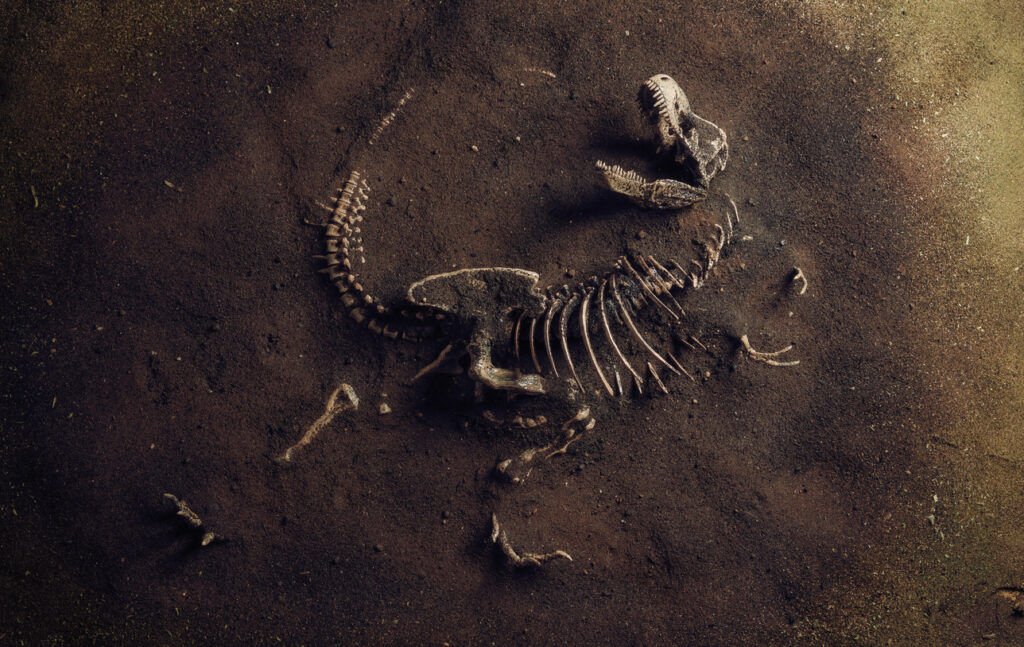
Fossil evidence suggests some dinosaurs had complex air sacs and unique breathing systems. Combined with diet, this probably meant their breath carried strong smells, whether sour from fermentation or pungent from meat digestion.
Breath odour might have acted as a signal in itself. It could indicate age, diet, or health, and predators may have detected prey simply through the scent of exhalation.
Sweat-like secretions left traces of their presence.
Dinosaurs didn’t sweat like mammals, but they likely released fluids through glands and pores for cooling. These secretions would have picked up bacteria, dirt, and environmental scents, leaving dinosaurs with unique body odours shaped by their surroundings.
These natural smells mattered in ecosystems. They created chemical fingerprints that other animals could recognise, forming another layer of prehistoric communication and detection.
Feathers added new odours.
Evidence shows many dinosaurs had feathers. Feathers today carry odours through oils, dust, and environmental particles, so feathered dinosaurs probably had similar musky or earthy scents that changed with preening and grooming habits.
These odours could have helped with species recognition. Smell travelling with visual displays might have reinforced signals during courtship, making odour an overlooked part of dinosaur mating rituals.
Nesting habits created lasting scents.
Nests lined with vegetation, dung, or feathers would have absorbed strong smells. These scents lingered, guiding hatchlings back and helping parents recognise their own nesting sites in dense prehistoric environments.
Nest odours were part of survival. They helped keep family groups together and allowed young dinosaurs to orient themselves, ensuring continuity and safety during vulnerable early stages of life.
Dung piles were part of the ecosystem.
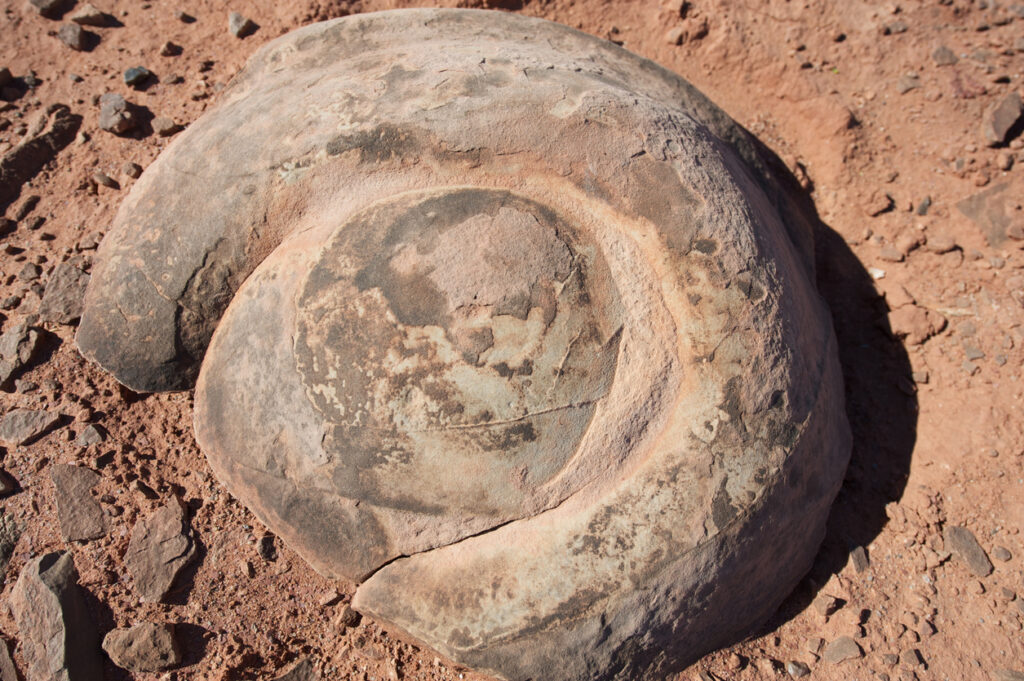
Dinosaur dung, or coprolites, provides evidence of diet, and it certainly would have smelled. Herbivores likely produced massive, earthy piles, while carnivore droppings would have been far harsher, shaped by meat and bone digestion.
These smells were important markers in prehistoric ecosystems. Dung could act as territorial signals, fertilise landscapes, and guide other species to food or danger, making it a central part of dinosaur life.
Decomposition left lingering odours.
When dinosaurs died, their bodies decayed in ways that shaped ecosystems. The smell of decomposition would have been a powerful signal to scavengers, drawing them from great distances and influencing predator-prey dynamics.
Recognising these smells was essential for survival. It created an invisible map of opportunity, where odour guided movement and behaviour just as much as sight or sound.
Microbes amplified scents.
Bacteria on skin, feathers, and in guts played a role in dinosaur odours. Just as microbes influence how animals smell today, they would have broken down oils and waste, creating strong and distinctive chemical signatures.
Their microbial influence meant each dinosaur likely had a unique scent. These personal odours could have been as individual as fingerprints, shaping social interaction and recognition within species.
Climate shaped how odour travelled.
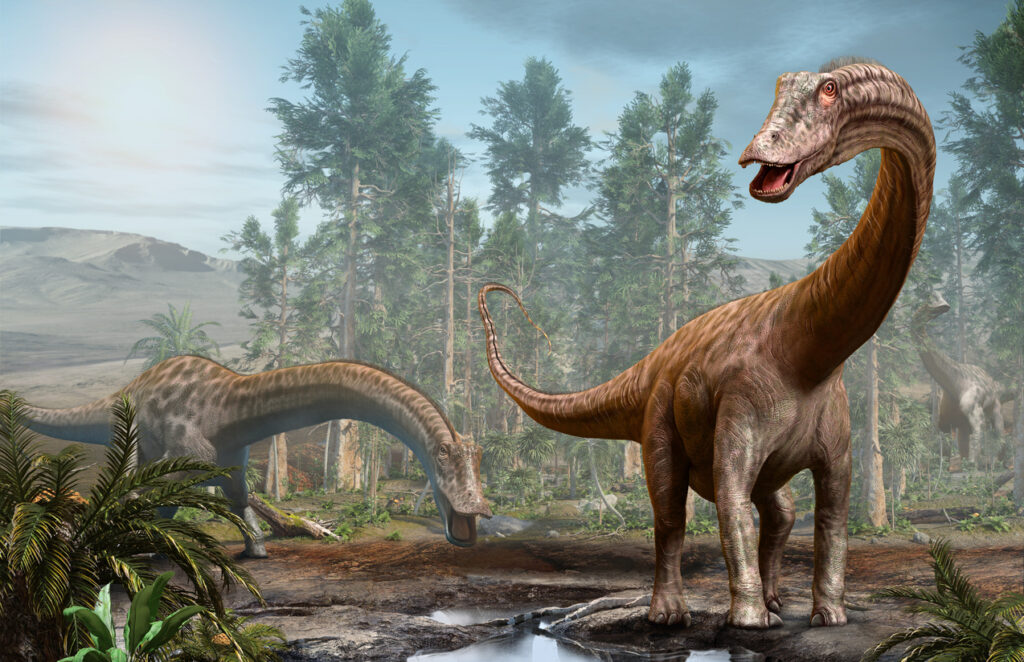
Prehistoric climates were often hot and humid, conditions that intensify smell. Dinosaur scents would have lingered longer and travelled further, making odour an especially important survival tool in thick forests or swampy plains.
This environmental factor explains why smell mattered. In dense habitats where sight was limited, odour carried essential information, allowing dinosaurs to locate mates, detect predators, or avoid rivals.
Odour influenced the predator–prey balance.
Smell worked both ways in hunting. Predators may have tracked prey by scent trails, while prey species could recognise and flee from the odour of approaching carnivores. Smell tipped the balance in life-or-death encounters.
This made odour a weapon and a warning. Dinosaurs lived in worlds where scent constantly shifted dynamics, influencing who ate, who escaped, and who survived.
Smell shapes how we imagine dinosaurs today.
When dinosaurs are reconstructed in museums or films, smell is rarely considered. Yet odour shaped their daily lives as much as colour, size, or sound. Without it, our picture of them is incomplete.
Thinking about smell helps us imagine dinosaurs more accurately. It turns them from distant skeletons into living, breathing creatures with sensory worlds as rich and complex as those of animals around us today.