Space rocks often get lumped together, but the words meteoroid, meteor, and meteorite mean very different things.

Each term describes a stage in their journey, and how that journey plays out (and where it ends) is eternally fascinating. While the three have a lot in common, there are some important distinctions any space fan should know. Here’s how to tell them apart, without getting lost in confusing terminology.
1. Meteoroids start out in space.
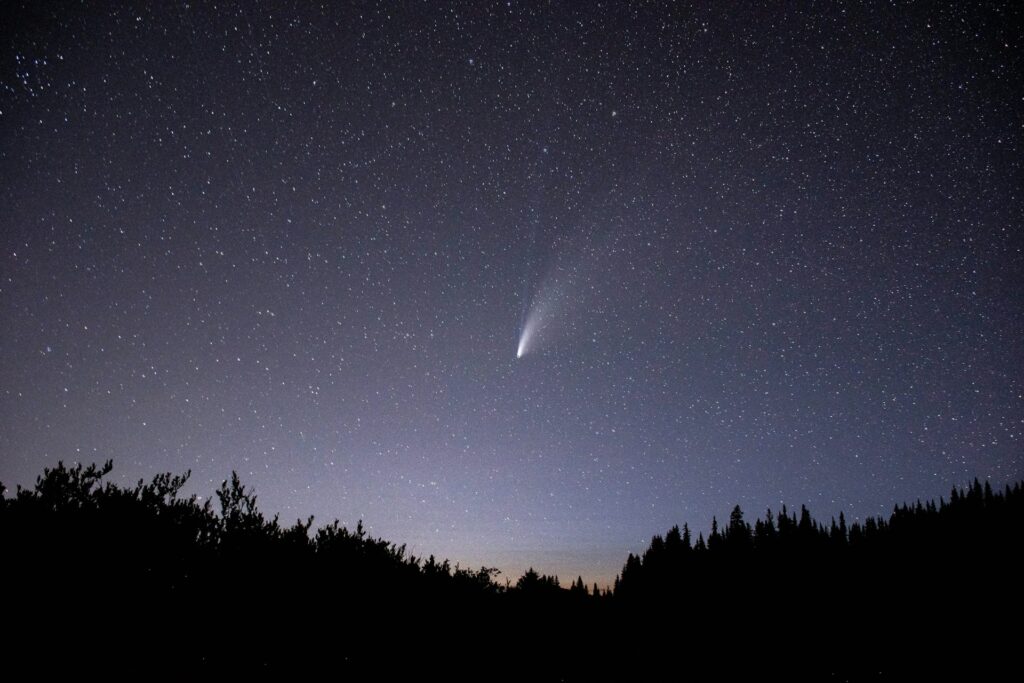
A meteoroid is simply a small chunk of rock or metal drifting through space. They’re much smaller than asteroids, ranging from a grain of sand to a boulder-sized piece, often breaking off from comets or asteroids. Think of meteoroids as the “before” stage. They exist far away, orbiting the Sun, and only become something else if they come close enough to Earth to enter our atmosphere.
2. Meteors appear when they hit the atmosphere.

When a meteoroid enters Earth’s atmosphere, friction with air molecules heats it up until it glows. This bright streak of light across the sky is what we call a meteor, more commonly known as a shooting star. Meteors can be breathtaking during showers like the Perseids. Most burn up completely before reaching the ground, which is why we see the flash of light but rarely find pieces afterwards.
3. Meteorites are what make it to the ground.
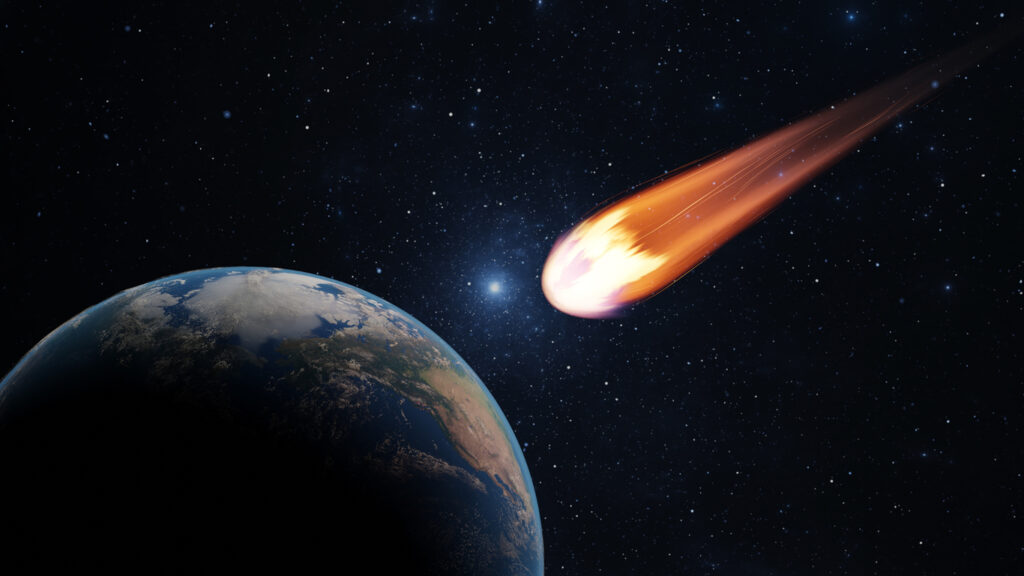
If a meteoroid survives the fiery plunge through the atmosphere and lands on Earth, it becomes a meteorite. These fragments are solid evidence of space objects, and scientists study them to learn about the Solar System’s history. Meteorites can vary in size from tiny specks to massive rocks weighing tonnes. Their rarity makes them highly valuable to researchers and collectors alike.
4. Size makes a big difference.

The terms aren’t just about stages; they’re also about scale. Meteoroids are much smaller than asteroids, and most are no bigger than a pebble. Larger space rocks are usually classified as asteroids instead. The difference matters because smaller pieces are more likely to burn up in the atmosphere. Bigger ones have a higher chance of surviving as meteorites and reaching the Earth’s surface.
5. Meteors are fleeting.
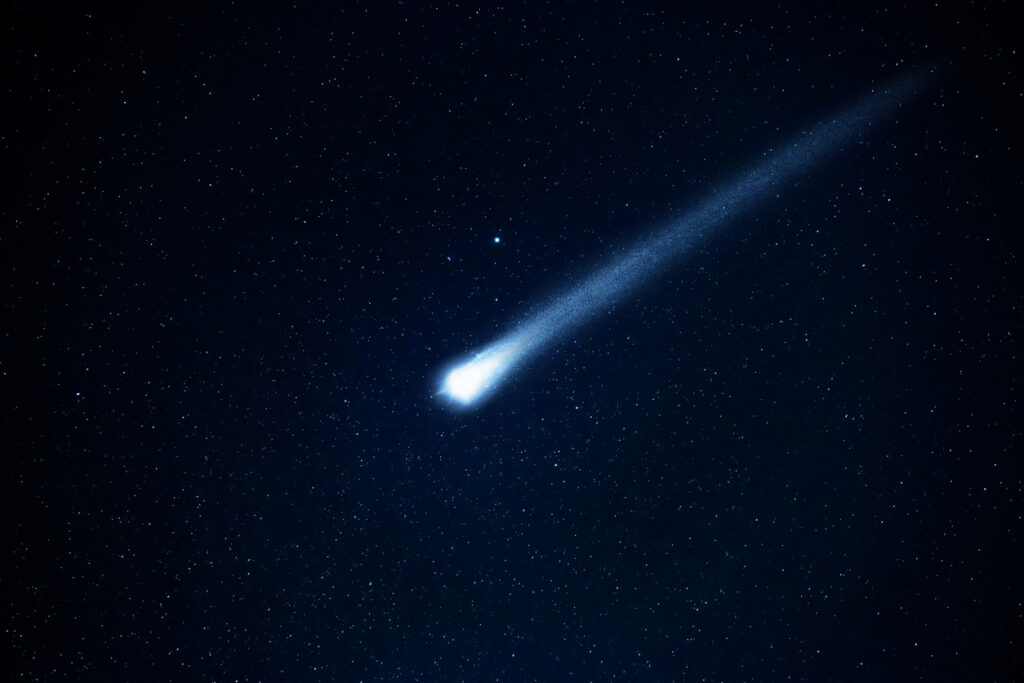
The life of a meteor is incredibly short. The glowing streak typically lasts only a second or two before disappearing. Unless it’s part of a meteor shower, most people only catch them by chance. That fleeting nature is why meteors capture so much wonder. They’re reminders of how tiny space debris can create such a dramatic show when meeting Earth’s atmosphere at high speed.
6. Meteorites tell ancient stories.
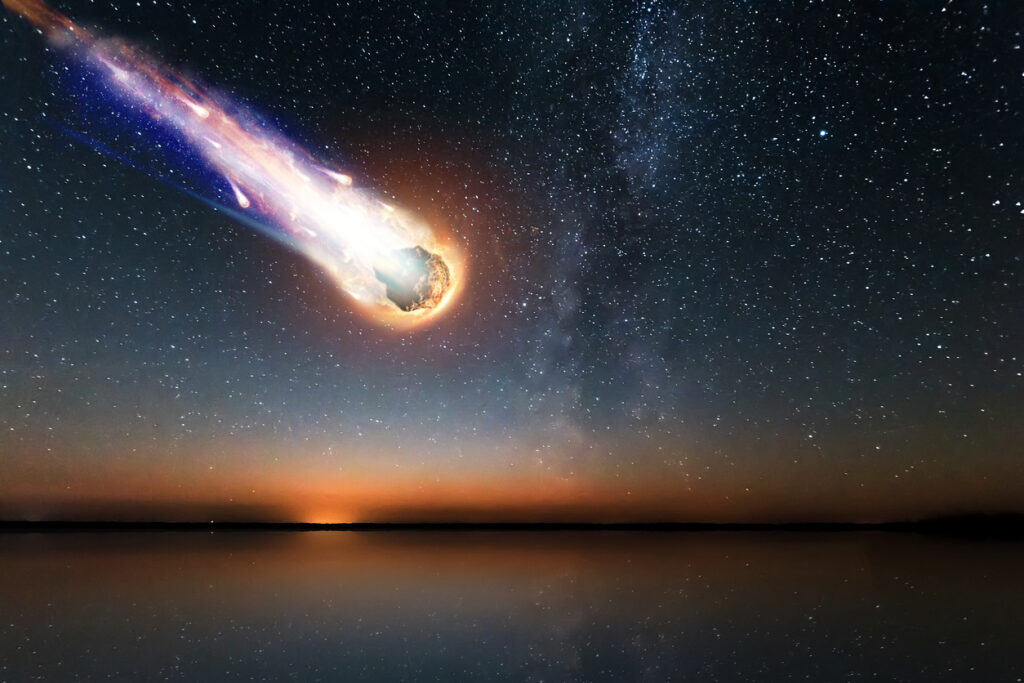
Unlike meteors, meteorites don’t vanish in a flash. They can be held, studied, and preserved. Many are billions of years old, older than the Earth itself, containing clues about the early days of the Solar System. Scientists use them to understand how planets formed. For everyday people, holding a meteorite is like touching a piece of deep time, connecting us directly with the wider cosmos.
7. Different types of meteorites exist.

Not all meteorites are the same. Some are made mostly of stone, others of iron, and some combine both. Each type reveals different details about the parent body it came from, such as its core or crust. That variety helps scientists build a bigger picture. By comparing types, they piece together how different celestial objects formed, and what conditions shaped them billions of years ago.
8. Meteor showers show patterns.
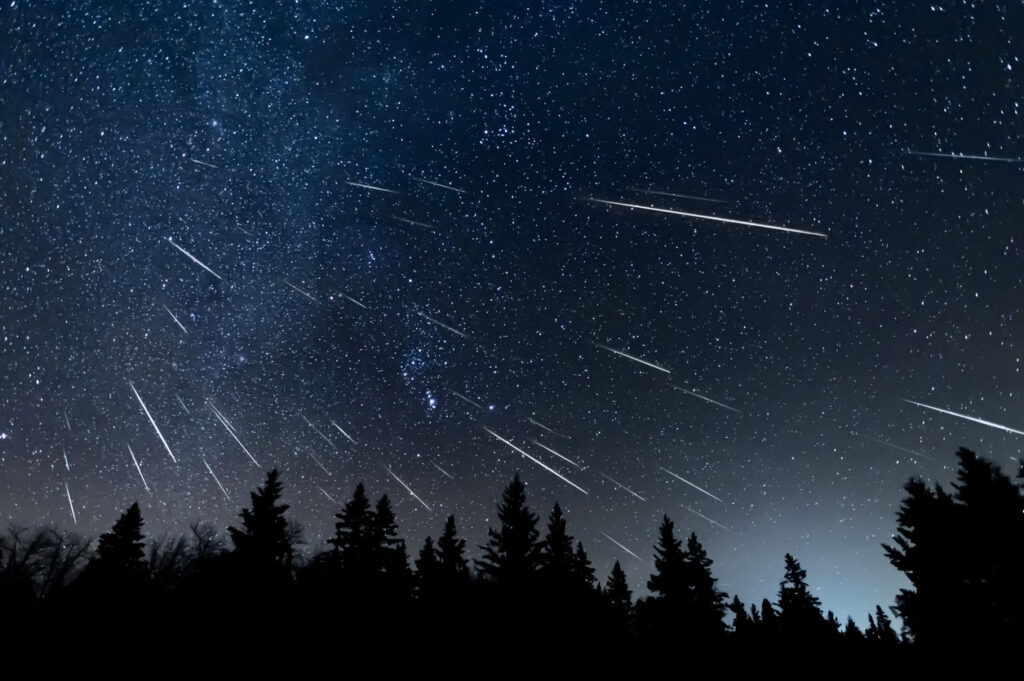
Meteor showers happen when Earth passes through the trail of debris left by a comet. The tiny meteoroids enter the atmosphere in groups, creating predictable peaks of shooting stars at certain times of the year. Events like the Geminids or Leonids are chances to see dozens of meteors in a single night. These displays highlight the difference between individual random meteors and coordinated showers caused by orbital paths.
9. Impact craters mark history.
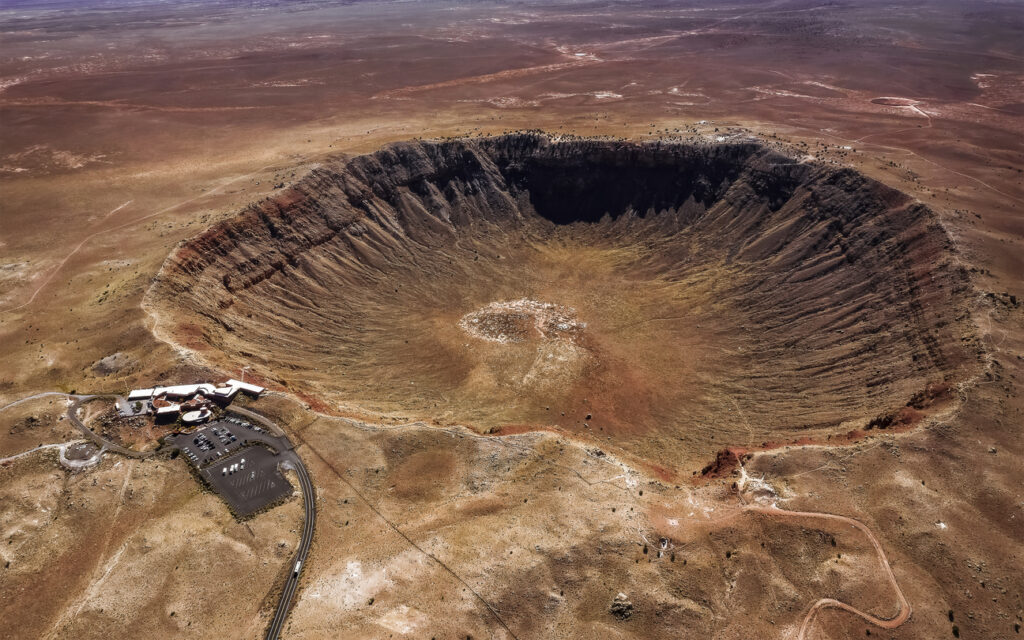
Larger meteorites can leave craters when they strike Earth. Famous examples include the Barringer Crater in Arizona. These impacts show that while rare, meteoroids big enough to survive the atmosphere can shape the landscape dramatically. Craters remind us of the power space rocks hold. They’re physical evidence of meteoroids completing the full journey from drifting in space to colliding with Earth.
10. The journey explains the terminology.
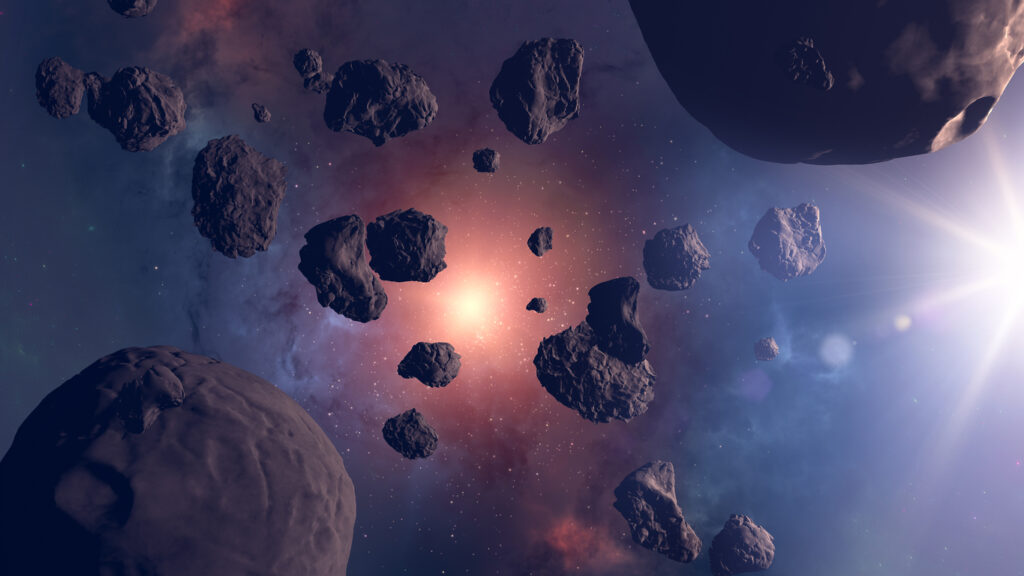
The easiest way to keep the terms straight is to think of them as stages. A rock in space is a meteoroid, its fiery streak is a meteor, and its surviving fragment is a meteorite. Each word marks a step in the same journey. Together, they show how something small and distant can transform into a brilliant light show or even a rock you can hold in your hand.