Climate predictions have a habit of sounding abstract until they start nudging into everyday life.
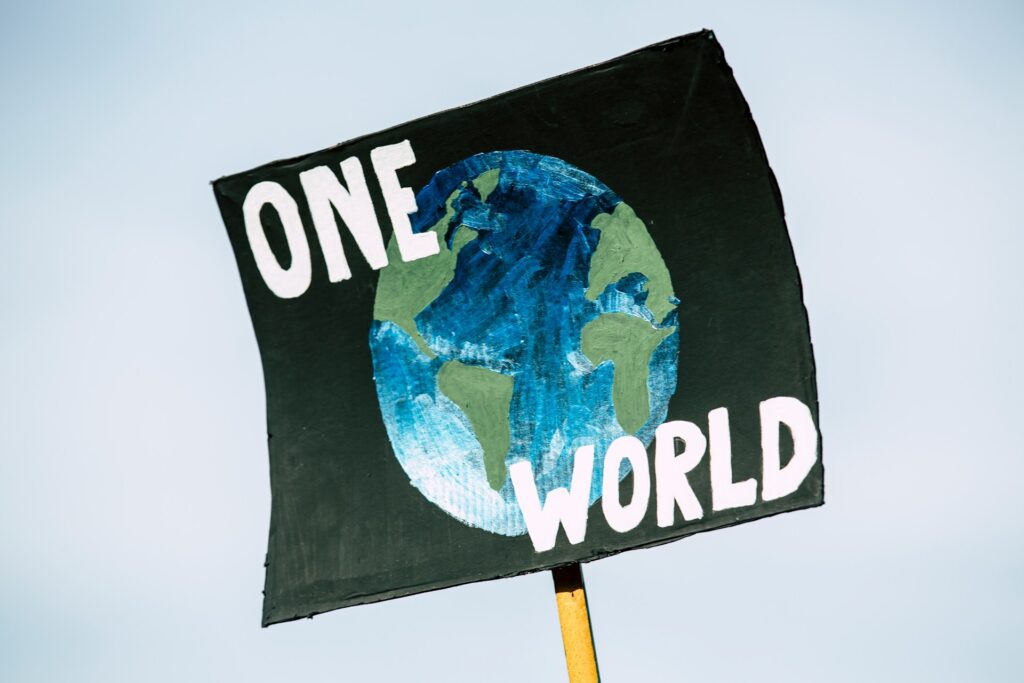
Big numbers get thrown around, charts get shared, and it all feels a bit distant, like something for scientists and summits rather than normal people getting on with their year. But by now, most of us have noticed that the weather, seasons, and general rhythm of things don’t behave the way they used to.
Looking ahead to the rest of 2026, climate experts aren’t talking about some far-off future anymore. They’re talking about what’s likely to shape the next year in very practical ways, from heat and rainfall to food, energy, and how often extreme events crop up. This isn’t panic or prophecy. Instead, it’s simply a way of understanding what specialists expect next, and why those expectations matter a lot more than they did even a decade ago.
Heat records will keep falling in ways that feel routine.

Most climate scientists expect 2026 to continue the trend of record-breaking heat, not as shocking one-off events, but as something that feels increasingly normal. Summers that would once have been labelled extreme are likely to become familiar, with heatwaves arriving earlier, lasting longer, and affecting wider areas at once.
The worrying part is how quickly people adapt to the new baseline. When record temperatures keep getting broken, they stop feeling like warnings and start feeling like background noise, even though the pressure on health systems, infrastructure, and ecosystems keeps quietly building.
Weather will become more erratic rather than simply warmer.

Experts aren’t just looking at rising temperatures, but at instability. In 2026, forecasts point toward sharper swings between dry spells and intense rainfall, often in the same regions within short timeframes. That sort of volatility is especially hard to plan around. Farmers, councils, and emergency services tend to prepare for patterns, not constant surprises, which makes even familiar places feel less predictable from one season to the next.
Flooding risks across Europe are expected to rise again.

Climate models suggest heavier downpours becoming more frequent across parts of Europe, including the UK. Rivers are more likely to overwhelm existing flood defences, especially when rain falls fast on already saturated ground.
What alarms experts is how many communities are repeatedly affected within short periods. Recovery takes time, and when floods come back before places have properly recovered, the damage becomes cumulative rather than temporary.
Wildfire seasons will start earlier and end later.

By this year, wildfire risk is expected to stretch across longer parts of the year, particularly in southern Europe but increasingly in northern regions too. Drier soils, warmer springs, and prolonged heat all feed into this change. Even areas not directly hit by fires feel the effects through air quality, travel disruption, and strain on emergency services. Fire seasons becoming longer also means less time for ecosystems to recover between burns.
Oceans will continue absorbing heat in dangerous ways.

Climate scientists often point out that most excess heat ends up in the oceans, and this year, that stored heat is expected to keep influencing weather patterns. Warmer seas fuel stronger storms and disrupt marine ecosystems.
Coral bleaching, fish migration, and declining oxygen levels are all tied into this warming trend. What happens at sea rarely stays there, since coastal economies, food supplies, and weather systems are deeply connected to ocean temperatures.
Ice loss will remain steady rather than extreme, but it’s no less alarming for it.

Experts don’t expect sudden ice sheet collapse in 2026, but they do expect continued, measurable losses in glaciers and polar ice. This slow-burn change is often harder for the public to grasp than dramatic disasters. The issue is that steady melting locks in long-term consequences like rising sea levels. Once that ice is gone, it doesn’t come back on human timescales, even if emissions were reduced tomorrow.
Food systems will feel more pressure from climate stress.

In 2026, climate impacts on food production are expected to become more noticeable to consumers. Crop yields are increasingly affected by heat stress, drought, flooding, and changing growing seasons.
That won’t always result in empty shelves, but it will lead to higher prices, reduced choice, or increased reliance on imports. Experts worry less about sudden shortages and more about gradual instability that makes food less affordable and predictable.
Climate anxiety will become more openly discussed.

Psychologists and climate researchers alike expect climate-related anxiety to rise, particularly among younger people. This year, concerns about the future climate are likely to feel less abstract and more personal. This isn’t just about fear of disasters, but about uncertainty. Planning careers, families, or housing starts to feel different when the environmental backdrop no longer feels stable or reliable.
Political pressure around climate action will intensify.
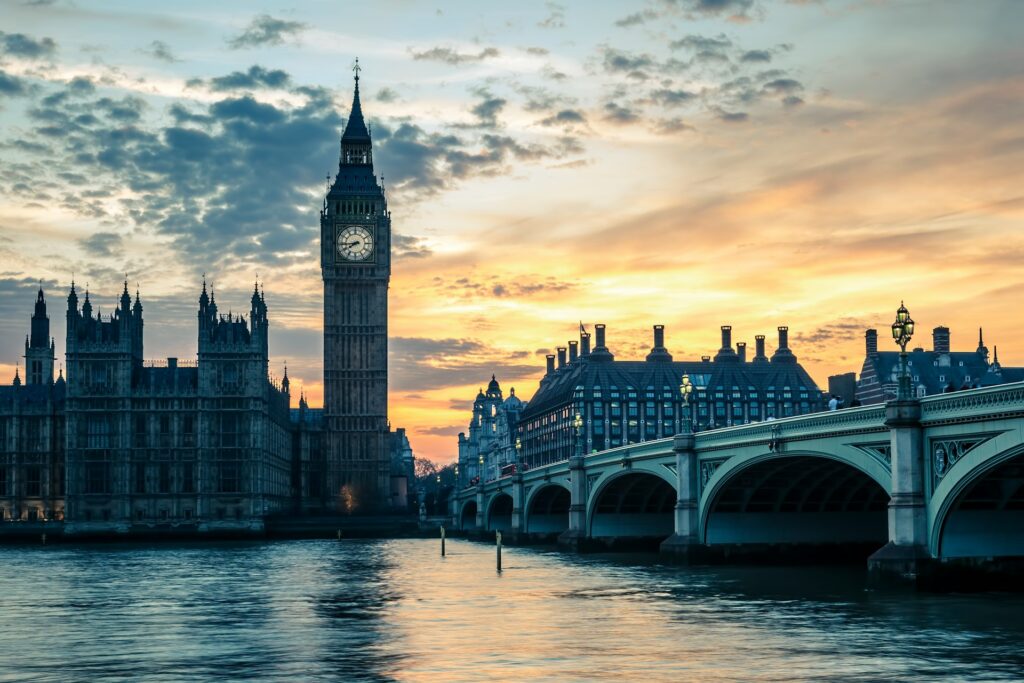
As impacts become harder to ignore, experts expect climate policy debates to grow louder rather than calmer. This year, governments may face increased pressure to move faster, even as public patience wears thin. That tension leads to frustration on all sides. People want solutions, but they also feel overwhelmed by costs, disruption, and competing crises, making consensus harder to reach.
The gap between action and impact will feel more obvious.
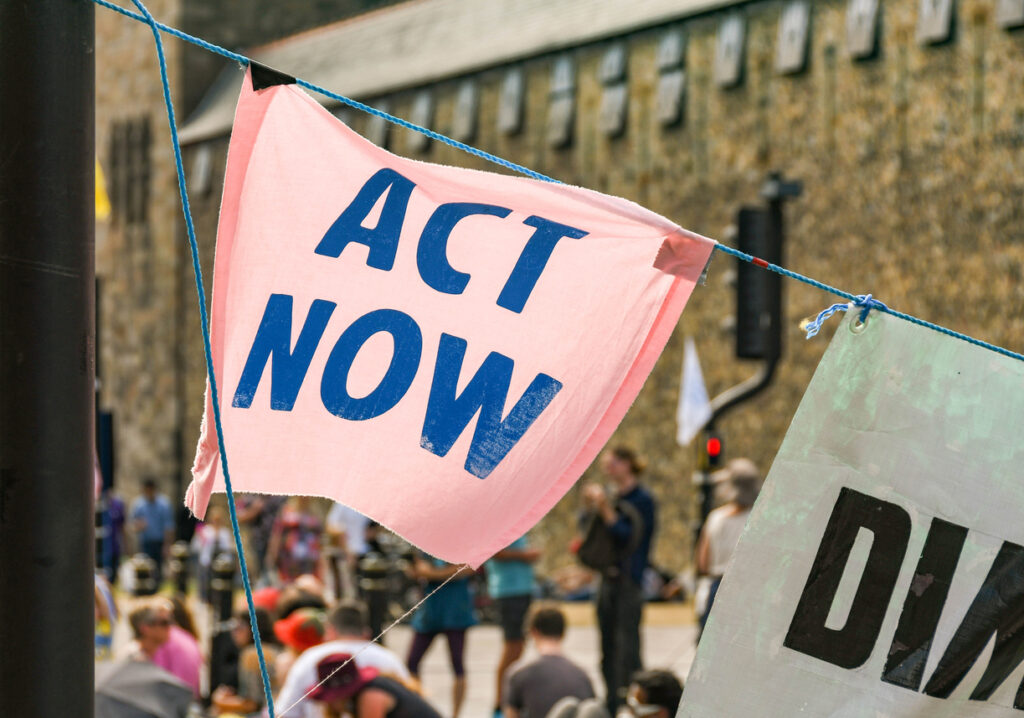
One of the clearest predictions for 2026 is psychological rather than physical. Even where climate action is happening, the benefits won’t yet be visible, while the impacts of past emissions continue to unfold.
Experts warn this can feel deeply discouraging. Doing the right things without immediate reward tests public trust, but they stress that delayed benefits don’t mean efforts are pointless, only that the climate system moves on a longer clock than politics or public mood.