Caring about the planet doesn’t mean living off-grid, growing your own lentils, or never setting foot on a plane again.

Most people want to do better, but they’re also tired, busy, and living inside systems that don’t make sustainable choices easy. That gap between intention and reality is where a lot of guilt and frustration tends to sit.
The changes that actually matter aren’t always the loud, performative ones, either. They’re usually the subtler habit changes, as well as the shifts in expectations and consumption that feel slightly uncomfortable at first, then oddly obvious once you get used to them. You don’t have to do all of these, and you don’t have to do them perfectly. That being said, they’re worth thinking about if you genuinely care about the world you’re moving through.
1. You’d think twice before buying something brand new.

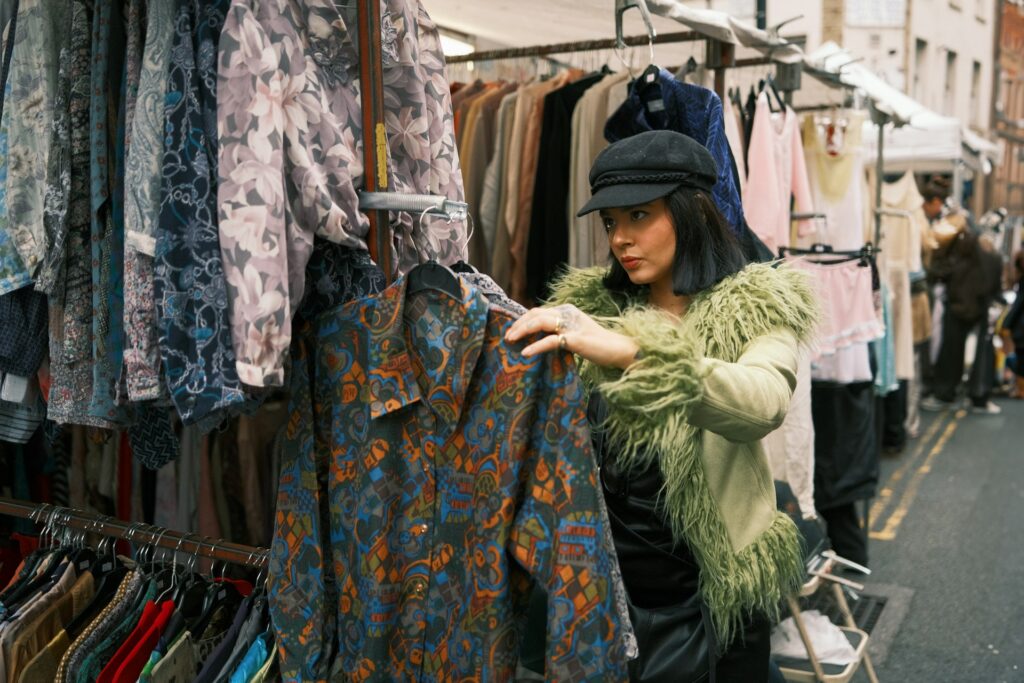
One of the biggest environmental costs happens before a product even reaches the shop. Manufacturing new items uses raw materials, energy, water, and transport long before anyone clicks “buy now.” When everything is bought new by default, that hidden impact adds up faster than most people realise. Considering second-hand, refurbished, or simply doing without is a great way of acknowledging that reusing what already exists often saves far more resources than recycling ever can, even if the item looks less shiny or trendy.
2. You’d eat less meat without needing a label for it.
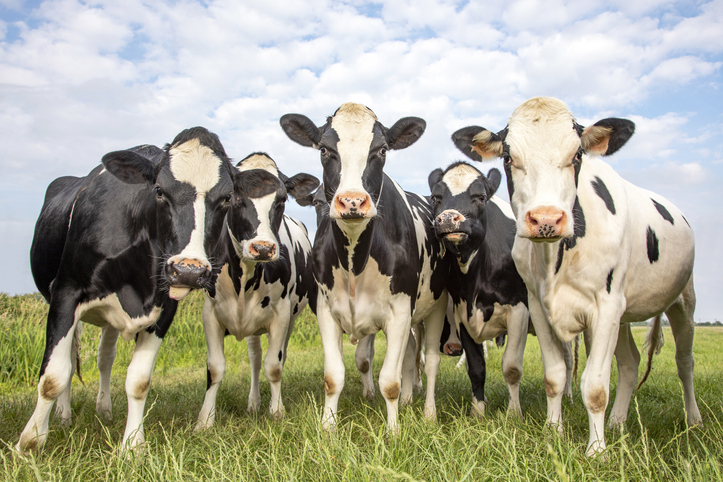
This isn’t about strict diets or moral superiority. Industrial meat production takes up huge amounts of land, water, and feed, and it contributes heavily to emissions. Eating meat at every meal has quietly become normal, even though it was never meant to be. Cutting back doesn’t require announcing yourself as anything. Simply treating meat as an occasional choice rather than a default can reduce environmental strain significantly, without turning meals into a constant ethical debate.
3. You’d stop treating food waste as inevitable.

Throwing food away feels small in the moment, but it represents wasted energy from farm to fridge. Growing, transporting, packaging, and refrigerating food only for it to end up in the bin is one of the least visible climate issues. Planning meals a bit better, freezing leftovers, or accepting slightly imperfect produce doesn’t mean being perfect when it comes to consumption. It’s about respecting how much effort went into that food long before it reached your kitchen.
4. You’d question convenience culture more often.
Single-use items exist because they’re easy, not because they’re necessary. From takeaway containers to disposable wipes, convenience has quietly trained people to value speed over long-term impact. Stopping and thinking for a minute before defaulting to disposable options doesn’t mean rejecting modern life. It means recognising that many “one-time” items are used for minutes, but linger in the environment for decades.
5. You’d use less energy at home, even when no one’s watching.

Home energy use often feels invisible because it’s spread out and routine. Lights left on, appliances on standby, overheated rooms all blend into the background of daily life. Reducing energy use shouldn’t translate into getting used to living in discomfort. It’s more about noticing habits that became automatic and adjusting them slightly, knowing that millions of small reductions matter more than a few dramatic gestures.
6. You’d reconsider how often you drive short distances.

Cars are one of the biggest contributors to everyday emissions, especially for short trips where engines never warm up properly. Many journeys are driven out of habit rather than necessity. Walking, cycling, or using public transport when possible doesn’t require giving up driving altogether. What matters here is recognising that not every trip needs a car, even if that idea feels mildly inconvenient at first.
7. You’d buy fewer clothes, not just “better” ones.
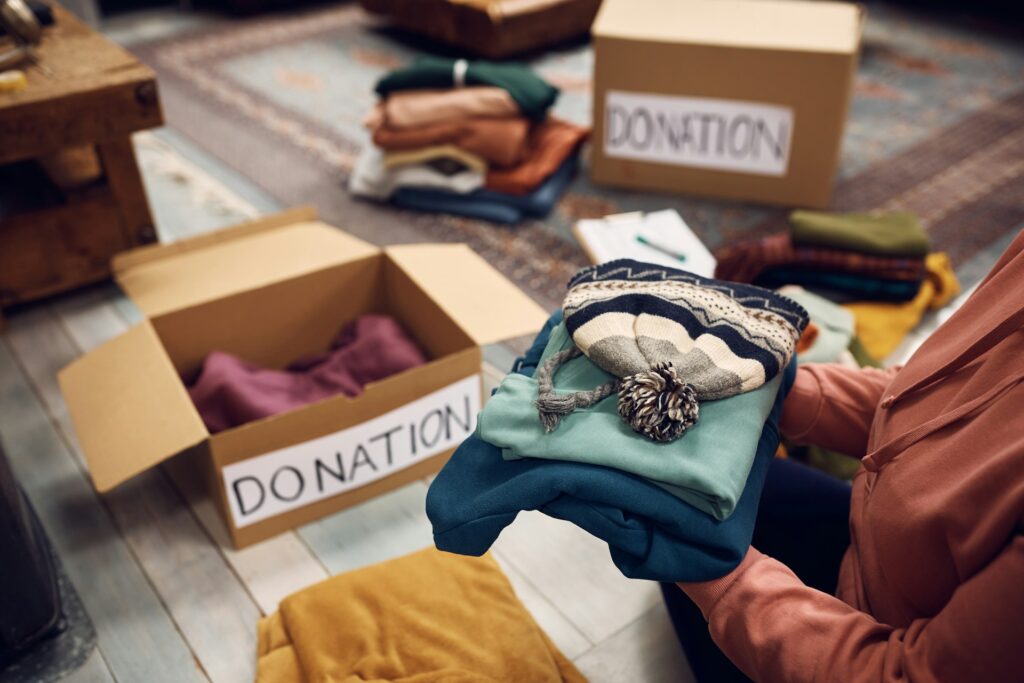
Fast fashion has trained people to treat clothes as disposable, even when wardrobes are already full. The environmental cost of clothing production is massive, from water use to chemical pollution. Buying less overall matters more than buying occasional eco-labelled pieces. Wearing what you already own for longer is often the most environmentally responsible choice available.
8. You’d stop upgrading tech just because you can.

Phones, laptops, and gadgets carry heavy environmental footprints due to mining, manufacturing, and global shipping. Constant upgrades create mountains of electronic waste that’s hard to recycle properly. Keeping devices for as long as they still work, repairing rather than replacing, and resisting minor upgrades all reduce demand for new production. It’s not anti-technology, it’s about slowing the churn.
9. You’d pay attention to how much water you use.

Water often feels limitless, especially in places where it’s always available at the tap. In reality, clean water requires energy to treat, pump, and heat. Shorter showers, fixing leaks, and running full loads aren’t dramatic sacrifices. They’re simple acknowledgements that water systems are under growing strain, even in countries where shortages aren’t always visible yet.
10. You’d care where your money ends up.

Every purchase supports a system, whether it’s local, global, sustainable, or extractive. Money flows quietly shape industries far more than most individual lifestyle changes ever could. Supporting businesses that prioritise repair, reuse, or responsible sourcing isn’t a form of moral purity. It’s about aligning spending with values, even imperfectly, instead of pretending purchases are neutral.
11. You’d talk about climate issues without turning it into an argument.
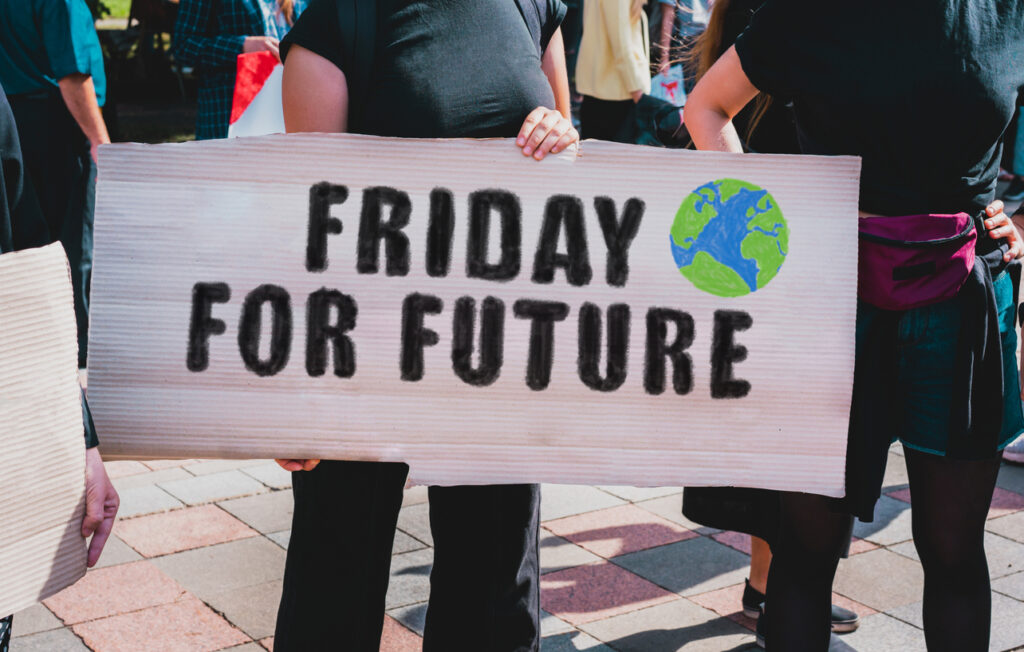
Many people avoid climate conversations because they feel polarising or exhausting. Silence can feel easier than disagreement a lot of the time, so they don’t even bother. Discussing environmental issues calmly, without blame or superiority, helps normalise concern rather than turning it into a niche interest. Cultural change often starts with ordinary conversations, not dramatic confrontations.
12. You’d accept that no one does this perfectly.
One of the biggest barriers to climate action is the idea that you either do everything or nothing. Perfectionism quietly stops people from trying at all. Accepting imperfection allows progress. Loving the planet doesn’t mean living without impact, it means caring enough to reduce it where you realistically can, again and again, over time.