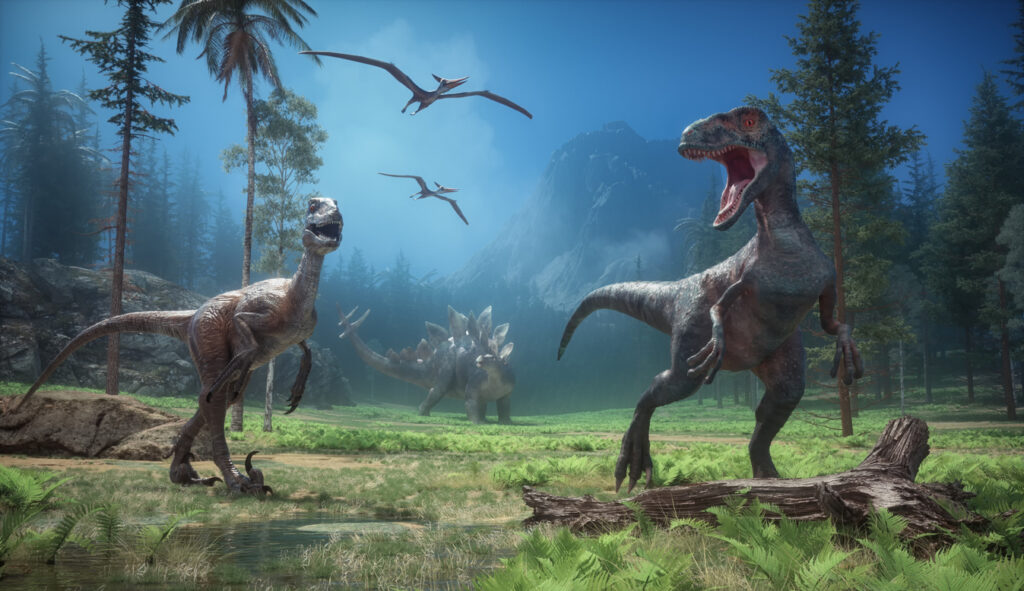
When most people picture dinosaurs, they imagine roaring predators and thunderous footsteps, not tender family moments. However, in the last few decades, scientists have uncovered surprising evidence that some dinosaurs might have been far more attentive parents than anyone expected. Fossilised nests, eggs, and even the remains of young found alongside adults have revealed glimpses of care, protection, and maybe even teaching behaviour that challenges the old idea of dinosaurs as cold, solitary creatures.
Of course, not every species was nurturing. Some probably laid their eggs and walked away, while others guarded their nests fiercely or stayed with their young long after hatching. The truth seems to fall somewhere in between instinct and intention. By studying how different dinosaurs raised their offspring, researchers are slowly piecing together what parenting looked like millions of years before mammals, and how it might have laid the groundwork for the family bonds we recognise today.
Some dinosaurs definitely built nests.
We’ve found fossilised dinosaur nests arranged in colonies, proving that at least some species actively prepared safe spaces for their eggs, rather than just dropping them randomly and wandering off like some reptiles do.
The nests show deliberate construction with eggs arranged carefully in circles or spirals, which suggests planning and care. These weren’t accidents, they were purposefully built structures that took time and effort to create before laying eggs.
Maiasaura means “good mother lizard” for a reason.
Palaeontologists named Maiasaura after discovering nests with hatchlings that had worn down teeth, proving they’d stayed in the nest being fed rather than immediately leaving after hatching like modern crocodiles do.
Those worn teeth are crucial evidence because they show parents brought food back to the nest for weeks or months. The babies couldn’t have survived otherwise, which means active parental care was definitely happening with this species.
Oviraptor got a terrible name by mistake.
Oviraptor means “egg thief” because scientists originally thought the first fossil was caught stealing another dinosaur’s eggs. Turns out it was actually sitting on its own nest, protecting and incubating its eggs when it died.
We’ve now found multiple Oviraptor fossils in brooding positions over nests, sometimes with embryos still inside the eggs. They were caring parents who died protecting their clutches, not egg thieves at all, but the name stuck, unfortunately.
Some dinosaurs sat on their nests like modern birds.
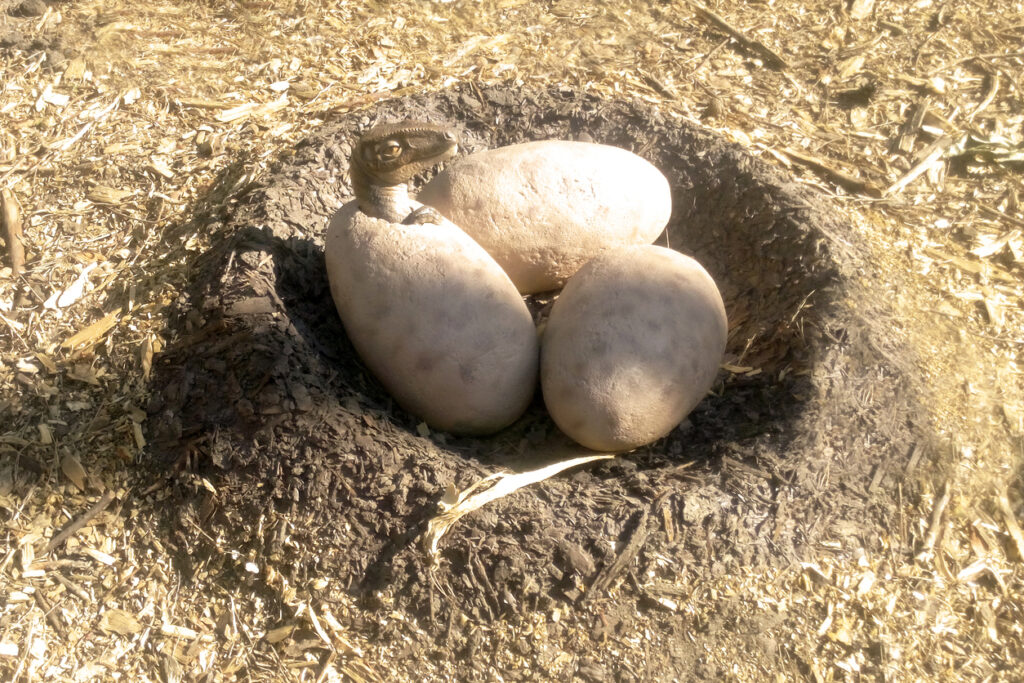
Fossils show theropod dinosaurs positioned over their nests with their arms spread out in exactly the same brooding posture modern birds use. The body heat would’ve kept eggs at the right temperature for development.
This behaviour links dinosaurs directly to birds and proves sophisticated parental care evolved way before birds even existed. They weren’t just laying eggs and leaving, they were actively incubating them for weeks or months until hatching.
Titanosaurs probably abandoned their eggs immediately.
Giant sauropods like Titanosaurs laid enormous numbers of eggs in simple holes, then likely wandered off and never returned. The eggs were buried under vegetation that generated heat as it decomposed, like a compost heap.
An adult Titanosaur weighed dozens of tonnes and would’ve crushed any nest it tried to sit on. Their babies were also relatively tiny and precocial, meaning they could fend for themselves immediately after hatching without parental help.
Triceratops babies stayed in herds with adults.
Fossil evidence shows juvenile Triceratops alongside adults in groups, suggesting extended family structures where young ones stayed protected within the herd rather than being abandoned after hatching to survive alone.
This makes sense because baby Triceratops were vulnerable to predators and benefited from staying near adults with massive horns and frills. The herd structure gave them protection they couldn’t provide for themselves until they grew larger.
T. rex might’ve cared for its young.
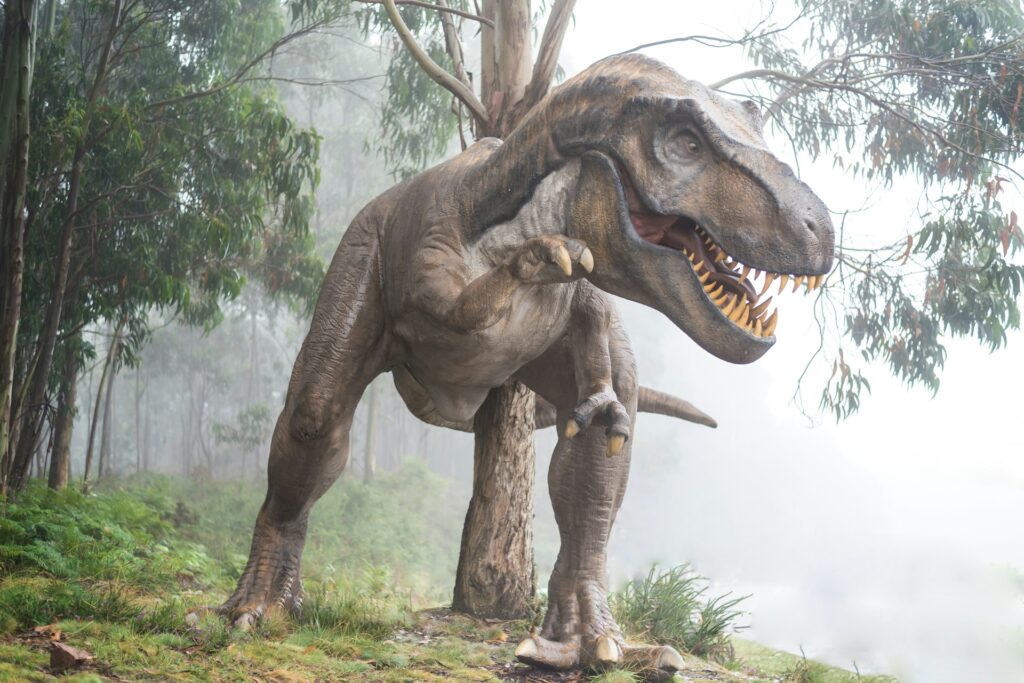
We’ve found young T. rex fossils with different body proportions than adults, suggesting they had a long growth period where they were vulnerable and possibly dependent on parental care and protection from threats.
Juvenile T. rex weren’t mini versions of adults, they were built differently and likely hunted different prey. That extended adolescence hints they might’ve learned hunting techniques from parents, rather than just knowing instinctively from birth.
Nest site fidelity shows planning and memory.
Some dinosaur species returned to the same nesting grounds year after year, creating massive nesting colonies with hundreds of nests. This behaviour requires memory, planning, and possibly teaching younger generations where to nest.
Modern animals that show nest site fidelity usually have complex social structures and parental care. Dinosaurs doing this suggests similar social complexity, not just mindless reptilian behaviour that people used to assume about them.
Theropods probably fed their babies.
Small theropod hatchlings couldn’t hunt effectively straight away, and their teeth show wear patterns consistent with eating soft food that parents would’ve provided. They weren’t born ready to kill, they needed help initially.
Bringing food back to helpless hatchlings requires effort, planning, and sacrifice that only makes sense if parents were actively invested in their offspring’s survival. This is sophisticated parental behaviour, not simple reptilian egg laying.
Parental care varied wildly between species.
Just like modern animals, different dinosaur species used completely different parenting strategies. Some were attentive parents who fed and protected their young, while others laid eggs and left immediately, letting babies fend for themselves.
Size, diet, and lifestyle all influenced parenting strategies. Small carnivores probably cared for helpless hatchlings, while giant herbivores had precocial babies that walked immediately. There wasn’t one “dinosaur parenting style,” there were dozens of different approaches.
Modern birds inherited parenting from dinosaurs.
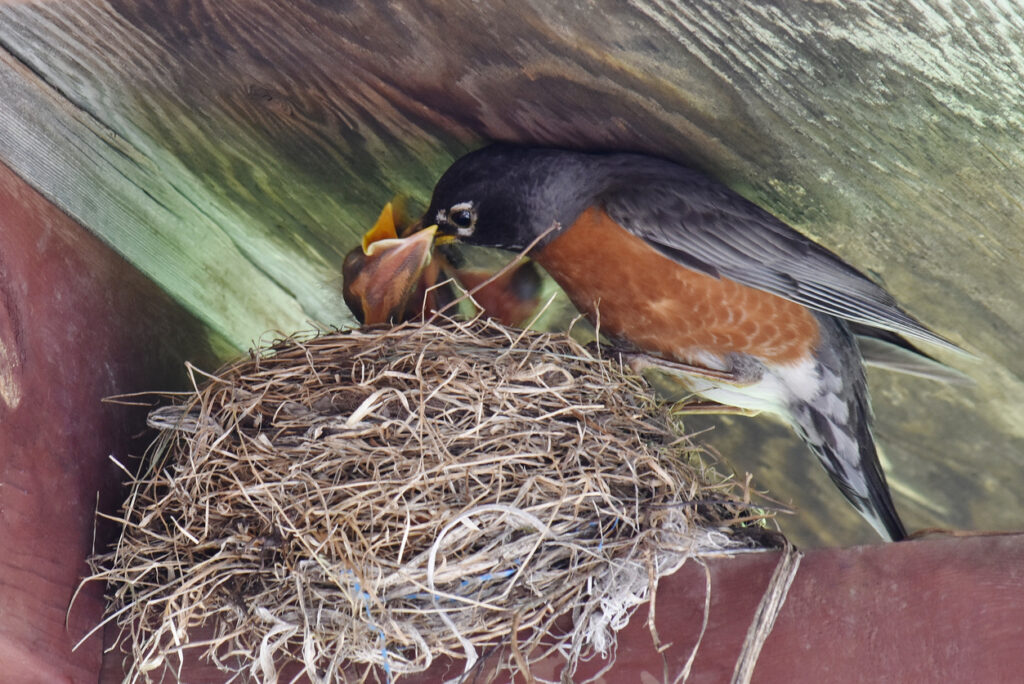
Birds are literally living dinosaurs, and their complex parenting behaviours evolved from their theropod ancestors. When you watch a robin feeding its chicks, you’re seeing parenting strategies that developed over 150 million years ago.
This means sophisticated parental care isn’t a mammal thing that evolved separately, it’s an ancient behaviour that some dinosaur lineages perfected long before mammals even became the dominant animals. Birds prove dinosaurs could be excellent parents.
Embryos show development needed time and protection.
Fossilised dinosaur embryos at various developmental stages prove eggs took weeks or months to hatch, during which they were vulnerable to predators, temperature changes, and other threats that required parental protection to survive.
Long incubation periods mean parents had to commit to staying near nests or actively defending them for extended periods. That’s a significant investment that only makes sense if dinosaurs had strong parental instincts driving that protective behaviour.
We’ll probably never know the full story.
Behaviour doesn’t fossilise well, so we’re piecing together parenting strategies from indirect evidence like nest structures, bone growth patterns, and modern animal comparisons. Lots of questions will probably never have definitive answers, unfortunately.
New discoveries keep changing our understanding of dinosaur behaviour, so what we think now might be completely wrong in twenty years. At least we know they weren’t all mindless reptiles who abandoned their eggs, some were genuinely caring parents.