You don’t need a massive garden or acres of countryside to help Britain’s struggling bird populations.

Even in cities, small patches of green space, balconies, and backyards can provide real lifelines. Urban birds are up against a lot, from disappearing habitats and fewer insects to constant disturbance, so every feeder, water dish, or scruffy hedge matters more than you’d think. The idea isn’t to turn your home into a nature reserve, but to make small changes that add up to something powerful.
Here’s how to make your little corner of the world a proper haven for the birds trying to survive in it.
1. Stop using pesticides and chemicals on your patch.
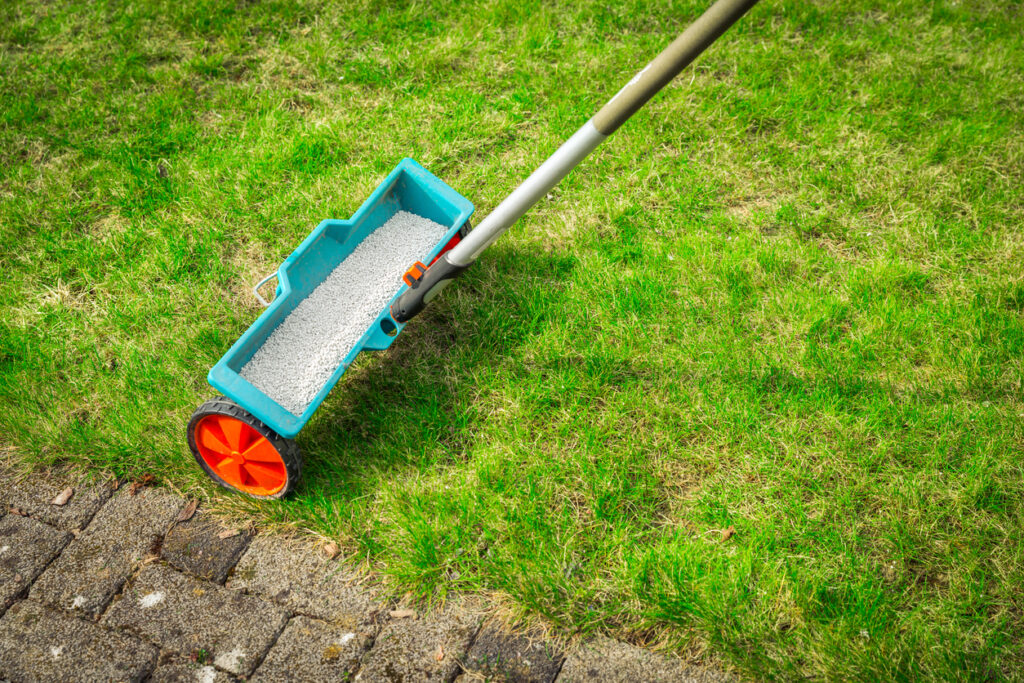
It’s tempting to reach for pest sprays when you spot aphids or slugs, but those quick fixes create long-term damage. Pesticides don’t just target “pests”; they kill the insects birds rely on to feed themselves and their chicks. Once you strip away that food source, you create what experts call a “dead zone,” where plants look tidy but nothing else can thrive.
Let the bugs stay, even if it feels counterintuitive. A few chewed leaves won’t hurt your plants, and in return, you’ll see wrens, robins, and blue tits showing up to feed on what’s naturally there. Birds keep the balance in ways chemicals never could.
2. Leave out fresh water year round.
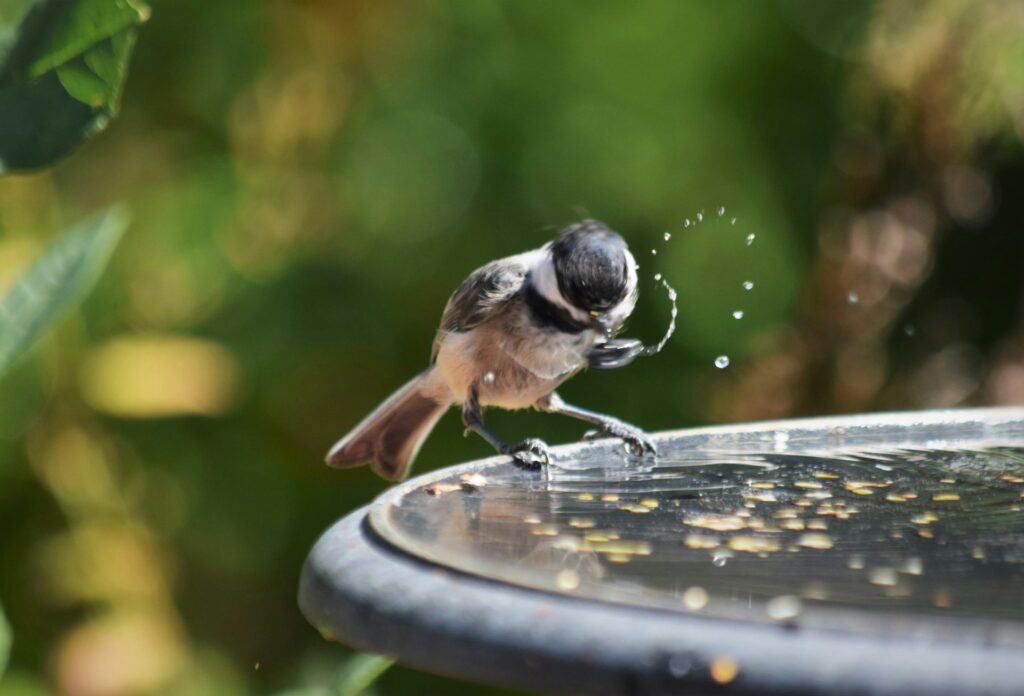
Every day, birds need to drink and bathe, and even more so in cities, where puddles and ponds have been replaced with tarmac and drains. Setting out a simple dish of clean water can be a genuine lifeline. In summer, it cools and hydrates them; in winter, when natural sources freeze solid, it can literally mean survival.
Keep the dish shallow so small birds can use it safely, and make sure to refresh it daily. During cold spells, pour in a bit of warm water to stop it icing over. Birds will quickly learn where to find it and return again and again.
3. Plant native species instead of ornamental ones.
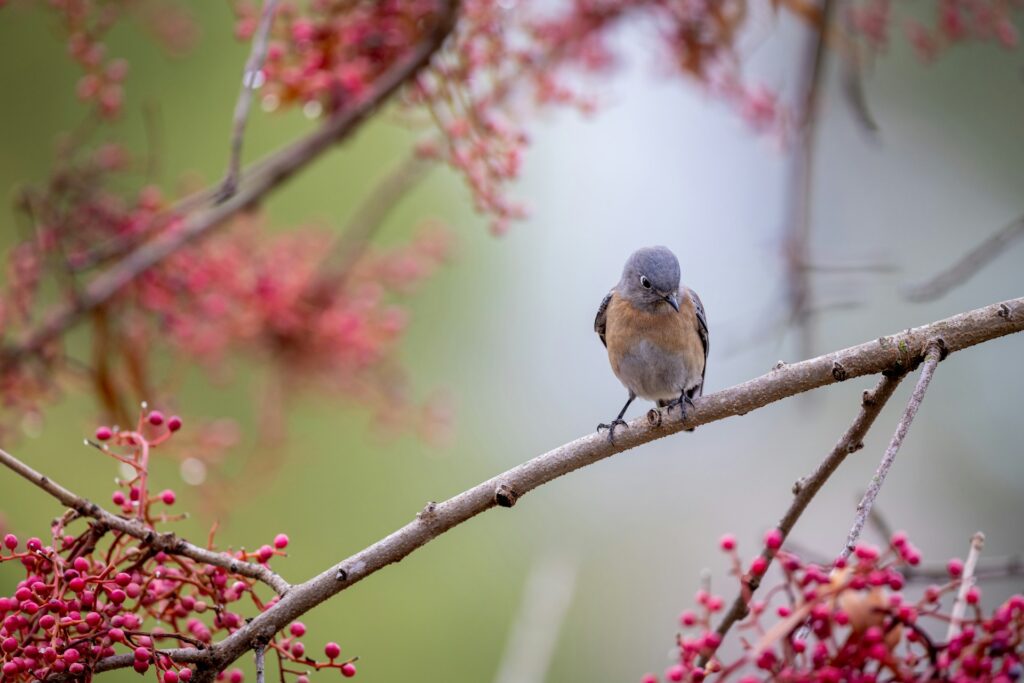
It’s easy to be drawn to bright, exotic plants that look good on Instagram, but most offer nothing useful to wildlife. Native plants, on the other hand, are like full-service supermarkets for birds, providing food, nesting cover, and insect life.
Trees and shrubs like hawthorn, rowan, elder, and blackthorn are invaluable. They attract insects in spring, berries in autumn, and shelter all year. It’s not about having the prettiest garden on the street; it’s about creating one that actually supports life.
4. Keep your cat indoors or use a collar with bells.

Cats are natural hunters, and even the sweetest pet can be lethal to wildlife. In the UK, domestic cats kill tens of millions of birds each year. Urban birds are hit hardest because their nests and feeding spots sit close to homes and gardens.
If your cat insists on going out, a quick solution is a breakaway collar fitted with bells. It gives birds a moment’s warning to get away. Keeping cats indoors during dawn and dusk, when birds are most active, also makes a huge difference without restricting their freedom too much.
5. Don’t cut back your garden too much in autumn.
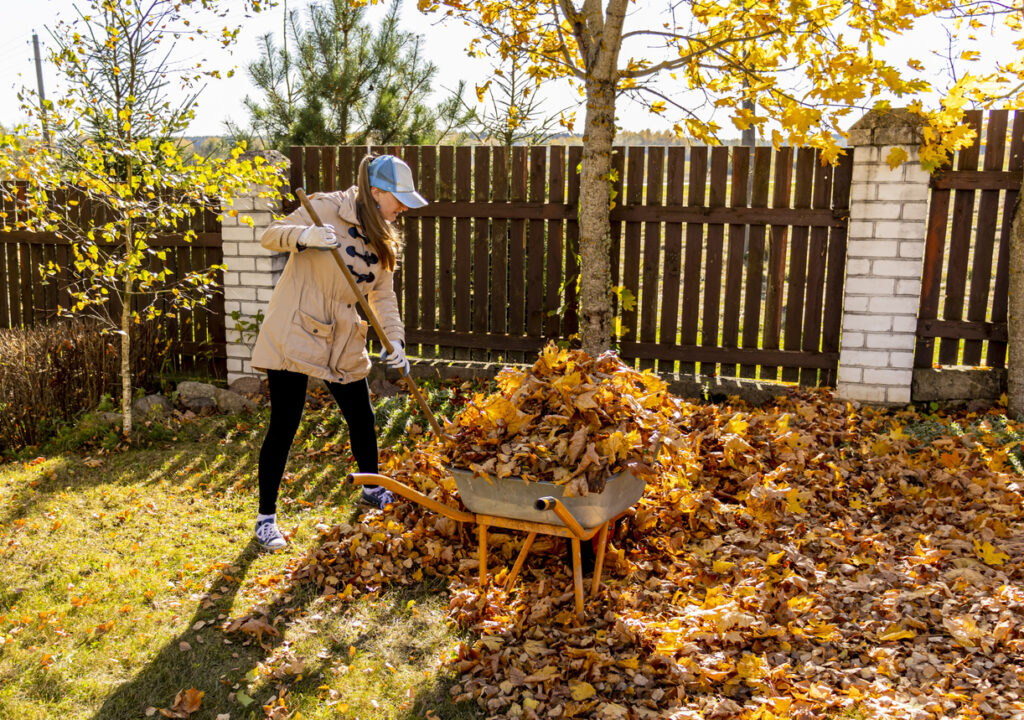
That tidy-up we all do before winter might make the garden look neat, but it robs birds of vital food and shelter. Dead seed heads feed finches and sparrows, while piles of leaves and untrimmed hedges hide insects and create safe roosting spots.
If you can, leave things a bit messy until spring. Those “untidy” corners are what get birds through the coldest months. It’s a small sacrifice in appearance for a huge gain in biodiversity, and by spring, nature’s done half the work for you.
6. Put up different types of nest boxes.
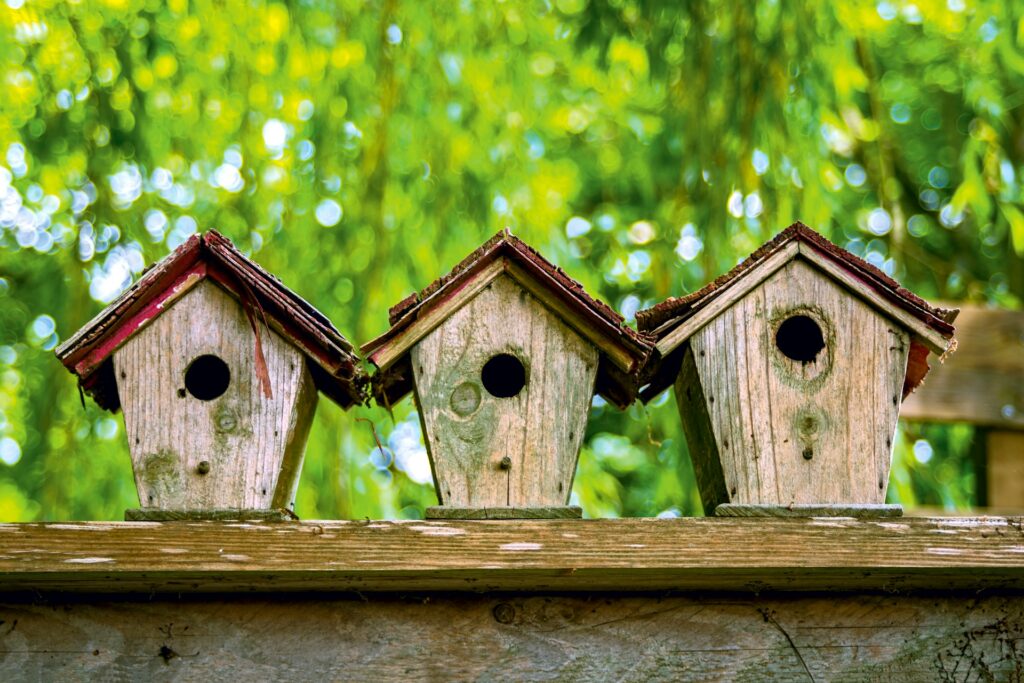
Birds don’t all nest the same way, so offering a variety of box types can attract multiple species. Blue tits, sparrows, and robins all have different preferences for entrance size and height. A mix of open-fronted boxes and smaller-holed ones covers more ground.
Face them away from harsh weather, keep them out of direct sunlight, and install them between autumn and early spring. Birds will often scout out potential nesting spots months in advance, so early preparation pays off.
7. Stop trimming hedges during nesting season.
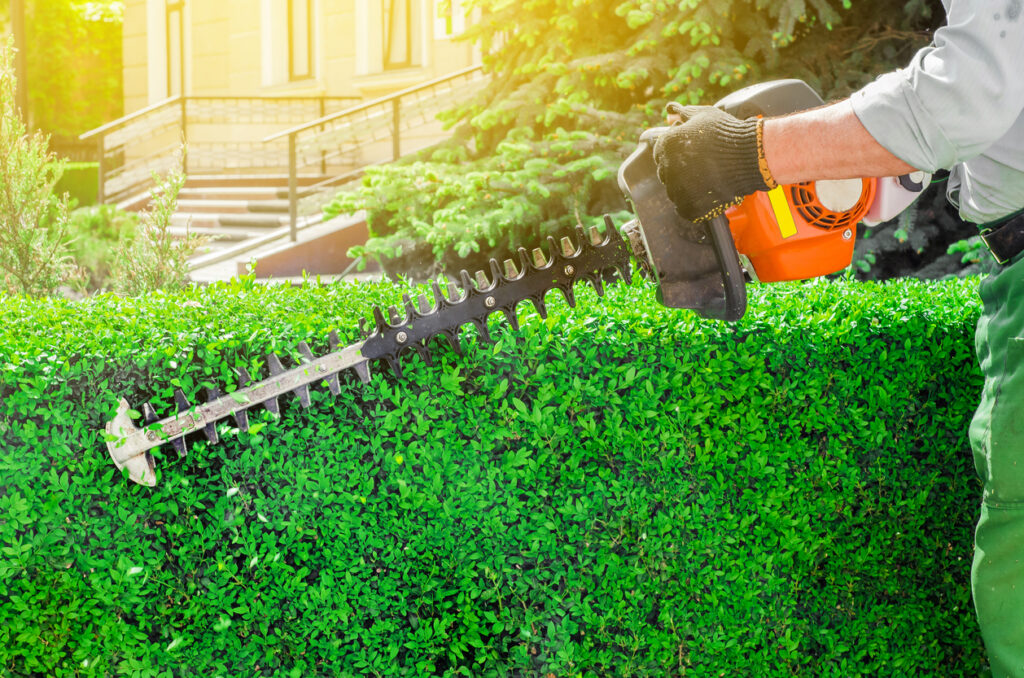
Between March and August, hedges are full of nests. Cutting them then can destroy eggs or kill chicks, yet it’s something people still do without realising. It’s not just cruel; it’s illegal under the Wildlife and Countryside Act.
Wait until late autumn to trim, and always check before you start. If you find a nest, leave that bit untouched until the chicks have flown. Your hedge will be fine, and you’ll have helped raise an entire generation of garden birds.
8. Leave gaps at the bottom of fences.
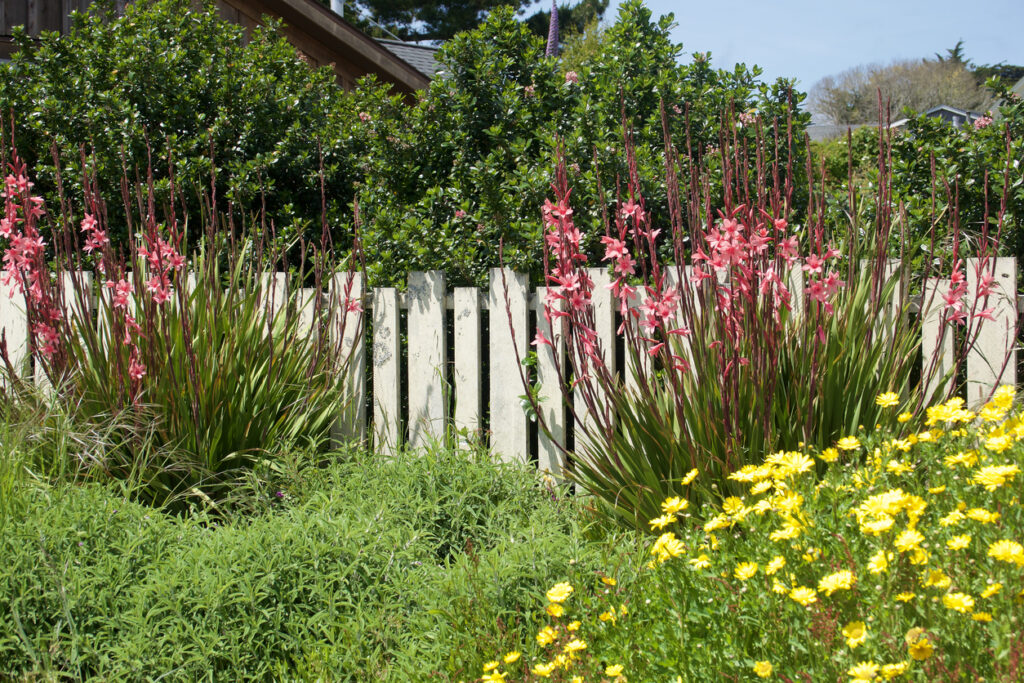
A simple 13-centimetre hole at the base of your fence can make a world of difference. It allows ground-feeding birds like robins and blackbirds to move freely between gardens, helping them find food and shelter without wasting energy flying over every time.
These little “wildlife corridors” also help hedgehogs, frogs, and toads travel safely through neighbourhoods. It’s such a tiny tweak, yet it helps stitch fragmented urban habitats back together.
9. Cover windows that birds fly into.

One of the biggest hidden dangers for urban birds is glass. Reflections of trees or sky confuse them, and they fly straight into windows, often fatally. It happens in homes, offices, and even bus stops.
To fix it, break up reflections with decals, stickers, or vertical strips of tape spaced a few inches apart. Even keeping your blinds half-closed helps. It’s simple, cheap, and saves countless lives.
10. Feed birds appropriate food throughout the year.
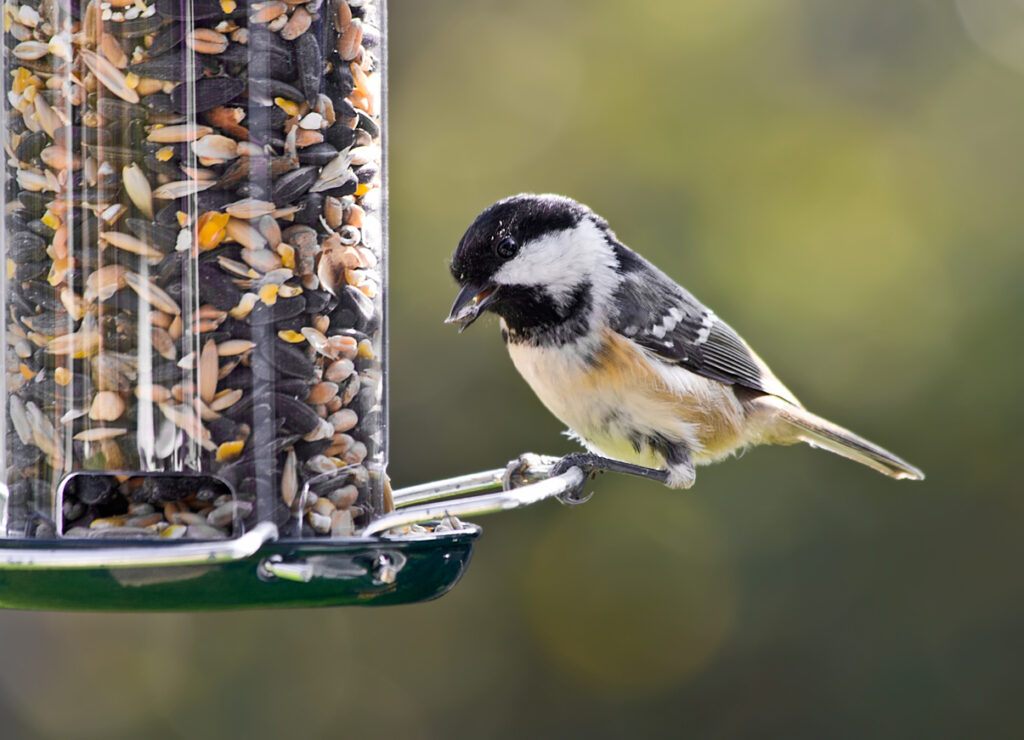
Bird feeding has become a national pastime, but not all “bird food” is actually good for them. Bread, chips, and processed scraps fill their stomachs but offer little nutrition. In some cases, they can even make birds ill.
Instead, stock feeders with sunflower hearts, suet balls, nyjer seeds, or mealworms. Each one attracts different species and supports them through the changing seasons. Clean feeders regularly to stop diseases spreading, especially since just one mouldy seed tray can infect dozens of birds in days.
11. Campaign for green spaces in your area.
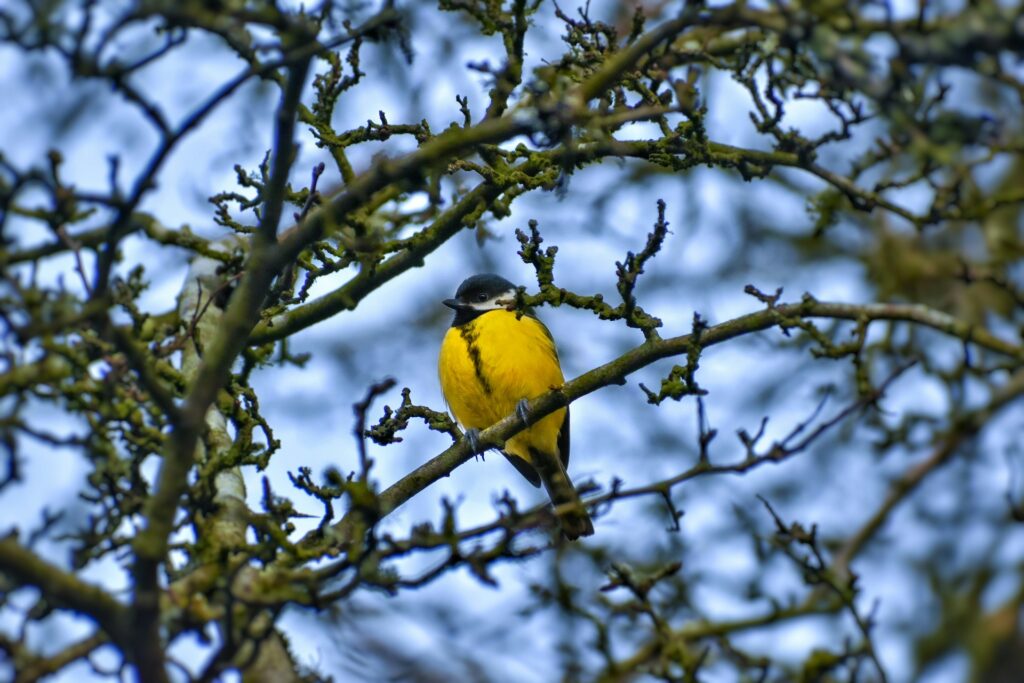
Helping birds isn’t just about your own garden. Urban planning plays a huge part in whether birds survive at all. Parks, trees, and connected patches of green space are essential for keeping bird populations stable.
Get involved locally. Support rewilding projects, write to your council, or help plant trees in community gardens. The more joined-up green areas we have, the more birds can thrive. Small gardens matter, but big change happens when people work together.