Palaeontology is an underrated field, and it’s one of the most fascinating for those who are passionate about history.
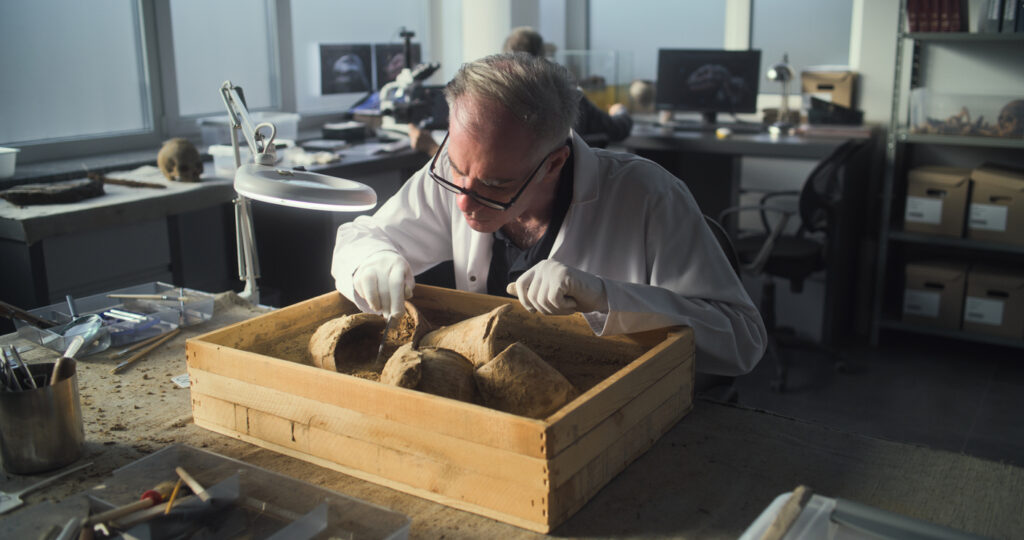
If you’ve ever pictured yourself dusting off ancient bones, standing in sun-baked dig sites, or uncovering clues about creatures that walked the Earth millions of years ago, palaeontology might be the dream career you didn’t realise was possible. It’s a field built on patience, curiosity and endless fascination with the natural world. The people who do it professionally aren’t just dinosaur enthusiasts; they’re scientists, storytellers, and detectives piecing together the history of life itself.
Getting there takes time, study and a fair bit of dirt under your nails, but for those who genuinely love discovery, it’s an extraordinary path. Here’s what it actually takes to become a palaeontologist, and why the journey is just as exciting as the destination.
Start with genuine curiosity about the past.

Every palaeontologist begins with a sense of wonder. It’s rarely about grades or qualifications at first, but about that pull toward the unknown. Maybe it’s the idea that an ordinary-looking rock could hide a creature no one’s seen for millions of years. That curiosity becomes the fuel that keeps you going through long study sessions, fieldwork, and endless hours of research.
You don’t need to know everything right away. What matters most is wanting to understand the story of Earth and how life evolved on it. The science can be learned later; the fascination is what drives everything else.
Focus on science at school.

If you’re serious about palaeontology, subjects like biology, chemistry, physics, and geography will give you the foundation you’ll need later. They teach you how life works, how rocks form, and how the Earth changes. Maths is useful too, especially for analysing data or calculating geological timelines.
Think of it as building a toolkit. You’ll need those scientific basics to understand the complex systems behind fossil formation, dating, and preservation. It’s not glamorous work all the time, but the better your grounding, the easier it becomes to connect the dots once you’re in the field.
Choose a relevant university degree.

Most palaeontologists take degrees in geology, earth science, natural sciences or biology. Some universities, particularly in the UK, offer modules or full courses that focus specifically on palaeobiology or evolutionary biology. These give you a head start in understanding how fossils fit into the bigger picture of Earth’s history.
At university, you’ll study everything from how ancient environments formed to how species adapted and died out. You’ll also learn how to interpret rock layers like pages in a book, each one holding a different chapter of Earth’s story.
Volunteer wherever you can.
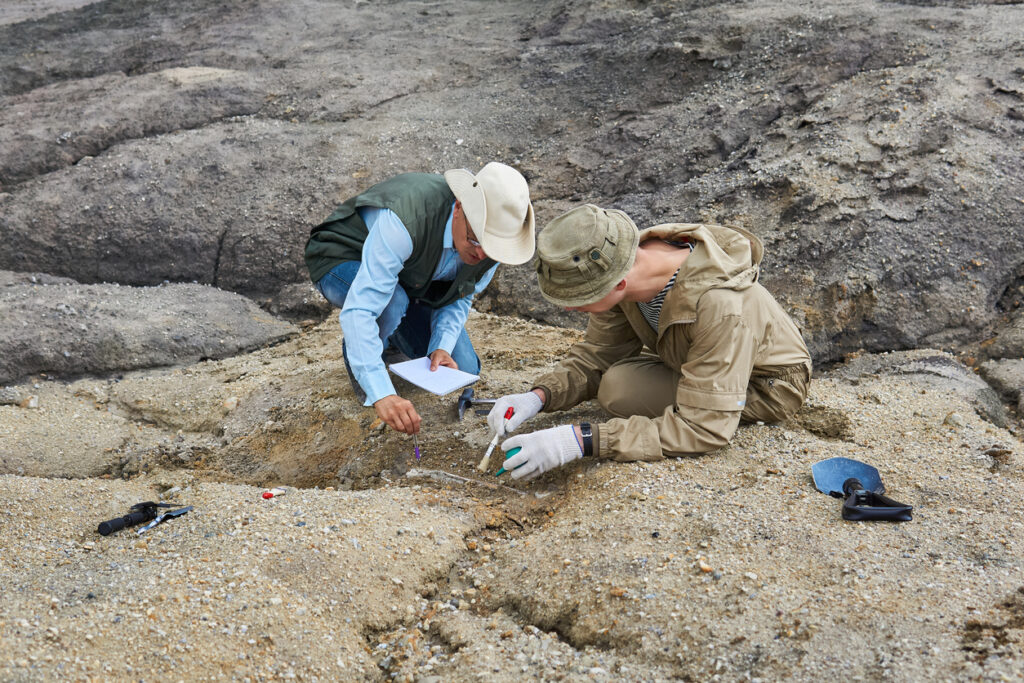
Getting hands-on experience is what turns interest into real skill. Museums, nature reserves, and geological societies often welcome volunteers to help clean, sort, or catalogue fossils. If you’re lucky, you might even get the chance to join supervised excavations or help identify specimens.
These experiences teach you what textbooks can’t, like how to handle fragile finds, how to observe details that other people might miss, and how to work alongside professionals. It also gives you a better sense of which part of palaeontology you love most: digging, researching, or sharing your discoveries with the public.
Learn to identify rocks and fossils.
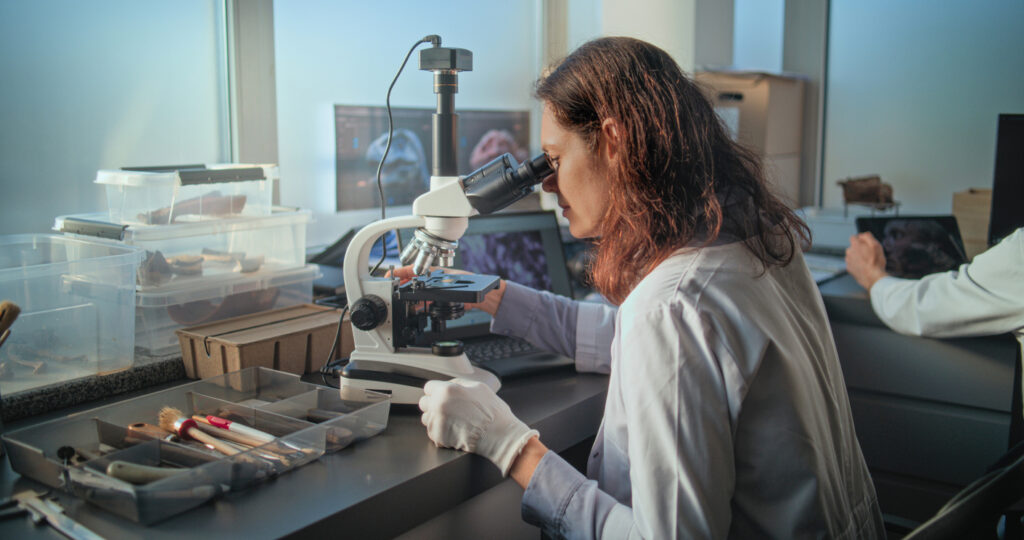
This is a skill that comes with time and practice. The more you handle different stones and sediments, the more you start to see the differences, whether it’s a slight change in colour, texture, or grain that reveals what lies beneath. Being able to spot the right kind of rock can save hours of searching and turn an average day into a major find.
Many palaeontologists start out by collecting small fossils from beaches or quarries and learning how to date them. Over time, you develop an instinct for what’s natural variation and what’s evidence of ancient life.
Develop strong fieldwork skills.
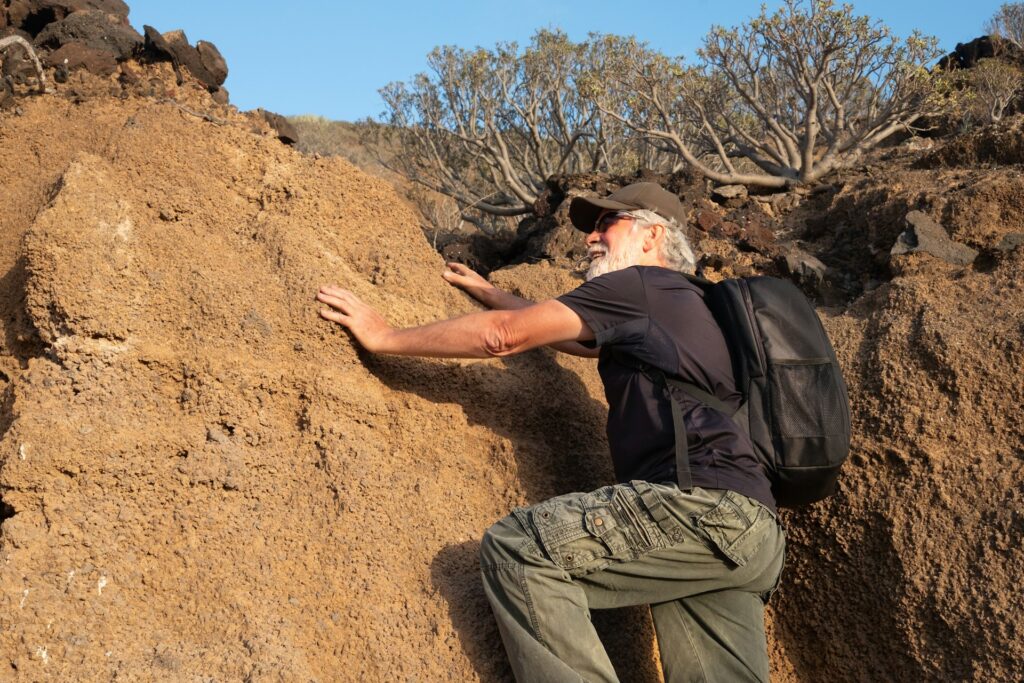
Palaeontology might sound glamorous, but most of it involves kneeling in the dirt for hours with delicate tools and extreme patience. You’ll learn how to extract fossils carefully without damaging them, how to map sites precisely, and how to record data accurately.
Fieldwork can be tough, as the conditions are often hot, cold, or wet, but it’s also where the real magic happens. Many palaeontologists say that moment of brushing soil off a bone that hasn’t seen sunlight for millions of years makes every long day worth it.
Keep detailed notes and records.
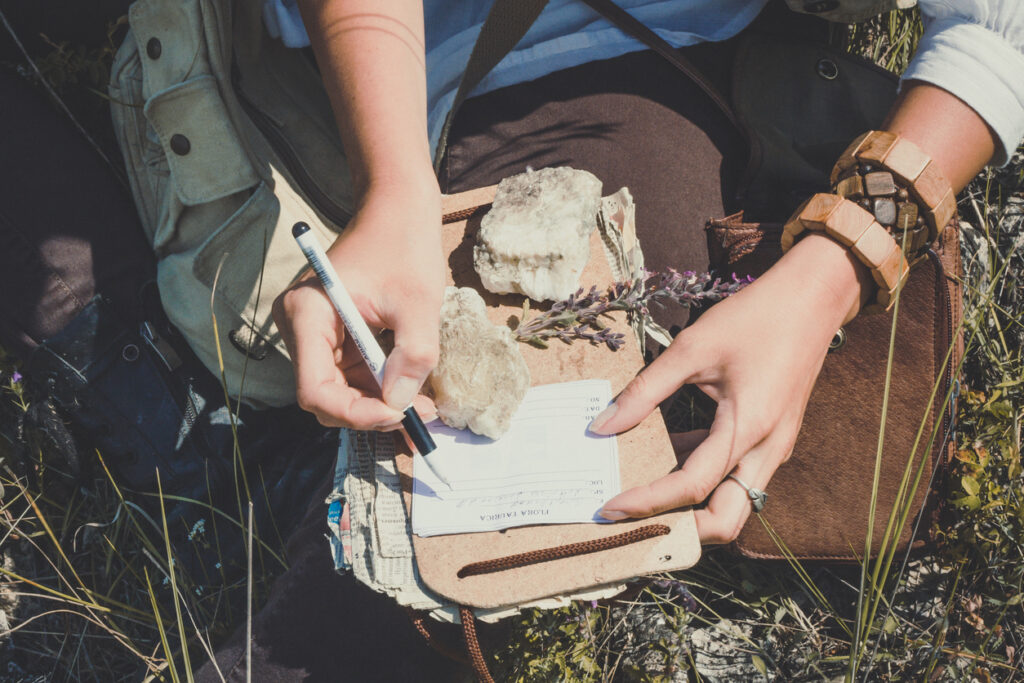
In science, your notes are as valuable as the fossils themselves. Every detail, from where it was found and the layer of rock, to the temperature and the position, matters. It’s what allows other researchers to verify, interpret or build on your discoveries.
Developing that habit early will make you a far stronger scientist later. It’s not just about data collection; it’s about storytelling through evidence. Each note you take helps future generations understand the world you uncovered.
Continue with postgraduate study.
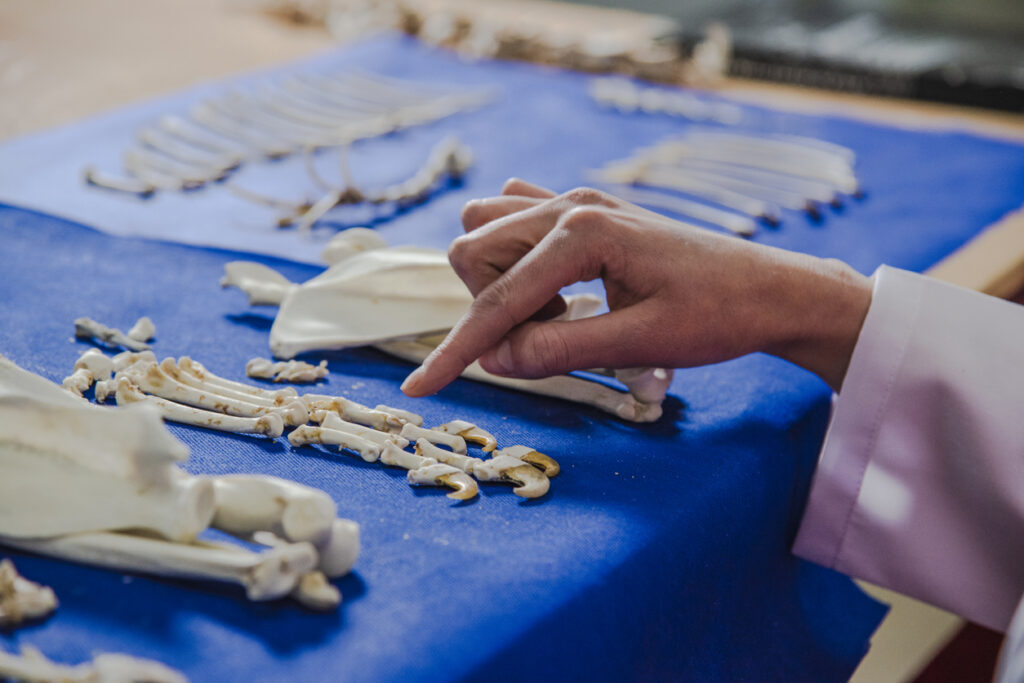
Most professional palaeontologists complete a master’s degree or PhD to specialise in a particular area. This might be dinosaur anatomy, prehistoric ecosystems, or even ancient climate science. Postgraduate study is where you begin doing your own research rather than just learning from other people.
You’ll likely publish papers, attend conferences and present your findings to the wider scientific community. It’s a demanding step, but it’s also where you start to make your mark as a researcher.
Learn to use modern technology.

Gone are the days when palaeontology was only about digging with a trowel. Modern palaeontologists use 3D scanners, drones, and computer modelling to reconstruct fossils and analyse them in incredible detail. Learning how to use these tools can make you stand out in a competitive field.
Technology also allows discoveries to be shared worldwide. Digital models of fossils can be studied without risk of damage, and computer simulations can help test how extinct animals might have moved or eaten. Embracing these tools is key to the future of the field.
Build professional connections.

Science thrives on collaboration, and palaeontology is no exception. Joining groups like the Geological Society or the Palaeontological Association can connect you with mentors, researchers and future employers. These networks often lead to field opportunities, internships, and projects that wouldn’t otherwise be advertised.
It’s also a great way to stay inspired. Hearing about other people’s discoveries reminds you why you got into it in the first place. Every fossil has a story, and so does every palaeontologist.
Prepare for a competitive field.
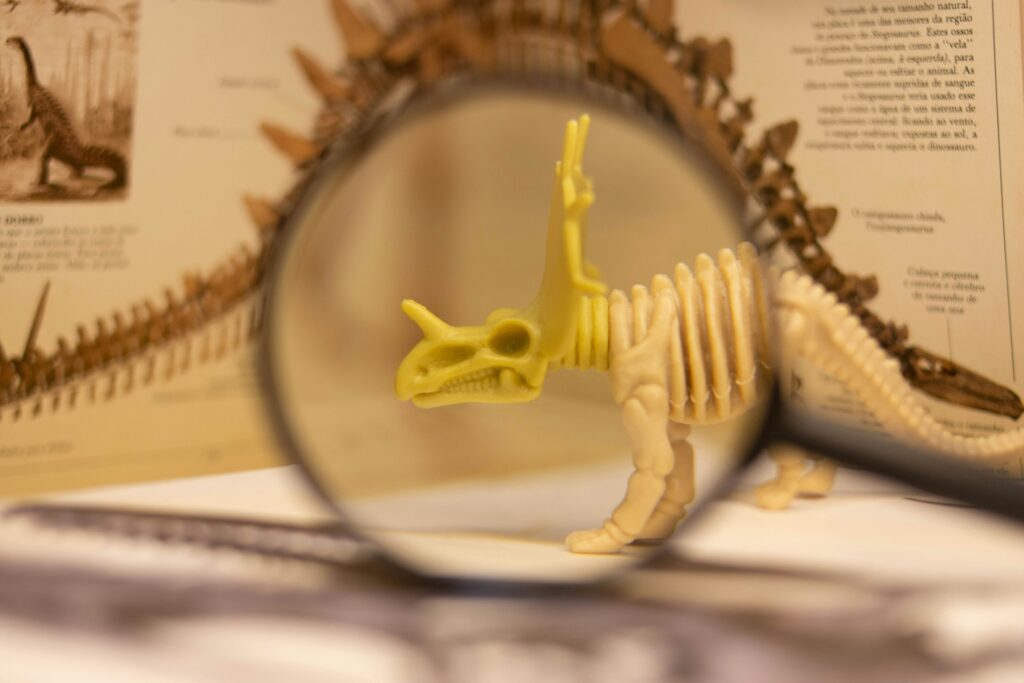
The truth is, palaeontology isn’t an easy career to break into. Jobs are limited, and funding can be tight, so persistence really matters. Many people start in related areas such as teaching, conservation, or museum work before finding a permanent research position.
The good news is, every role adds experience and keeps you connected to the science. Apply for grants, stay published, and look beyond your country for opportunities. Passion and persistence often open doors that qualifications alone can’t.
Be open to travel and relocation.
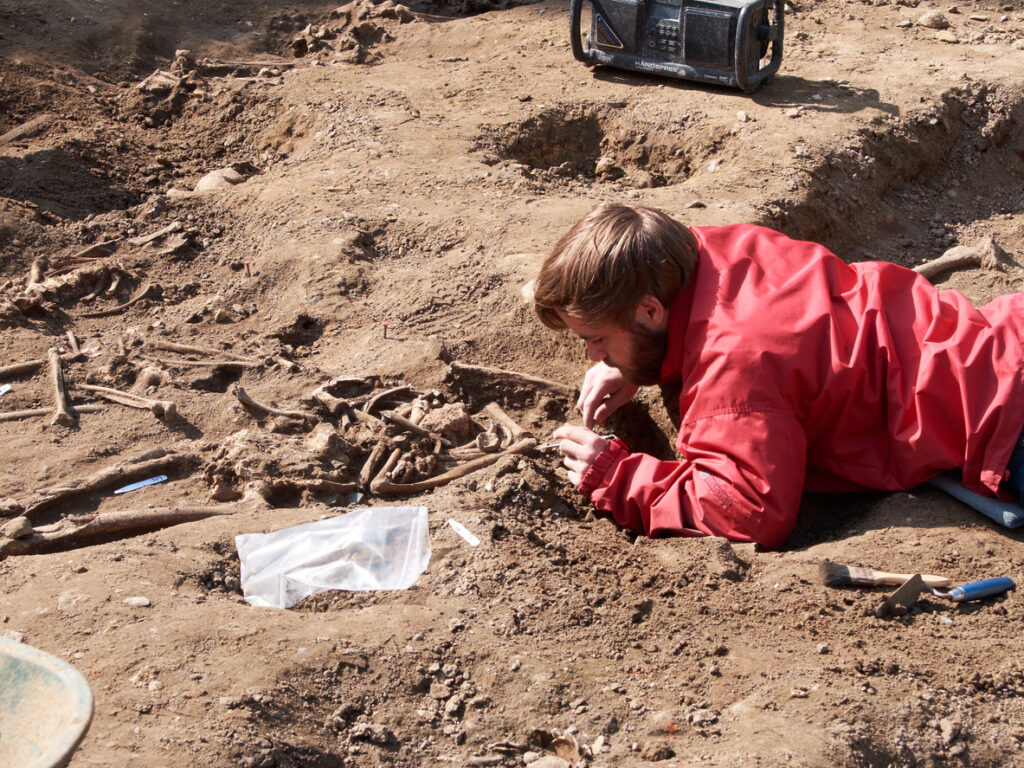
Palaeontologists go where the fossils are, and that can mean anywhere from the cliffs of Dorset to the deserts of Mongolia. Being flexible about travel gives you access to far more experience and discovery.
Each site has its own challenges and rewards. Some are remote and physically demanding, while others are hidden in museums and archives. Both are vital parts of the work. The more varied your experience, the stronger your understanding becomes.
Keep learning throughout your career.

Science never stands still, and neither should you. Every year, new discoveries challenge what we thought we knew about evolution, extinction, and the origins of life. Staying curious and up to date keeps your research sharp and relevant.
Reading scientific journals, joining collaborative projects, and learning new techniques will keep your passion alive. The best palaeontologists are those who stay students at heart, no matter how long they’ve been doing it.
Share your knowledge with other people.
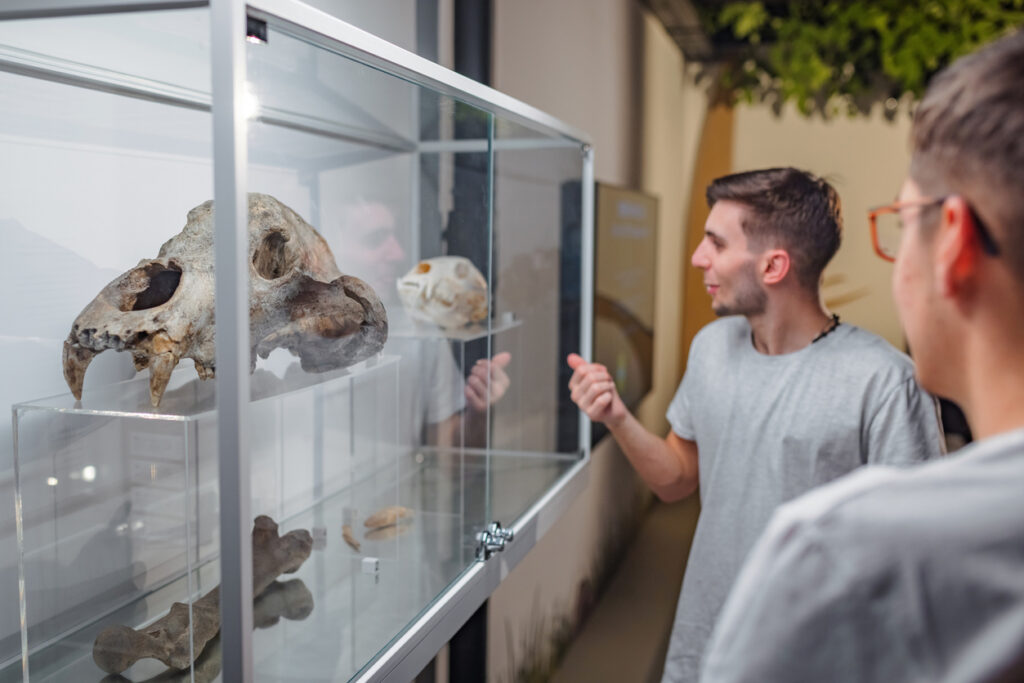
The final step, and arguably one of the most rewarding, is sharing what you’ve learned. Whether you’re writing for journals, giving talks, or working in a museum, your enthusiasm can inspire other people to care about the past too.
Helping people understand where life came from makes science feel human again. Palaeontology isn’t just about fossils; it’s about the story of survival, adaptation, and change. That story is still unfolding, one discovery at a time.