Before farming reshaped Britain’s landscape, people relied on whatever wild plants they could gather.
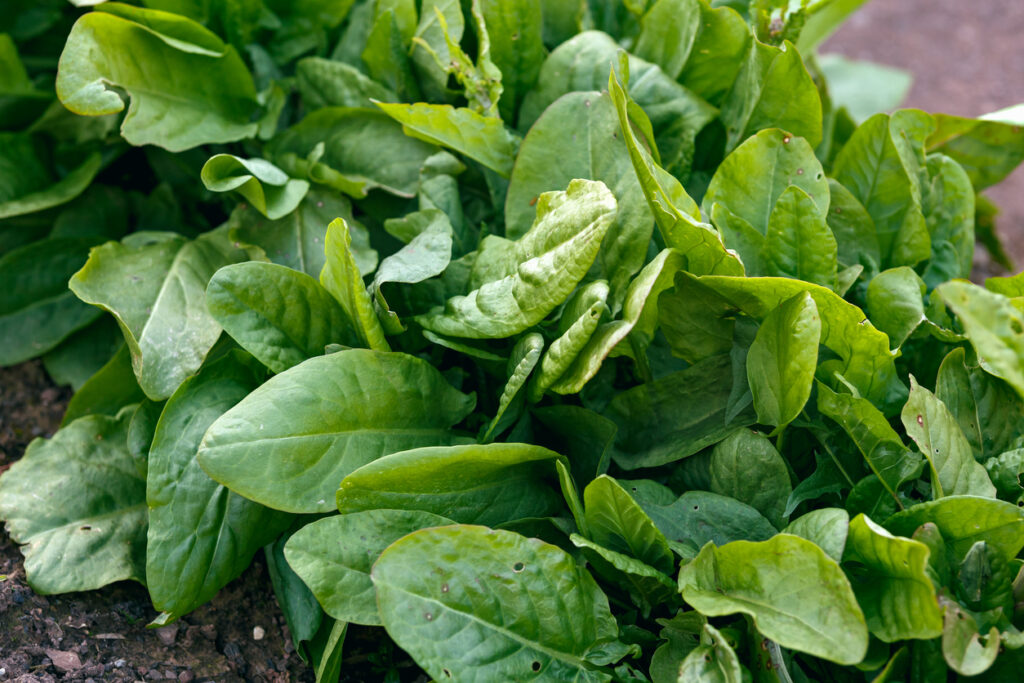
Many of today’s familiar vegetables once grew freely in the countryside, long before ploughs and seed drills. While these days, they’re mostly confined to greenhouses and gardens (if they’re still around, that is), some do still exist in forests and along coastline areas, too. These are some of the wild origins hiding in plain sight.
1. Wild cabbage clung to the coasts.
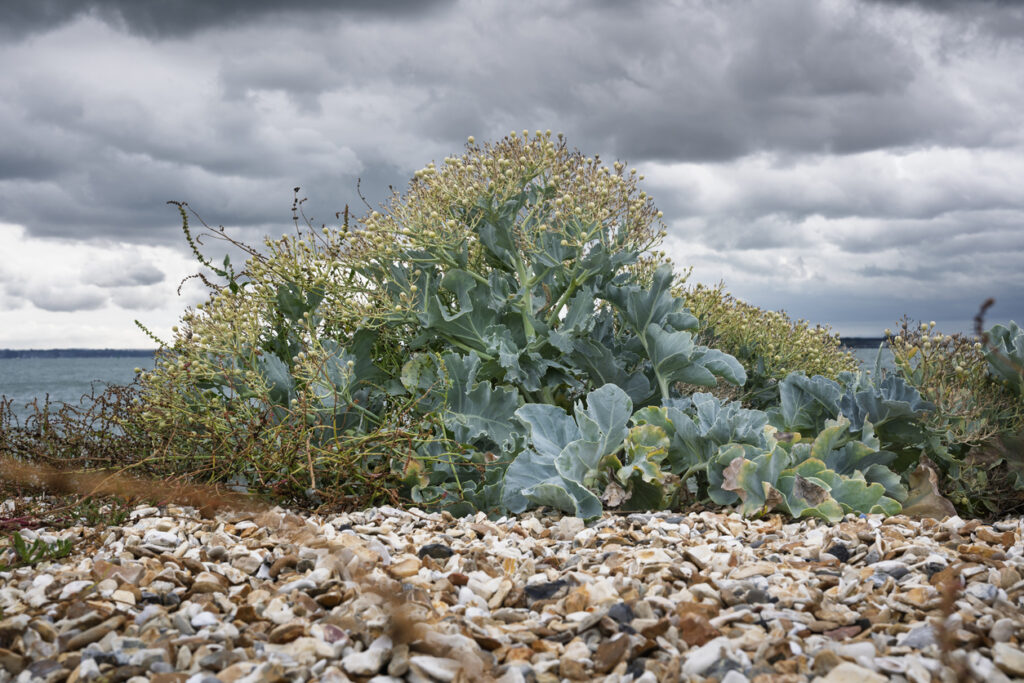
Wild cabbage, the ancestor of broccoli, kale, and cauliflower, once thrived along Britain’s rocky shorelines. Its thick leaves and salt tolerance helped it survive in harsh coastal conditions, making it a staple for foragers before farming took hold.
This hardy plant later gave rise to countless cultivated varieties. Early gatherers likely valued its bitterness as a sign of nutrition. Without wild cabbage, our plates today would be missing many of the vegetables we take for granted.
2. Nettles doubled as food and medicine.

Stinging nettles were not just a nuisance to avoid. Early Britons cooked them down into soups and stews, enjoying their earthy flavour and nutritional boost. Once boiled, the sting disappeared, leaving behind a surprisingly versatile green.
They also carried medicinal uses, making them a valuable resource. Nettles proved that wild plants could provide both sustenance and healing, bridging the gap between food and natural remedy for Britain’s earliest communities.
3. Wild onions added sharp flavour.

Long before supermarket onions, their wild relatives grew freely across the landscape. Early foragers sought them out for their strong taste, which brightened otherwise plain meals made from roots, grains, and wild game.
These wild onions eventually paved the way for the cultivated bulbs we rely on today. They show how even small, pungent plants were vital in early diets, adding variety and zest to meals that could otherwise be bland.
4. Sea beet grew by the water’s edge.
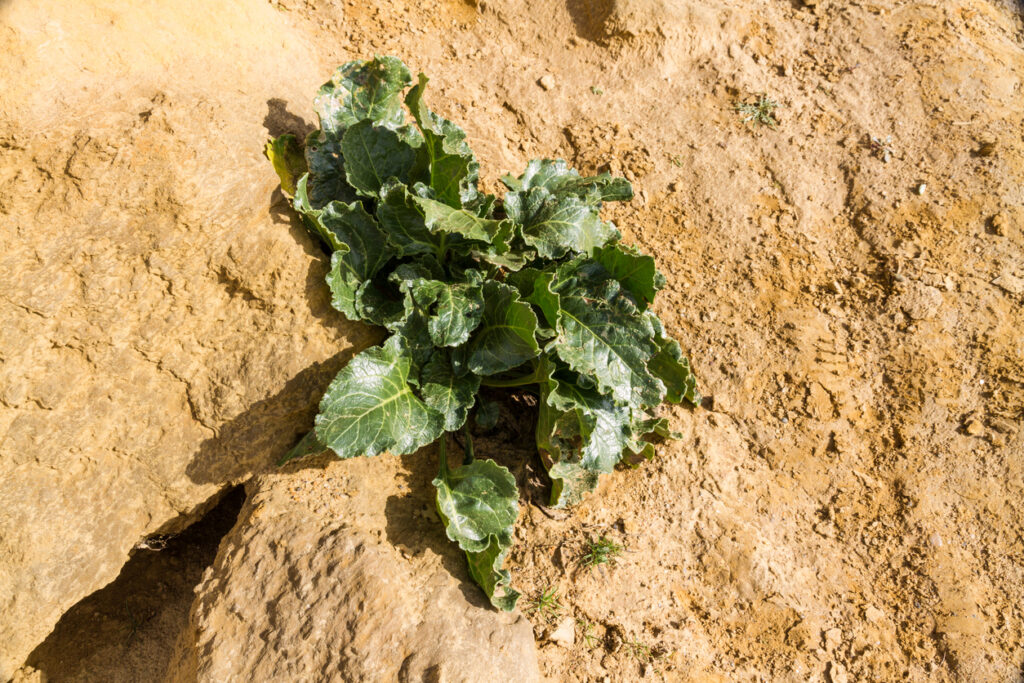
Sea beet, the ancestor of beetroot, chard, and spinach beet, thrived along Britain’s coasts and estuaries. Its thick, glossy leaves were rich in nutrients, making it a go-to green for people living near the shoreline.
This humble plant later transformed into some of the most popular leafy crops. Ancient foragers discovered its resilience and flavour, which eventually inspired cultivation and selective breeding that gave us a whole family of familiar vegetables.
5. Wild carrots were small and bitter.
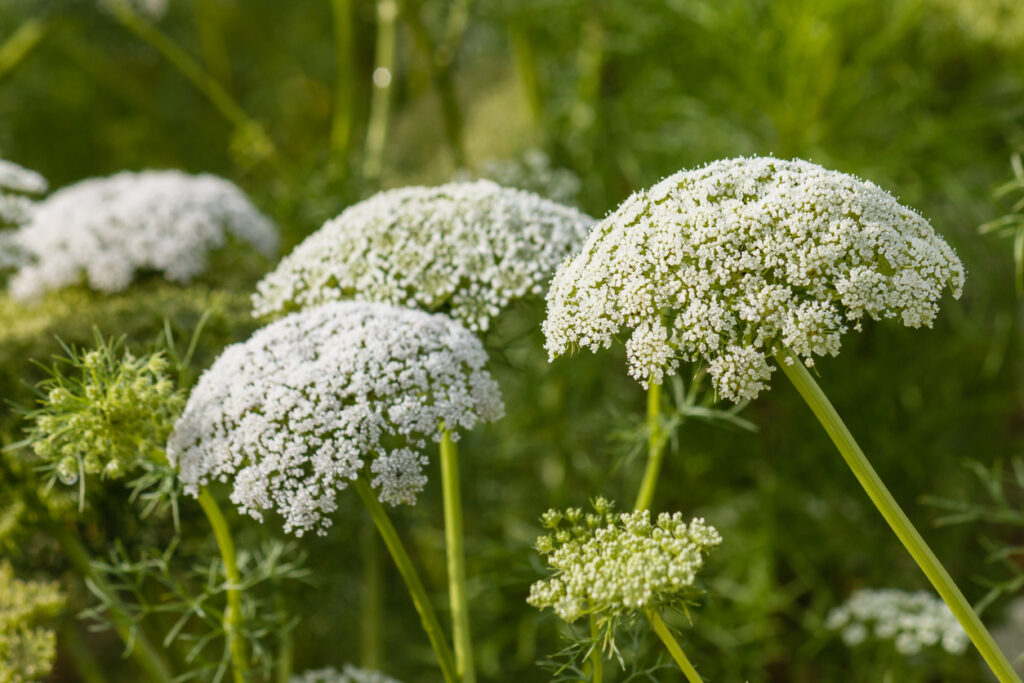
Unlike today’s sweet orange varieties, early carrots were small, pale, and often purple or white. They carried a tough texture and bitter taste, but they provided valuable nutrition in leaner times and were easy to find in the wild.
Over centuries, selective growing softened their flavour and brightened their colours. The wild carrot may not have been a treat, but it became the root of one of Britain’s most important staple vegetables.
6. Sorrel brought a tangy kick.
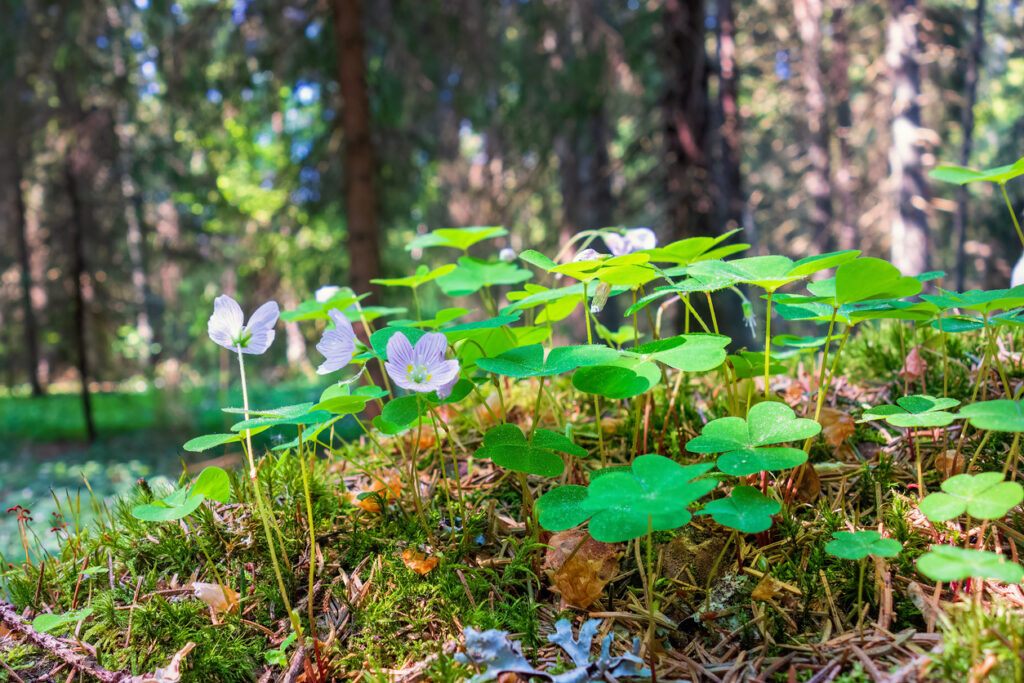
Wild sorrel, with its sharp, lemony taste, was a common find in hedgerows and meadows. It added much-needed variety to early diets, cutting through heavier foods with its refreshing sourness.
Gatherers prized it as a natural flavour enhancer. Sorrel shows how even the smallest wild greens shaped eating habits, proving that flavour was just as important to early Britons as filling their stomachs.
7. Wild garlic scented the woods.
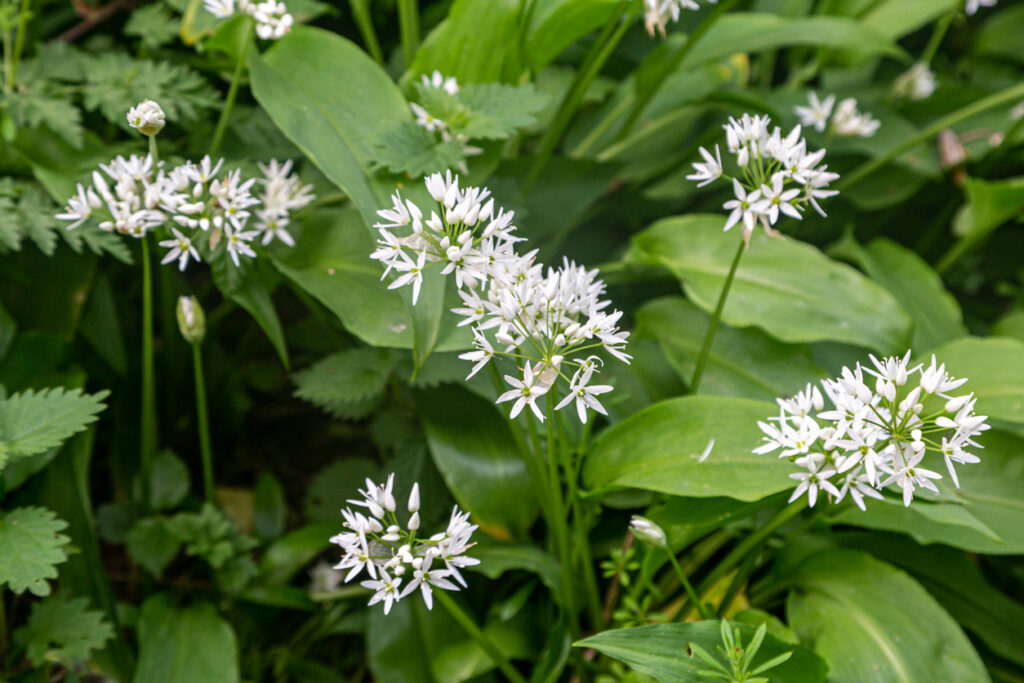
Ramsons, or wild garlic, still carpet British woodlands today. Their broad leaves and delicate white flowers made them an easy, fragrant harvest for people long before agriculture. Both leaves and bulbs were edible, adding strong flavour to early cooking.
This plant continues to be a seasonal favourite even now. Its persistence proves that wild foods are not just relics of the past, but living reminders of what once sustained communities across the country.
8. Fat hen was a staple green.
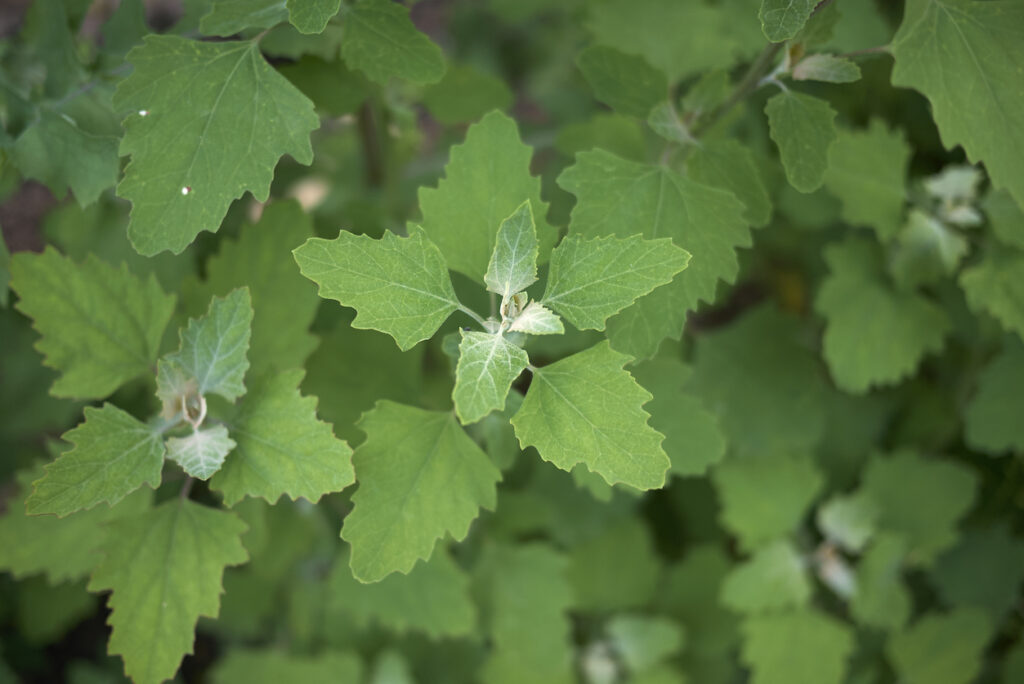
Fat hen, a relative of spinach, once grew in abundance across Britain’s fields. Early gatherers used its leaves much like we use spinach today, boiling or steaming them for a reliable source of nutrition.
Although it’s often considered a weed now, fat hen was so widely eaten it eventually became one of the first plants to be cultivated. Its story shows how weeds of one era can be staples of another.
9. Wild parsnips had a strong bite.

Before parsnips became the sweet, nutty roots we enjoy now, their wild versions were smaller and more pungent. They grew freely across grasslands and were hardy enough to survive harsh conditions that might have destroyed softer plants.
These wild roots may not have tasted refined, but they provided calories and resilience. They paved the way for the sweeter, softer versions that later became winter staples in British cooking.
10. Dandelions offered edible greens.
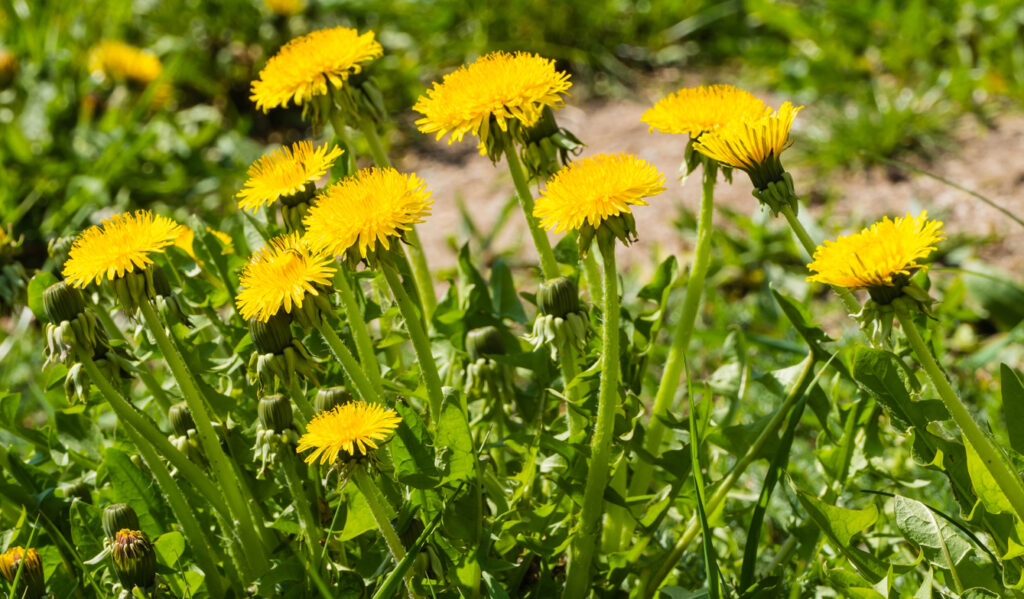
Dandelions were more than just weeds in the grass. Their bitter leaves could be eaten raw or cooked, and their roots sometimes roasted, making them a versatile resource for early Britons who couldn’t afford to waste any edible plant.
What many view as garden pests today once played a practical role in survival. Dandelions highlight how adaptable people were, finding nourishment in places we might overlook in modern times.
11. Dock leaves had hidden value.
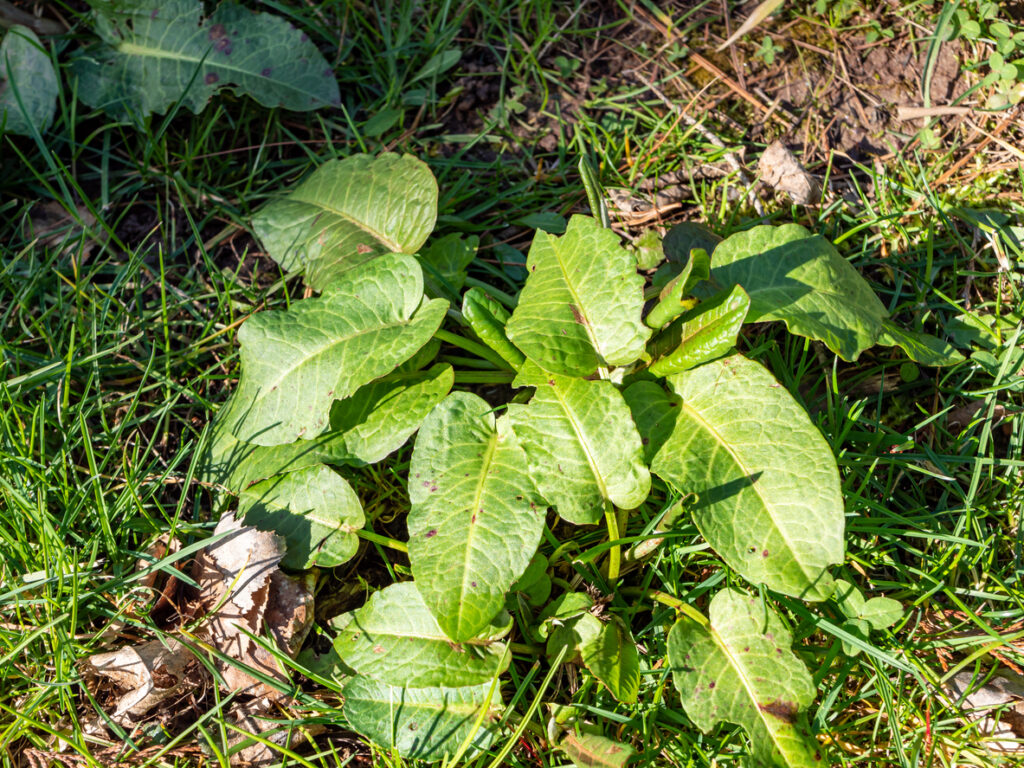
Dock plants are best known today for soothing nettle stings, but their broad leaves were also cooked as food. They carried a strong flavour and needed preparation, but they provided another reliable source of greens when choices were limited.
This dual purpose made dock valuable to early communities. It shows how survival often relied on resourcefulness, where every part of the landscape offered something useful if you knew how to handle it.
12. Pignuts grew underground.

Pignuts, small edible tubers found in woodland soil, were once dug up by foragers as a treat. Their nutty flavour made them a rare delicacy among otherwise simple meals, though they required patience and skill to harvest.
These little tubers remind us that food once came with effort. They’re part of the hidden history of wild vegetables that shaped Britain’s earliest diets long before farming made food easier to gather.