You’ve heard all the stories about mysterious monsters lurking in Scotland’s most famous loch.
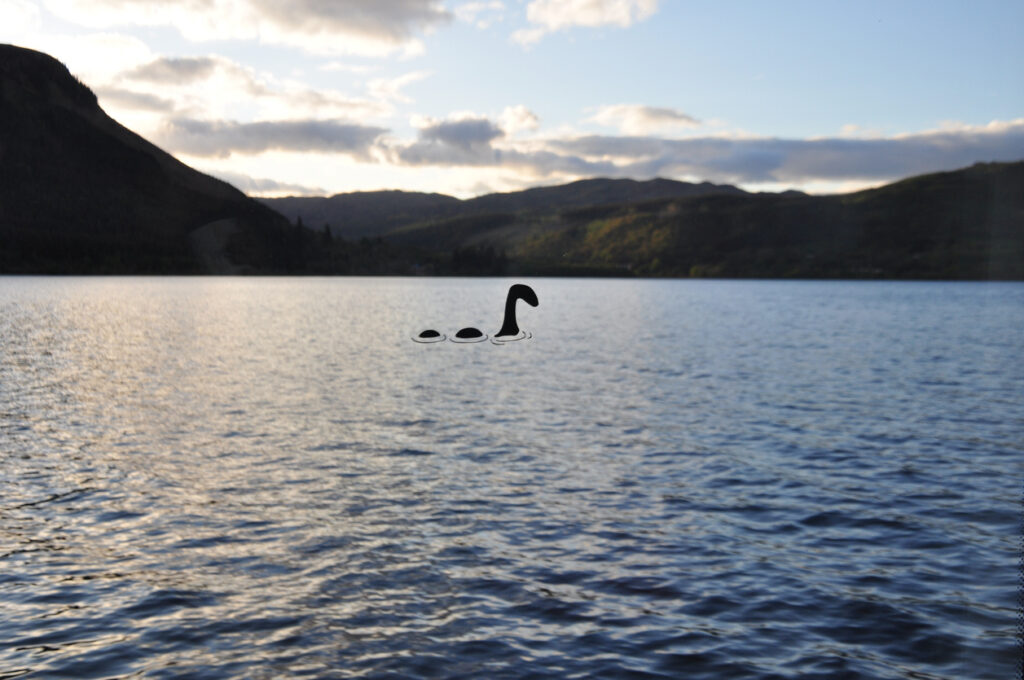
However, the real creatures living in these dark waters might actually be more fascinating than any legendary beast. Scientists have been studying Loch Ness for decades, and what they’ve discovered swimming around down there is pretty incredible, even without ancient plesiosaurs.
1. Atlantic salmon that somehow made it 100 miles inland

These impressive fish swim all the way up from the North Sea through rivers and canals to reach Loch Ness, which is pretty amazing when you consider they’re basically doing a marathon swim upstream. They come here to spawn and can grow absolutely massive in the loch’s deep, cold waters.
Some of these salmon can reach over a metre long and weigh more than 30 lbs (around 14 kg), which is definitely big enough to create mysterious humps or splashes that might fool tourists into thinking they’ve spotted something prehistoric.
2. Brown trout that grow to monster proportions

The brown trout in Loch Ness aren’t your typical river fish. They can grow to enormous sizes because of the loch’s depth and abundance of food. Some specimens caught here have been absolute units that would make any angler’s day.
These trout can live for decades in the loch’s cold waters and reach sizes that would seem impossible in smaller bodies of water. When they’re cruising near the surface, their large dorsal fins and dark backs could easily be mistaken for something more mysterious.
3. European eels that are genuinely prehistoric-looking
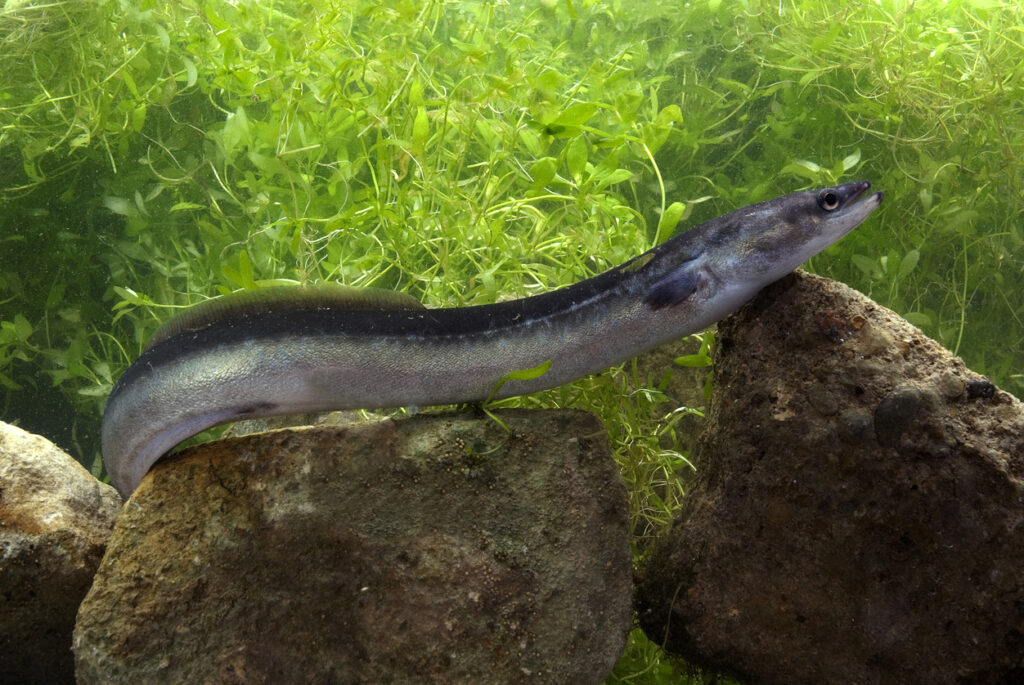
Now, these are properly ancient-looking creatures that have been swimming in Scottish waters since before humans arrived. European eels can grow several feet long, have snake-like movements, and honestly look like something that crawled out of the Jurassic period.
These eels can live for over 80 years and grow thick as your arm, swimming with undulating motions that could definitely create the classic “serpentine” sightings that Nessie hunters love to report. Plus, they’re actually quite rare and mysterious in their own right.
4. Arctic char left over from the Ice Age
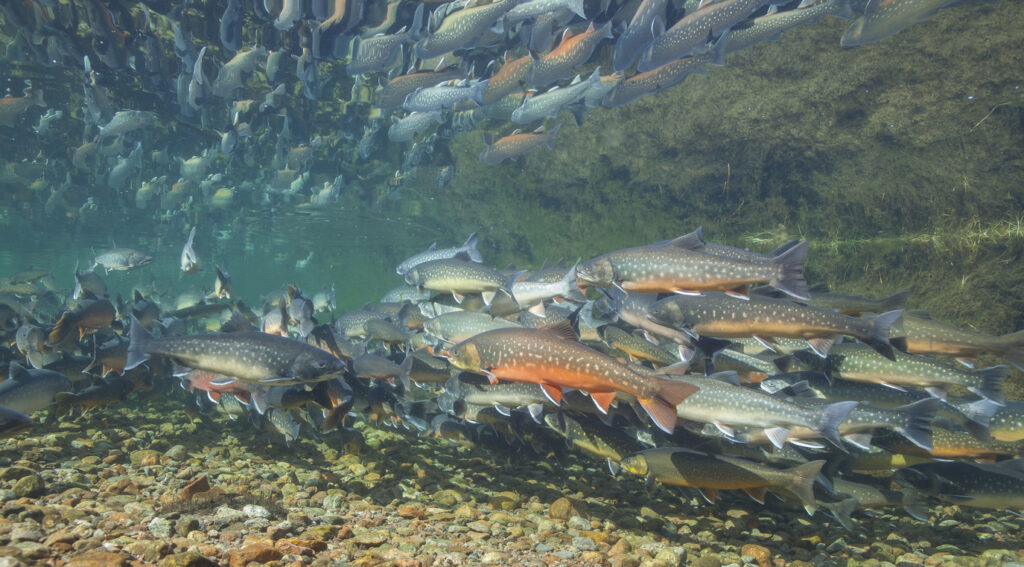
These beautiful fish are basically living fossils that got trapped in Loch Ness when the glaciers retreated thousands of years ago. They’re remnants from when Scotland was connected to the Arctic, making them some of the most northerly fish species in Britain.
Arctic char have adapted to the loch’s specific conditions over millennia and exist in different forms depending on which part of the loch they inhabit. They’re like evolutionary time capsules swimming around in the depths, which is pretty magical in its own way.
5. Pike that are absolute apex predators
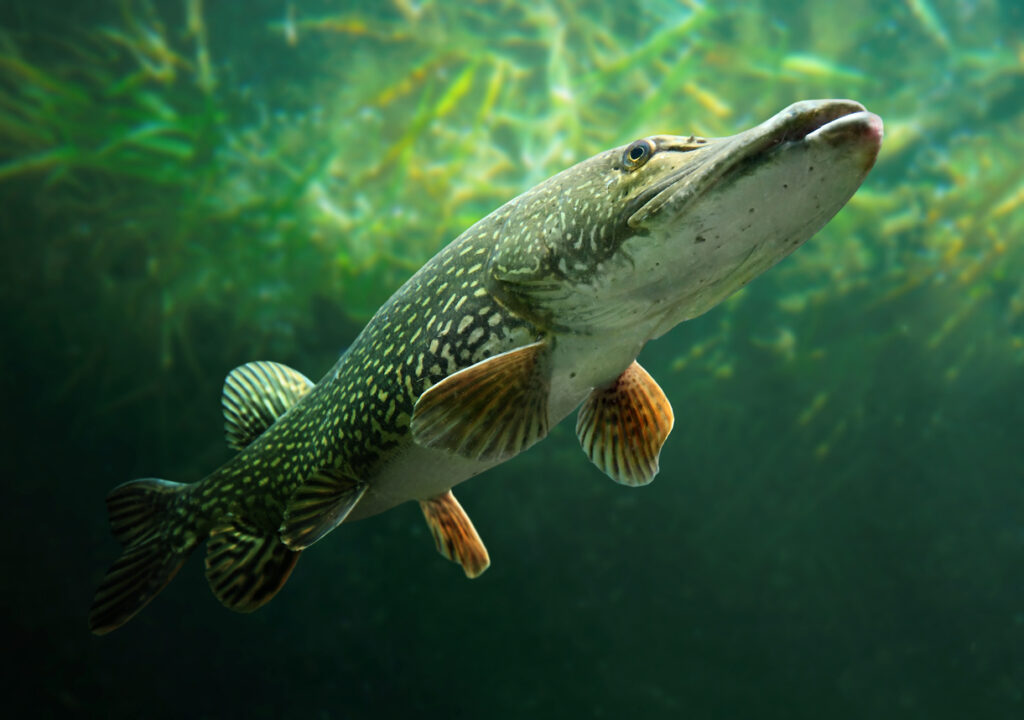
Northern pike in Loch Ness can grow to impressive sizes and are proper ambush predators with mouths full of sharp teeth. These fish are perfectly capable of taking down birds, small mammals, and pretty much anything else that ventures into their territory.
A large pike breaking the surface to grab a duck or charging after prey could easily create dramatic splashes and disturbances that might look like monster activity to someone watching from shore with binoculars.
6. Tiny zooplankton that glow in the dark
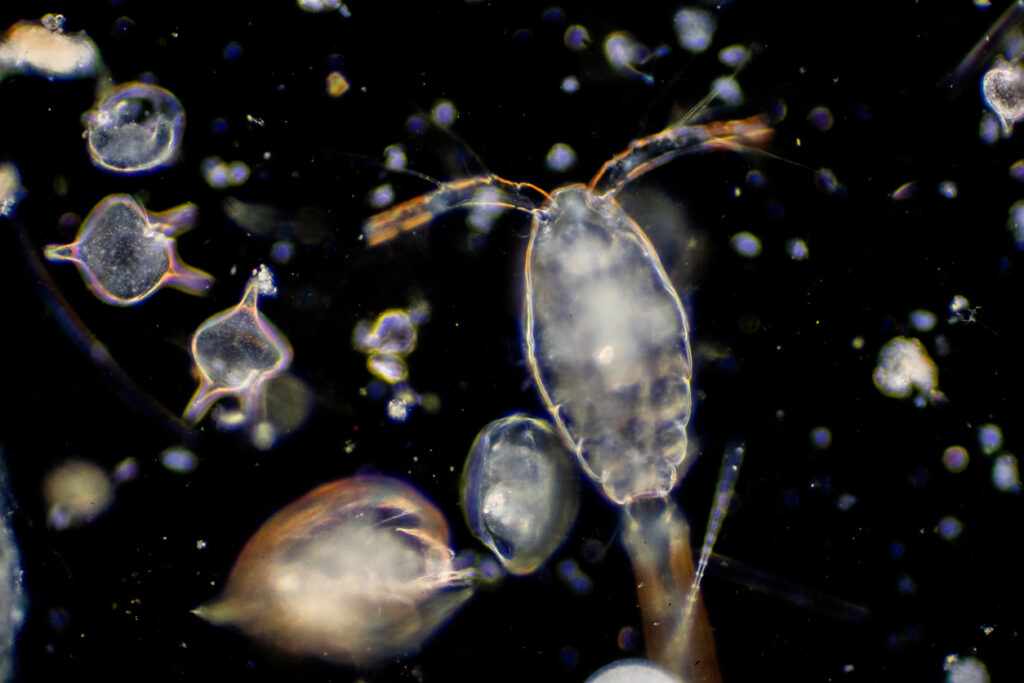
The loch is full of bioluminescent zooplankton that can create eerie glowing effects in the water, especially when disturbed by larger creatures moving through. These microscopic animals produce their own light through chemical reactions, like living fairy lights.
When large fish or other animals move through dense concentrations of these glowing plankton, they can create mysterious light trails or glowing patches on the water surface that would look absolutely otherworldly to anyone watching from the shore.
7. Freshwater mussels filtering the entire loch

The bottom of Loch Ness is carpeted with freshwater pearl mussels that can live for over 100 years and grow to impressive sizes. These molluscs are constantly filtering the water, processing millions of gallons through their systems.
These ancient mussels help keep the loch’s water incredibly clear and pure, but they also create mysterious mounds and formations on the loch floor that show up on sonar and might be mistaken for something more exciting than shellfish colonies.
8. Red deer that swim between islands
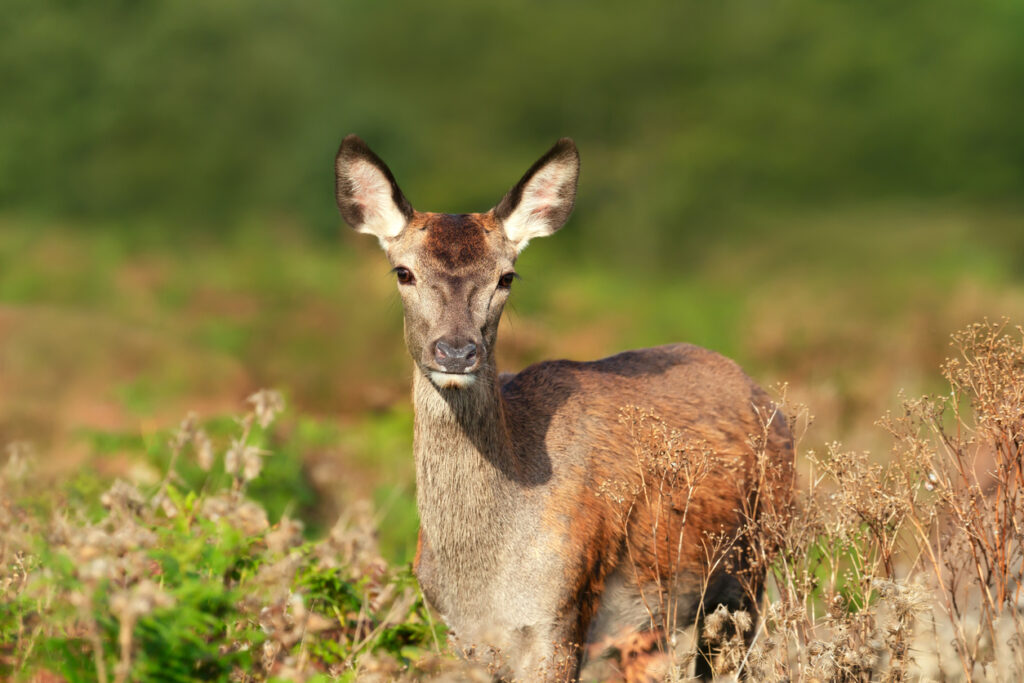
Scottish red deer are surprisingly strong swimmers and regularly cross sections of Loch Ness to reach islands or move between feeding areas. When you see just their heads and antlers above water from a distance, they could definitely look like unknown creatures.
These deer can swim for miles and often cross the loch in small groups, creating multiple “head and neck” sightings that have probably contributed to monster reports over the years. They’re much braver swimmers than most people realise.
9. Diving birds that create surface disturbances

Great northern divers, cormorants, and other large water birds are excellent divers that can stay underwater for several minutes while hunting fish. When they surface unexpectedly or dive suddenly, they create splashes and wake patterns that could look mysterious.
These birds are also quite large when seen from a distance and can pop up in unexpected places after long underwater hunting sessions, creating the kind of “something just appeared” moments that fuel monster legends.
10. Ancient sturgeon that occasionally visit
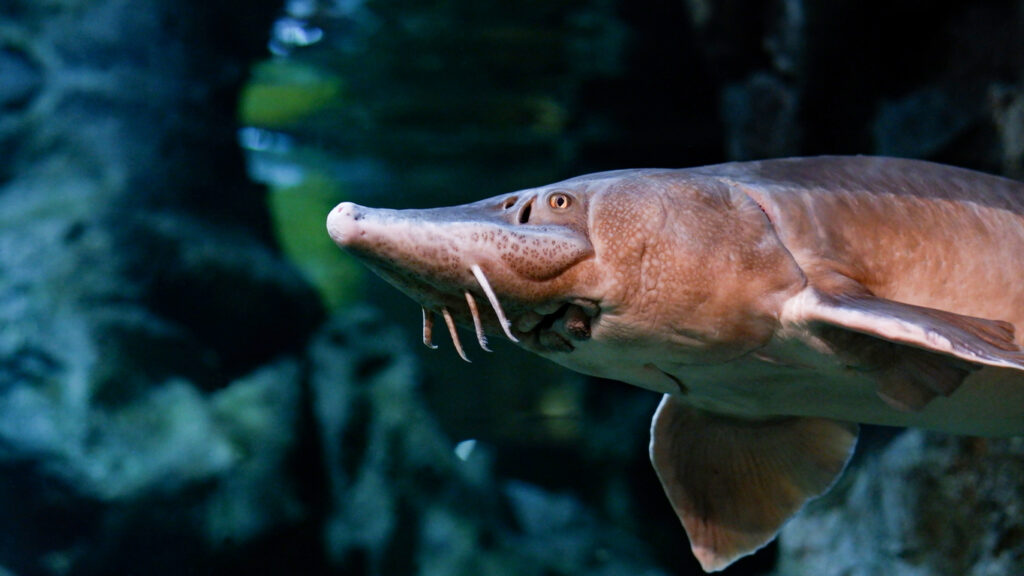
While not permanent residents, Atlantic sturgeon have been recorded in Loch Ness and can grow absolutely enormous. Some reach over 3 metres long and can live for over 100 years! These prehistoric-looking fish are genuine living dinosaurs.
Sturgeon have bony plates along their backs, long pointed snouts, and move with prehistoric grace that would definitely look monstrous to anyone lucky enough to spot one. They’re incredibly rare but absolutely real candidates for “monster” sightings.