British gardeners have been growing veg for donkey’s years, but that doesn’t mean we’ve been doing it right.
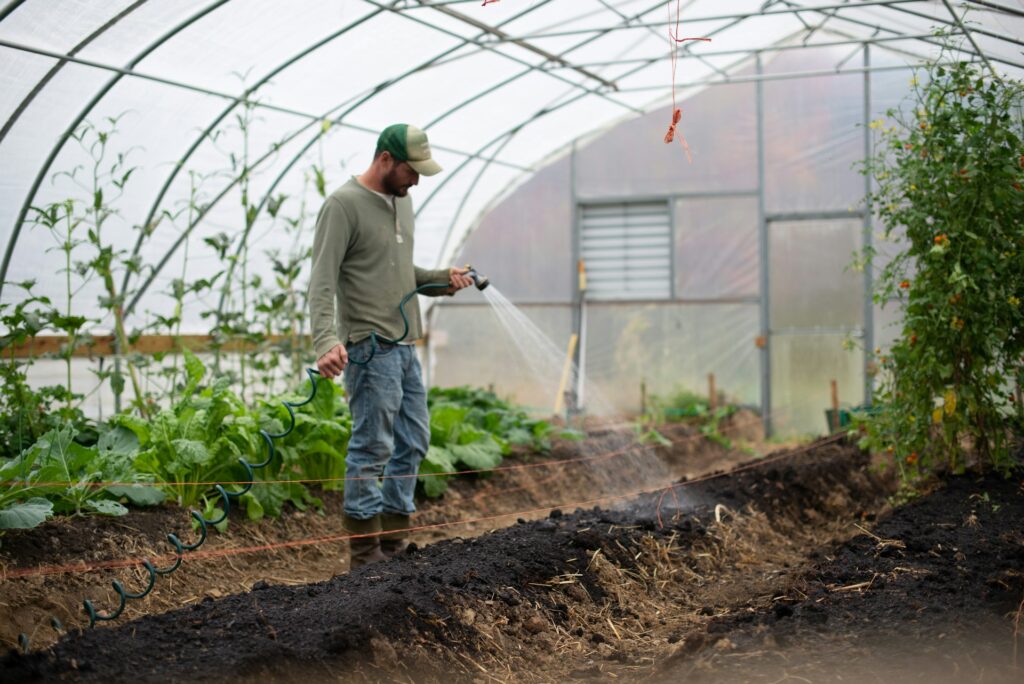
In fact, some of our most traditional growing habits are based more on guesswork, old wives’ tales, and Victorian stubbornness than anything genuinely helpful. From planting at the wrong times to treating certain crops like delicate divas when they’re actually pretty tough, here are the vegetables we’ve been getting wrong for way too long, and how to finally fix it.
1. Carrots – stop overfeeding them

Carrots are picky about one thing: soil. However, it’s not what most people think. If you give them rich, compost-heavy ground, they go weird—like, forked roots and stubby legs weird. Carrots actually prefer poor, sandy soil with hardly any fertiliser. We’ve been throwing compost at them for generations, thinking more nutrients = bigger roots. Turns out, it just confuses them and makes them grow in every direction except down.
2. Potatoes – ditch the supermarket spuds

Too many of us start growing potatoes by chucking a sprouted supermarket bag into the ground. Technically, it works, but you’re also risking spreading disease and introducing viruses that never go away. Certified seed potatoes exist for a reason; they’re disease-free, bred for home gardens, and far more reliable. Plus, they give better yields. Your great-grandad might’ve used whatever he had, but there’s a reason we’ve moved on.
3. Tomatoes – they don’t belong in growbags forever
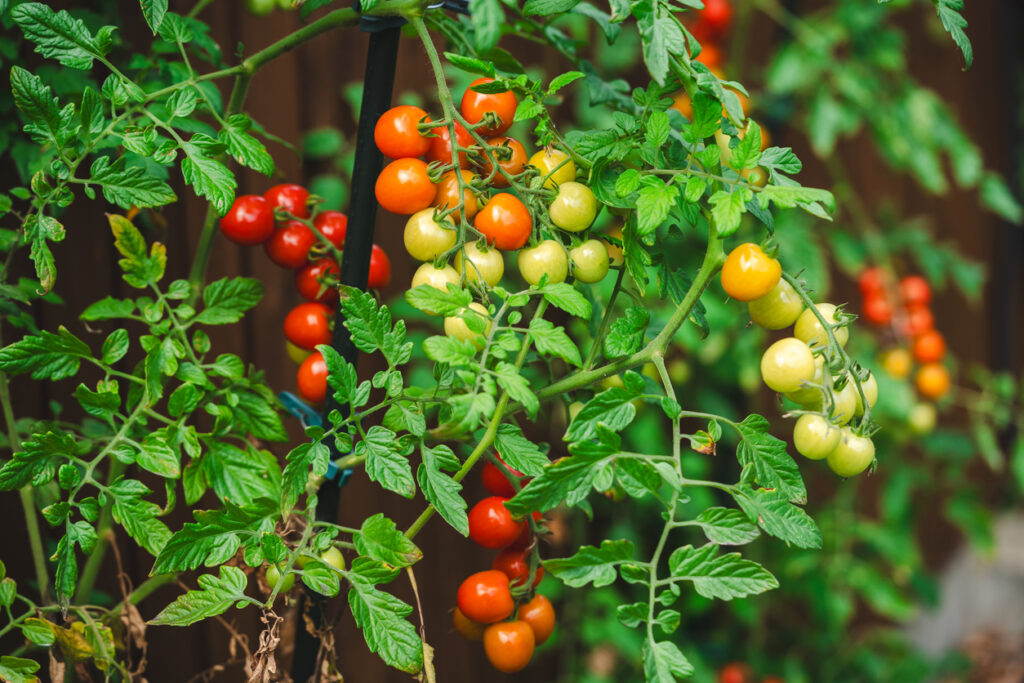
We love a growbag in the UK. It’s easy, cheap, and clean, but tomatoes in growbags tend to run out of root space fast, and you’re left feeding and watering them constantly just to keep them going. You’ll get way better results if you plant them deep in proper soil (like, halfway up the stem deep), and let those buried nodes sprout more roots. Bigger root system = stronger plant = tastier tomatoes.
4. Courgettes – stop planting them in twos
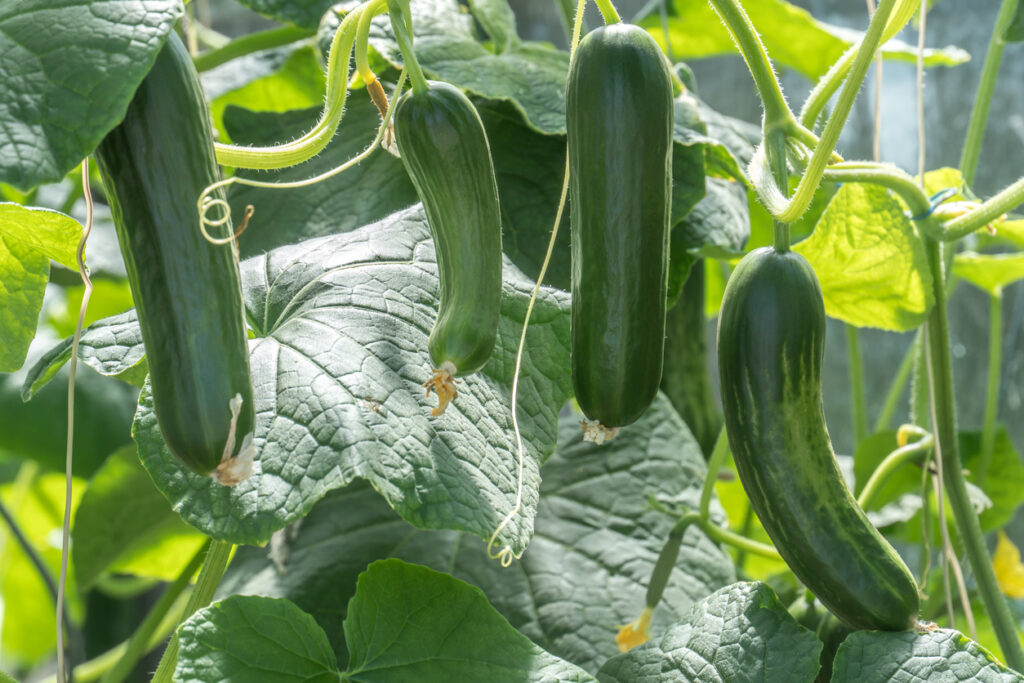
Every newbie does it. You get two courgette plants because they look small and innocent. Then July hits and your garden turns into a squash jungle. Two plants can feed a family of six, with leftovers for the neighbours. We’ve been massively overplanting courgettes for years, thinking they’ll behave. They won’t. One healthy plant will churn out more courgettes than most people can use without resentment setting in.
5. Cabbages – too close, too crowded
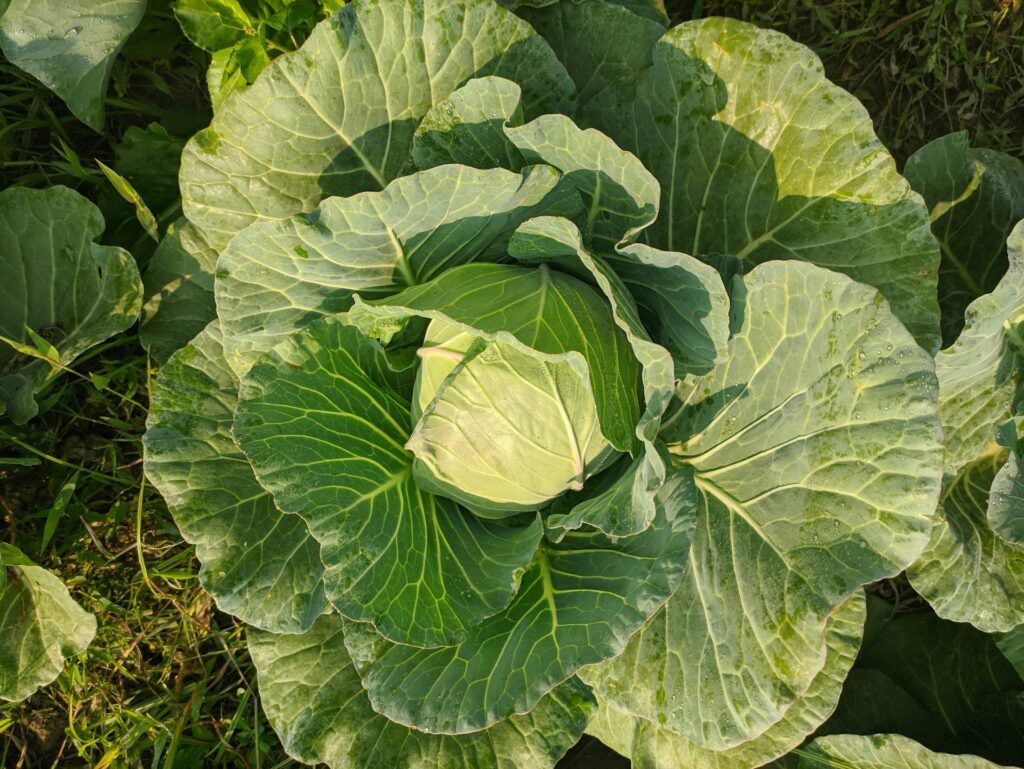
British gardens love a neat row, and that’s part of the problem. People cram cabbages in like commuters on a rainy bus ride. The result? Stunted heads, poor airflow, and slugs living their best lives in the middle. Cabbages need space. Big space. Treat each one like it needs its own postcode. It might feel wrong at first, but the growth and health difference is massive.
6. Runner beans – stop starting them too early
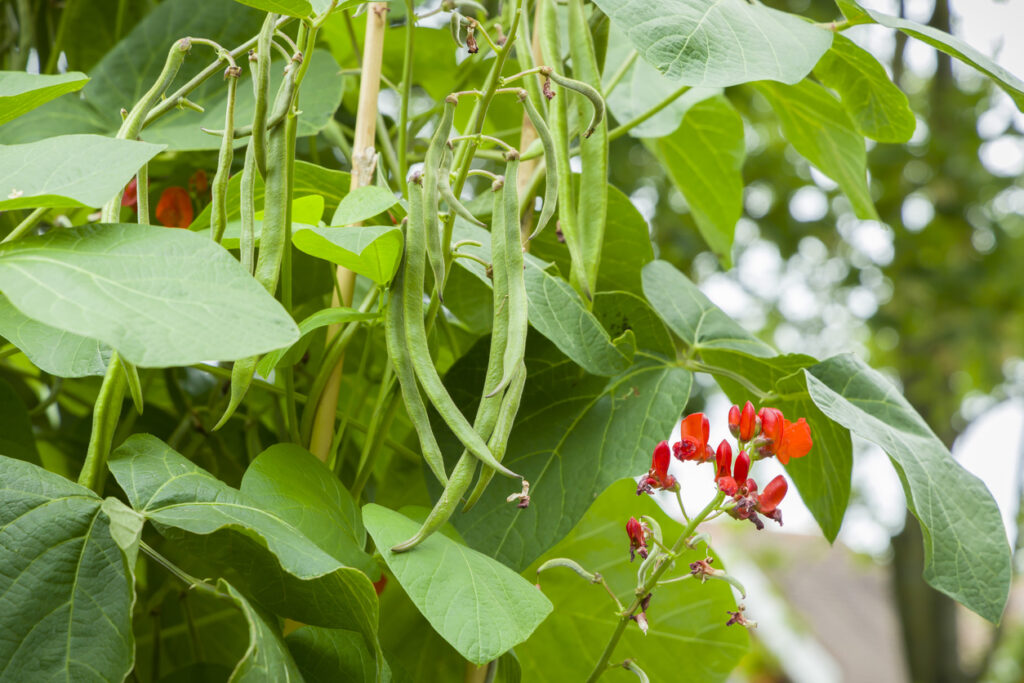
Runner beans love warmth, but every spring, someone gets too excited and starts them indoors in March. They shoot up, get leggy, and sulk in the cold when they’re planted out too soon. May is plenty early enough. We’ve been rushing these for ages, thinking early start = early harvest. But you end up babying them through April frosts and still waiting till July for pods. Chill. They’ll catch up.
7. Onions – too much nitrogen, not enough patience
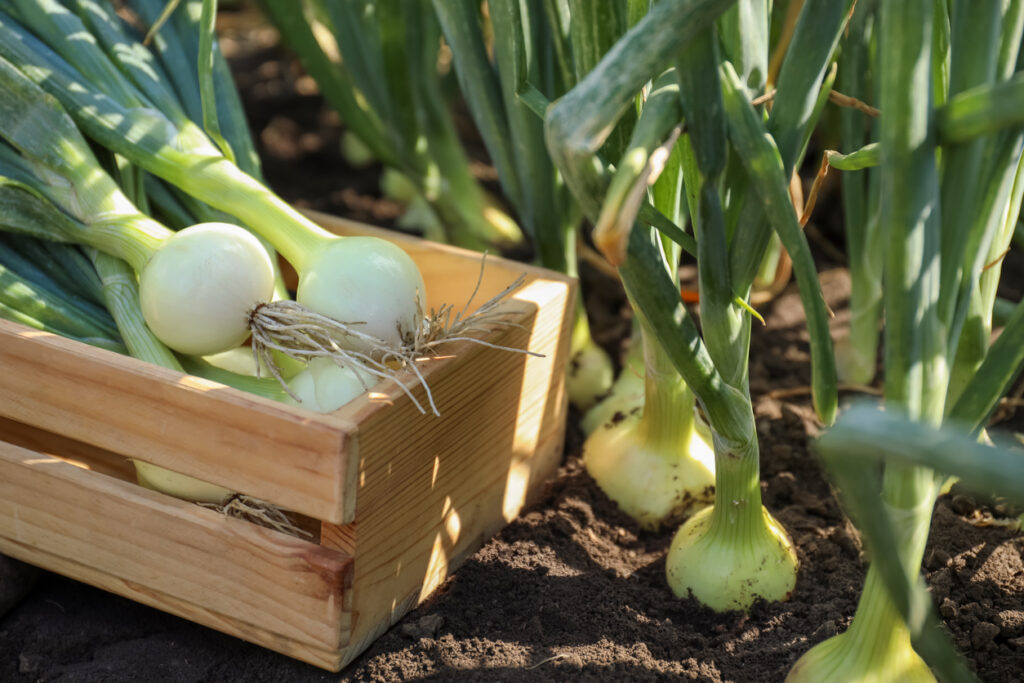
Onions want to bulk up their bulbs, not their leaves, but if you feed them like leafy crops (with nitrogen-heavy fertilisers), you’ll get big green tops and sad little bulbs underneath. Also, people don’t let them dry out properly before storing. Damp necks = mouldy centres. Hang them up somewhere breezy and let them dry fully. Old-school string nets weren’t just for show. They actually worked.
8. Lettuce – they hate full sun all day
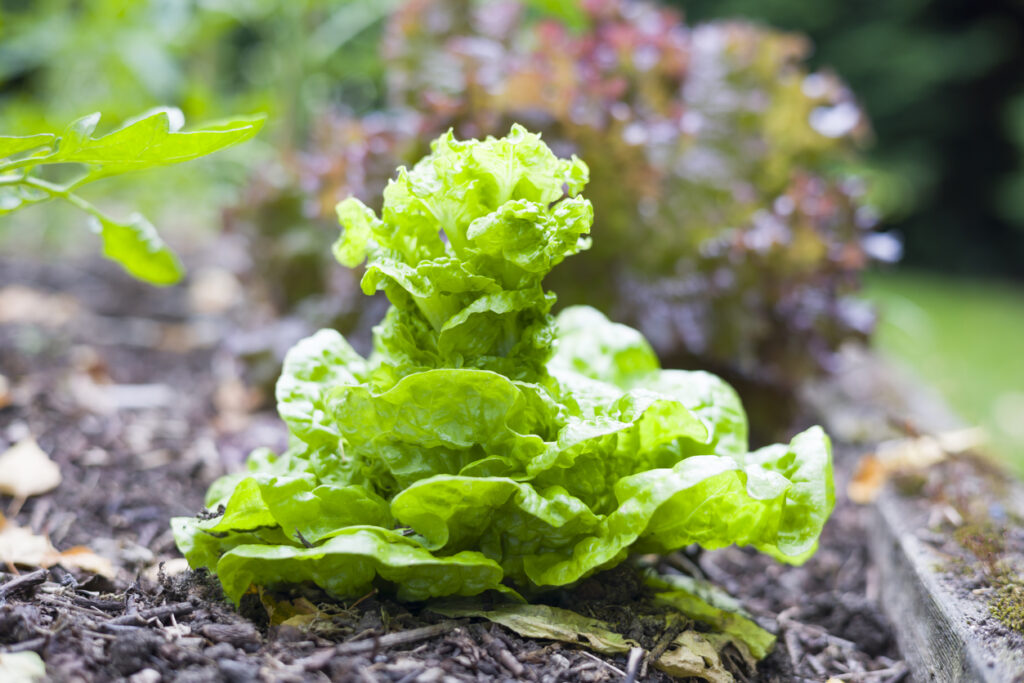
Lettuce bolts when it’s too hot or dry, and yet we keep planting it in the sunniest, driest part of the garden. Then we wonder why it goes bitter and shoots up like it’s trying to escape. Give it some afternoon shade, or grow it between taller crops like beans or tomatoes. It actually prefers a bit of cool cover. We’ve been torturing it under July heatwaves for no reason.
9. Peas – not enough support, not enough harvesting
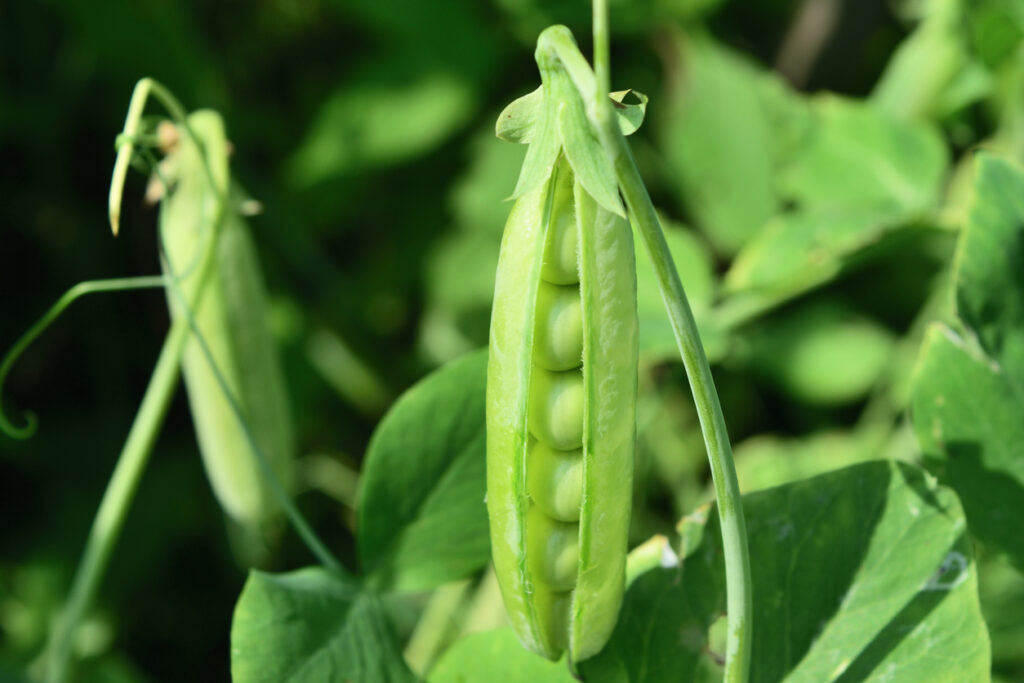
Peas love to climb. But most of us stick in a short bamboo stick or some floppy netting and hope for the best. They’ll do so much better with proper vertical support from the get-go, and you’ve got to keep picking them. Every day. The more you pick, the more they produce. Leave them too long and the plant thinks it’s done, stops flowering, and you’re stuck with tough old pods and disappointment.
10. Beetroot – they’re not just for pickling
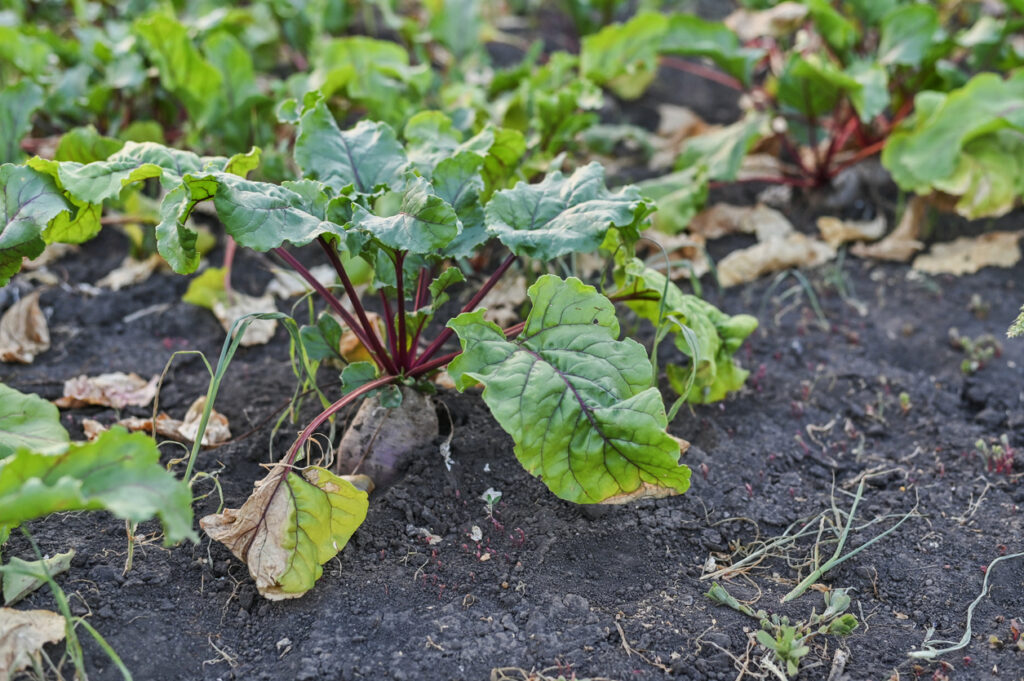
For some reason, beetroot’s been stuck in the “boil and jar it forever” category in British gardens for generations. However, it’s actually way better roasted, grated raw, or even eaten young like a salad leaf. The leaves are delicious too, and people just toss them. We’ve been treating this crop like it’s only good in vinegar, when it’s one of the most versatile plants out there, if we’d just stop boiling it into sadness.