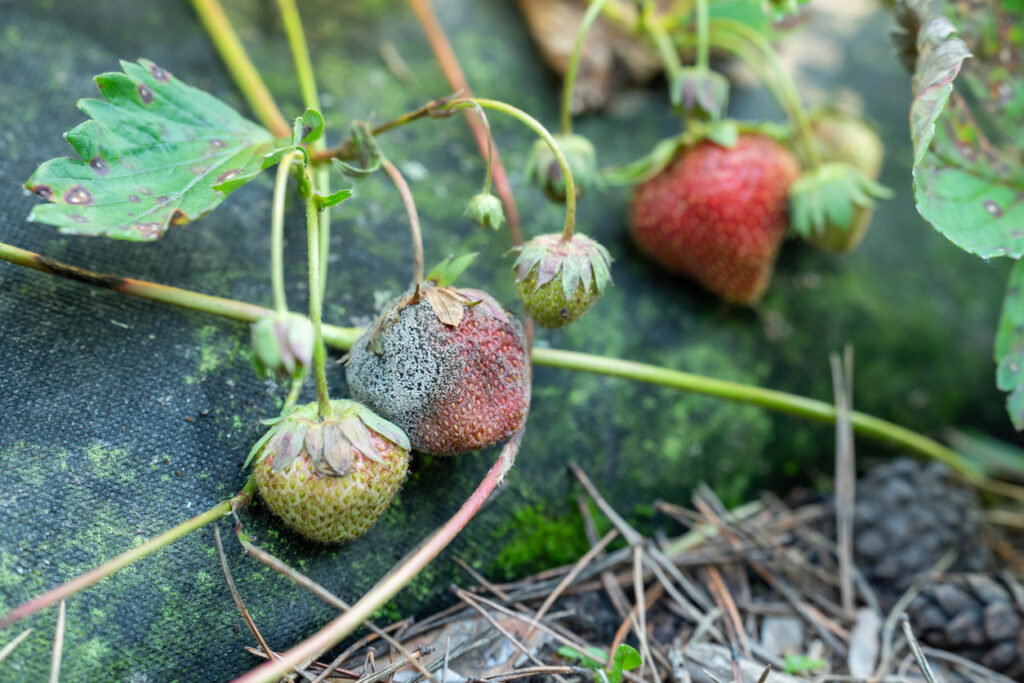
Nothing’s more annoying than waiting weeks for your strawberries or raspberries to ripen, only to find them covered in fuzzy grey gunk. That’s grey mould (or Botrytis cinerea if you want to get all sciencey), and it loves soft fruits more than you do. It spreads fast, thrives in damp weather, and can turn a perfect punnet into a slimy mess if you’re not careful. But good news: there are ways to fight back. Here’s how to stop grey mould from trashing your summer fruit stash.
1. Don’t overcrowd your plants.
When soft fruit plants are too close together, there’s no airflow, and grey mould loves stale, still air. Keep your plants spaced out so they’ve got room to breathe. This also gives them better light and dries them off faster after rain. Think of it like giving them their own seats on the bus. No one wants to be stuck shoulder-to-shoulder during rush hour, and neither do your strawberries.
2. Water at the base, not over the top.
Overhead watering might seem fine, but it soaks the leaves and fruit, which is basically rolling out the red carpet for mould. Aim for the base of the plant instead, keeping the actual fruit as dry as possible. It takes a tiny bit more effort, but it massively cuts down the risk of fungal gatecrashers turning your crop into mush.
3. Pick ripe fruit regularly.
Ripe fruit left hanging too long turns into soft, sugary bait for mould. The longer it stays on the plant, the more chance it has of attracting spores. Check your plants every day or two and pick anything that looks ready. If you’re not sure, give it a gentle tug. If it comes away easily, it’s probably good to go.
4. Remove anything that looks dodgy.
One bad berry can ruin the whole batch. If you see fruit that’s gone squishy, grey, or weirdly fuzzy, don’t leave it. Pick it off and bin it straight away. Don’t compost it unless your compost gets hot enough to kill mould spores. Yes, it’s gross, but the longer it stays on the plant, the faster the mould spreads. Be ruthless.
5. Don’t let leaves sit on top of the fruit.
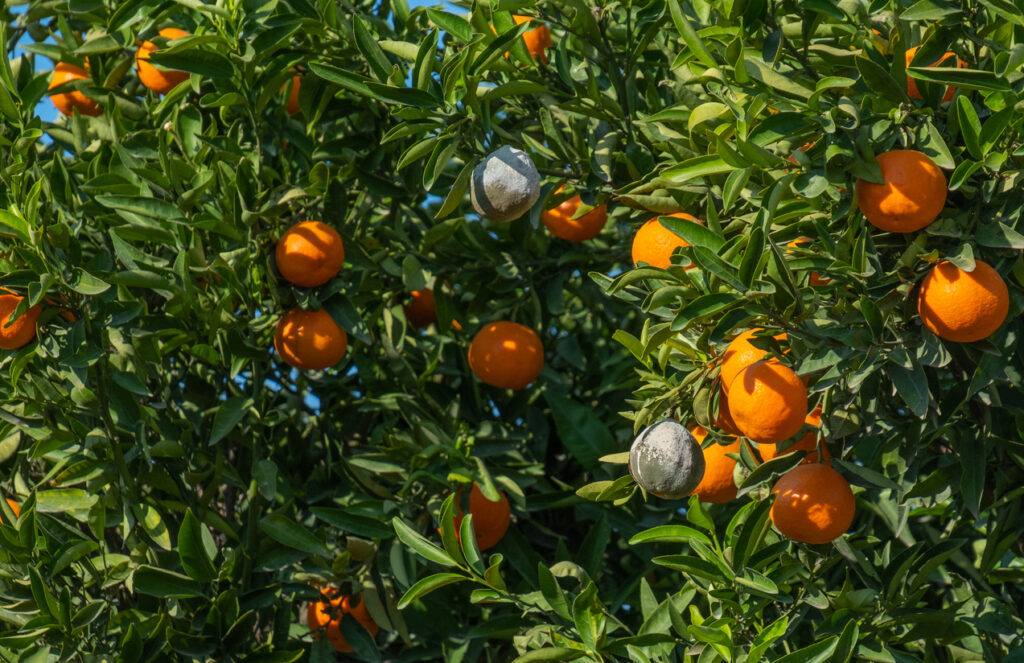
Sometimes the plant’s own leaves flop down and trap moisture around the fruit, especially after rain. Lift them gently or trim them back if they’re blocking airflow or shading the berries too much. It’s like airing out damp laundry, in a way. give everything a chance to dry properly so you’re not accidentally creating a mould spa.
6. Mulch with straw, not compost.
If your fruit grows close to the soil, like strawberries, mulch helps keep it clean and dry. However, compost holds moisture and can actually make mould worse. Use straw, wood chips, or another dry mulch that doesn’t hold water against the fruit. Think of it like giving your plants a dry towel to sit on instead of a soggy sponge.
7. Prune when needed.
Overgrown plants trap humidity like a greenhouse. Light pruning, especially around the centre of the plant, lets more air and sunlight in, which helps dry out any damp patches and keeps mould in check. You don’t have to go wild with the secateurs, just enough to keep things open and airy. It’s a fruit patch, not a jungle.
8. Harvest in dry weather if possible.
Picking fruit when it’s wet increases the chance of spreading spores from one berry to the next. If you can wait until it’s dry outside, or the plants have dried off, you’ll reduce the risk of spreading mould through handling. It’s not always possible (British weather, anyone?), but even just waiting until late morning or early afternoon on a dry day can help.
9. Grow resistant varieties.
Some fruit types are bred to be more resistant to mould and other diseases. If you’ve had constant trouble with grey fuzz, look for varieties with names that mention “disease-resistant” or “good against Botrytis.” They’re not bulletproof, but they give you a better fighting chance, especially in wetter summers when mould goes into overdrive.
10. Avoid squishing fruit when you pick it.
Damaged fruit goes off faster, and squashing it with your fingers or stacking it too tightly in containers can lead to bruising, and mould loves a bruise. Be gentle when picking, and don’t pile berries high in bowls or tubs. If you’re handing them like grapes in a supermarket bag-for-life, you’re basically making a mould buffet by accident.
11. Clean up fallen fruit.
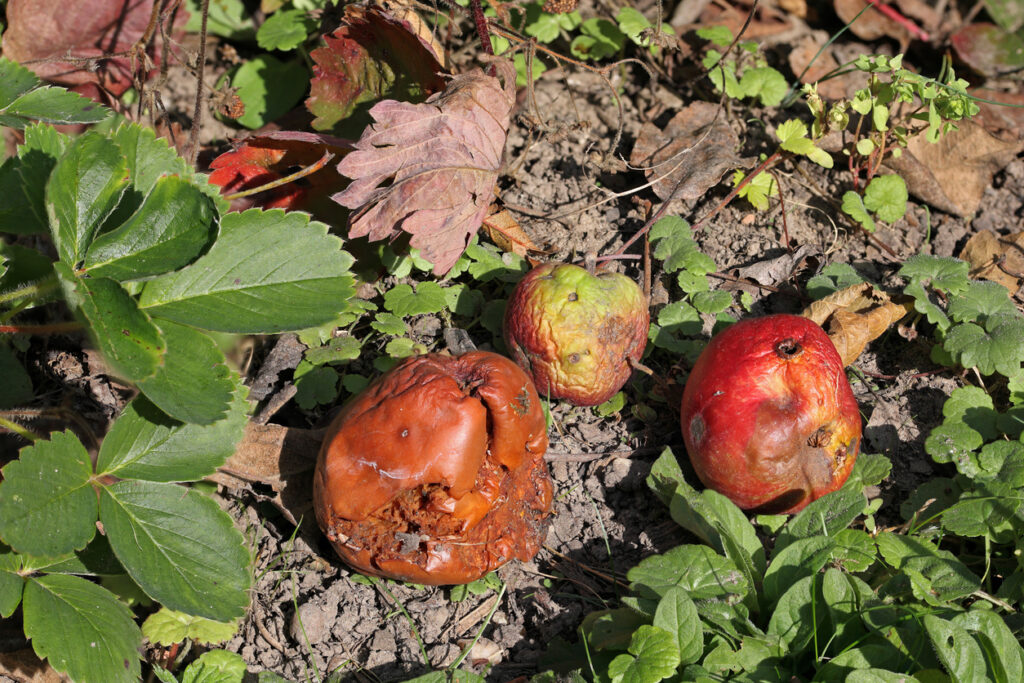
Anything that falls to the soil and sits there will start to rot, attract spores, and possibly spread them to nearby healthy fruit. Try to scoop up anything that drops, even if it looks alright from above. It’s one of those small jobs that makes a big difference, and if you leave it too long, you’ll smell it before you see it.
12. Don’t crowd your pots.
If you’re growing soft fruit in containers, make sure each plant has enough space around it and that the pots have good drainage. Waterlogged soil is a disaster waiting to happen. If everything’s crammed together in one tray, air can’t circulate and everything stays damp. Separate pots give you better airflow, better drainage, and fewer fuzzy surprises.
13. Know when to give up and start fresh.
Sometimes, no matter what you do, the mould wins. If a whole plant is rotting from the inside out or keeps infecting the others, it might be time to pull it out and start over. It’s annoying, but better than letting it wreck everything else. There’s no shame in a replant. Grey mould happens to even the best gardeners. It’s all part of the learning curve. Next time, you’ll spot the signs earlier and have your anti-mould game locked in.