Foxes are part of daily life in Britain, but the ones slipping through city streets behave very differently from the foxes roaming rural fields.

City foxes deal with busy streets, tighter spaces and people everywhere, while rural foxes move through quieter lanes and farmland. Those differences shape how they find food, where they rest, and how bold they appear when they spot you watching. Even so, plenty of ideas about them aren’t grounded in what actually happens out there.
Some beliefs about their habits don’t hold up, while others make sense once you understand what these animals are working with day to day. Their choices often come down to survival, comfort and what their surroundings allow, rather than any grand plan. When you compare the two environments side by side, you start to see why foxes behave the way they do in each place. It also helps you understand what’s normal in your own garden and what’s simply a bit of fox flair.
Urban foxes are bolder because they see people every day.

City foxes grow up around noise, traffic and constant movement, so they learn that humans are not a direct threat. This makes them less jumpy when they wander across gardens or pavements. Their confidence comes from familiarity, not aggression.
Rural foxes rarely see people up close, so they stay more cautious. They slip away quickly and avoid open areas. Their entire lifestyle relies on staying hidden because life in the countryside offers more predators and fewer safe hiding spots.
Rural foxes hunt more because food sources are spread out.
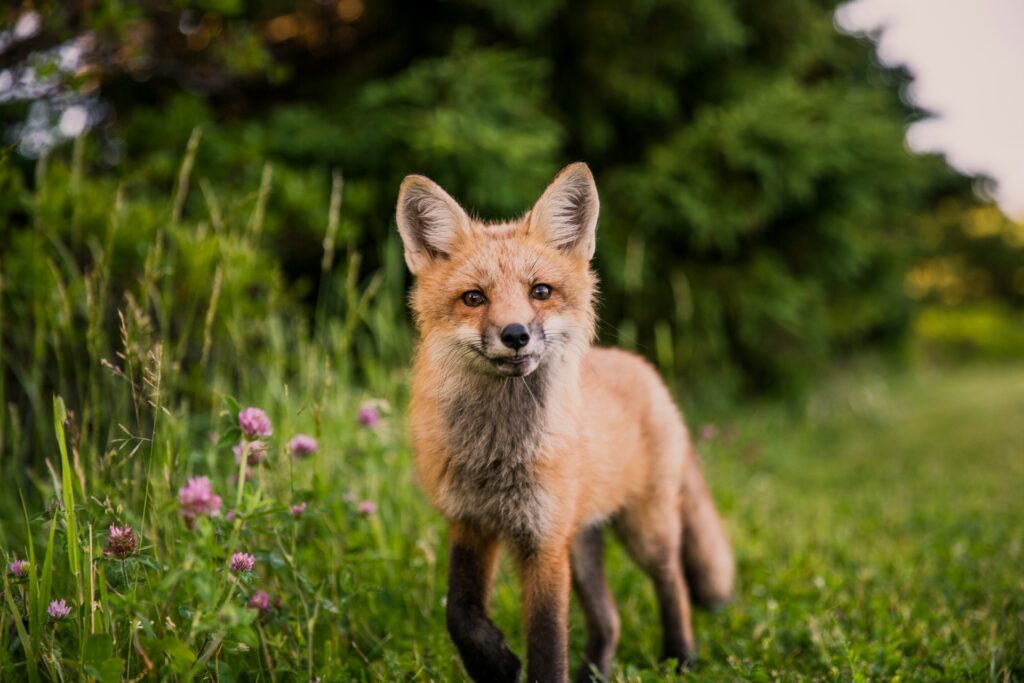
Foxes in the countryside depend on natural hunting. They track rabbits, rodents, and birds because those are the main sources available. These hunts take time and energy, so rural foxes travel long distances every night.
Urban foxes take shortcuts because food waste, dropped snacks and well-stocked bins make meals easier to find. They still hunt, but scavenging saves energy. This difference shapes their size, energy levels and overall behaviour.
Urban foxes are often healthier than people expect.
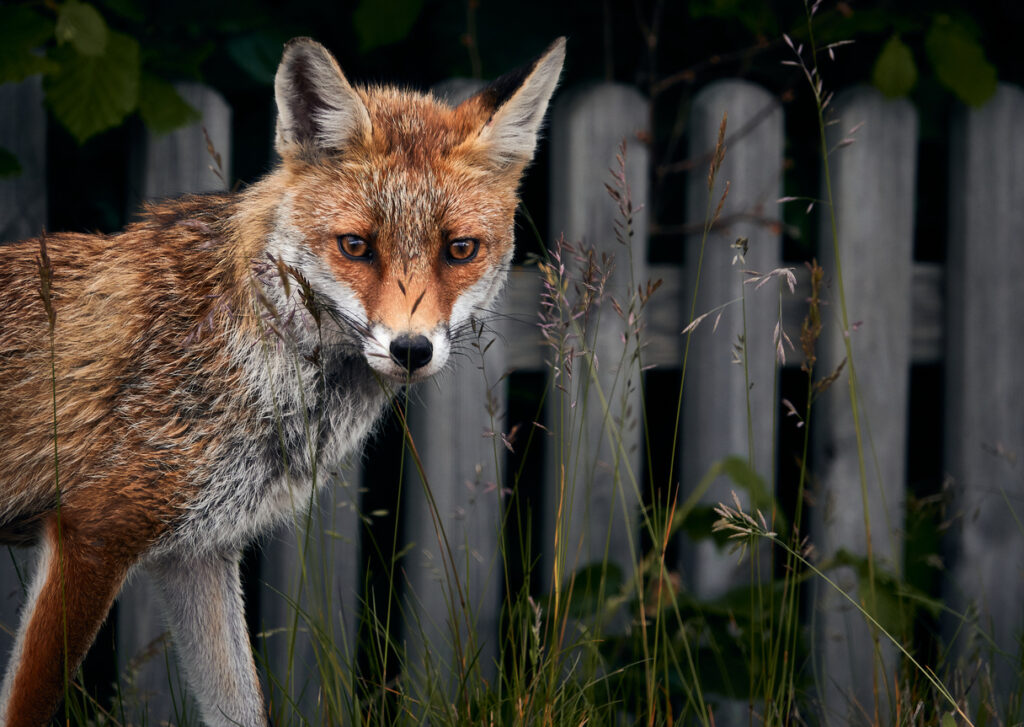
Many assume city foxes are sickly because they eat from bins, but most stay surprisingly healthy. The wide range of high calorie human food gives them steady nutrition, which helps them stay strong through winter.
Rural foxes rely on seasonal prey, so their weight rises and falls more dramatically. Hard winters often hit them harder because food becomes scarce and the cold demands more energy than they can replace.
Rural foxes roam larger territories than urban ones.
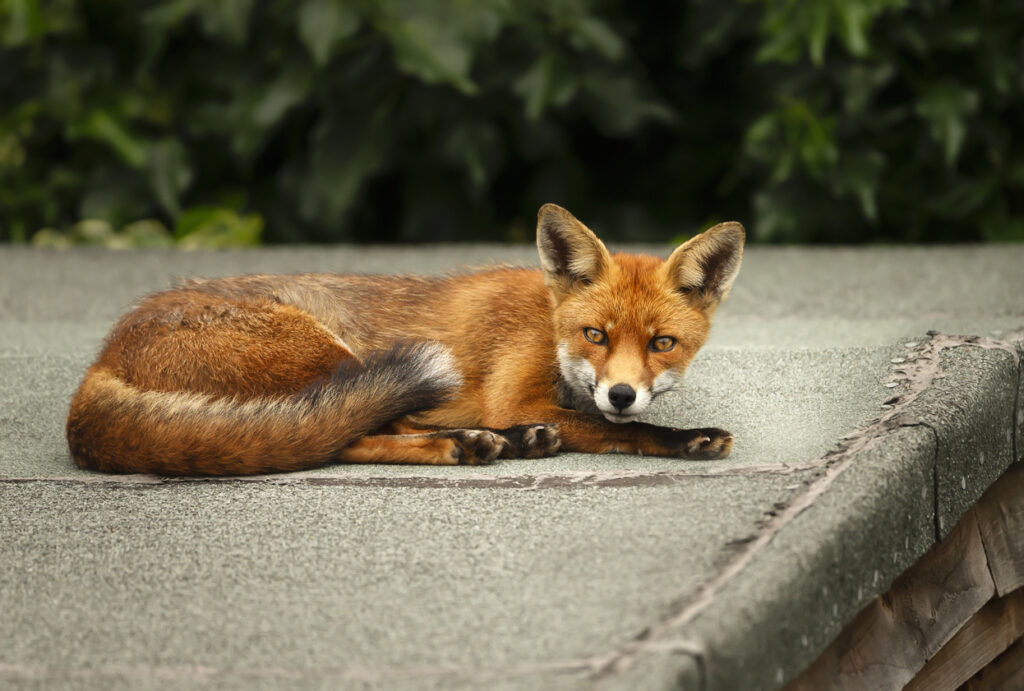
In the countryside, foxes may cover several miles each night to find food and mark territory. Their land is wide and open, so they stretch their range across fields and woodland edges.
Urban foxes live in smaller, tightly packed territories because food is concentrated in small areas. Roads, buildings, and fences break up the space, so each fox family keeps to a small patch of neighbourhood streets.
Urban foxes adapt quickly to human-made structures.

Foxes in towns use sheds, garages, decking, and alleys as shelter. They turn small gaps into dens and learn how to move quietly through gardens without being noticed. This flexibility helps them survive in crowded places.
Rural foxes rely on natural shelters such as burrows, hedgerows, and woodland hollows. They stick to traditional dens passed down through generations and prefer areas where they can watch for danger.
Rural foxes stay more nocturnal than city foxes.
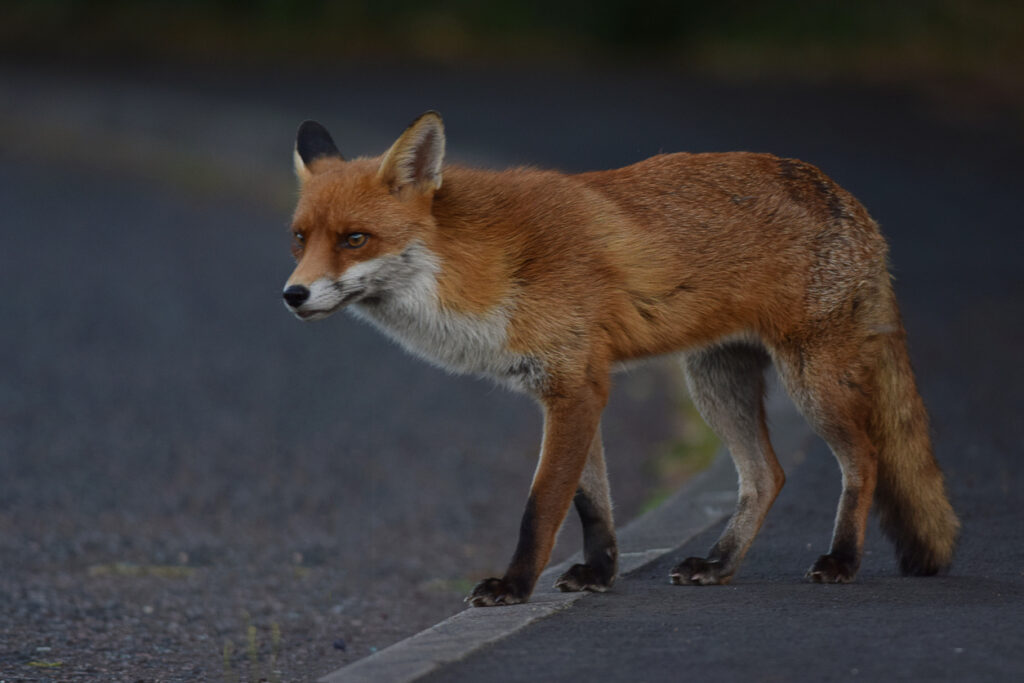
Rural foxes tend to keep a strict night routine because daylight brings more danger from people, vehicles and farm activity. Their patterns shift with the seasons, but they mostly avoid daylight movement.
Urban foxes sometimes come out earlier because they learn when the streets are quiet and when food appears. While still mostly nocturnal, they adjust their habits around human schedules.
City foxes are more likely to approach gardens out of curiosity.
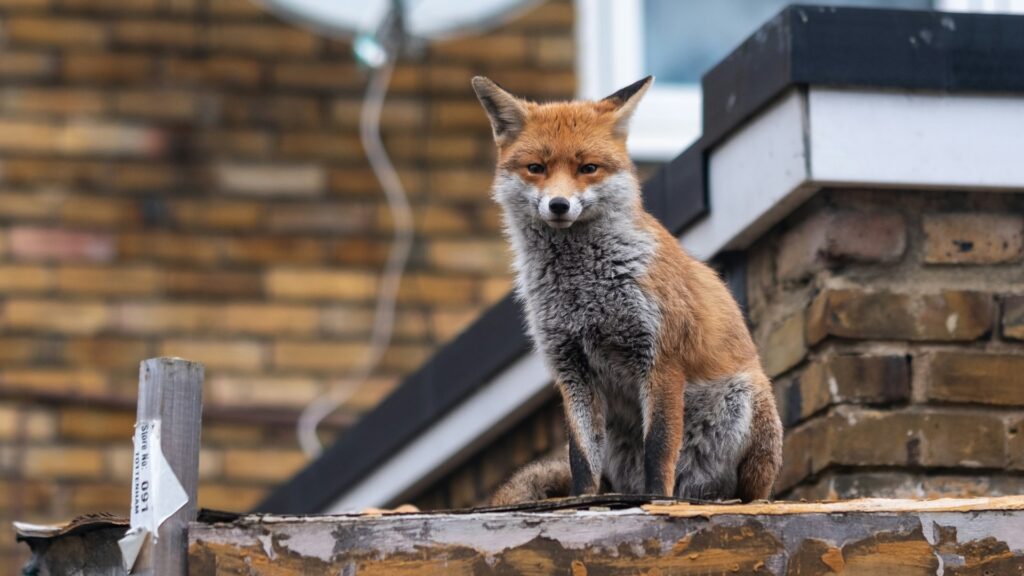
Urban foxes explore gardens because they expect leftovers, sheltered corners and easy hiding spots. They are used to human smells, pets and lights, so they move through outdoor spaces without hesitation.
Rural foxes enter gardens only when necessary. They are cautious about new smells and unfamiliar structures. Their visits are quick and quiet, and they leave fast if something feels off.
Rural foxes have stronger hunting instincts.
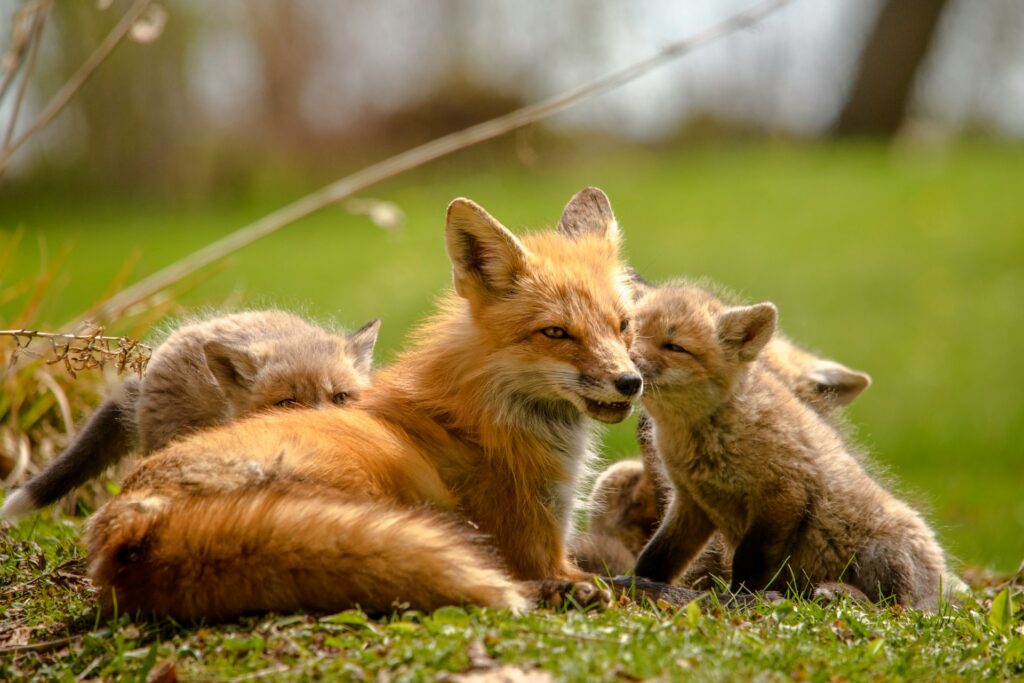
Because wild prey makes up most of their diet, rural foxes develop sharp tracking and stalking skills. Their survival relies on watching movement, reading scents and reacting fast.
Urban foxes hunt too, but they depend less on instinct because scavenging is easier. Their skills remain, but they do not need to rely on them daily in the same way their rural counterparts do.
People overestimate how dangerous urban foxes are.
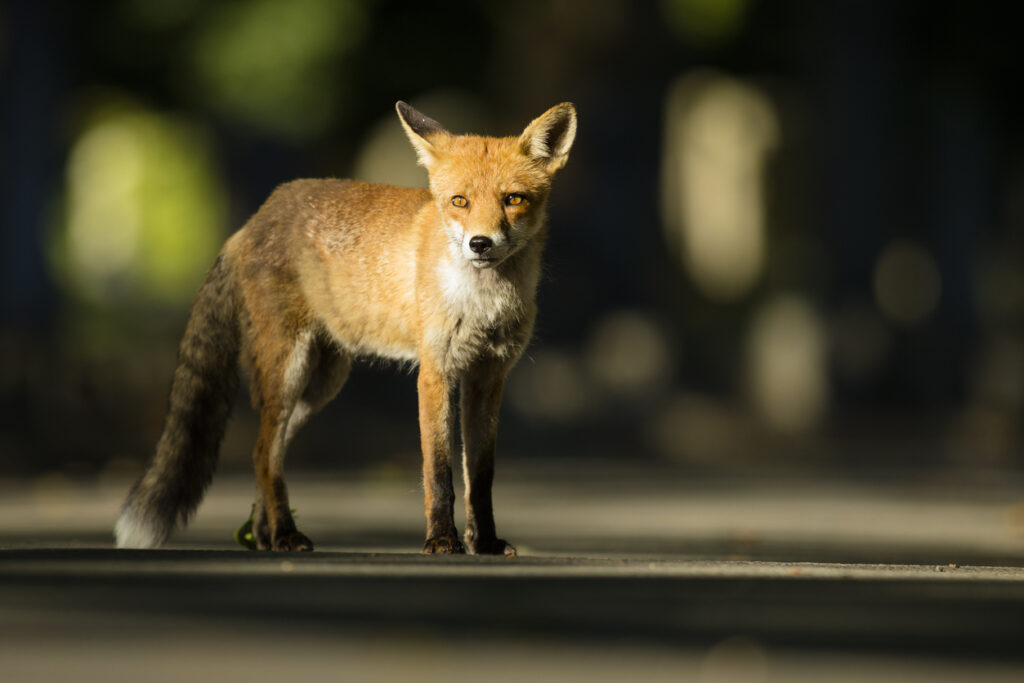
Foxes in cities may look bold, but they are rarely dangerous. Their behaviour comes from being used to humans, not from aggression. They prefer avoiding conflict and will run if startled.
Rural foxes are even less likely to approach because caution is built into their nature. Both types avoid unnecessary risk. The biggest misunderstanding is assuming confidence equals threat.
Rural foxes tend to be leaner and more athletic.
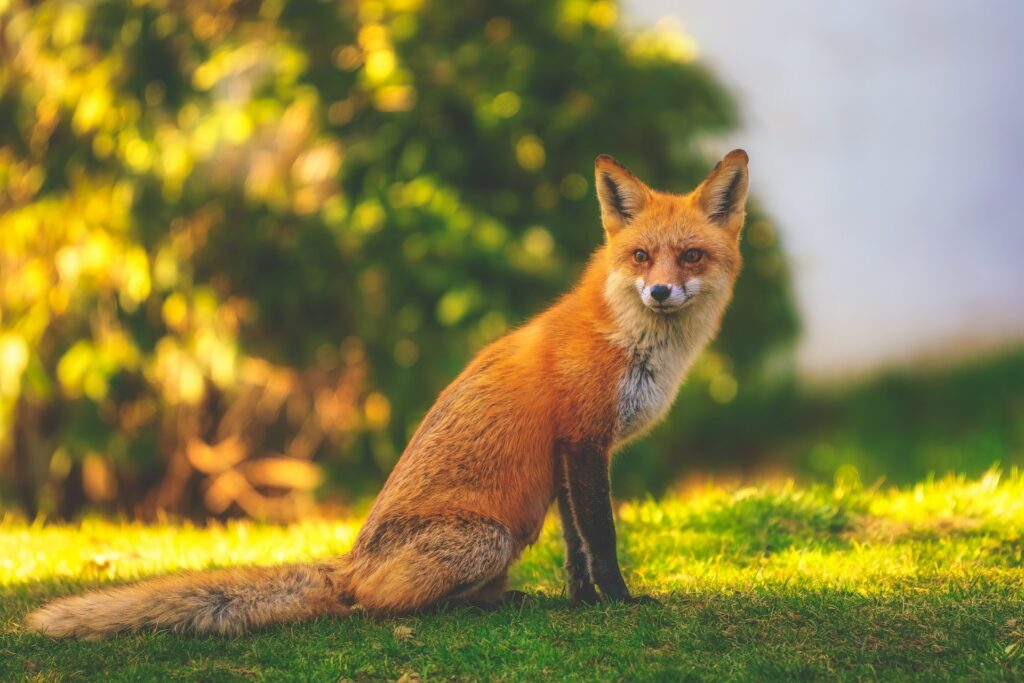
Rural foxes cover large distances and climb, chase and dig regularly. Their lifestyle keeps them fit and lean, similar to wild canines that rely on physical strength to survive.
Urban foxes often have fuller bodies because they burn fewer calories and eat richer foods. They are not less healthy, just shaped by easier access to meals and fewer physical demands.
Fox family groups behave differently based on location.

In cities, small family groups often share territory because food sources are concentrated. You may see multiple foxes together more often. They learn mutual tolerance because space is tight.
In rural settings, family groups space out more because each fox needs larger hunting grounds. They may meet briefly during breeding season but spend most of their time alone.
Urban foxes learn human habits faster than rural foxes.

City foxes understand bin collection days, school run timings and even the pattern of outdoor lights. They adjust their routes and behaviour around these predictable human routines.
Rural foxes rely on natural signs such as weather shifts, prey movement and seasonal changes. Their lives follow rhythms shaped by nature rather than people.