People tend to care more when something touches the places they know, and climate change is no different.

Big global warnings can feel distant, but noticing changes in your own town, on your usual walking route or in your garden lands in a very different way. You start paying attention to things you might have brushed off before, like odd seasonal patterns or wildlife acting out of character. Those small moments make the wider problem feel real rather than abstract.
Once the effects show up close to home, the whole conversation shifts from theory to lived experience. You see how weather extremes complicate day to day life, and how familiar routines are thrown off course, and that’s just for starters. It becomes harder to ignore because it’s happening right in front of you. When people make that connection, they’re far more willing to play a part in protecting the places they care about. Here’s why it needs to get to that point before people start to care.
Global problems feel too big to relate to.
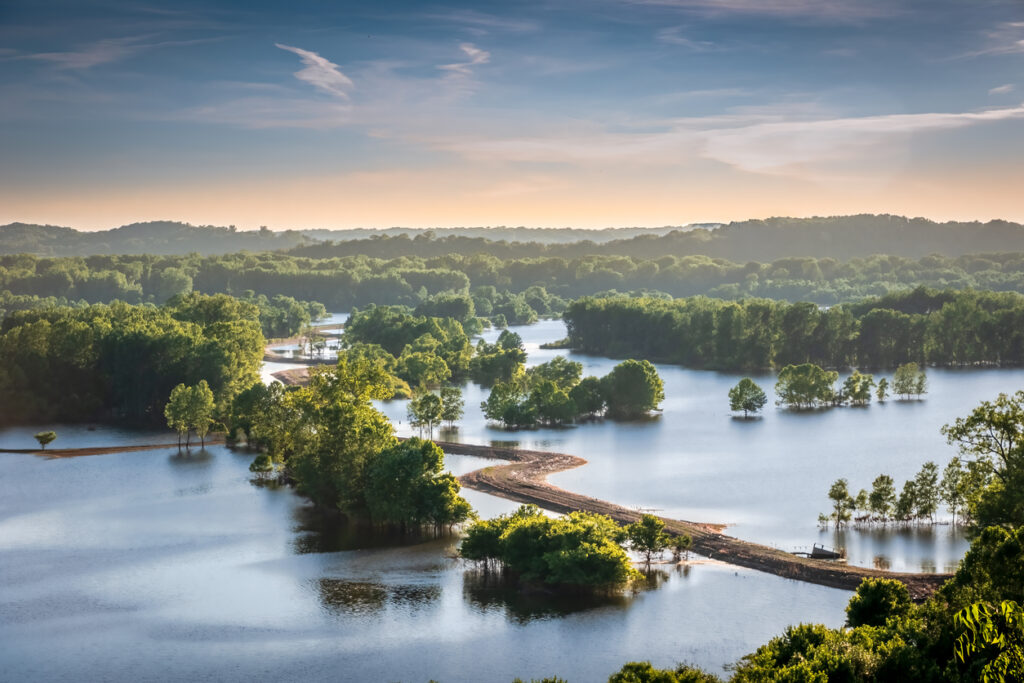
When you hear about ice caps melting or sea levels rising globally, it feels abstract and distant. Your brain struggles to connect massive planetary problems to your actual life. The scale is so huge it becomes almost meaningless. You can’t picture it affecting your street or your family.
That psychological distance stops people taking action. If something feels like it’s happening somewhere else to someone else, it doesn’t trigger the urgency needed for behaviour change. Your brain treats it like information rather than a threat.
We’re wired to respond to immediate threats.

Human brains evolved to respond to immediate visible dangers, like predators or fires, not slow-moving abstract threats decades away. Climate change happens gradually over years, which means our threat response system doesn’t kick in properly. We’re biologically designed to react to things happening now, not future possibilities.
This is why people can intellectually understand climate change but not feel motivated to change their behaviour. The threat doesn’t trigger the survival instincts that make us actually do something. It stays in the “worry about it later” category.
Personal experience beats data every time.

You can show people graphs and statistics until you’re blue in the face, but one personal experience of extreme weather in their area does more to change minds than years of data. When someone’s house floods for the first time ever, or their garden dries out completely in a heatwave, suddenly climate change becomes real.
It explains why climate action surges in areas that have just experienced extreme weather events. The abstract becomes concrete when it happens to you. Data doesn’t have emotional impact, lived experience does.
Local changes are visible and undeniable.

When your local park’s trees are dying, when your favourite beach is eroding, when your street floods every winter now when it never used to, you can’t deny something’s changing. These visible local changes make climate change feel real in ways global statistics can’t.
People believe what they can see with their own eyes more than what scientists tell them is happening thousands of miles away. Local evidence cuts through scepticism because it’s right there in front of you, affecting your daily life.
It stops being political when it affects you.
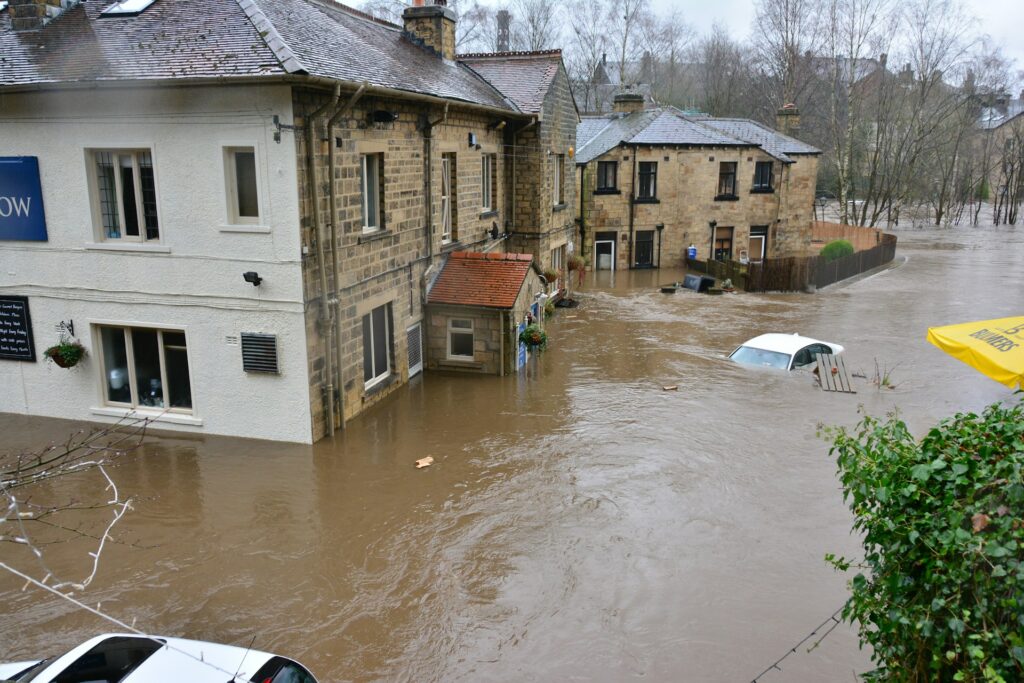
Climate change has been made into a political issue where people pick sides based on party loyalty rather than evidence. But when your own house floods or your elderly neighbour dies in a heatwave, it stops being about politics. It becomes a practical problem in your life that needs solving.
Local impacts depoliticise the issue by making it immediate and personal. You can’t deny flooding with political arguments when you’re standing in water in your living room. Reality overrides ideology when it’s affecting you directly.
People feel powerless about global issues.

When climate change is framed as a global crisis requiring massive international action, individuals feel helpless. What can one person do about planetary warming? It feels pointless to change your behaviour when the problem is so enormous and your contribution so tiny.
However, local impacts create local solutions that feel achievable. Protecting your local river, planting trees in your community, improving local flood defences, these feel possible. People take action when they believe their actions can make a difference in their immediate environment.
Local problems have local villains.
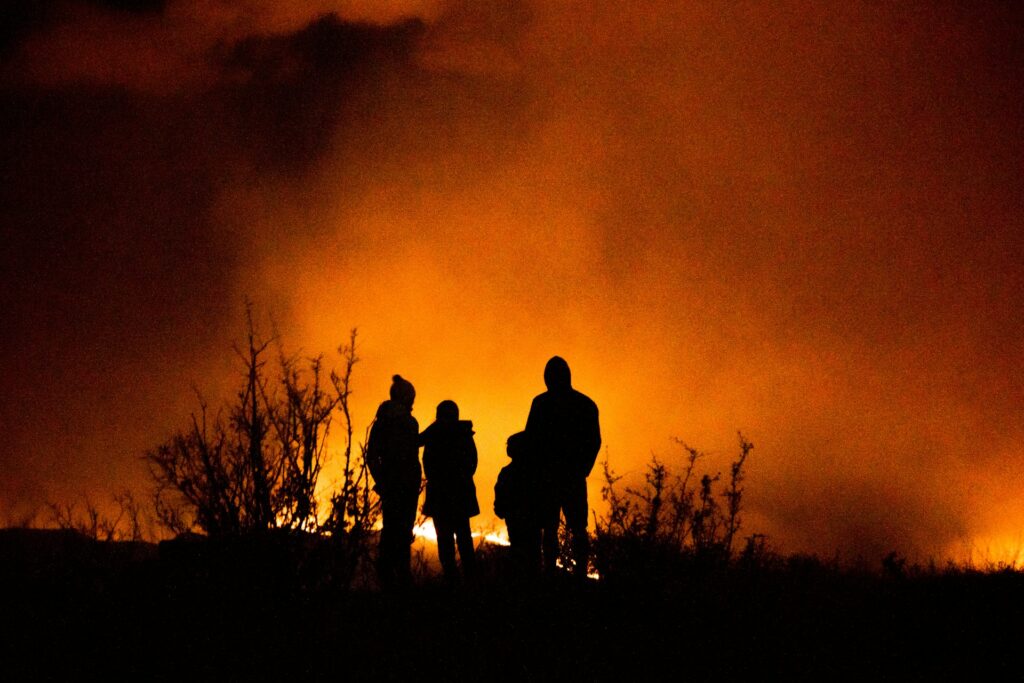
Abstract global climate change doesn’t have a clear villain you can fight against. But local environmental issues often do. The factory polluting your river, the council not maintaining drainage, the developer building on floodplains, these are concrete targets for anger and action.
Having someone specific to hold accountable makes people more likely to get involved. It’s easier to campaign against a local polluter than against the concept of global emissions. Local fights feel winnable.
You can see cause and effect locally.

When your community plants trees and the area gets slightly cooler, when green spaces are protected and flooding reduces, you can see your actions having impact. This positive feedback loop encourages more action. People need to see that what they do matters.
With global climate change, the connection between your actions and outcomes is invisible. You can’t see how your recycling affects ice caps. But you can see how local conservation improves your immediate environment. That visible impact motivates continued effort.
Financial impact makes it personal.

When climate change affects your house insurance, your energy bills, or your property value, it becomes a money problem, not just an environmental one. Money makes things very personal very quickly. If your insurance doubles because of flood risk, climate change just became your problem.
Economic impacts translate abstract environmental issues into concrete financial threats. People who don’t care about polar bears care about their mortgage and bills. When climate change hits the wallet, behaviour changes fast.
Local action builds community.

Fighting for your local environment creates connections with neighbours who care about the same things. This community aspect makes climate action social and rewarding rather than isolating and depressing. You’re not alone dealing with a massive global crisis, you’re part of a group fixing local problems.
People are more likely to sustain action that includes social connection and community belonging. Local environmental groups create friendships and purpose. The social reward keeps people engaged when individual motivation might fade.
Media coverage focuses on dramatic global events.

Climate news tends to focus on dramatic stories like melting glaciers, forest fires in other countries, or extreme weather far away. These stories create anxiety but not action because they feel disconnected from people’s lives. The dramatic distant stuff gets coverage, while slow local changes don’t.
This media focus actually prevents action by maintaining psychological distance. What we need is more coverage of how climate change is affecting ordinary British towns and cities right now. That would create urgency without overwhelming people with global doom.
British weather makes it confusing.

Britain’s weather is naturally variable and unpredictable, which makes it harder for people to see climate patterns. One cold winter and people think climate change isn’t real, despite long-term trends clearly showing warming. The variability creates confusion and gives sceptics ammunition.
This is why linking local weather events explicitly to climate change matters. When scientists clearly explain that British flooding is getting worse because of climate change, it helps people connect their experience to the bigger pattern. Otherwise, they just think it’s normal British weather.
Local impacts feel manageable.

The scale of global climate change is so overwhelming it creates paralysis and despair. But protecting your local woodland or campaigning for better flood defences feels achievable. Breaking the massive global problem into local manageable pieces makes action possible.
People need to feel that what they do matters and that success is possible. Local environmental action provides that. You can actually protect your local river, even if you can’t fix the climate alone. Those small wins prevent despair and build momentum.
It affects things people actually care about.

Most people don’t think about climate change daily, but they do think about their homes, their gardens, their local parks, and their community. When climate change threatens these specific things they value, it becomes relevant. Abstract planetary health doesn’t motivate like threats to your actual garden do.
Framing matters. Talking about how climate change will ruin local green spaces, increase flooding in specific neighbourhoods, or damage local wildlife people know connects to what they actually care about. It stops being abstract and becomes about their life.
You can’t ignore what’s in your face.

When flooding blocks your street, when your garden’s too dry to grow anything, when local wildlife you’ve always seen disappears, you can’t scroll past it or turn it off. It’s in your face every day. This constant exposure creates pressure to do something that distant news stories never do.
The unavoidable daily nature of local impacts wears down denial and apathy. You can ignore news about the Arctic, but you can’t ignore water in your house. This persistent local pressure eventually forces acknowledgment and action even from people who were previously sceptical.
Future generations become real locally.

Caring about future generations in abstract is hard. But caring about whether your grandchildren will be able to play in the same park you did, or whether your street will be underwater, makes it concrete. Local framing makes future impacts feel real and urgent because you can picture the actual places and people affected.
It’s exactly why parents often become environmental activists when they see local impacts. It’s not about saving the planet for anonymous future humans, it’s about protecting the specific places your actual children will inherit. That personal stake drives action in ways abstract future-thinking doesn’t.