Starting an allotment is one of those satisfying things that grows on you, both literally and emotionally.
It’s not just about the vegetables (though pulling your own carrots from the earth never stops being magic); it’s about slowing down, connecting with nature, and giving yourself space to learn something new without pressure. That said, the first season can feel a bit overwhelming if you’re not sure where to start. These ten beginner-friendly tips will help you get going without burning out, or breaking your back in week one.
1. Don’t dig everything at once.

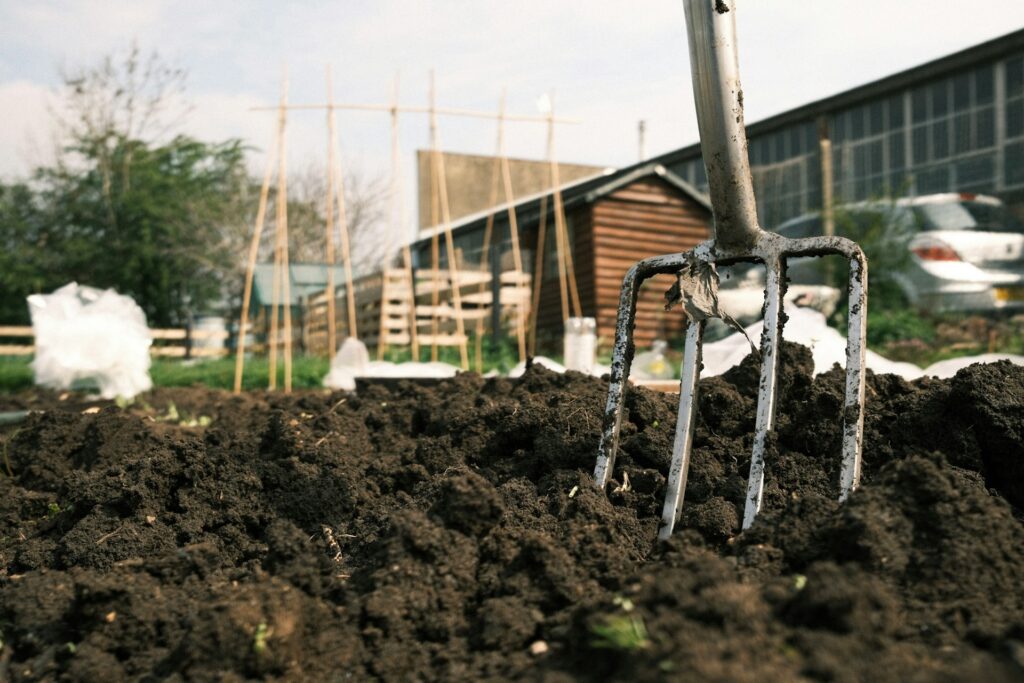
The sight of a wild, overgrown plot can be daunting, but resist the urge to dig it all up straight away. It’s better to clear and plant in small sections so you don’t lose steam halfway through. Focus on progress, not perfection. Try working one corner at a time, and cover the rest with cardboard or weed membrane to suppress growth until you’re ready. Allotmenting isn’t a race—it’s something you build into your life, not something you tackle in a single weekend.
2. Grow what you actually eat.
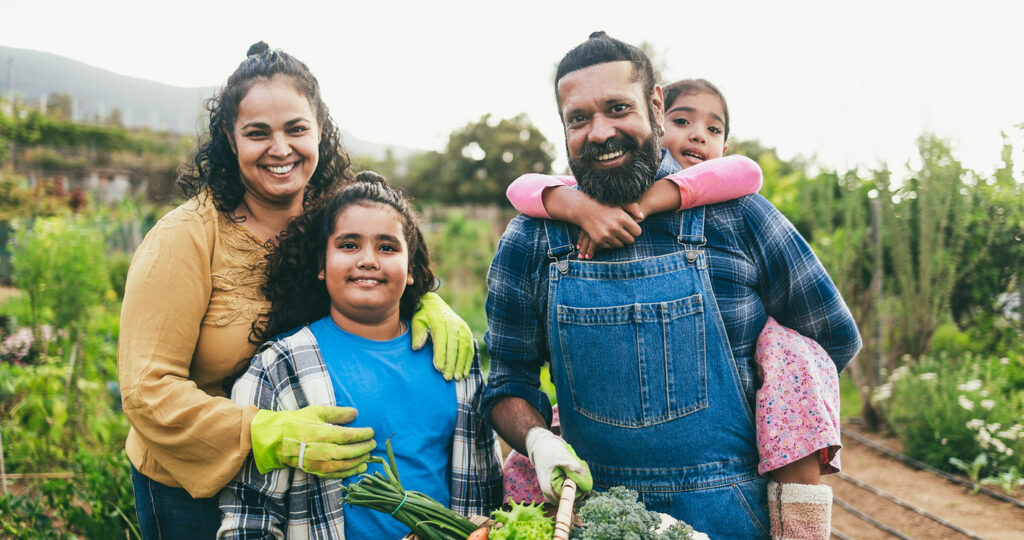
It’s tempting to plant fancy heritage vegetables or unusual crops, but if you’re not going to eat purple kohlrabi, don’t grow it. Stick with things you regularly cook with—onions, carrots, potatoes, lettuce, runner beans. Starting with food you already know and enjoy gives you motivation and cuts down on waste. You’ll feel far more proud bringing home a bag of your favourite salad bits than a glut of something you’re not even sure how to prepare.
3. Raised beds aren’t necessary, but rows help.

There’s a lot of online chatter about raised beds, but for beginners, they’re not necessary (or cheap). Straightforward in-ground rows with clear paths between are perfectly fine and often easier to manage. Just make sure you leave enough room to walk between your plantings without trampling anything. A simple layout you can actually move around in is better than any Pinterest-perfect design.
4. Don’t skip mulch and compost.
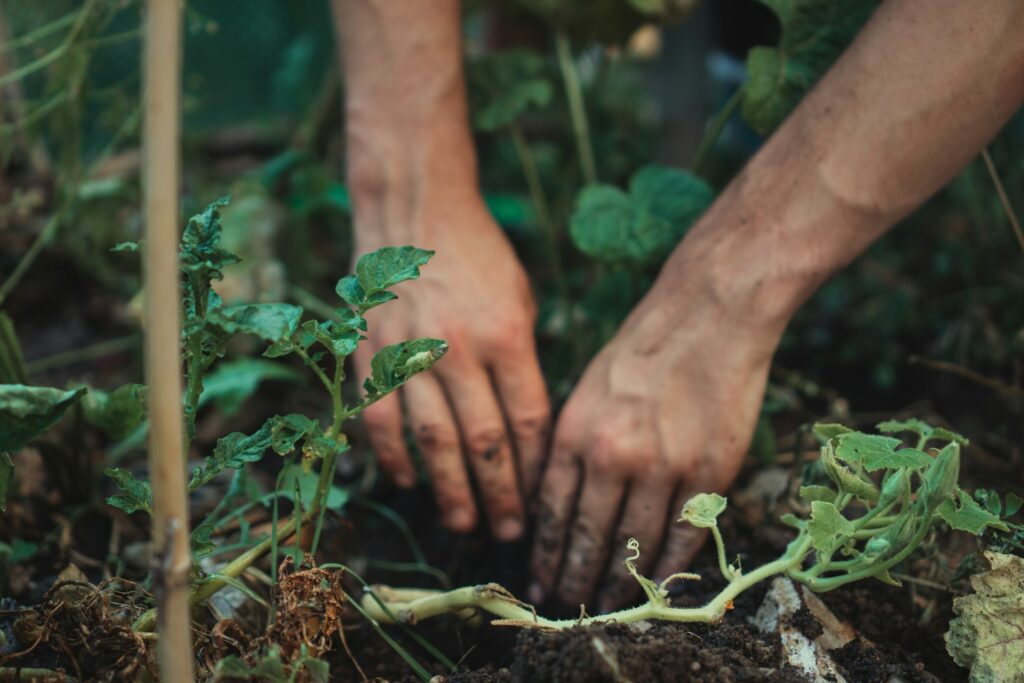
Improving your soil is more important than buying fancy seeds. Compost, manure, and mulch will all help keep the soil rich and crumbly, which means stronger, healthier plants in the long run. If your soil’s looking tired or dry, a layer of organic matter can make all the difference. Plus, mulch helps keep weeds down and moisture in, which is a huge win during summer dry spells.
5. Make watering easy for yourself.
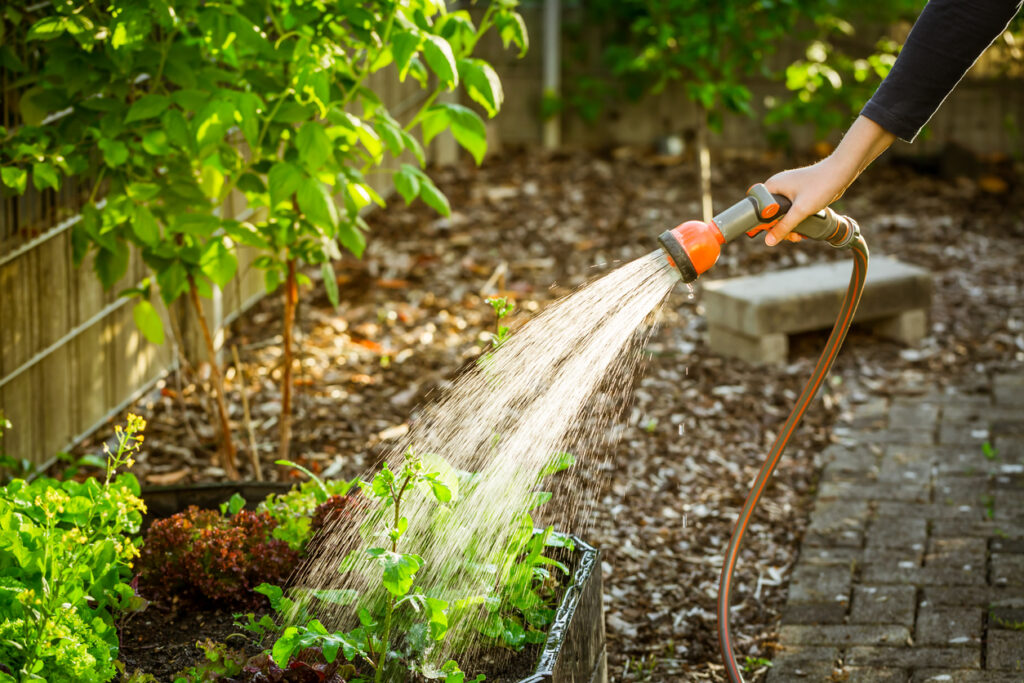
Watering can quickly become a chore if you’re lugging cans back and forth from the tap. Set yourself up with water butts, long hoses, or a simple irrigation system if you can. The easier it is to water your plants, the more likely you are to keep them healthy. You don’t need to be fancy, just practical. Your knees and back will thank you later.
6. Accept that weeds are part of it.
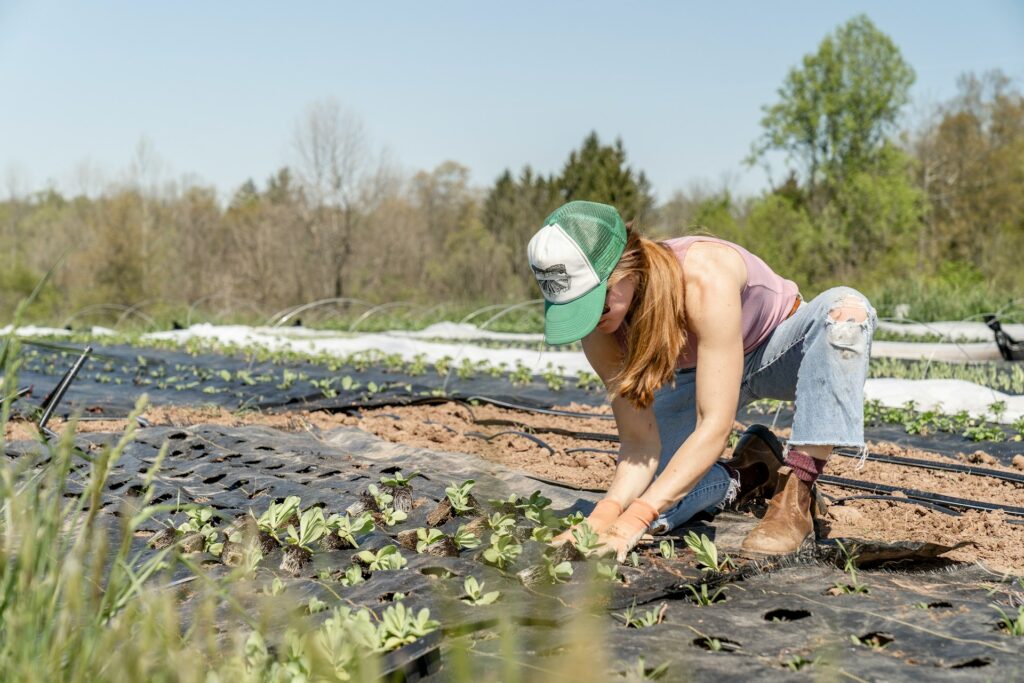
No matter how much you try, weeds will show up, and that’s okay. The key is to keep them in check rather than try to eliminate them completely. A few minutes each visit can prevent a takeover. Try hoeing regularly or using mulch to suppress growth. But don’t let a bit of green between rows stress you out—it’s an allotment, not a showroom garden.
7. Get to know your neighbours.
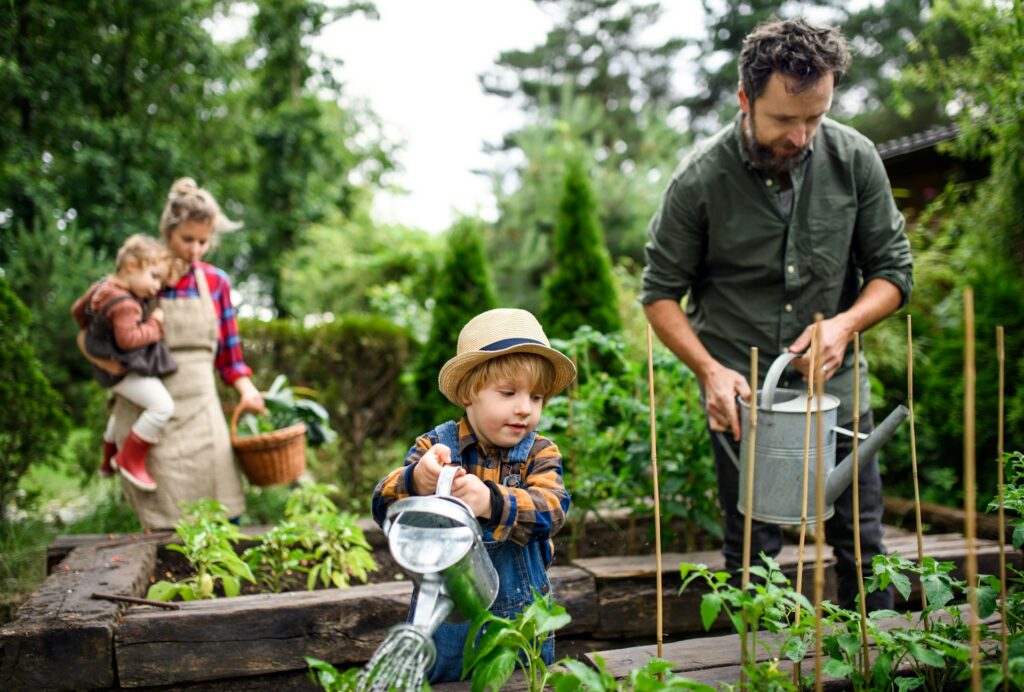
The other plot-holders are a goldmine of local knowledge. Chatting to them can save you hours of Googling—and they’ll usually be happy to give advice, spare seedlings, or let you know what grows well on your site. Community is one of the subtle perks of having an allotment. A quick chat over the fence can turn into a long-standing friendship or just some good-natured banter about your tomato yields.
8. Label everything—seriously.
When everything’s a sprout, it’s nearly impossible to tell beetroot from spinach. Label your rows clearly, or you’ll spend weeks wondering what you’ve planted where—and possibly pulling up your own veg thinking it’s a weed. Use weatherproof markers or simple lolly sticks with pencil or paint. Trust us, future you will be grateful every time you walk the plot.
9. Expect a few failures (and learn from them).
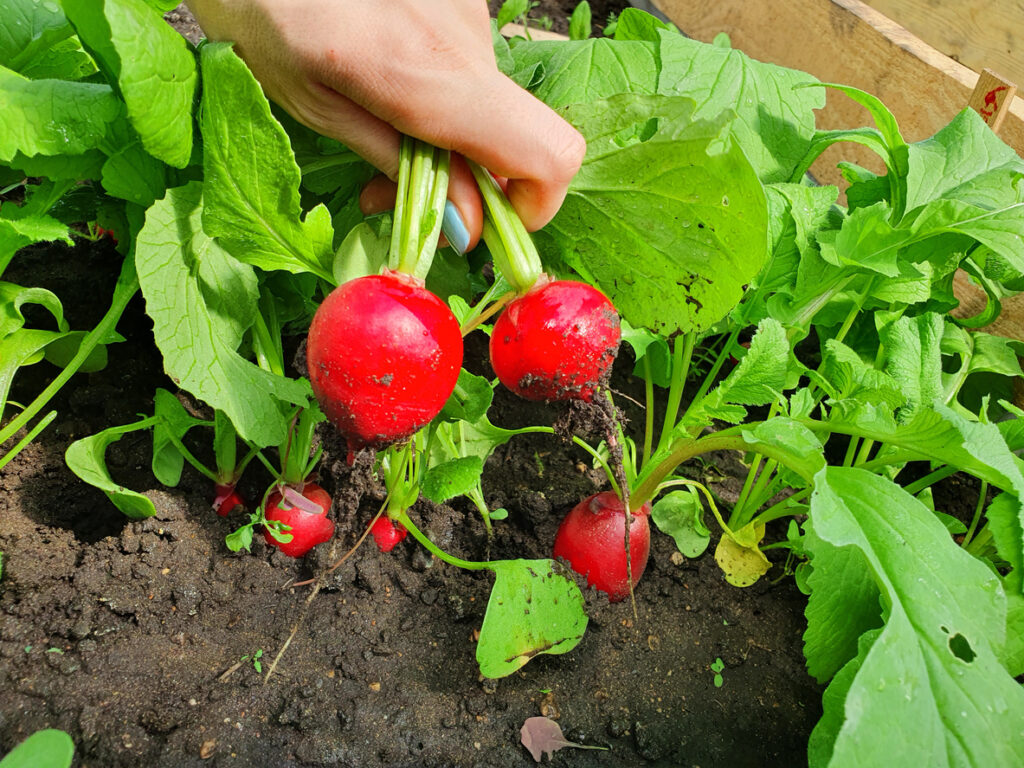
Some things won’t work, and that’s normal. Seeds might not germinate, crops might bolt, and pests will probably make a buffet of something at some point. Instead of feeling defeated, see it as part of the process. Every failed harvest teaches you something new about your plot, the weather, or what you might do differently next time.
10. Keep it fun, not perfect.
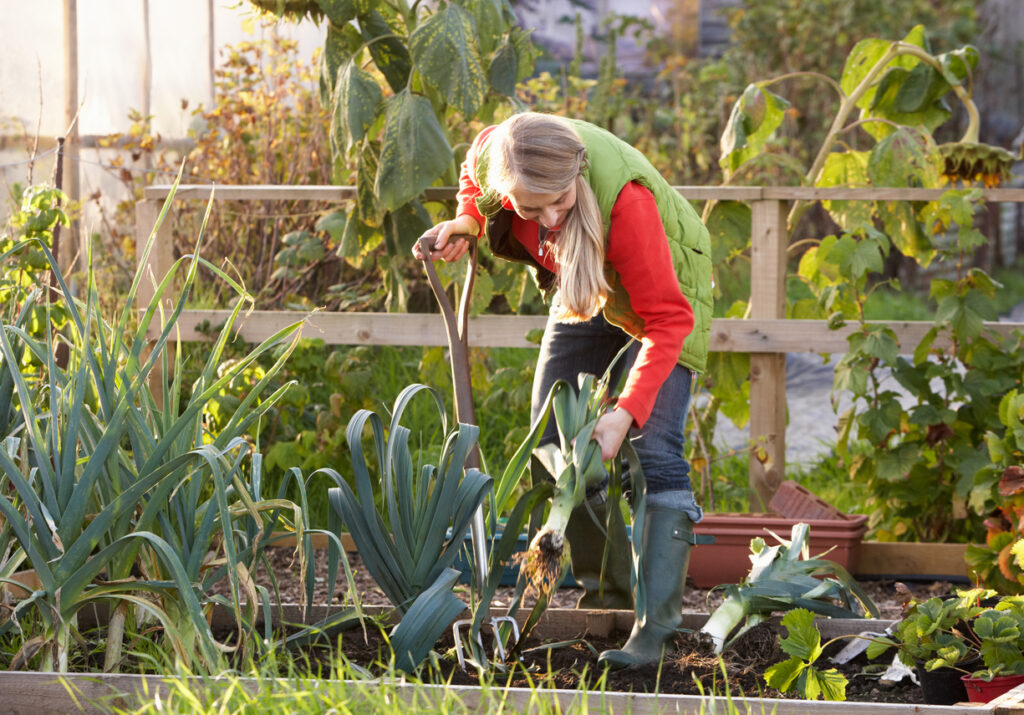
It’s easy to get caught up in productivity or compare your plot to other people’s. But the real joy of tending to an allotment is in the little moments—digging in the sunshine, spotting your first courgette, watching the seasons change. So take breaks, bring snacks, grow flowers if you want to. Your plot doesn’t have to be the tidiest or the most bountiful. It just has to be yours, and somewhere you enjoy being.