It’s one of those facts you hear in every shark documentary or horror film, and it’s terrifying.
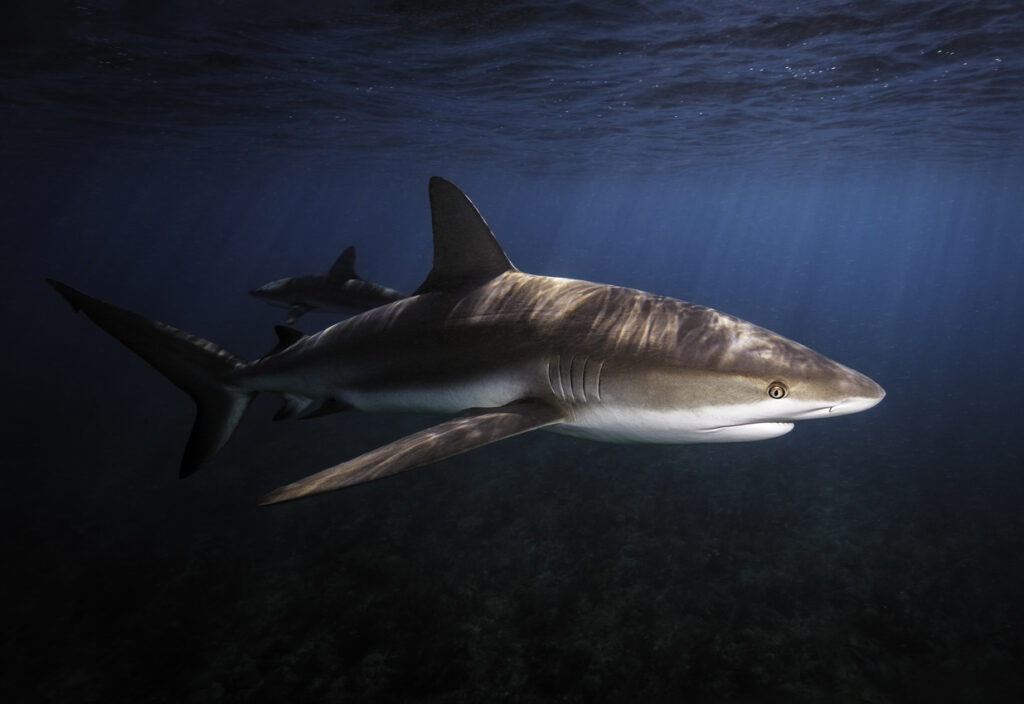
They say sharks can smell a single drop of blood from miles away, but is that actually true, or just an exaggerated bit of pop science that refuses to die? The reality is a little more complex, and a lot more fascinating. Here’s what science actually says about how sharks use their sense of smell, and whether they’re really the bloodhounds of the ocean we think they are.
Sharks do have an incredibly sharp sense of smell.
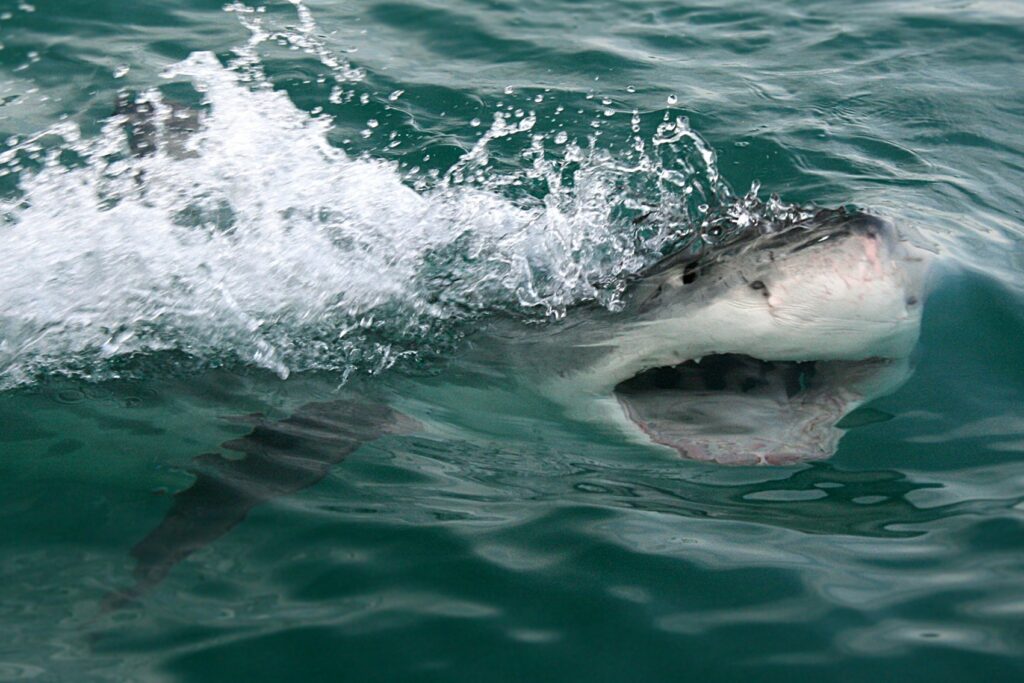
Sharks rely heavily on scent to navigate and hunt. Their nostrils, called nares, aren’t for breathing like ours, but are entirely dedicated to smelling. Some species can detect scents at one part per 10 billion, which is like picking out a single drop in a large swimming pool.
That level of sensitivity is impressive, especially in dark or murky waters where visibility is poor. So yes, they’re extraordinary smellers. However, smelling a drop of blood from literal miles away? That part is where things start to stretch the truth.
The “miles away” bit is a myth.
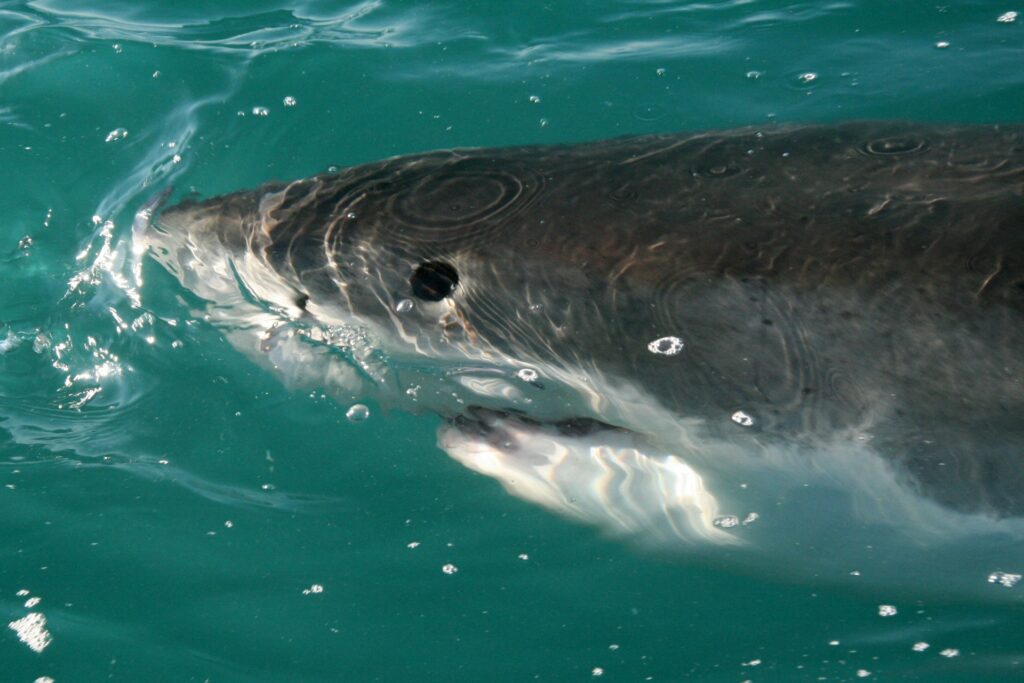
The idea that a shark can detect a single drop of blood from several miles away isn’t supported by actual science. Water movement, currents, and dilution all play a huge role in how far a scent can realistically travel. In most natural environments, that drop of blood would disperse too much to be useful by the time it travelled more than a few hundred metres. So while they can smell incredibly well, there are limits—and “miles” is a stretch.
They track scent trails, not distant signals.

Sharks don’t just catch a whiff and go racing toward it. They follow scent gradients, meaning they detect where the scent is stronger and swim in that direction. It’s more like a slow tracking process than a laser-guided missile response. In other words, they still need to be fairly close to the source to pick up enough information to make it worth pursuing. It’s more detective work than superpower.
Blood isn’t the only thing they’re interested in.
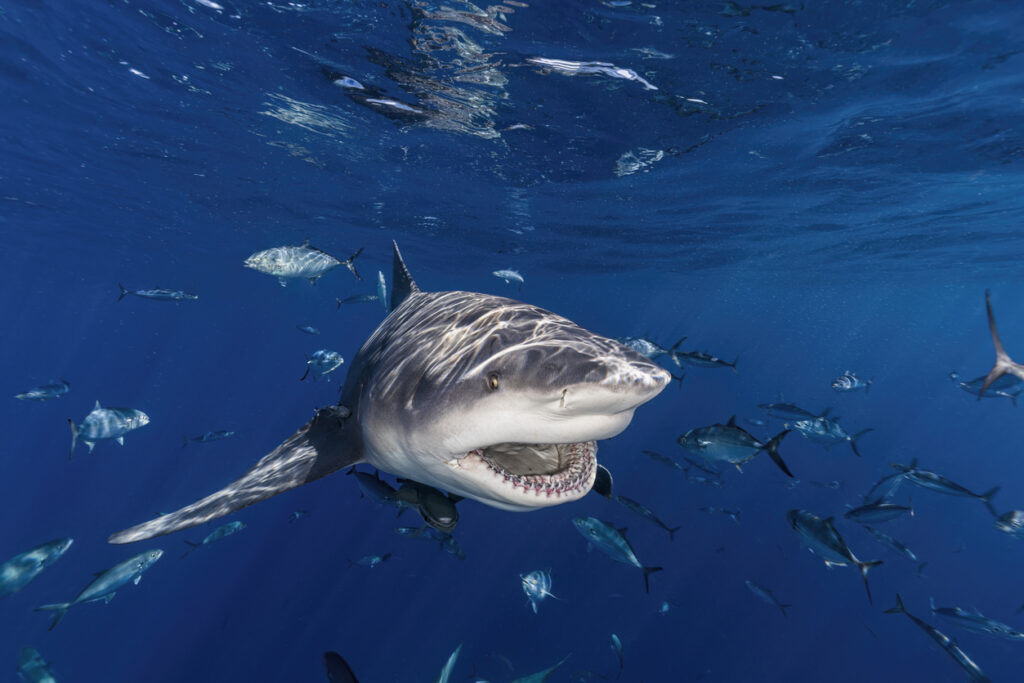
While blood gets the spotlight in most shark-related stories, sharks are just as drawn to other substances. They can detect amino acids from wounded fish, body fluids from prey, and even the scent of stressed-out animals. Some species are more responsive to certain chemical compounds than others, and it often depends on what they usually hunt. So while blood might trigger interest, it’s not the only thing they’re keyed into.
Not all shark species are equally sensitive.
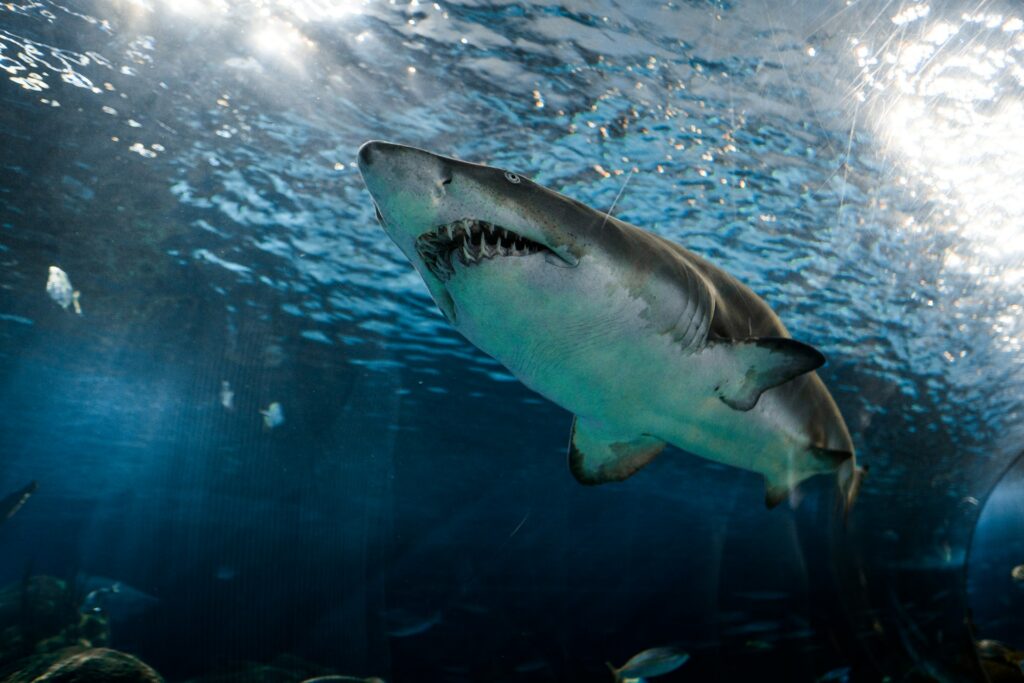
There are over 500 species of sharks, and they don’t all use smell the same way. Some, like the great white or lemon shark, are highly scent-reliant, while others depend more on sight or electrical signals from prey. The “one drop from miles away” claim tends to generalise all sharks as having superpowers, but in reality, some of them would barely bat a fin at a blood trail unless it was close and fresh.
Their noses are tuned for direction.
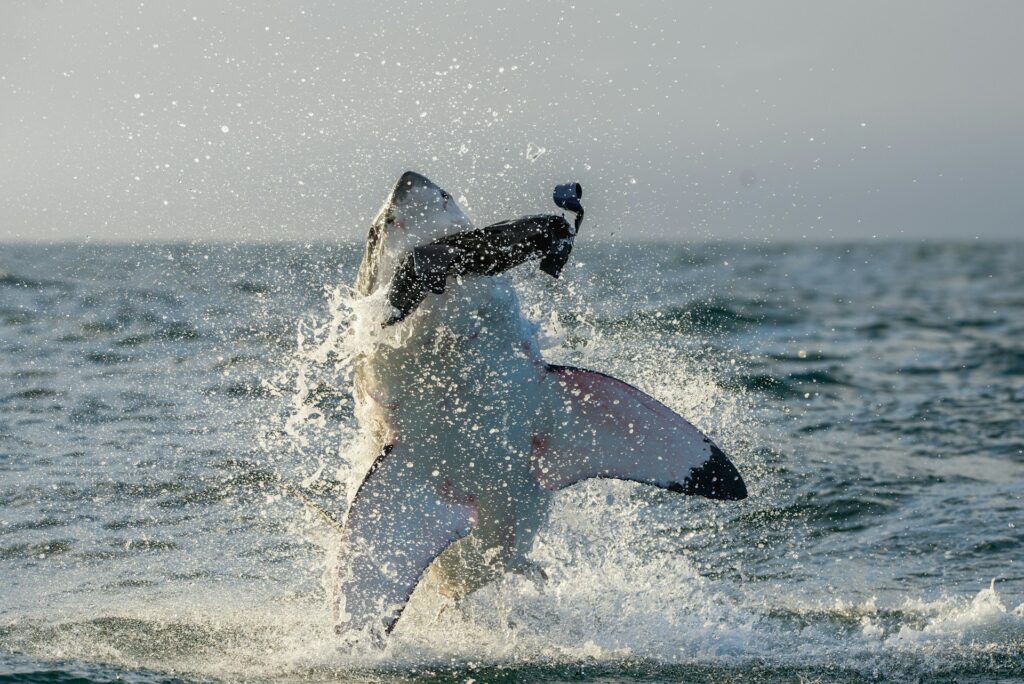
Sharks’ nares are spaced out on either side of their snout, allowing them to detect small differences in scent concentration between the two. This helps them figure out where the smell is coming from—kind of like how humans use two ears for directional sound. They don’t just smell something and know exactly where it is. They follow the scent step by step, getting closer as it becomes stronger. It’s clever, but not quite as dramatic as the myths make it sound.
Water conditions affect everything.
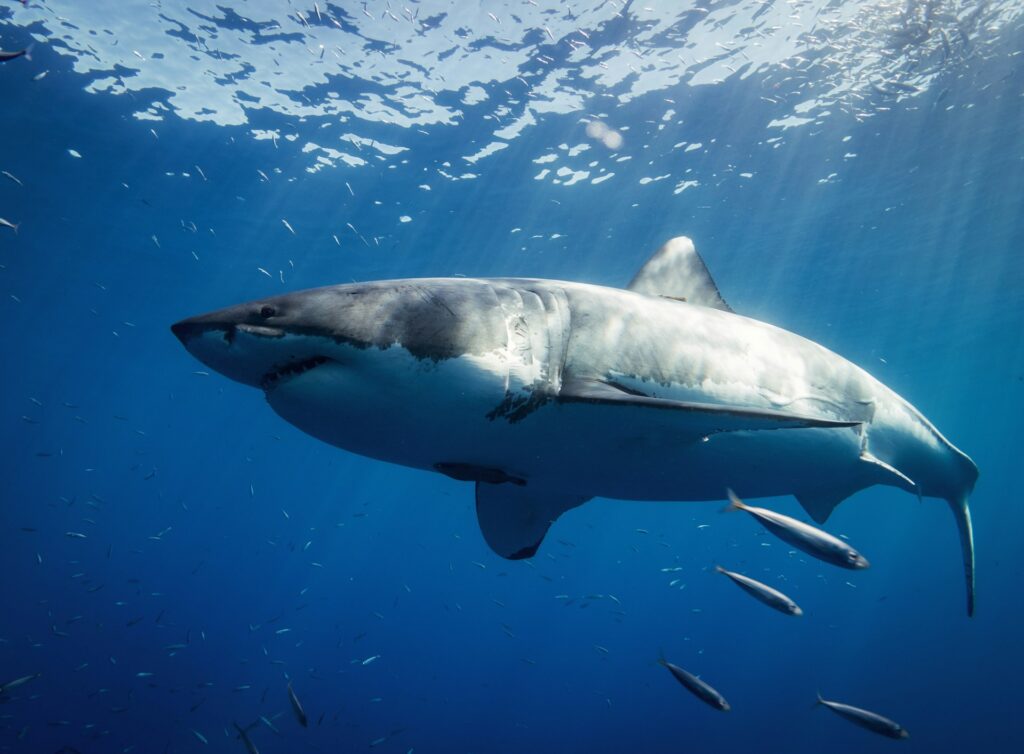
Smell in water doesn’t work the same way as it does in air. Ocean currents, temperature, salinity, and turbulence all influence how far a scent can travel and how easy it is to detect. So, even if a shark could detect a single drop in ideal lab conditions, the real ocean throws in all kinds of complications. A scent could be dispersed too quickly or pulled in another direction before a shark even gets close.
Injured prey creates a much stronger signal.
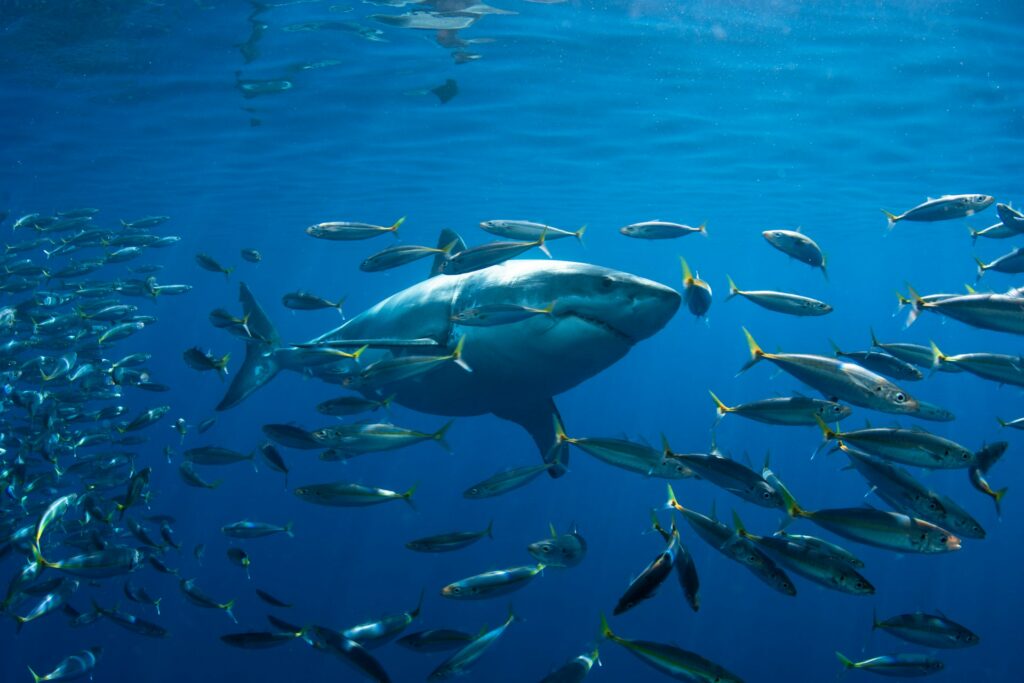
What really grabs a shark’s attention isn’t one tiny drop of blood—it’s a continuous, spreading trail. An injured fish releases a lot more than blood: amino acids, bodily fluids, and motion signals all combine to create an irresistible cue. That’s why feeding frenzies happen when there’s a large enough source, not because of one drop in the water. Sharks are opportunists, and the more obvious the meal, the more likely they are to show up.
Humans don’t usually trigger the same response.
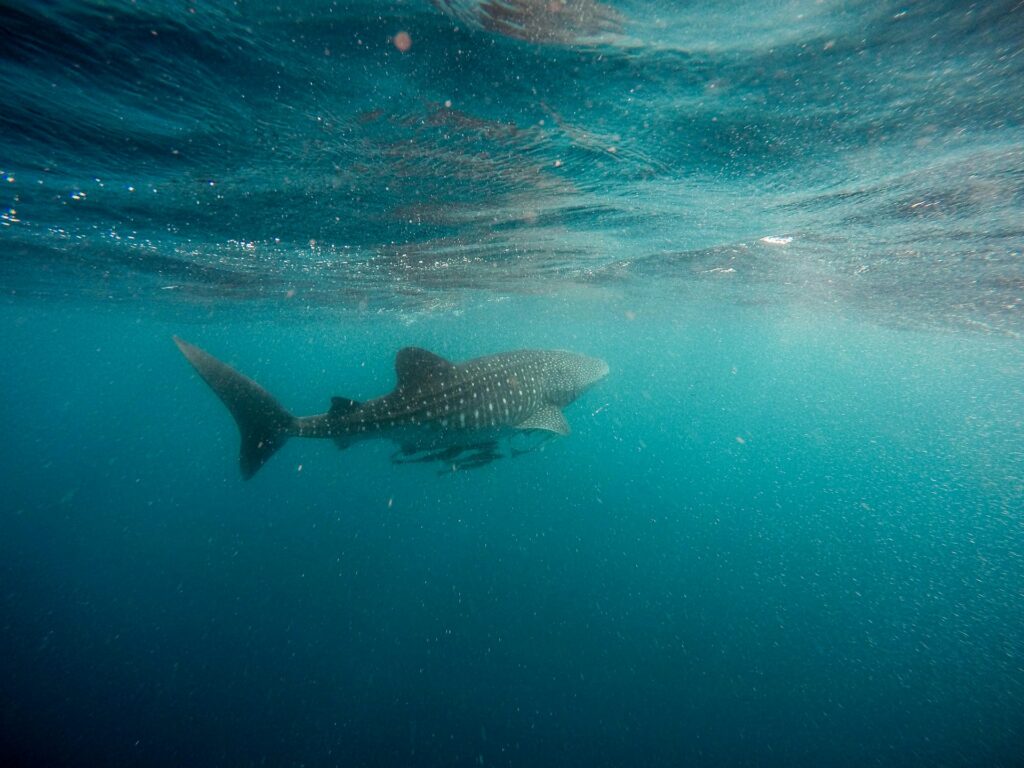
Despite the fear factor in movies, sharks aren’t especially drawn to human blood. Some studies have shown they respond more intensely to fish-based cues than to human scent, which isn’t surprising considering we’re not on their usual menu. That doesn’t mean they’re harmless, but the idea that they’ll come charging from miles away because you’ve got a paper cut in the sea? That’s just not how it works.
The myth probably stuck because it’s scary.
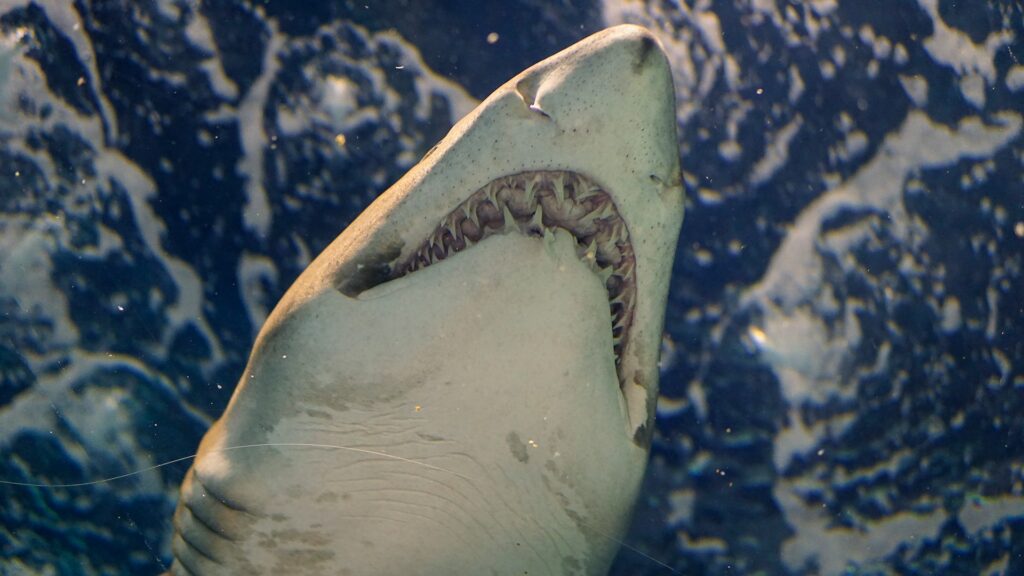
Let’s be honest—saying a shark can smell a single drop of blood from miles away just sounds dramatic. It’s cinematic. It’s easy to remember, but it’s also a bit of a fish tale. In truth, sharks are impressive animals with finely tuned senses, but they’re not supernatural. They use smell in a smart, responsive way, but it’s just one part of a complex hunting toolkit. And that’s still pretty fascinating, even without the hype.