When we talk about endangered species, it’s often in vague terms—“at risk,” “declining numbers,” “vulnerable.”
But for some animals, the situation is beyond critical. There are fewer than 100 individuals left in the wild, clinging to existence on remote islands, in fragmented forests, or under constant threat from human activity. These creatures aren’t just rare—they’re teetering on the edge of being lost forever. Here are a dozen species with fewer than 100 individuals left in the wild, and the efforts (and challenges) surrounding their survival.
Vaquita
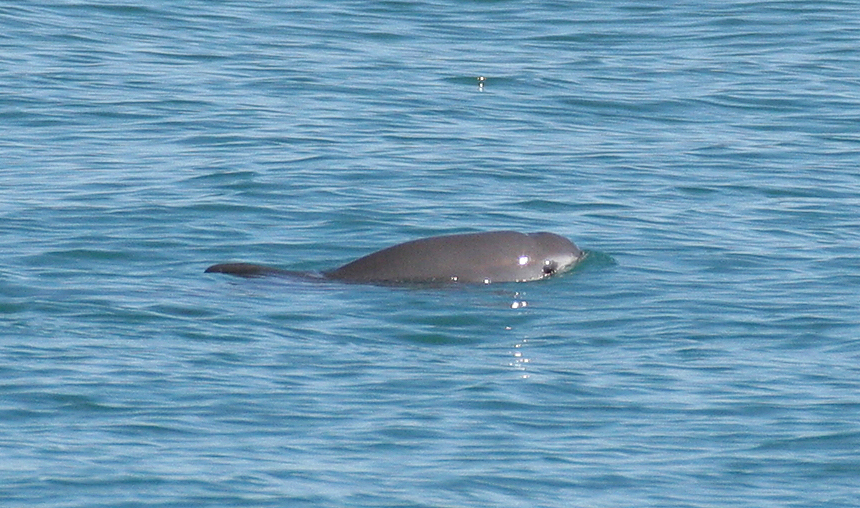
This tiny porpoise is the most endangered marine mammal in the world. Found only in the northern part of the Gulf of California, estimates suggest fewer than 10 remain. Their biggest threat? Illegal fishing nets meant for totoaba fish, which accidentally trap and drown vaquitas. Despite bans and conservation efforts, their numbers are still dropping fast.
Northern bald ibis (in the wild Middle East population)
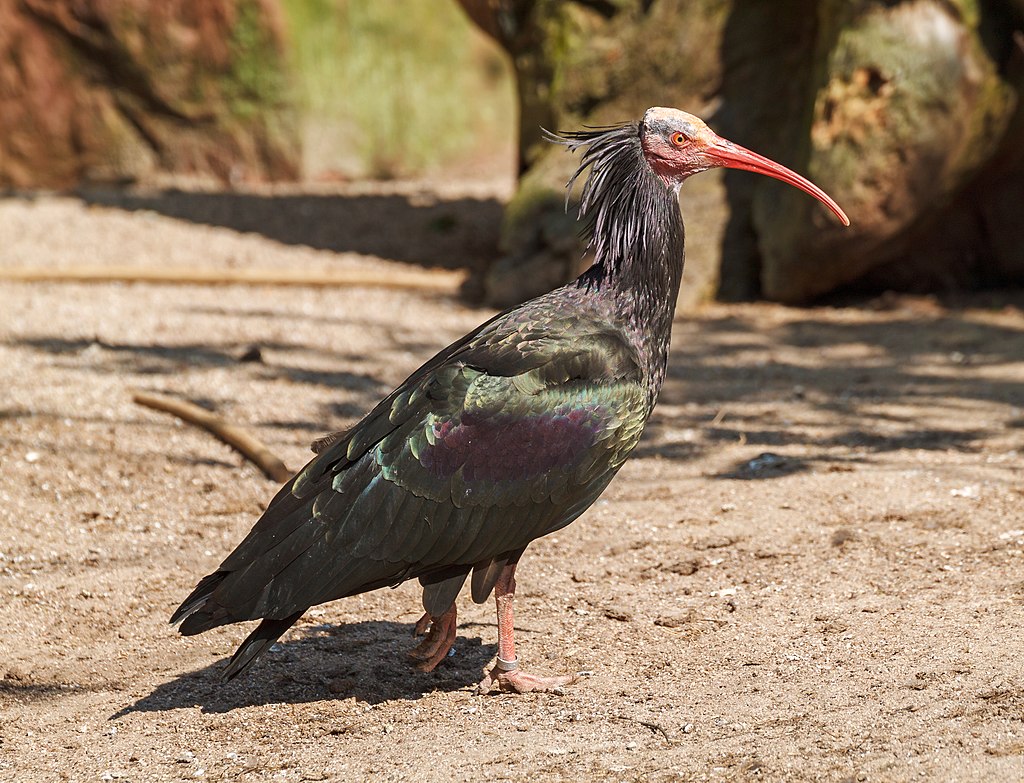
While reintroduction programs are helping in Europe, the original wild population of northern bald ibises in Syria is now almost gone—fewer than 10 are thought to remain. Conflict, habitat loss, and hunting have devastated their numbers. The species has a chance through human-led breeding programs, but the original wild lineage is nearly lost.
Javan rhino
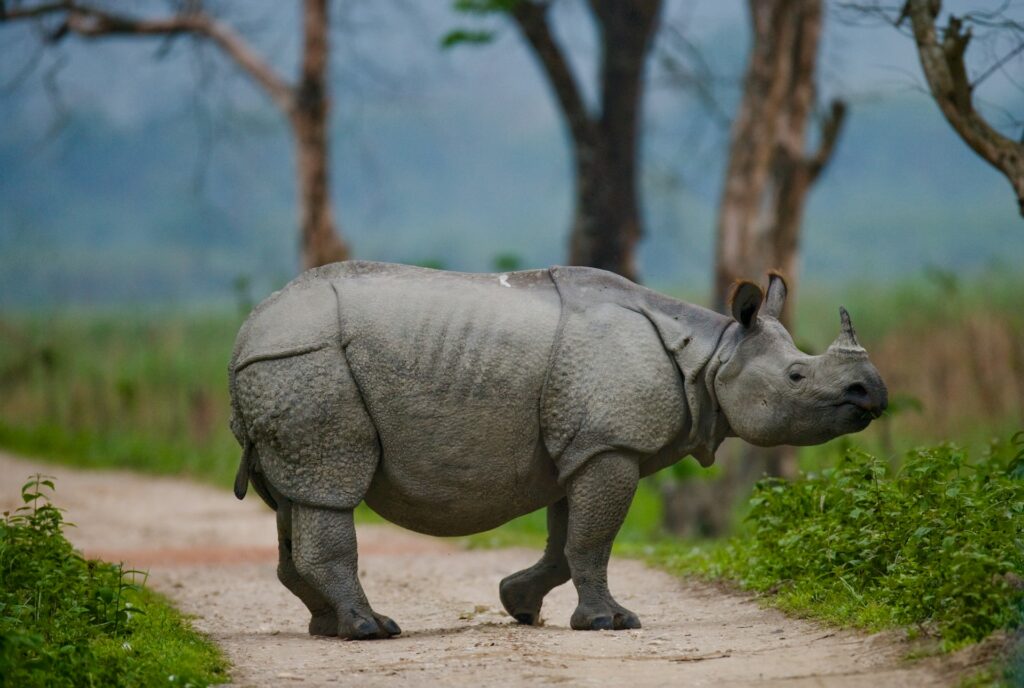
Once spread across Southeast Asia, the Javan rhino now survives only in Indonesia’s Ujung Kulon National Park. There are fewer than 80 of them, and they’re all crammed into one location. While they’re protected, the species is extremely vulnerable to disease, natural disasters, and inbreeding. One bad event could wipe them out entirely.
Yangtze giant softshell turtle
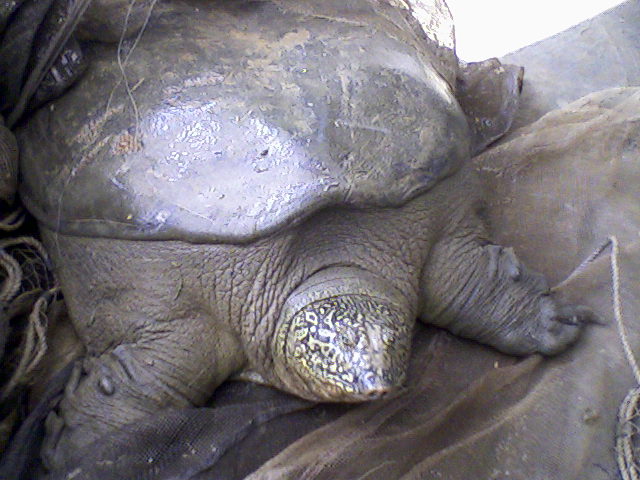
This freshwater turtle is possibly down to just one known male in China. A female was identified a few years ago in Vietnam, but breeding efforts have failed so far. Habitat destruction, pollution, and hunting have nearly wiped this ancient species from the planet. Scientists are scrambling for any chance to get the last known individuals to reproduce.
Pygmy three-toed sloth
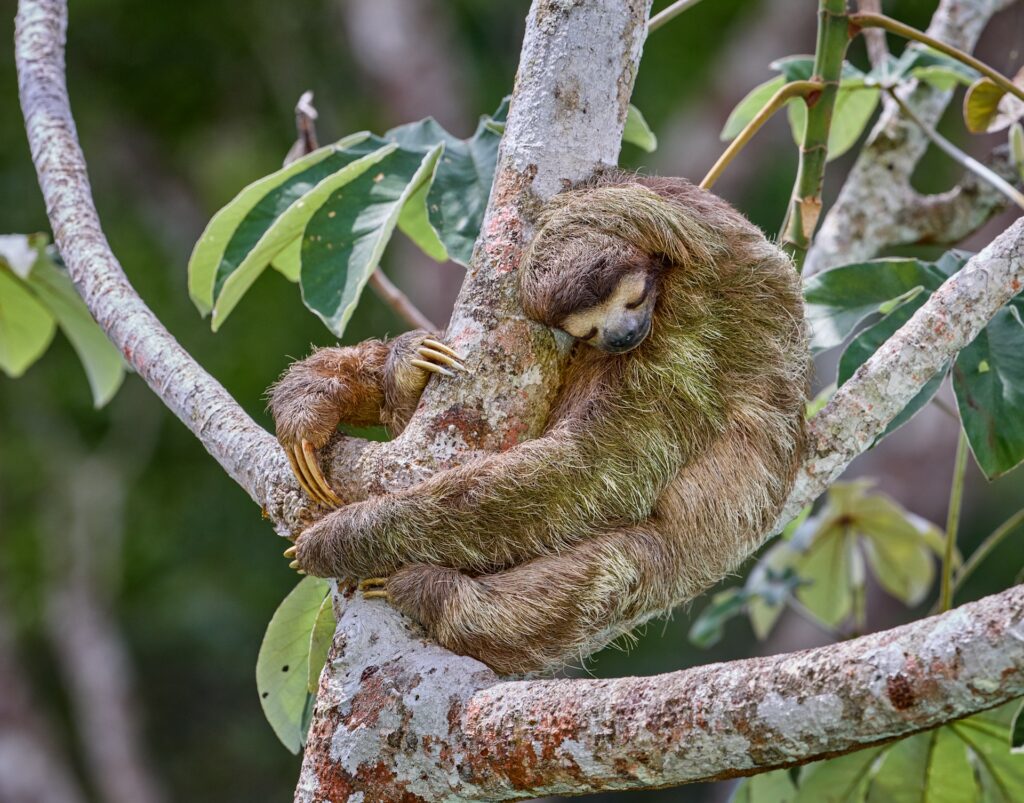
Found only on a single tiny island off Panama called Isla Escudo de Veraguas, this mini-sized sloth species has a population thought to be under 100. They’re threatened by habitat degradation and the increasing interest in the island for tourism. Their isolation, once a protection, is now part of their vulnerability.
Hainan gibbon
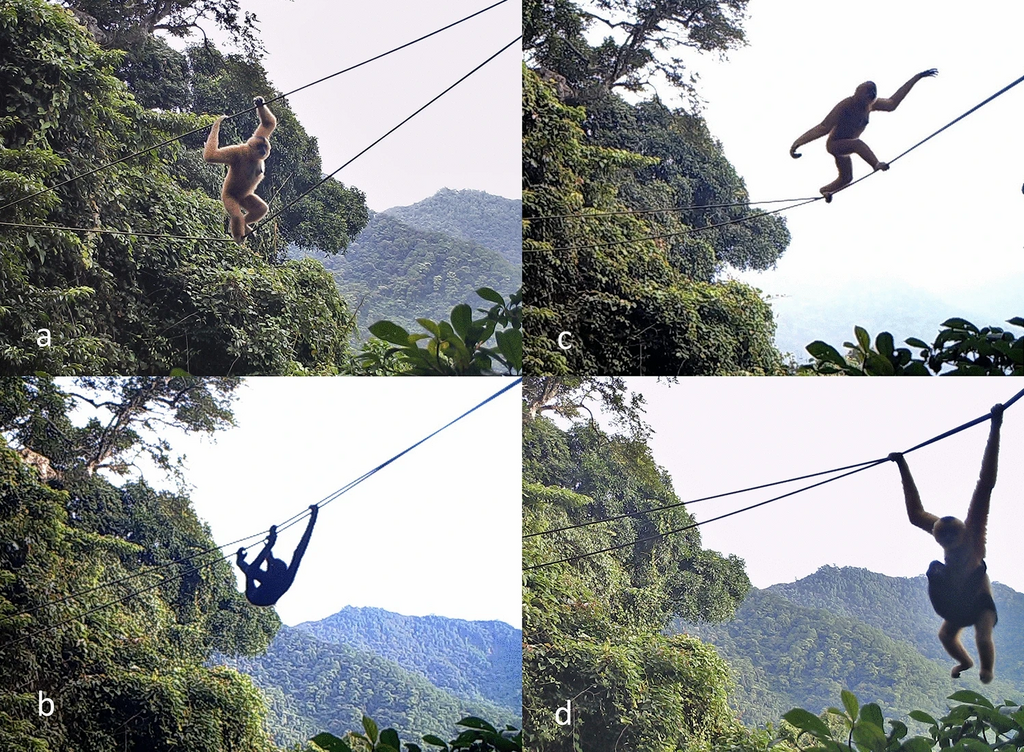
Regarded as the rarest primate on Earth, there are fewer than 40 Hainan gibbons left, all of them in a single forest on Hainan Island, China. Habitat loss and historical hunting decimated their numbers, but conservation work and local protection have helped stabilise the population—for now.
Spix’s macaw (in the wild)
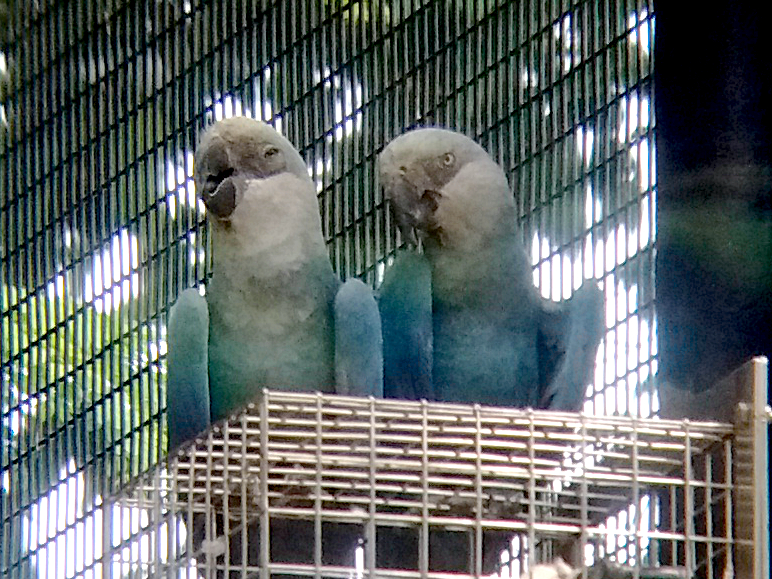
Famous for inspiring the film Rio, the Spix’s macaw was once declared extinct in the wild. Though captive breeding programs have been promising, only a handful have been reintroduced to Brazil so far. With fewer than 100 in controlled environments and only a tiny number surviving in their natural habitat, their future still hangs in the balance.
8. Saola

Dubbed the “Asian unicorn,” the saola is so rare that scientists have barely seen one in the wild since its discovery in the 1990s. Fewer than 100 are thought to exist. They live in remote forests along the Laos-Vietnam border and are caught in snares meant for other animals. Their elusiveness makes conservation incredibly difficult.
Forest owlet
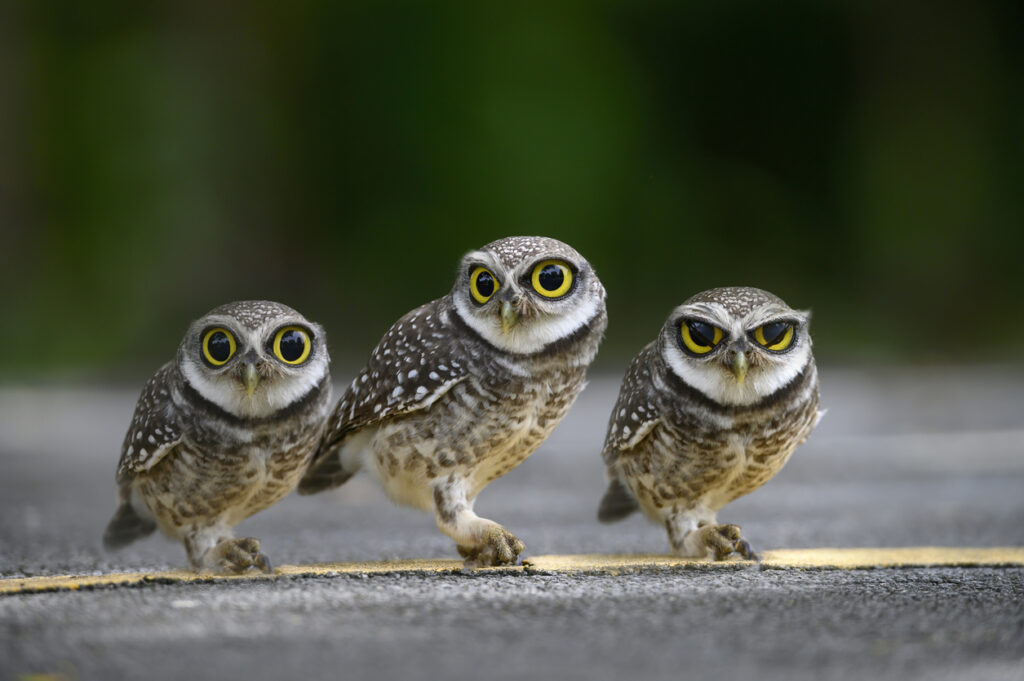
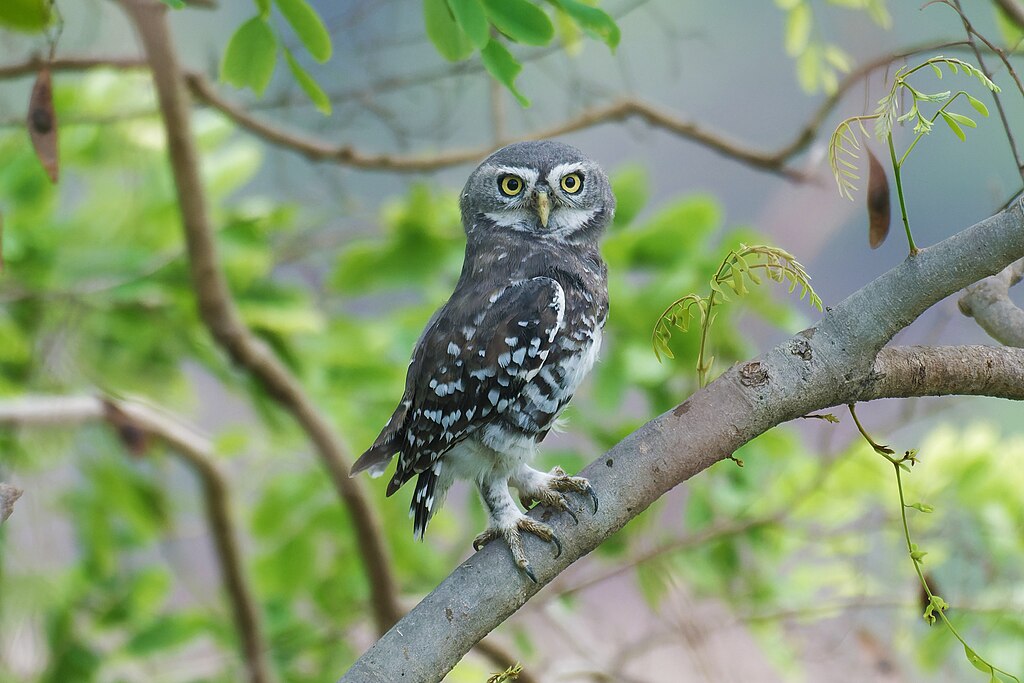
Once believed extinct, the forest owlet was rediscovered in India in 1997. There are now thought to be between 50 and 250 individuals, with some estimates placing the lower bound under 100. Logging and habitat encroachment threaten their survival, and sightings are still incredibly rare, making population monitoring tricky.
Amur leopard (in the wild)
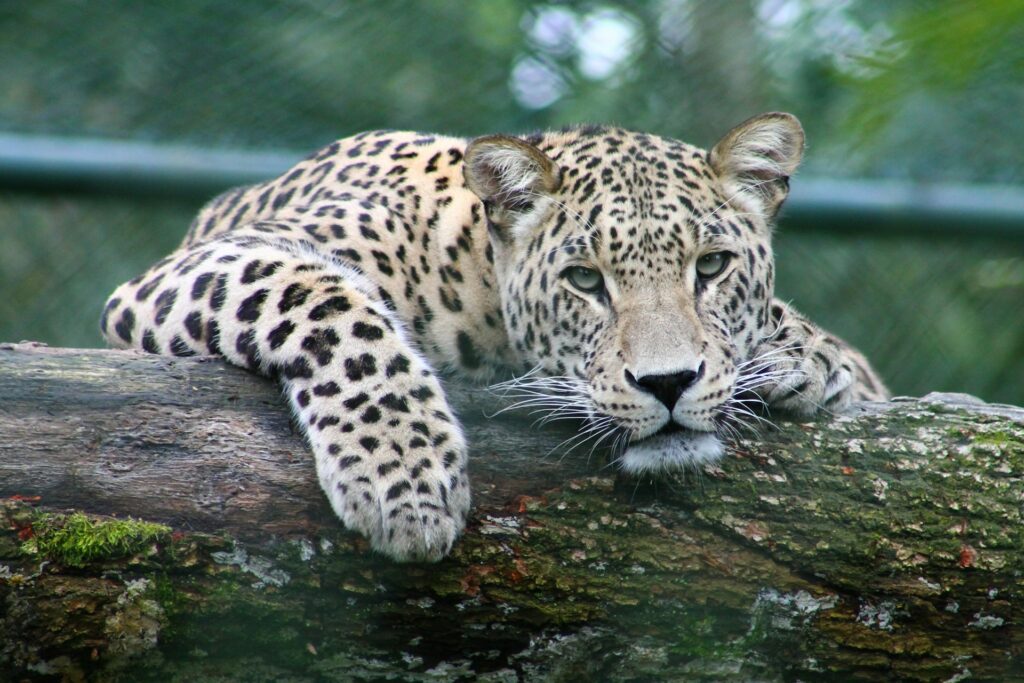
These stunning big cats live in a small patch of forest on the Russia-China border. Once down to around 30 individuals, conservation efforts have raised that number to just under 100. Despite being one of the rarest cats on the planet, the Amur leopard is still at huge risk due to habitat loss and poaching, especially if protected zones aren’t expanded.