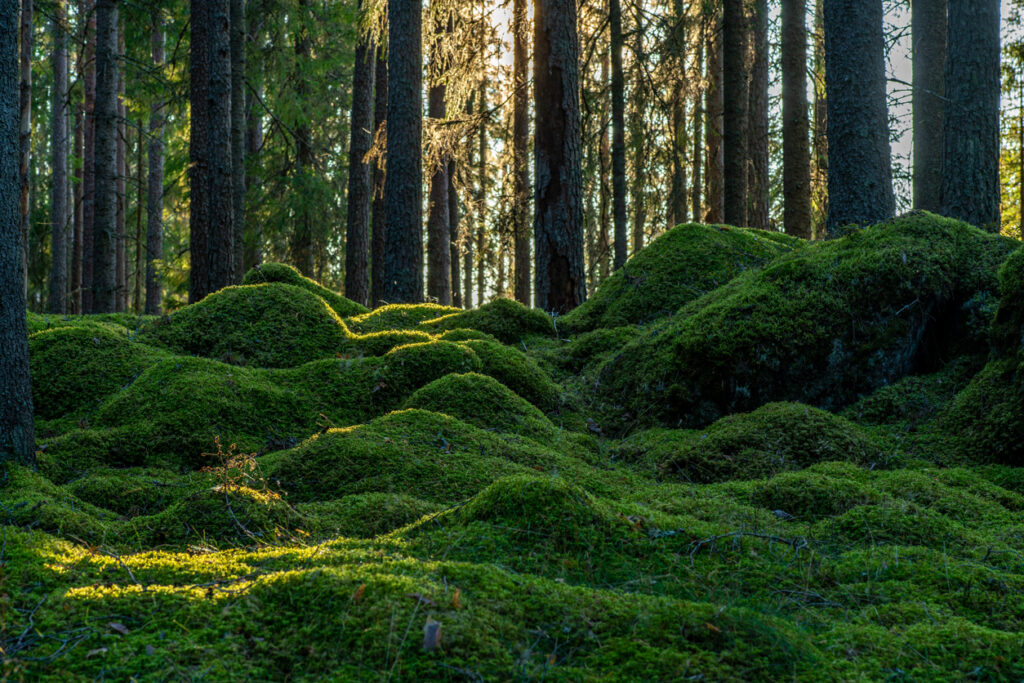
It doesn’t shout for attention, it doesn’t bloom, and it doesn’t grow tall—but moss has been quietly thriving on this planet for over 400 million years. You’ll find it nestled in stone walls, carpeting forest floors, or clinging to rooftops, often overlooked and underappreciated. But behind its soft, green surface, moss is a master of survival. It’s ancient, adaptable, and far more important to ecosystems than it gets credit for. Here’s why this humble little plant might just outlast us all.
It’s one of Earth’s oldest land plants.
Moss was among the first plants to make the leap from water to land. Fossil records show moss-like plants dating back to the Silurian period—long before trees, flowers, or even dinosaurs showed up. That ancient origin is a clue to its toughness. It learned early how to survive in harsh, dry conditions, and those skills have carried it through multiple mass extinctions while more complex life forms came and went.
Moss doesn’t need soil to grow.
Unlike most plants, moss doesn’t rely on roots to pull nutrients from the ground. It absorbs water and nutrients directly through its leaves, which means it can grow on bare rock, concrete, bark—almost anywhere. This independence gives it a serious edge in survival. When other plants struggle with poor soil or erosion, moss just gets on with it, quietly covering surfaces other species can’t touch.
It survives extreme dehydration.
Moss has a rare ability called desiccation tolerance—it can dry out completely and stay dormant for weeks or even months, then spring back to life with just a splash of moisture. In places where rain is unpredictable, this skill is a game changer. While other plants wither and die, moss simply waits it out. It’s one of the few green things that can look dead on Monday and be lush again by Wednesday.
It creates its own mini-ecosystems.
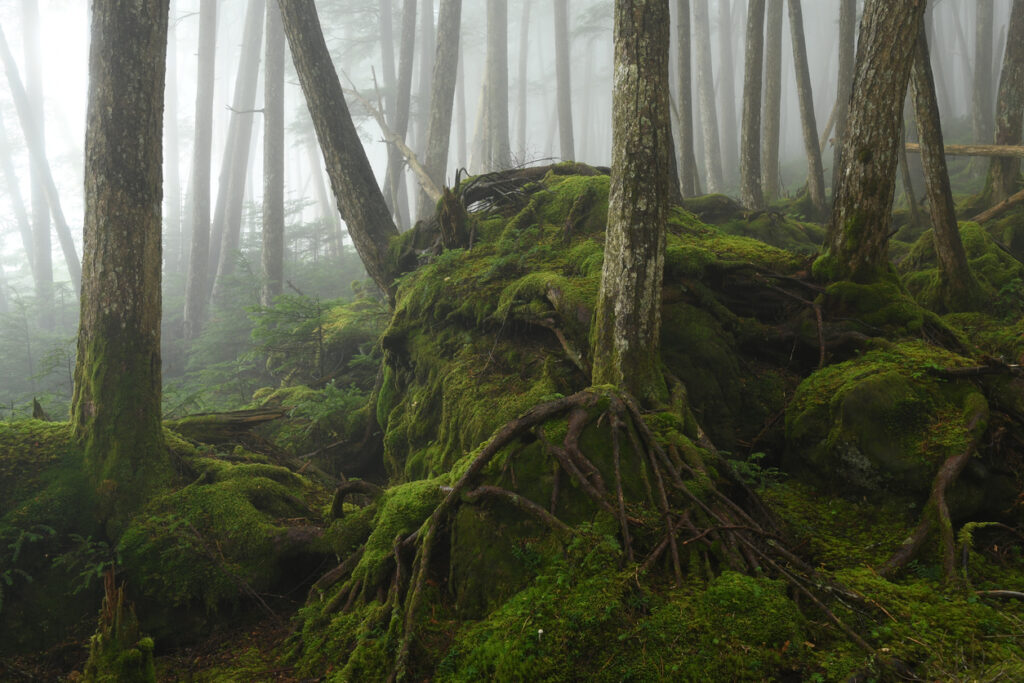
Moss may be small, but it’s a whole world to countless tiny creatures—springtails, mites, and microfauna all live within its spongey layers. It holds moisture, moderates temperature, and even filters water as it moves through the landscape. By stabilising ecosystems from the ground up, moss quietly plays a huge role in biodiversity. Without it, many micro-ecosystems would struggle to function at all.
It helps combat erosion.
Because moss grows in dense mats and doesn’t need roots to spread, it holds soil and surfaces together. It’s one of the first plants to move into disturbed or damaged land and start the healing process. That makes it essential in rewilding efforts, especially on steep slopes or degraded forest floors. Moss helps lock things in place, preventing soil from being washed or blown away while new life takes hold.
Moss can thrive in places nothing else can.
Whether it’s the Arctic tundra, a tropical rainforest, or the side of a city pavement, moss doesn’t need much to get started. Some species grow in near-darkness, others in intense sun. They don’t care about altitude, soil pH, or foot traffic. This ability to adapt to wildly different environments is part of what makes moss such a long-term survivor. It doesn’t compete—it just quietly fits in wherever it lands.
It purifies air and water.
Certain moss species are incredible natural filters. They absorb toxins from the air and water, pulling in heavy metals, pollutants, and even airborne particles from vehicle emissions. Some cities are even trialling “moss walls” to improve air quality in polluted areas. It might look like green fluff on a wall, but it’s doing serious heavy lifting behind the scenes.
Moss is practically immortal—kind of.
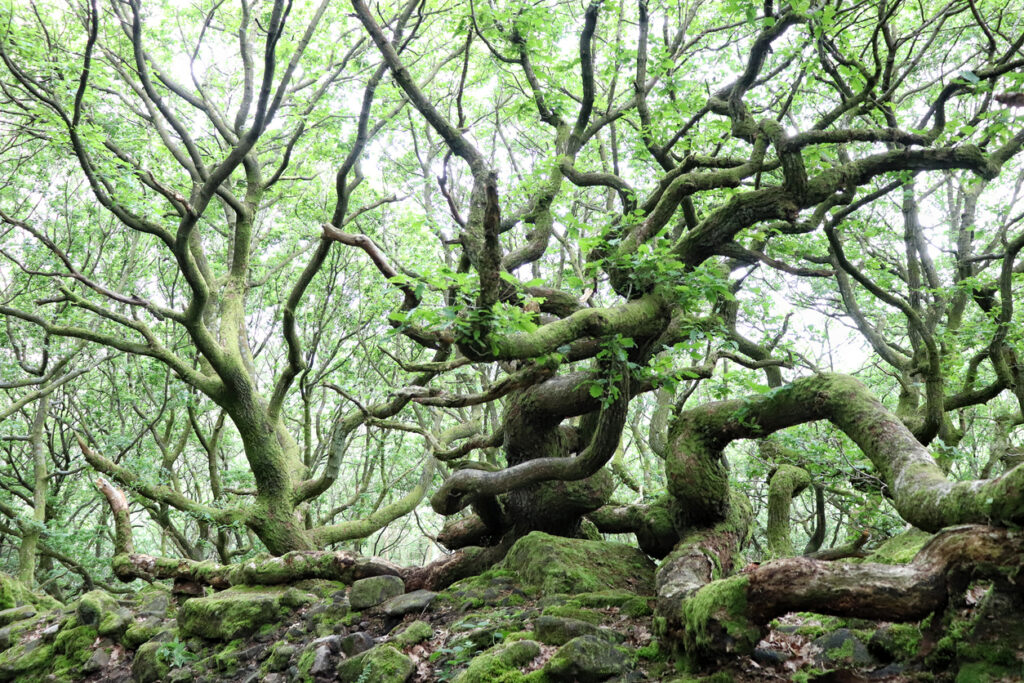
Some moss colonies have been alive and slowly growing for thousands of years. In the right conditions, moss doesn’t age in the usual sense. It just keeps expanding outward, renewing itself with each new shoot. One Antarctic moss bed is estimated to be over 2,000 years old, quietly growing in freezing conditions where almost nothing else survives. It doesn’t grow fast, but it plays the long game better than most.
It doesn’t need much energy to thrive.
Because moss doesn’t flower, fruit, or grow tall, it uses far less energy than other plants. It doesn’t need elaborate root systems, tall stalks, or pollination. It just focuses on staying alive, adapting to its surroundings, and spreading when it can. This low-energy, low-maintenance approach might not sound exciting—but it’s incredibly effective in the long term. When other species collapse under changing climates or resource demands, moss just keeps going.
It’s a master of quiet resilience.
Moss doesn’t have loud blooms or towering canopies. It doesn’t move or shout for attention. But that’s its superpower. It survives because it doesn’t overreach. It doesn’t need much and doesn’t try to dominate—it just adapts and endures. Ecosystems are changing faster than most species can cope, which is why moss reminds us that strength doesn’t always look like scale or speed. Sometimes, it’s the slow, quiet, unshakeable ones that make it through.
So next time you see a green carpet creeping up a wall or nestling between paving stones, don’t brush it off. Moss has been here long before us, and at this rate, it’ll probably still be thriving long after we’re gone.