Britain’s ancient woodlands are more than just pretty places to walk the dog—they’re living, breathing time capsules.
These woods have stood for centuries, often unchanged since at least 1600, sheltering species that have survived despite everything modern life has thrown at them. Among the mossy trunks, tangled roots, and patches of sunlight, you’ll find creatures still holding on, from secretive mammals to woodland specialists that simply don’t thrive anywhere else. Here are some of the animals still living in Britain’s ancient woodlands, and how to actually spot them (if you’re lucky).
Hazel dormouse
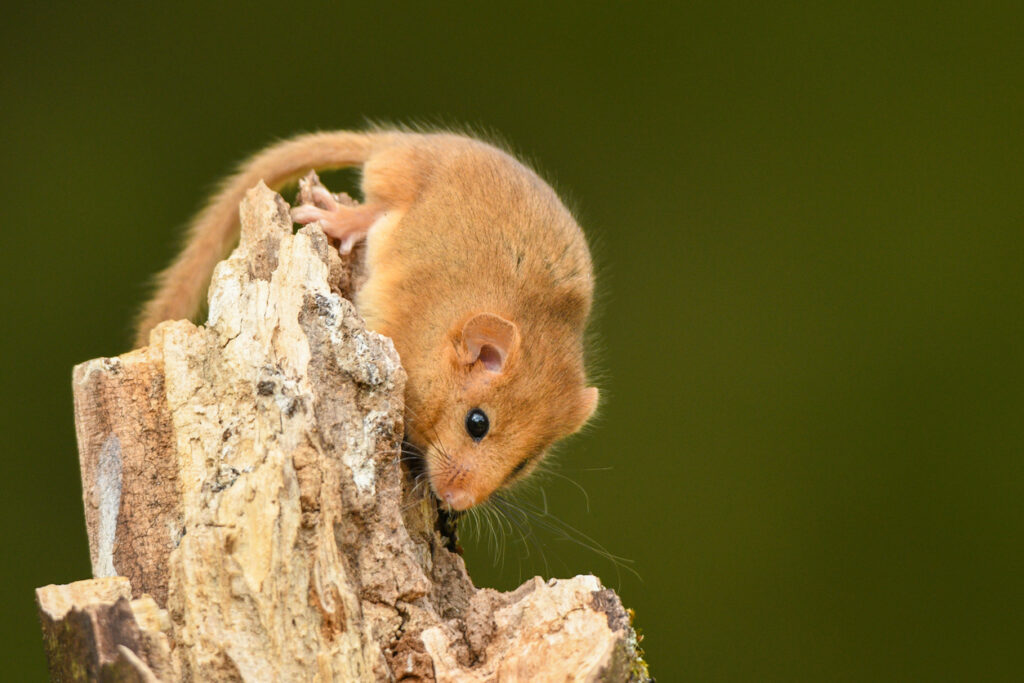
These tiny, golden-furred rodents are about as elusive as it gets. They’re nocturnal, hibernate for half the year, and spend most of their time up in the branches, not scurrying on the ground like other mice. Your best chance of seeing one is through local wildlife trusts that run surveys or nest box monitoring. Otherwise, look for signs in late spring—like nibbled hazelnuts with a smooth inner rim, their telltale snack mark.
Purple emperor butterfly
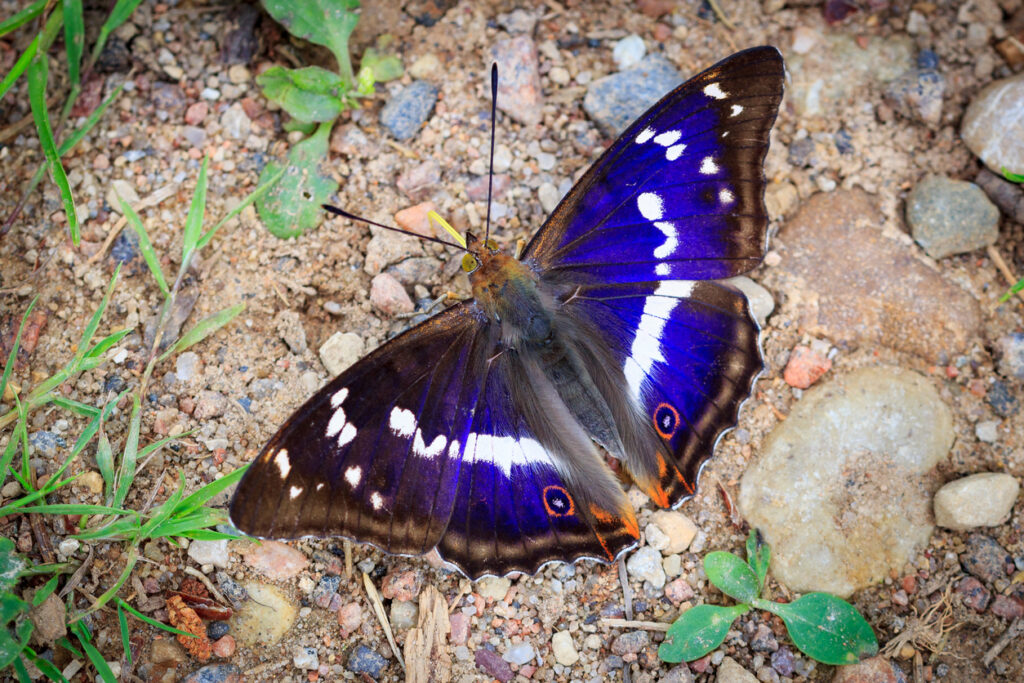
The purple emperor is basically the rockstar of woodland butterflies—rare, bold, and striking when the sun hits its wings just right. Males often perch high up in the treetops, so you’ll need patience (and binoculars) to catch a glimpse. They’re best spotted in July in oak-rich ancient woods, particularly in southern England. Watch for them swooping through sunlit glades or even landing on damp ground—they’re bizarrely drawn to sweat, animal droppings, and rotting matter.
Tawny owl
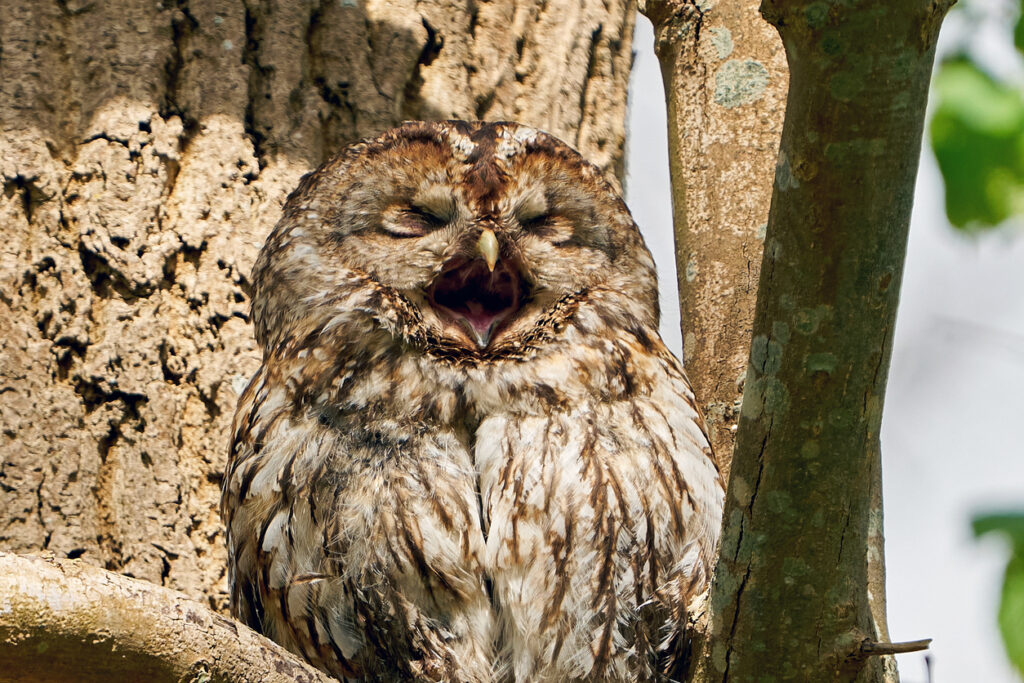
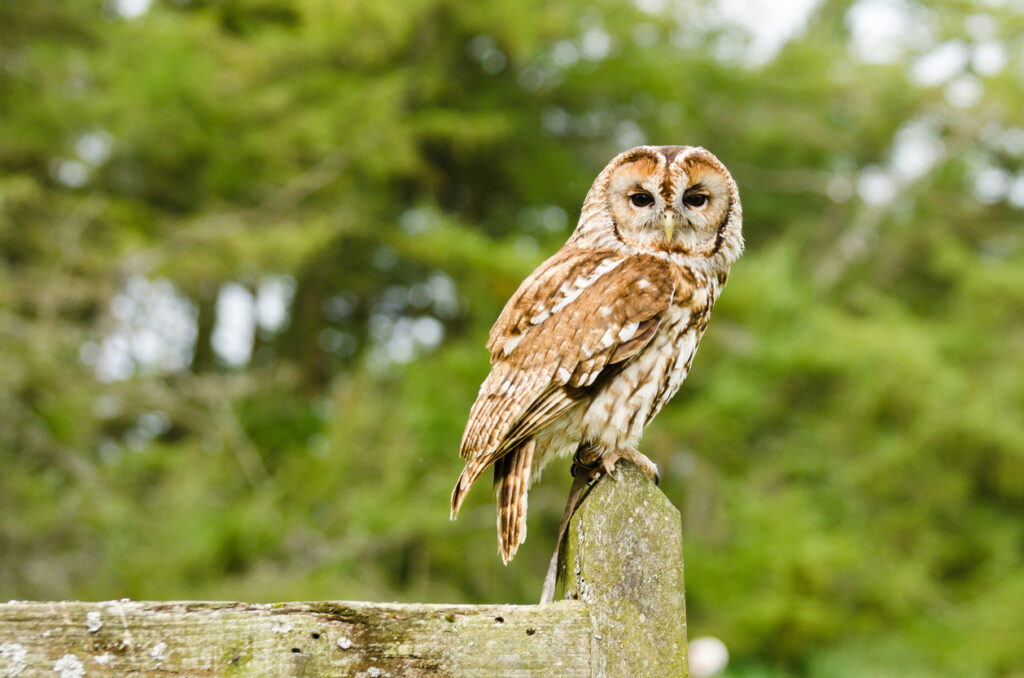
The classic hoot of the tawny owl is the soundtrack of many old woods, but actually seeing one is another story. These nocturnal hunters stay hidden during the day, tucked deep in tree hollows or dense cover. If you’re up for a dusk or pre-dawn walk, listen for the male’s “twit-twoo” call. Spotting is tricky, but sometimes you’ll see a silhouette swooping silently between trees—or spot a daytime roost by the white splashes of droppings below.
Wood white butterfly
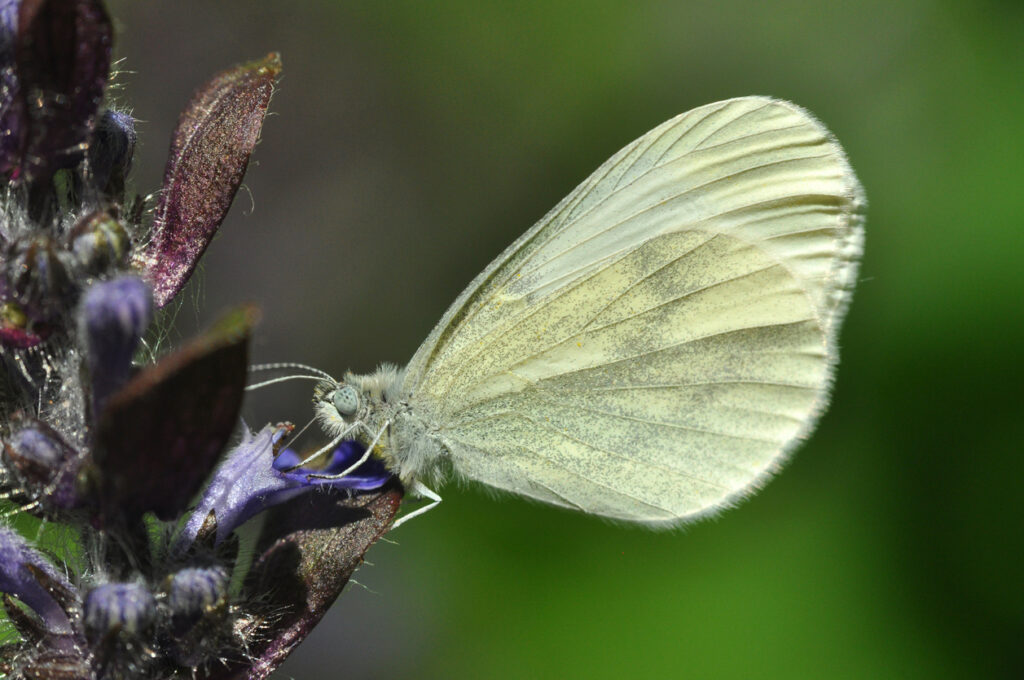
This dainty, pale butterfly is easy to overlook—its wings are almost translucent and it flutters low, never in a rush. However, it’s a strong sign you’re in a really old patch of woodland. They like sunny rides and glades within ancient woods. Look for them from May to July along woodland edges with plenty of vetches and trefoils, which their caterpillars feed on.
Lesser spotted woodpecker
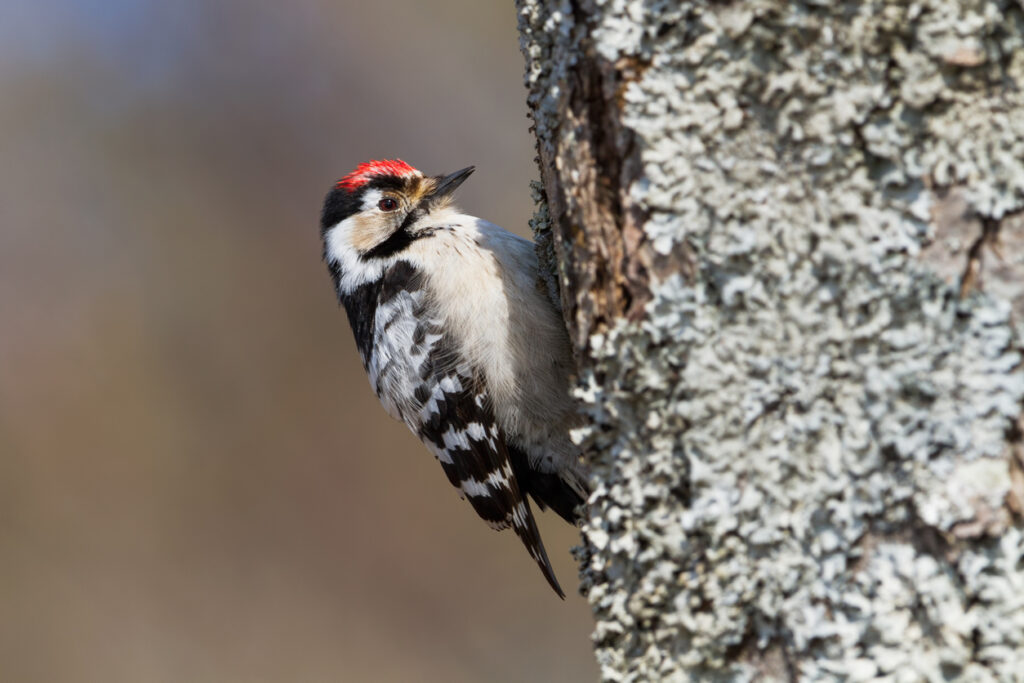
Much rarer than their great spotted cousins, these birds are tiny, elusive, and in serious decline. If you hear a quiet, high-pitched drumming in spring, you might just be in the presence of one. They favour older woodland with plenty of dead or decaying trees to nest in. Your best bet? Visit between March and May, and scan high branches carefully. They’re small, black-and-white, and fast-moving, but worth the effort.
Roe deer
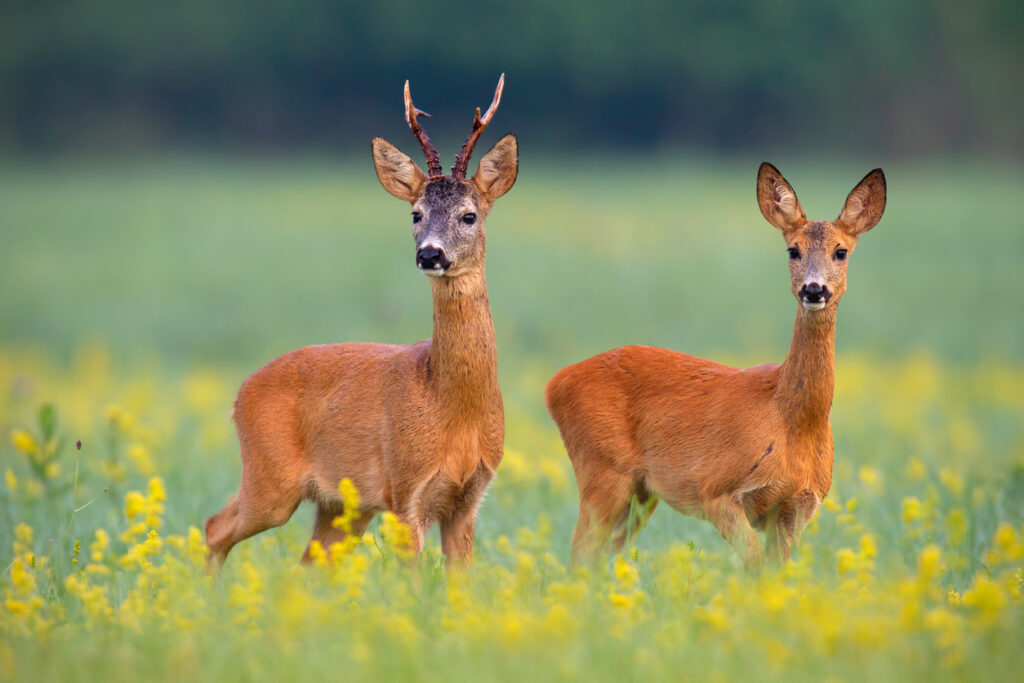
Small, delicate, and surprisingly common in ancient woodlands, roe deer are more active at dawn and dusk. Unlike their larger relatives, they’re often spotted alone or in pairs, browsing quietly among the undergrowth. Look for narrow hoofprints, nibbled shoots, or fresh droppings on woodland paths. And if you spot a flash of white rump disappearing into the trees—you’ve just seen a roe deer vanishing in its usual graceful fashion.
Wild boar (in select areas)
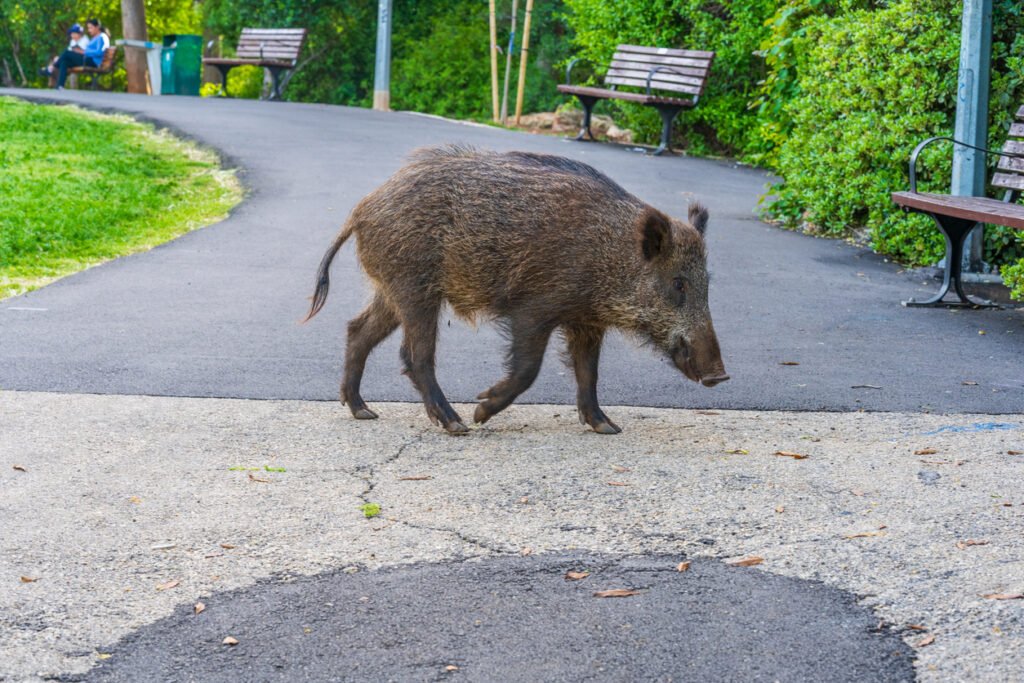
Though technically reintroduced and still controversial, wild boar are now roaming ancient woodland areas like the Forest of Dean and parts of Kent and Sussex. They tend to stay hidden during the day, but their presence is obvious. Look for signs like churned-up soil, muddy wallows, and tree trunks rubbed smooth. If you see piglet-sized tracks or hear heavy rustling in dense bramble, give them space—these animals are powerful and protective.
Speckled wood butterfly
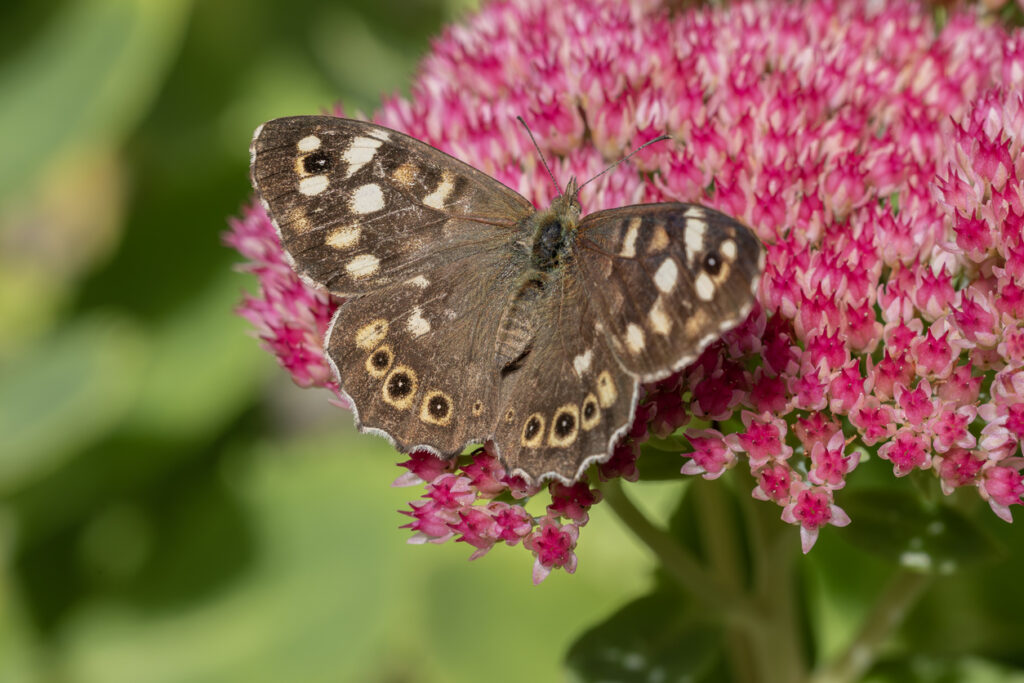
This subtly beautiful butterfly prefers dappled sunlight and shaded woodland paths. It’s one of the few species you’ll see well into late summer, often flying low and darting from patch to patch. They’re not fussy, but ancient woodland gives them a stable home with the thick, undisturbed canopy they love. You’ll likely see them defending little territories or basking on warm logs and leaves in the afternoon light.
Pine marten (in Scotland and expanding south)
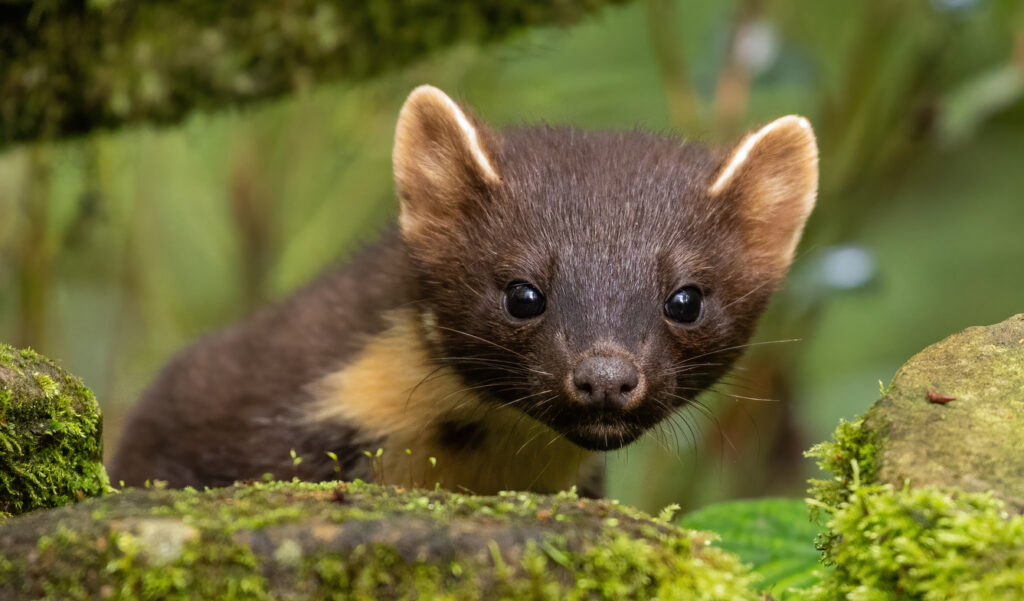
Once nearly extinct in the UK, pine martens are making a cautious comeback—especially in ancient Scottish woodlands and now, slowly, in parts of northern England and Wales. They’re rare and mostly nocturnal, but signs like twisted droppings (called scats), claw marks on tree trunks, or trail camera footage might hint they’re nearby. Conservation groups are working hard to support their quiet return.
Bank vole
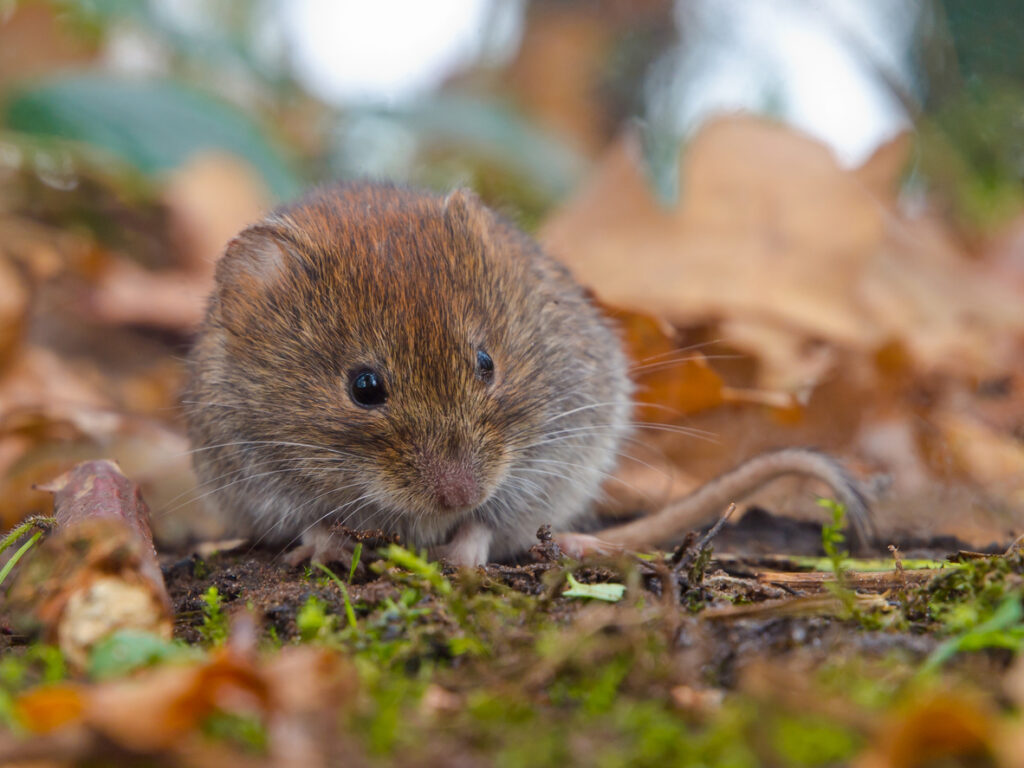
You’re not likely to hear anyone raving about bank voles, but they’re a big part of ancient woodland life. These tiny, russet-coloured rodents are one of the most common mammals in mature woodland settings. They stick close to the base of shrubs and hedgerows. Watch for sudden rustles in the undergrowth or nibble-marks on hazelnuts and soft plant stems. They’re quick, shy, and essential food for owls and foxes alike.