Our world is constantly being reshaped by concrete, climate change, and expansion, so it’s easy to assume everything natural is vanishing fast.
However, some ecosystems have been holding on for millions of years against all odds. These aren’t just pockets of nature; they’re living museums, still operating with the same rhythms, species, and structures that existed long before humans showed up. These are some of the oldest living ecosystems still surviving in today’s modern world, and what makes them so astonishingly resilient.
Daintree Rainforest, Australia
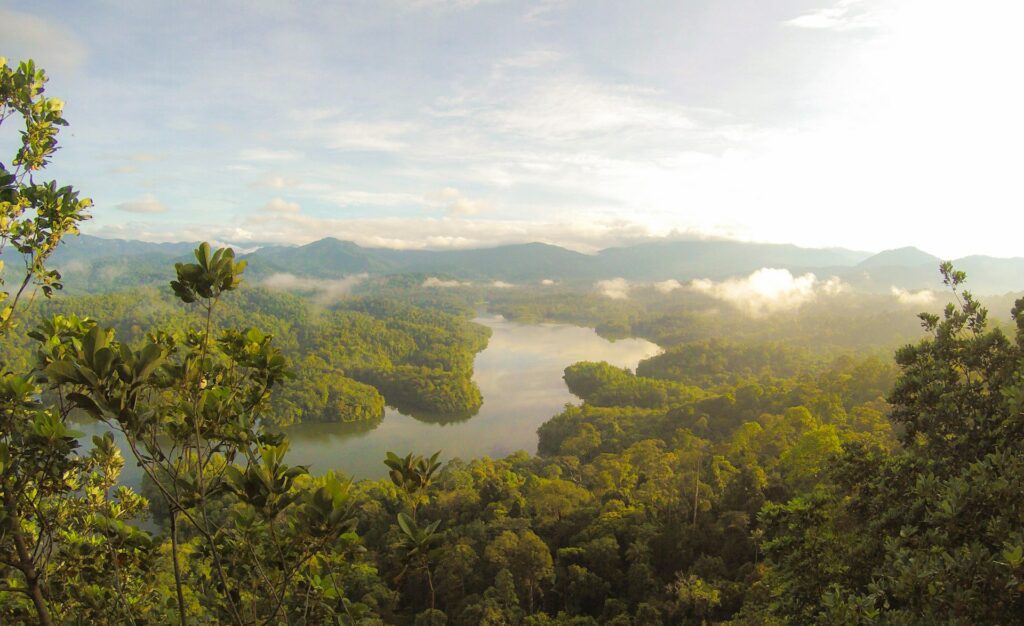
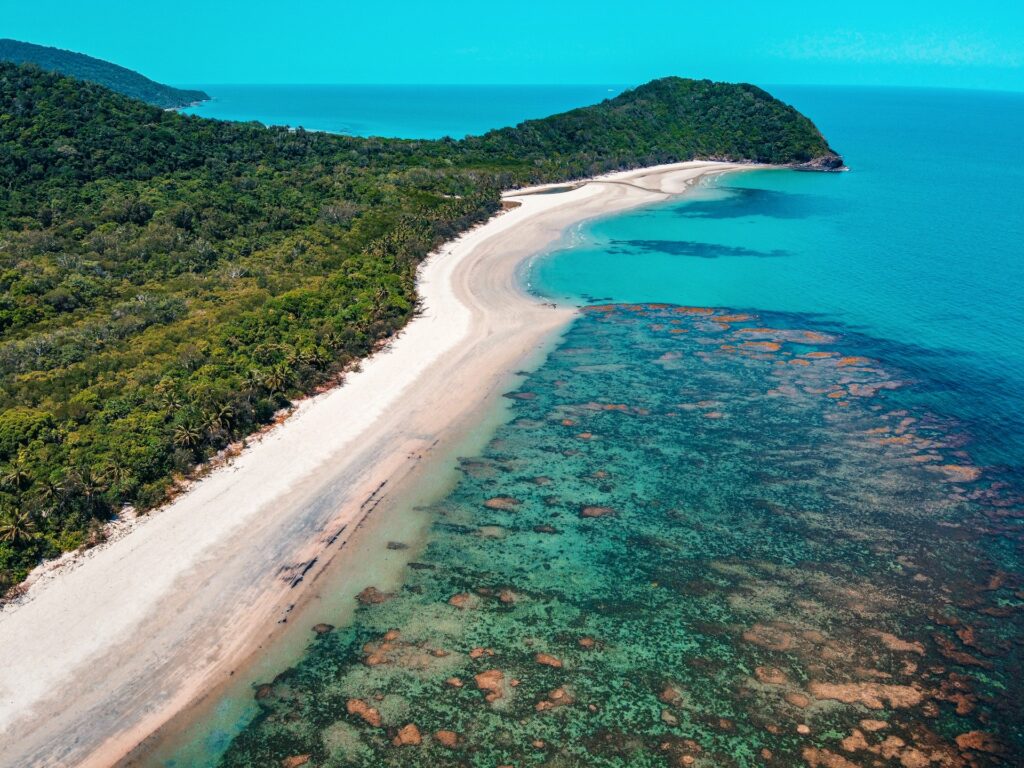
Estimated to be over 180 million years old, the Daintree Rainforest in Queensland is older than the Amazon and home to species that haven’t changed much since the dinosaurs roamed. It’s lush, biodiverse, and surprisingly intact.
From ancient ferns to the primitive cassowary bird, everything in this forest feels like a glimpse into deep time. Despite tourism and climate threats, parts of it remain untouched and protected—living proof of the Earth’s original rainforest blueprint.
Shark Bay seagrass meadows, Western Australia
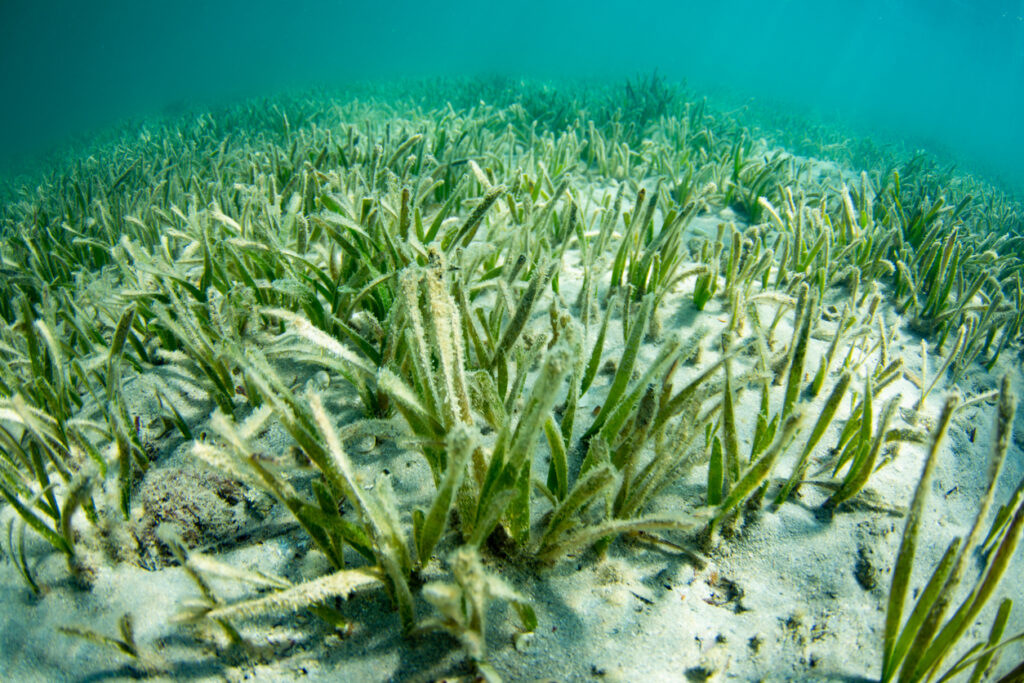
This might look like just another stretch of shallow ocean, but beneath the surface lies the world’s largest and oldest known plant: a seagrass meadow that’s roughly 4,500 years old and spans more than 200 square kilometres. It’s made up of one giant clone, genetically identical throughout, and supports a thriving ecosystem of dugongs, sea turtles, and fish. It’s a quiet, green underwater forest that’s been ticking along peacefully for millennia.
The Namib Desert, Namibia
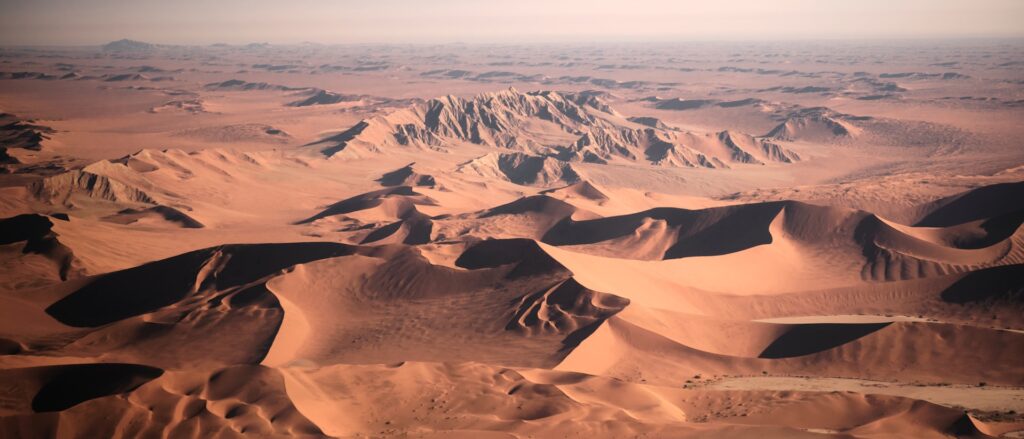
Often called the world’s oldest desert, the Namib has been dry for at least 55 million years. It’s harsh, vast, and full of life that’s uniquely adapted to survive in brutal conditions, like fog-basking beetles and ghostly geckos. The landscape barely changes, and yet it supports a fragile but enduring network of life. Despite being so inhospitable, it’s one of the most stable ecosystems on Earth.
Amazon Rainforest, South America
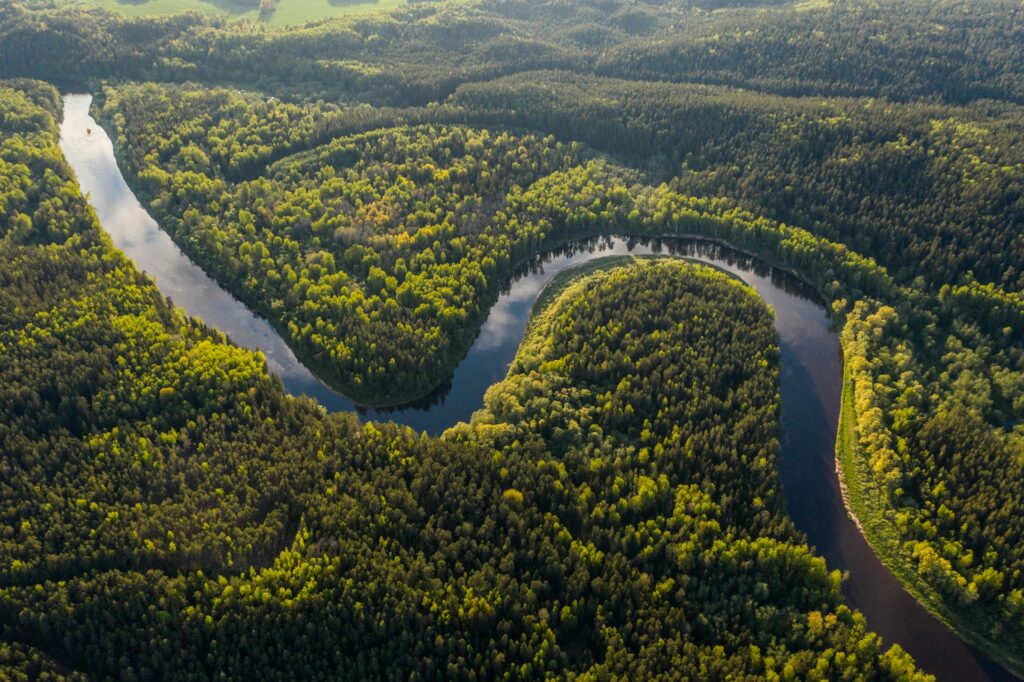
The Amazon has existed in some form for around 55 million years. Even with current deforestation issues, it remains one of the most vital and complex ecosystems on the planet, home to over 10% of all known species. It functions like a giant set of lungs, cycling water, storing carbon, and shaping weather systems. It’s also one of the last strongholds of ancient ecological continuity, despite mounting human pressures.
Boreal Forest (Taiga), across the Northern Hemisphere
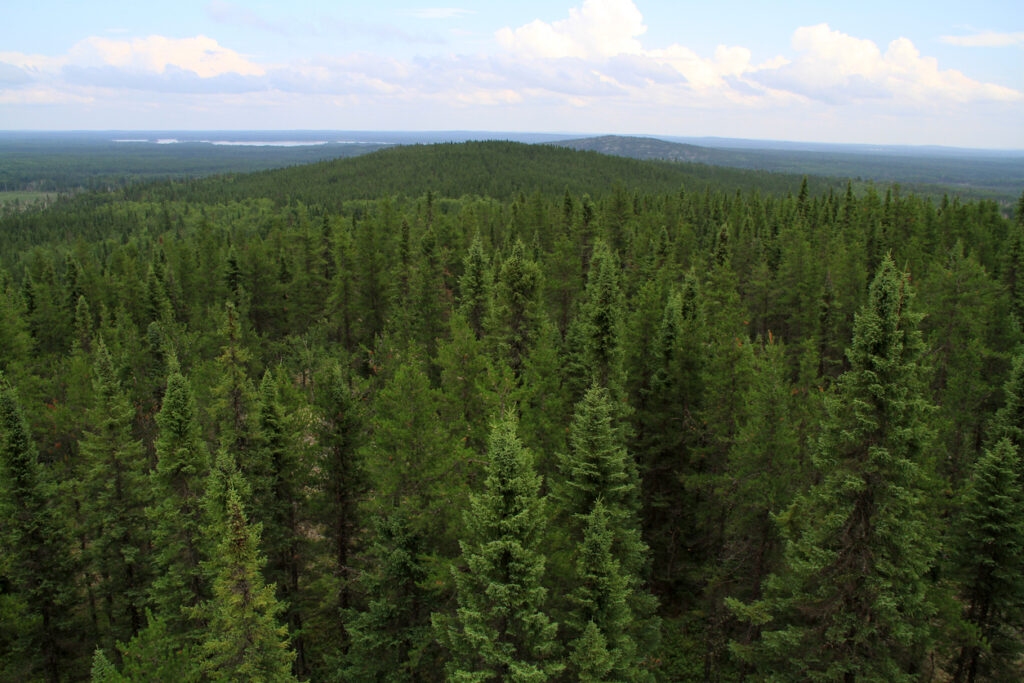
Stretching from Canada to Russia, the boreal forest is the largest and one of the oldest terrestrial ecosystems, having formed shortly after the last Ice Age over 10,000 years ago. These forests grow slowly and are incredibly rich in carbon stores. They’re resilient but increasingly vulnerable to warming temperatures, fires, and industrial development. Still, vast untouched areas continue to thrive in the deep north.
The Congo Basin, Central Africa
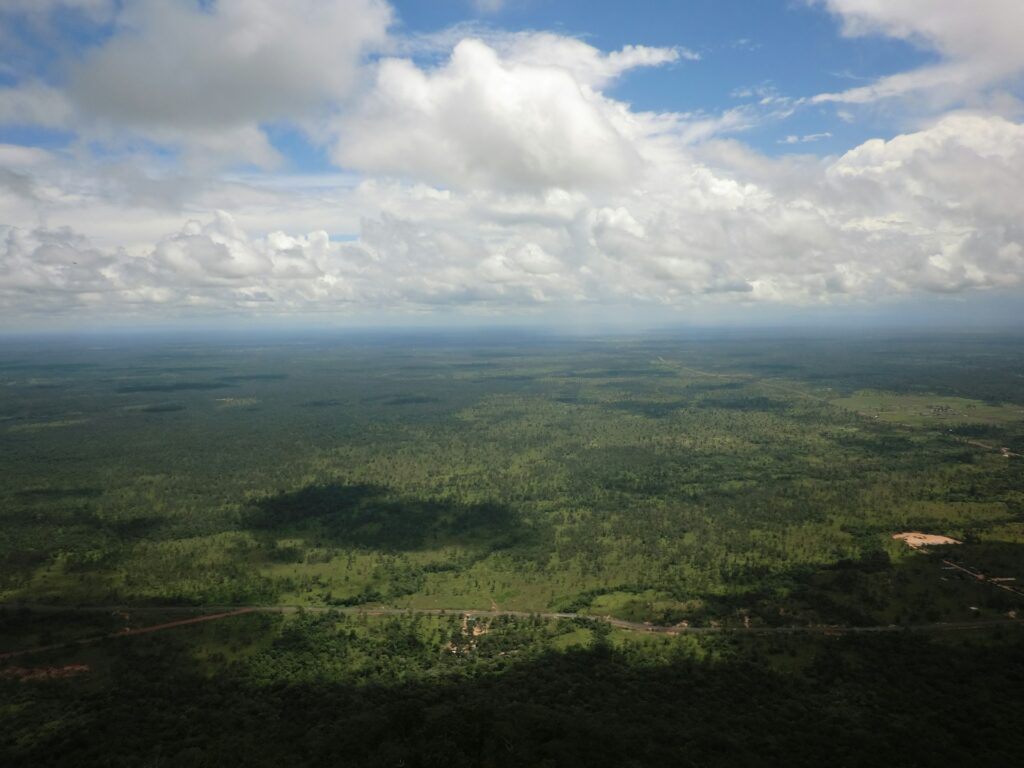
Often overshadowed by the Amazon, the Congo Basin is an ancient rainforest dating back at least 60 million years. It supports thousands of unique species, including gorillas, forest elephants, and bonobos. Its swamps, rivers, and trees operate like a massive, interconnected system that regulates rainfall and stores immense amounts of carbon. Parts of it remain so remote that entire ecological communities go unseen by humans.
Great Barrier Reef, Australia
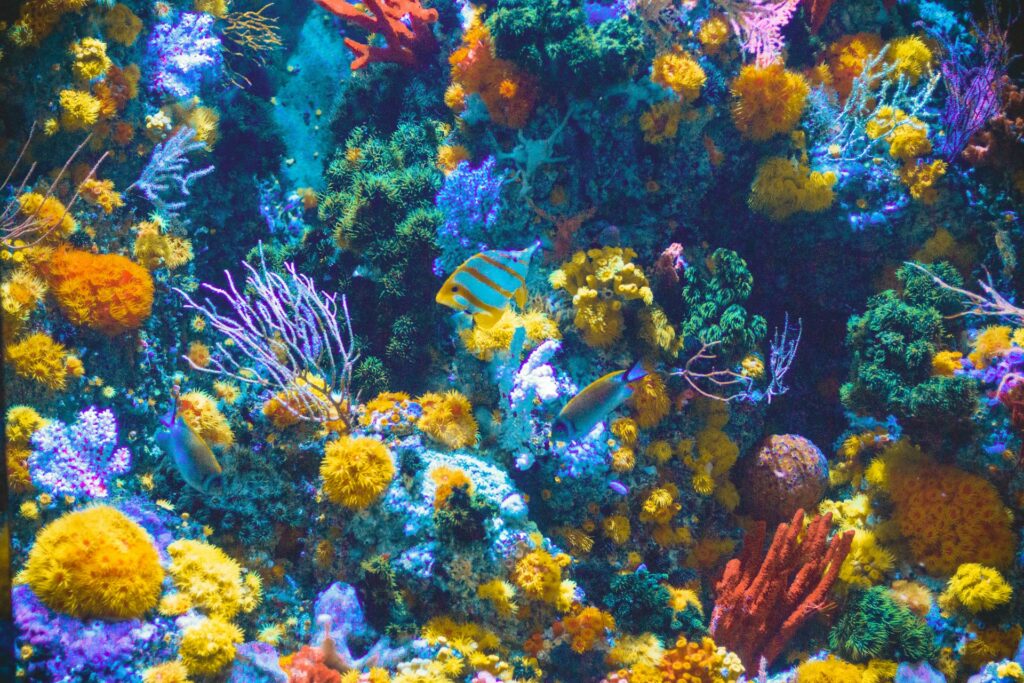
At around 500,000 years old in its current form (and with coral communities dating back 20 million years), the Great Barrier Reef is one of the oldest and most complex reef systems in the world. Despite suffering coral bleaching from rising sea temperatures, it still hosts an astonishing range of life—from tiny polyps to massive groupers and manta rays. It’s a delicate, evolving masterpiece of marine resilience.
Białowieża Forest, Poland and Belarus
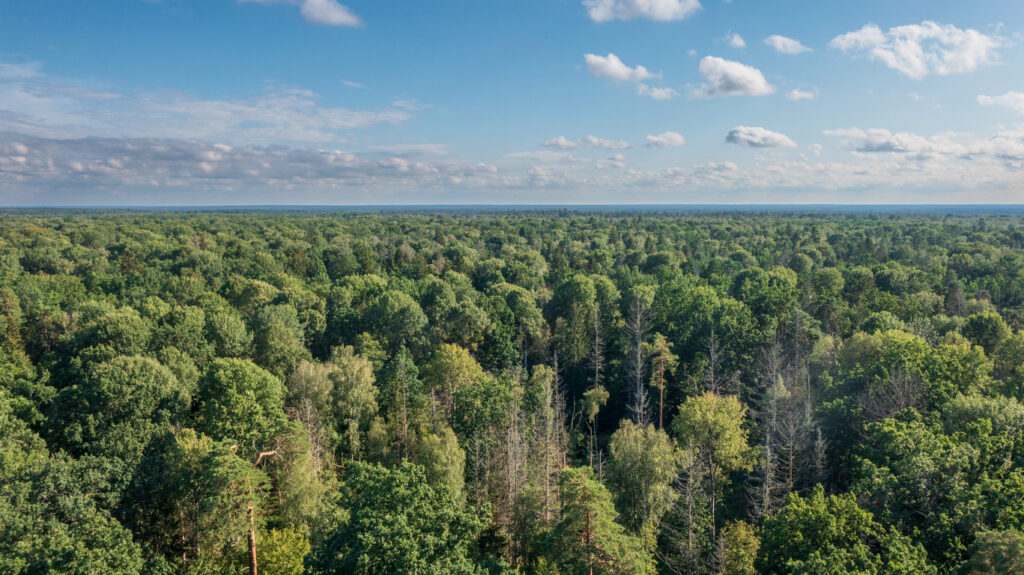
This is Europe’s last primeval forest, dating back thousands of years and offering a rare glimpse into what the continent looked like before agriculture took over. It’s home to wild European bison, lynx, and ancient oak trees. The forest has remained largely untouched by modern development, making it a vital genetic reservoir and one of the most undisturbed woodlands left in the world.
Western Ghats, India
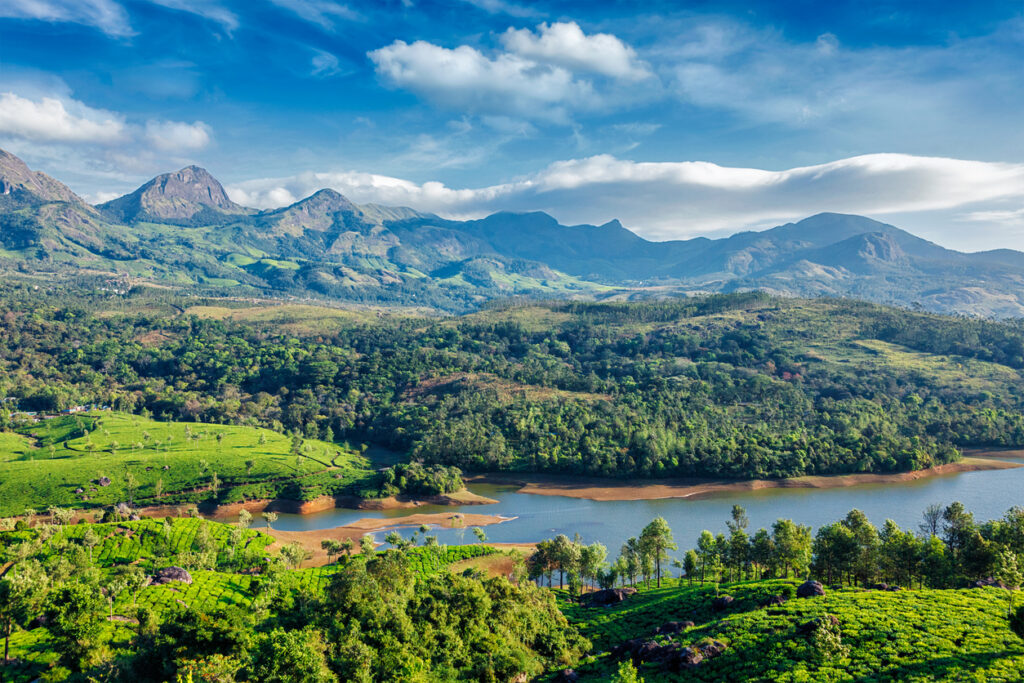
This mountain range is thought to be over 150 million years old, with rainforest patches that have existed for tens of millions of years. It’s a biodiversity hotspot, hosting species found nowhere else on Earth. Its ecosystems are deeply intertwined with the monsoon and river systems that supply water to much of southern India. Despite pressures from farming and infrastructure, protected zones still offer sanctuary to its ancient lifeforms.
The Tundra, Arctic regions
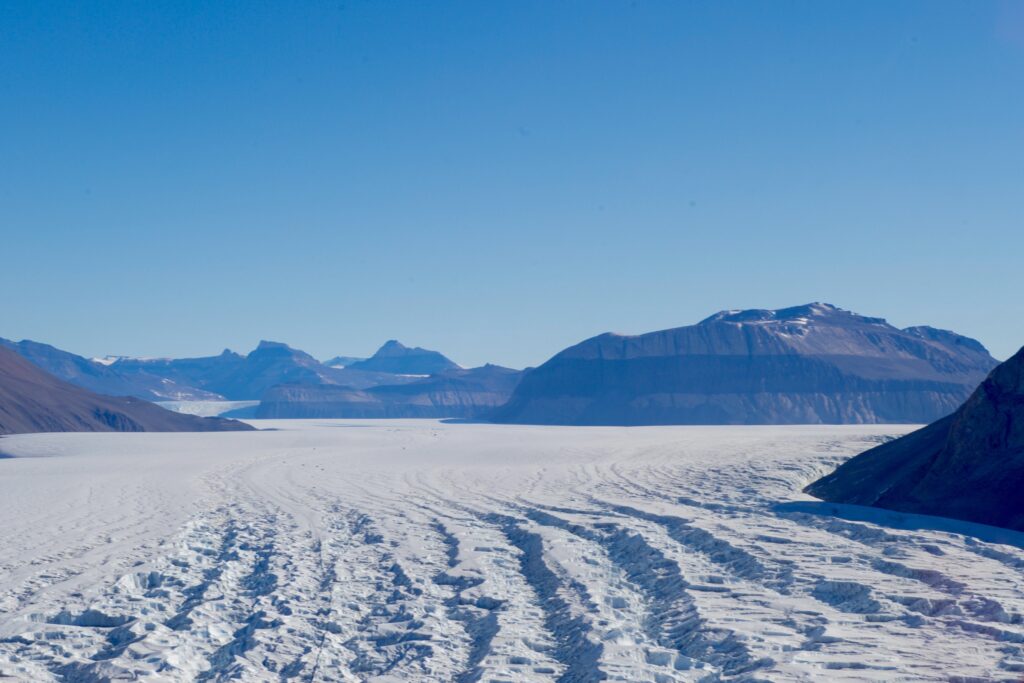
While not lush like rainforests, tundras are ancient ecosystems shaped by extreme cold and short growing seasons. They support species like caribou, Arctic foxes, and lichens that have barely changed in tens of thousands of years. With permafrost and seasonal changes deeply embedded in its cycle, the tundra is both sensitive and stubborn—resisting major change unless climate warming pushes it beyond its natural limit.
Wet tropics of Queensland, Australia
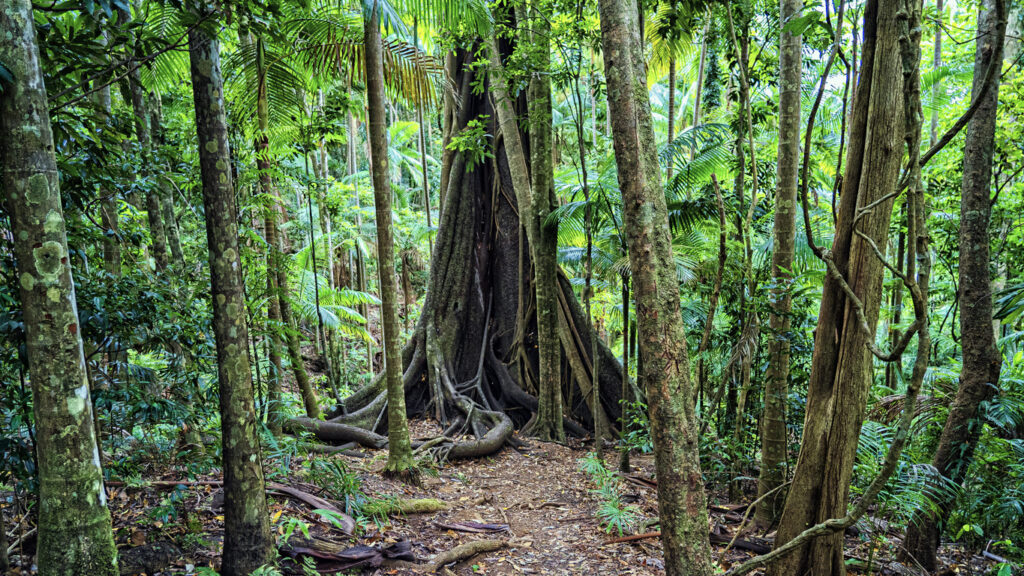
This World Heritage area includes some of the oldest surviving rainforests on Earth—parts of it have existed for more than 120 million years. You’ll find ancient flowering plants and even species that predate the dinosaurs. It’s a compact but staggeringly diverse region where rare marsupials and primitive plant life still thrive. Its isolation has helped it hold on, but climate change is an ever-growing threat.
Mount Roraima, South America

This striking tabletop mountain is part of a lost world ecosystem on the border of Venezuela, Brazil, and Guyana. Its unique environment developed over millions of years in isolation, like a giant natural terrarium. The plateau hosts plants and animals found nowhere else, shaped by mist, stone, and wind. Because of its remote location, it has survived relatively untouched, acting as a time capsule for evolutionary science.
These ecosystems aren’t just old—they’re wise. They’ve learned how to adapt slowly, how to bend without breaking, and how to build complexity from simplicity. And while many are now under threat, the fact that they’ve lasted this long is a reminder that nature, when left to do its thing, is incredibly good at staying alive.