Britain’s national parks might feel wild and open, but they’re far from lawless.
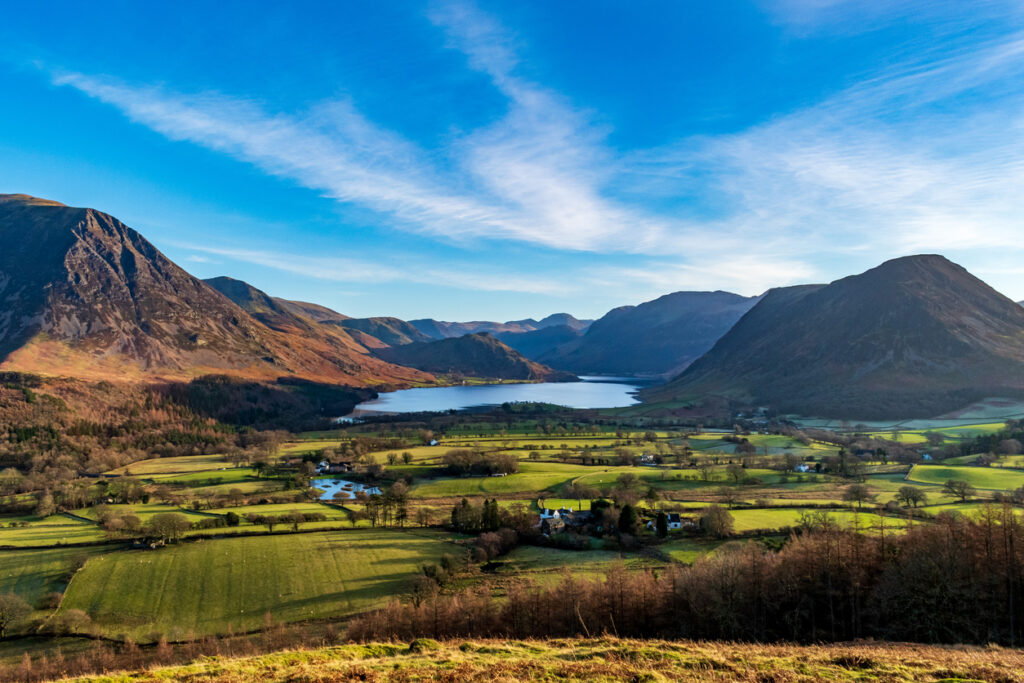
Each one is carefully protected to balance nature, tourism, and local life, which means there are plenty of rules about what you can and can’t do there. These places exist for everyone to enjoy, but they also rely on people respecting the land and its limits.
From building fires to wild camping or even filming, many activities that seem harmless actually require official permission first. It’s not spoiling the fun, but an attempt at keeping these landscapes unspoiled for the next person who visits. Knowing the rules doesn’t just keep you out of trouble; it helps protect some of the most beautiful corners of the country.
1. Setting up camp freely without permission
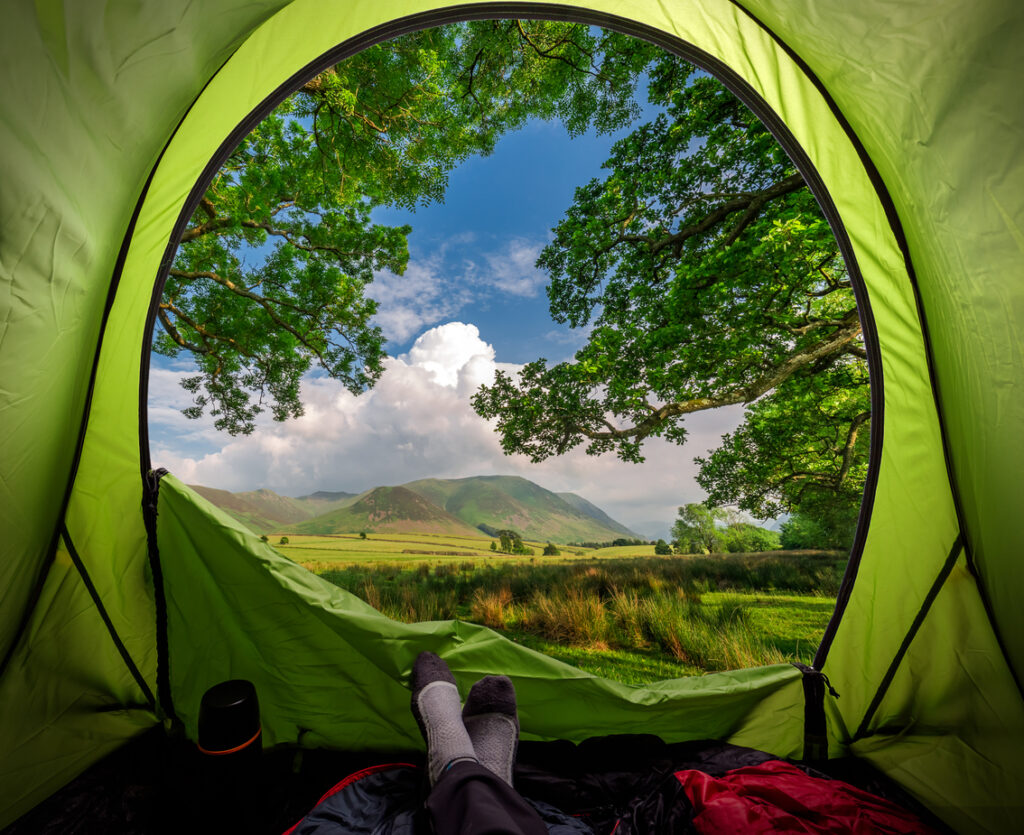
Wild camping may seem romantic, but in many of England and Wales’s national parks it isn’t simply a case of choose a spot and pitch. Permissions are often needed from landowners before you camp. In practice, this means you might need to book a designated site, check whether the land is private, or follow specific rules of the park. Doing otherwise risks being asked to leave—or worse, being prosecuted in some cases.
2. Lighting fires without approval
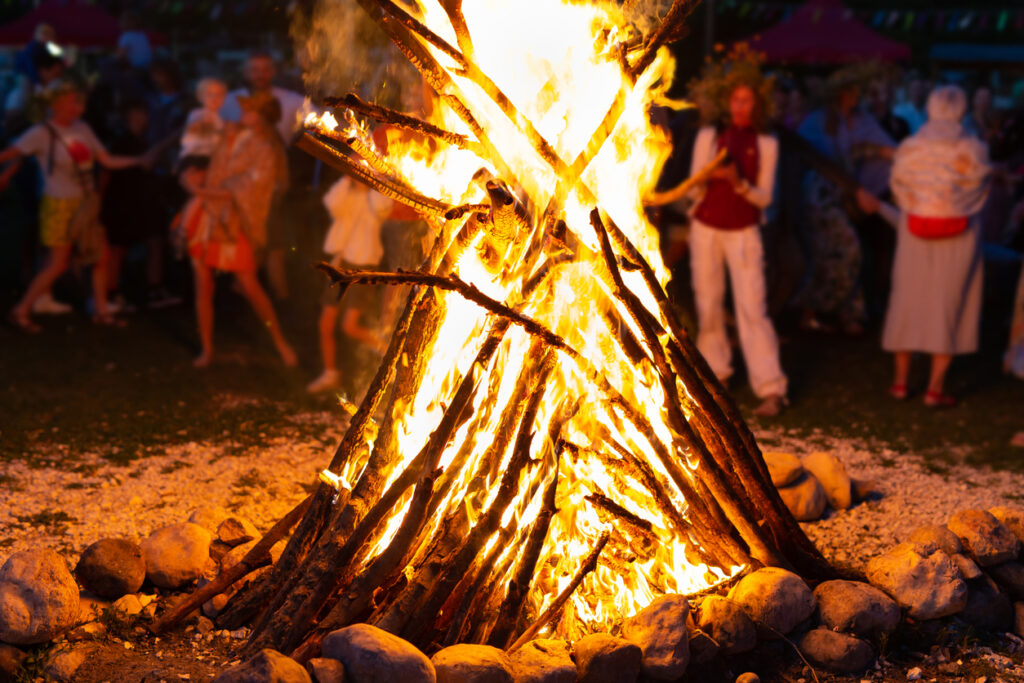
Despite open skies and moorland views, lighting open fires in many national parks is strictly controlled. The risk of wildfire is real, and landowners often reserve the right to say no. That means if you were planning a barbecue by a remote lake, you’ll need to check whether it’s allowed, whether the ground is safe and whether you’ve got express permission. The “just light a fire” approach could be costly or damaging.
3. Camping in undesignated spots (car parks or verges) without consent
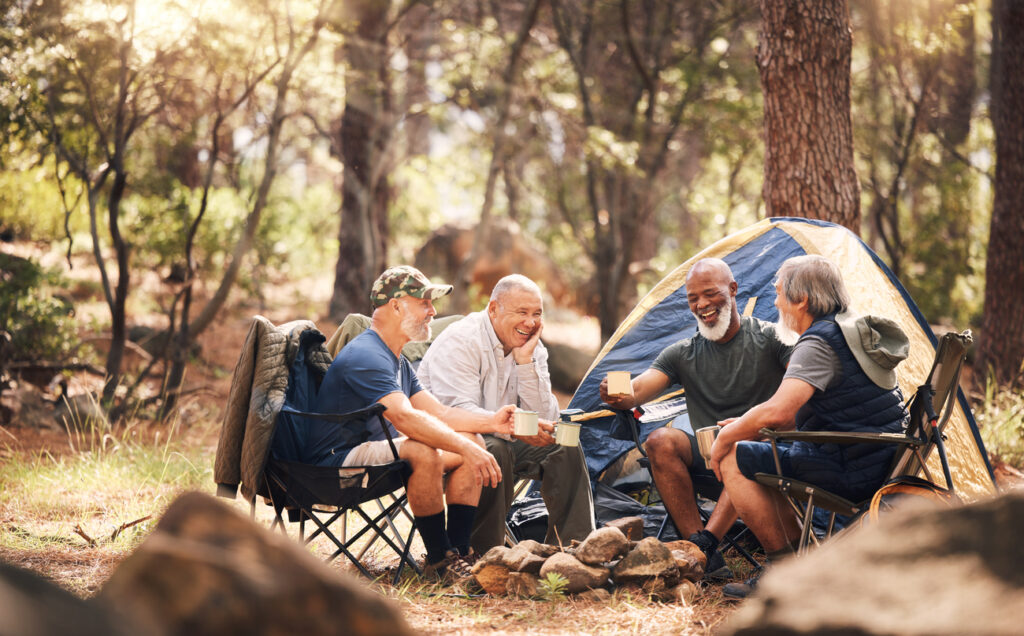
It’s easy to imagine pulling up a camper van at sunset and waking to a pristine view, but many parks prohibit overnight stays in car parks, roadside verges or spots that aren’t clearly set aside for camping. If you want to stay overnight in a camper van, you’ll often need to use an approved site or get permission. It’s wise to plan ahead rather than assume because “it’s quite remote”.
4. Using motor vehicles off designated tracks or on open-access land without permission
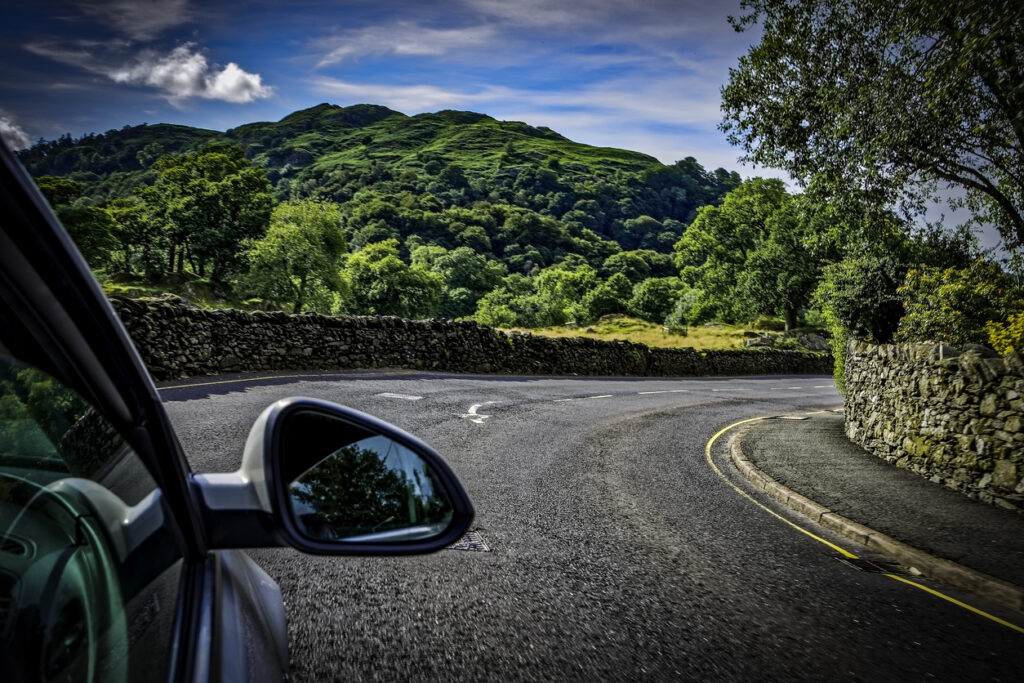
Driving a vehicle anywhere you like within national parks is generally not allowed. On open-access land you cannot just take a car, quad bike or motorbike off-road without landowner consent. If you’re thinking of accessing remote spots with a vehicle, you need to check the status of the land, whether a track is authorised and whether your use would interfere with protected habitat or private land rights.
5. Organised or commercial activities without a licence
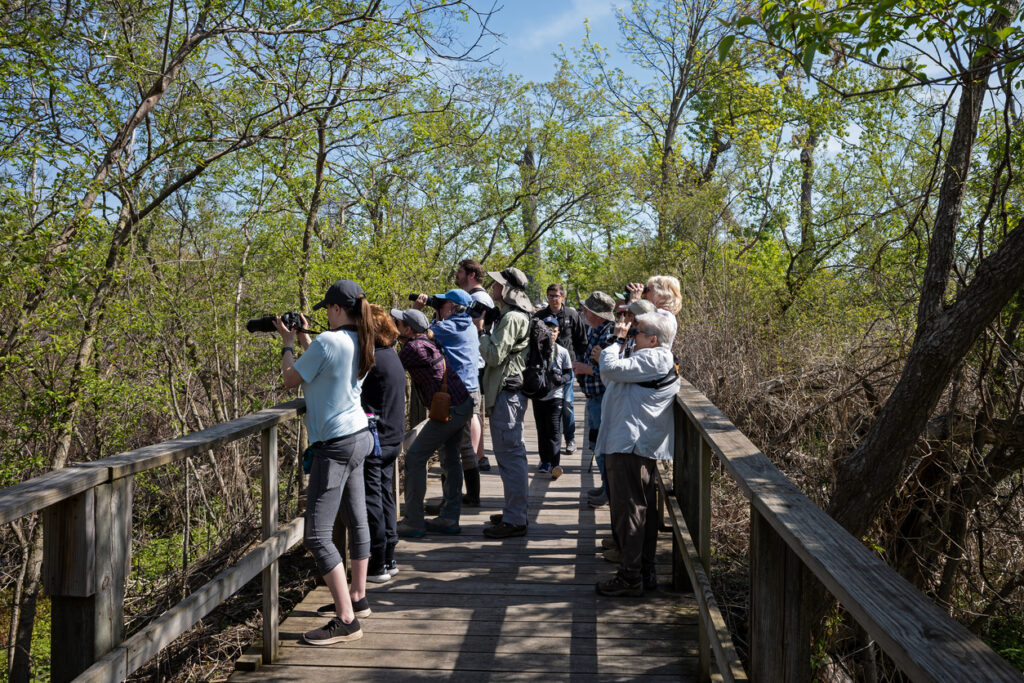
Walking, birdwatching or picnicking you can do freely in many cases, but if you’re planning a guided event, commercial photography, large group or paid service, you’ll usually need permission from the park authority or landowner. This applies whether it’s offering a paid outdoor session, filming a promotional video, or running a group activity. The landscapes are protected and owners often require formal approval to manage impact and liability.
6. Removing or disturbing natural features, flora, or wildlife without approval
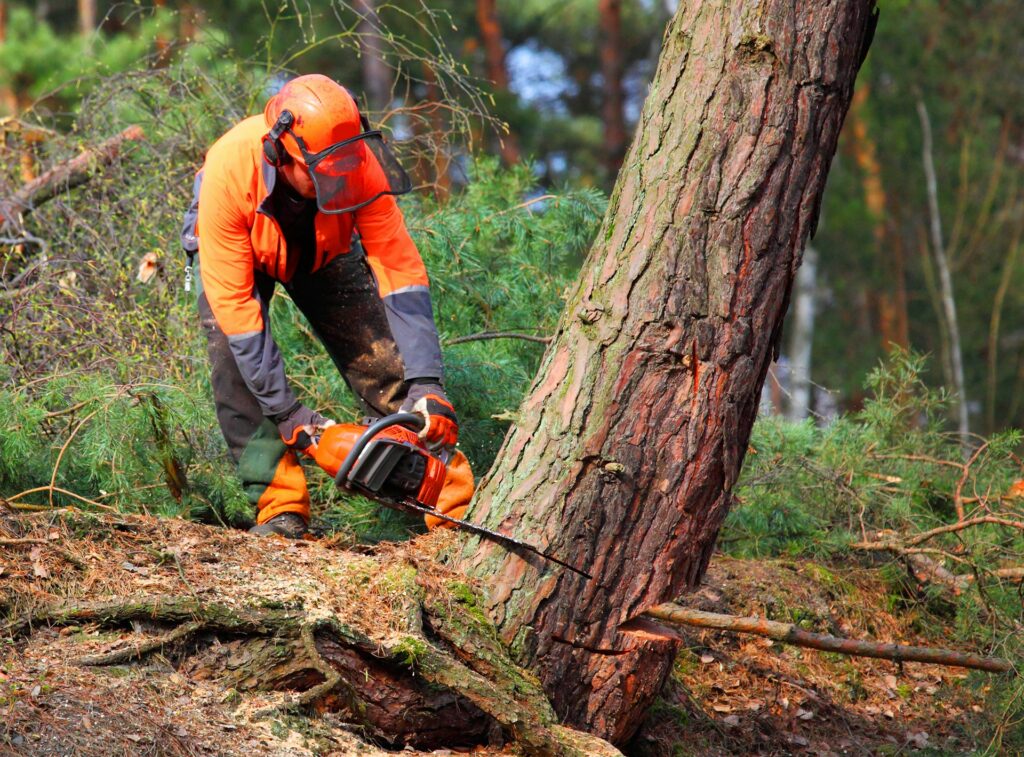
Collecting stones, digging, uprooting plants or disturbing historic features is not simply “part of the adventure”. Many national parks and landowners prohibit such removal or disturbance without consent. These landscapes are often protected for their wildlife, heritage and ecological value. Even minor changes can have unseen effects, so the rule is cautious: check first, especially if you intend to remove or alter something.
7. Flying drones or model aircraft without permission in many areas
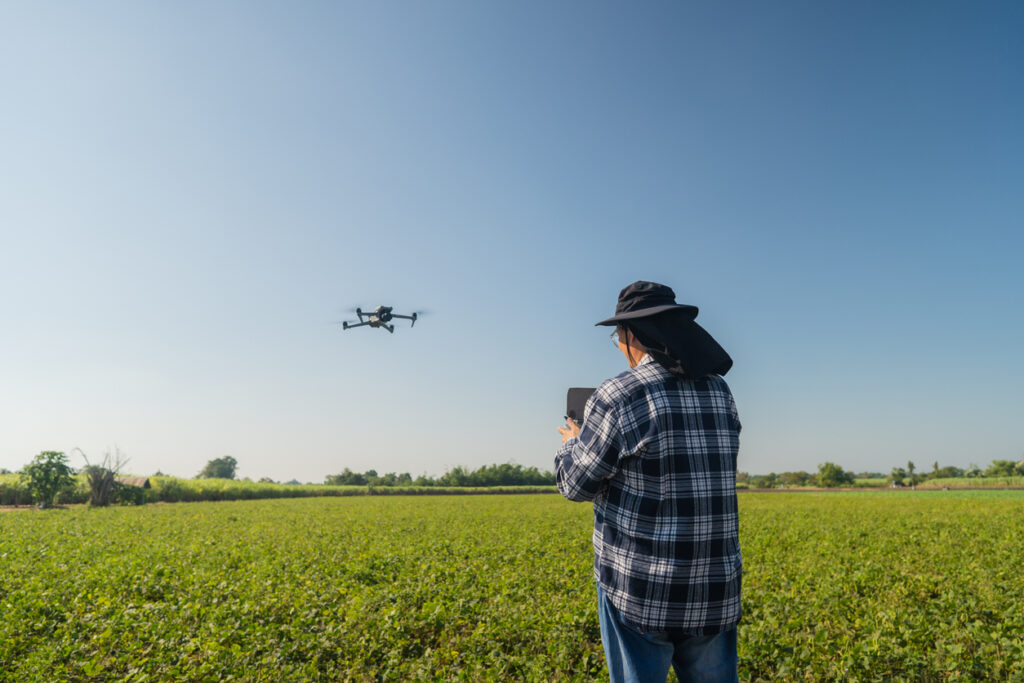
Drones and model aircraft are increasingly common, but they’re often subject to restrictions in national parks because of heritage sites, wildlife disturbance and airspace rules. If you plan to fly a drone for recreation or filming, you should check local park rules, speak to landowners if required and consider wildlife disturbance or privacy issues. It’s not automatically permitted just because the skies are wide open.
8. Holding events or large gatherings without a permit
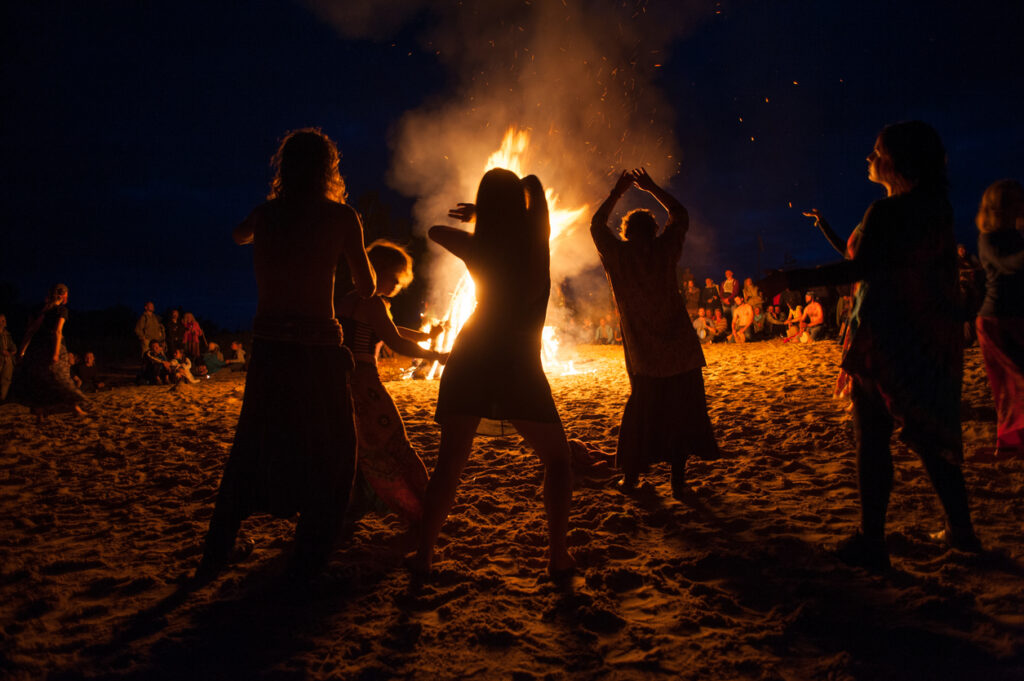
Whether it’s a music event, large party, race or fundraiser, using the national park as your venue means you’ll usually need to apply for a permit. The landscape may seem public, but the hosting and impact require formal consent. This is about safety, crowd control, environmental protection and respect for local residents. Asking for approval means you’ll cover these responsibilities, rather than assume you can just turn up with a big group.
9. Commercial filming, professional photography or promotional activities without approval
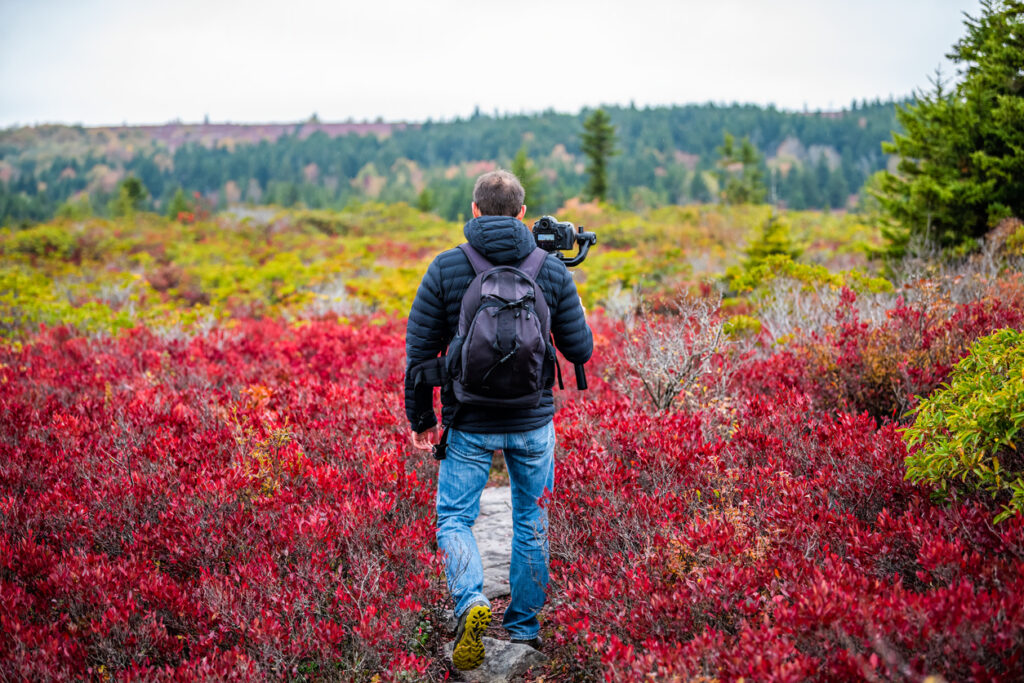
If you’re doing professional filming, using drones, staging vehicles, closing tracks or setting up equipment, you’ll almost always need authorisation from the relevant park authority or landowner. The natural scenery is protected. The difference between snapping holiday photos and hiring a full film crew is substantial in terms of liability, traffic, impact and regulatory oversight. Seeking consent ahead of time means you avoid legal issues and protect the landscape.