British gardens have gone through phases of sleek, modern designs and low-maintenance spaces, but people are starting to crave something warmer and more nostalgic.
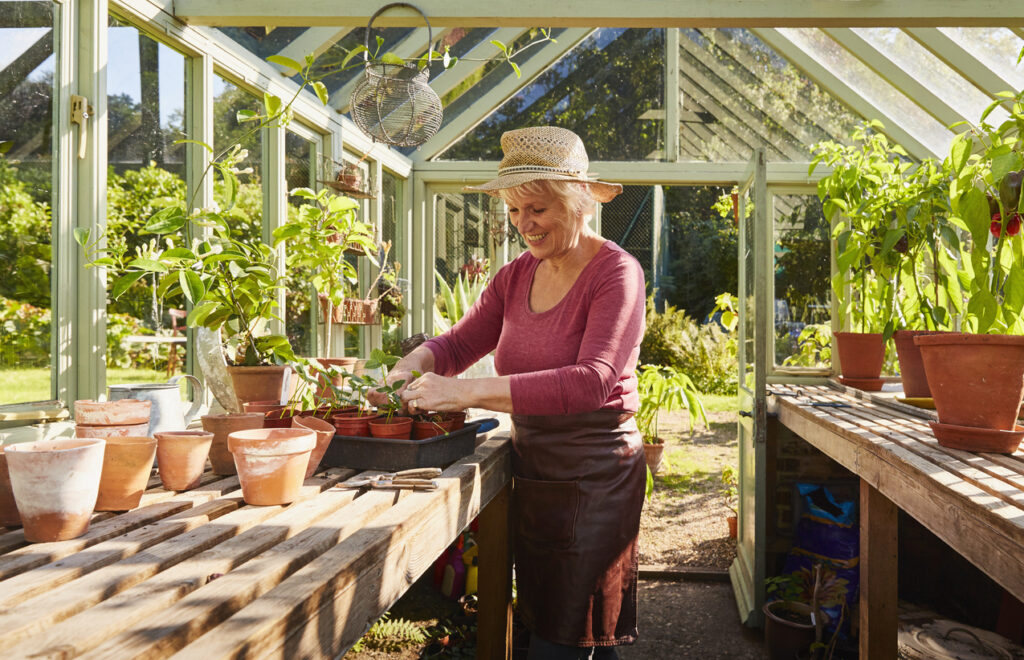
After years of grey paving and uniform lawns, there’s a growing pull towards texture, colour, and character. The charm of an imperfect garden is winning people over again. Across the country, homeowners are bringing back classic British styles with a twist. Think wildflowers spilling over pathways, retro paving patterns, and old-fashioned plants making a comeback in new combinations. These revived trends aren’t a way of copying the past but celebrating it, creating gardens that feel relaxed, personal, and full of life.
1. Cottage garden chaos instead of structured beds
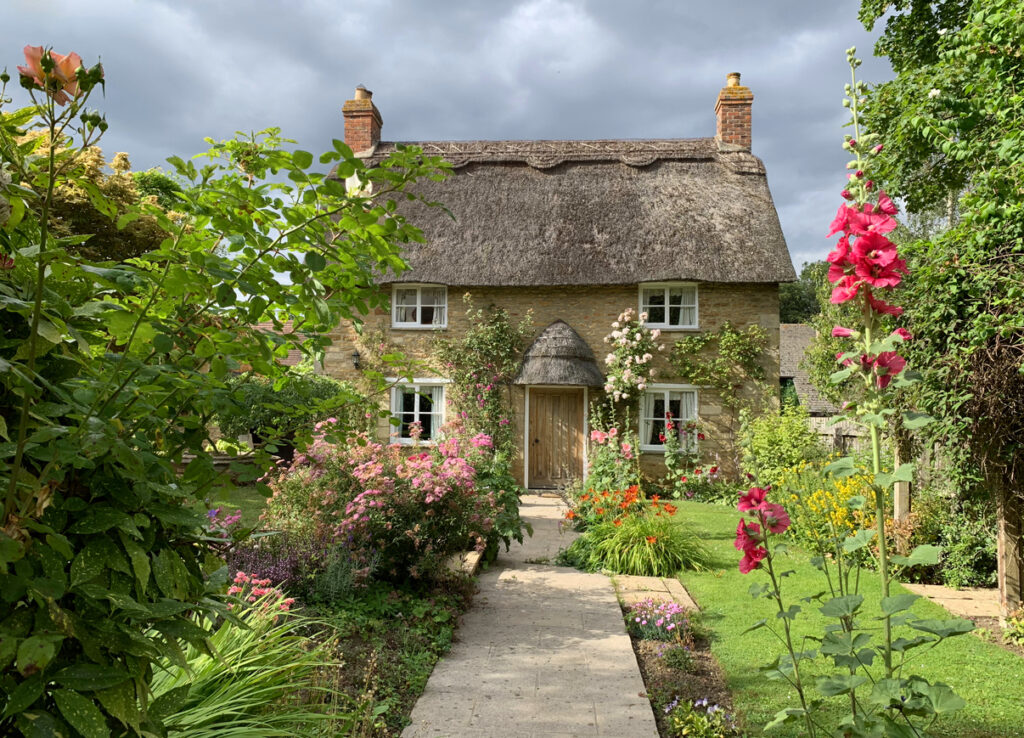
You’ve been meticulously planning colour-coordinated borders with militaristic precision, but increasingly people are embracing the jumbled abundance of traditional cottage gardens where plants self-seed wherever they fancy and nothing matches on purpose. Foxgloves rubbing shoulders with roses, hollyhocks towering over whatever’s beneath them, the gloriously unplanned aesthetic that British gardens perfected centuries ago is suddenly desirable again after decades of rigidly controlled planting schemes.
This is why Instagram garden accounts now celebrate “wild” gardens rather than pristine ones. People have remembered that British gardens look best when they’re slightly feral, and that trying to impose Mediterranean order on our chaotic climate was always fighting a losing battle.
2. Fruit cages and vegetable patches reclaiming lawn space
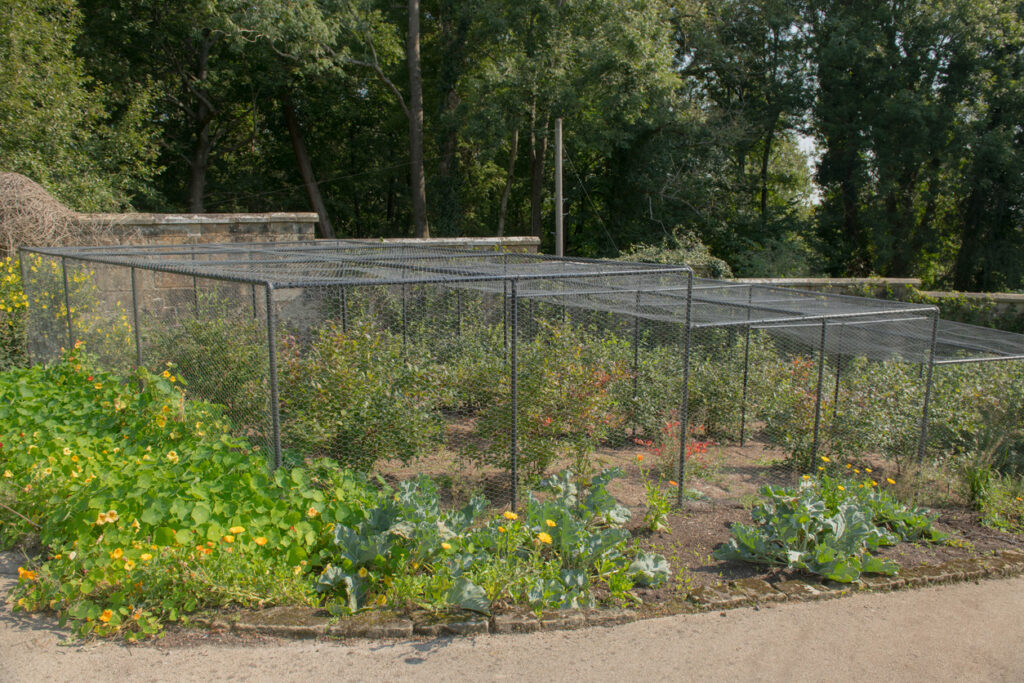
Ornamental lawns dominated gardens for years whilst practical food growing seemed old-fashioned and slightly embarrassing, but spiralling food costs and environmental awareness have made kitchen gardens fashionable again. People are ripping up perfectly good grass to plant runner beans, rediscovering that growing your own veg isn’t just economical, it’s deeply satisfying in ways a decorative lawn never was.
This is why seed suppliers can barely keep up with demand for heritage vegetable varieties. Gardeners want the varieties their grandparents grew, recognising that those tough old cultivars suited to British weather were abandoned for commercial reasons, not because modern alternatives were actually better.
3. Wildlife ponds replacing water features
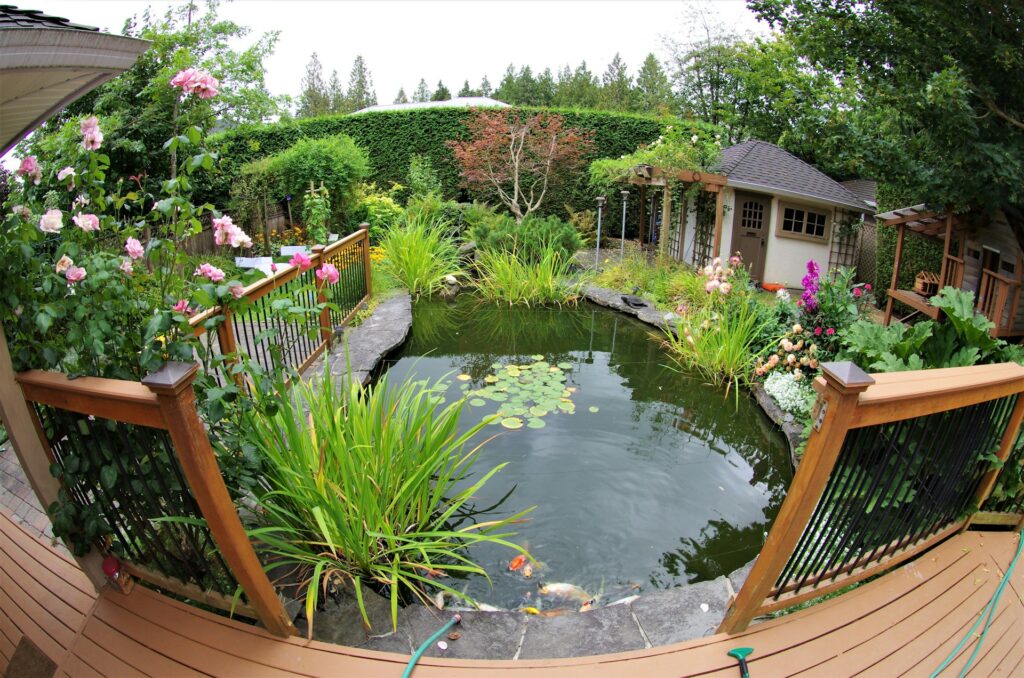
Ornamental fountains and formal ponds with aggressive filtration systems dominated for years, but natural wildlife ponds with muddy edges, native plants, and visiting frogs are having a resurgence. People are deliberately creating messy, shallow-edged ponds designed for wildlife rather than humans, recognising that a thriving ecosystem is more interesting than a sterile water feature that requires constant maintenance.
This is why pond liner sales have surged whilst formal water feature sales decline. Gardeners want ponds that do something useful for biodiversity, rather than just looking tidy and costing a fortune in pumps and filters.
4. Hedgerows instead of panel fencing
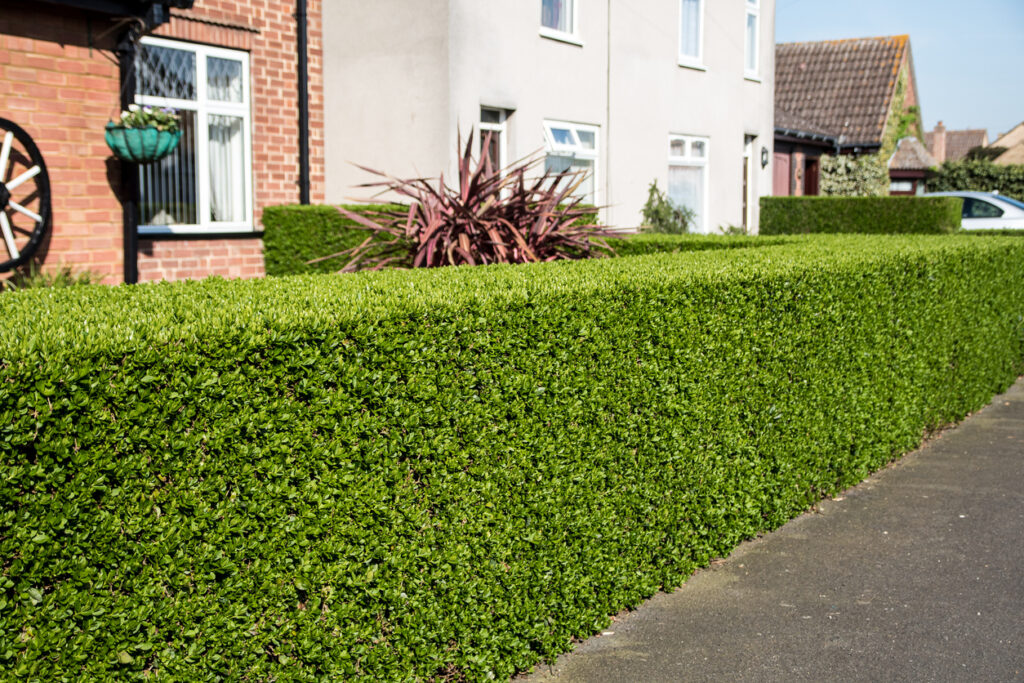
Panel fencing offered instant privacy and clean lines, but it’s high-maintenance, expensive to replace, and ecologically useless. Native hedgerows are returning as boundaries, providing privacy, wildlife habitat, and seasonal interest whilst actually improving rather than depleting over time. Hawthorn, blackthorn, and mixed native hedges are replacing tired panels as people remember why British field boundaries were hedges for centuries.
This is why mature hedging plants are suddenly expensive and hard to source. Everyone wants an instant hedge, and nurseries can’t propagate native species fast enough to meet demand from gardeners abandoning fence panels.
5. Wildflower meadows replacing lawn monocultures

Perfect striped lawns required weekly mowing, feeding, scarifying, and a frankly unreasonable amount of effort for something utterly boring to look at. Wildflower meadows mown twice yearly are replacing high-maintenance grass, bringing colour, pollinators, and significantly less work. What seemed scruffy and neglected five years ago now reads as environmentally conscious and beautiful.
This is why “No Mow May” became a gateway drug to permanent meadow conversion. People discovered that letting grass grow revealed wildflowers they didn’t know they had, and decided they preferred it to the monotonous green they’d been maintaining for no good reason.
6. Climbing roses and clematis reclaiming walls
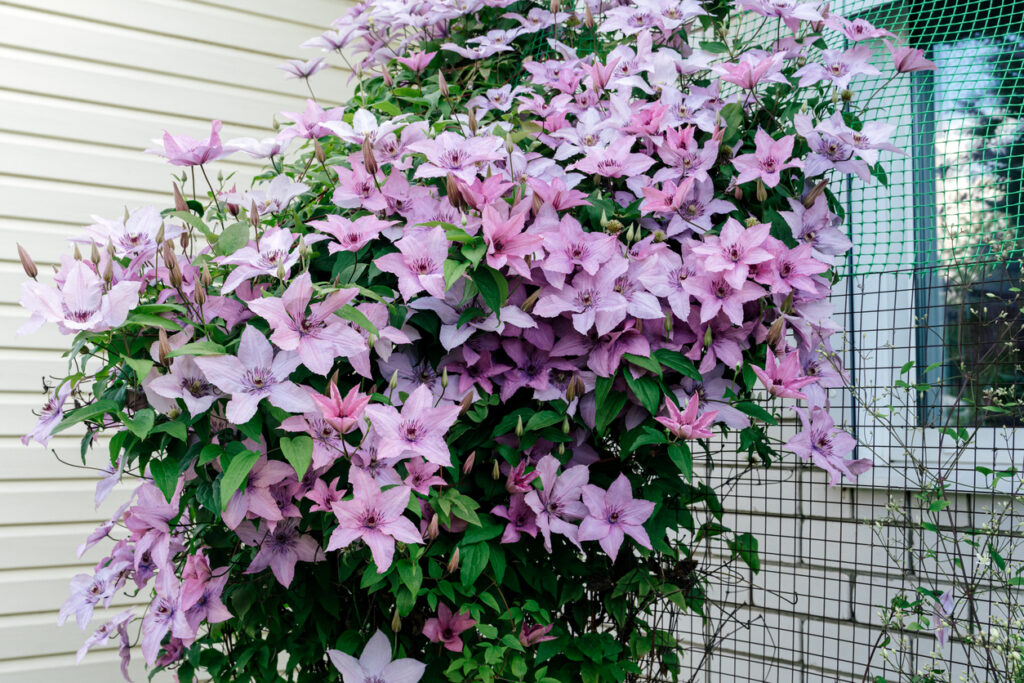
Rendered walls and clean brickwork dominated, with climbing plants seen as damaging and messy, but traditional climbers are returning to cover fences, walls, and pergolas as people remember how stunning a well-placed rose or clematis looks. Modern cultivars offer repeat flowering and disease resistance whilst maintaining the romantic aesthetic that made British cottage gardens famous, making them both practical and beautiful.
This is why climbing plant sections in garden centres have expanded dramatically. People want vertical interest and realise that covering structures with flowers is more appealing than staring at bare wood or brick.
7. Proper compost heaps instead of hidden bins
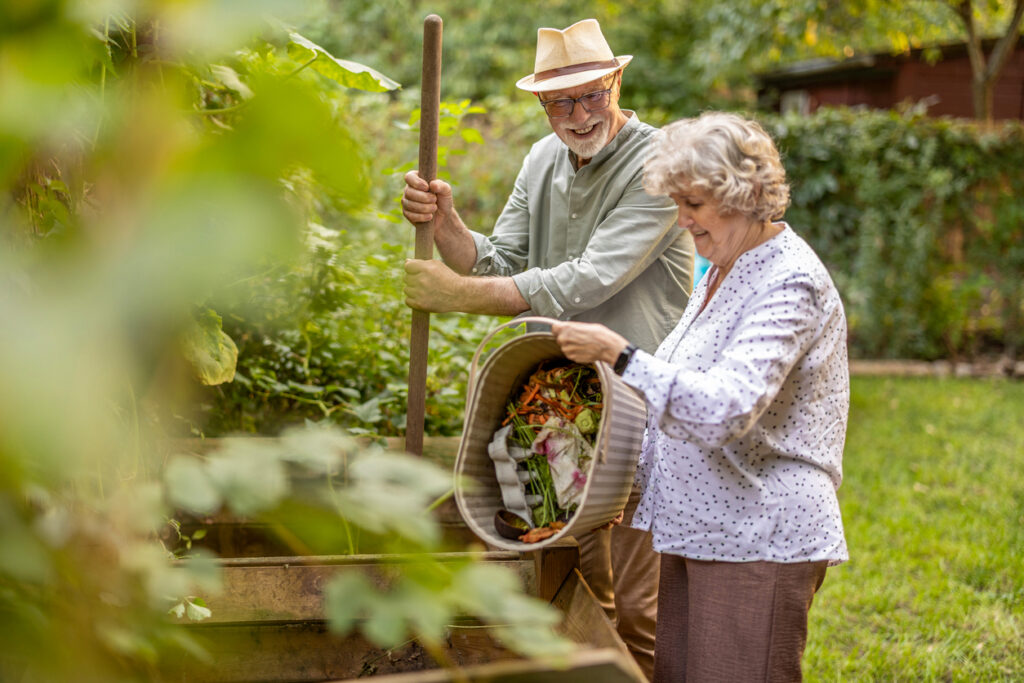
Composting was something you hid in a corner with a discreet plastic bin, but open compost heaps built from pallets or proper wooden bays are back as people take composting seriously again. Multiple bays for different stages, proper turning systems, and visible composting that’s treated as essential garden infrastructure rather than something shameful to conceal is becoming standard in serious gardens.
This is why pallet compost heap tutorials dominate gardening social media. People have remembered that good compost requires proper systems, not a tiny plastic bin stuffed in a corner, and they’re building the structures their grandparents used because they actually work.
8. Gravel gardens with Mediterranean plants
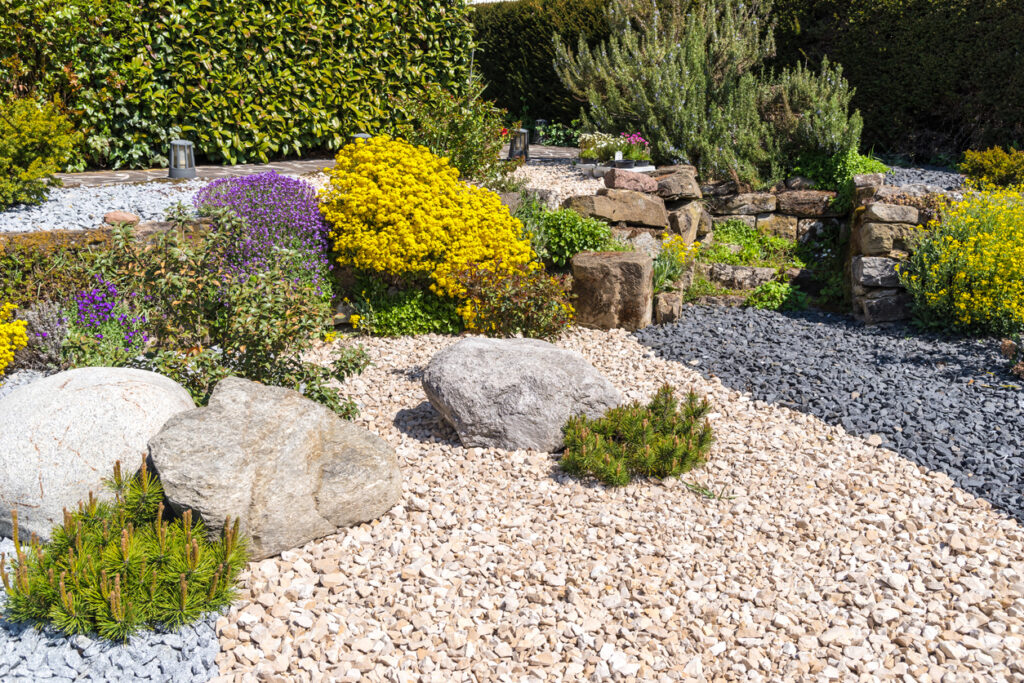
This trend initially arrived in the 90s and was dismissed as pretentious, but climate change has made it genuinely practical rather than purely aesthetic. Drought-tolerant lavender, sage, thyme, and ornamental grasses thrive in gravel with minimal water, making this previously niche style suddenly relevant for British summers that increasingly resemble southern Europe. What was avant-garde is now sensible adaptation.
This is why Mediterranean plant sales have doubled whilst traditional cottage garden staples decline. Gardeners are future-proofing their plots, recognising that plants suited to hot, dry conditions are better investments than ones requiring consistent rainfall we can no longer guarantee.
9. Traditional greenhouses instead of plastic grow houses
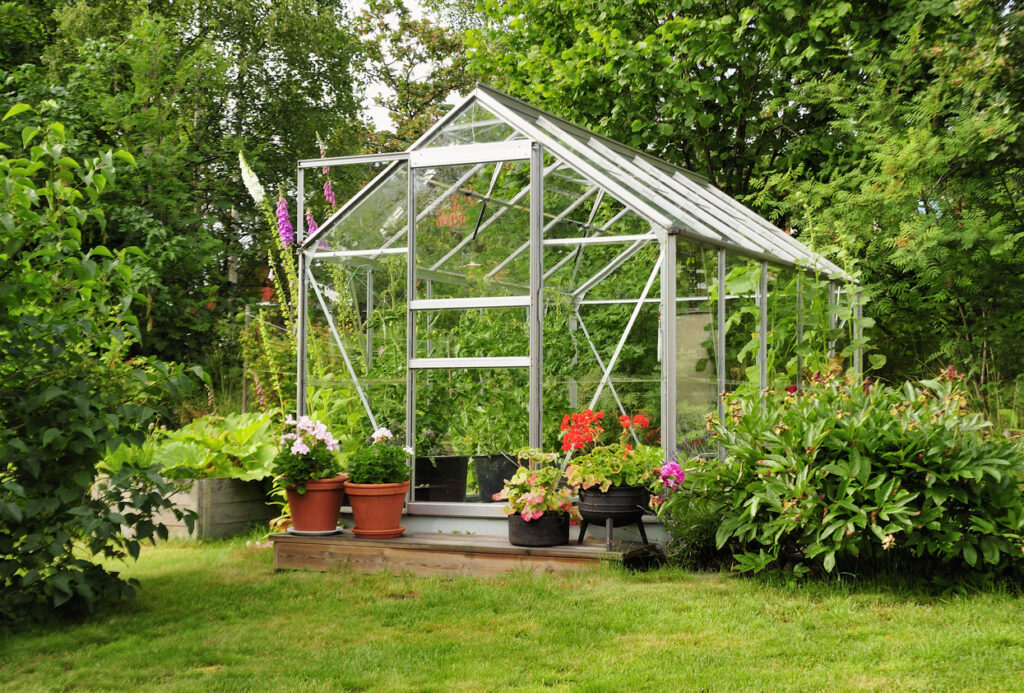
Cheap plastic greenhouses proliferated whilst proper glass-and-wood structures seemed expensive and old-fashioned, but those flimsy plastic efforts rarely survive a British winter without becoming airborne. Traditional greenhouses with proper foundations, glass panes, and wooden frames are having a renaissance as people prioritise longevity over initial cost, recognising that buying once is cheaper than replacing cheap versions repeatedly.
This is why Victorian-style greenhouses are selling despite premium prices. Gardeners want structures their grandchildren will inherit, not something that’ll need replacing in three years after the next storm reduces it to twisted metal and shredded plastic.
10. Fruit trees as ornamental features
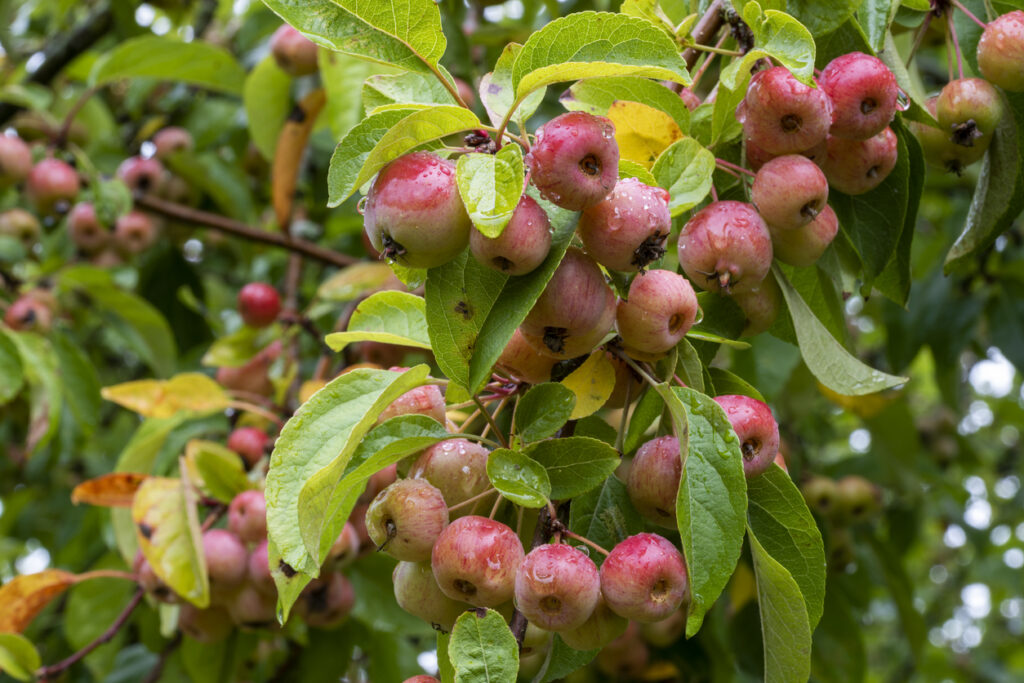
Fruit trees were relegated to allotments whilst purely decorative trees took pride of place in gardens, but productive trees that also look beautiful are returning to prominence. Espalier apples, fan-trained cherries, and freestanding plum trees combine spring blossom, summer fruit, and autumn colour, offering far more interest than sterile ornamental varieties that do nothing except look vaguely pleasant once yearly.
This is why heritage apple varieties are suddenly fashionable and expensive. People want fruit trees that produce interesting apples their supermarket doesn’t stock, recognising that a tree can be both productive and beautiful without compromising either function.