Most people have no idea how much of nature in Britain is legally protected until someone points it out.

Unfortunately for them, usually that “someone” is a ranger, a neighbour, or an official letter that turns up when you least expect it. You think you’re just tidying the garden or doing a bit of pruning, and suddenly, you’re being told you’ve broken a rule you didn’t even know existed.
A lot of these laws exist for good reasons, but they’re not exactly obvious, and they’re definitely not printed on a big sign every time you step outside. The surprise usually comes after you’ve already done something you thought was harmless. Here are the things in nature that you might not realise are protected in Britain until you do something to disturb or endanger them.
1. All wild birds, their nests, and eggs
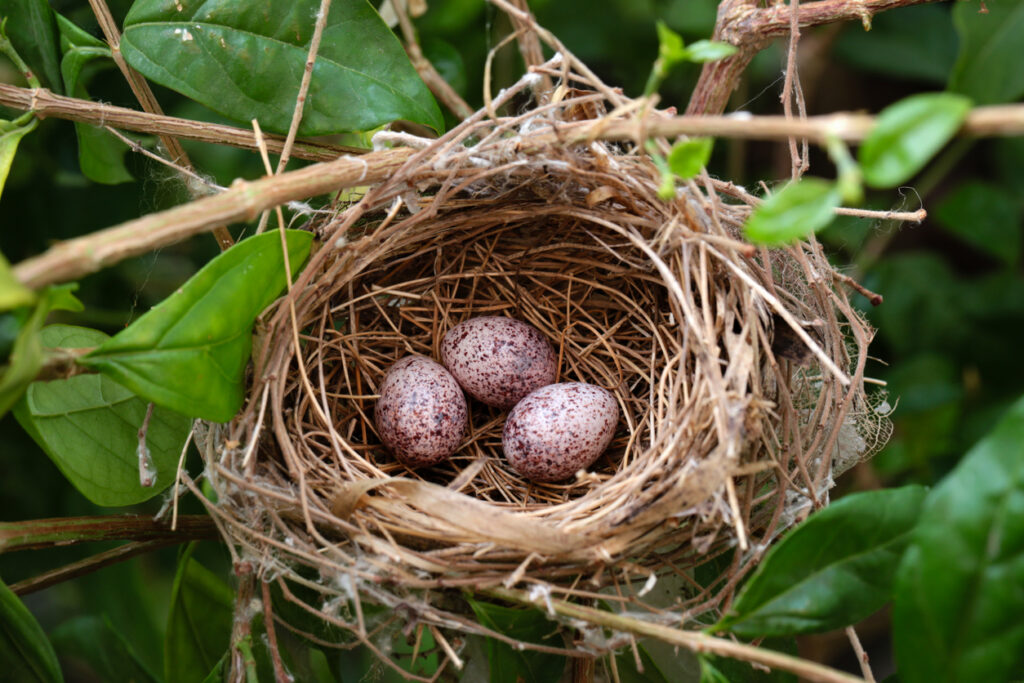
You can’t take eggs from any wild bird’s nest, even common ones like robins or blackbirds, and disturbing active nests is also illegal under the Wildlife and Countryside Act. People think taking one egg won’t hurt, but it’s completely prohibited, with fines up to £5,000 per egg. Even moving a nest that’s in an inconvenient spot on your property can land you in trouble if there are eggs or chicks in it.
The law protects all birds during nesting season, which means you need to check carefully before trimming hedges or doing building work between March and August. You’re also not allowed to keep feathers from certain protected species, though most common bird feathers are fine to collect once they’ve naturally fallen.
2. Bats and their roosts

All bat species are protected, and you can’t disturb them, handle them or interfere with any place they’re roosting, even if they’re in your own loft. People get nasty surprises when they want to renovate their attics and discover they need expensive bat surveys and licences before doing any work. Disturbing bats or damaging roosts can result in unlimited fines or even prison sentences of up to six months.
You’re supposed to call a licensed bat worker if you find bats in your home, rather than trying to remove them yourself. Even blocking up holes they’re using to get in and out is illegal without proper licences, which shocks homeowners who just want their attic back.
3. Bluebells growing in the wild
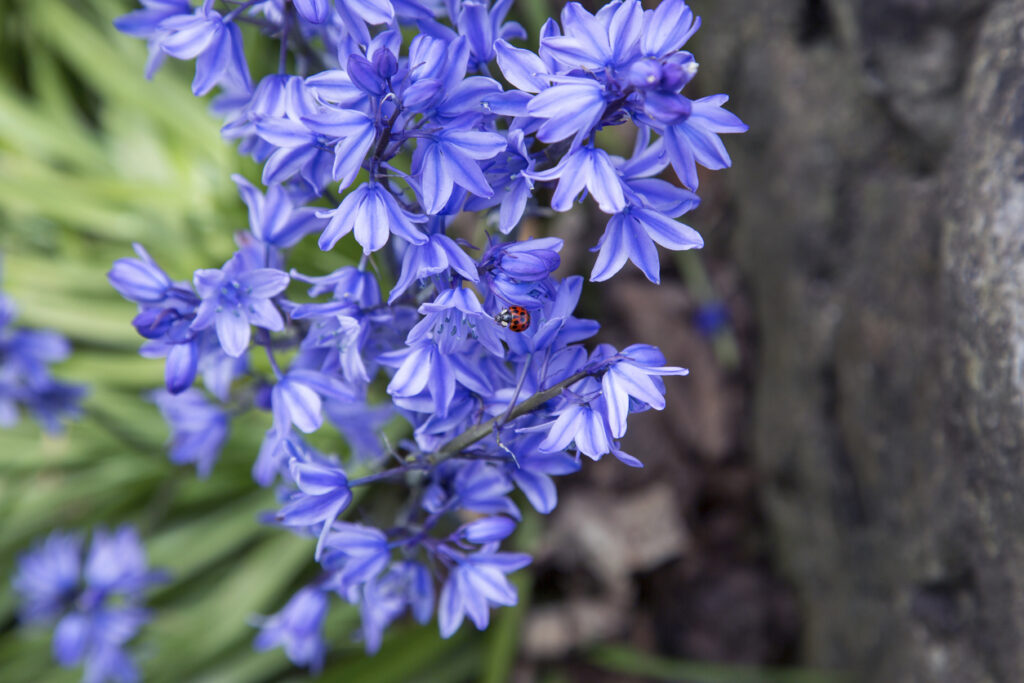
Digging up wild bluebells is illegal under the Wildlife and Countryside Act, and you can be fined up to £5,000 per bulb if you’re caught. People see beautiful woodland carpets of bluebells and think they can transplant a few to their gardens, not realising it’s a criminal offence. Even picking the flowers in large quantities for sale is prohibited, though picking a small bunch for personal use is technically allowed.
The law exists because bluebells were being dug up commercially and populations were declining, but most people have no idea these common flowers are protected. You can buy cultivated bluebells legally from garden centres, but taking them from the wild is absolutely forbidden.
4. Hedgehogs

Hedgehogs are protected under the Wildlife and Countryside Act, which means you can’t intentionally kill or injure them, though you can handle them to help if they’re in danger. People don’t realise that certain pest control methods like slug pellets can indirectly harm protected hedgehogs and could potentially cause legal issues. Bonfires are a particular problem because hedgehogs nest in piles of leaves and wood, and burning them alive is technically illegal even if accidental.
You’re encouraged to help hedgehogs by providing food and safe passage through gardens, but keeping them as pets or moving them far from where you found them can be problematic. The protection exists because populations have crashed dramatically, losing nearly 95% since the 1950s.
5. Smooth newts and other amphibians
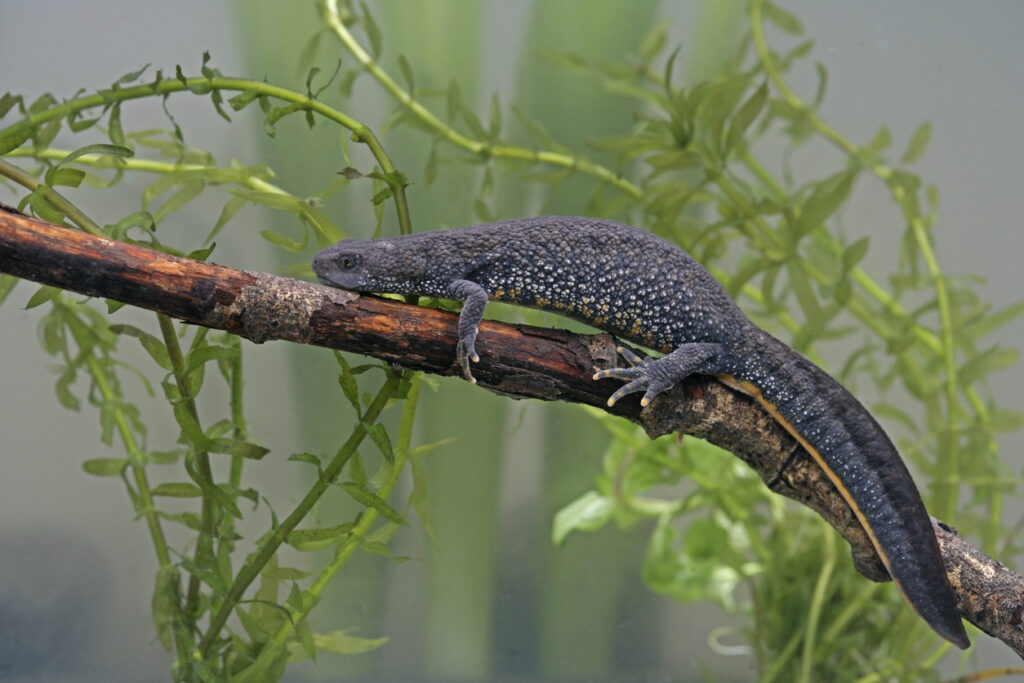
Great crested newts are heavily protected with fines up to £5,000 and six months in prison for disturbing them, but even common species like smooth newts and frogs have some protection. You can’t sell them or trade them without licences, and deliberately harming them is illegal. People filling in garden ponds or doing construction work often don’t realise they need surveys to check for protected newts first.
The laws around amphibians are confusing because the level of protection varies by species, but it’s safest to assume any newt, frog, or toad you find is protected to some degree. Even moving spawn or tadpoles between ponds can spread diseases and is generally discouraged, though not always illegal.
6. Archaeological finds and ancient monuments
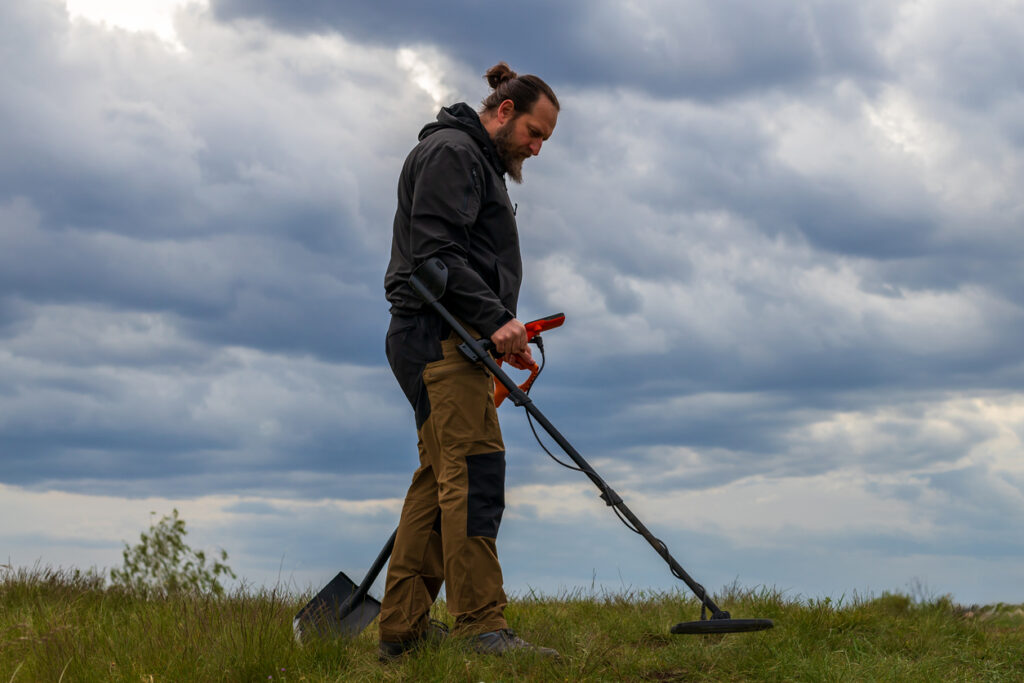
Using metal detectors near scheduled ancient monuments is illegal without permission, and removing archaeological finds without reporting them can land you in serious trouble. The Portable Antiquities Scheme requires reporting significant finds, and the Treasure Act means items over 300 years old containing precious metals must be reported to the local coroner. People think they can keep whatever they dig up, but treasure belongs to the Crown and failing to report it is a criminal offence.
Even picking up flint arrowheads or pottery shards from ploughed fields and taking them home can be problematic if they’re of archaeological significance. The laws protect Britain’s heritage, but casual hobbyists often have no idea they’re breaking them until they’re caught with undeclared finds.
7. White clawed crayfish
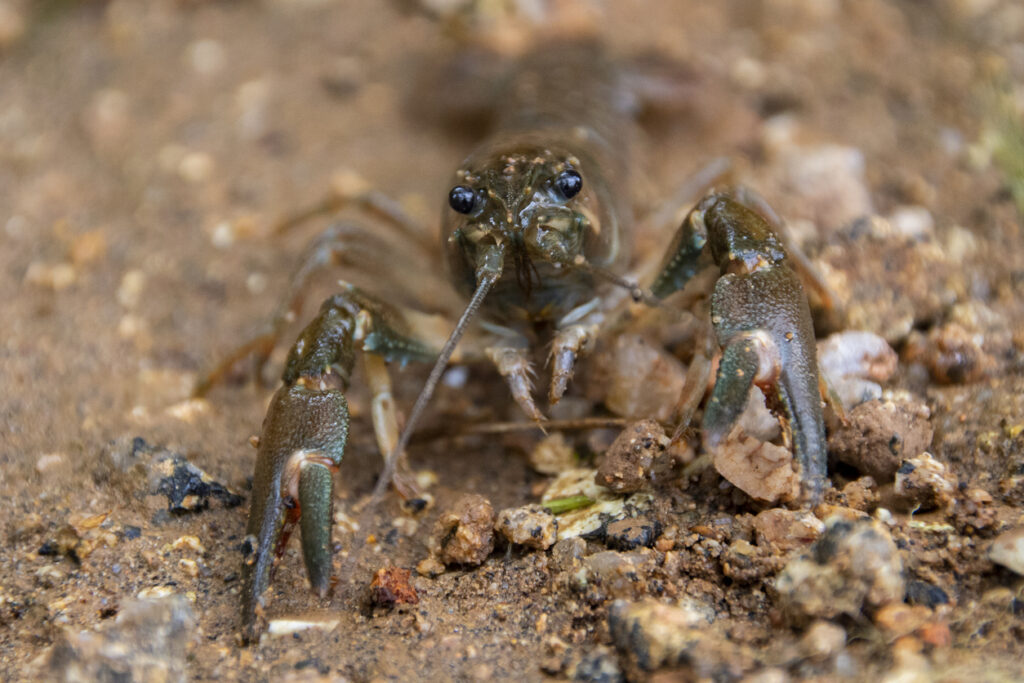
Britain’s native white clawed crayfish are fully protected, and you can’t capture, kill or disturb them without a licence. They’re endangered due to competition from invasive American signal crayfish and a deadly fungal disease. Most people don’t even know we have native crayfish, let alone that they’re protected with penalties up to £5,000 or six months imprisonment.
Interestingly, the invasive American signal crayfish aren’t protected, and it’s actually illegal to return them to the water once caught because they’re destroying native populations. The rules around crayfish are complicated and catch out anglers who don’t realise the legal differences between species.
8. Sand and pebbles from beaches
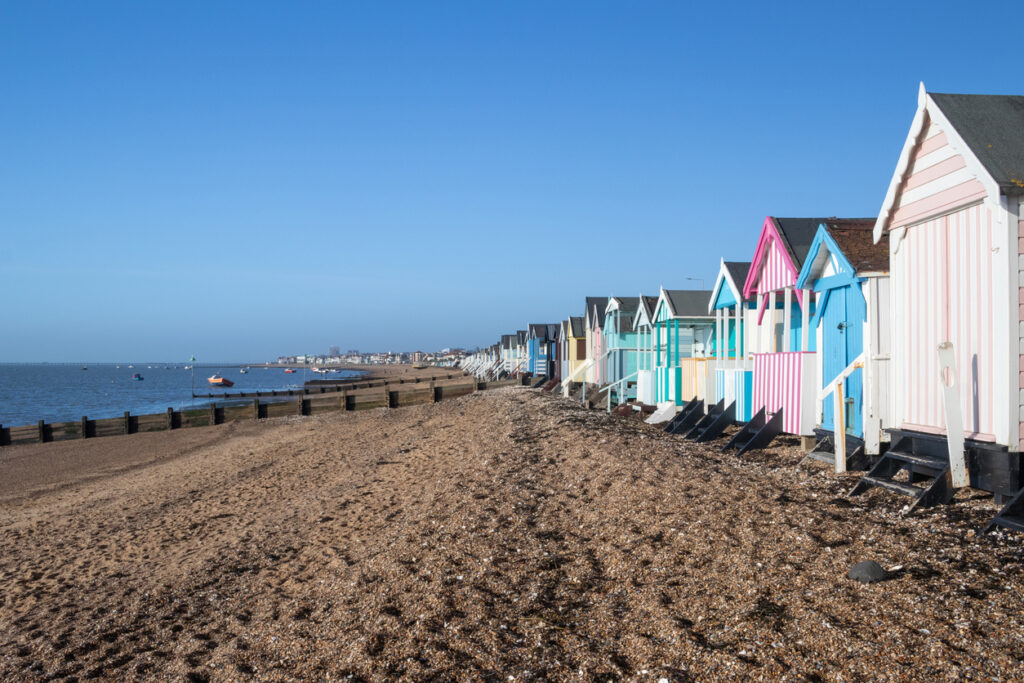
Taking sand or large quantities of pebbles from beaches is technically illegal under the Coastal Protection Act, though enforcement varies and small amounts for personal use are generally tolerated. People don’t realise that removing beach material contributes to coastal erosion and habitat destruction. Commercial collection or taking large amounts can result in fines, and some beaches have specific by-laws with stricter rules.
Certain beaches like Chesil Beach in Dorset have particularly strict protections because the unique pebble formations are of scientific importance. What seems like harmlessly taking a few stones for your garden is actually prohibited, though most people only find out when they see signs or get told off by wardens.
9. Barn owls and their nests
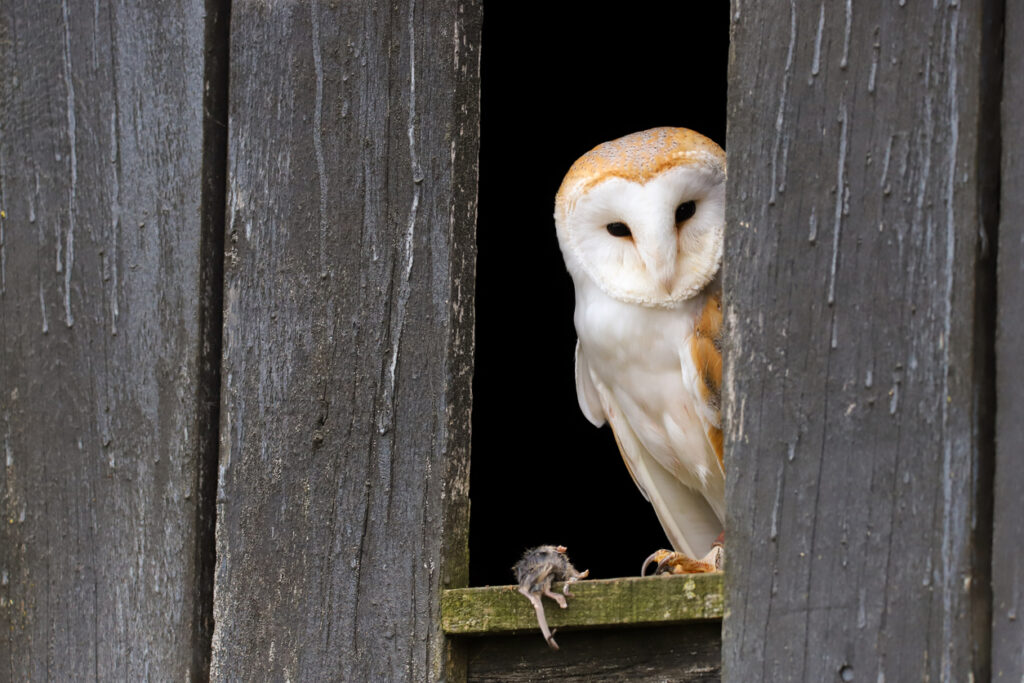
Barn owls have special protection beyond other birds because they’re on Schedule 1 of the Wildlife and Countryside Act. This means you can’t even photograph them at the nest without a special licence, let alone disturb them during breeding. Farmers and builders often get caught out when barn owls nest in their buildings, and they’re suddenly unable to do repairs or demolition work without expensive licenses and surveys.
The penalties for disturbing Schedule 1 birds are severe, with unlimited fines and up to six months in prison. Even well-meaning wildlife photographers have been prosecuted for getting too close to nests, so the protection is taken very seriously by authorities.
10. Ancient trees and veteran trees
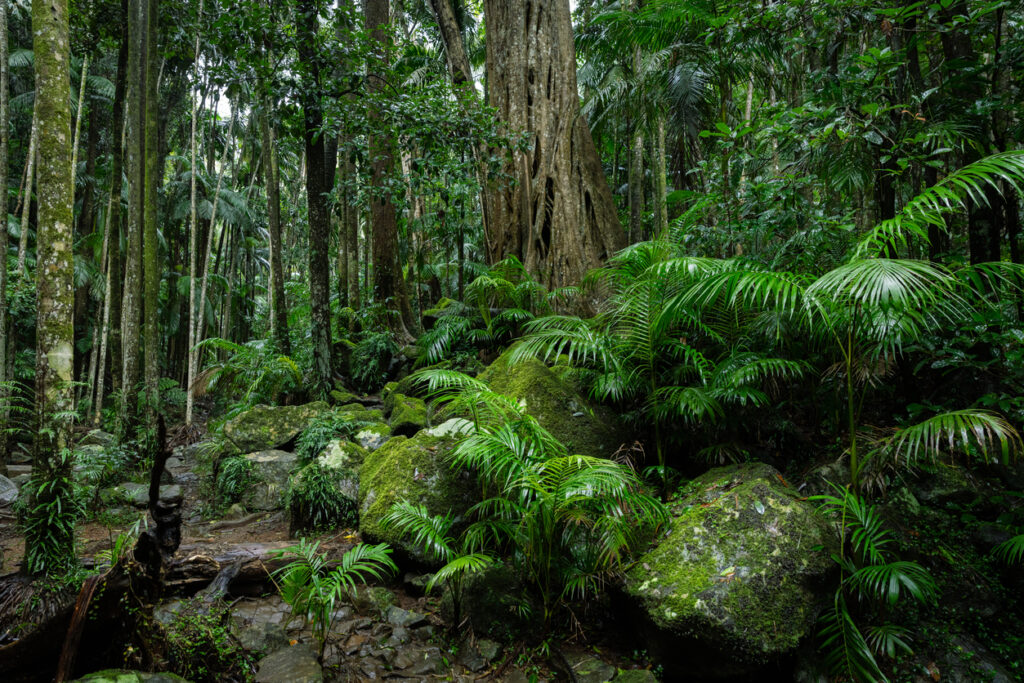
Trees over a certain age or importance can be protected by Tree Preservation Orders, and cutting them down without permission can result in unlimited fines. Ancient and veteran trees have additional protections because of their ecological and historical value, even if they’re on private land. People buying properties don’t always realise the old tree in their garden has legal protection until they try to remove it and face prosecution.
Even pruning protected trees requires permission from the local council, and doing work without approval can result in fines of up to £20,000. The laws protect trees that are irreplaceable in terms of age, habitat value or historical significance, but homeowners often discover this the hard way after they’ve already got the chainsaw out.