Some of the most eye-catching plants and animals in Britain’s parks aren’t meant to be here at all.
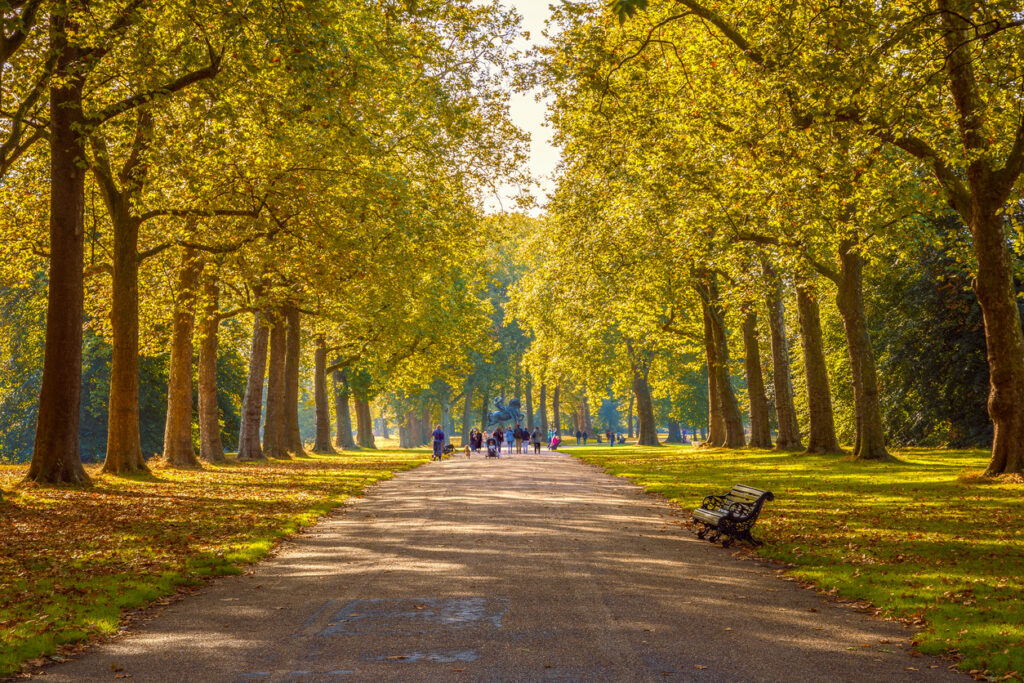
They look harmless, even impressive, which is exactly how they slip under the radar while causing real damage behind the scenes. Once they take hold, they push out native species, disrupt habitats, and leave park managers fighting a much bigger problem than anyone expected.
1. Rhododendron ponticum smothers entire woodlands.
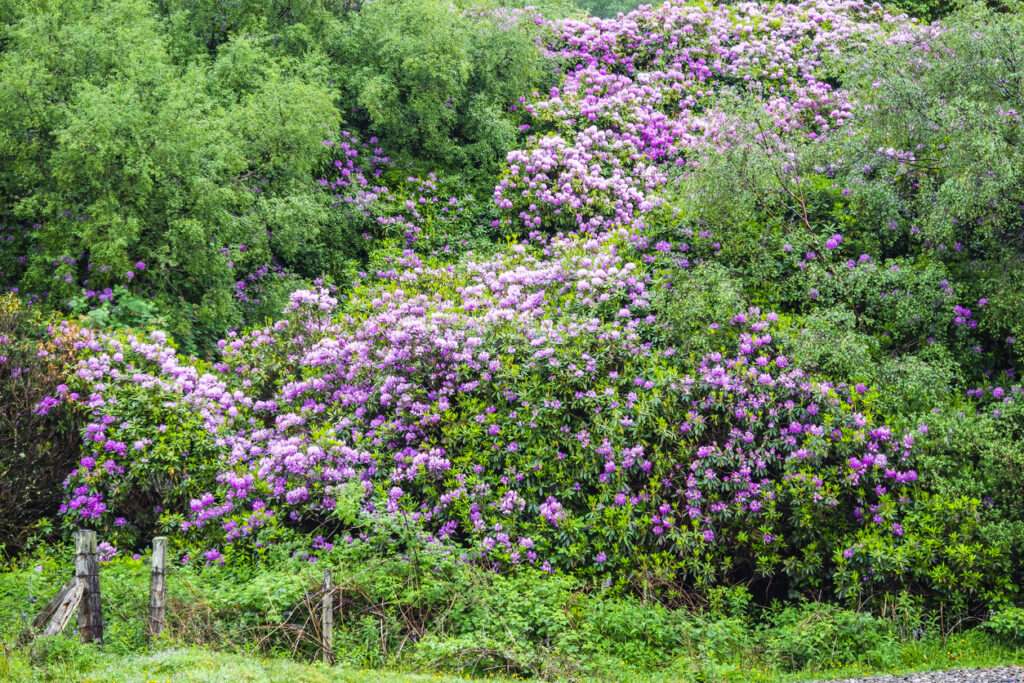
This glossy-leaved evergreen produces stunning purple flowers in spring, which is why Victorian landowners planted it everywhere as gamebird cover in the 1800s. It quickly became a nightmare for British forests, particularly temperate rainforests in Scotland and Ireland. Rhododendron grows into dense thickets that block all light from reaching the forest floor, preventing native plants from growing and stopping tree regeneration. It also carries diseases fatal to some native trees and produces biochemical compounds that actively poison competing plants, giving it an unfair advantage. Killarney National Park in Ireland has spent millions trying to eradicate it.
2. Himalayan balsam creates pink swathes along riverbanks.
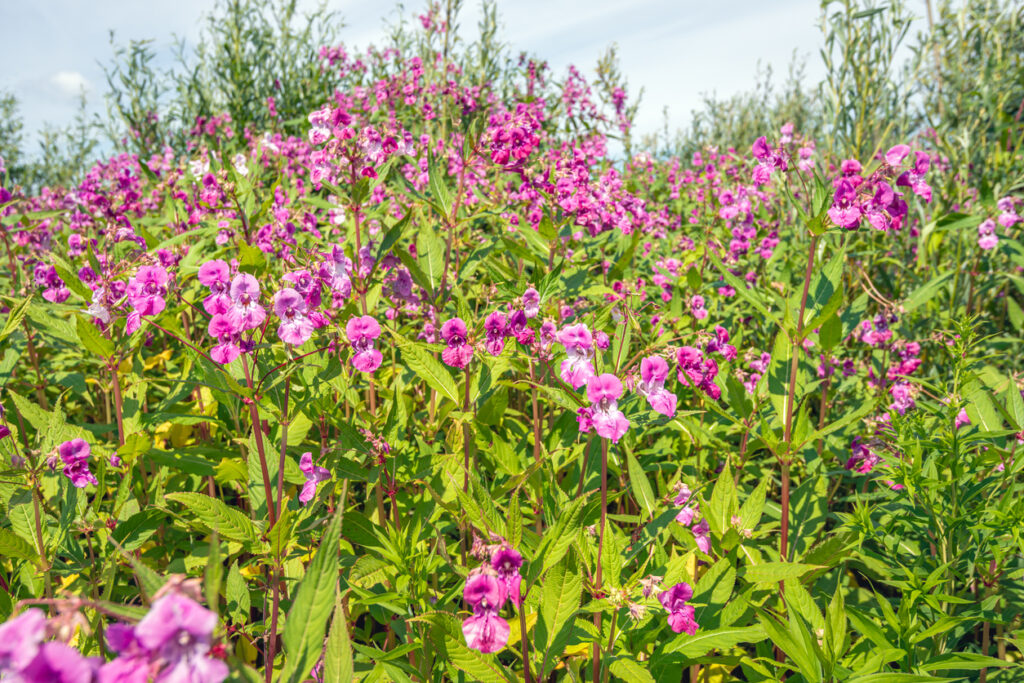
Those beautiful trumpet-shaped pink flowers you see blanketing riverbanks aren’t native, they’re an ecological disaster from the Himalayas. Introduced to Kew Gardens in 1839, Himalayan balsam now dominates damp areas across Britain. Each plant produces up to 800 seeds that explode from their pods and shoot up to seven metres away, spreading rapidly downstream. It grows up to three metres tall and completely shades out native plants, then dies back in winter, leaving riverbanks bare and vulnerable to erosion. The nectar attracts pollinators away from native flowers, disrupting the entire food chain.
3. Japanese knotweed damages buildings and costs £166 million annually.

Those impressive bamboo-like stems and white flower clusters look striking in gardens, which is why Victorians loved it. Japanese knotweed was marketed for its “splendid invasiveness” and “herculean proportions” back in the 1880s, and they weren’t joking about the invasive part. Its roots spread through underground rhizomes that can crack concrete, undermine foundations and push through tarmac. Mortgage lenders demand proof it’s been eradicated from properties before approving loans because it can cause serious structural damage. The dense growth smothers everything around it, and fragments as small as a fingernail can grow into new plants.
4. Montbretia’s fiery orange blooms hide an aggressive spreader.
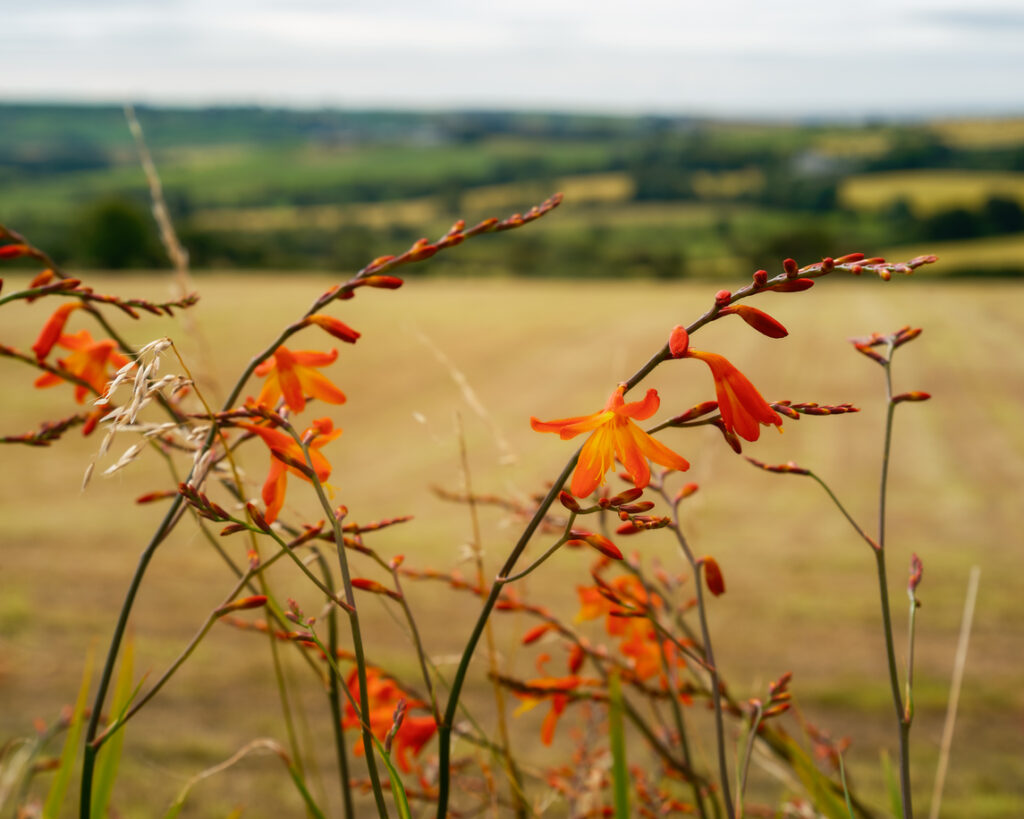
This popular garden plant from South Africa produces gorgeous bright orange and red flowers on arching stems, making it a favourite for borders and cottage gardens. Montbretia was introduced in the late 19th century and had already escaped into the wild by 1900. It spreads rapidly through underground rhizomes and forms dense clumps that dominate local flora, pushing out native plants completely. Garden waste disposal is the main culprit for its spread into nature reserves and woodlands, where it quickly takes over.
5. Grey squirrels carry diseases that kill red squirrels.
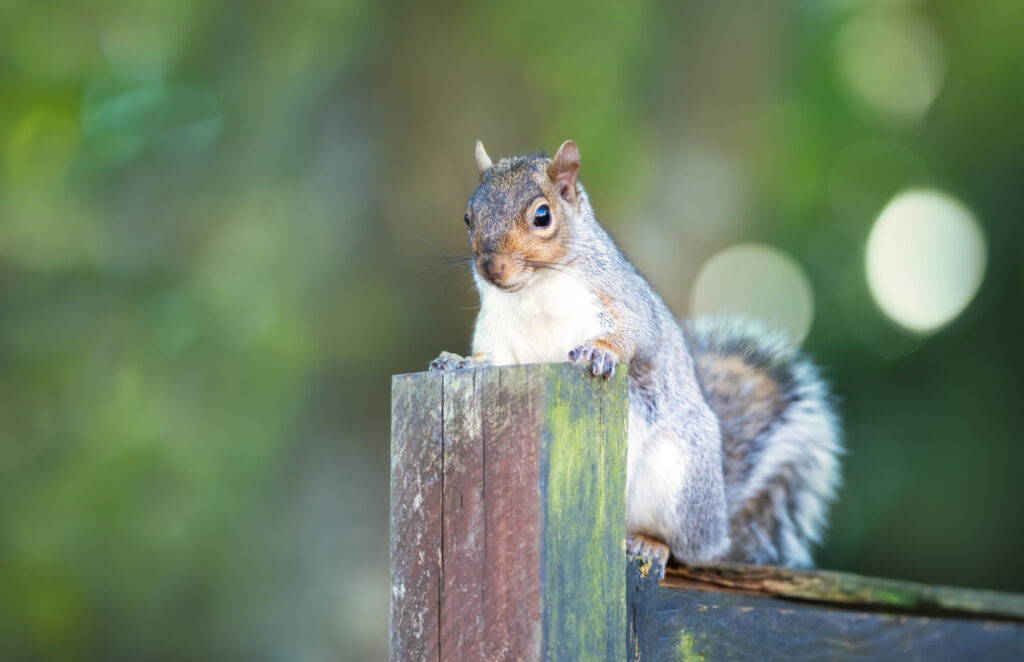
Those cute bushy-tailed creatures in parks seem harmless enough, but grey squirrels from North America have devastated native red squirrel populations since their introduction in 1876. They’re larger and more aggressive than red squirrels, outcompeting them for food and habitat. Worse still, grey squirrels carry a pox virus that’s deadly to red squirrels but doesn’t affect the carriers. Native reds have declined catastrophically, but greys have spread across most of Britain. They also damage trees by stripping bark and raid bird nests for eggs and chicks.
6. Rose-ringed parakeets outcompete native birds.
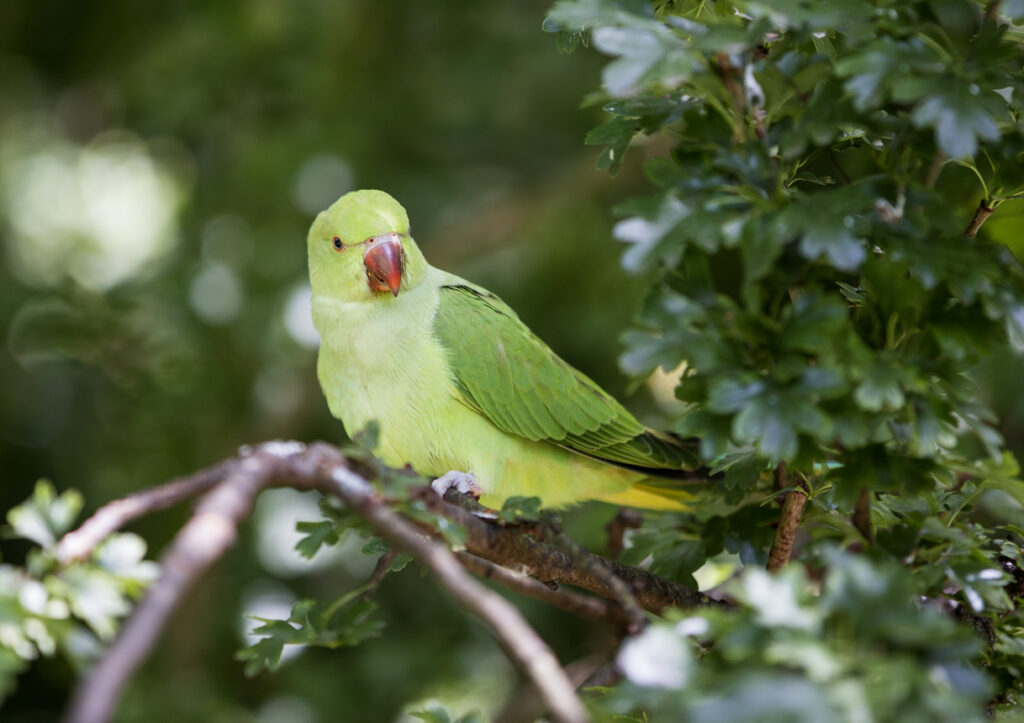
These bright green parrots with distinctive pink neck rings look exotic and tropical flying around British parks, particularly in south London, where thousands now live. Originally from Africa and Asia, they’ve established breeding populations from escaped and released pets. The Kingston parakeets, as they’re known in Surrey, might seem like a colourful addition to British wildlife, but they aggressively displace native hole-nesting birds by competing for roost sites and nest cavities. They’re also serious agricultural pests in their home range and could become one here.
7. Floating pennywort grows 20 centimetres per day.
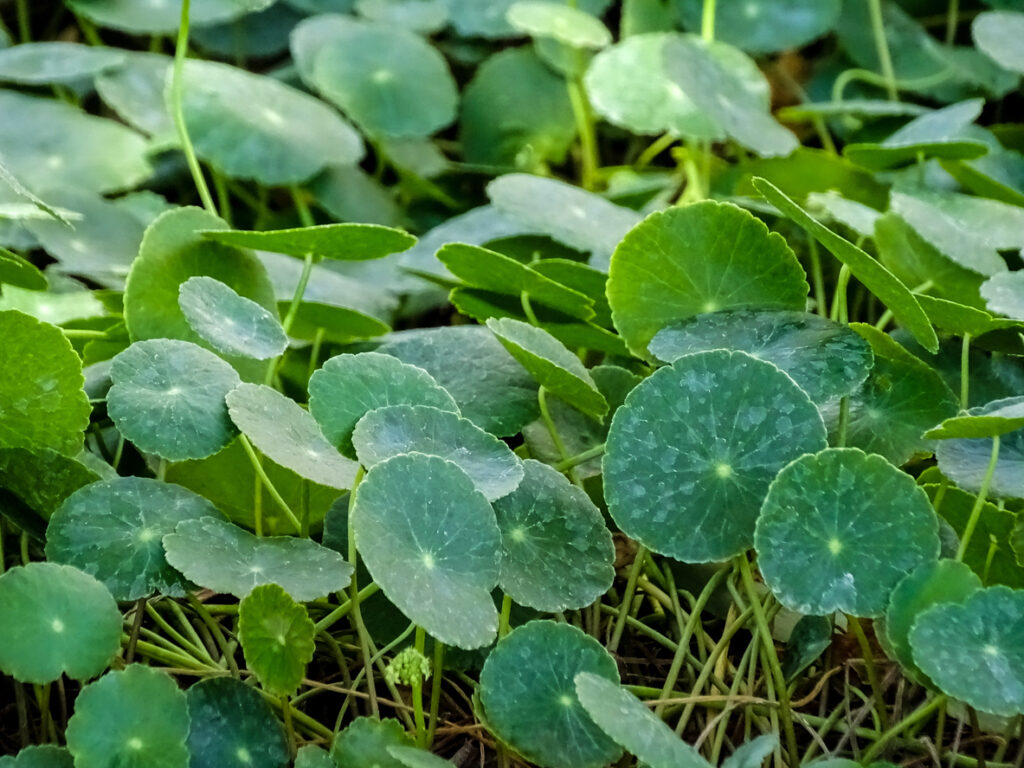
Those shiny, kidney-shaped leaves with crinkled edges floating on ponds look attractive, which is why they were sold as ornamental plants for water gardens. Floating pennywort was introduced in the 1980s and first recorded in the wild in 1990, and it’s been an absolute menace ever since. It grows so fast it can cover entire waterways in dense mats within weeks, blocking sunlight and oxygen from reaching underwater life. Fish, insects and native plants suffocate underneath these carpets of vegetation. It’s now banned from sale and illegal to plant in the wild.
8. Japanese rose forms impenetrable thickets on beaches.
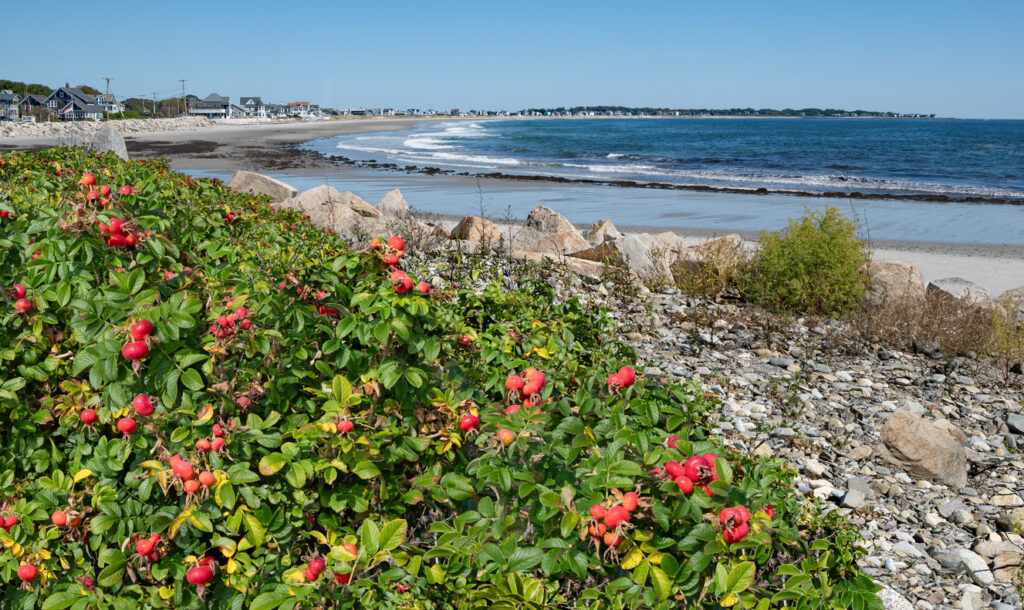
The attractive pink flowers and bright red rose hips of Rosa rugosa made it popular with Victorian gardeners in the 18th century. This hardy plant from East Asia was prized for surviving harsh coastal conditions, but that toughness became a problem. Japanese rose spreads aggressively through root-borne suckers and produces thousands of seeds that birds and mammals distribute far and wide. The rose hips can float in seawater for weeks while remaining viable, allowing the plant to colonise new coastal areas. It forms dense, thorny thickets that block access to beaches and alter sand dune formations.
9. New Zealand pigmyweed suffocates entire ponds.
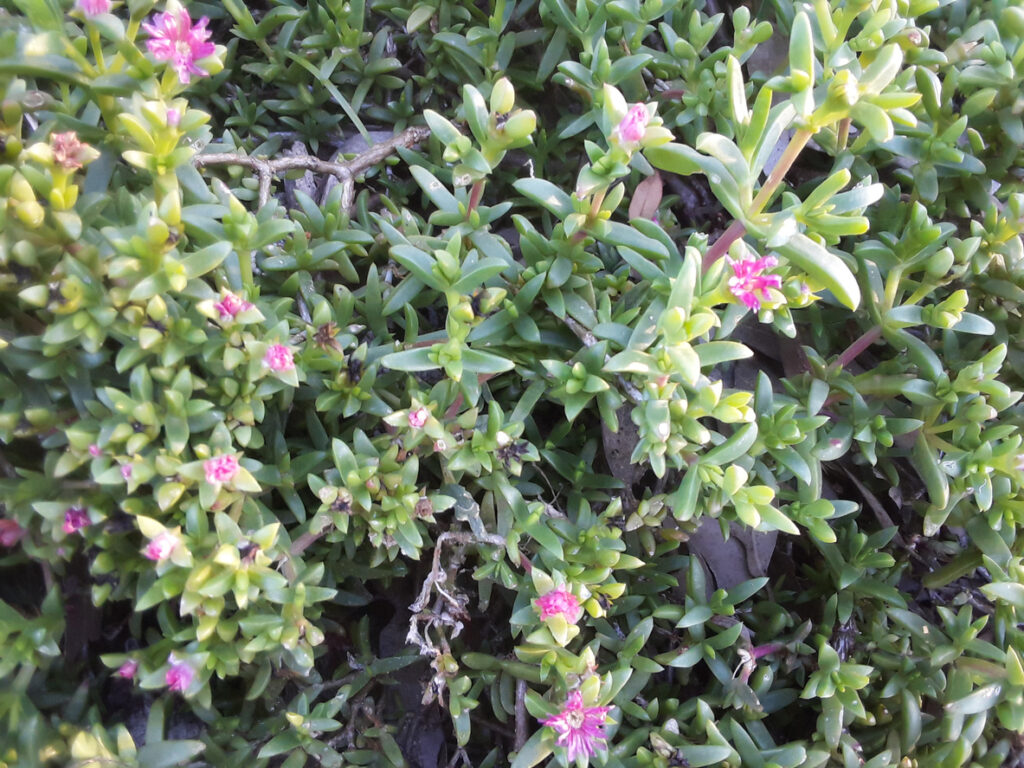
This small aquatic plant with star-shaped leaves and tiny white flowers was sold as an oxygenating plant for garden ponds from 1911 onwards. New Zealand pigmyweed can grow from fragments as small as one centimetre, making it incredibly difficult to control once it escapes. It forms dense mats on water surfaces and grows up to three metres underwater, suffocating fish, frogs, toads, and waterfowl. The Lake District has been badly infested, with officials struggling to contain its spread. It’s now banned from sale but continues spreading through contaminated pond equipment.
10. Cherry laurel’s glossy leaves contain deadly cyanide.
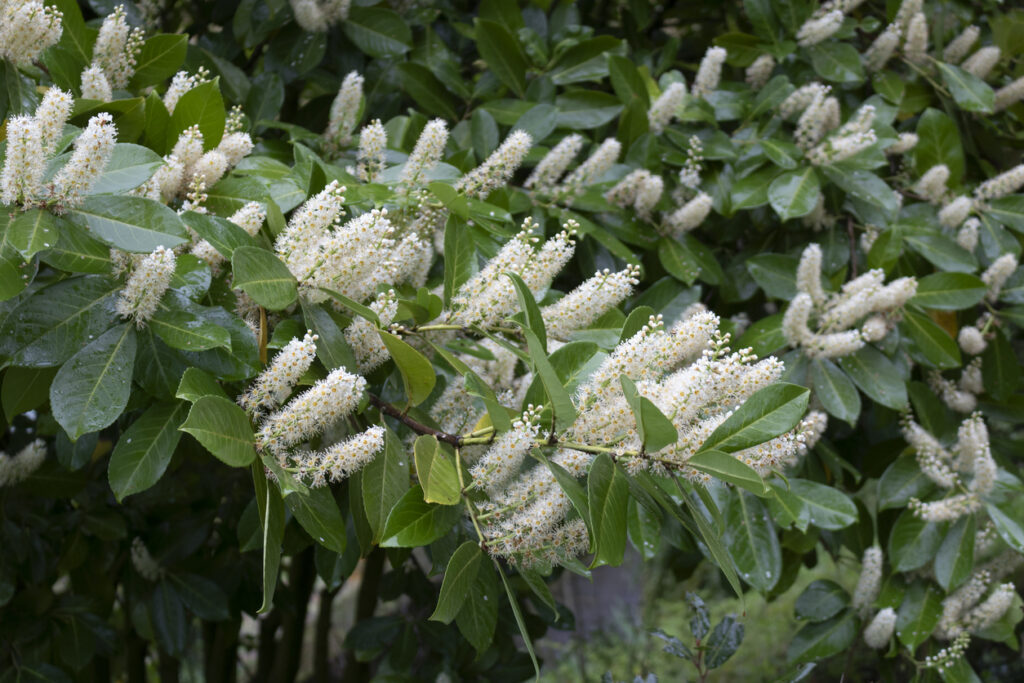
This handsome evergreen shrub produces glossy oval leaves, sweet-smelling white flowers in spring and cherry-like fruits in autumn. Cherry laurel was introduced in the 19th century by estate managers who loved its ornamental value, not realising the leaves, bark, stems, and berries all contain hydrogen cyanide. Gardeners have reported illness from inhaling fumes while pruning it. Beyond the poison risk, cherry laurel spreads rapidly into parks and woodlands where it grows into dense thickets up to 12 metres high, shading out native plants completely.
11. Red-billed leiothrix could alter Britain’s soundscape.
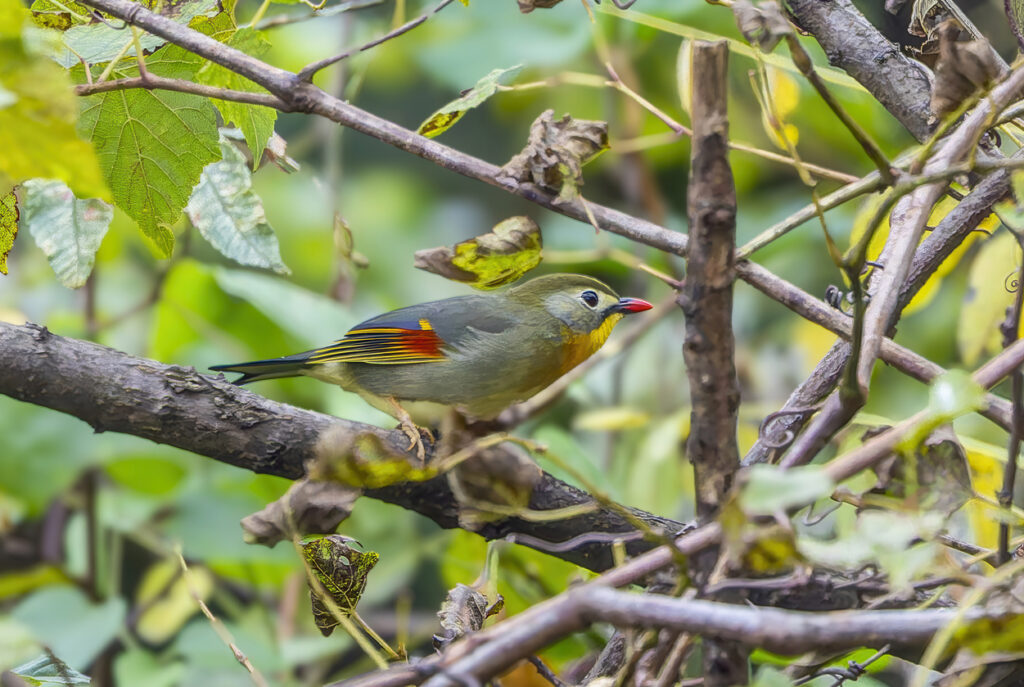
This small, brightly coloured songbird from subtropical Asia has become an emerging invasive species in Britain, likely from escaped cage birds. The red-billed leiothrix has vibrant plumage and a distinctive call that would change the familiar sounds of British woodlands and gardens if it becomes widely established. Climate change and garden bird-feeding are increasing the likelihood it’ll thrive here. While it might seem like a pretty addition to local wildlife, introducing new species always disrupts existing ecosystems in unpredictable ways.
12. Giant hogweed’s sap causes severe burns.

Those massive white umbrella-shaped flower heads towering up to five metres tall look impressive, but giant hogweed is genuinely dangerous. The sap contains toxic chemicals that make skin hypersensitive to sunlight, causing severe blistering burns that can last for months. Children often get hurt playing near it without knowing the danger. Beyond the health risk, giant hogweed spreads rapidly along riverbanks and waste ground, crowding out native plants. Each plant produces thousands of seeds that remain viable for years in the soil.
13. Sacred ibis threaten native bird populations.
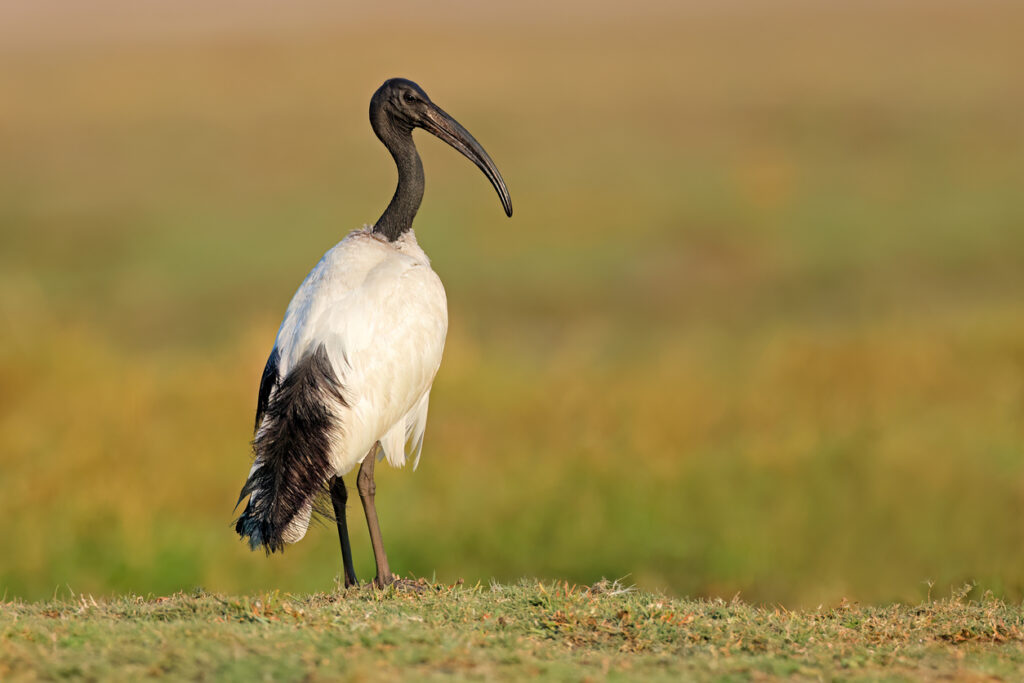
These striking white birds with curved black beaks and distinctive black head and neck markings were popular in European zoos during the 1970s and 80s. Free-flying colonies within zoo grounds led to inevitable escapes, and sacred ibis have established breeding populations in France, where they’re causing serious problems. In Britain, several individuals have been spotted in the wild. Their diet includes fish, small rodents, amphibians and crucially the eggs and young of other bird species including terns, making them a genuine threat to native wildlife if they become established here.