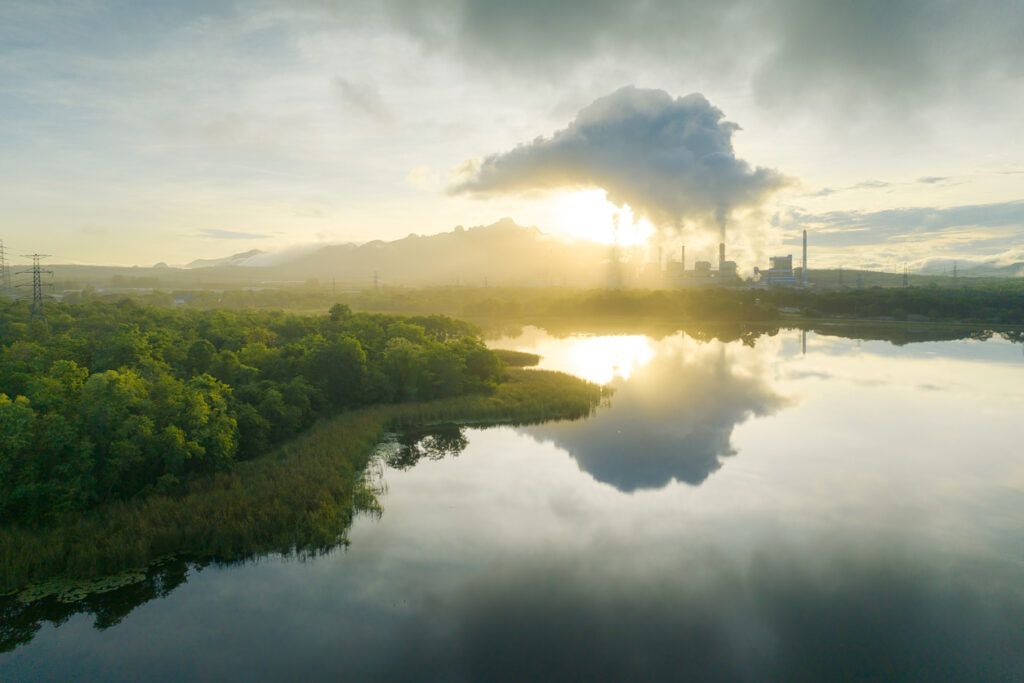
Our reliance on fossil fuels didn’t come from a single bad choice or a lack of intelligence. It grew slowly, almost invisibly, as each generation solved immediate problems using the most powerful tools available at the time. By the time the long-term consequences became impossible to ignore, entire societies were already structured around coal, oil, and gas in ways that felt permanent.
Fossil fuels solved urgent problems faster than anything else.
Early industrial societies were desperate for energy sources that were reliable, controllable, and powerful. Wood and water power were limited by geography, seasons, and slow replenishment, especially as cities expanded and populations grew. Coal changed everything by offering dense energy that could be mined, stored, and burned whenever it was needed.
That immediacy mattered more than foresight. Factories could run all day, transport no longer depended on wind or rivers, and production scaled rapidly. Fossil fuels didn’t just help society progress. They removed constraints, which made them feel indispensable almost overnight.
Industrial growth and fossil fuels became inseparable.
The Industrial Revolution didn’t merely use fossil fuels, it was built on them. Steam engines, mechanised manufacturing, steel production, and railways all depended on concentrated energy sources that could deliver consistent power. Economic success quickly became linked to how much fossil fuel a nation could extract and burn. Countries that consumed more energy produced more goods, built stronger militaries, and gained global influence. Fossil fuels stopped being an option and became a measure of progress itself.
@cedichronicles Why are countries so slow to ditch fossil fuels? The tragedy of the commons explains a lot of the issues that lead to inaction against climate change. Here, with an analogy, the video helps you understand the issues with climate change cooperation. The study is: Hardin, Garrett. 1968. “The Tragedy of the Commons.” Science #creatorsearchinsights #climatechange #tragedyofthecommons #environment #internationalrelations ♬ original sound – CediChronicles
Transport systems locked oil in as the default.
Oil transformed mobility in a way no previous energy source had. It was portable, energy-dense, and easy to refuel. Cars, ships, trains, and eventually planes reshaped how people and goods moved across the world. Once roads, engines, refineries, and global supply chains were designed around petrol and diesel, alternatives struggled to compete. Infrastructure decisions made decades ago still dictate today’s transport options, making fossil fuels feel unavoidable even when cleaner alternatives exist.
Cities were designed on the assumption of cheap energy.
Urban planning quietly assumed energy would always be abundant and affordable. Cities spread outward, commuting distances increased, and buildings were constructed without serious concern for efficiency. Heating, cooling, lighting, and transport demands all grew together. Everyday life became energy-intensive by design, meaning even people who wanted to reduce fuel use were locked into systems that required it just to function normally.
Fossil fuels reshaped how food is produced.
Modern agriculture relies heavily on oil and gas, from tractors and harvesters to fertilisers and long-distance food transport. These inputs massively increased yields and reduced reliance on manual labour. That success came with dependency. Feeding large populations became tied to fossil fuel availability, making it difficult to imagine food systems that function at scale without them. Fossil fuels stopped being an energy source and became part of the food chain itself.
Economic systems rewarded extraction and expansion.
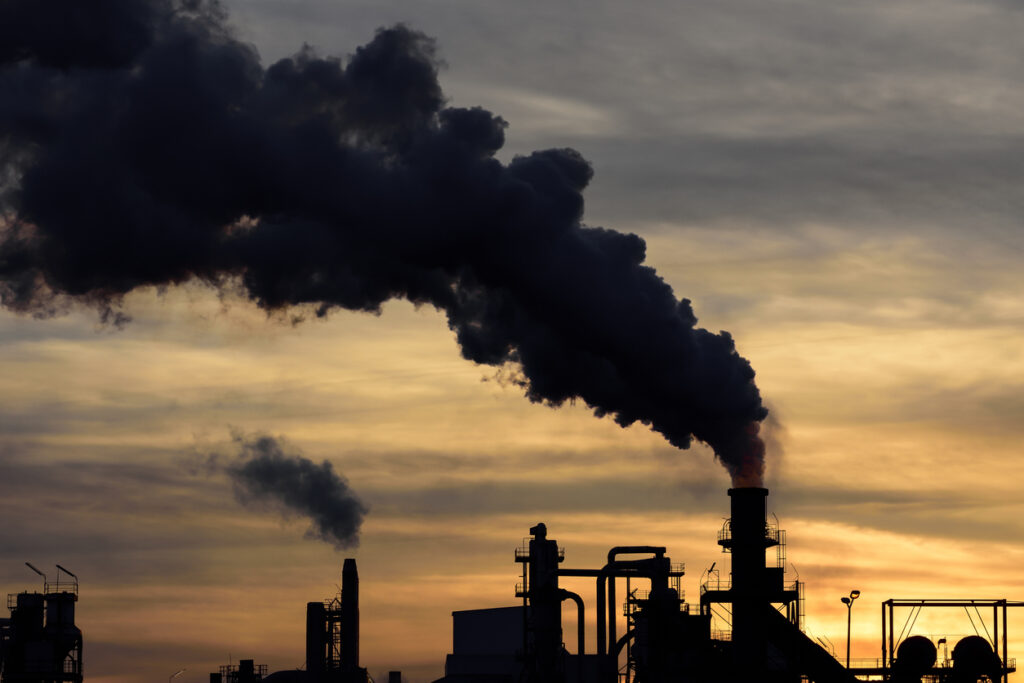
Fossil fuels fitted perfectly into economic models built around growth. They were relatively cheap to extract, easy to trade, and supported mass consumption. Governments and corporations invested heavily in extraction infrastructure, creating jobs, tax revenue, and political power. Once economies depended on that flow of money, changing direction felt risky, even when environmental costs were acknowledged.
Early warnings didn’t feel urgent enough.
Scientists identified pollution and climate risks long before they became headline news. But early warnings felt abstract, distant, and easy to deprioritise compared to immediate economic gains. Because damage accumulated gradually rather than catastrophically, there was no single moment that forced a reckoning. Fossil fuel use expanded quietly while warnings were delayed, softened, or ignored in favour of short-term stability.
Alternatives struggled to scale in time.
Renewable energy has existed for over a century, but early versions lacked efficiency, storage capacity, and reliability. Investment naturally followed the technologies that delivered consistent results. By the time renewables improved, fossil fuel infrastructure was already everywhere. Switching required more than new energy sources. It required redesigning power grids, industries, and lifestyles built around combustion.
@brian..smith I understand how much you love your ICE cars. But we MUST change! #evrally #techniquest ♬ original sound – Brian
Fossil fuels shaped expectations of comfort and convenience.
Instant heating, constant electricity, rapid travel, and cheap goods became normalised. Fossil fuels powered a lifestyle that felt easier, faster, and more comfortable than anything before it. Once those standards were set, reducing fuel use felt like regression rather than adjustment. Reliance became cultural, not just technical, tied to how people expected daily life to feel.
Dependence became invisible over time.
As systems matured, fossil fuels faded into the background. Energy came from sockets, fuel from pumps, food from shops, all disconnected from their origins. When reliance becomes invisible, it stops being questioned. By the time society recognised how deeply fossil fuels shaped everything, replacing them meant rethinking how we live, not just what powers our devices.