Space travel gets sold as sleek rockets, floating astronauts, and big moments watched from a safe distance on Earth.
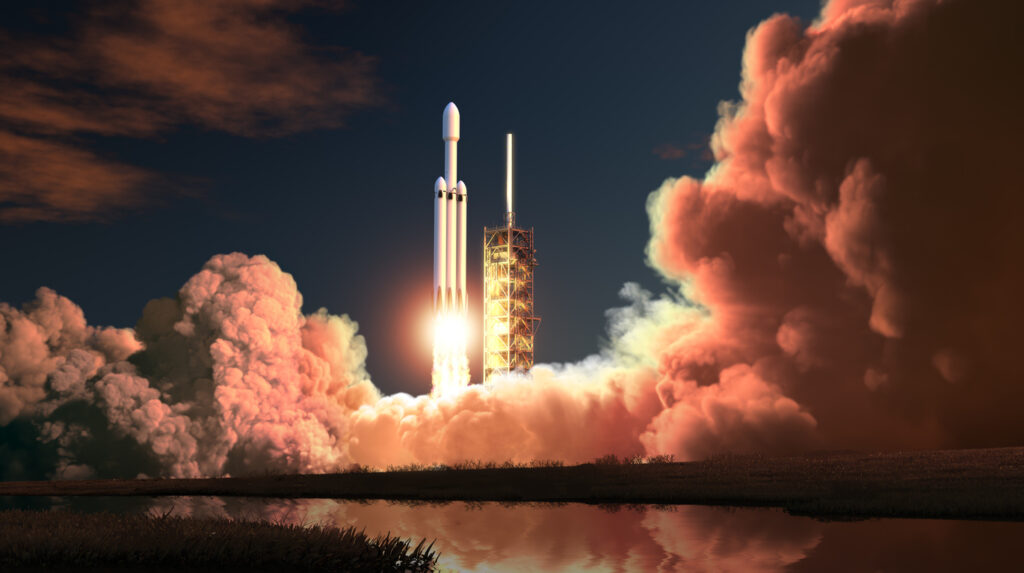
It looks clean, controlled, and oddly peaceful. What you don’t usually see is the day-to-day reality of actually living up there, where the romance wears off pretty quickly and the body is under constant strain.
Once you strip away the cinematic stuff, space travel is uncomfortable and deeply unnatural for humans. Everything you do takes more effort, nothing works the way you expect it to, and your own body starts behaving in ways you didn’t sign up for. These are the less glossy realities of space travel that tend to get glossed over when we talk about life beyond Earth.
The smell inside a spacecraft isn’t pleasant.
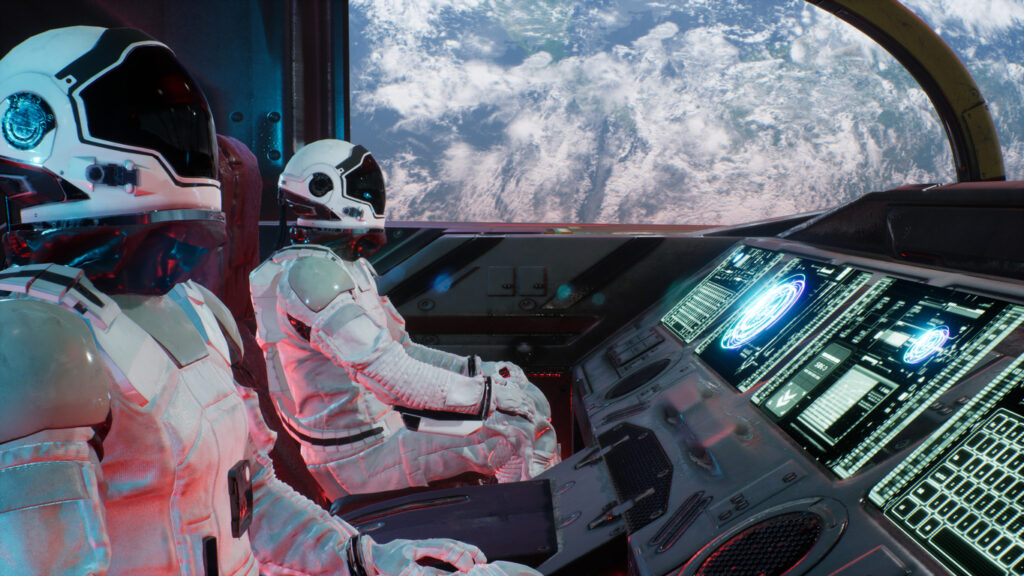
The air on board is recycled constantly, which gives the cabin a stale, metallic scent. Sweat, equipment and stored supplies all add their own smells, and nothing ever fully disappears. People imagine a fresh, futuristic environment, but astronauts often describe the air as heavy and tiring after long stretches in orbit.
That kind of environment affects mood as well as comfort. The scent becomes a quiet reminder that you’re living in a closed box far from home, and you need to adjust to it instead of waiting for it to improve.
There’s no privacy anywhere.
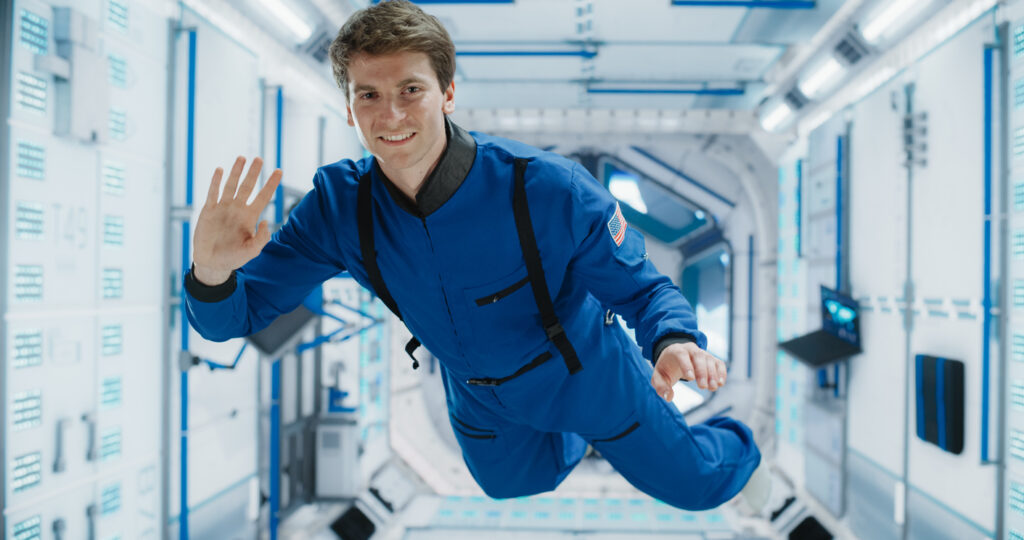
Spacecraft are so small that you’re always within reach of someone else. Sleeping areas have thin covers, conversations can be overheard easily, and there’s no real way to hide when you need quiet time. The lack of doors and personal space can wear people down over long missions.
Living like this means learning to stay patient even when you’re tired or overwhelmed. Privacy becomes something you recreate mentally rather than physically, which is one of the harder adjustments astronauts make.
Zero gravity makes simple tasks confusing.
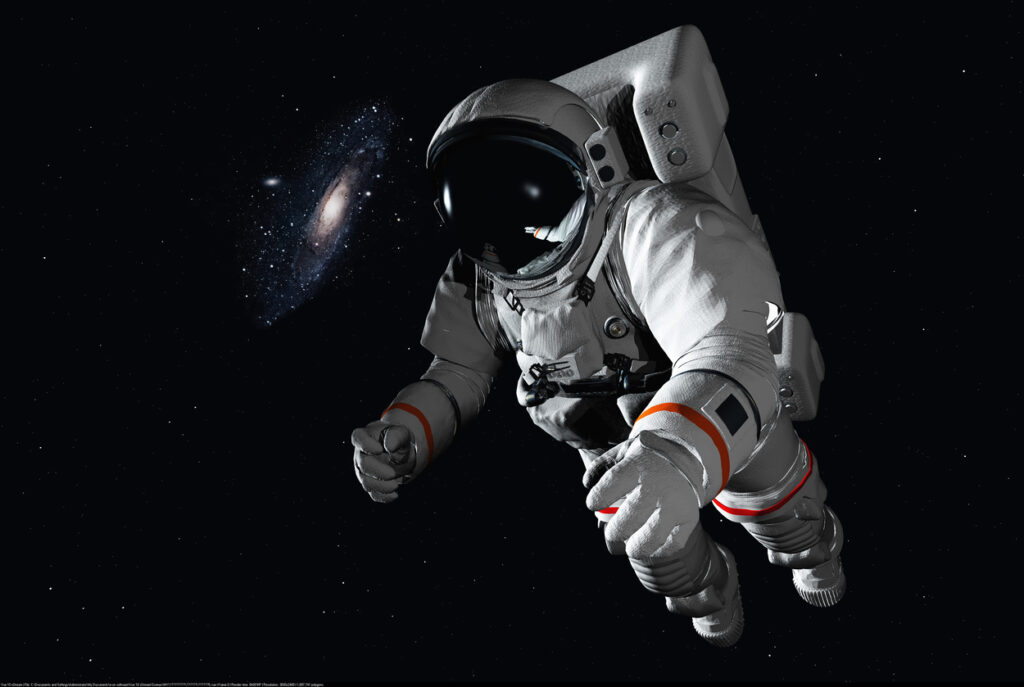
Floating looks fun in videos, but it makes everything awkward. Eating, washing, getting dressed and even moving from one part of the cabin to another takes extra effort. Tools drift away the moment you let go, and you often have to anchor yourself to something just to stay still.
Daily routines become slow and repetitive because every action needs planning. What seems effortless on Earth turns into a small challenge, and you need to stay focused or things quickly go wrong.
Your body starts to weaken early in the mission.

Zero gravity causes muscle loss and bone thinning because your body isn’t supporting its own weight. Astronauts start to feel changes within days, and the effects grow stronger over time. Exercise becomes essential, not optional, and each session is designed to slow down a decline you can’t fully stop.
The physical strain adds another layer of difficulty to daily life. You work hard just to stay strong enough for the journey home, and the effort becomes part of the routine rather than something you choose.
Space sickness makes the first few days miserable.
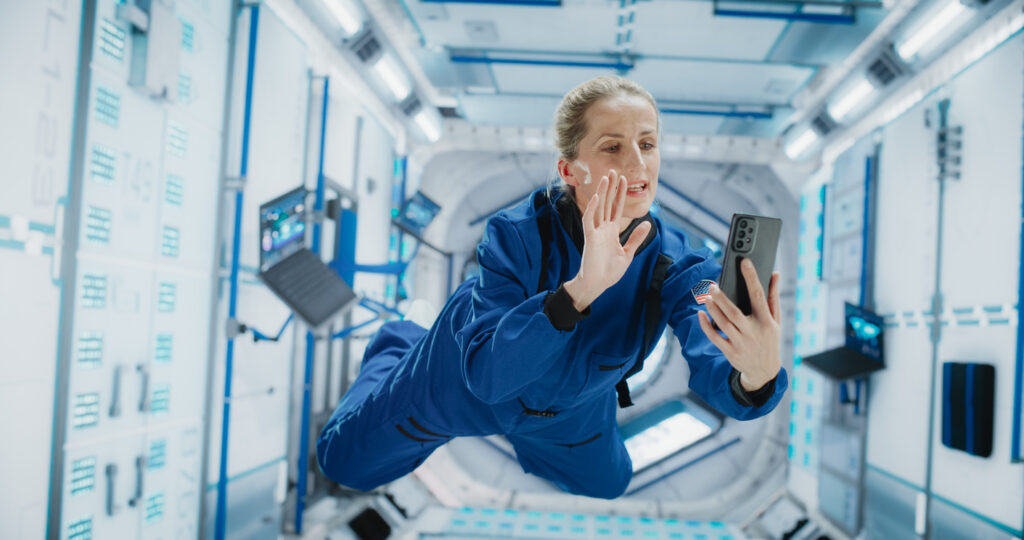
Many astronauts spend their early days feeling nauseous, dizzy and unable to eat properly. The inner ear struggles to adjust to weightlessness, which throws off balance and causes motion sickness. Films never show the part where someone feels awful while trying to work. The sickness passes eventually, but the memory stays with people. It’s a reminder that the body doesn’t naturally belong in space, and adapting takes more effort than most expect.
Sleeping well is almost impossible.
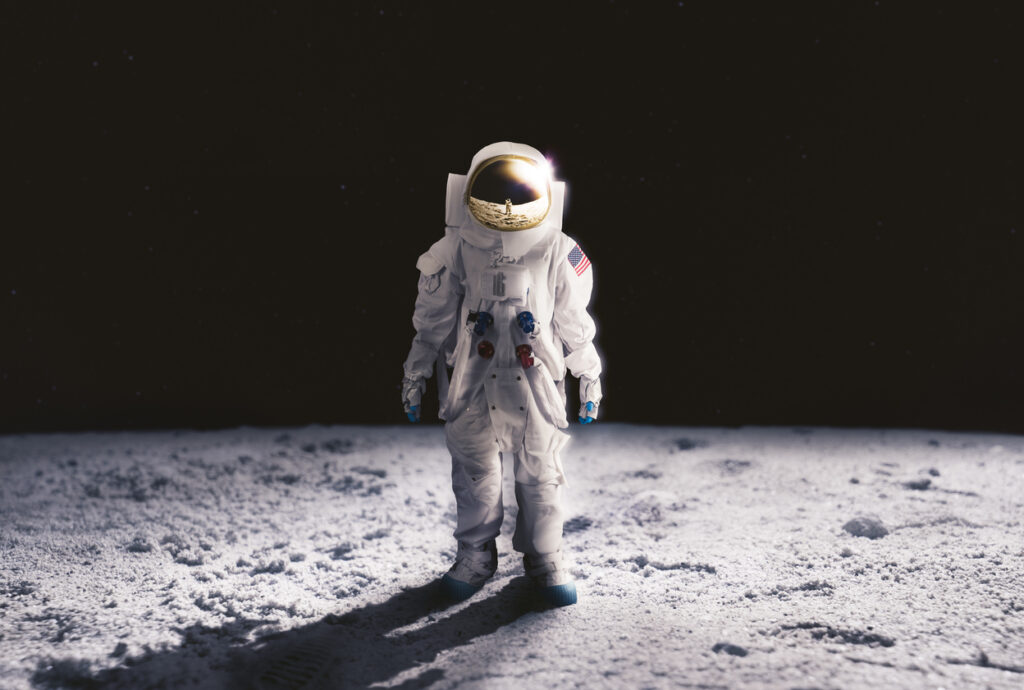
There’s no natural day-night cycle in orbit, and astronauts often struggle to sleep because their bodies feel confused. Lights switch on and off, equipment hums constantly, and the lack of gravity makes it hard to find a comfortable position. Sleep becomes a challenge that never really improves. After weeks of disrupted rest, people feel mentally worn down. Managing fatigue becomes part of daily life in space because the environment doesn’t support the natural rhythms your body relies on.
The toilet situation is far from glamorous.

Films never show the reality of space toilets, which rely on suction and careful positioning. Using them takes practice, and mistakes are unpleasant. Everything needs to be handled securely so nothing escapes into the cabin, and the process is more technical than anyone expects. This daily task becomes part of the routine, but it never becomes comfortable. It’s a reminder that even simple human needs are complicated when gravity is gone.
Meals don’t taste as good as expected.
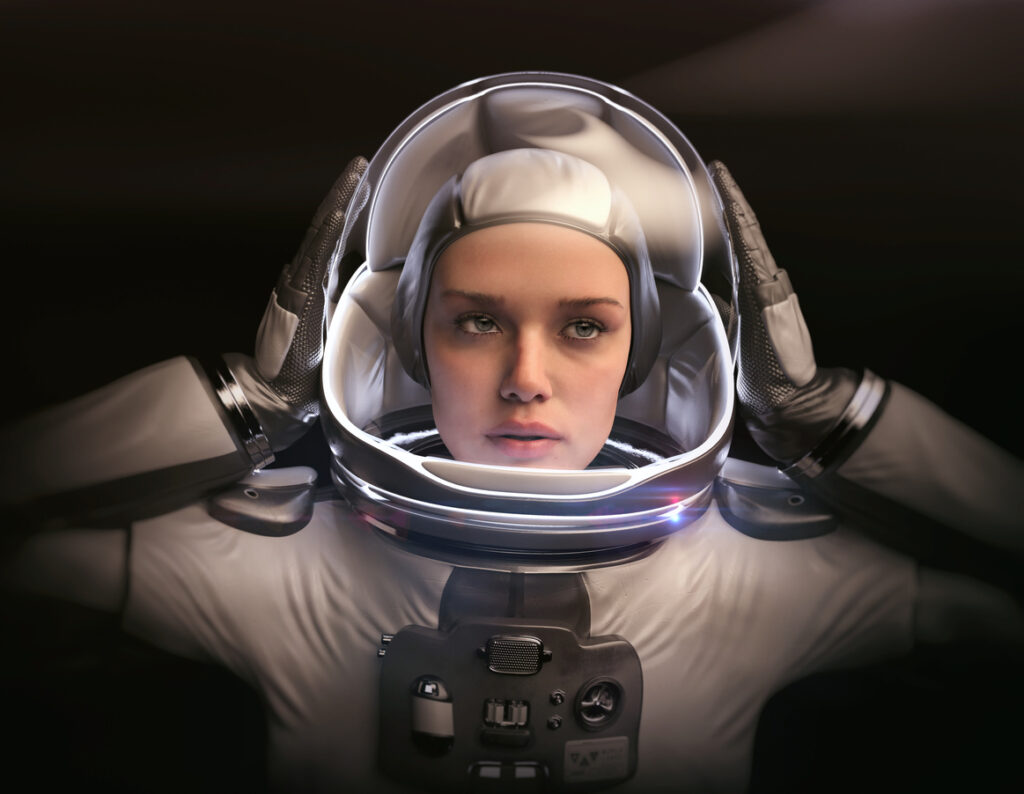
Food in space often lacks flavour because microgravity affects smell and taste. Colds, congestion, and dryness make eating feel strange, and many meals feel bland, no matter how they’re seasoned. You eat because you need to, not because it’s enjoyable. As time goes on, people miss the simple pleasure of a fresh meal. The craving for normal food grows stronger as the mission continues, and packaged options start to feel repetitive.
Every movement requires planning.

Floating looks effortless, but controlling direction takes constant attention. You need to grab handrails, avoid sensitive equipment and stay aware of everything around you. Even small errors can send you drifting in the wrong direction or bumping into a colleague. That slow, careful movement shapes the whole day. You stop rushing and start thinking ahead because the cabin punishes anyone who acts without awareness.
The constant noise never stops.
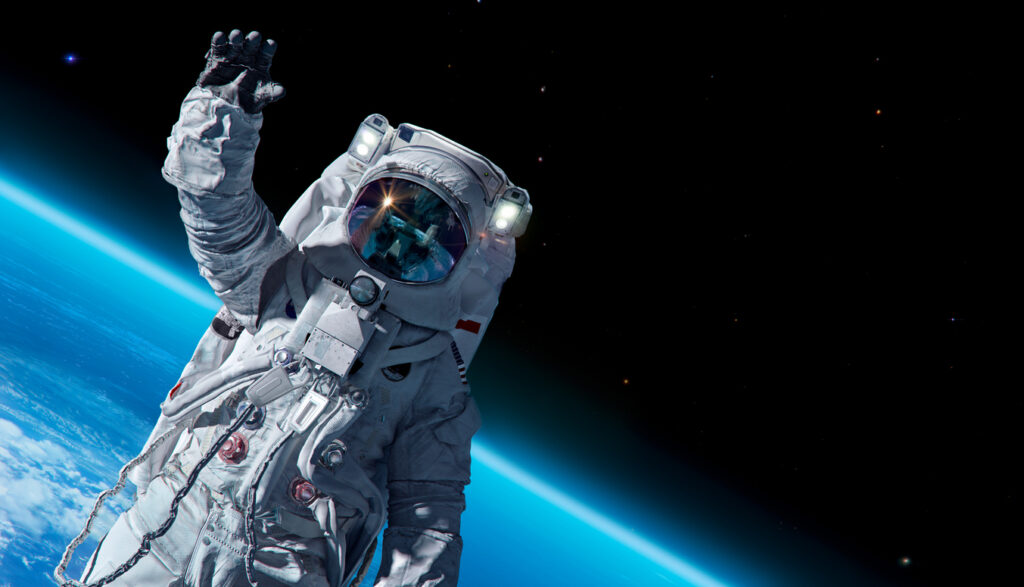
Spacecraft are filled with fans, pumps, and machinery that keep everything running. These sounds don’t switch off, and the background hum can be loud enough to interfere with sleep or conversation. Silence doesn’t exist on board. People get used to it, but it takes effort. The noise becomes part of the mental load of living in a machine that never rests, and it adds to the overall fatigue of long missions.
Isolation affects people more than they expect.
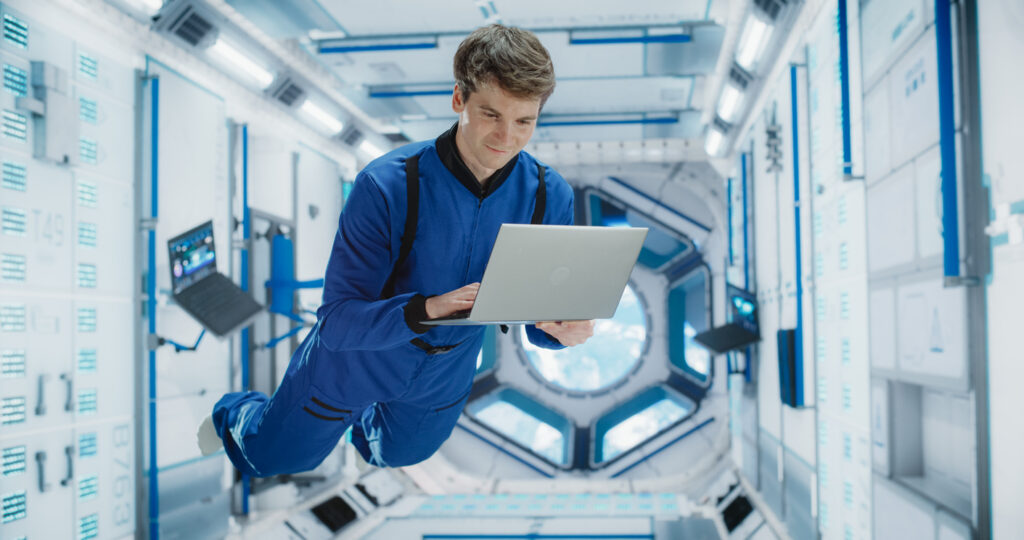
Being far from Earth changes how astronauts feel, especially during long missions. Messages take time to arrive, contact is limited, and the small crew becomes your entire world. The emotional effects can be heavy, even for people who trained for years. That isolation shapes daily life and requires mental strength. Staying grounded becomes a skill you practise constantly, especially when home feels impossibly far away.
Spacewalks are slow and exhausting.
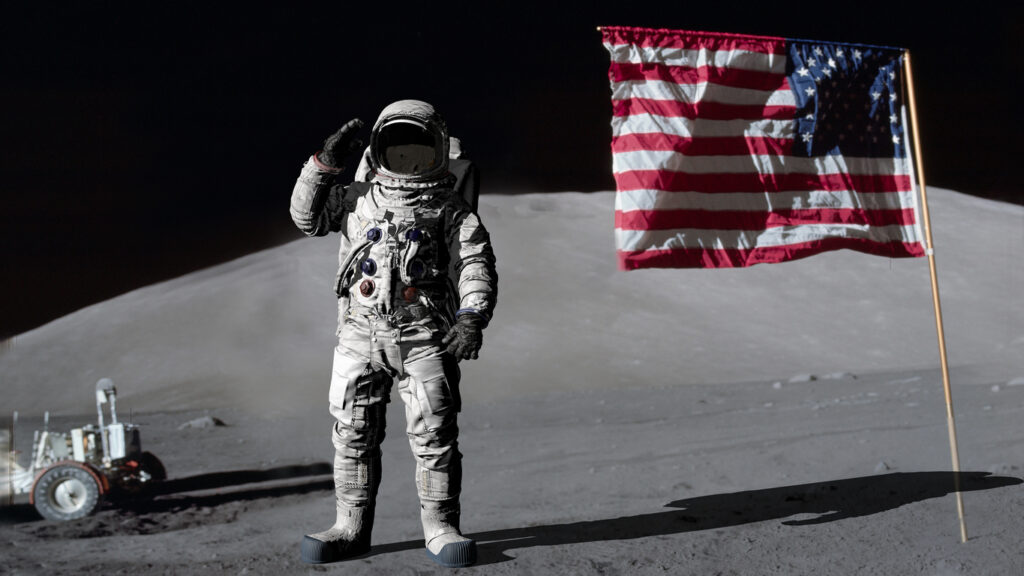
People imagine spacewalks as graceful and exciting, but the reality is demanding. Suits are stiff, movements are slow, and tasks take far longer than they would on Earth. The physical effort can be intense, and astronauts often finish exhausted. Despite the beautiful view, most of the time is spent focusing on tools, safety lines and careful steps. It’s less cinematic and more like carrying out complicated repairs while wearing armour.
Coming home is physically painful.
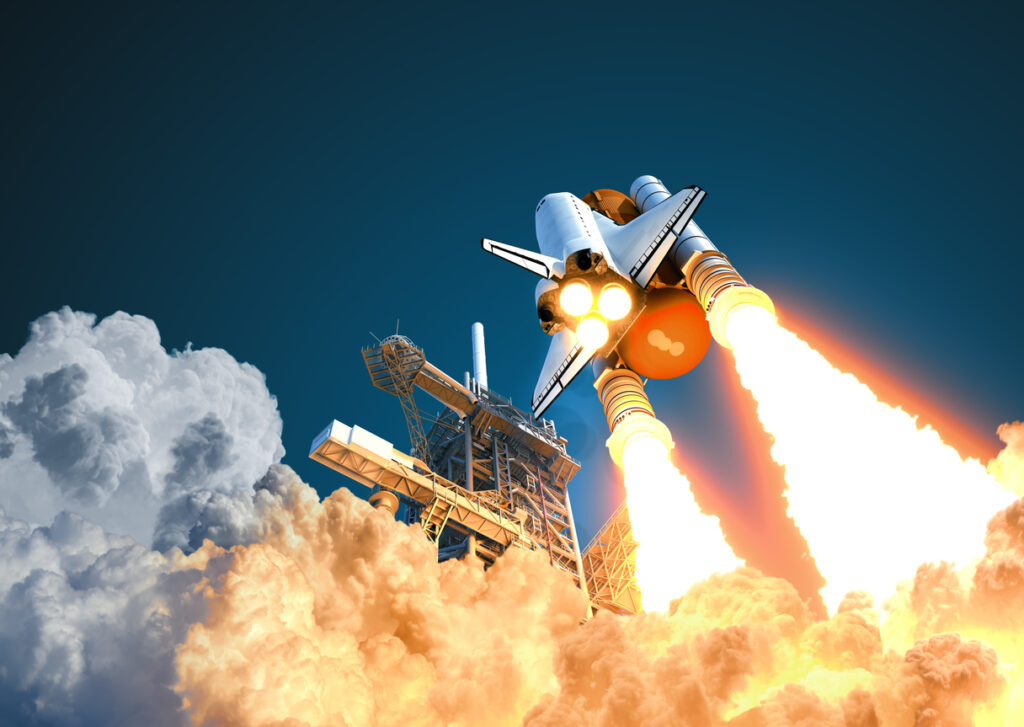
Re-entry pushes the body hard as gravity returns. Astronauts feel heavy, unsteady, and sore as they land, and it can take days or weeks to regain strength. Muscles that worked differently in space need time to adjust, and standing upright feels difficult at first. This final stage shows how much the body changes during the mission. Returning to normal life becomes its own challenge, and recovery continues long after landing.