On paper, Britain has a long list of protected animals. Laws are in place, fines exist, and there’s plenty of official language about safeguarding wildlife.
Sadly, out in the real world, a lot of those animals are still struggling badly, and some are slipping closer to the edge every year despite all that supposed protection. The gap between being “protected” and actually being safe is wider than most people realise. Habitat loss, pollution, farming practices, and simple lack of enforcement mean many species are hanging on by a thread.
These are some of Britain’s protected animals that, for all the legal wording around them, don’t really stand much of a chance right now.
1. Hedgehogs still face deadly roads and shrinking gardens.
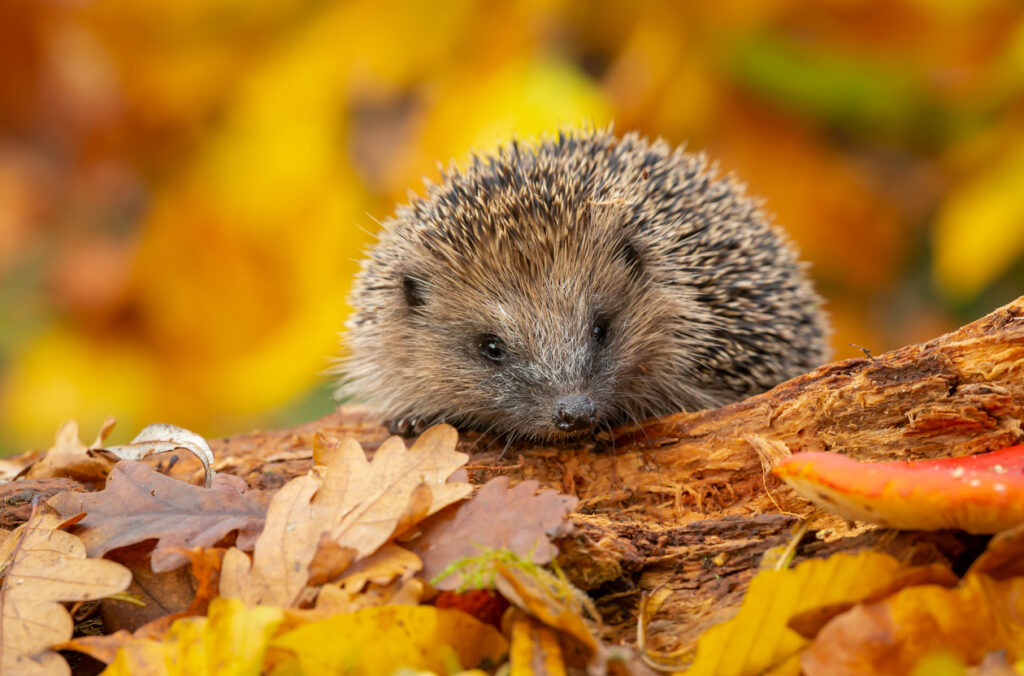
Hedgehogs are protected, but their numbers keep falling because modern gardens offer fewer hiding places and safe routes. Roads remain one of their biggest threats, and new housing developments break the green corridors they depend on. Protection doesn’t change the daily dangers they face when moving around at night.
Local garden efforts help, but the wider landscape isn’t designed with hedgehogs in mind. They’re still trying to survive in spaces that keep getting harder to navigate, and this makes the legal status feel more symbolic than practical.
2. Red squirrels lose more ground to habitat change.
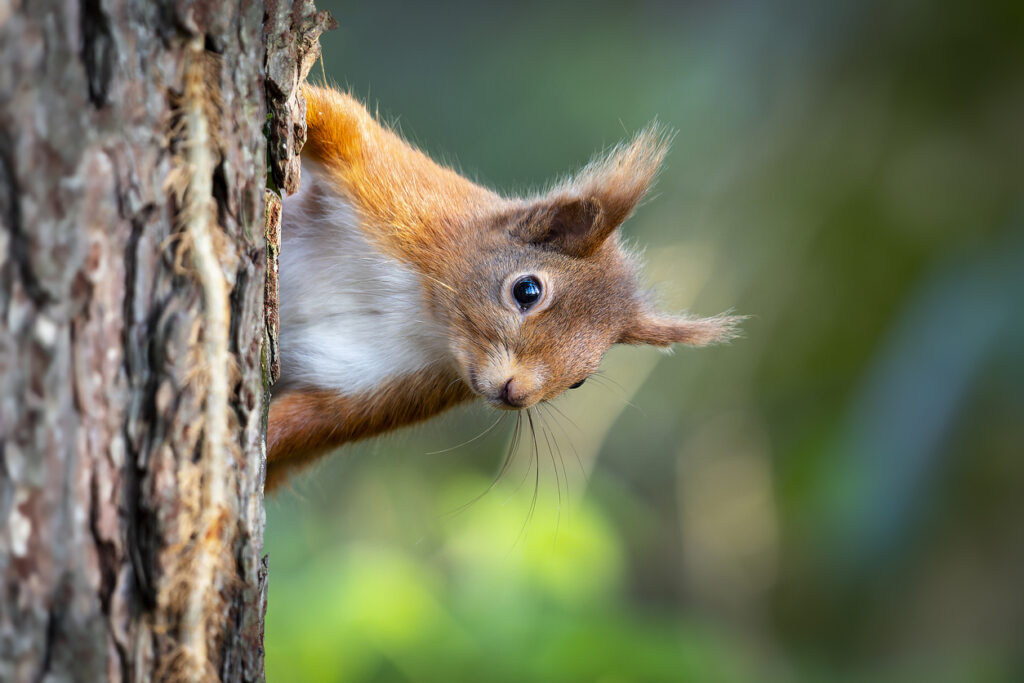
Red squirrels are protected, yet their woodland homes continue to shrink or change in ways that don’t suit them. Many forests are managed for timber rather than wildlife, which limits the mixed tree cover they need. These losses leave them with fewer safe places to live and feed. Even with protections, they can’t compete with the environmental shifts happening around them. Without larger and better-connected woodlands, they remain at risk, no matter what the law says.
3. Bats struggle with disappearing roost spaces.

Bats are highly protected, but old buildings, barns, and trees where they roost are being removed or renovated. Once those spaces are gone, bats are left searching for safe alternatives, and many never find suitable replacements. Their food supply is also affected when insect numbers drop.
Legal protection stops people from harming bats directly, but it doesn’t stop the steady decline of the places they rely on. They need stable habitats more than anything, and those continue to be lost at a worrying pace.
4. Water voles can’t escape predators or habitat loss.
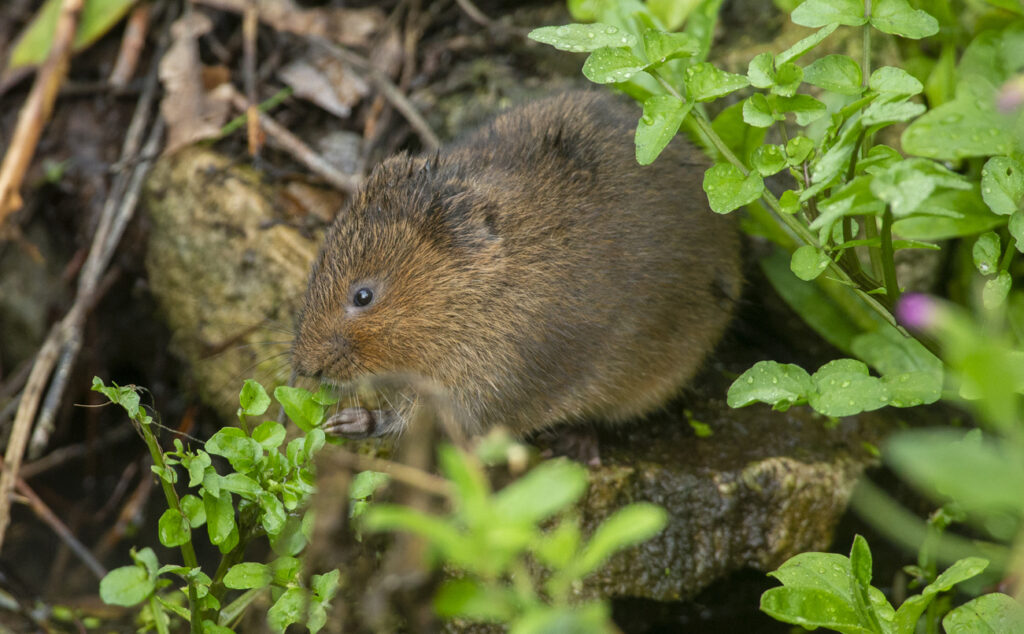
Water voles remain one of Britain’s fastest-declining mammals, even though they’re protected. Many waterways have been drained, polluted or reshaped, leaving them with fewer safe banks to live along. Predation from non-native species also continues to impact their chances of surviving in the wild. Protection doesn’t remove these pressures, and many colonies disappear before any conservation work reaches them. Without safer rivers and cleaner habitats, their status offers limited comfort.
5. Dormice are losing the dense woodland they depend on/
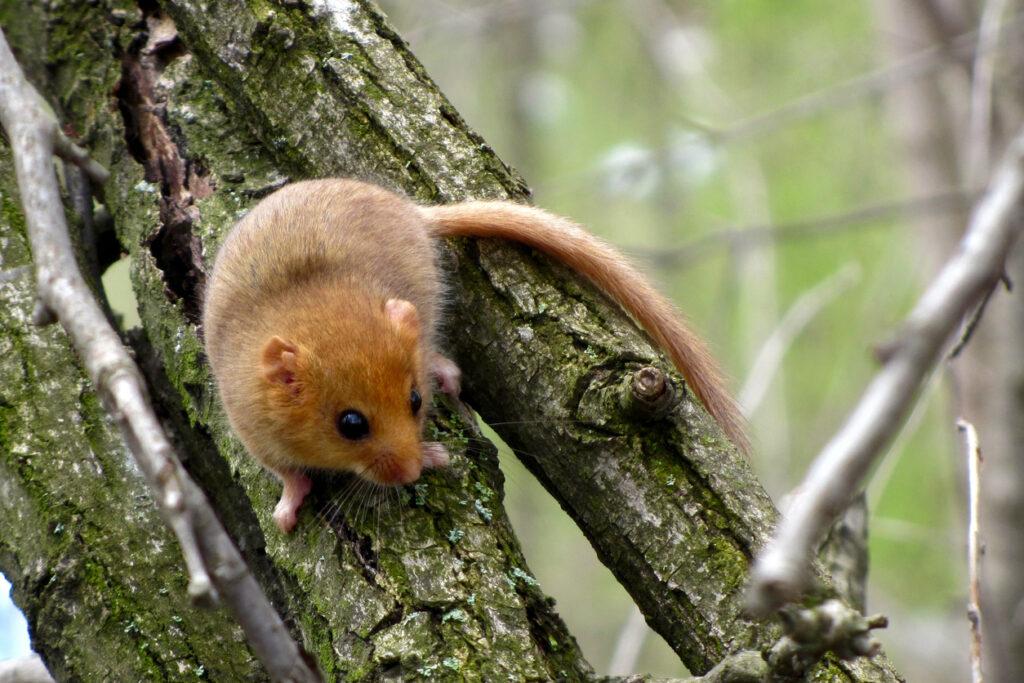
Dormice need old, connected woodlands full of climbing plants and sheltered pathways, yet those habitats are breaking apart. Even protected woodlands aren’t always managed in ways that help them, and the gaps between safe areas keep growing. This makes it much harder for dormice to travel, feed and breed. Legal status doesn’t rebuild their habitat, and many populations remain isolated. They survive only where the environment is perfect for them, and those places are becoming rare.
6. Pine martens remain scarce despite protection.
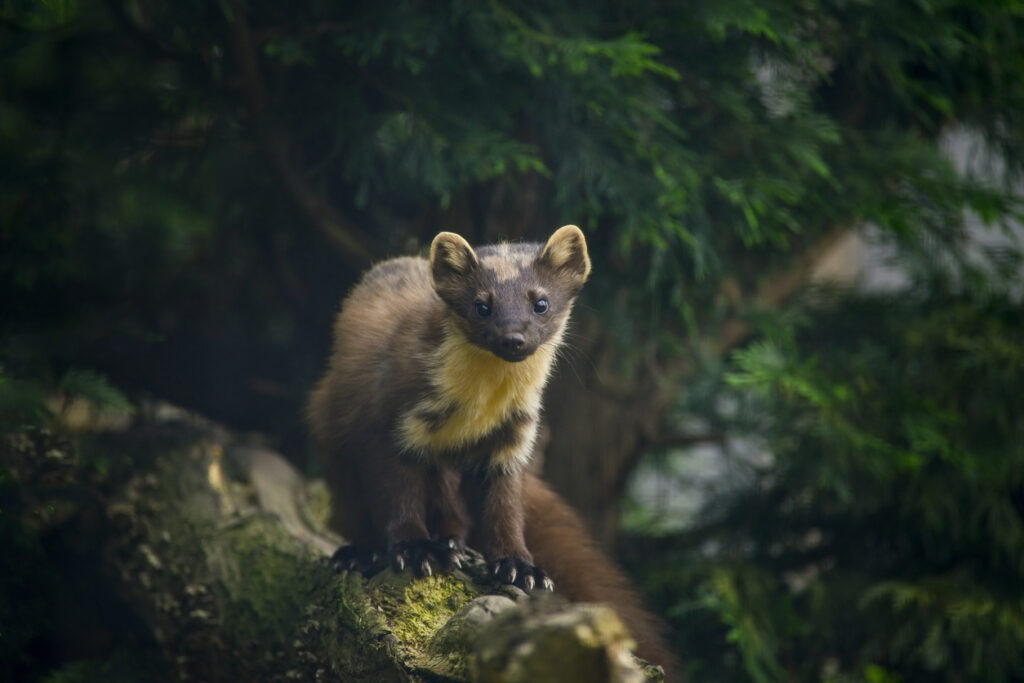
Pine martens are protected, but their populations are still limited in many parts of the country. They rely on large woodland networks, which have been disappearing for decades. Their natural range remains restricted because suitable territories don’t always link together. Even when numbers rise slightly, the patchy landscape works against them. Without more connected forests, their recovery stays slow and uncertain.
7. Great crested newts face pressures from land development.
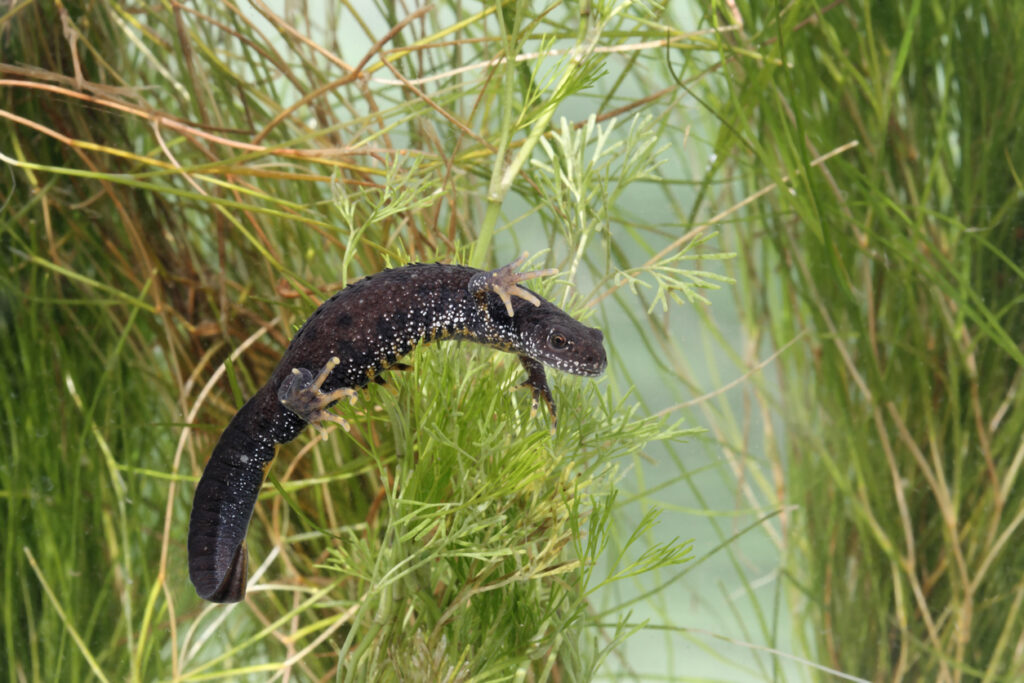
These newts have strong legal protection, yet the ponds they need continue to vanish as new housing grows. Moving or creating ponds helps, but many replacements don’t provide the same quality or stability. Newts often struggle to adapt when old breeding sites disappear. The law stops people from destroying habitats directly, but it can’t prevent the constant encroachment around them. Newts survive best in peaceful landscapes, and those are getting harder to find.
8. Scottish wildcats are pushed to the edge.
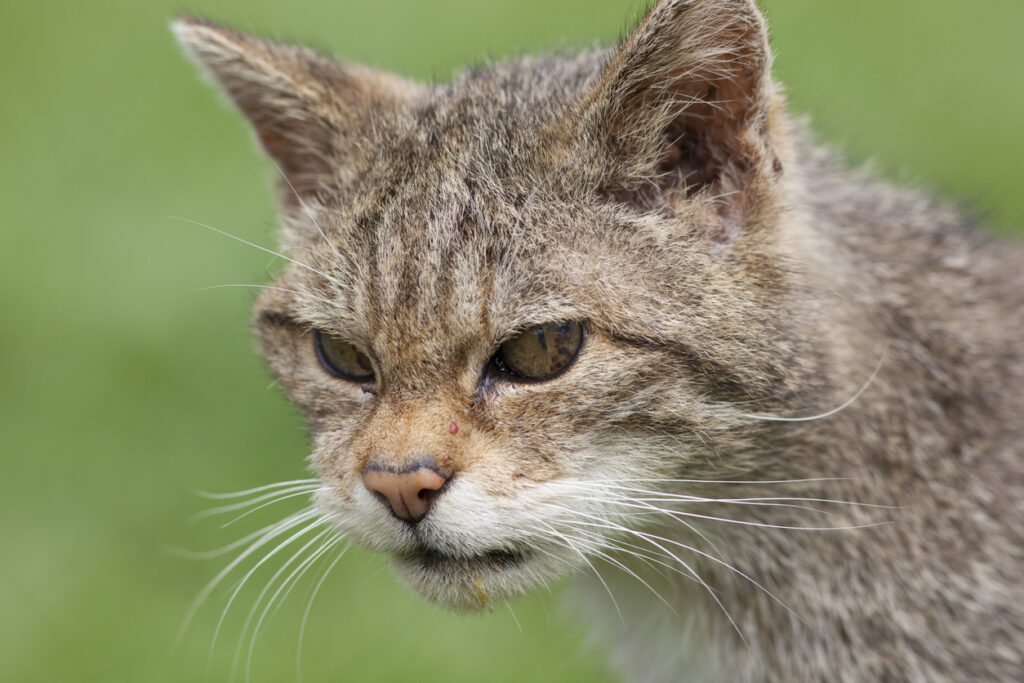
The Scottish wildcat is protected, but hybridisation with domestic cats continues to weaken the genetic line. Their remaining habitat is fragmented, and many individuals struggle to find safe territory away from human activity or farmland. Protection can’t undo the decades of decline they’ve faced. Their future depends on carefully managed breeding and secure land, and both remain limited resources.
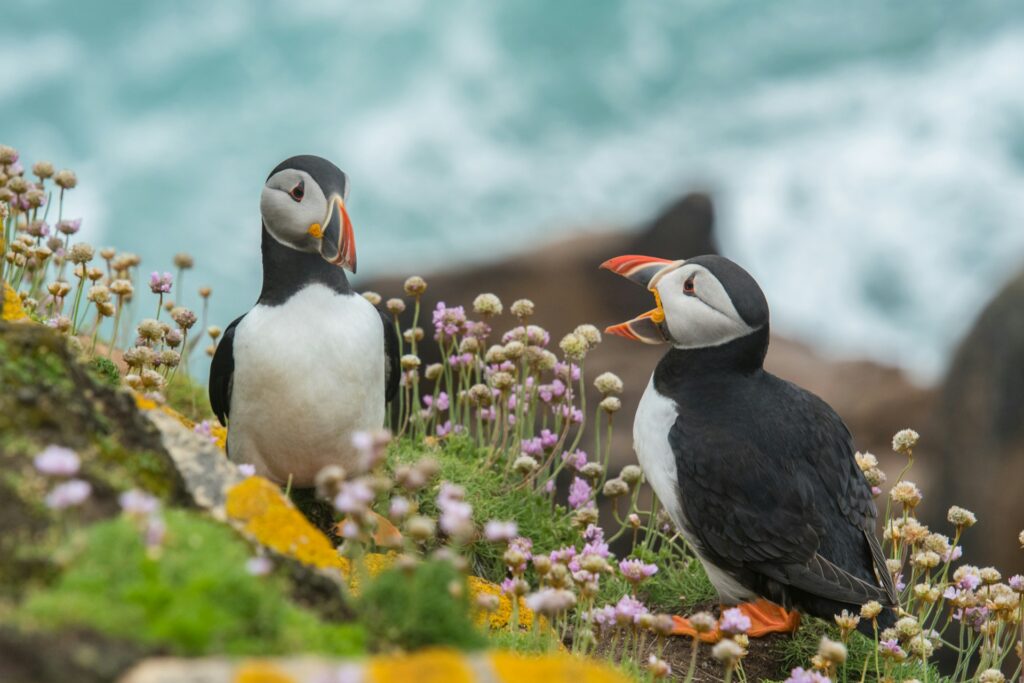
9. Seabirds suffer from warming seas and reduced food.
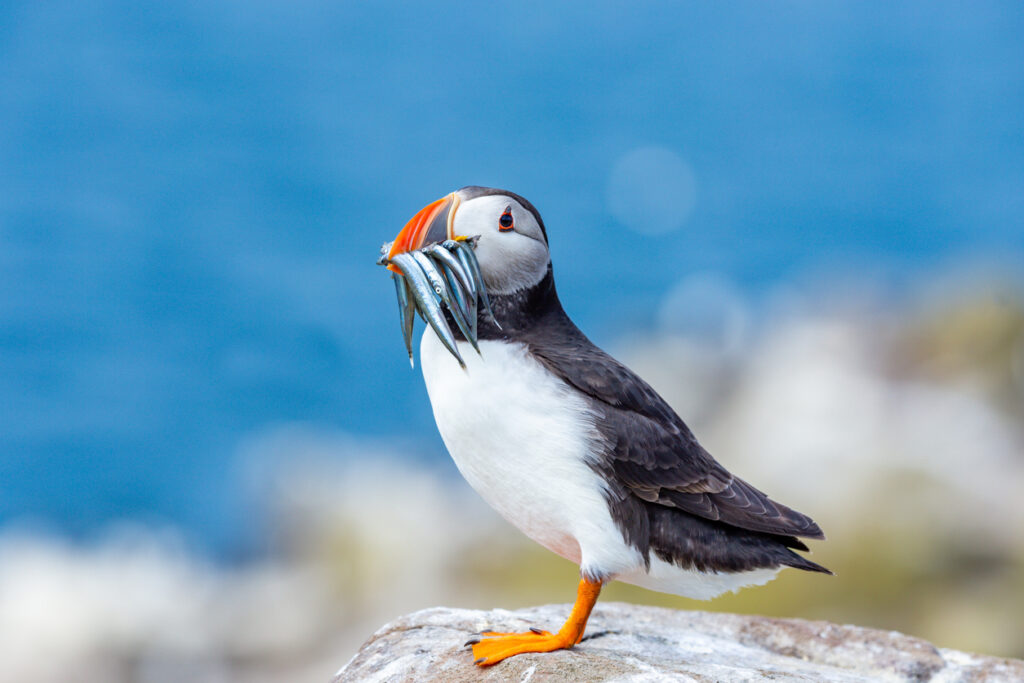
Many seabird species are protected, yet they’re still declining because rising sea temperatures change where fish gather. Less food means weaker chicks, unsuccessful breeding seasons and shrinking colonies. Storms and coastal erosion add even more pressure. The law can’t control the effects of climate change on their feeding grounds. Seabirds remain vulnerable because the sea itself is changing faster than they can adapt.
10. Adders retreat as their habitats become busier.
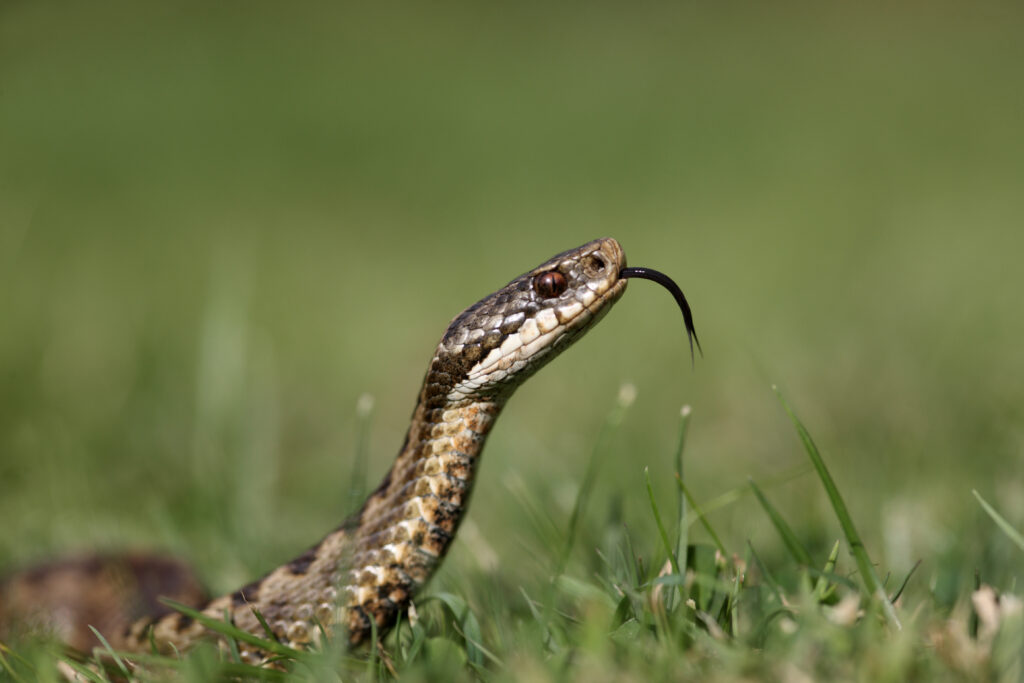
Adders are protected, but human disturbance continues to push them out of the places they once occupied. Dog walkers, cyclists and increased foot traffic often disrupt their basking spots, while habitat management sometimes removes the cover they need to hide safely. Even though harming them is illegal, the gradual decline of quiet spaces makes survival difficult. They need calm, undisturbed land to thrive, and those areas are becoming rare.
11. Bees and pollinators lose wildflower-rich land.

Some pollinators have targeted protection, yet wildflower meadows continue to shrink across Britain. Urban expansion, chemical use and intensive farming reduce their food sources and nesting sites. Protection means little if the landscape no longer supports them. Bees need consistent habitats to survive, and these areas have been declining for decades. Their survival depends on restoring land, not only preserving specific species.
12. Freshwater pearl mussels struggle in damaged rivers.

These mussels are fully protected, but pollution and sediment in rivers continue to destroy their habitats. Damaged waterways affect their entire lifecycle, especially since they rely on clean, fast-flowing water and healthy fish populations to reproduce. The law prevents direct harm, yet it doesn’t stop the wider environmental pressures destroying the conditions they need. They remain one of Britain’s most threatened aquatic species.
13. Beeswax moths threaten bumblebee nests.
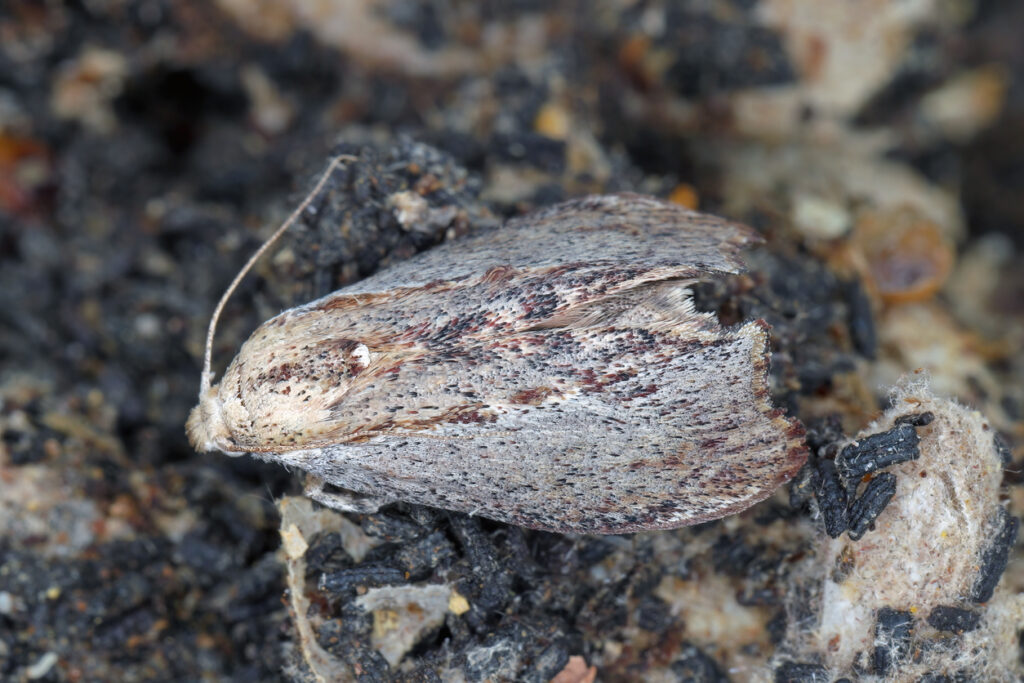
Some bumblebee species are protected, but threats from parasites like beeswax moths continue to grow. Shrinking habitats make nests easier to attack, and weaker colonies struggle to defend themselves. Protection doesn’t shield them from natural pressures that have become harder to survive.
Better habitats would help strengthen colonies, but until those are restored, many protected bees remain vulnerable. Their resilience depends on stable environments, which are disappearing faster than they can adapt to.