On a woodland walk, most people don’t think twice about picking up a pine cone or a nice-looking branch along the path.
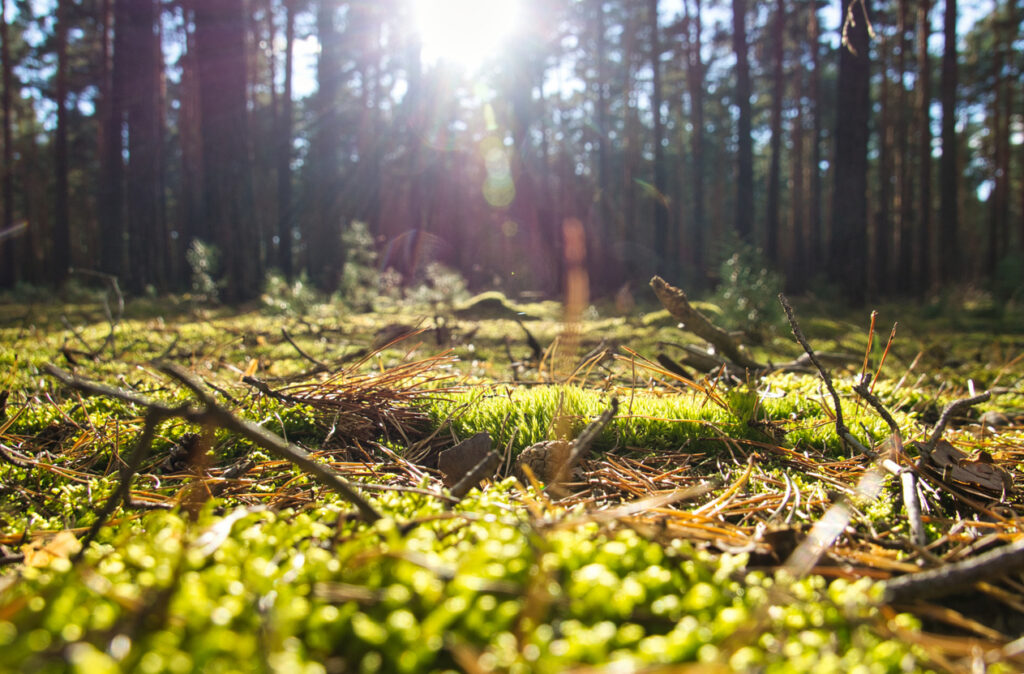
In a lot of British forests, though, those small actions can cause more trouble than people realise. Many fallen objects are part of delicate ecosystems or protected under UK conservation laws, so taking something that looks harmless can actually disturb wildlife or damage habitats.
When you know what should be left alone, you start to notice how much life depends on things that look ordinary. Fallen branches, leaf piles and even moss play really important roles in keeping the woodland healthy. Leaving things where you found them means the wildlife gets what it needs, and you get to enjoy the forest without accidentally harming it.
1. Fallen logs that support fungi and insects

Fallen logs aren’t just bits of old wood lying around. They’re homes for beetles, worms, fungi and tiny mammals that need damp, rotting material to survive. These logs create small pockets of shelter and food that keep entire groups of species going. When someone drags a log away, they’re removing a living space those creatures rely on.
If you leave logs where they fall, the forest continues to feed itself naturally. As the wood breaks down, it returns nutrients to the soil, which feeds the plants above and keeps everything moving in a healthy cycle. It’s one of the simplest ways the woodland takes care of itself.
2. Moss that holds moisture for the whole forest

Moss gets taken for home crafts, terrariums or garden decoration, but it grows extremely slowly. It acts like a sponge, keeping moisture in the soil and helping plants survive dry spells. Removing patches of moss dries the ground out and removes shelter for insects that depend on damp places.
Leaving moss where it is keeps the woodland from losing moisture too quickly. It absorbs water after rainfall and helps release it slowly, which supports the wider habitat. That small green carpet is doing more work than most people expect.
3. Leaf litter that protects new plant growth

Those piles of leaves look messy, but they shield seeds and young shoots from cold weather and hungry animals. As the leaves break down, they enrich the soil and prepare the ground for next year’s growth. Removing them interrupts this natural process and exposes fresh growth before it’s ready.
If you let leaf litter stay put, the woodland renews itself properly. It might not look tidy, but it’s one of the most important parts of helping plants survive each season without human interference.
4. Fallen branches and twigs that are legally protected in many areas
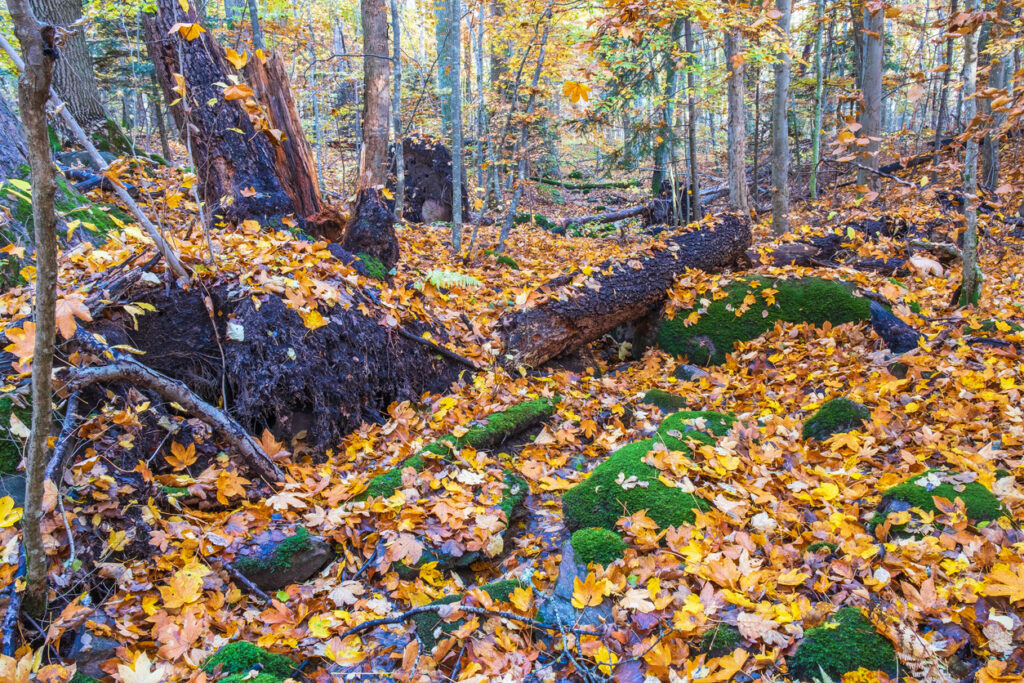
Picking up sticks seems harmless, but in many protected UK woodlands it’s against the rules to remove natural materials. Birds, insects and small mammals hide under them, and without that cover they struggle to stay protected. Those twigs are also part of the soil-building process once they start to rot.
Leaving branches where they land keeps tiny wildlife safe and shelters creatures that would otherwise have nowhere to hide. The less tidy the forest floor looks, the healthier it usually is.
5. Pine cones that feed birds and small animals
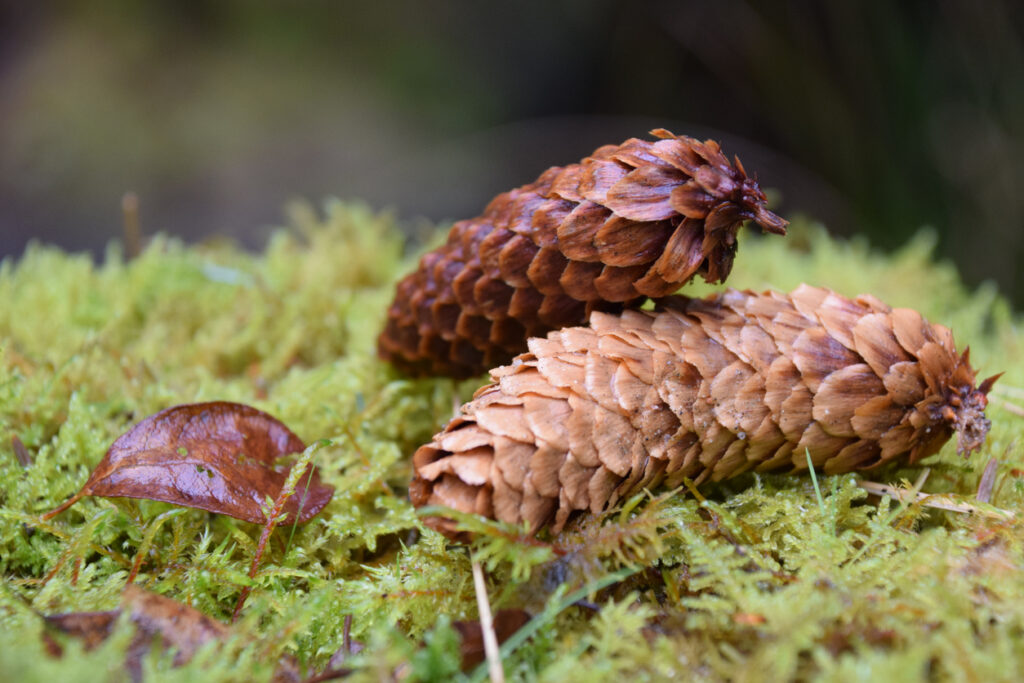
Pine cones are tempting to collect, but many woodland animals rely on the seeds inside, especially during colder months. When people take large numbers home, they’re removing a food supply that wildlife is counting on. If you leave pine cones on the ground, birds, and mammals get a better chance of finding the food they need. It’s a small choice that helps the whole woodland stay balanced through the year.
6. Wildflowers that are protected by law
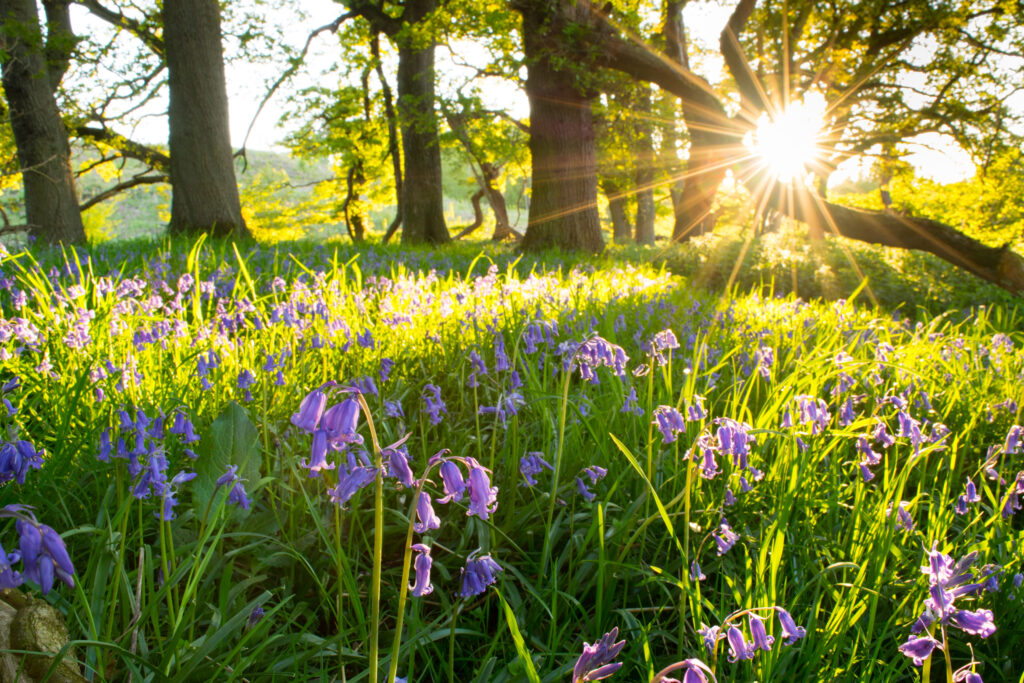
Many woodland flowers look so delicate that people assume picking one is fine. In reality, lots of native wildflowers are protected in the UK, and disturbing them can damage local plant populations that are already under pressure. Pollinating insects rely on them too, so removing flowers affects much more than just the plant itself. Enjoying them without touching keeps the population healthy. When the flowers remain rooted, they spread seeds naturally and keep the woodland colourful for future visitors.
7. Fungi that break down dead matter
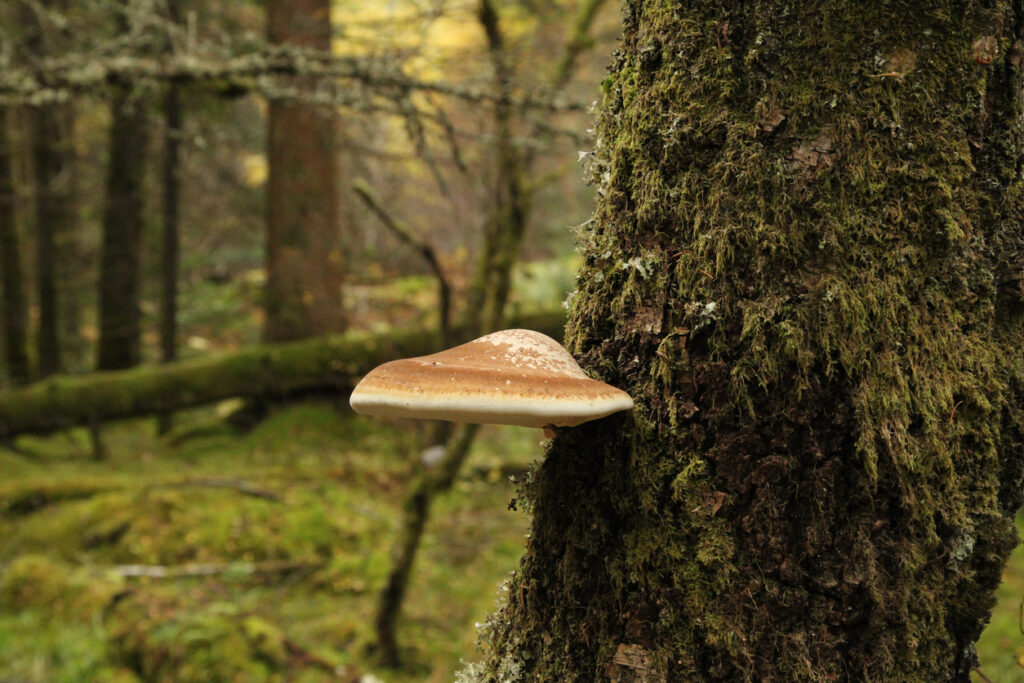
Gathering mushrooms might look harmless unless you know the rules of the area. Fungi break down dead wood and return nutrients to the soil, helping the forest recycle waste. Removing them slows that process and affects the health of the ground beneath your feet. Leaving fungi where they grow keeps that cycle going. They’re not just interesting to look at, they’re doing essential work that benefits the whole woodland floor.
8. Rocks and stones that shelter insects

Lifting stones to see what’s underneath seems harmless, but taking them disrupts dark, sheltered spaces where beetles and larvae survive. Those tiny creatures need cool, hidden spots, and once stones are removed, those spaces disappear instantly. Leaving stones in place protects the insects that break down organic matter and keep the soil healthy. That hidden world under a single rock is part of what keeps the woodland alive.
9. Dead leaves that hedgehogs use for nests

Lots of people like sweeping piles of leaves together, but in woodland spaces those piles are valuable winter shelter. Hedgehogs and other small animals use them to build nests and stay safe during colder months. Disturbing leaf piles removes their protection. Leaving leaves where they are supports species that are already struggling in the UK. A simple choice like letting leaf piles sit undisturbed genuinely helps hedgehogs survive the season.
10. Feathers from protected birds

It’s easy to forget that UK law protects birds and their feathers. Picking up feathers from native species, even if they’ve fallen naturally, is illegal in many cases. They’re part of a protected animal, so collecting them is treated the same as disturbing the bird itself. Leaving feathers where they land keeps you on the right side of the law, and it also leaves natural materials available for nesting birds that might use them.
11. Acorns and nuts that feed woodland animals

Collecting acorns or chestnuts might seem harmless, but these nuts are a major food source for deer, squirrels, and birds. Removing them takes away something vital, especially during winter when food is already limited. Leaving nuts where they fall helps wildlife make it through the tougher months. Nature provides what the animals need, so the best thing we can do is avoid interrupting that supply.
12. Anything from Sites of Special Scientific Interest
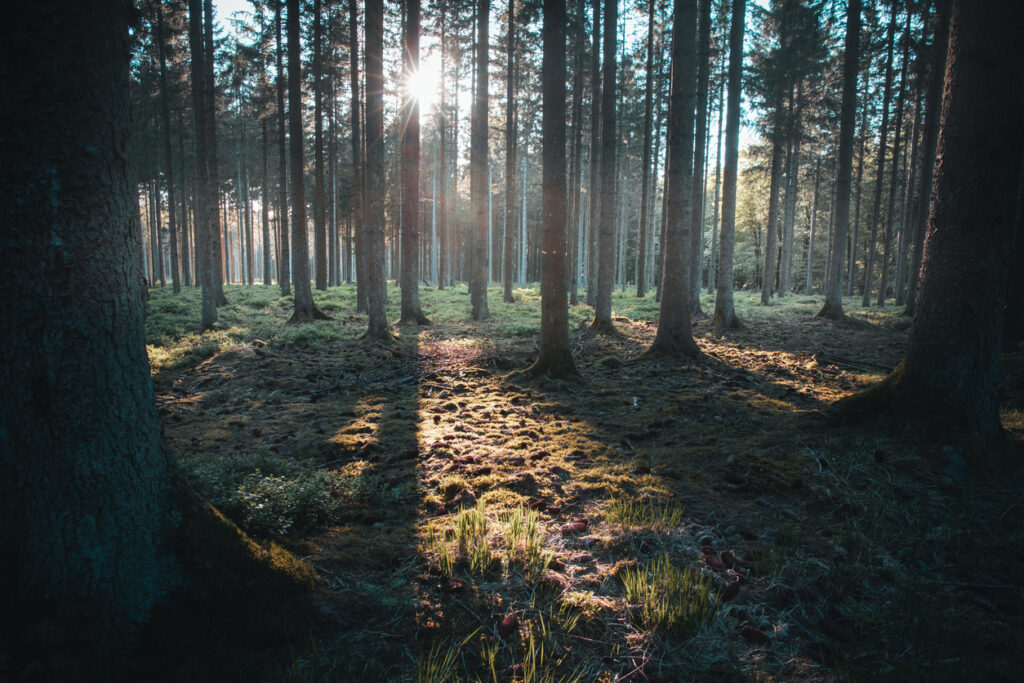
Many people don’t realise they’re walking through sites protected for their rare species or delicate habitats. In these areas, even taking a small natural object can break conservation rules and lead to fines because everything in that environment matters. Reading signs and sticking to marked paths helps protect the plants, insects, and soil that make the place special. Leaving everything exactly where it is supports the conservation work happening behind the scenes.