British plants have had thousands of years to figure out how to deal with cows, sheep, deer, and rabbits munching on them constantly.
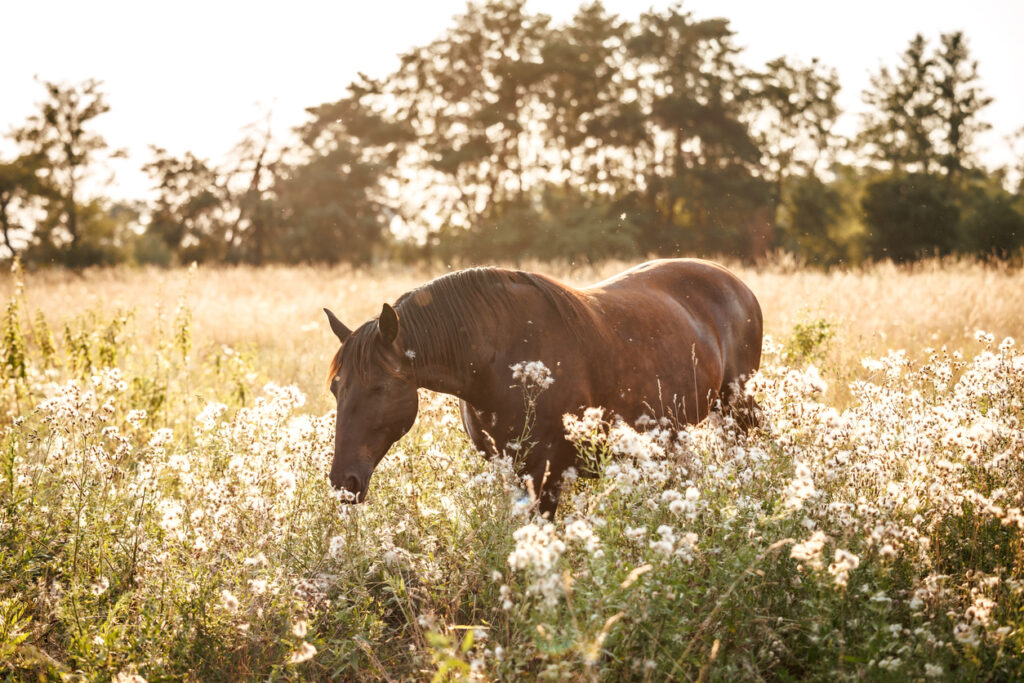
The ones that survived weren’t just lucky, they developed proper clever tricks to make themselves less appealing or downright nasty to eat. These adaptations show that plants aren’t just sitting there helplessly waiting to be someone’s dinner, they’re fighting back in surprisingly smart ways.
1. Nettles covered themselves in tiny needles.
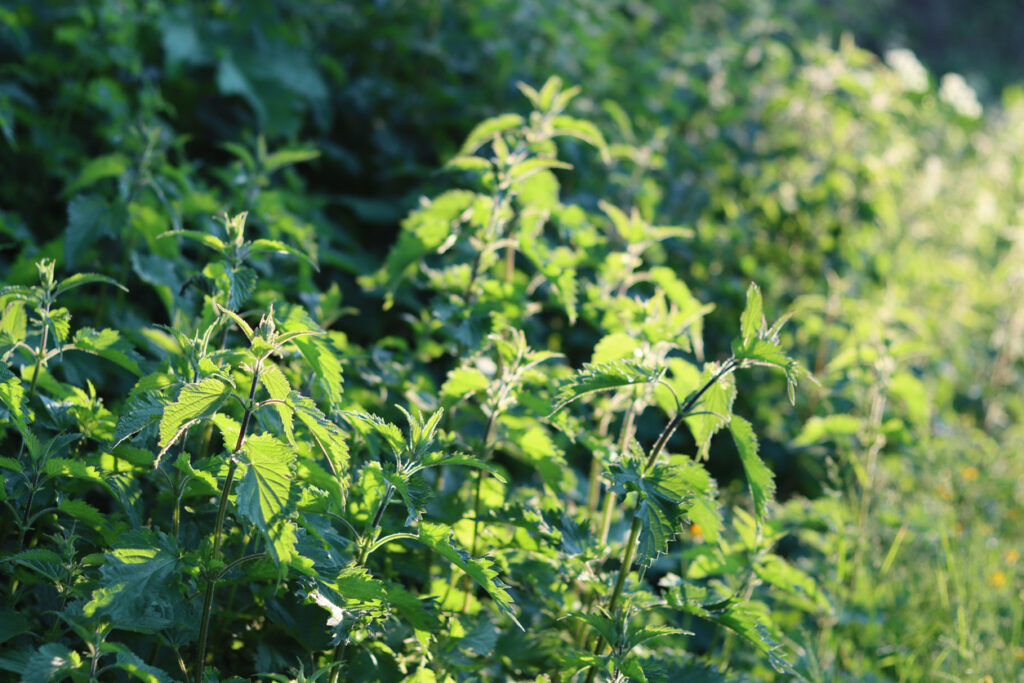
Stinging nettles are absolutely covered in hollow hairs that work like tiny hypodermic needles. When something brushes against them, the hairs break off and inject a cocktail of chemicals that cause that horrible burning sensation everyone who’s been in the British countryside knows too well.
This defence is so effective that most grazing animals learn to avoid nettles completely after one bad experience. The only animals that regularly eat them are a few specialist insects whose mouths have evolved to handle the stings, but general grazers like sheep and cows give them a wide berth.
2. Gorse grew vicious spines instead of normal leaves.
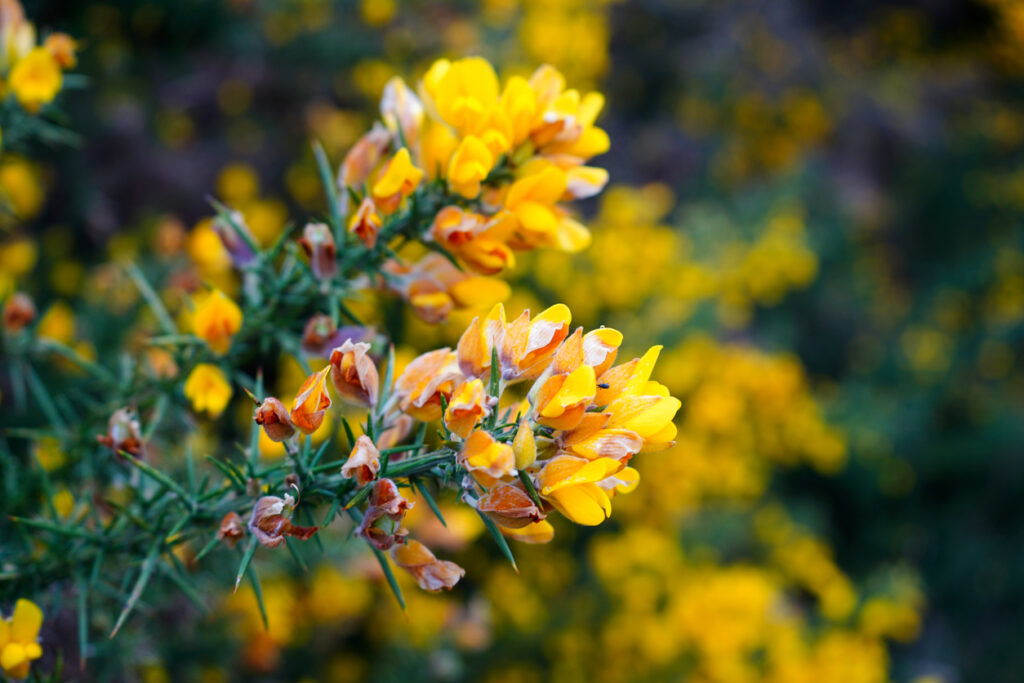
Gorse bushes have replaced their leaves with seriously sharp spines that make them almost impossible to eat without getting stabbed in the mouth. These aren’t just pointy bits, they’re rock-hard and sharp enough to properly hurt anything that tries to take a bite.
The spines are so effective that gorse can grow in places that are absolutely hammered by grazing animals, where other plants can’t survive. Sheep and cattle just won’t bother with it when there’s literally any other option available, which lets gorse dominate areas with heavy grazing pressure.
3. Buttercups made themselves poisonous.
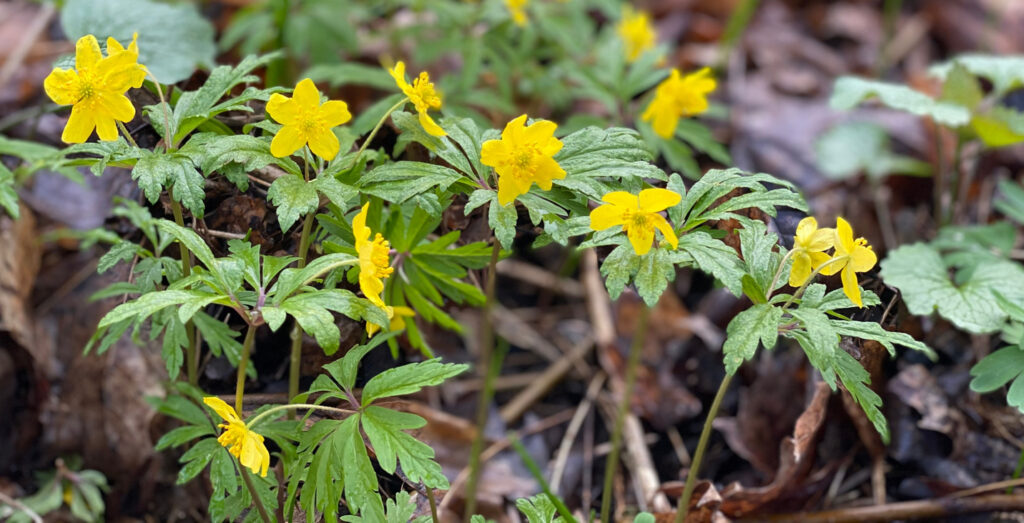
Buttercups contain a nasty chemical called ranunculin that turns into a blistering agent when the plant’s damaged. Animals that try to eat buttercups end up with mouth ulcers and digestive problems, which teaches them pretty quickly to leave these bright yellow flowers alone.
You’ll notice buttercups are often the only things left standing in heavily grazed fields because livestock have learned they’re not worth the bother. The plant can spread freely while everything else gets munched down, which is why you see entire fields covered in them sometimes.
4. Thistles armoured themselves completely.
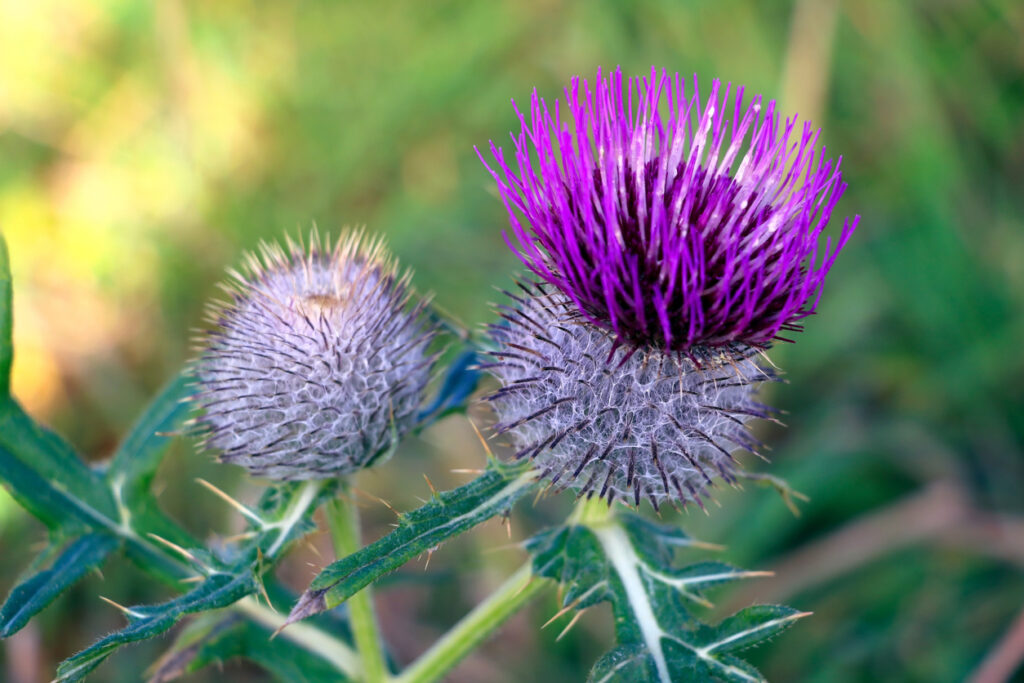
Thistles have spines on their leaves, stems, and even around their flower heads, making them basically uneatable for most grazing animals. The spines aren’t just for show either, they’re sharp and rigid enough to cause real pain if something tries to bite through them.
Only a few specialists like goldfinches can access thistle seeds because they’ve got thin beaks that can get past the spines. Everything else has to leave thistles alone, which is why they do so well in pastures where sheep and cattle have eaten everything else down to nothing.
5. Bracken produces carcinogens.
Bracken fern doesn’t just taste bad, it’s actually poisonous and contains chemicals that can cause cancer with long-term exposure. Animals that eat too much bracken can develop serious health problems, so most grazing animals instinctively avoid it after a few bad experiences.
This chemical warfare is so effective that bracken can completely take over hillsides and moorland where sheep are grazing. The sheep eat everything else and leave the bracken, which then spreads like mad because it’s got no competition. It’s become a massive problem in some areas because it’s so good at not being eaten.
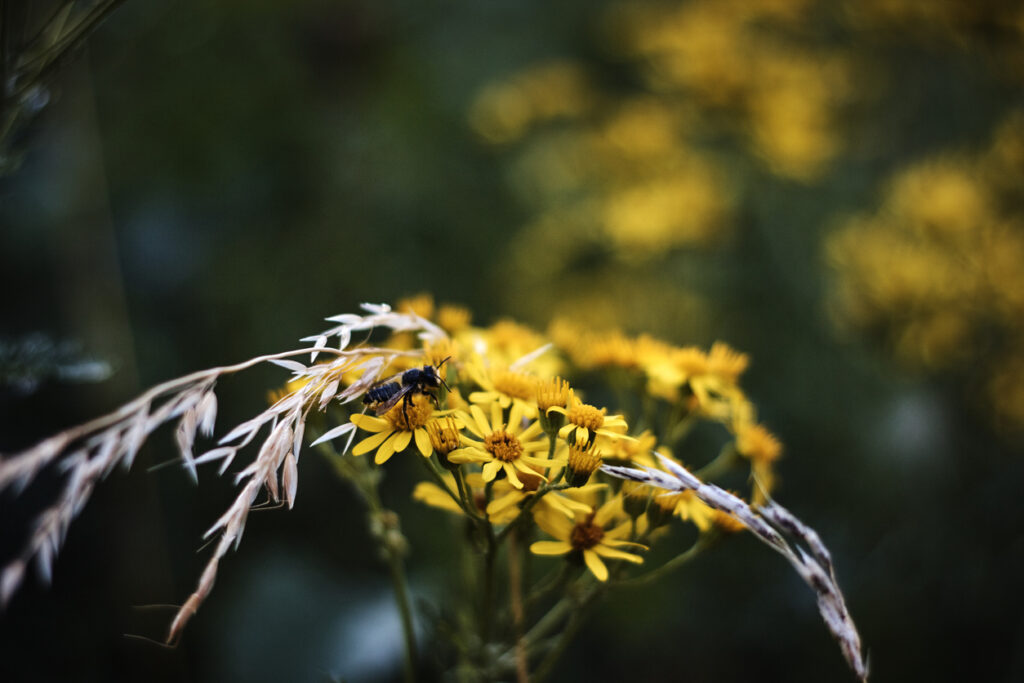
6. Ragwort tastes absolutely awful.
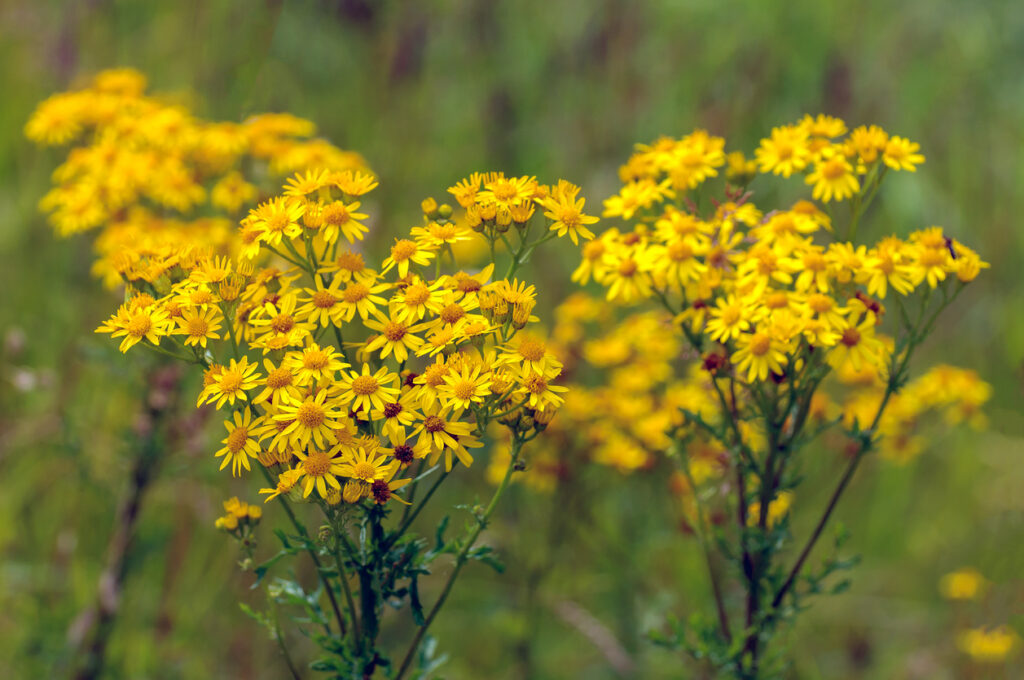
Ragwort contains alkaloids that make it taste disgusting and cause liver damage if eaten in large amounts. Most grazing animals won’t touch it when it’s fresh because the taste is so rank, though it becomes more dangerous when dried in hay because animals can’t taste it anymore.
The bright yellow flowers are actually a warning signal, telling animals this plant isn’t food. Fields full of ragwort show where grazing pressure is heavy because it’s one of the few things left standing after everything palatable has been eaten.
7. Brambles grew hooks everywhere.
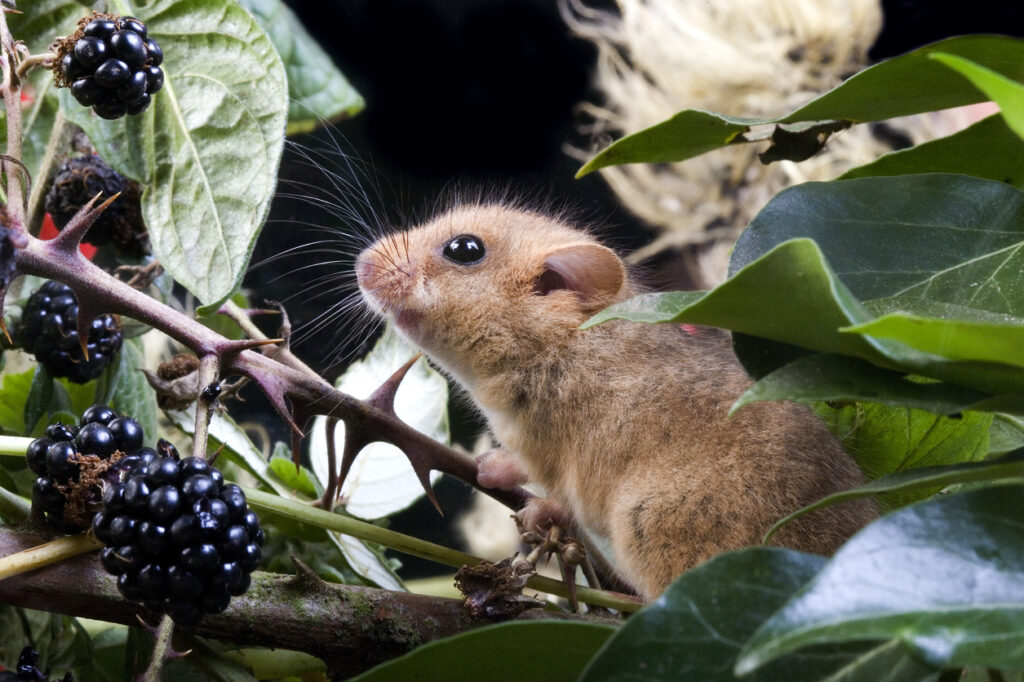
Blackberry brambles are covered in curved thorns that hook into anything that tries to push through or eat them. The thorns aren’t just on the stems, but on the undersides of leaves too, making them properly difficult to deal with from any angle.
These thorns are so effective that brambles can create impenetrable thickets that livestock simply can’t get through. The plants form protective barriers where other less defended plants can grow safely inside the bramble fortress, away from grazing animals.
8. Rosettes hug the ground.
Plants like daisies and plantains grow in flat rosettes that press right against the soil surface. This growth pattern means grazing animals can’t get their mouths properly around the plant because it’s too close to the ground, and they’d end up with a mouthful of dirt if they tried.
This is why you see these rosette plants absolutely everywhere in heavily grazed lawns and pastures. Taller plants get eaten, but these low-growing ones survive because they’re literally too short to graze effectively. It’s a simple but brilliant adaptation that lets them thrive where others can’t.
9. Hawthorn formed defensive hedges.

Hawthorn trees are covered in long, sharp thorns that make them horrible to bite into. They’re so good at defending themselves that humans have used them for centuries to create livestock-proof hedges that cattle and sheep can’t push through or eat.
The thorns are strong enough to puncture skin and cause proper injuries, so most animals learn quickly to avoid hawthorn. The trees can grow into dense, thorny barriers that protect themselves and create sheltered spots where other plants can grow safely behind the thorny wall.
10. Foxgloves are absolutely toxic.

Foxgloves contain digitalis, which affects the heart and is deadly in even relatively small amounts. The entire plant is poisonous, from the roots to the flowers, and most grazing animals instinctively avoid them because they taste bitter and make them feel unwell.
These tall, showy plants can grow freely in grazed areas because nothing will eat them. They’re so toxic that even touching them can cause skin irritation in some people, which is proper overkill as a defence mechanism. The fact they’re still around shows how effective being poisonous is as a survival strategy.