We all know that getting some fresh air is good for the soul, but it turns out that not all strolls through the woods are created equal when it comes to your mental health.

While a quick power walk might clear your head, there’s a specific, more intentional way of engaging with the trees that actually triggers a biological change in your stress levels. It’s less about hitting a step count and more about how you’re using your senses to plug back into the natural world. Scientists are now finding that by slowing down and focusing on the right environment, you can majorly drop your cortisol levels and give your nervous system a much-needed reset.
The slow, meandering wander with no fixed agenda
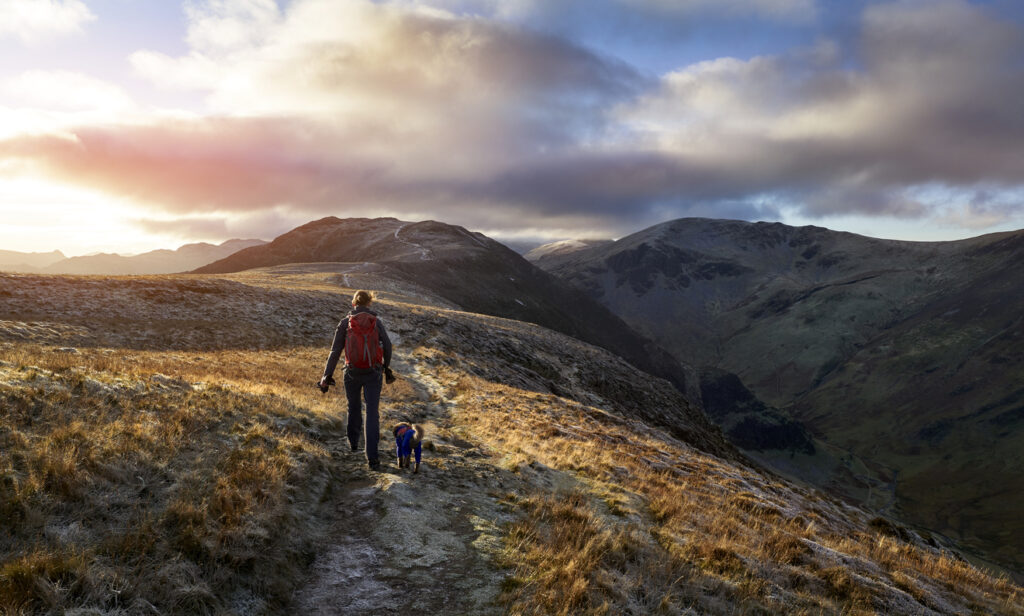
The walk that genuinely lowers stress is rarely the efficient one. It’s the aimless drift where you’re not trying to complete a circuit or beat a time. When you allow yourself to wander without a strict plan, your brain transitions out of task mode. That alone reduces mental load. Stress is often tied to goals, deadlines, and performance, so removing those elements changes your internal state surprisingly fast.
There’s also something calming about giving yourself permission to go nowhere in particular. Turning left because it looks interesting rather than because it’s marked on a sign takes pressure off. Your breathing softens. Your shoulders drop. The body responds quickly when it realises there’s no rush attached to the movement.
The quiet walk without headphones or background noise
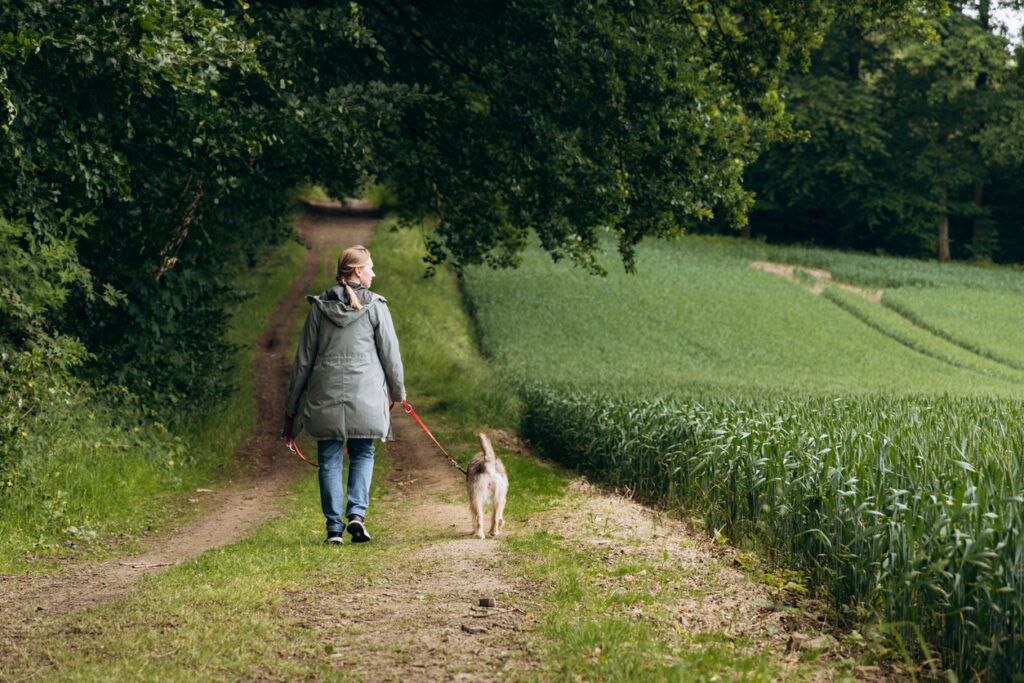
Silence in a forest isn’t truly silent. It’s layered with birdsong, distant wind, leaves brushing together, and the faint rhythm of your own footsteps. That kind of natural sound has a regulating effect on the nervous system. It’s steady and unpredictable in a gentle way, which keeps your senses engaged without overwhelming them.
When you remove podcasts or music, your mind gradually slows to match what you’re hearing. There’s less input to process. You’re not switching attention between content and surroundings. That simple reduction in stimulation allows stress hormones to dip more easily.
The woodland that feels slightly wild rather than manicured

There’s a noticeable difference between a landscaped park and a proper woodland with uneven paths, mossy trunks, and fallen branches. Slightly untamed environments signal something deeper and older. They don’t feel engineered for productivity or aesthetics. That rawness creates psychological space.
Research around natural environments shows that biodiversity and complexity often improve restorative effects. A woodland with variation in plants, light, and texture holds your attention softly. It doesn’t demand anything from you, and that absence of demand is key to stress reduction.
The walk where you consciously slow your pace

Many people enter the woods and automatically maintain their everyday walking speed. Slowing down intentionally changes the whole experience. When your steps become steady and unhurried, your breathing follows suit. A slower gait encourages deeper, more regular breaths, which directly impacts heart rate and cortisol levels.
You also notice more when you move slowly. The smell of damp earth, the colour changes in bark, the shape of fungi on a log. These small sensory details anchor you in the present moment without needing structured mindfulness exercises.
The route that mixes light and shade
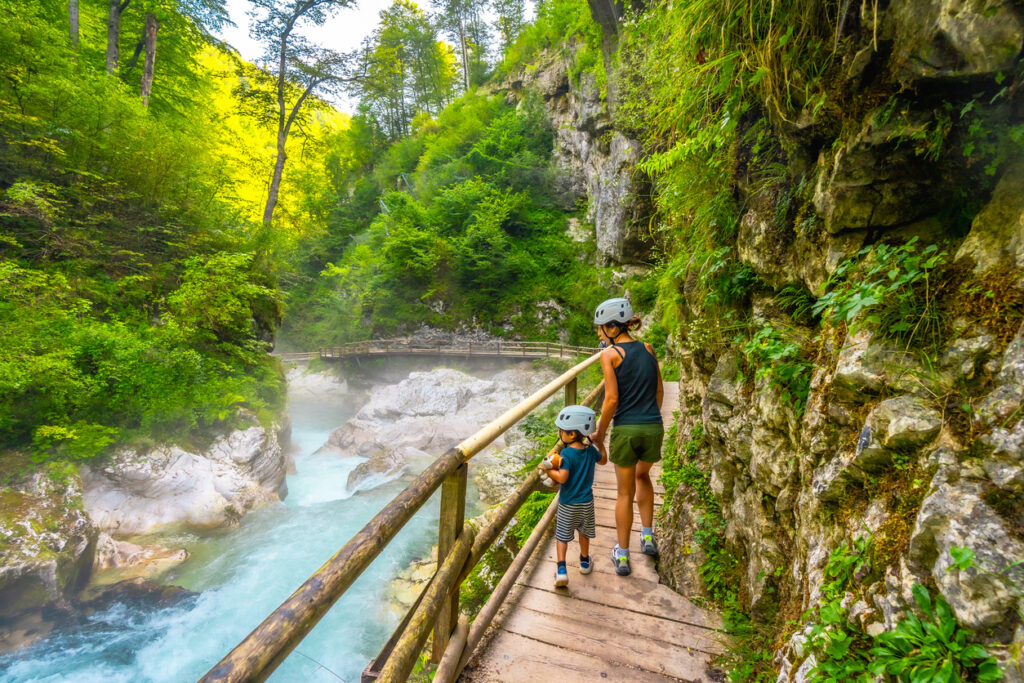
Forests that alternate between darker canopy and brighter clearings tend to feel especially restorative. Moving from shadow into filtered sunlight gives your senses a gentle rhythm. It’s stimulating enough to prevent boredom, but calm enough to avoid overload.
The changing light pattern also affects mood physiologically. Exposure to natural light supports circadian balance and serotonin levels. When that light is softened by leaves, it feels protective rather than harsh, which encourages a sense of safety.
The walk that includes deliberate pauses

Constant motion keeps your system in a low level of activation. The stress lowering walk includes stopping. Sitting on a fallen trunk. Standing still beside a stream. Resting your back against a tree and doing absolutely nothing for a minute or two. When you stop moving, your body gets a clearer signal that it’s safe. That stillness often triggers the biggest change. Heart rate drops further. Thoughts slow. You move from mild distraction to genuine calm.
The familiar woodland you return to repeatedly

Novelty is exciting, but familiarity can be more calming. When you revisit the same stretch of forest, your brain doesn’t have to scan constantly for new information. There’s less vigilance. You already know the bends, the muddy patches, the open glade up ahead. As time goes on, the place itself becomes associated with calm. Just stepping into it can cue a relaxation response because your body remembers the previous visits. That repetition strengthens the stress reducing effect.
The solo walk, at least occasionally
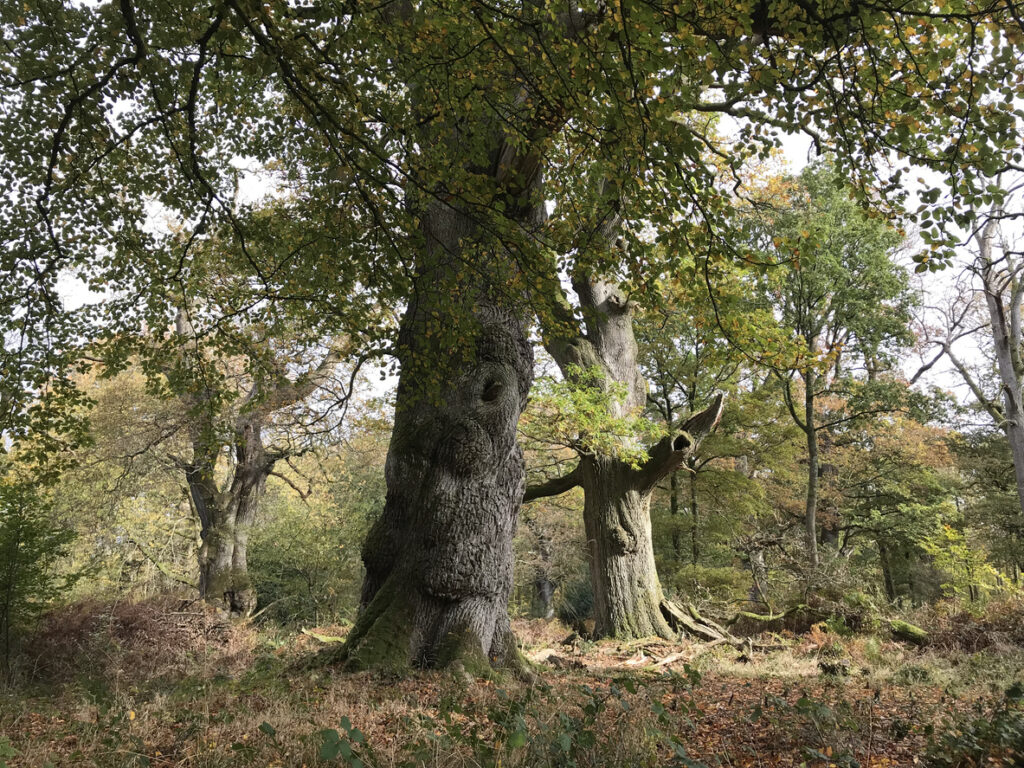
Walking with friends is lovely, but conversation keeps your cognitive system active. A solo woodland walk allows thoughts to settle naturally. You’re not responding, explaining, or reacting. There’s room for mental processing without interruption. Alone in a forest, the mind often untangles things without effort. Problems that felt urgent can shrink in scale. That perspective change is a big part of why stress eases.
The phone-free stretch with limited signal
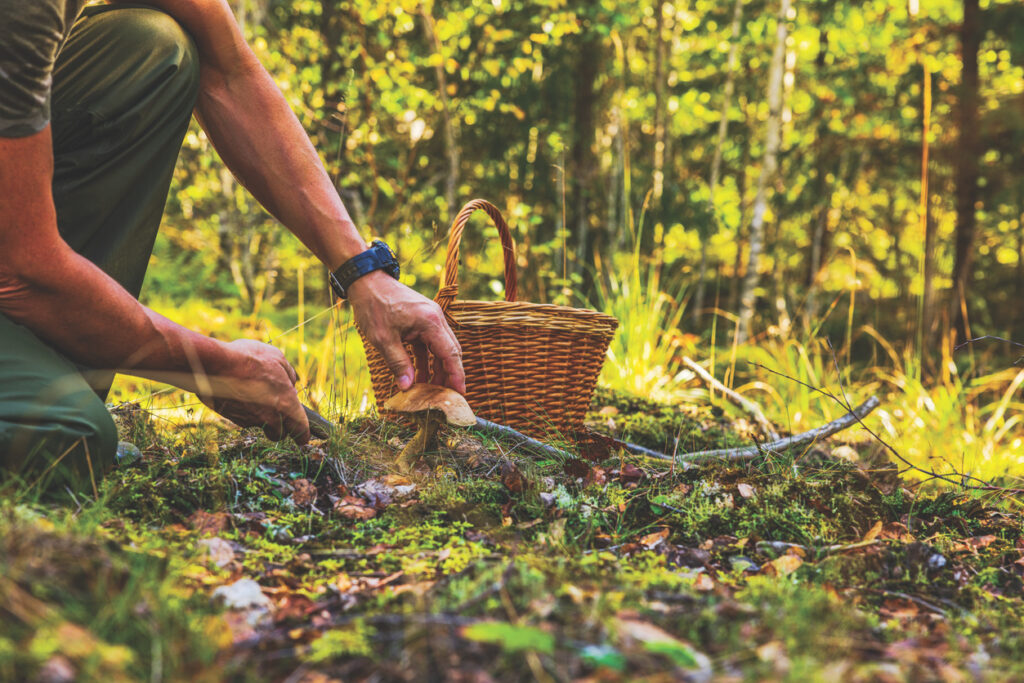
Even when we’re not actively using our phones, part of us waits for the next alert. In a forest with poor signal, that background expectation disappears. You’re unreachable for a while, and that matters. Without digital interruptions, your attention spreads wider. You’re not bracing for the next notification. That absence of anticipation reduces the subtle tension most of us carry all day.
The walk that engages multiple senses at once
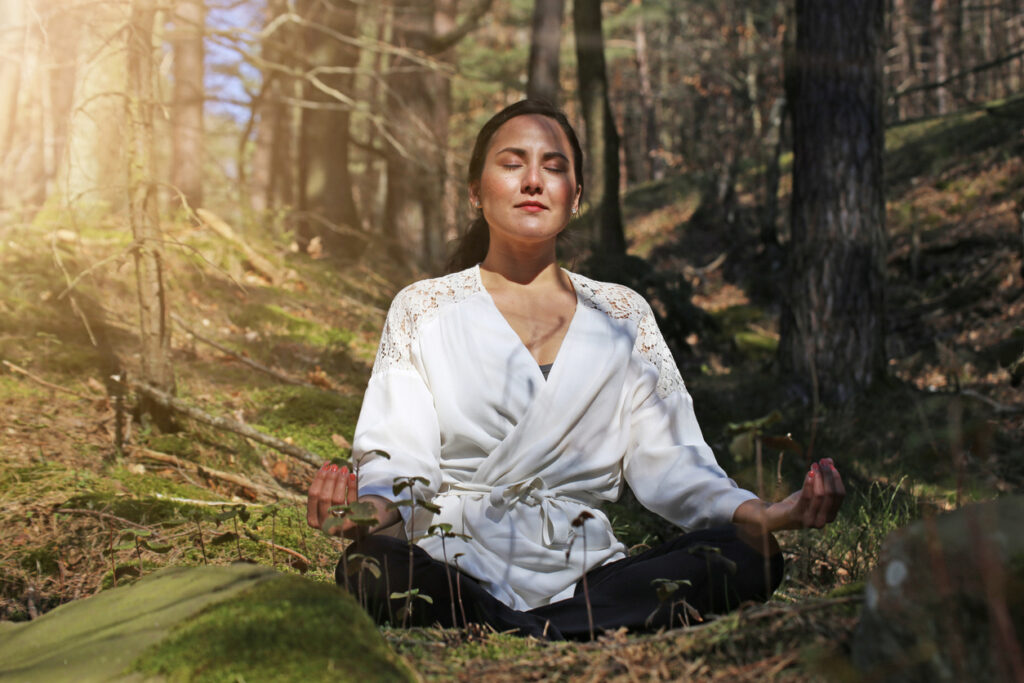
The most stress reducing woodland experiences involve more than just sight. The smell of pine or damp leaves, the feel of bark under your hand, the sound of birds, the sensation of uneven ground underfoot. When several senses are gently engaged, the mind becomes grounded without force. That full sensory immersion pulls you away from abstract thought and back into physical presence. Stress thrives on rumination. Sensory engagement interrupts that loop naturally.
The forest walk that lowers stress isn’t about distance, fitness, or impressive scenery. It’s about pace, quiet, repetition, and allowing the environment to lead. When you move slowly through a woodland without a goal and without distraction, your nervous system recognises that nothing urgent is happening. That recognition alone is often enough to bring real, measurable calm.