The grey-headed albatross is a bit of a legend in the bird world, but unless you’re a serious nature documentary fan, it’s a species that probably hasn’t crossed your radar.
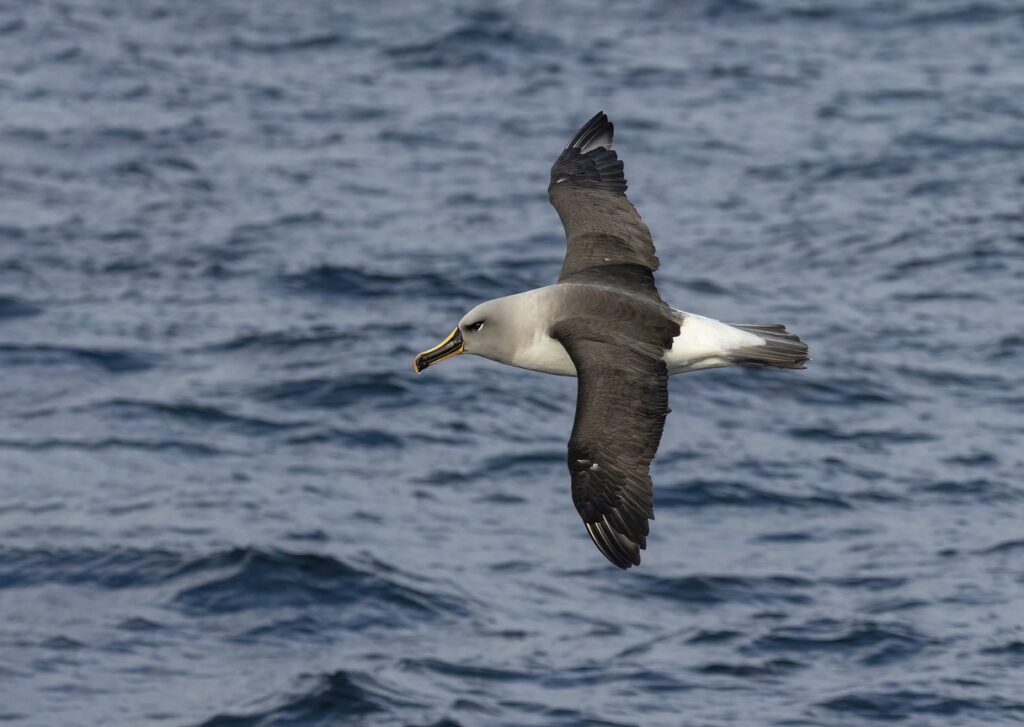
These aren’t just your average seagulls; they’re absolute masters of the Southern Ocean, spending years at a time away from land and navigating some of the most brutal weather on the planet with total ease. From their incredible wingspans to the fact that they can circumnavigate the entire globe in a matter of weeks, there’s a lot more to these birds than just a striking plumage. It’s a life defined by endurance and some truly impressive biological quirks that make them one of the most resilient creatures in the sky.
1. It’s a true master of the Southern Ocean.
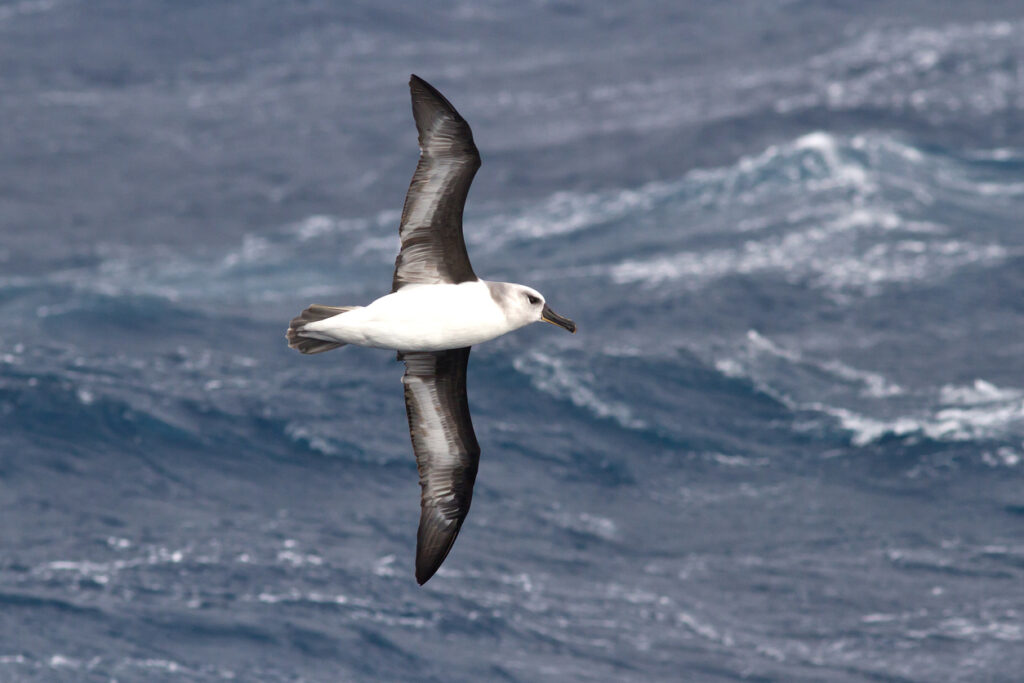
Grey-headed albatrosses spend most of their lives circling the Southern Ocean. That means they’re regularly exposed to some of the strongest winds and roughest seas on Earth. While we think of storms as something to avoid, these birds are built to use that wind as fuel. They use a technique called dynamic soaring, skimming up and down wind gradients to travel huge distances without flapping much at all. It allows them to cover thousands of miles while barely burning energy. For a bird that lives far from land, that efficiency is everything.
2. Their wingspan is built for endurance, not show.
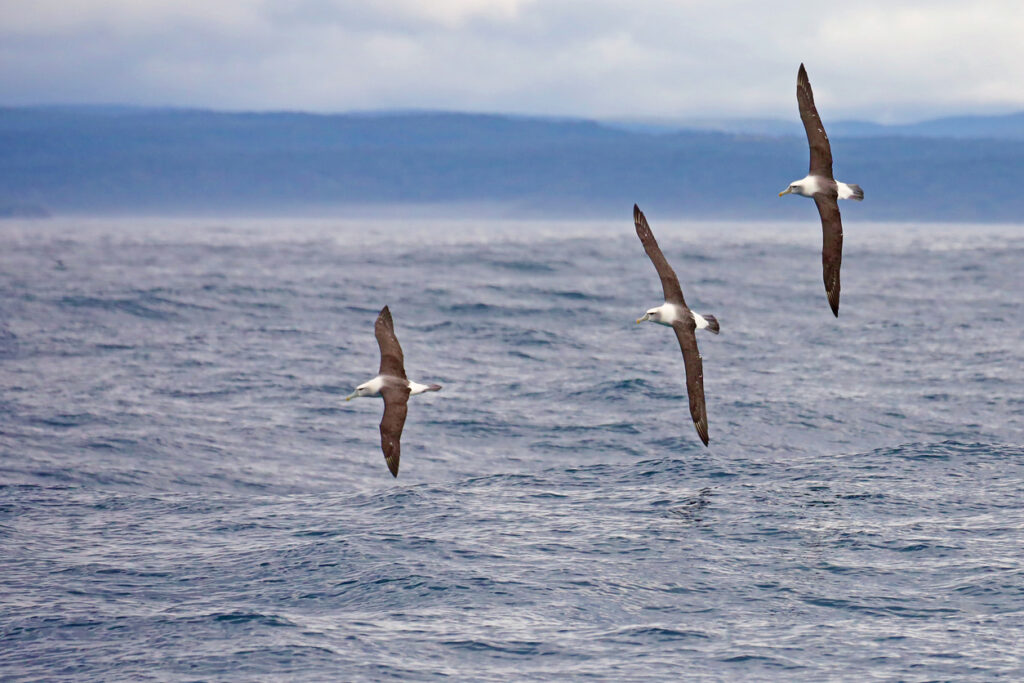
They’re not the largest albatross species, but their wingspan still stretches to around two metres. Long, narrow wings help them glide over waves for hours on end. They don’t flap constantly like smaller seabirds. The shape of their wings reduces drag and maximises lift in high winds. Everything about their build says long-distance traveller rather than acrobatic flier. They are marathon runners of the sky.
3. They can circumnavigate the globe.
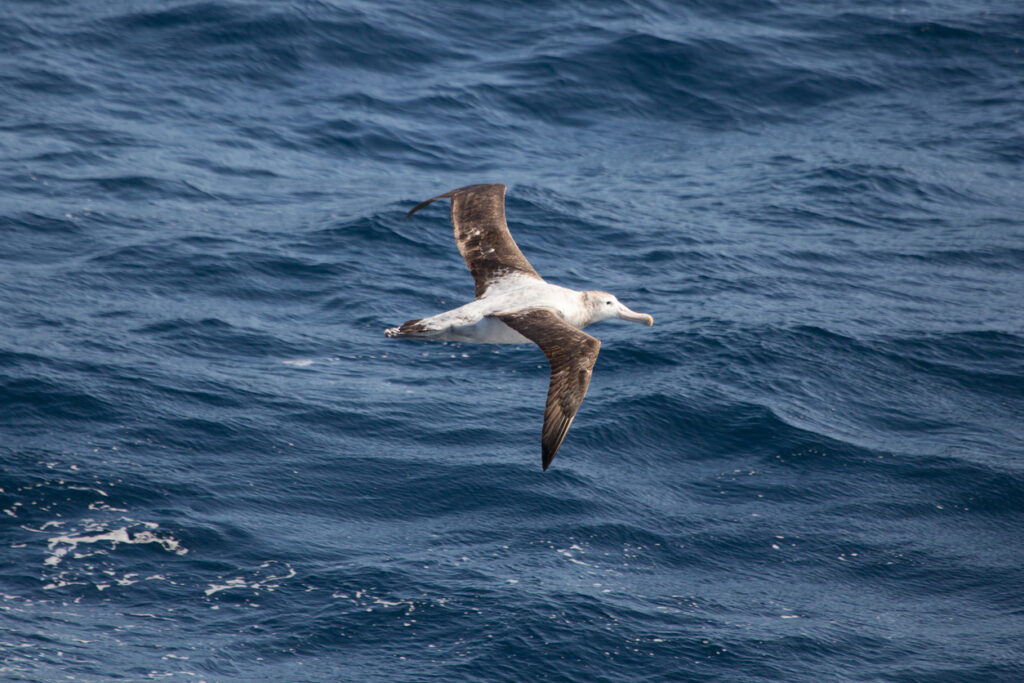
Tracking studies have shown that grey-headed albatrosses can circle Antarctica and even travel right around the globe. Individual birds have been recorded covering tens of thousands of kilometres in a single year. They aren’t tied to coastlines the way many seabirds are. Once they leave breeding colonies, they roam vast stretches of open ocean. That scale of movement is hard to grasp until you see it plotted on a map.
4. They breed in some of the most remote places on Earth.
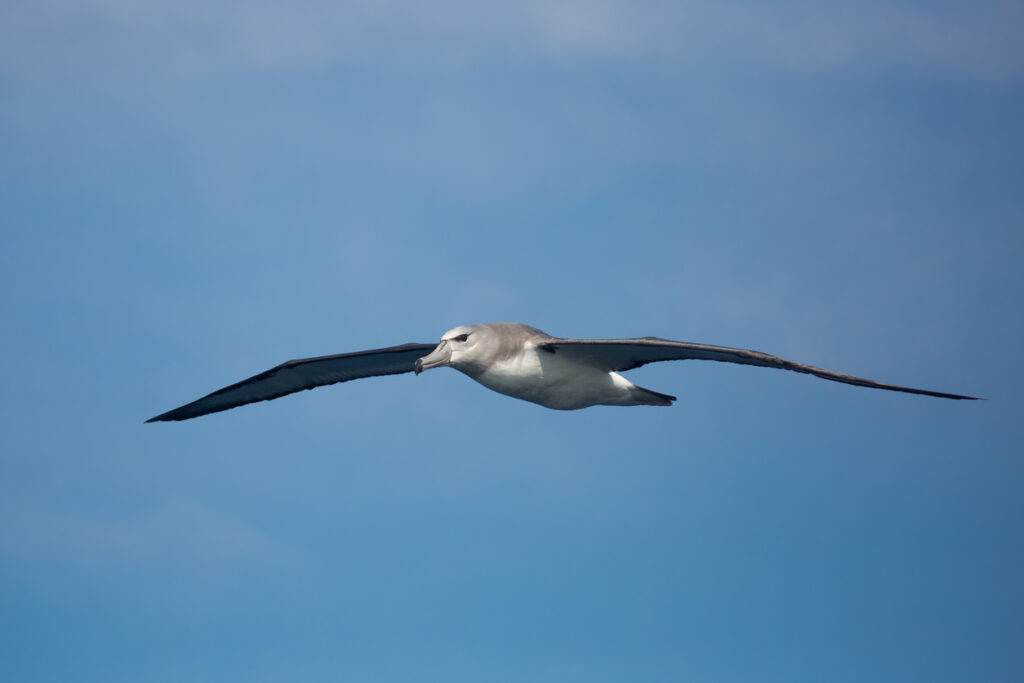
Breeding colonies are found on isolated islands such as South Georgia and the Prince Edward Islands. These are cold, windswept, and far from human settlements. That remoteness offers some protection, but it also means their lives are shaped by harsh weather. They build nests on steep slopes or cliff edges, using mud and vegetation. The setting looks dramatic, and it is. Raising a chick in that environment requires patience and serious stamina.
5. They lay just one egg at a time.
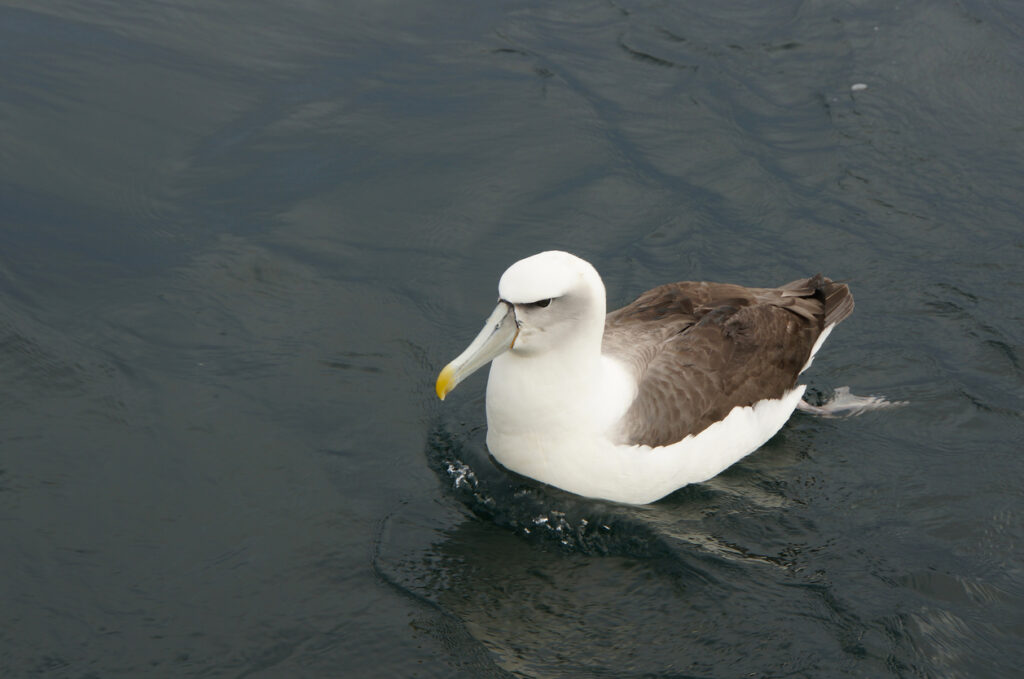
Grey-headed albatrosses invest heavily in each breeding attempt. They lay a single egg and both parents take turns incubating it. The incubation period lasts around two months. Because they only raise one chick at a time, every breeding season matters. If the egg fails or the chick dies, they can’t simply produce a replacement straight away. Their slow reproductive pace makes them vulnerable to population declines.
6. Their chicks take months to fledge.
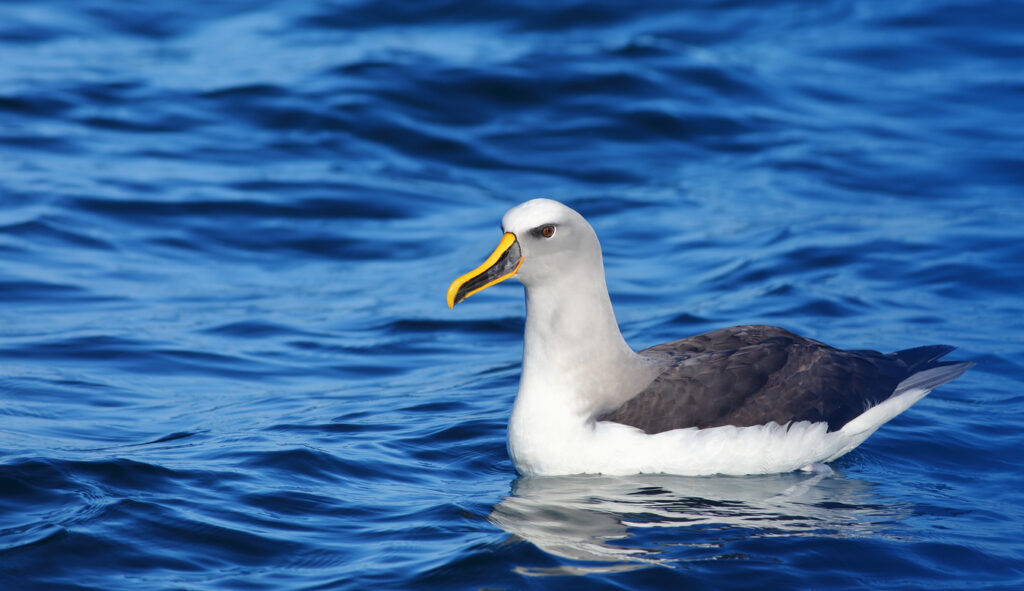
Once hatched, chicks remain in the nest for several months. During this time, parents make long foraging trips at sea to bring back food. Sometimes they travel thousands of kilometres between feeds. The chick must grow strong enough to launch into powerful winds for its first flight. There’s no gentle practice run. Its first take-off is straight into the open ocean.
7. They’re known for record-breaking speed.
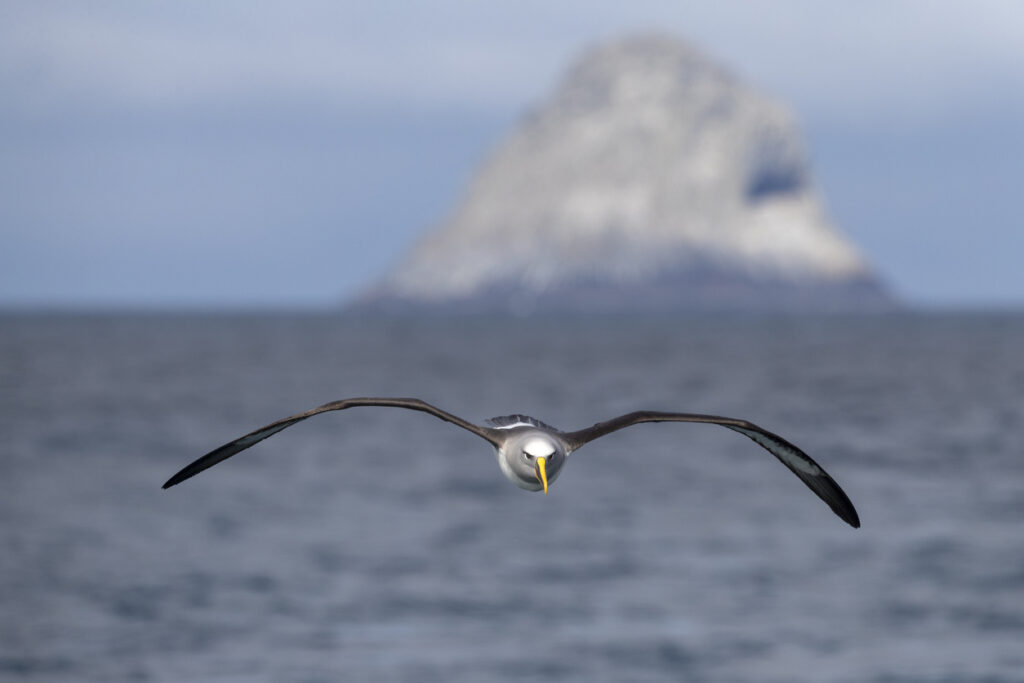
Grey-headed albatrosses have been recorded reaching extremely high speeds when riding strong winds. Some tracking data suggests they are among the fastest birds in sustained flight. They don’t achieve that by frantic wingbeats. They harness wind gradients, rising and dipping with precision. It’s less about brute force and more about reading the air.
8. Their diet depends heavily on squid.
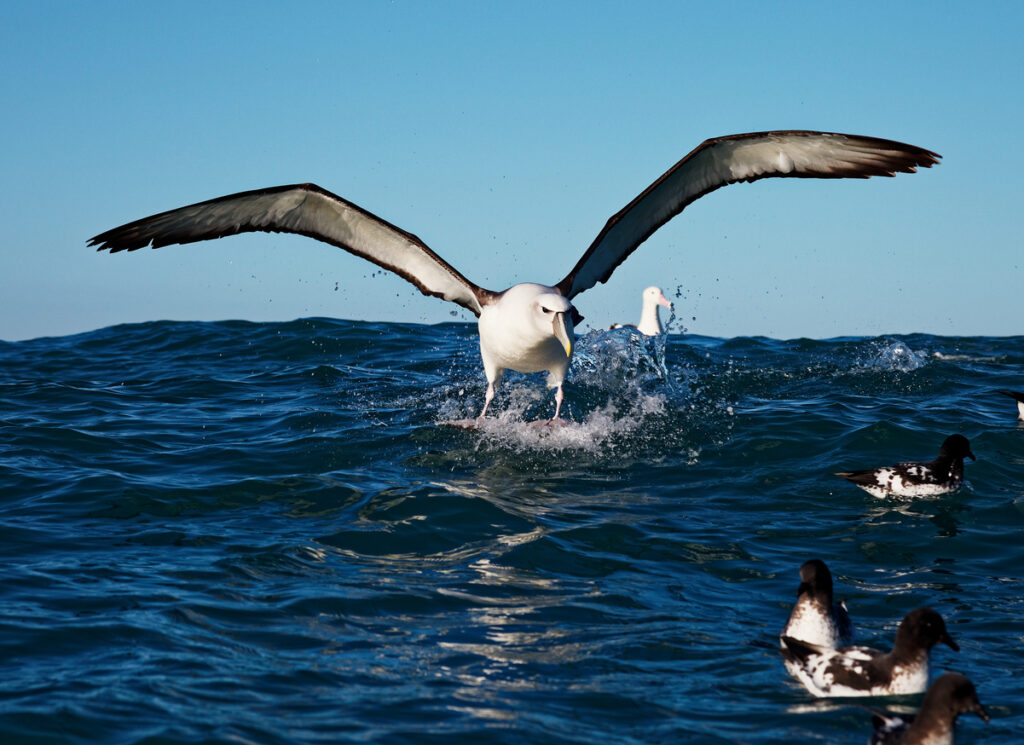
They feed mainly on squid, along with fish and crustaceans. Much of this prey is caught near the ocean surface. Their hooked beaks are well suited to grabbing slippery food. Changes in ocean temperature and fishing activity can affect prey availability. Because they roam such vast areas, shifts in marine ecosystems can ripple directly into their breeding success.
9. They form long-term pair bonds.
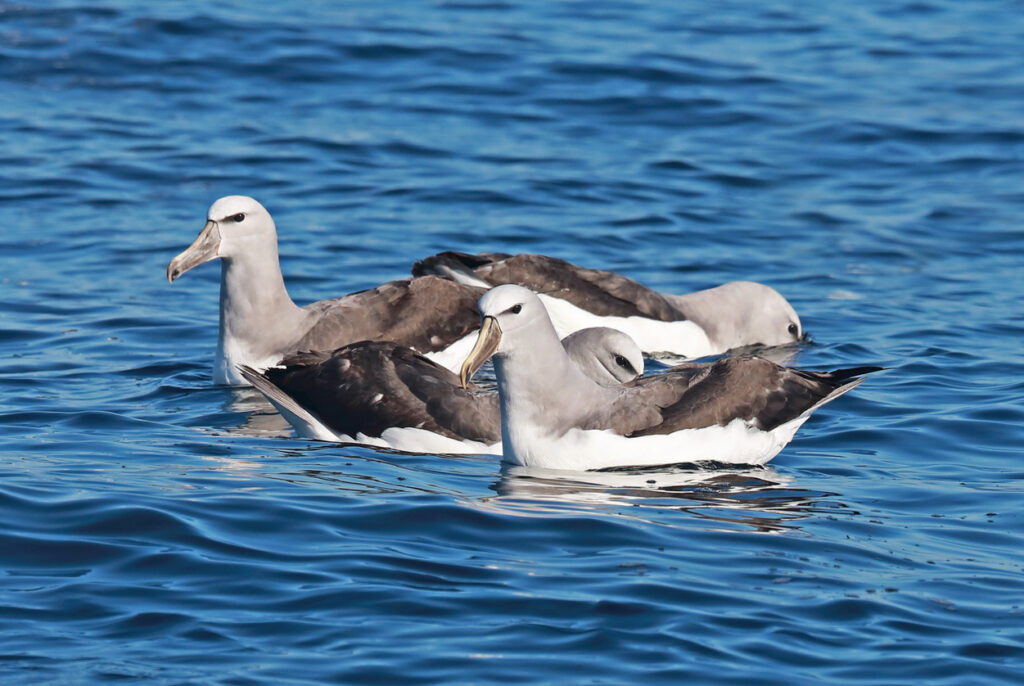
Like many albatross species, grey-headed albatrosses are generally monogamous. Pairs reunite at breeding colonies year after year. Their courtship involves ritualised displays, including bill clacking and coordinated movements. These bonds matter because raising a chick requires shared effort over months. Trust and coordination are built into their breeding strategy.
10. They don’t breed every year.
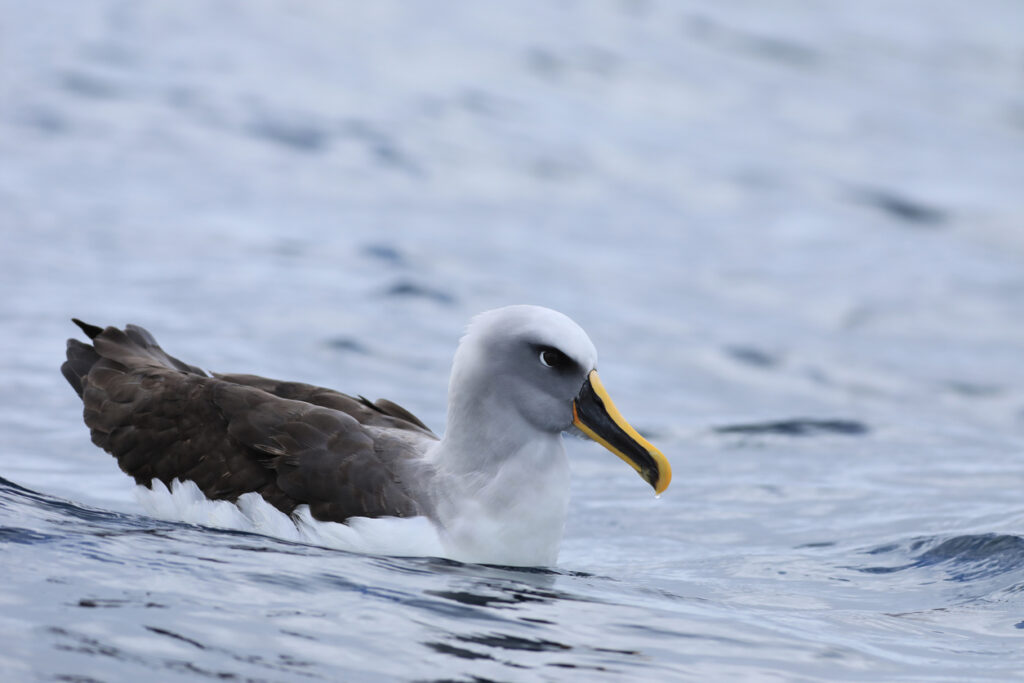
After successfully raising a chick, many grey-headed albatrosses skip the following breeding season. The physical cost of reproduction is high, and they need time to recover.
That slow rhythm means population growth is naturally limited. If adult survival drops because of threats at sea, recovery can take decades.
11. Longline fishing poses a serious threat.
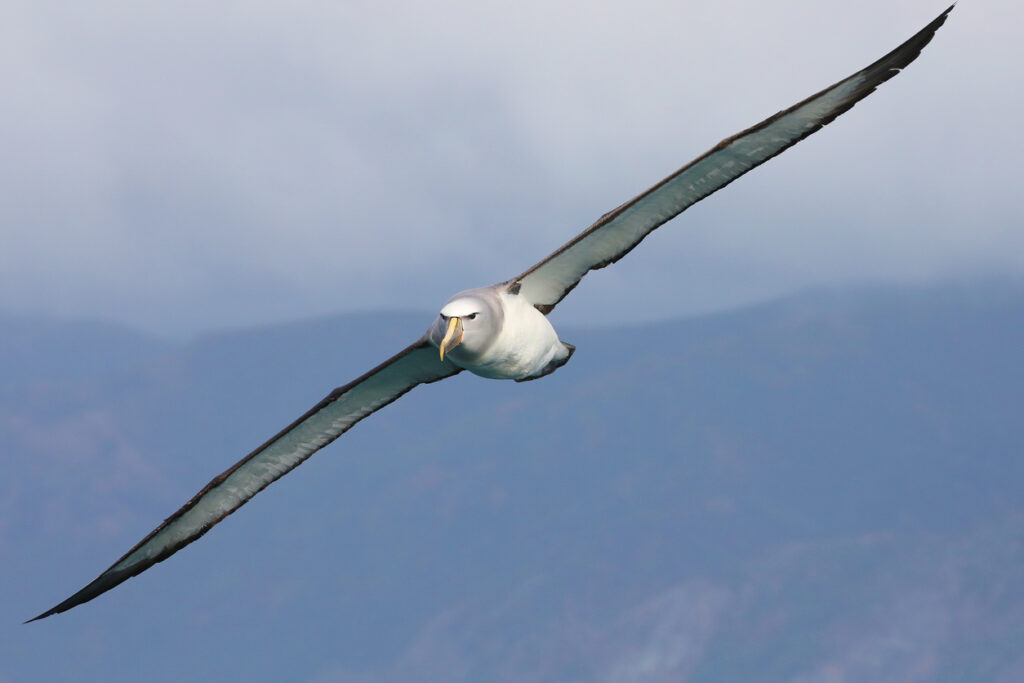
One of the biggest dangers they face comes from longline fishing. Birds can get caught on baited hooks and drown. Even small increases in adult mortality have large impacts on species with slow breeding cycles. Conservation efforts now include weighted lines and bird-scaring devices to reduce bycatch. Progress has been made in some regions, but the risk hasn’t disappeared.
12. They’re currently classified as endangered.
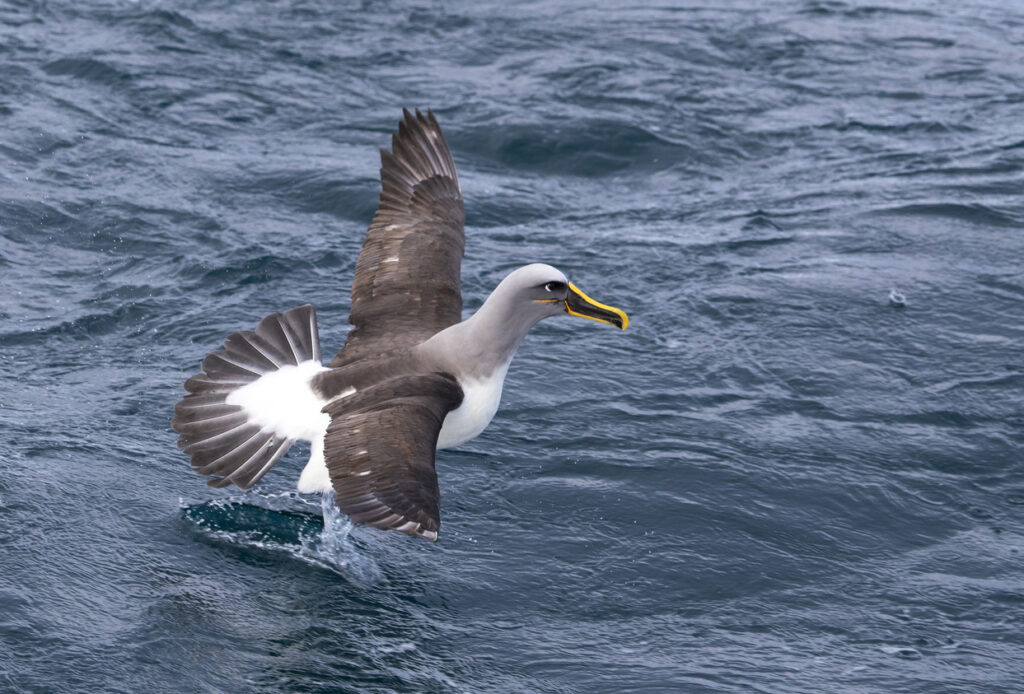
The grey-headed albatross is listed as Endangered on the IUCN Red List. Populations have declined in parts of their range due to fishing pressures and changes in ocean conditions. When you see one gliding effortlessly over stormy seas, it looks unstoppable. But their life history makes them sensitive to human impact. Protecting them means protecting the ocean systems they depend on, because for this bird, the sea is everything.