It’s a strange part of being human that we’ve managed to dream up stories that turn perfectly innocent animals into symbols of bad luck or even evil.
For centuries, old wives’ tales and local myths have painted certain creatures as omens of doom, leading people to hunt or harm them out of nothing but misplaced fear. Whether it’s an owl that’s supposedly a messenger of death or a black cat that’s said to bring a curse, these superstitions have real-world consequences for wildlife that’s just trying to get on with things. It’s high time we looked at the facts and realised that these animals aren’t unlucky; they’re just victims of a bad reputation that’s survived way longer than it should have.
1. Black cats have been persecuted for centuries across Europe.
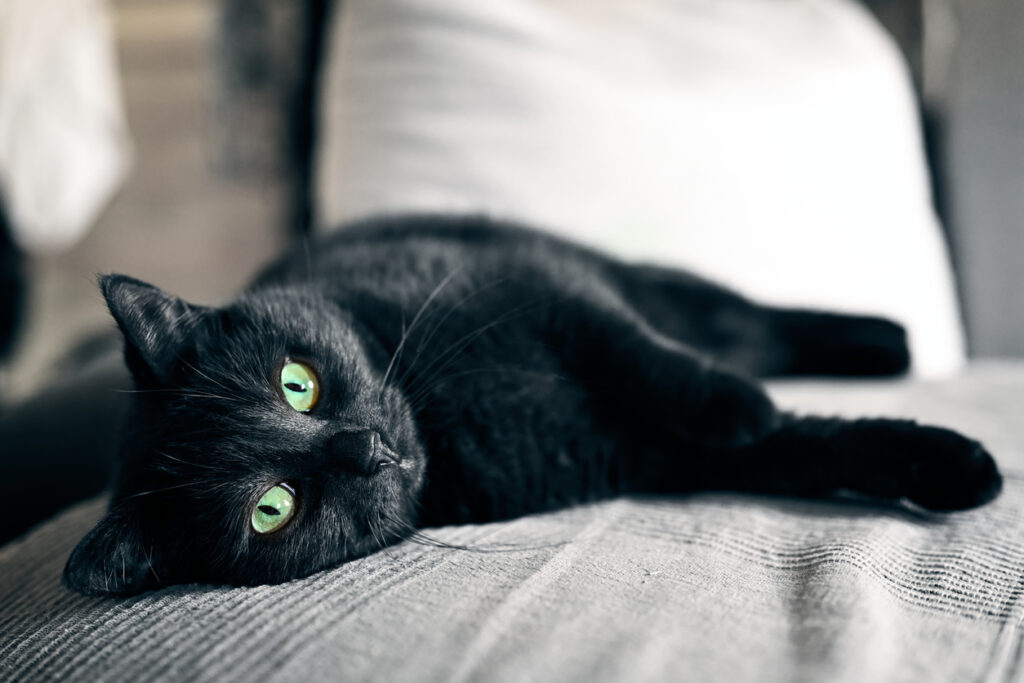
The association between black cats and witchcraft took hold in medieval Europe and led to widespread killing of the animals, particularly around religious festivals. The superstition has faded considerably in most places, but it hasn’t disappeared entirely, and black cats still have lower adoption rates in shelters and are sometimes targeted around Halloween. An animal’s coat colour has nothing to do with its nature, but the mythology attached to it has proven stubbornly difficult to shift.
2. Wolves were hunted to the edge of extinction based on fear and folklore.
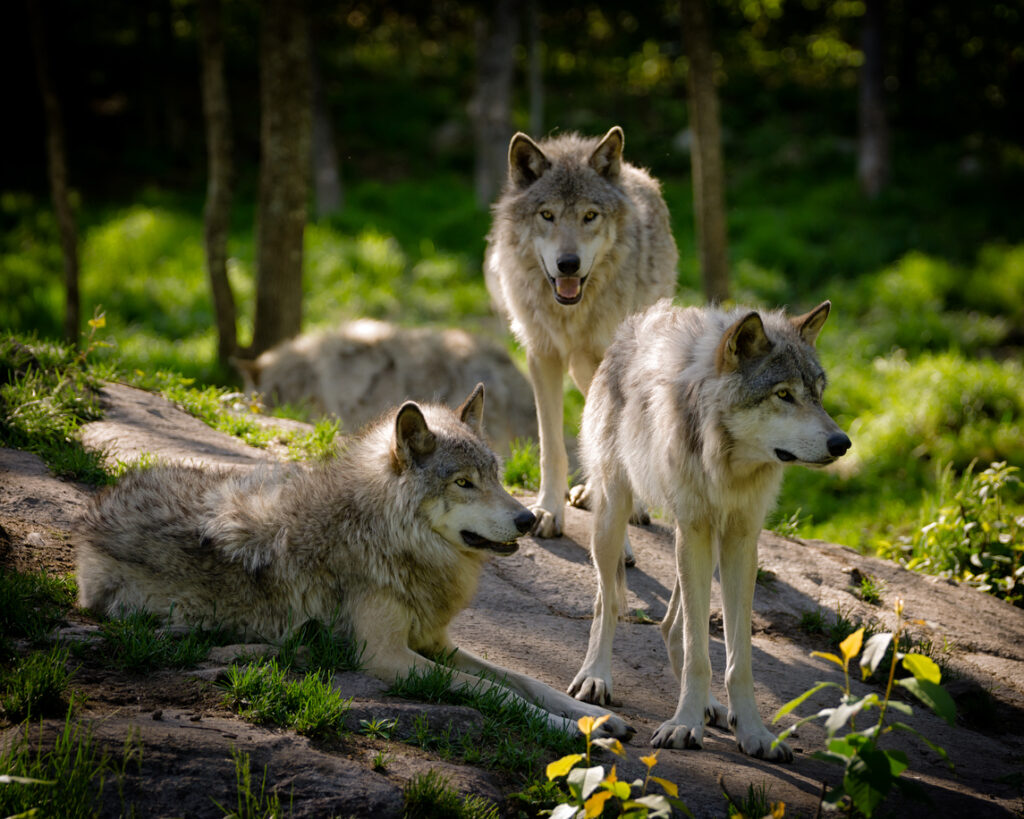
Centuries of stories portraying wolves as cunning, malevolent, and dangerous to humans drove persecution campaigns that wiped them out across huge parts of Europe and came close to doing the same in North America. The reality of wolves as shy, ecologically vital animals that avoid human contact didn’t get much of a hearing against fairy tales and livestock protection anxieties. Reintroduction efforts have been slow and contentious, precisely because the cultural fear ran so deep and so long.
3. Owls are still killed in parts of Africa and Asia due to associations with death.
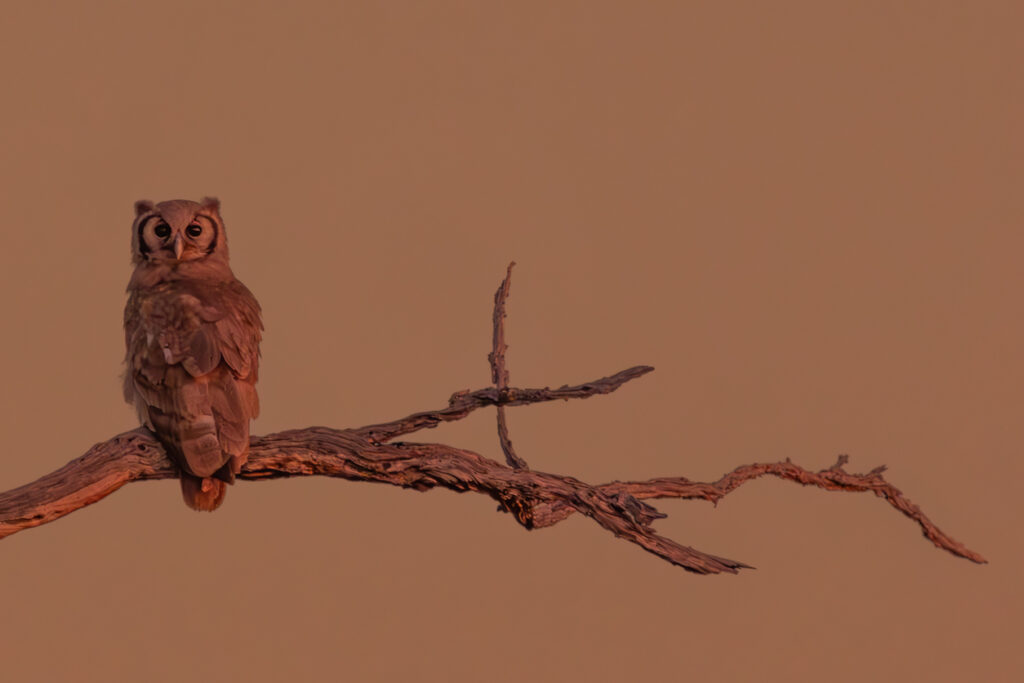
In many cultures, an owl calling near a home is taken as a sign that someone will die, and the response has often been to kill the bird to prevent the omen from coming true. Barn owls in particular face persecution across parts of sub-Saharan Africa and South Asia because of deeply embedded beliefs about their connection to witchcraft and the supernatural. The birds are simply doing what owls do, which is hunt at night and make unsettling sounds, but that’s been enough to mark them as dangerous.
4. Bats have been feared and destroyed largely because of what they represent to people.

Associated with darkness, death, and the supernatural across multiple cultures, bats have faced habitat destruction, deliberate killing, and culling campaigns that have pushed several species toward extinction. The reality is that bats are among the most ecologically useful animals on the planet, pollinating plants and controlling insect populations in ways that benefit agriculture enormously. The superstition around them has cost both the animals and the ecosystems that depend on them.
5. Hyenas are persecuted across Africa because of their role in myth and belief.
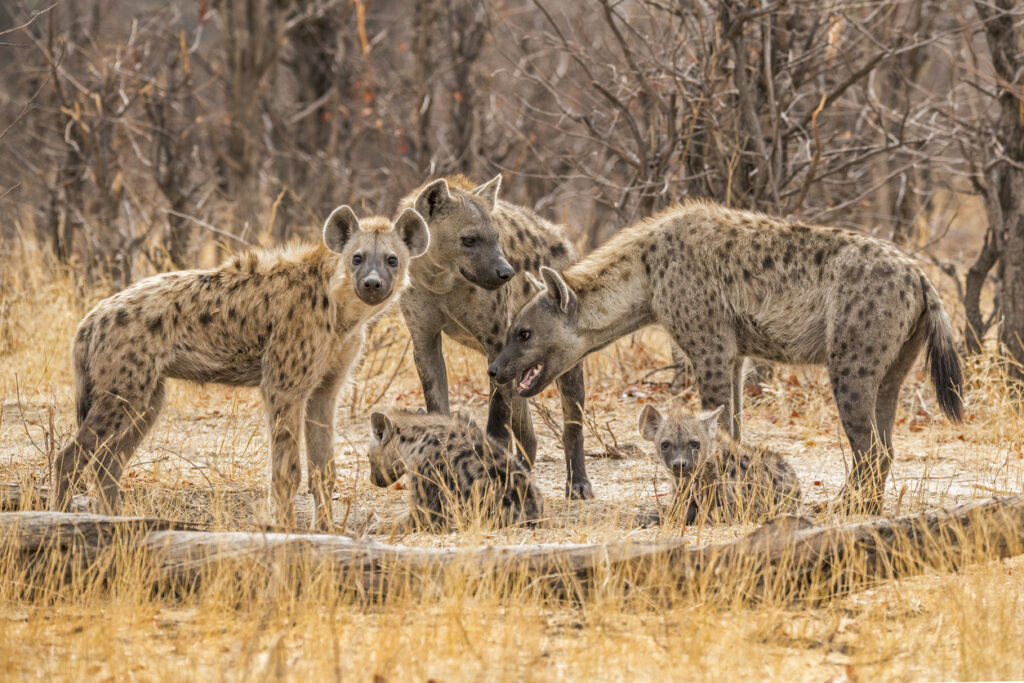
In parts of East and West Africa, hyenas are believed to be ridden by witches at night or used as supernatural agents of harm, and this has contributed to poisoning and killing that has affected their populations significantly. They’re also despised for being scavengers, which adds practical dislike to supernatural fear. Hyenas are actually sophisticated, socially complex animals with a crucial role in maintaining ecosystem health, but the mythology around them makes that a difficult case to make.
6. Snakes have been killed on sight across cultures for thousands of years.

Religious and cultural narratives associating snakes with evil, deception, and death have made them one of the most universally persecuted groups of animals in human history. The vast majority of snake species are harmless, and even venomous ones avoid confrontation where possible, but the instinct to kill them first and ask questions later is deeply embedded across many societies. The ecological damage done by collapsing snake populations, including surges in rodent numbers, is rarely connected back to the superstition that caused it.
7. Ravens have been associated with doom and destruction across northern Europe.
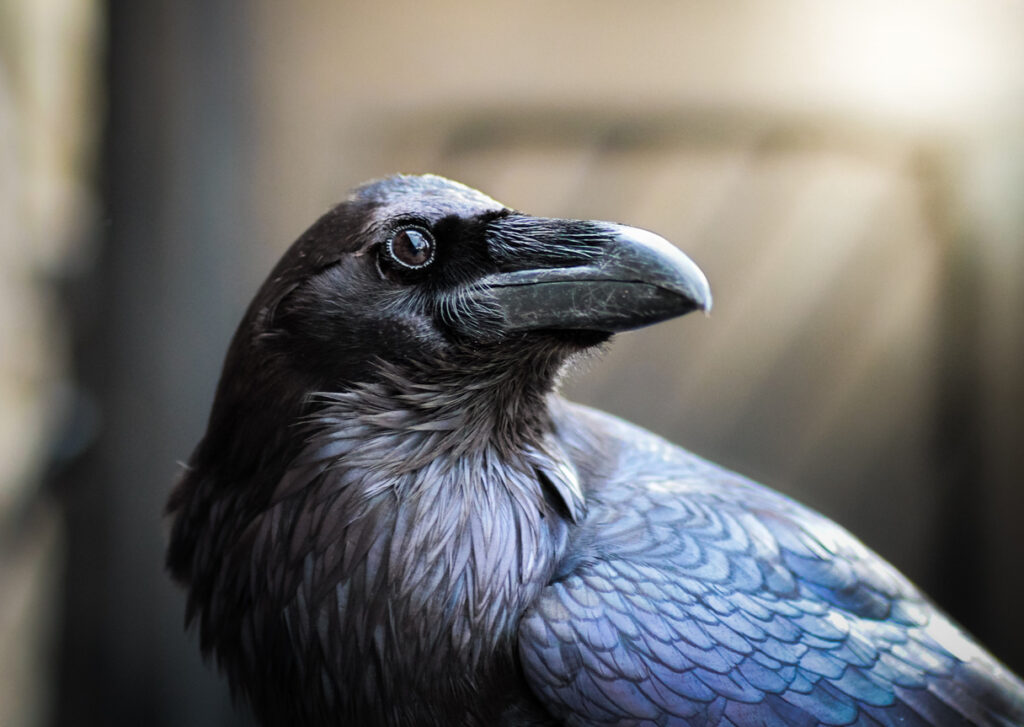
The raven’s intelligence, its black colouring, and its tendency to gather around carrion gave it an early reputation as a bad omen, and that reputation translated into persecution across parts of Europe for centuries. Farmers killed them to ward off misfortune as much as to protect crops, and the association between ravens and death made them a target even when they were doing no harm. They remain one of the most cognitively sophisticated birds in the world, but knowing that hasn’t fully neutralised the unease many people still feel around them.
8. Sharks are killed globally, partly due to a fear that goes well beyond the facts.
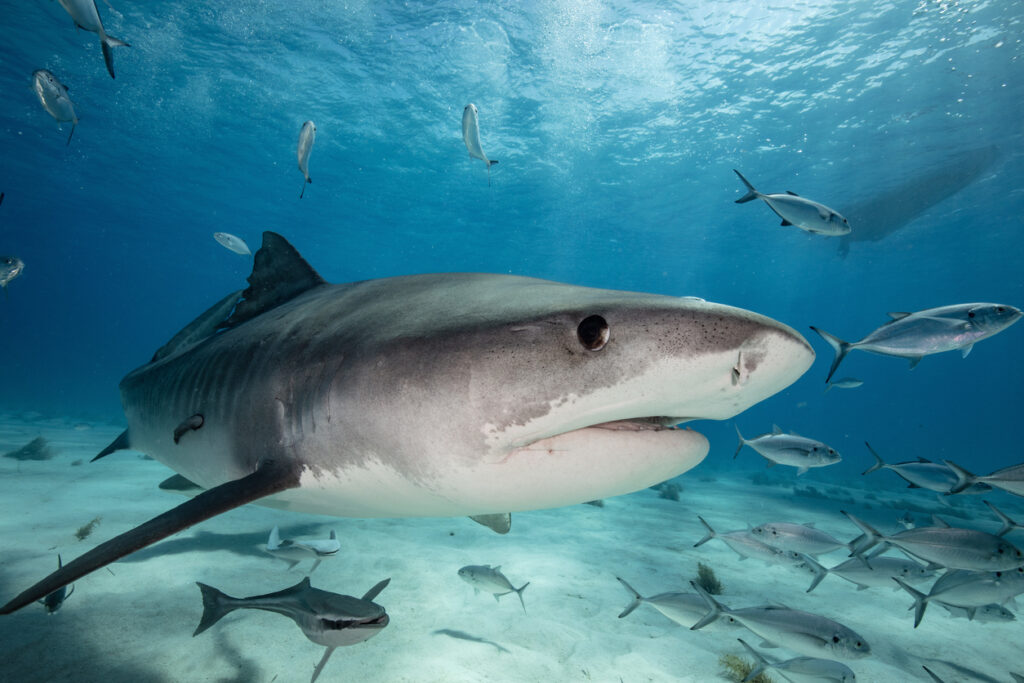
Cultural depictions of sharks as mindless killing machines have fed a fear disproportionate to the actual risk, and that fear has been used to justify culling programmes in multiple countries. Shark attacks on humans are genuinely rare, while human killing of sharks runs to tens of millions annually through finning, bycatch, and deliberate culling. The superstition-adjacent mythology around them, as in the idea that they are inherently evil or that the ocean is safer without them, is doing serious damage to marine ecosystems.
9. Vultures are poisoned across Africa partly because of beliefs about their powers.

In some parts of southern Africa, vulture brains are believed to grant the ability to see the future, which has created a trade in vulture body parts that has devastated populations. Several species are now critically endangered, and the scale of the decline has been dramatic. The belief itself is a relatively recent superstition, but it has spread quickly and the consequences for the birds have been severe, particularly given how slowly vultures reproduce.
10. Magpies are still saluted by people who genuinely fear their presence.
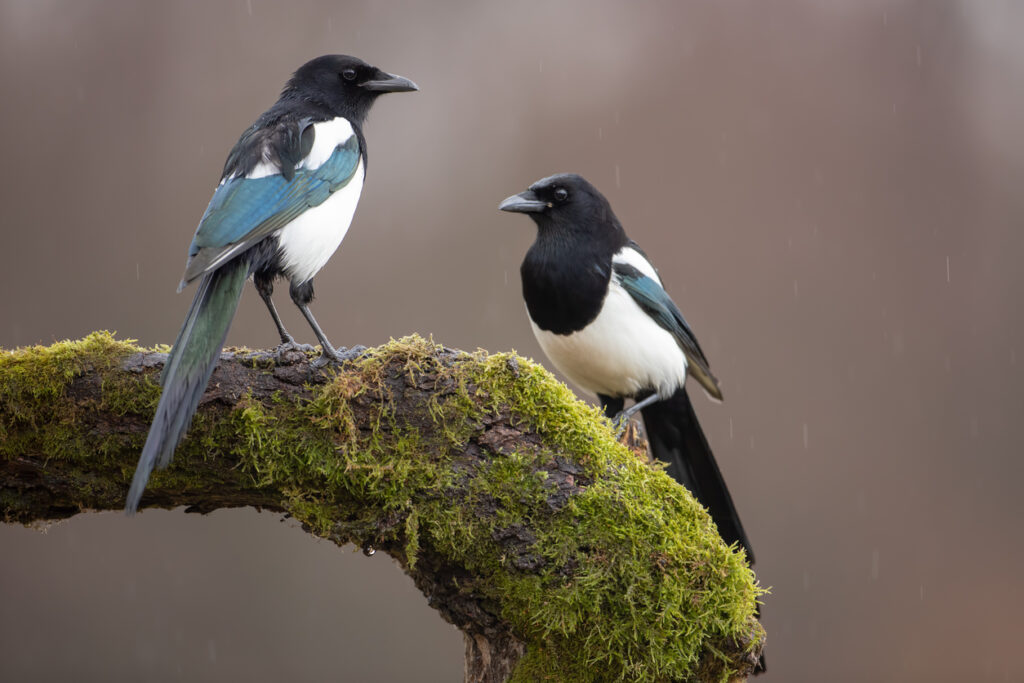
The superstition that a solitary magpie brings bad luck is so ingrained in British culture that many people still salute them, speak to them, or look anxiously for a second one to neutralise the omen. It sounds harmless, and mostly it is, but the underlying association of the bird with misfortune has historically contributed to its persecution, and magpies still face hostility in some rural areas based on nothing more than old rhymes and long-standing unease about what they supposedly signify.
11. Frogs and toads were linked to witchcraft and killed throughout medieval Europe.
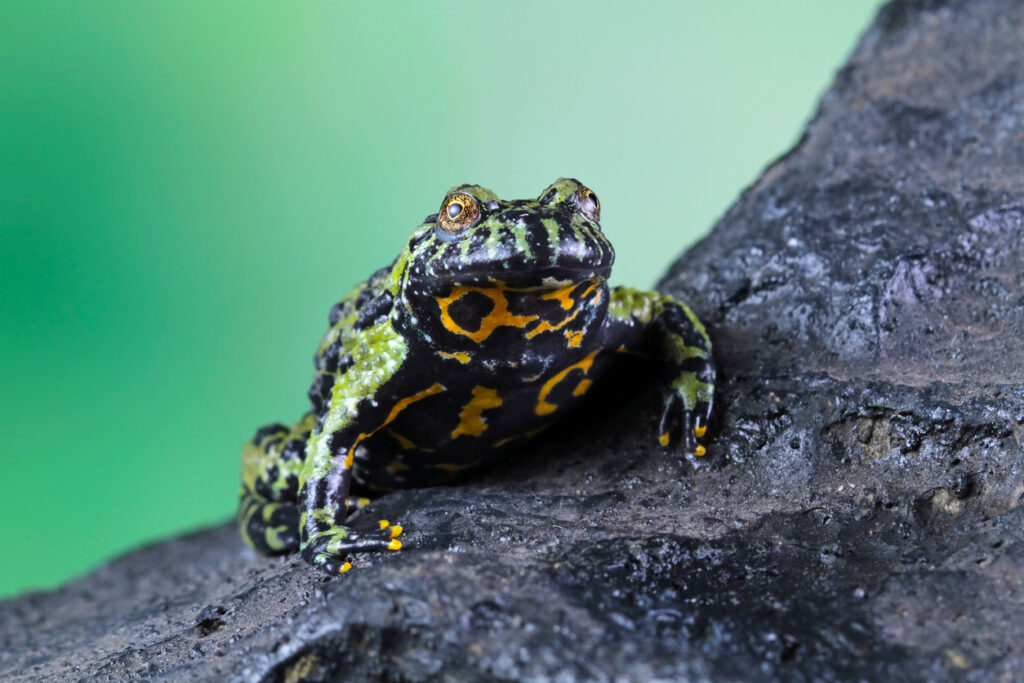
Toads in particular were believed to be witches’ familiars and ingredients in dark magic, which made them targets during periods of witch-hunting hysteria across Europe. The persecution wasn’t as organised as that directed at cats or wolves, but it was widespread, and the association between toads, poison, and supernatural harm was embedded in popular belief for centuries.
Today, amphibians face more serious threats from habitat loss and disease, but the superstition-driven hostility contributed to a long history of treating them as something sinister rather than something worth protecting.
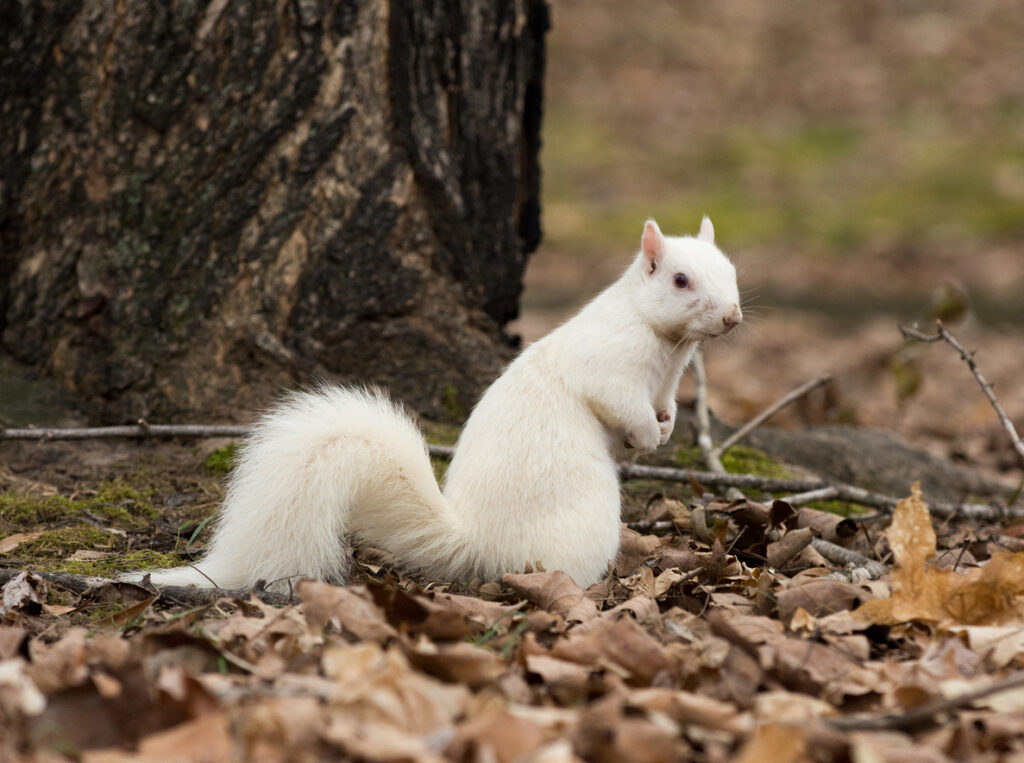
12. Albino animals are killed in parts of Africa for use in ritual practices.
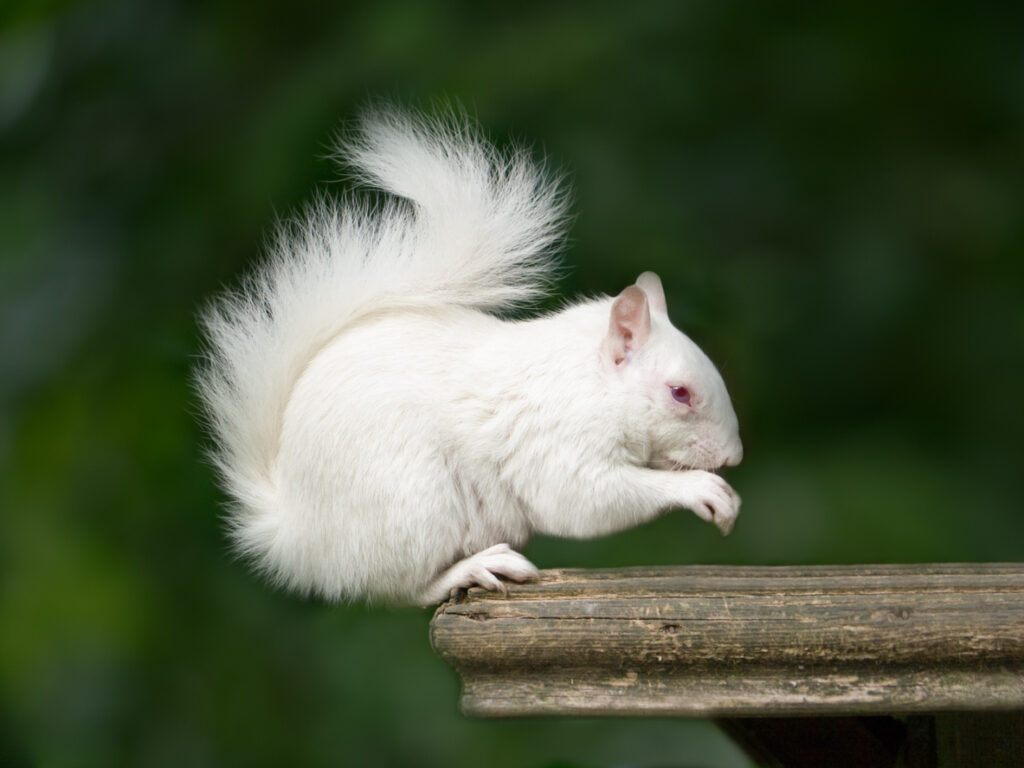
Albino humans face life-threatening persecution in parts of sub-Saharan Africa due to beliefs about their supernatural power, and albino animals are caught up in related belief systems that attribute special properties to unusual colouring.
White lions, white elephants, and other pale animals have been targeted for body parts used in traditional medicine and ritual practice, with the rarity that makes them biologically interesting also making them more valuable and more vulnerable in this context. Conservation efforts in affected areas have to navigate these belief systems carefully because changing deeply held cultural practices takes far more than simply presenting the facts.