You’d think we’d have the solar system pretty well figured out by now.
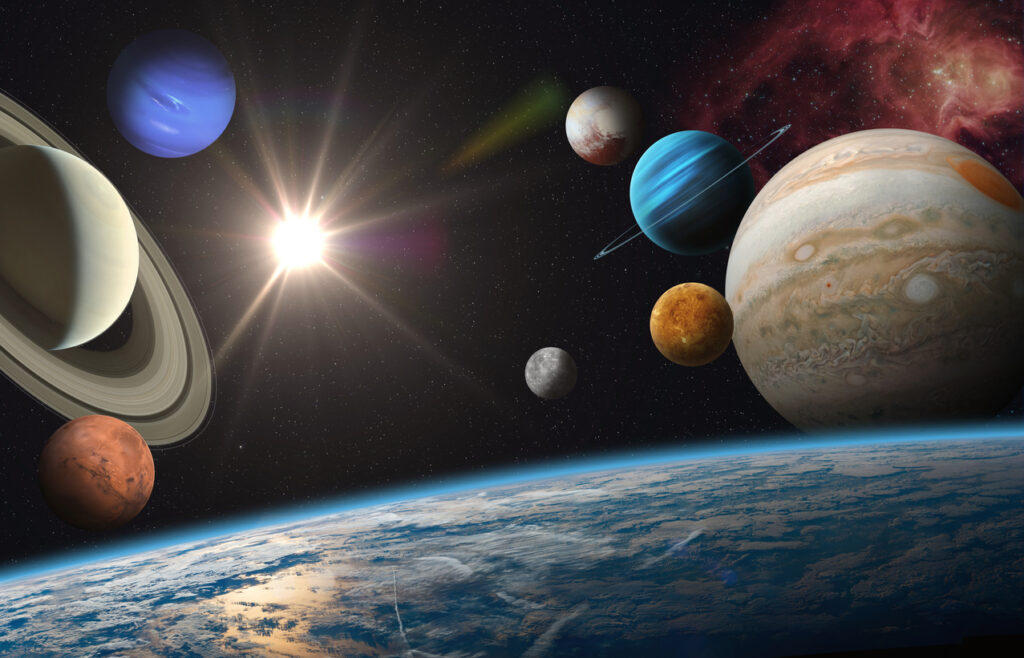
It’s our own cosmic backyard, after all. However, the truth is, the more we learn about it, the weirder it gets. From planets doing things they absolutely shouldn’t, to moons that are straight-up breaking the rules, space isn’t the neat, predictable place it’s often made out to be. Here are just some of the reasons our solar system is a whole lot stranger than you might’ve thought.
1. Venus spins the wrong way.
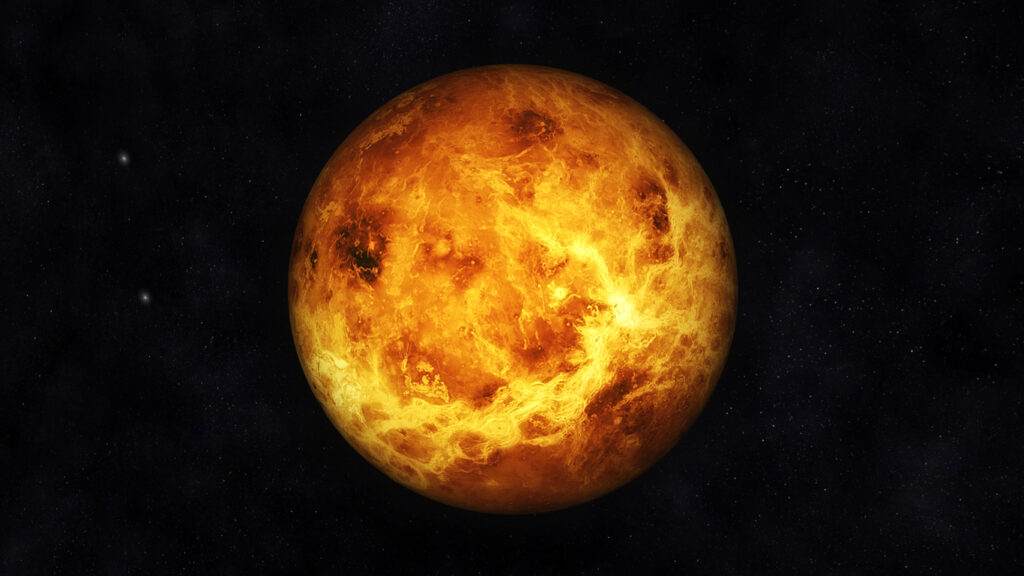
Most planets spin counterclockwise if you’re looking down from above the Sun, but not Venus. Venus rotates in the opposite direction, and painfully slowly. A single day on Venus takes longer than its year. Yes, really. Scientists aren’t entirely sure why, but one theory is that something massive, like an ancient collision, flipped it on its head. Others think its thick atmosphere just gradually slowed and reversed the spin. Either way, Venus is going through it.
2. Jupiter has a magnetic field so big it could fit the Sun.
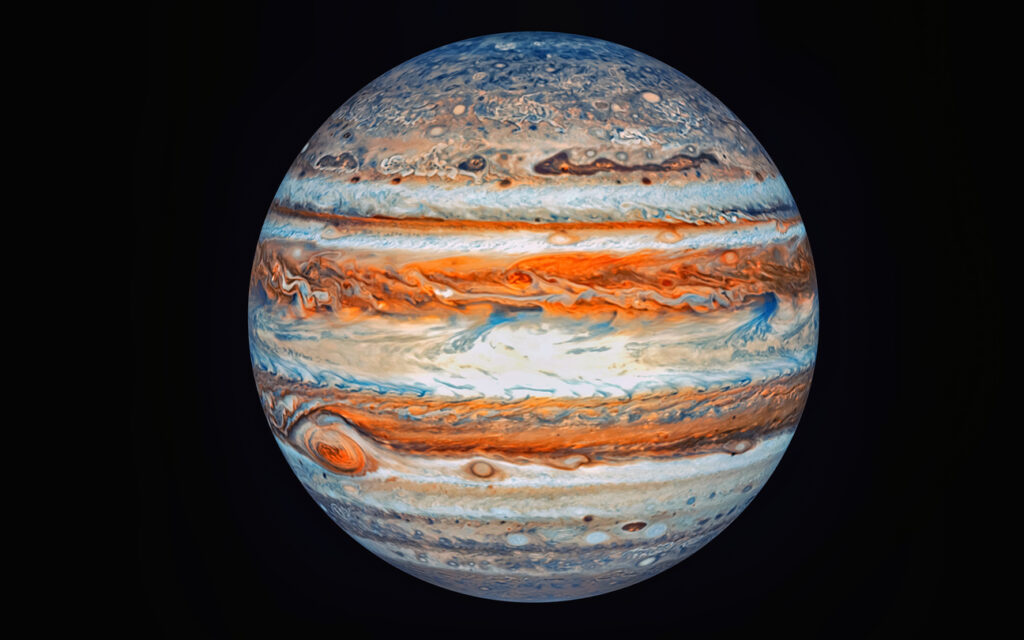
We all know Jupiter’s the biggest planet, but its magnetic field is something else. It’s so enormous it stretches more than 4 million miles wide, and that’s bigger than the actual Sun. This magnetic bubble traps radiation and particles in massive belts, and if Earth were that close, life wouldn’t survive it. Even some of Jupiter’s moons get absolutely fried just by hanging around too close to it.
3. Saturn’s moon Enceladus is an icy ocean geyser.

Enceladus looks like a boring ice ball, but underneath, it’s hiding a global ocean of liquid water. That ocean isn’t staying put; it blasts through cracks in the ice at the south pole in huge, continuous plumes. NASA’s Cassini spacecraft actually flew through one of these plumes and found organic molecules. In other words, this freezing little moon could have the conditions for life beneath its crust. Which is… quite the plot twist.
4. The Sun is constantly throwing tantrums.
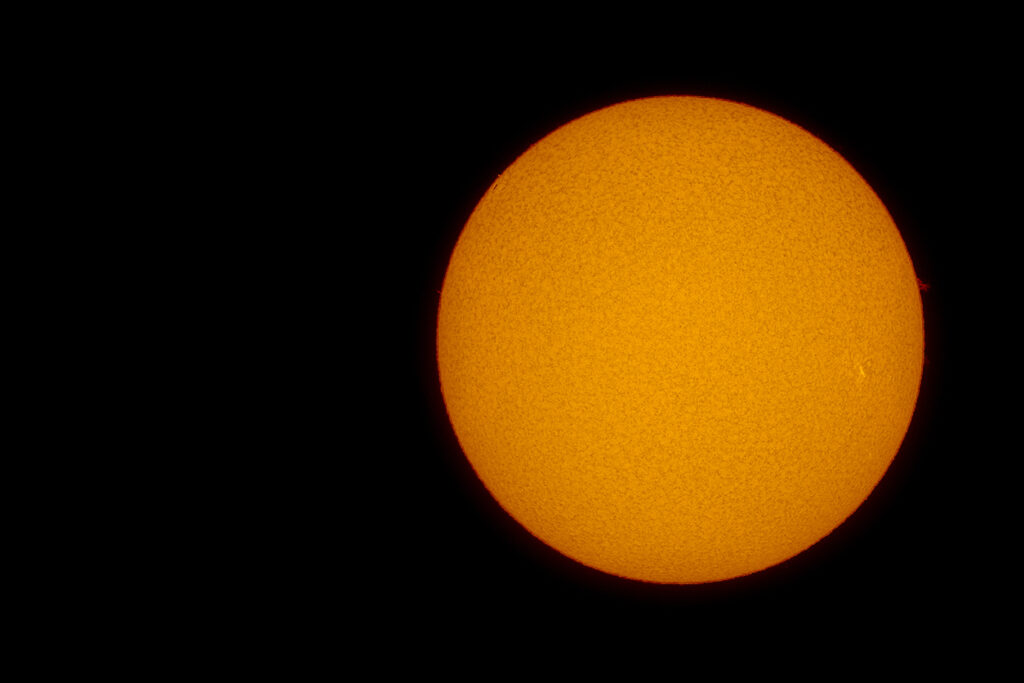
The Sun looks calm in photos, but it’s anything but. Solar flares, coronal mass ejections, sunspots—it’s a chaotic, churning ball of fire that’s constantly belching radiation into space. These tantrums can mess with satellites, GPS, and power grids here on Earth. Plus, it’s not even at its worst yet; its 11-year activity cycle is due to peak again soon, which means space weather is about to get spicy.
5. Uranus is lying on its side.
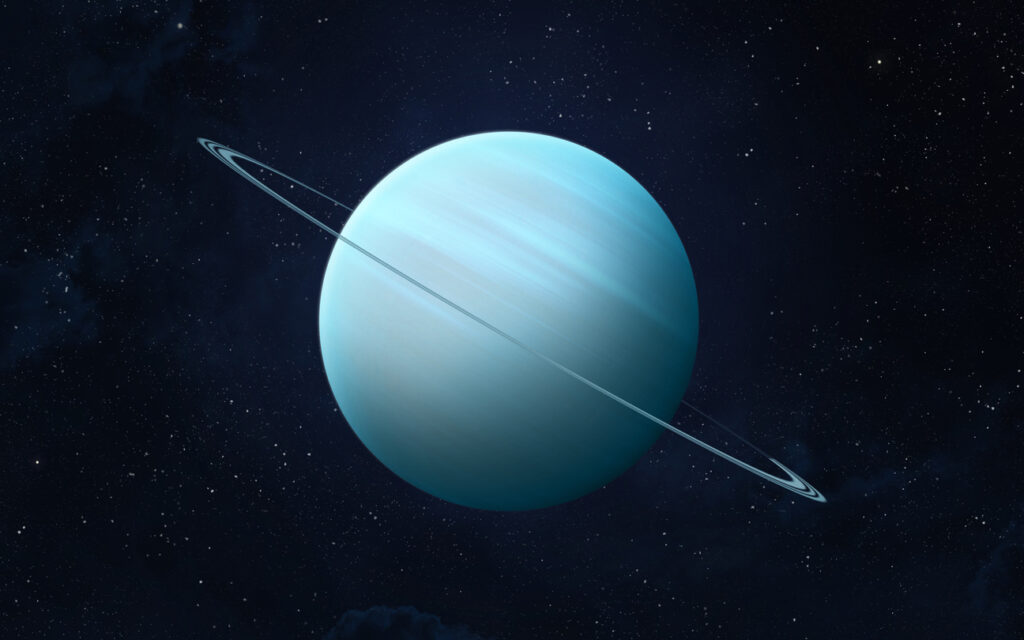
Uranus isn’t just unique for the jokes. It literally rolls around the Sun on its side, tilted more than 90 degrees. Most planets spin like tops, but Uranus spins like a barrel. This means its poles get 42 years of continuous sunlight, followed by 42 years of darkness. It’s thought a massive collision knocked it over early on, but honestly, it’s just doing its own thing out there.
6. Neptune’s winds are the fastest in the solar system.
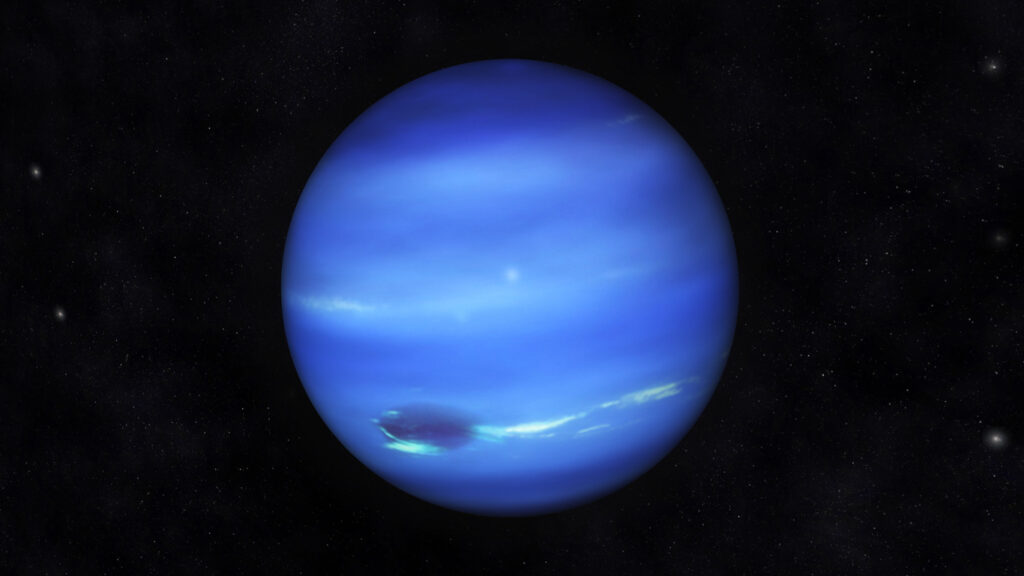
You’d expect the farthest, coldest planet from the Sun to be slow and sleepy, but Neptune’s winds reach speeds of over 1,200 miles per hour. That’s faster than the speed of sound on Earth. No one really knows why. The energy driving those winds shouldn’t exist so far out. Neptune seems to have a hidden engine, and we haven’t cracked what’s powering it yet.
7. Mercury has ice in its craters.
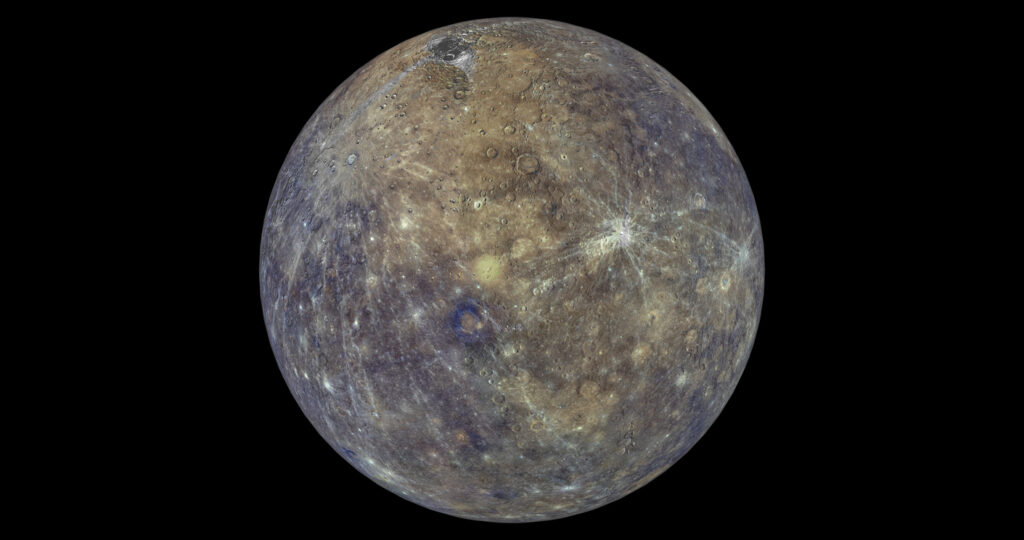
Mercury, the closest planet to the Sun, sounds like the last place you’d find ice. However, in the permanently shadowed craters near its poles, scientists have found frozen water. Because those crater walls never get sunlight, the temperature stays low enough to preserve ice that may have come from ancient comets. It’s proof that even the hottest neighbourhood has cold corners.
8. Pluto has a heart, and it controls the weather.
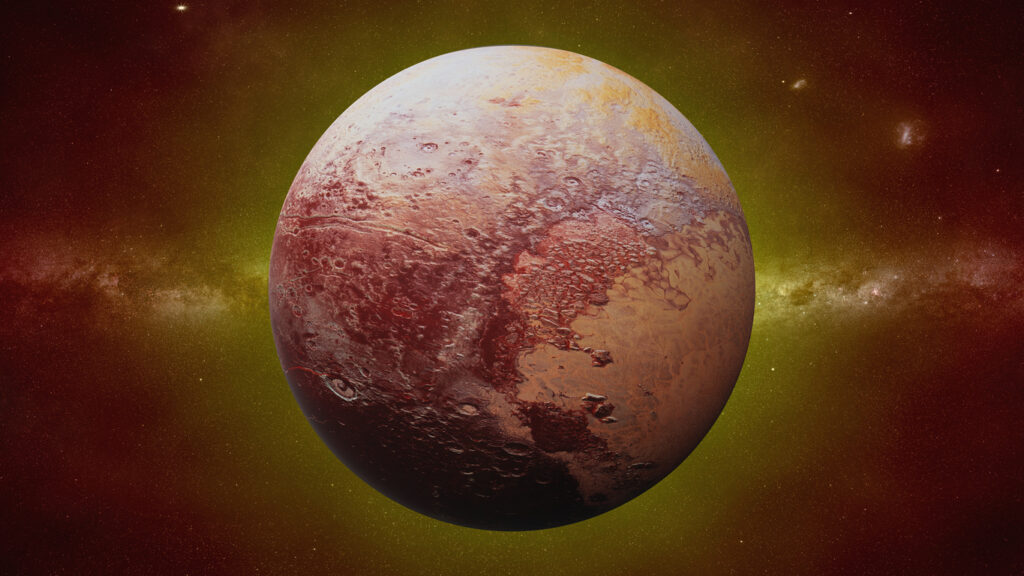
Pluto might not be a planet anymore, but it’s still full of surprises. That big heart-shaped region you see in photos? It’s made of nitrogen ice, and it drives wind patterns and surface movement across the dwarf planet. The heart expands and contracts with the seasons (yes, Pluto has seasons), pushing gases and ices around in what’s basically a weather system. Not bad for something that’s smaller than the Moon.
9. There’s an asteroid with its own tiny moon.
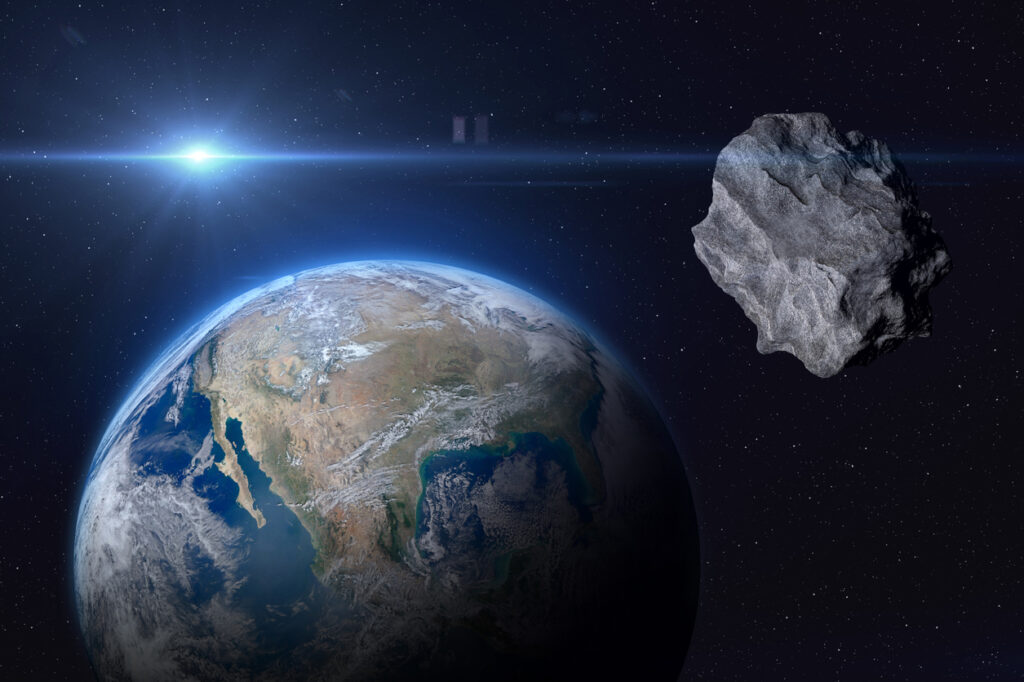
Asteroids aren’t just lonely space rocks. Some of them have moons. One asteroid, 243 Ida, was found to have a little moonlet named Dactyl. It was the first discovery of its kind, and since then, we’ve found dozens more. So yes, moons have moons. Or more accurately, big rocks have tiny rocks orbiting them. It’s space’s version of a nesting doll.
10. Earth’s Moon is unusually large.

For a planet our size, having a Moon as big as ours is… weird. It’s proportionally massive. Most moons are tiny in comparison to their host planets, but Earth’s is huge and has a major effect on tides, rotation, and even life itself. Scientists think it formed from a massive impact with a Mars-sized object. Whatever the case, our Moon isn’t typical. It’s a lucky cosmic quirk that’s played a big role in life on Earth.
11. Mars has the biggest volcano in the solar system.

Olympus Mons on Mars is nearly three times taller than Everest and so wide it could cover the whole of France. It’s a shield volcano, and it’s likely extinct, but its size is baffling. Mars’s lower gravity and lack of tectonic plates let lava pile up without shifting. That’s how it got so massive, but it still doesn’t explain why it’s so lonely. No other planet has anything quite like it.
12. Some moons are more active than planets
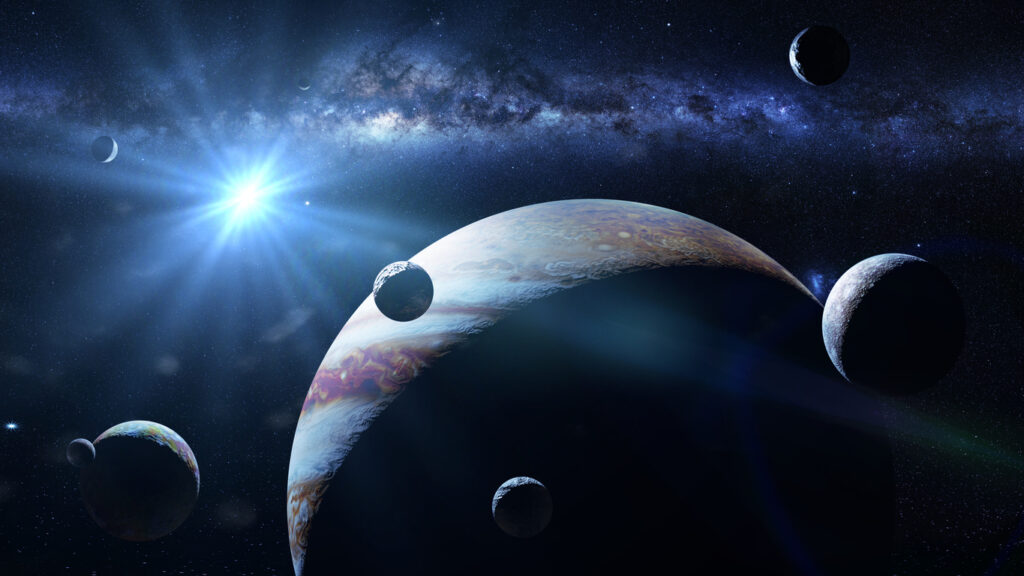
Take Jupiter’s moon Io. It’s the most volcanically active place in the solar system, with eruptions blasting hundreds of kilometres into space. Or Saturn’s Titan, with rivers, lakes, and rain of liquid methane. These moons are dynamic and, in some ways, more Earth-like than the planets they orbit. They’re not just cold rocks; they’re full-on worlds in their own right.