We usually think of medicine as a human invention: prescriptions, pills, maybe a bit of Vicks on your chest when you’re congested.
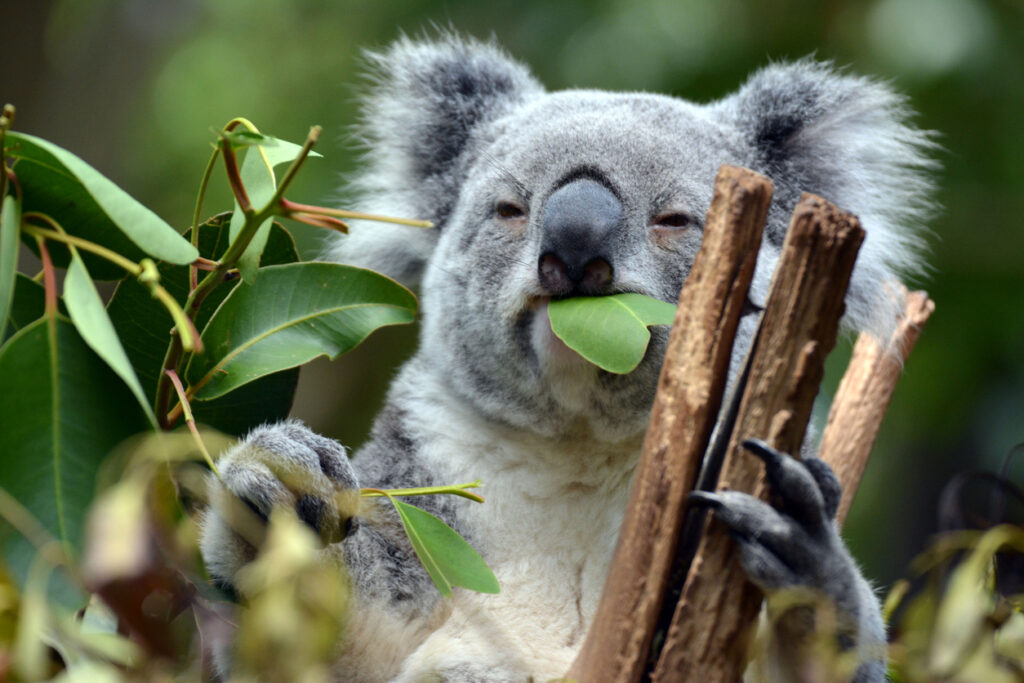
But out in the wild, animals have been treating themselves for millions of years. From monkeys chewing on bitter leaves to birds using herbs to ward off parasites, nature has its own pharmacy. These behaviours aren’t random, either. They’re learned, repeated, and surprisingly specific. Here are some wild examples of animals that know how to self-medicate, without ever stepping foot in a vet’s office.
1. Chimpanzees swallow rough leaves whole.
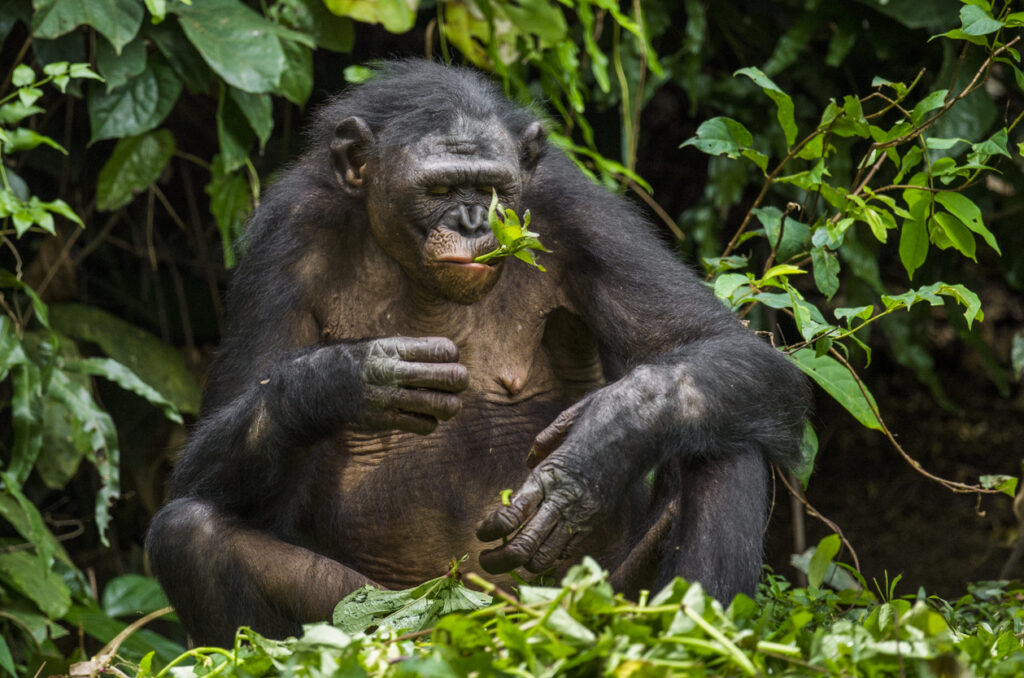
In several parts of Africa, chimps have been seen swallowing whole leaves of certain plants—not chewing, just gulping. The leaves aren’t nutritious, but they’re covered in tiny hairs that scrape parasites out of the gut on the way through. What’s wild is that chimps only do this when they’re sick. They don’t eat these leaves regularly, suggesting they know exactly when to reach for nature’s version of a deworming pill.
2. Elephants eat bark to trigger labour.
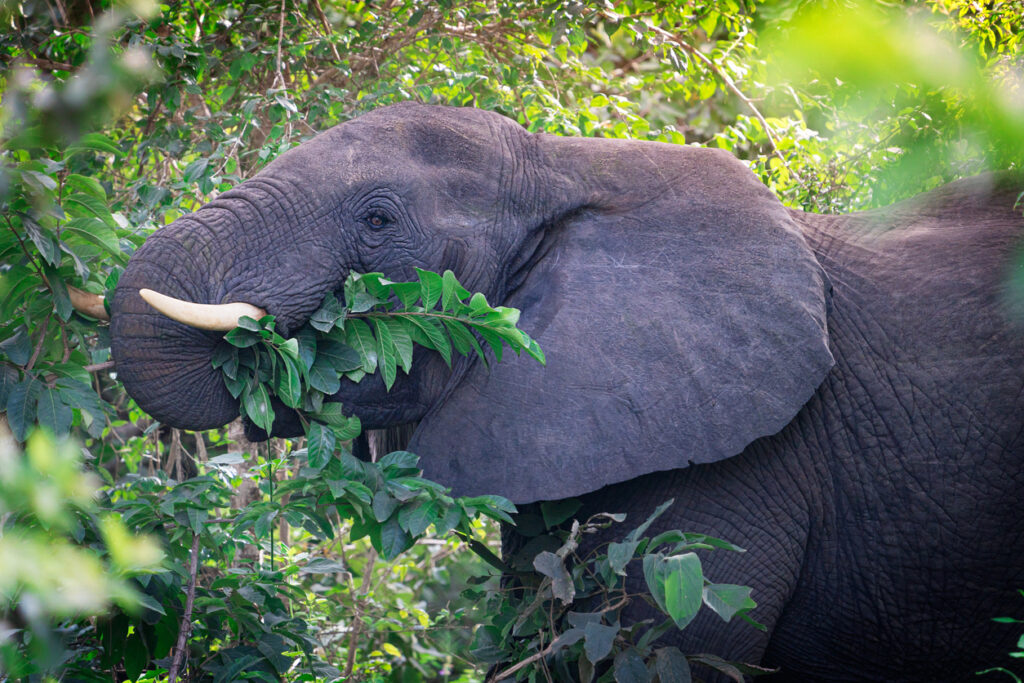
Pregnant elephants in Kenya have been spotted eating the bark of a particular tree (from the Boraginaceae family) that local people also use to induce labour. They don’t eat it at any other time, just in the final stages of pregnancy. Researchers believe they’re using the bark as a natural way to start contractions, showing a clear link between animal knowledge and traditional human medicine. Same plant, same purpose, totally unspoken agreement.
3. Parrots eat clay to detox.
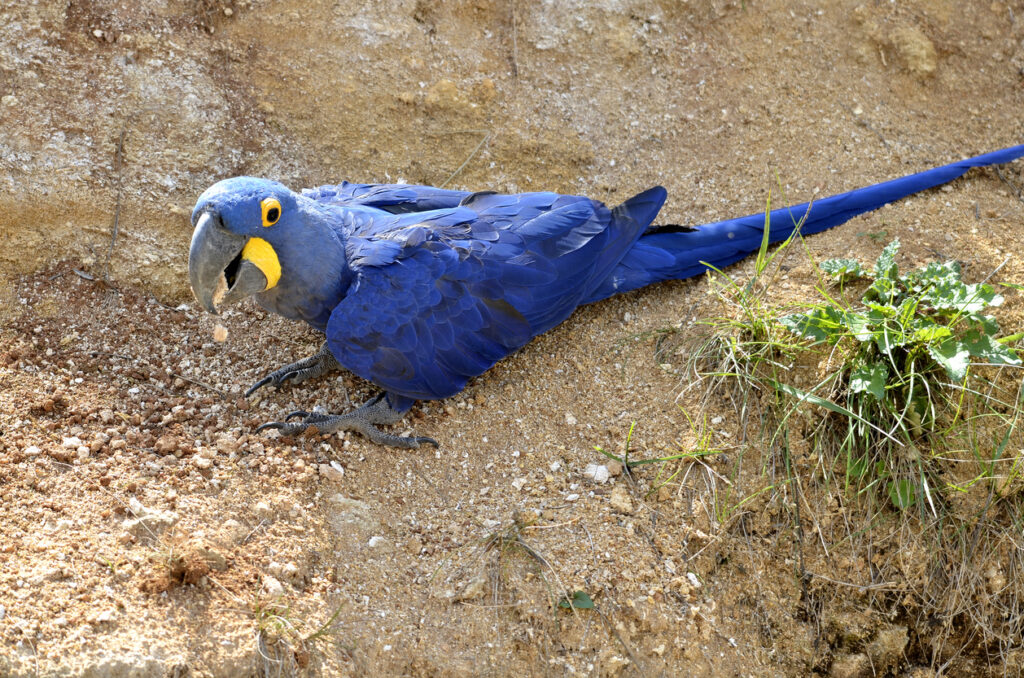
In South America, parrots regularly flock to clay licks, natural patches of exposed soil, to nibble on the dirt. It’s not because they’re hungry for soil. The clay helps bind to toxins in their diet, especially from unripe or bitter seeds, and carries them safely out of the body. It’s one of the clearest examples of animals using natural elements to counteract the side effects of their food. They’re basically taking an antacid, parrot-style.
4. Bears rub their fur with medicinal plants.
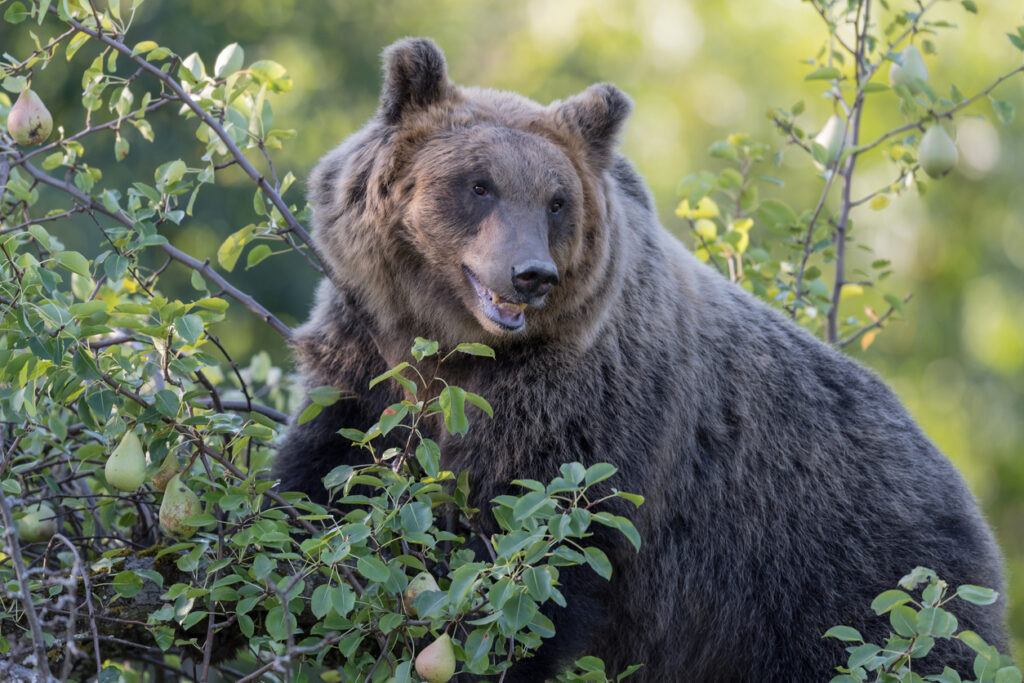
In some parts of North America, bears have been seen rolling in plants like osha root or Ligusticum, both of which have antimicrobial properties. They don’t eat them; they use them like a kind of herbal body rub. It’s thought they do this to treat skin irritations, repel insects, or maybe even heal wounds. It’s the bear version of dabbing on antiseptic cream after a rough day in the woods.
5. Monarch butterflies lay eggs on medicinal milkweed.
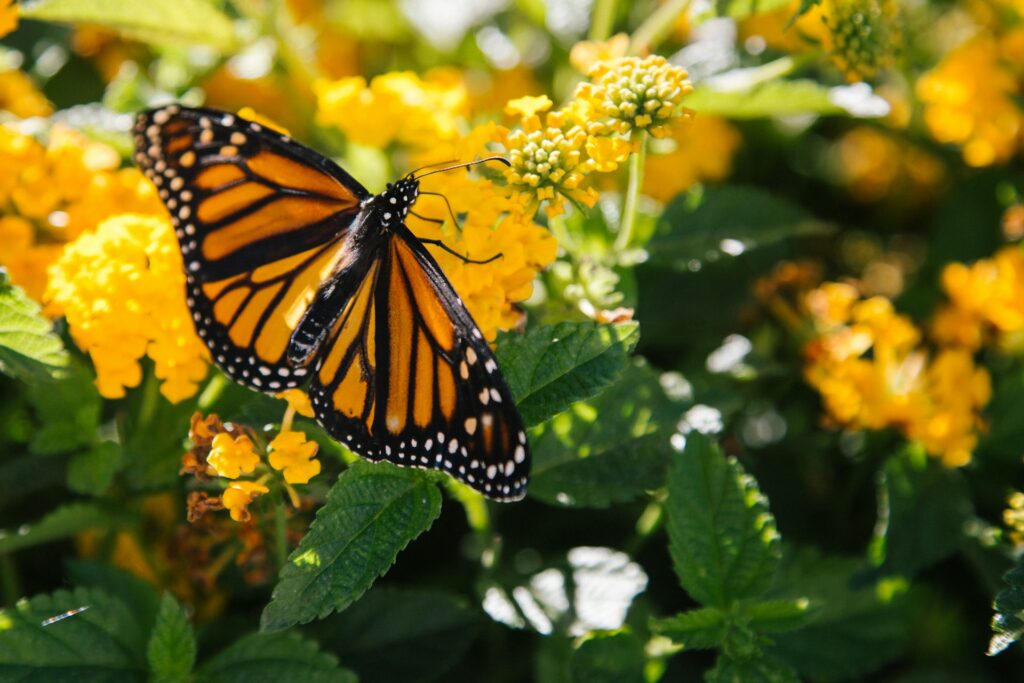
Monarchs lay their eggs on different types of milkweed, but when they’re infected with parasites, they’re more likely to choose a strain that contains toxic compounds called cardenolides. These compounds help reduce the survival of the parasite in the caterpillars that hatch. It’s not self-medicating in the traditional sense, but it’s preventative care. They’re giving their offspring a better shot at surviving illness before they’re even born. That’s pretty next-level parenting for an insect.
6. Capuchin monkeys rub their bodies with plants and insects.
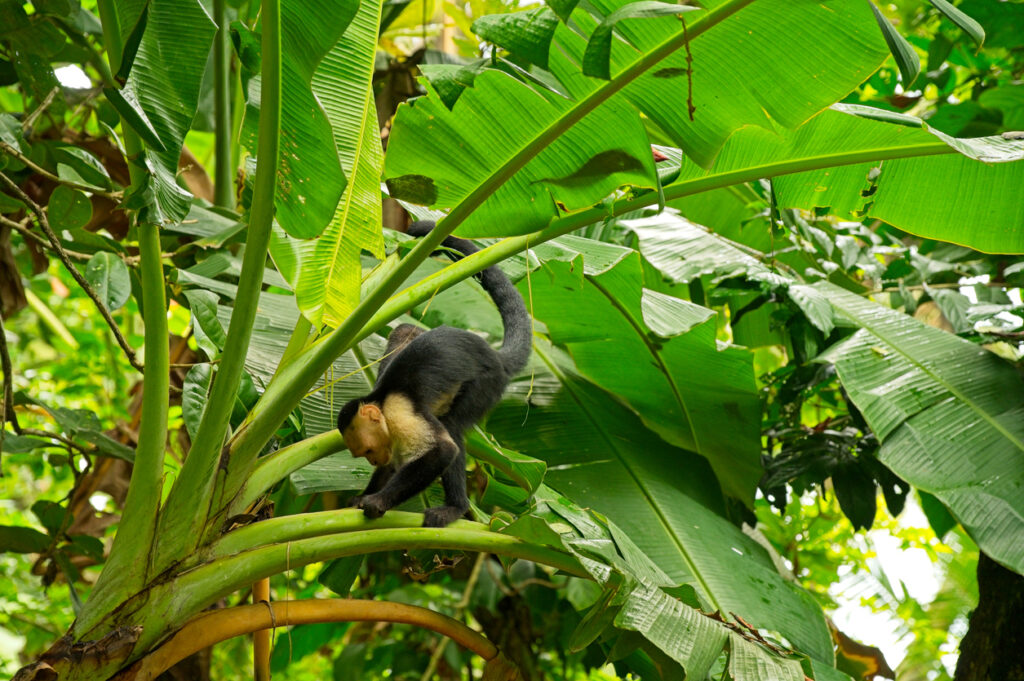
Capuchins in South America have been observed rubbing themselves with certain leaves, fruits, and even millipedes. The plants often contain chemicals that repel insects or soothe skin. It looks like a little spa ritual, but it’s likely a mix of insect repellent and skincare. Sometimes they even pass the plant materials around in a kind of communal grooming session, clearly not just instinct, but learned behaviour.
7. Dogs and cats eat grass for more than just fun.
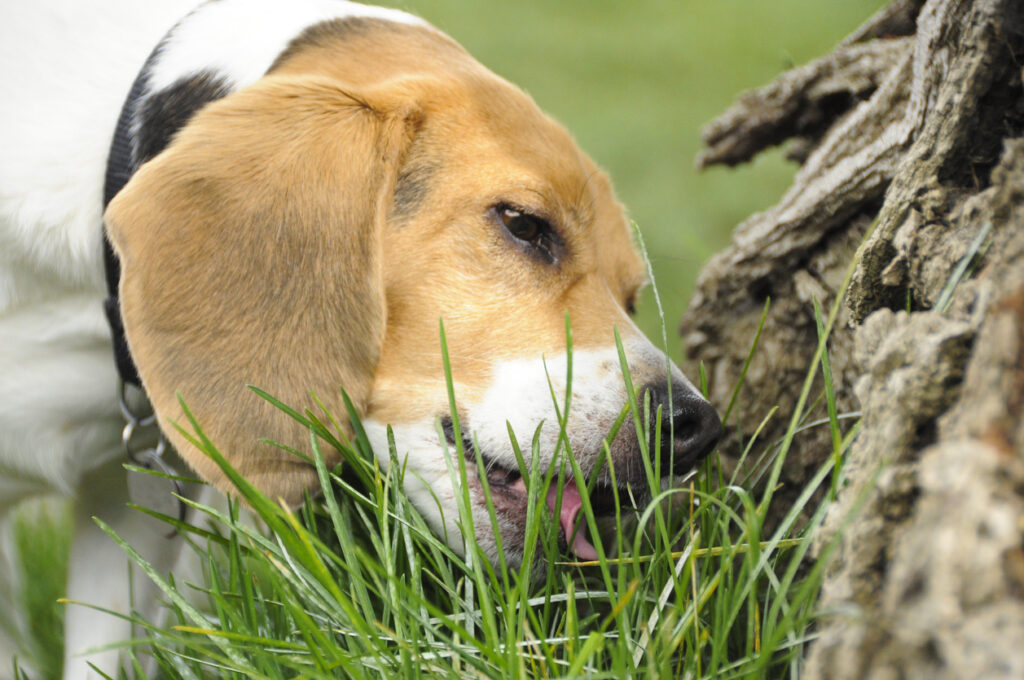
Most pet owners have seen this one: a dog or cat heads outside and munches on grass. Sometimes they throw up afterward. Sometimes they don’t. It’s long been thought they do this to ease digestion or clear out something that’s upsetting their stomach.
While the exact reasons vary, vets now believe it’s a natural way for carnivores to get fibre and possibly remove internal parasites. It’s one of the most common self-medicating behaviours in the animal world, and we see it in back gardens all the time.
8. Orangutans use plants to treat sore muscles.

In Borneo, orangutans have been seen chewing up the stems of a certain plant and rubbing the resulting paste onto their arms and legs. The plant, Dracaena cantleyi, has anti-inflammatory properties. This looks a lot like pain relief behaviour, especially after long stretches of travel through the trees. It’s like a natural rub-on treatment for aches, which is something we’d probably slap on after a hard workout.
9. Woolly spider monkeys pick plants that affect fertility.
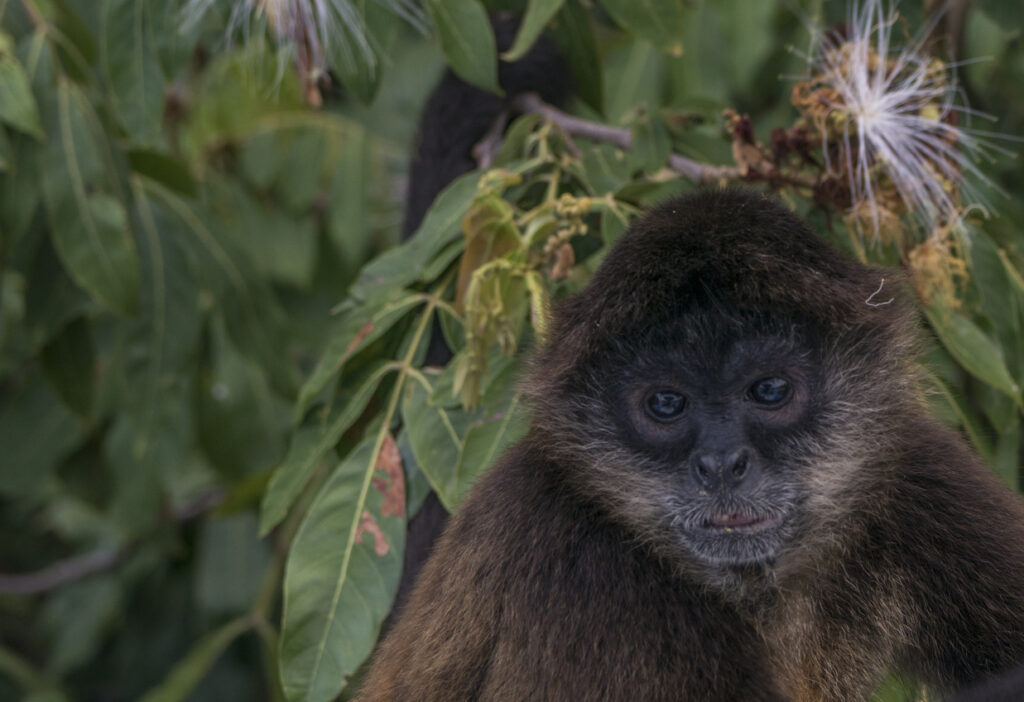
Researchers in Brazil found that these monkeys eat certain plants known to have hormone-disrupting effects, mainly around mating season. It’s not conclusive, but it looks like they might be using natural compounds to influence fertility and reproduction cycles. Whether it’s intentional or a happy accident, they’re interacting with medicinal plants in a way that directly affects their biology. Either way, they’re not just grabbing random leaves for fun.
10. Ants use resin to disinfect their nests.
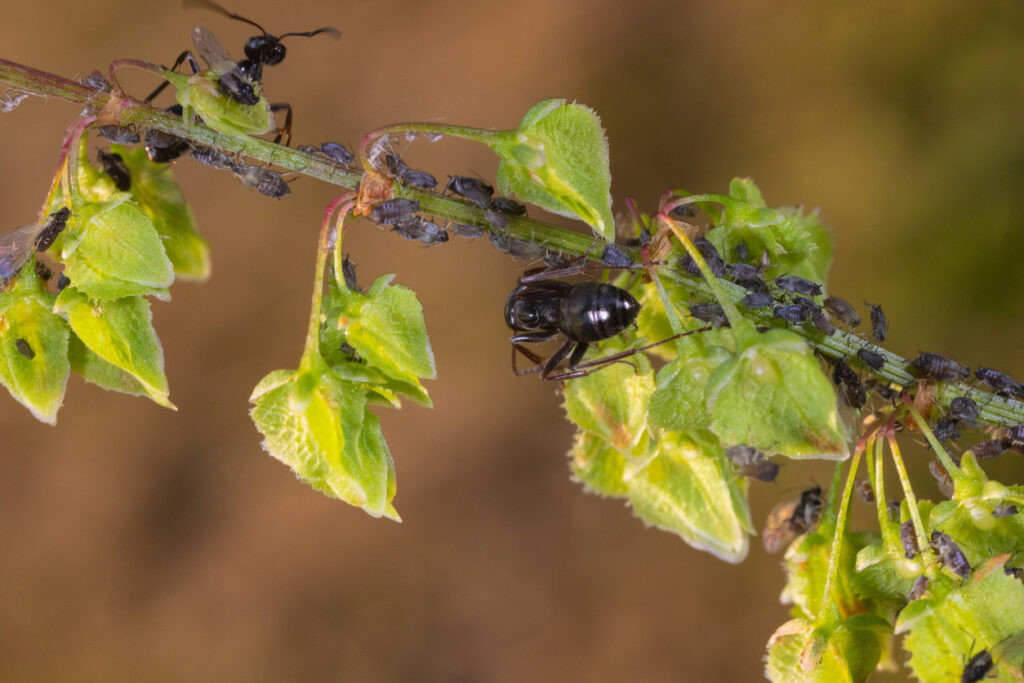
Wood ants in Europe collect tree resin and mix it with formic acid from their own bodies to coat the inside of their nests. This combination reduces the growth of bacteria and fungus, basically creating an antiseptic living space. It’s incredibly sophisticated behaviour for something so tiny. They’re essentially using natural materials to clean house, like spraying down the kitchen with homemade disinfectant, ant edition.