Sadly, the slender-billed curlew has just been officially declared extinct.
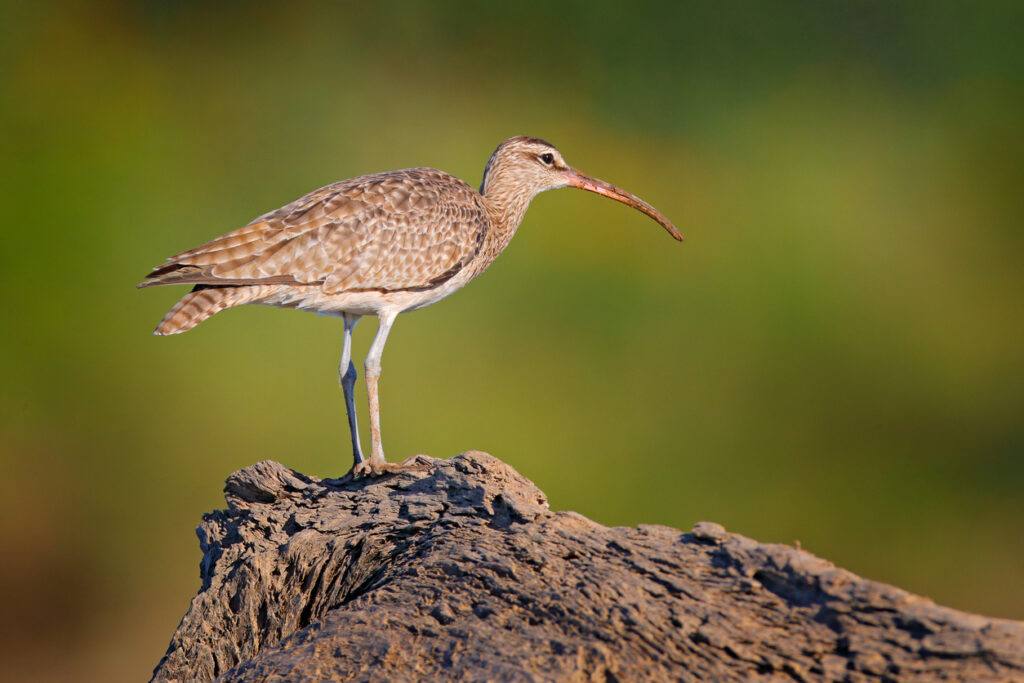
It’s the first known bird extinction in mainland Europe, Western Asia, and North Africa. The last confirmed sighting was in Morocco in 1995, which means this bird has been gone for nearly 30 years before anyone made it official. You’ve probably never heard of it, and that’s exactly part of the problem.
It’s the first bird to go extinct in this part of the world.
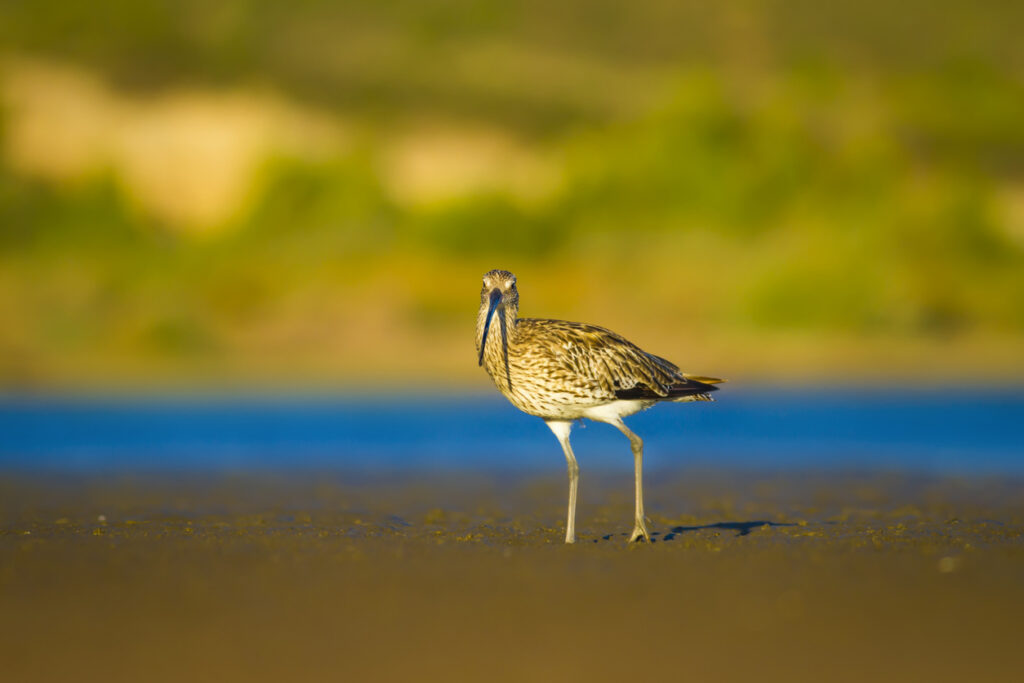
This isn’t just another species dying out somewhere remote. This is the first time a bird has gone completely extinct across Europe, Western Asia, and North Africa in modern history. That’s a massive area covering some of the most developed and supposedly environmentally conscious parts of the planet.
We’re not talking about a rainforest species that disappeared before scientists could study it properly. This was a bird that lived in areas where millions of people could have seen it. It migrated through countries with strong conservation laws and dedicated birdwatchers, and it still went extinct. That should be ringing alarm bells.
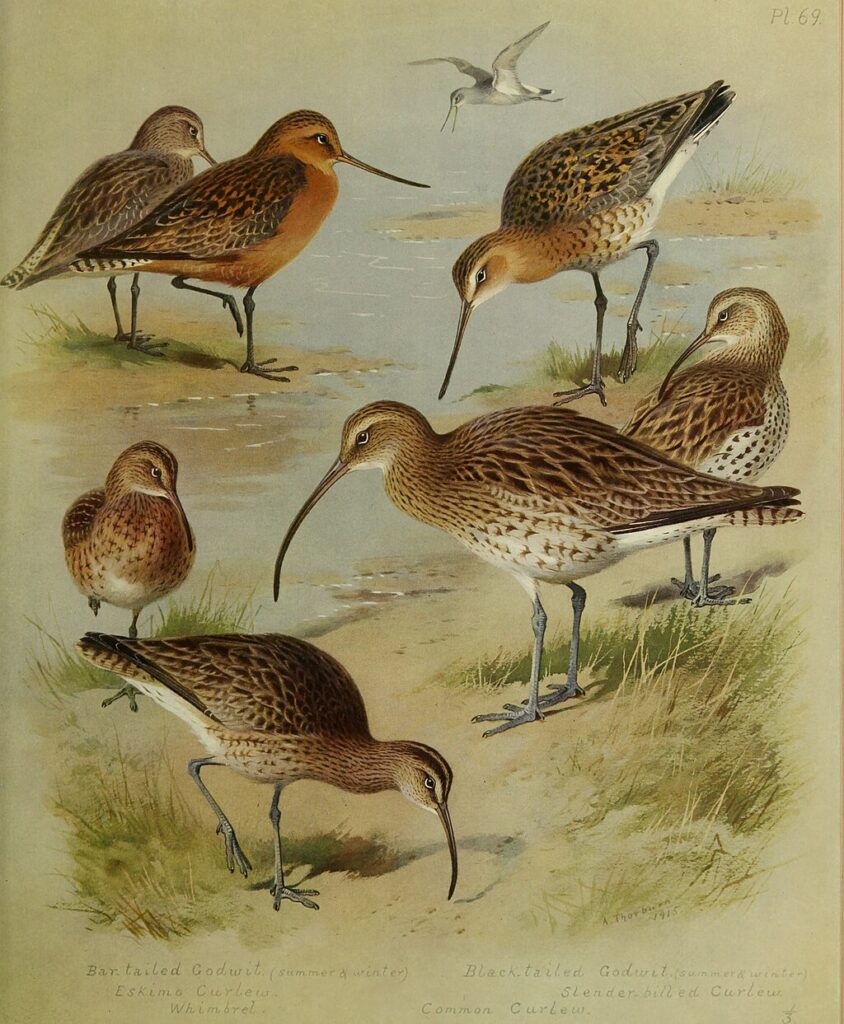
Nobody really knows what it looked like alive.
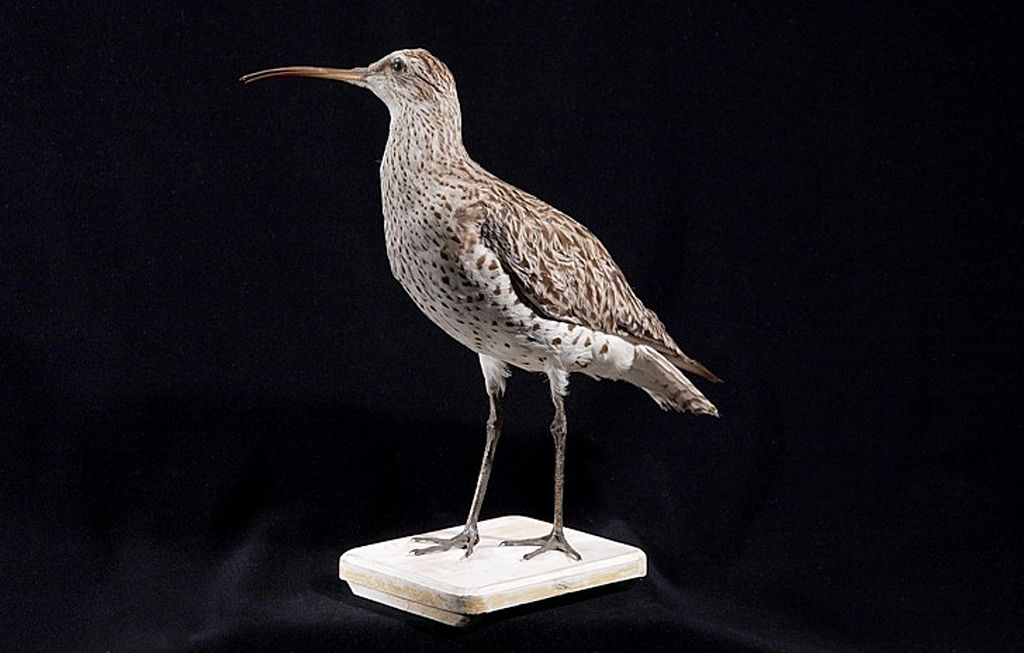
There are only a handful of photos and sketches of living slender-billed curlews. Most of what we know comes from museum specimens, dead birds that were shot by hunters over a century ago. By the time people realised it was disappearing, it was already too rare to study properly.
Imagine a species vanishing before we’ve even documented what it sounds like, how it behaves, or what its full life cycle looks like. We lost this bird without really knowing it. That’s not just sad, it’s a massive failure of conservation and awareness.
It survived for millennia until we wrecked its habitat.
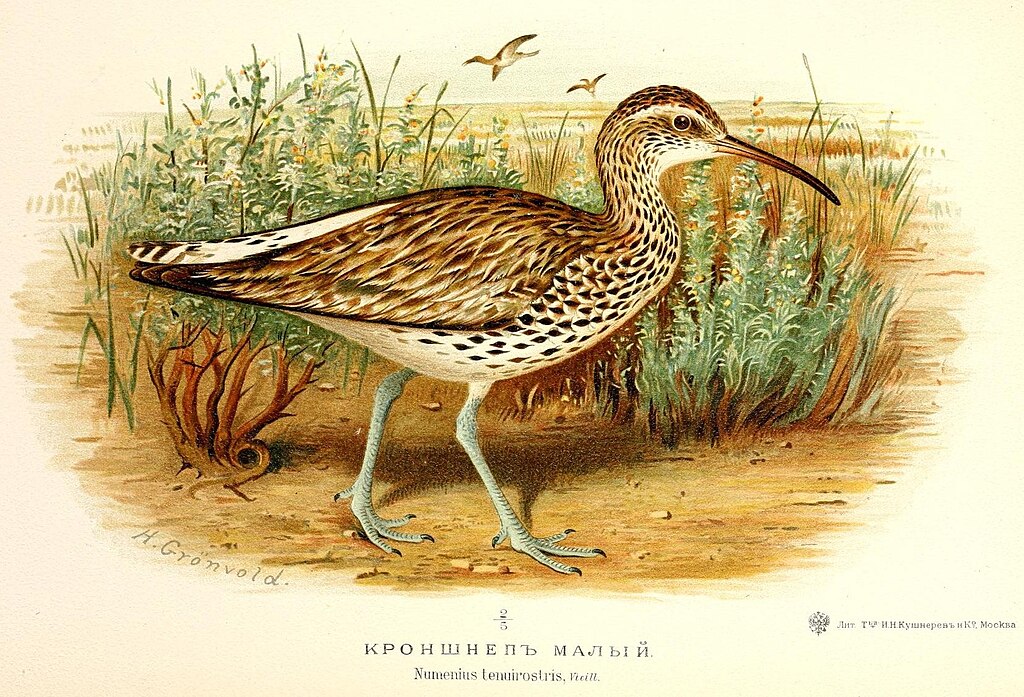
The slender-billed curlew survived ice ages, climate shifts, and natural predators for thousands of years. What it couldn’t survive was humans draining wetlands, hunting it, and destroying its breeding grounds. The bird was fine until we showed up and changed everything.
Wetlands across its range were drained for agriculture and development. The specific type of boggy, marshy habitat it needed for breeding basically doesn’t exist anymore in most of its former range. The bird didn’t evolve fast enough to adapt, so it just died out.
Its extinction shows how quickly we can lose things.
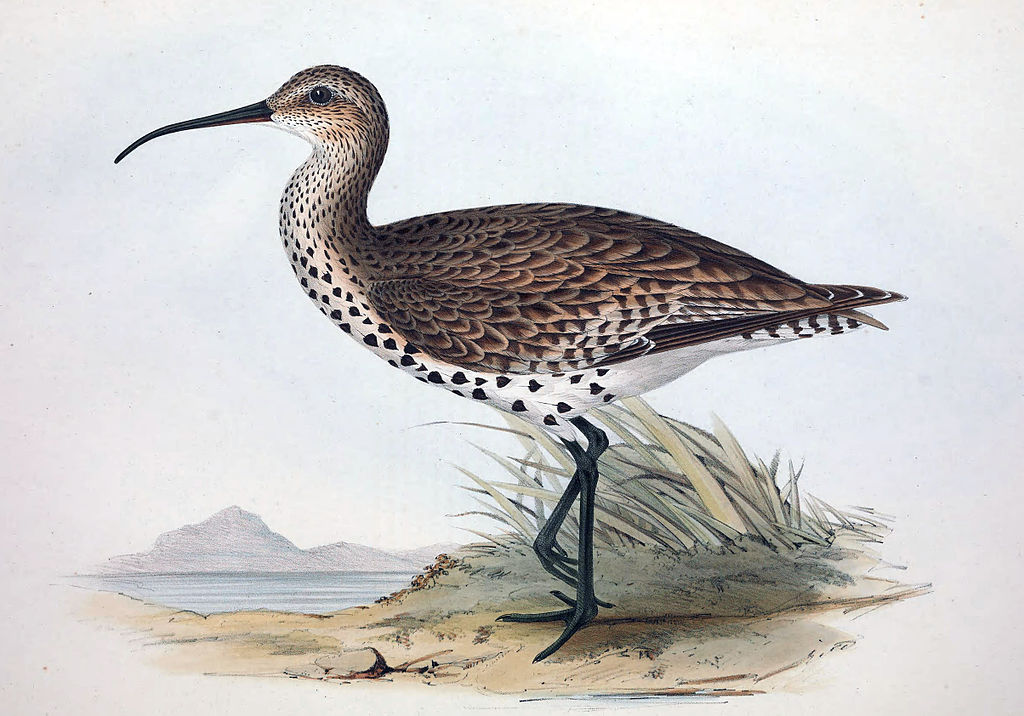
In the 1800s, slender-billed curlews were common enough that hunters shot them regularly. By the early 1900s, they were getting rare. By the 1950s, they were desperately scarce. By 1995, they were gone. That’s barely more than a century from common to extinct.
This shows how fast a species can collapse once things start going wrong. There’s not always time to fix problems once you notice them. By the time scientists realised the slender-billed curlew was in serious trouble, there probably weren’t enough birds left to save.
Other curlews are heading the same way.
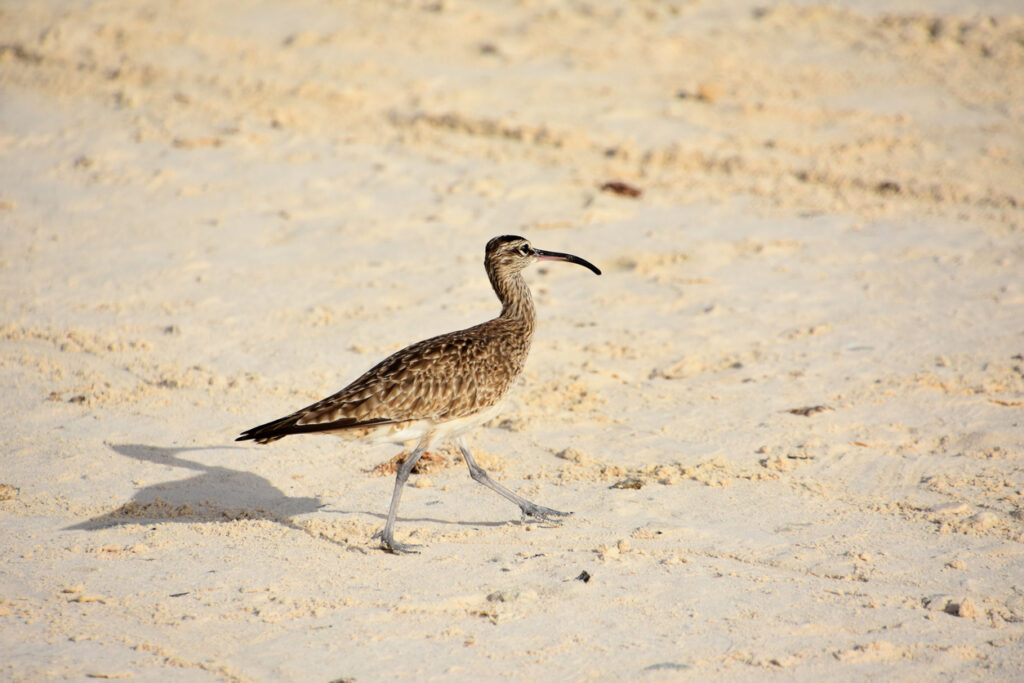
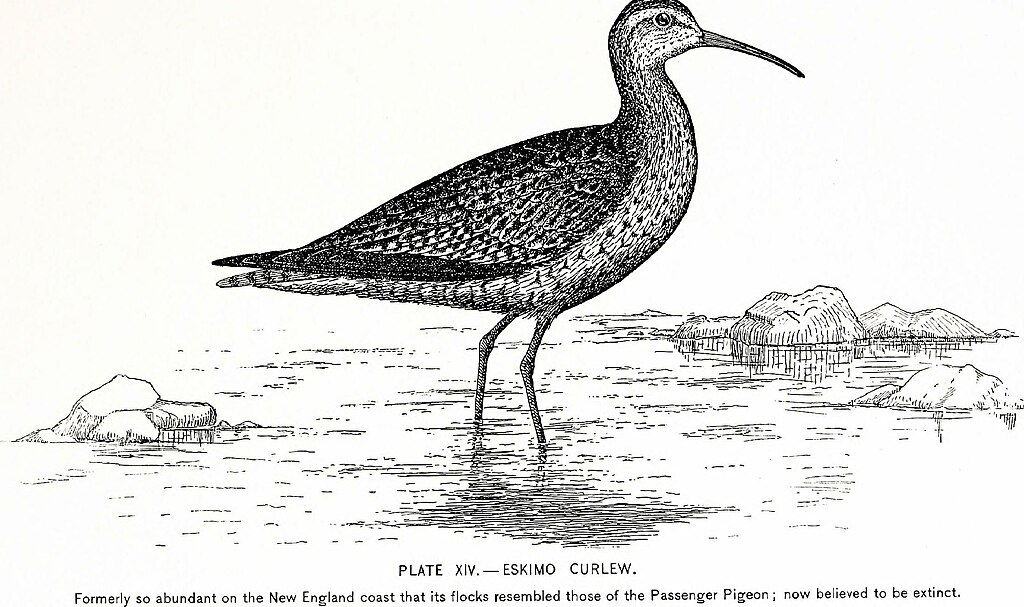
The slender-billed curlew isn’t the only curlew in trouble. The Eskimo curlew is probably already extinct. The Far Eastern curlew is endangered. Our own Eurasian curlew is declining fast in Britain and across Europe. Seeing one species go extinct should make us panic about the others.
Curlews need specific habitats that we keep destroying. They’re big, slow-breeding birds that can’t bounce back quickly from population crashes. If we don’t sort out habitat loss and protection right now, we’re going to lose more of them. The slender-billed curlew is showing us the future for its relatives.
It proves conservation efforts came too late.
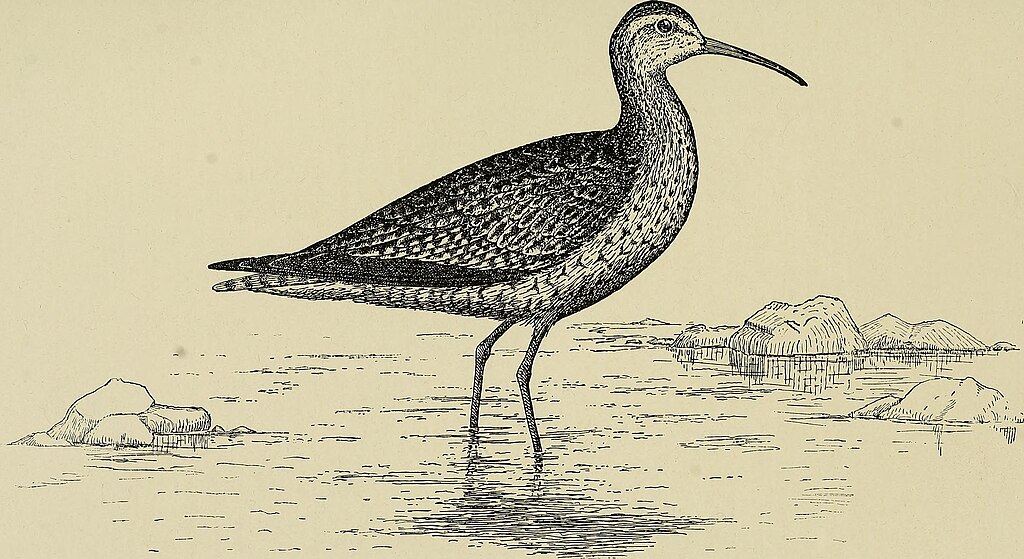
People knew the slender-billed curlew was in trouble for decades before it went extinct. There were attempts to find breeding sites, protect potential habitat, and search for remaining birds. But all of that happened when there were probably fewer than a hundred birds left, if that.
Conservation doesn’t work if you start it when a species is already on the edge. You need to act when populations are still healthy, when there’s a buffer for mistakes, when there’s time to experiment with different approaches. Waiting until something’s critically endangered is basically planning to fail.
Most people won’t notice or care.
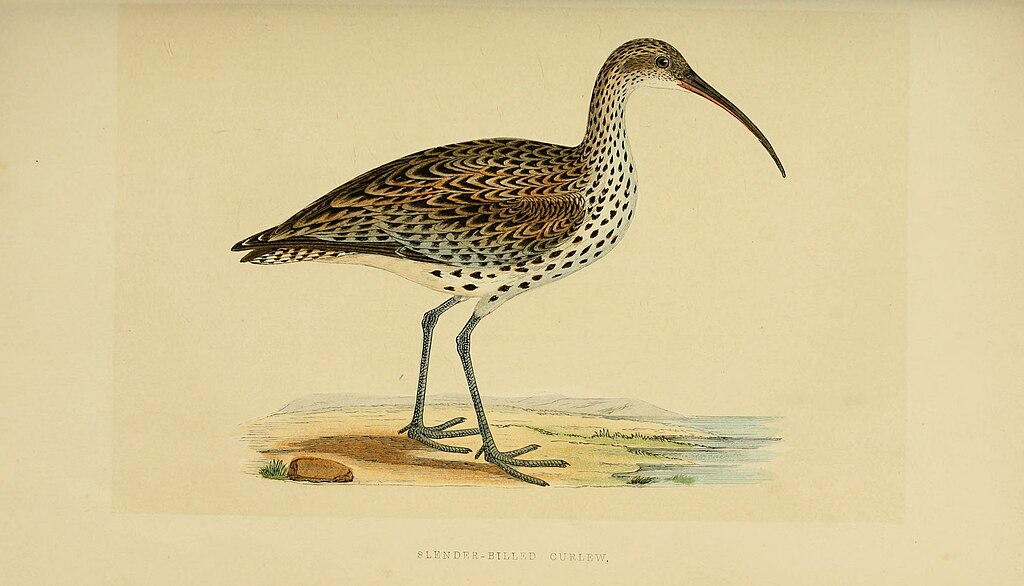
Here’s the brutal truth. A boring brown wading bird going extinct doesn’t make headlines or get people emotional. If this was a panda or a tiger, there’d be outrage. But a curlew? Most people don’t know what a curlew is. They certainly can’t tell different curlew species apart.
That indifference is dangerous because it lets extinctions happen quietly. If nobody cares when a species disappears, there’s no pressure on governments to fund conservation or protect habitats. The slender-billed curlew died in silence, and that silence let it happen.
It’s a warning about what we’re doing to wetlands.
Wetlands are disappearing faster than rainforests, and barely anyone talks about it. They’re drained for farmland, filled in for development, or polluted until nothing can live there. The slender-billed curlew needed wetlands, and we destroyed them.
Wetlands aren’t just important for birds. They filter water, prevent flooding, store carbon, and support huge amounts of wildlife. Losing wetlands means losing all of that. The curlew’s extinction is a symptom of a much bigger problem that affects everyone.
We’ll never know what we’ve lost.
There’s no bringing back the slender-billed curlew. No amount of money or technology will make it reappear. Whatever unique behaviours, calls, or ecological roles it had are gone forever. Future generations will never see one, never hear one, never know what we had.
Every extinction makes the world slightly less interesting and slightly more empty. We’re slowly erasing the variety of life on Earth, and each loss makes it easier to accept the next one. The slender-billed curlew deserved better than vanishing whilst everyone was looking the other way.
It shows we’re not doing enough.
If a bird can go extinct right under our noses in one of the most developed regions on Earth, what does that say about our conservation efforts? We have wildlife laws, protected areas, environmental regulations, and monitoring programmes. And a species still disappeared.
Clearly, what we’re doing isn’t enough. The systems we’ve set up to protect wildlife are failing. The slender-billed curlew proved that. Unless we massively step up protections, funding, and habitat restoration, it won’t be the last species we lose. It’ll just be the first of many.