Certain dinosaurs get all the attention, and it’s not hard to see why.
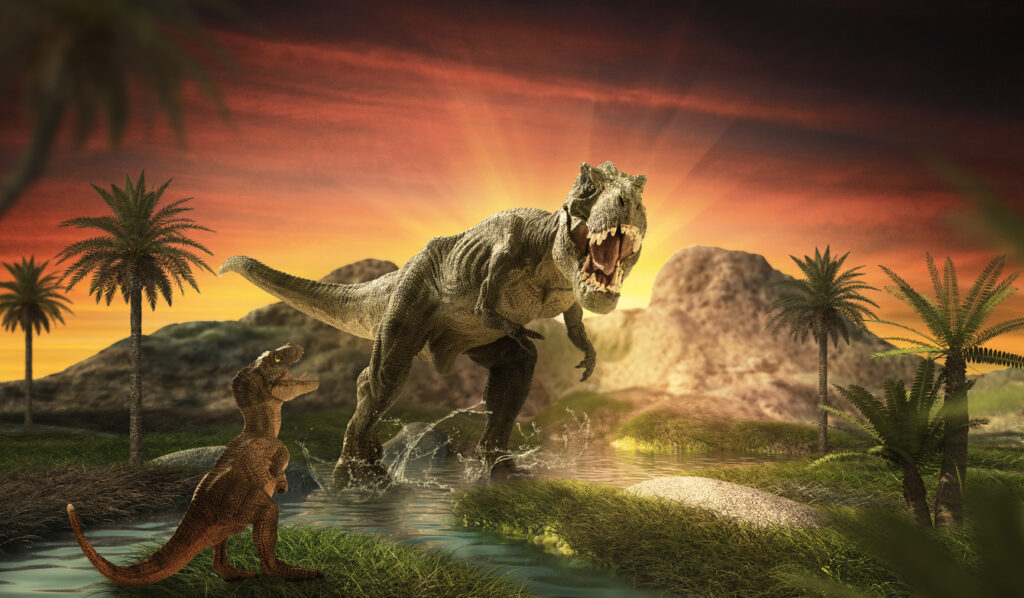
They’re the ones plastered across documentaries, toy shelves, museum posters, and every dinosaur book aimed at kids. They’re all big teeth, scary reputations, and familiar names. After a while, it starts to feel like prehistoric life was basically made up of the same few creatures on repeat.
The thing is, that narrow focus gives a skewed picture of what dinosaurs were actually like. Some of the most famous ones aren’t nearly as interesting as their reputation suggests, while plenty of lesser-known species had far stranger bodies, smarter adaptations, or more unusual ways of living. Once you look beyond the usual crowd favourites, the dinosaur story gets a lot more surprising, and frankly, much more fun.
1. Tyrannosaurus rex vs Gorgosaurus
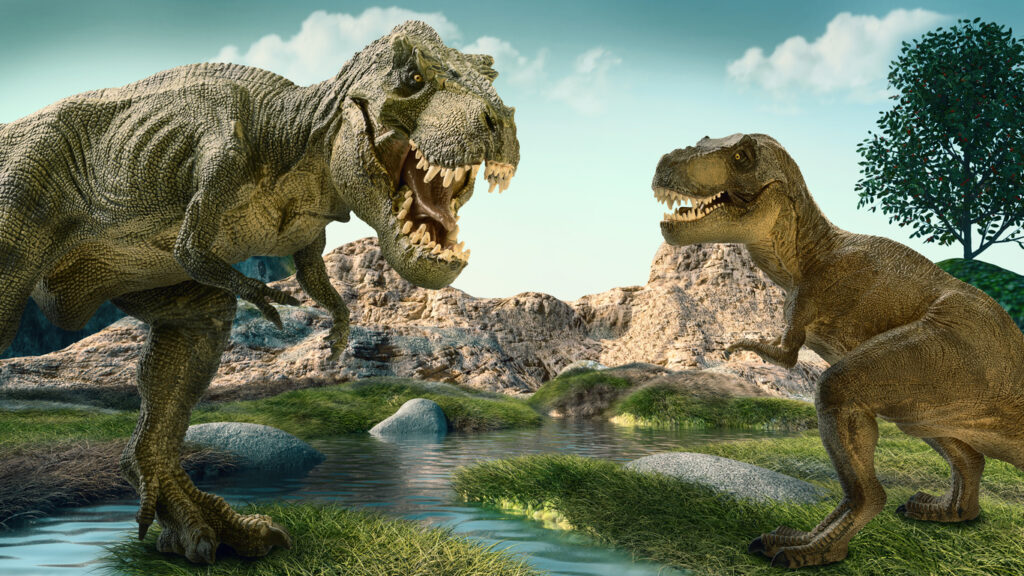
T.rex is treated like the unbeatable king of dinosaurs, but its reputation is shaped more by films than fact. It was powerful, but not the super predator people imagine. It wasn’t the fastest hunter and relied heavily on scavenging when it could, which makes its feared image a bit overstated.
Gorgosaurus, on the other hand, was faster, more agile and just as capable as a hunter, yet barely gets talked about. It had strong senses and a leaner frame that made it a more active predator. If people learned more about it, they’d realise it was every bit as interesting as T.rex.
2. Velociraptor vs Dakotaraptor
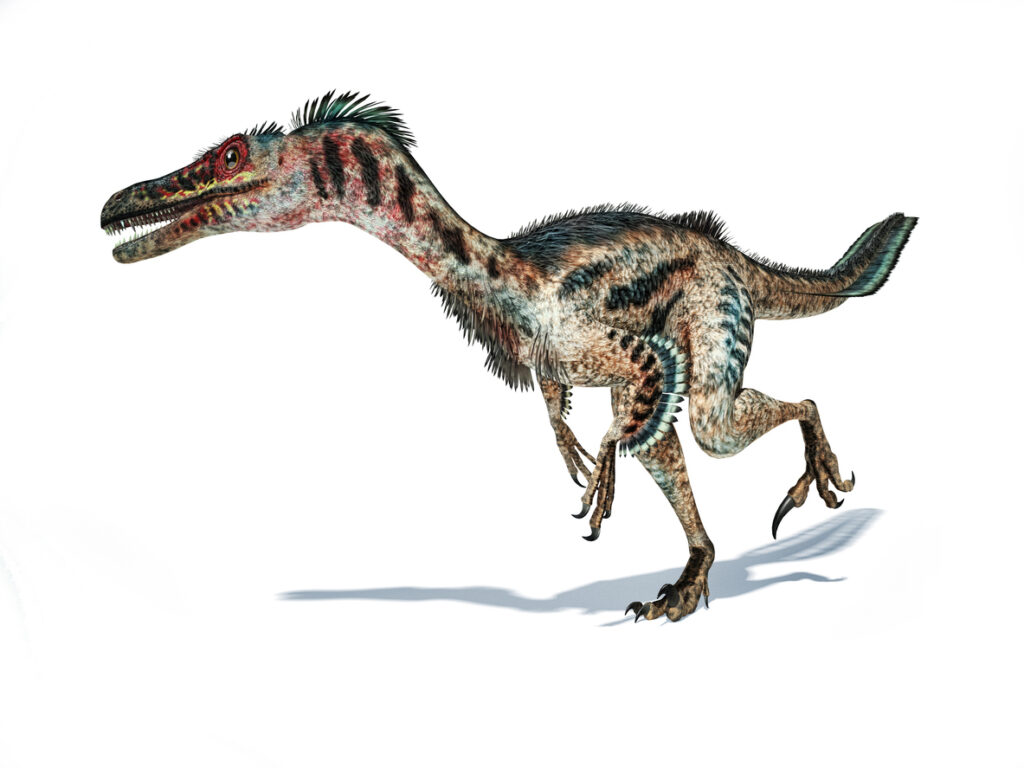
Velociraptor is famous thanks to films, but the real one was small and feathered. It couldn’t hunt humans or leap onto animals much larger than itself, which makes its fierce reputation misleading. Its size alone makes it one of the most overrated dinosaurs in popular culture.
Dakotaraptor rarely gets mentioned, but it was the real giant raptor people imagine. It was far bigger, had powerful claws, and lived in environments where it hunted large prey. It deserves the attention Velociraptor gets because it actually fits the “terrifying raptor” idea.
3. Triceratops vs Styracosaurus
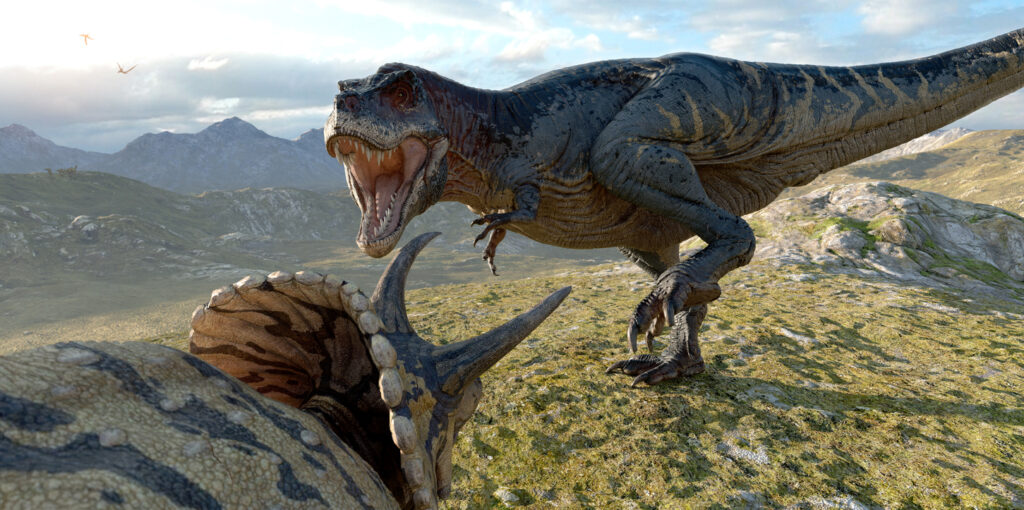
Triceratops is treated like the only horned dinosaur worth knowing, even though its design was fairly simple compared to its relatives. Its fame comes from appearing in almost every dinosaur book, not because it was the most unusual member of its group.
Styracosaurus had huge spikes bursting from its frill and a far more dramatic look. It was one of the most striking dinosaurs ever discovered, yet most people have never heard of it. If anything deserved the spotlight, it’s the species with a crown of weapon like spikes.
4. Stegosaurus vs Kentrosaurus
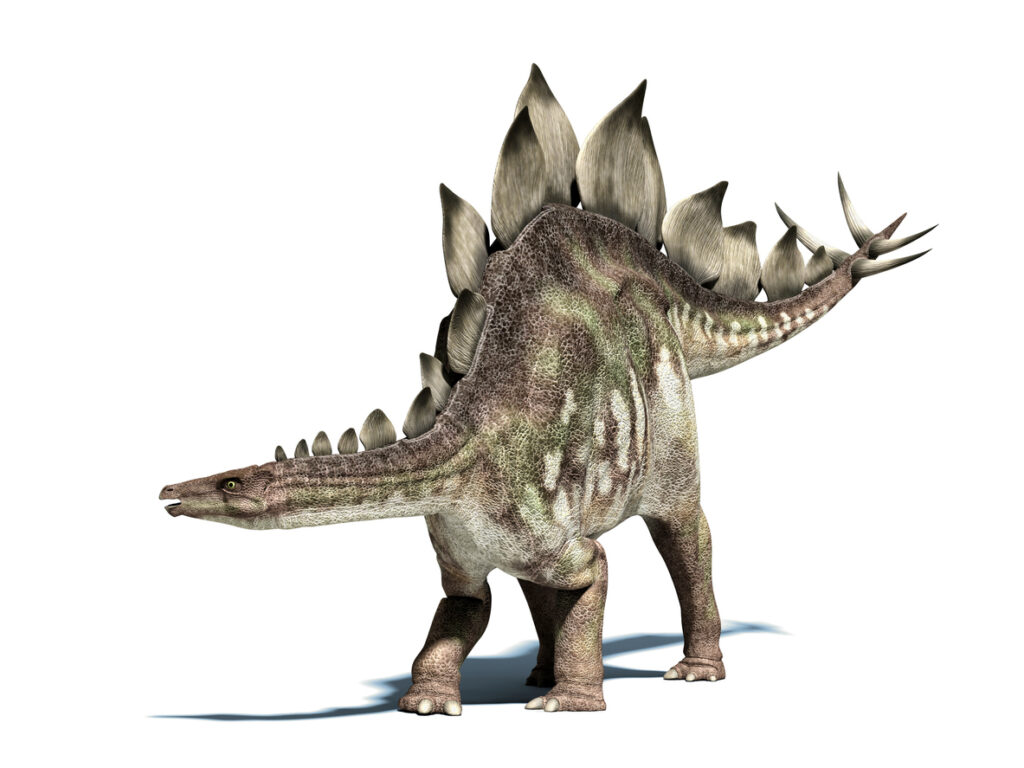
Stegosaurus is famous because of its plates and tail spikes, but it wasn’t the most impressive plated dinosaur. It had a small brain and simple defences. Its reputation owes more to childhood books than to scientific uniqueness.
Kentrosaurus had longer, sharper spikes and a layout that made it look more dangerous. It was more agile and had a far more dramatic design, yet it rarely appears in media. People would be amazed by it if it received as much attention as Stegosaurus.
5. Brachiosaurus vs Argentinosaurus
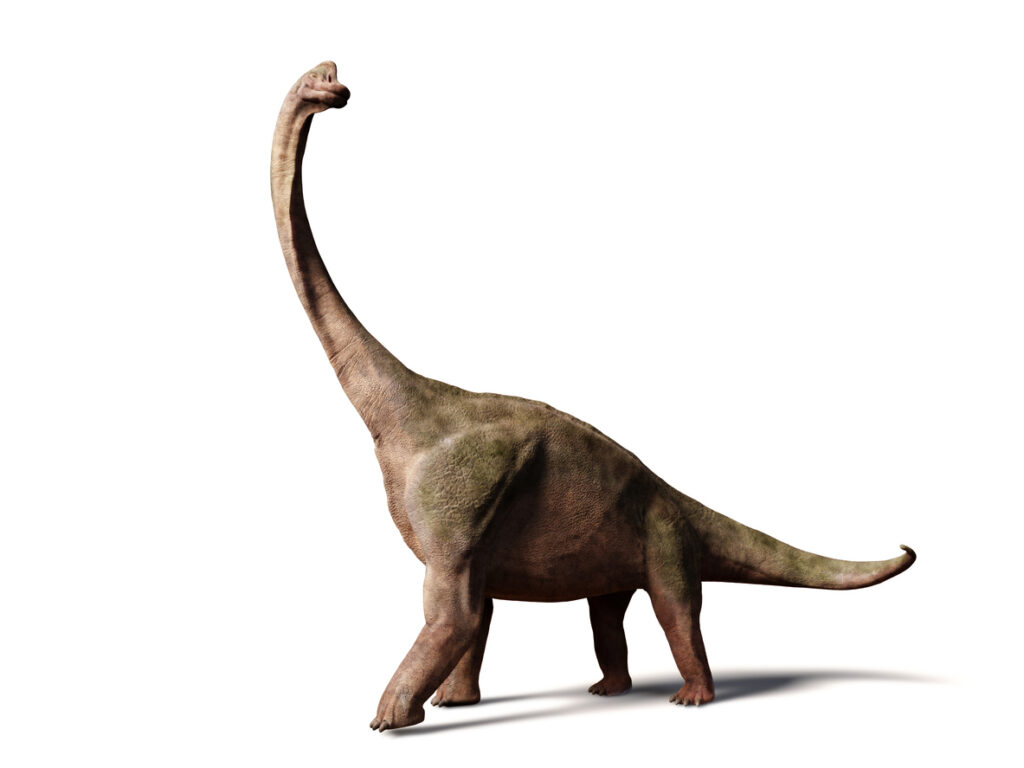
Brachiosaurus is always shown as the towering giant of dinosaur films, but many sauropods were much bigger. Its popularity comes from its film appearances, not because it truly was the largest or most impressive long necked dinosaur.
Argentinosaurus was one of the biggest land animals to ever live. It dwarfed Brachiosaurus in size and scale, yet most people don’t know its name. If people want a real giant, Argentinosaurus deserves to be the one they remember.
6. Allosaurus vs Carnotaurus
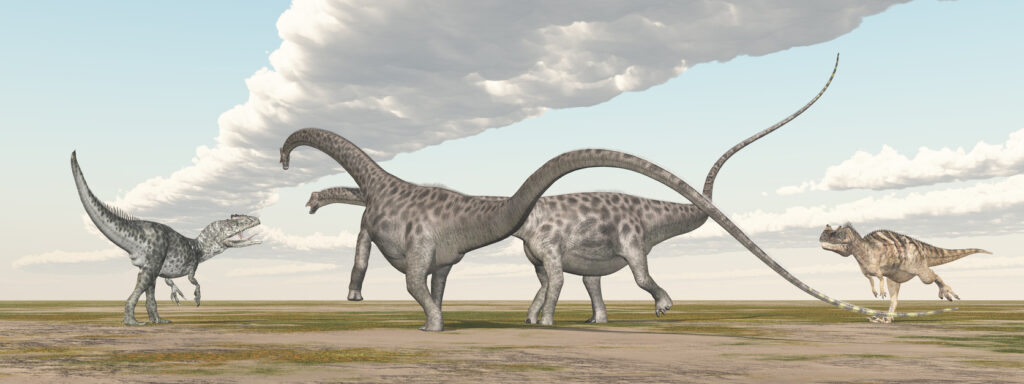
Allosaurus gets attention as the top predator before T.rex, but its abilities are often overstated. It wasn’t the strongest hunter of its time and relied more on repeated bites rather than powerful crushing force. Its fame comes from being easy to illustrate and understand.
Carnotaurus had a bizarre design with horns, a short snout and incredible running ability. It was unlike any other predator, and far stranger than Allosaurus. It’s one of the most unusual dinosaurs ever found, but barely gets discussed compared to the favourites.
7. Iguanodon vs Parasaurolophus
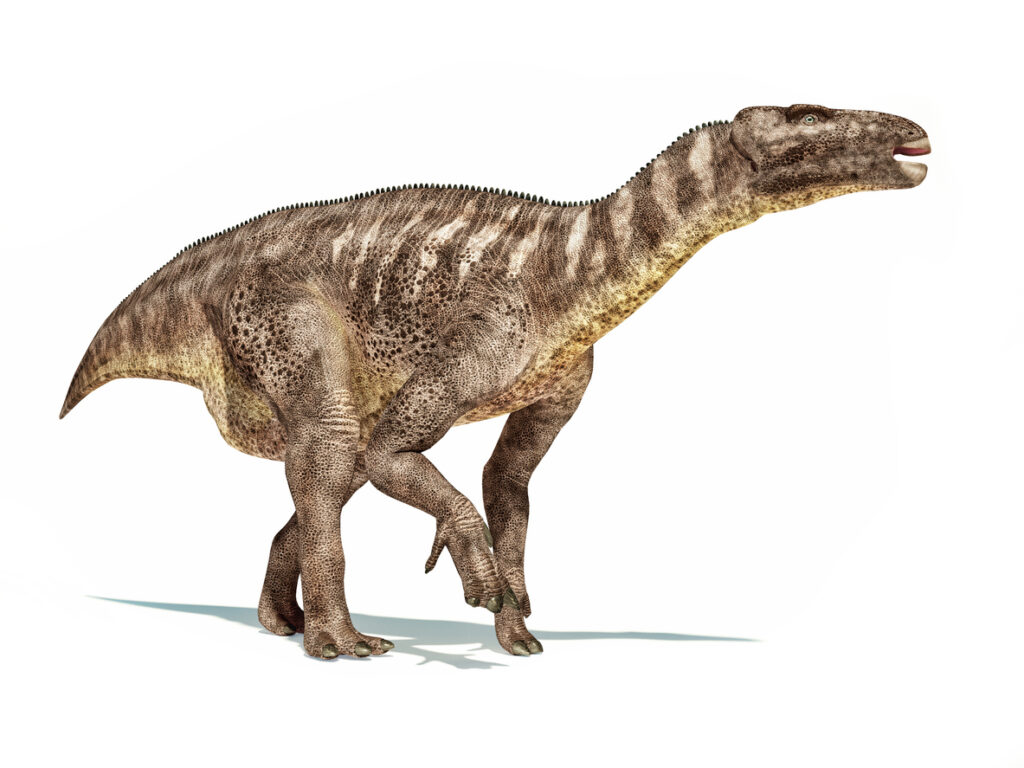
Iguanodon is often presented as the basic dinosaur model, but it wasn’t particularly unusual. It had simple teeth, simple limbs and a straightforward body shape. Its status comes from being discovered early, not because it was the most fascinating animal of its time.
Parasaurolophus had a long crest that may have created deep, musical sounds. It had a far more complex design and behaviour, yet stays much less known. Once people learn about the crest and how it might have worked, they realise how underrated it truly is.
8. Dilophosaurus vs Cryolophosaurus
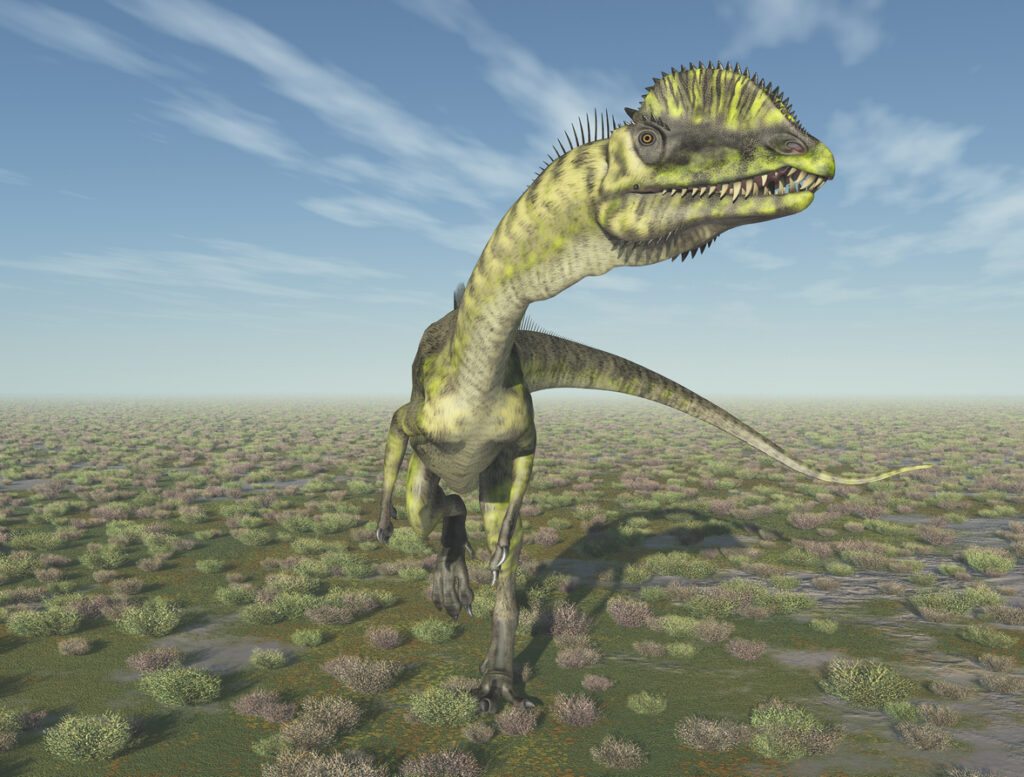
Dilophosaurus is widely remembered for a movie version that spat venom and had a neck frill, both of which were fictional. The real dinosaur was interesting, but nowhere near as dramatic as the version people picture, which makes its reputation inflated.
Cryolophosaurus had a crest shaped like a hair comb and lived in Antarctica when it was still forested. This makes it one of the most unique dinosaurs ever found, but it’s barely known outside palaeontology circles. It deserves more attention than the movie myth.
9. Ankylosaurus vs Euoplocephalus
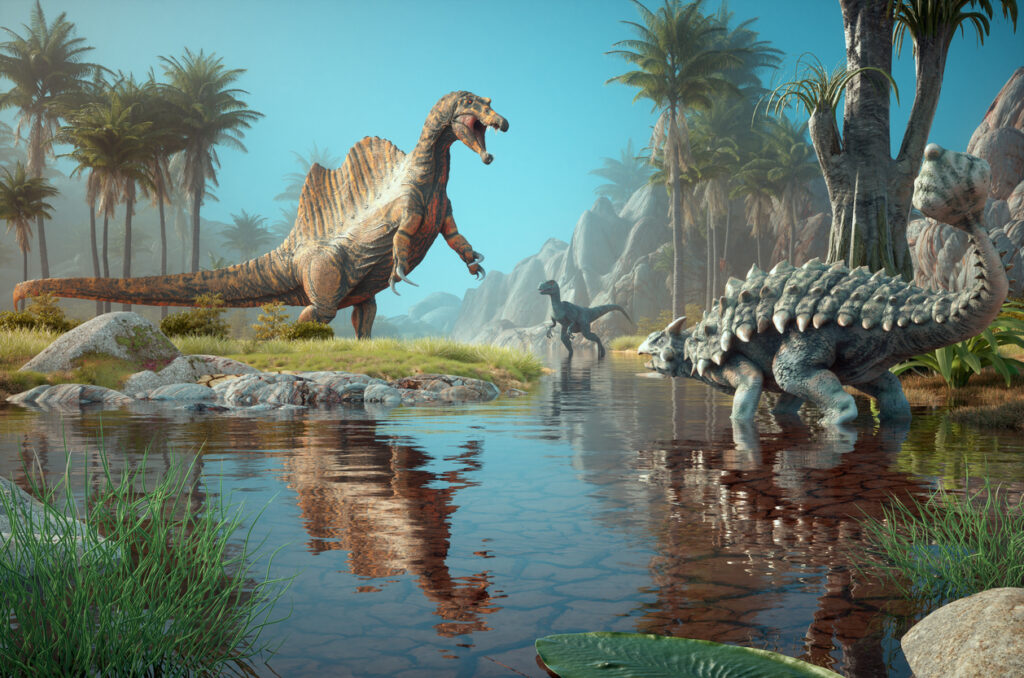
Ankylosaurus is famous for its heavy armour and club tail, but people assume it was the most impressive armoured dinosaur when many others were just as interesting. Its fame comes from being featured in books rather than being the most remarkable member of its family.
Euoplocephalus had impressive armour, better mobility, and unique skull features that made it a standout. However, it never gets the same spotlight despite being just as powerful and visually impressive as Ankylosaurus.
10. Spinosaurus vs Baryonyx
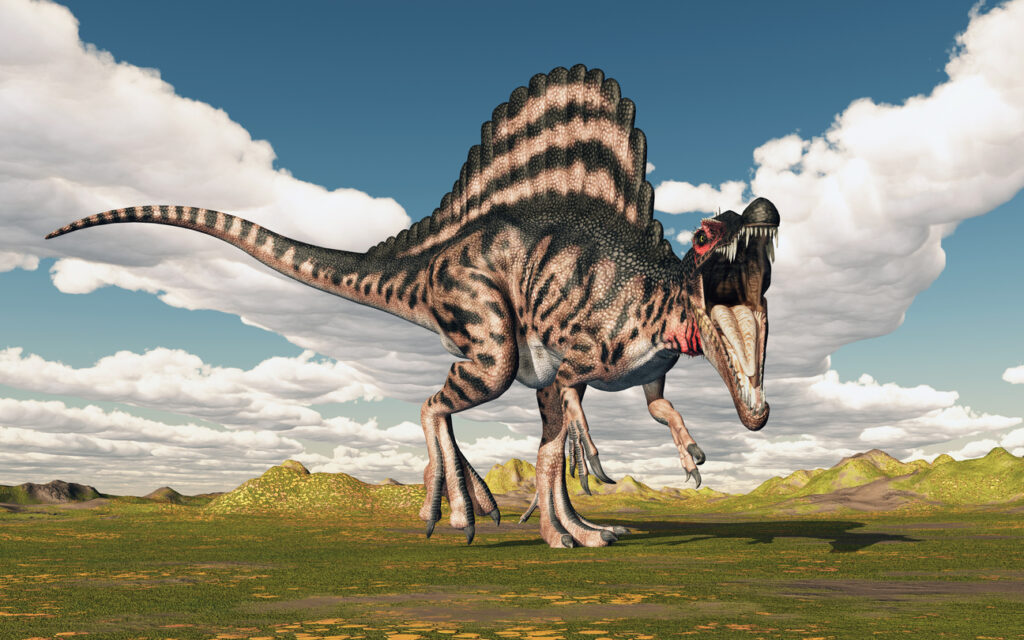
Spinosaurus gets attention for its size and sail, but much of what people think they know about it is still debated. Its lifestyle, build and hunting methods aren’t fully understood, which means the dramatic portrayals don’t match the evidence we have.
Baryonyx, however, has a well-understood fossil record and a clear fishing lifestyle. It was a strong predator with large claws and a recognisable shape, yet it’s barely talked about despite being a key member of the same group.
11. Pteranodon vs Troodon
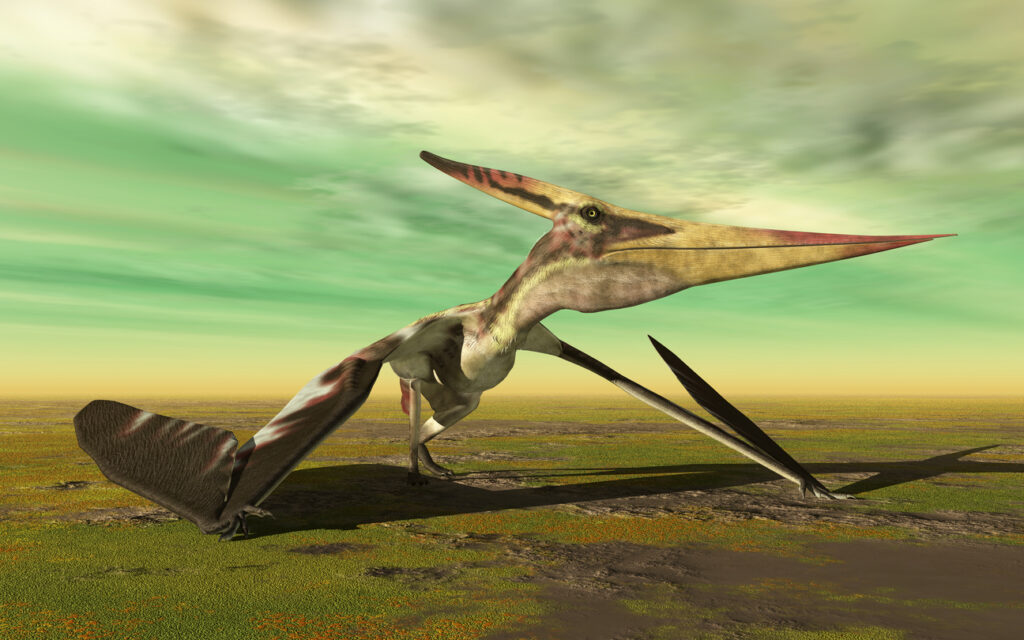
Pteranodon is treated like a dinosaur in many films, even though it wasn’t one. Its fame takes attention away from real dinosaurs that had far more interesting features. People remember its wings, not its place in the prehistoric world.
Troodon was a small dinosaur with one of the highest brain to body ratios ever found. It showed early signs of advanced thinking and problem-solving, yet remains overlooked because flying reptiles steal its attention.
12. The biggest stars are often the overlooked species

The same dinosaurs get repeated in films and books until they feel like the only ones worth knowing, even though many of them are famous for reasons that don’t match their real abilities. Their names survive because they’re easy to sell, not because they were the most impressive animals of their time.
The dinosaurs we ignore often had stranger shapes, smarter behaviours or more dramatic features. If they took centre stage, people would realise how varied and extraordinary dinosaur life actually was.