Most people think humans are the only species capable of understanding numbers, but that’s not actually true. There are plenty of animals can recognise quantities, follow number patterns or make decisions based on simple maths. They don’t sit solving equations, but they can judge amounts, compare groups and even spot when something doesn’t add up. These abilities help them survive, find food and keep themselves safe in the wild. These are just some of the incredible creatures for whom simple maths are an absolute dawdle.
1. Crows

Crows have built a reputation for being clever, and their sense of quantity is a big part of that. They can tell the difference between small numbers of objects and notice straight away if something’s been added or removed. If a food source suddenly looks smaller than it should, they clock it.
What’s especially interesting is how they use this ability. Crows remember which places reliably produce food and which don’t, and they factor quantity into those decisions. They’ve also been shown to follow simple number patterns, which helps them avoid danger. If a risky situation involved a certain number of people or animals before, they remember that too.
2. Honeybees
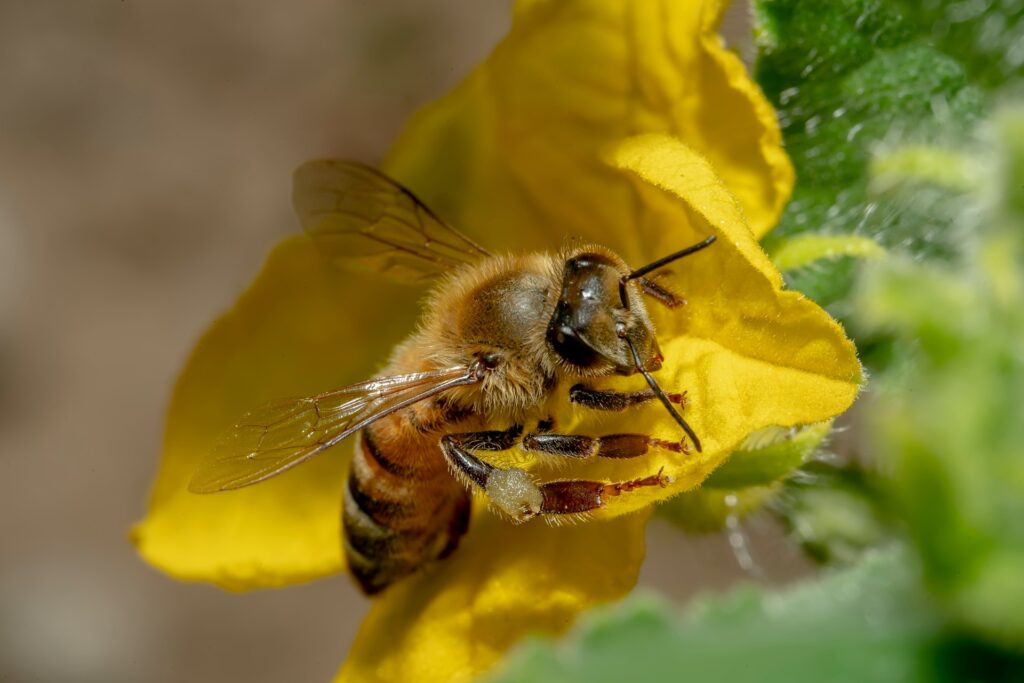
It’s easy to underestimate something so small, but honeybees are surprisingly sharp when it comes to numbers. They can distinguish between quantities up to four and understand basic comparisons like “more than” and “less than”. That might not sound impressive, but for an insect, it’s remarkable.
Bees use this skill when navigating between flowers and finding their way back to the hive. They also use number awareness to judge distance by counting landmarks along a route. This helps them work more efficiently, saving energy and time, which matters when your entire role is collecting food for thousands of others.
3. African grey parrots
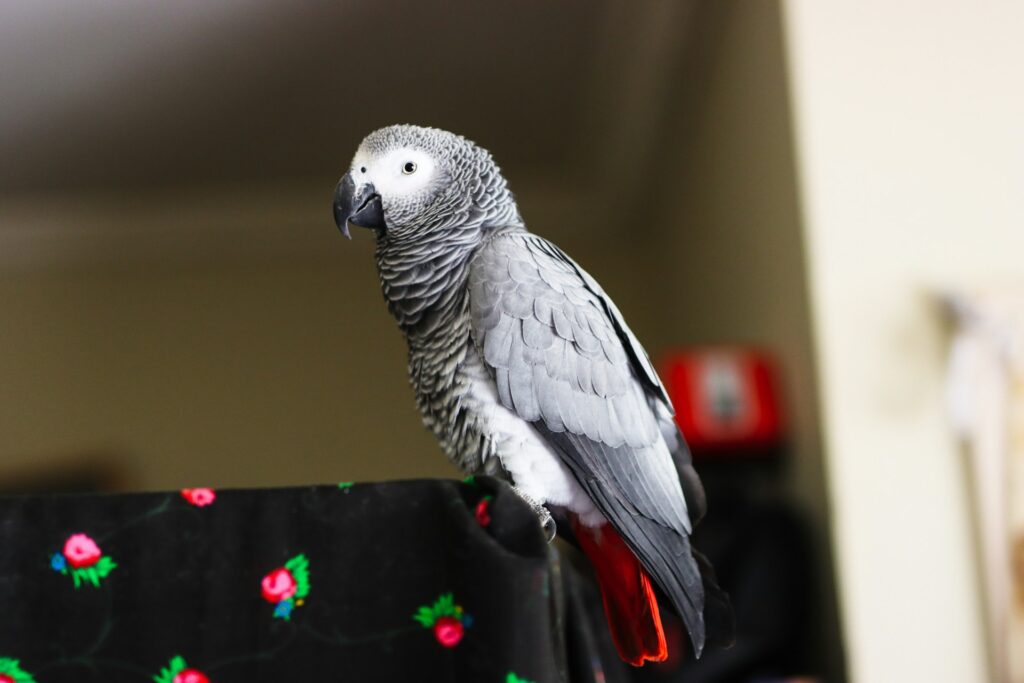
African grey parrots are famous for mimicking speech, but that talent often distracts from how sharp they really are. Some have demonstrated the ability to recognise written numbers and match them to actual quantities. They can also compare groups and choose the larger one.
What makes this impressive is how deliberate it seems. These parrots aren’t guessing. They process information, remember it, and apply it logically. Their ability to understand quantity puts them in a small group of animals whose number skills rival those of young children.
4. Chimpanzees

Chimpanzees are our closest relatives, so it’s perhaps less surprising that they can handle numbers well. They can recognise numerals on screens, tap them in the correct order, and remember number sequences with impressive accuracy.
In the wild, this ability plays a practical role. Chimps need to judge group size when dealing with rivals, decide how food should be shared, and remember where resources are most plentiful. Quantity awareness helps them manage social tension and avoid unnecessary conflict.
5. Dolphins
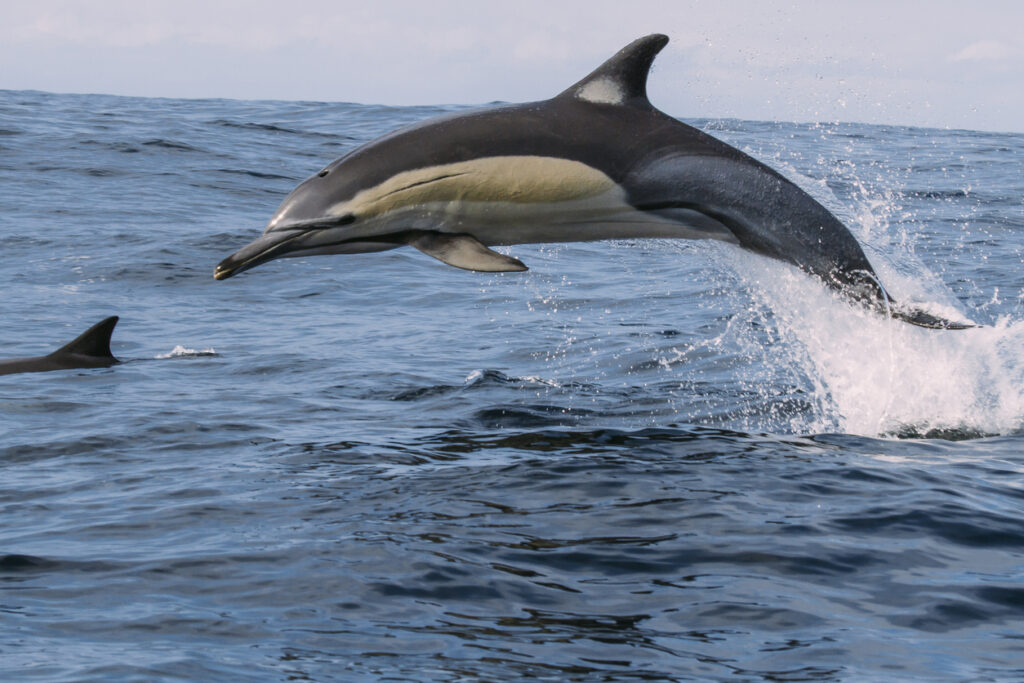
Dolphins are highly social animals, and their number sense helps keep that social structure working. They can tell the difference between small quantities and even understand basic addition when objects are combined.
This matters during hunting. Dolphins often work together, and being able to judge how many fish are present or how many dolphins are involved helps them coordinate effectively. It’s another reminder that intelligence in animals often develops around cooperation rather than competition alone.
6. Horses

Horses don’t get enough credit for how observant they are. They notice when the number of treats in front of them changes, and they can choose between quantities when given a clear option. If something is missing from a routine, they often pick up on it quickly.
That high level of awareness shows up during training, where horses learn patterns and expectations over time. They recognise sequences, anticipate outcomes, and adjust their behaviour accordingly. It’s not abstract maths, but it’s a solid grasp of quantity and change.
7. Pigeons
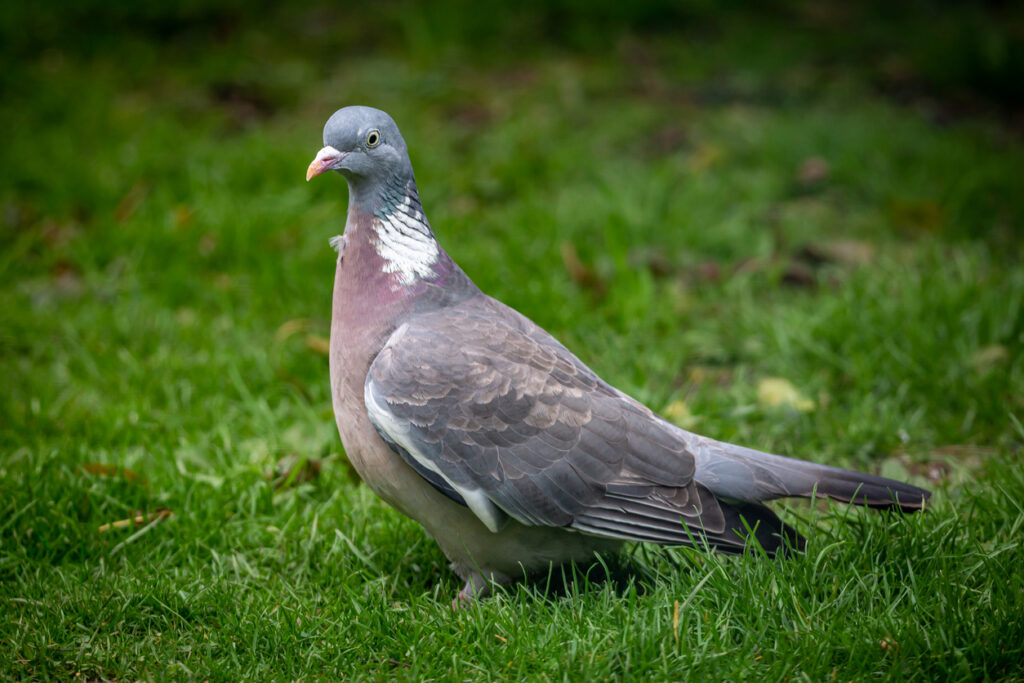
Pigeons are often dismissed as unremarkable, but their number skills tell a different story. They can be trained to sort objects by quantity and recognise numerical sequences. They also understand that numbers follow an order, not just random symbols.
These abilities feed into their navigation skills. Pigeons rely on pattern recognition and comparison when finding their way across long distances. Quantity awareness helps them interpret landmarks and make sense of their surroundings.
8. Rhesus monkeys
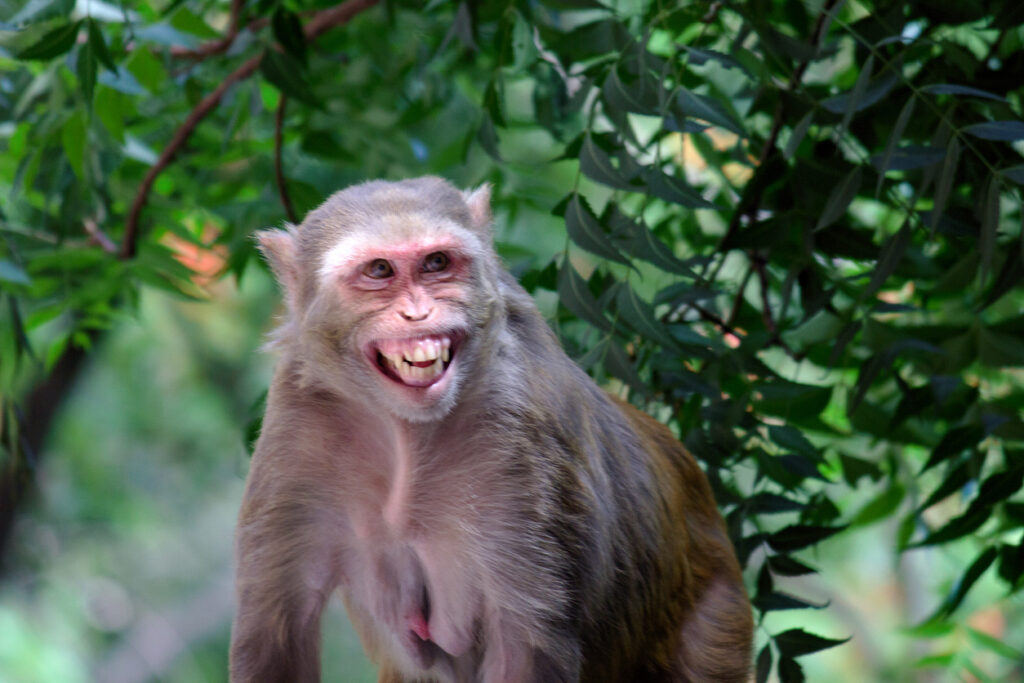
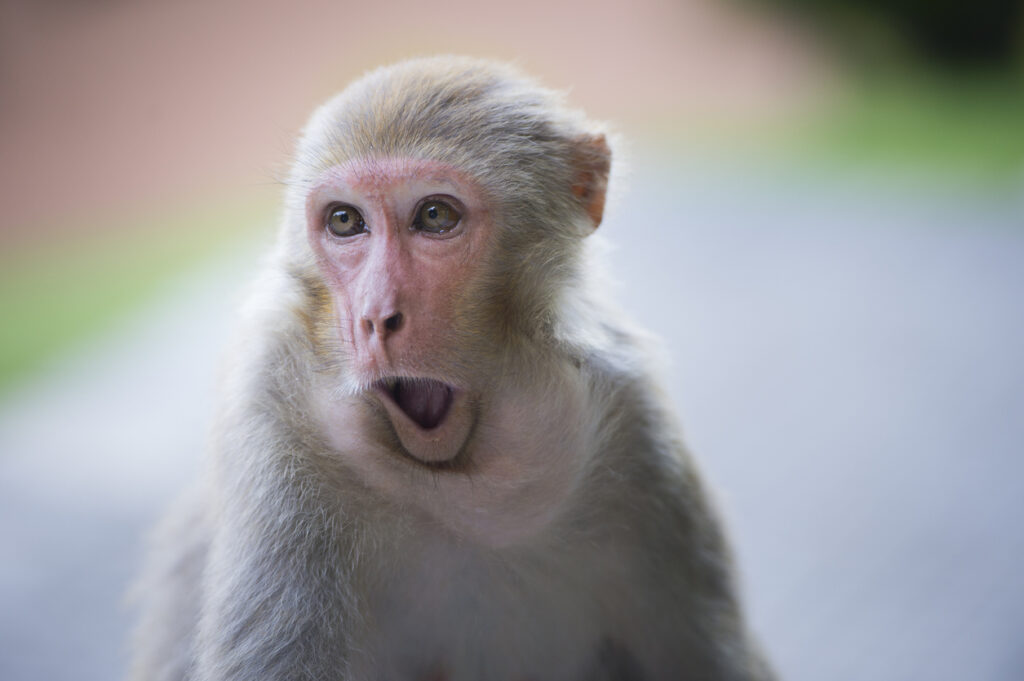
Rhesus monkeys are quick decision-makers, especially when it comes to food. They can compare quantities almost instantly and choose the larger group without counting each item individually. Their speed in these tasks matches that of young human children.
In the wild, that speed matters. Food competition is fierce, and knowing where the biggest reward lies helps them conserve energy and avoid conflict. Their brains are built for fast, efficient quantity judgements.
9. Sea lions
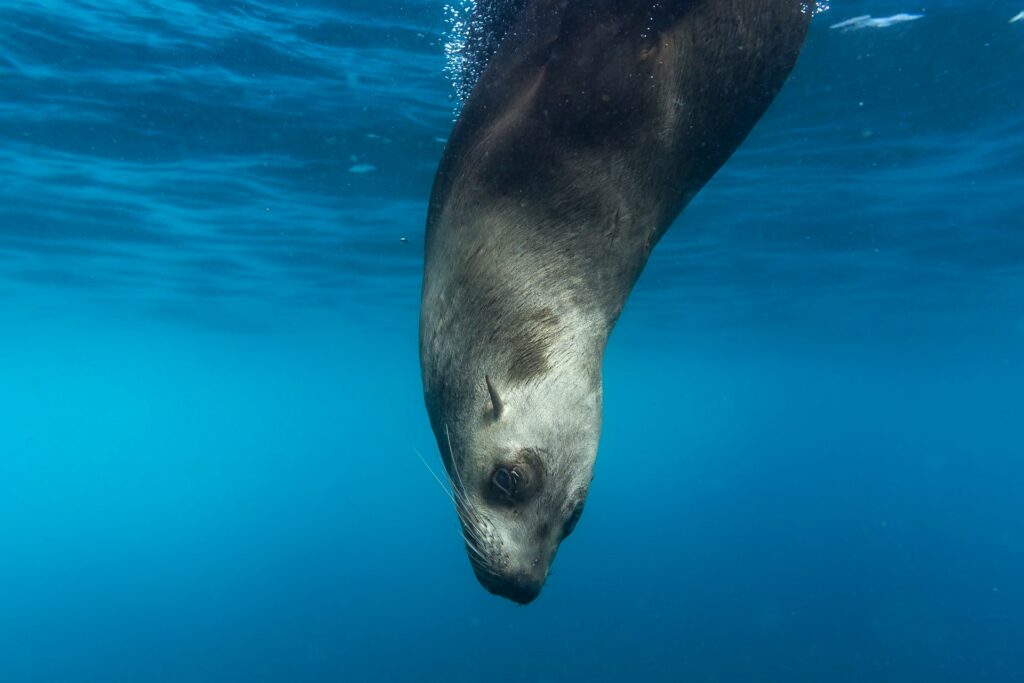
Sea lions often surprise people with how adaptable they are. In research settings, they’ve shown the ability to understand simple addition and recognise correct answers when presented with symbols.
Their strength lies in memory and pattern recognition. Sea lions can follow long sequences and adjust to new tasks quickly, which suggests a solid grasp of quantity and order. In the wild, this likely helps them assess group size and coordinate during hunts.
10. Ants

Ants don’t have brains built for conscious calculation, but their behaviour shows a strong sense of quantity. They estimate how many ants are needed for a task and adjust accordingly. If numbers drop or increase, the colony responds.
Being on such high alert keeps everything running smoothly. Labour isn’t random. It’s distributed based on need, distance, and group size. What looks like chaos on the surface is actually tightly organised, driven by collective quantity awareness rather than individual thought.