Some of Britain’s most iconic species are slowly but surely slipping through the cracks.
From fields to forests to coastlines, animals we once took for granted are now on the edge, struggling with habitat loss, pollution, climate change, and human interference. However, spotting them isn’t just a treat for nature lovers. Really, it’s a reminder of what we still stand to lose. Here are some of the most at-risk British wildlife species, plus how you might be lucky enough to see one in the wild.
1. Hedgehogs
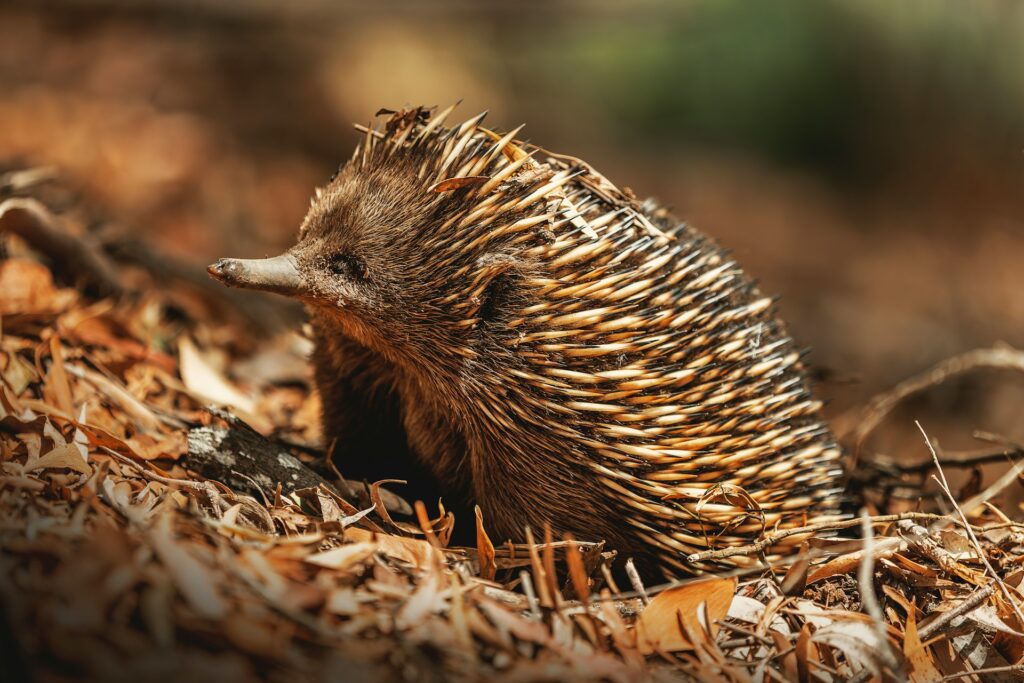
Hedgehogs have declined by over half in rural areas and around a third in urban ones. Roads, pesticides, and tidy gardens have made it harder for these spiky favourites to survive. They’re nocturnal and solitary, and their biggest threat is simply being unable to move around safely. If you want to spot one, look for signs like small droppings on lawns, rustling under hedges, or trails through long grass. Leaving a gap in your fence and offering water and dry food can help encourage visits, especially at dusk.
2. Red squirrels

Once widespread, red squirrels have been pushed out of most of England by grey squirrels and habitat loss. They’re now mostly found in parts of Scotland, Northumberland, and isolated pockets in the Lake District and Anglesey. They’re smaller and more delicate than greys, with tufts on their ears and a reddish coat that can vary with the seasons. If you’re near a pine woodland, and you spot a shy blur darting through the canopy, there’s a chance it could be one of the few left.
3. Turtle doves
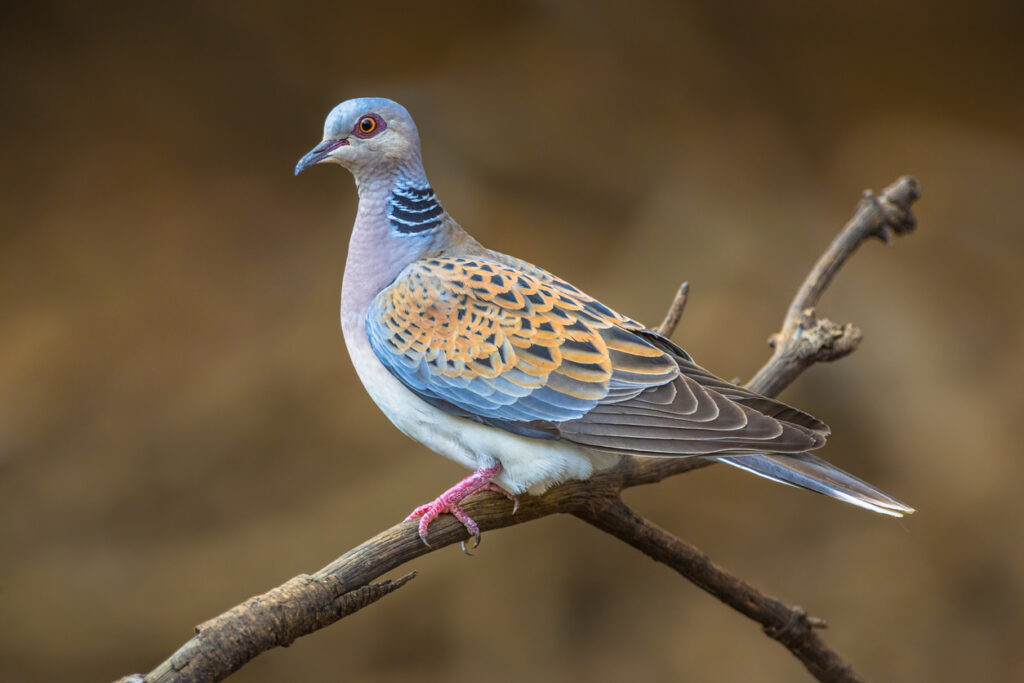
These gentle birds have seen one of the steepest population declines of any UK species—over 90% since the 1970s. Loss of nesting habitat and changes to farming practices have hit them hard. They’re now mostly found in parts of East Anglia and the South East. Listen for their soft, purring call in quiet, open farmland with hedgerows and scattered trees. Unlike collared doves, they’re smaller and more subtly coloured, with a pinkish chest and a scaled pattern on the neck.
4. Water voles
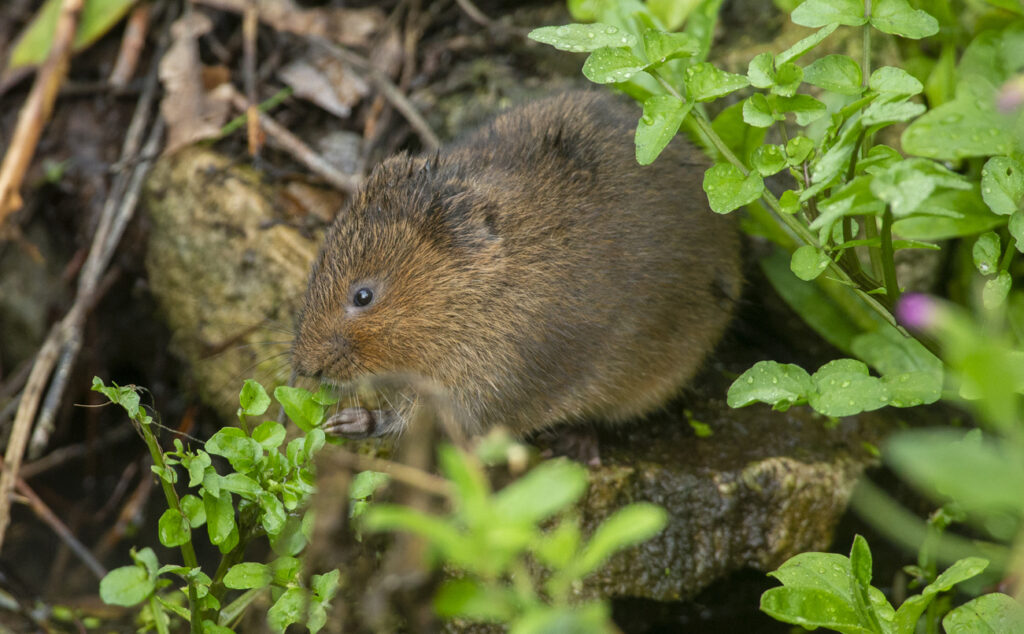
The beloved inspiration behind Ratty from The Wind in the Willows, water voles have been devastated by habitat loss and predation from invasive mink. They’re now patchily distributed across the UK, mainly in areas where reintroduction efforts have taken hold. Look for neat piles of chewed vegetation by slow-moving streams, or listen for the ‘plop’ as they dive into water. With chestnut brown fur and a blunt nose, they’re often mistaken for rats, but they’re chunkier and far less common.
5. Scottish wildcats
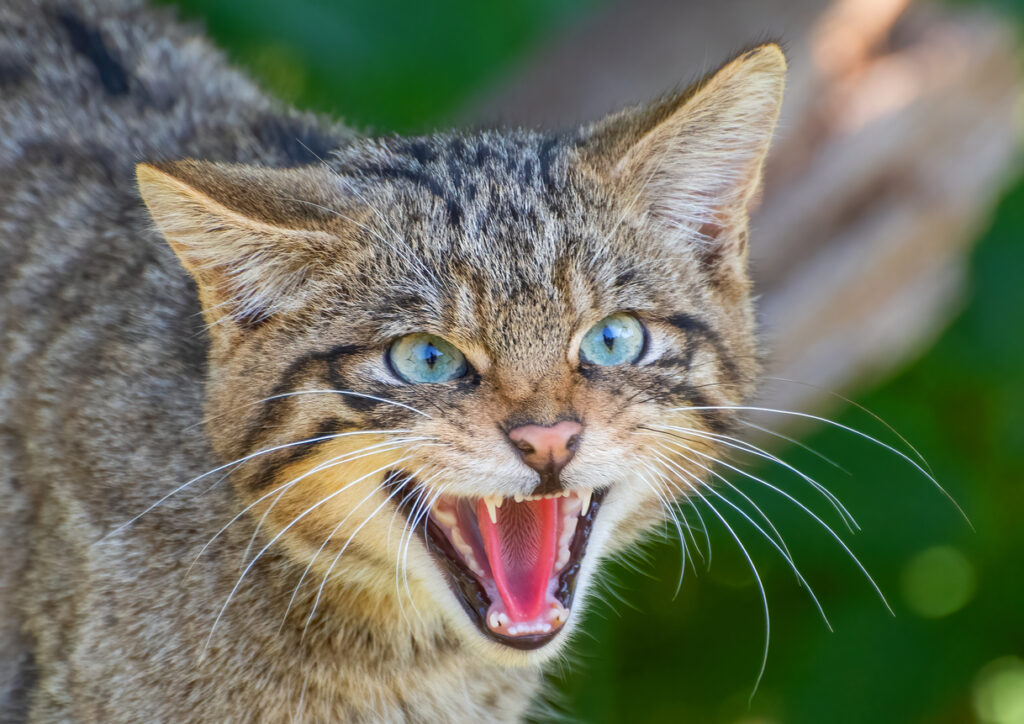
There are now so few Scottish wildcats left in the wild that they’re often considered functionally extinct. Hybridisation with domestic cats is the biggest threat. Conservation groups are trying to bring them back through captive breeding and release programmes. If you’re in the Highlands, especially near remote woodland, you might be lucky to spot one, but sightings are incredibly rare. They look like big, muscular tabbies with bushy tails and a wilder, more solid build than any domestic cat.
6. Bats (especially the greater mouse-eared bat)
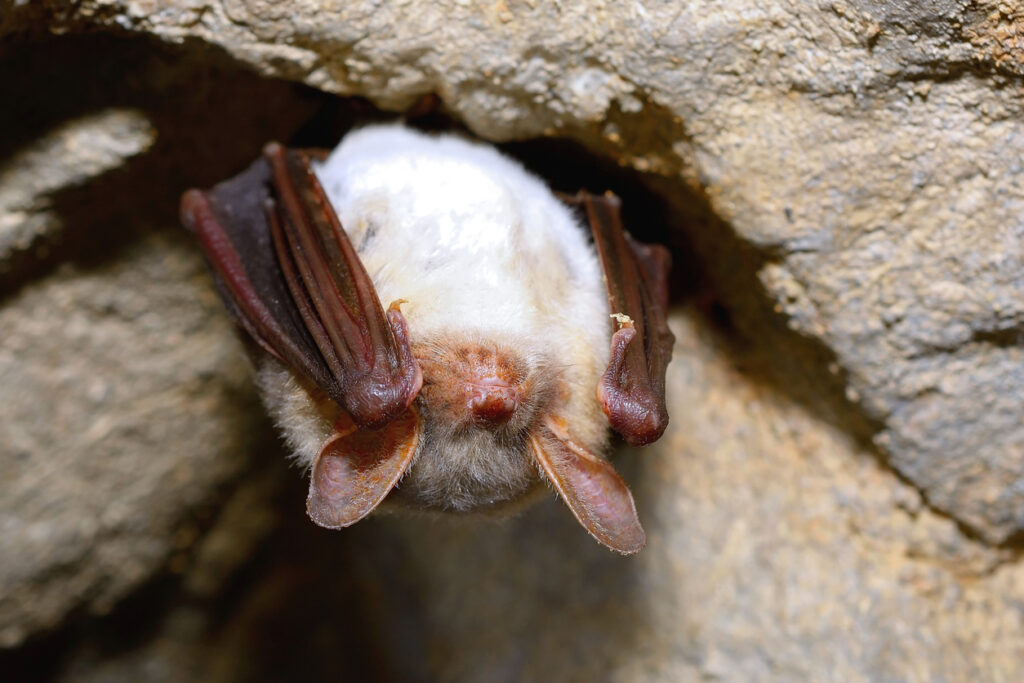
Bats in general are declining, but the greater mouse-eared bat is Britain’s rarest mammal, with only one known individual recorded. Habitat destruction and light pollution have made it hard for bats of all species to feed and roost. At dusk, look for fluttery, darting shapes around woodland edges, rivers, or even parks. You can also use a bat detector to hear their echolocation clicks. Even spotting a common pipistrelle feels like catching a piece of the night’s secret life.
7. Small blue butterfly
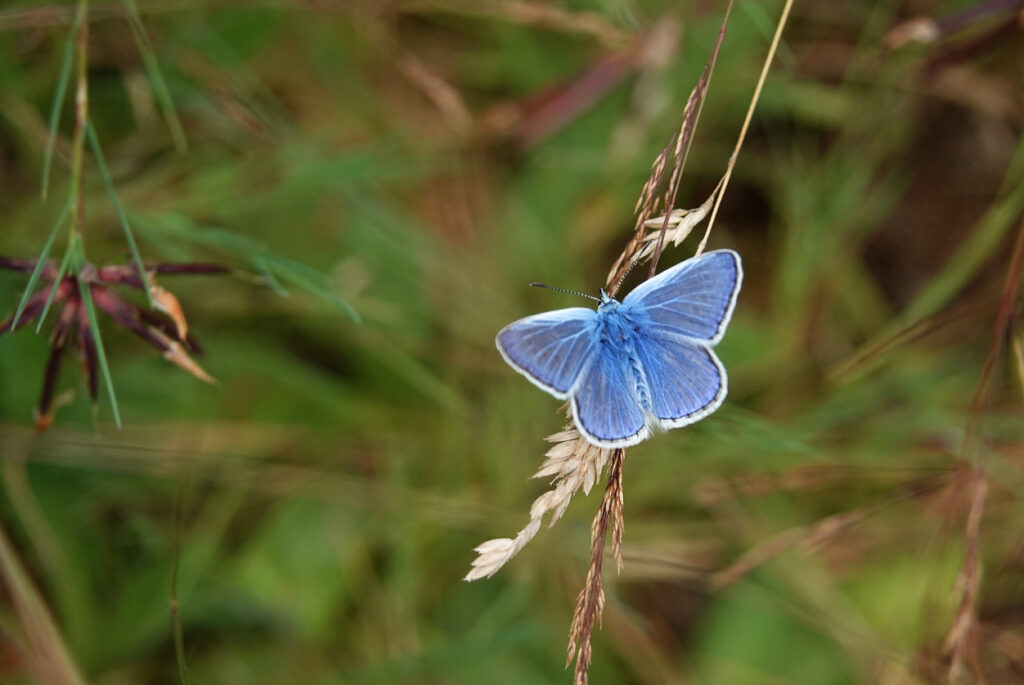
The UK’s smallest butterfly, the small blue, is declining due to loss of chalk grassland and meadows. It’s rare but can be found in parts of southern England, often on sites where conservation work is being done to protect wildflowers. They’re delicate, dusky-winged, and no bigger than a fingernail. If you want to see one, search for kidney vetch (its caterpillar’s only food source) and be patient, as the adults flit low and fast across short grass.
8. Natterjack toad

Unlike most toads, the natterjack prefers sandy coastal areas and heathland. It’s now restricted to a few parts of Cumbria, Merseyside, and parts of Scotland and Norfolk. It’s been hit hard by habitat loss and development. They’re known for their loud, rasping call and distinctive yellow stripe down their back. They’re most active at night and during spring breeding, especially around shallow pools or dunes after rain.
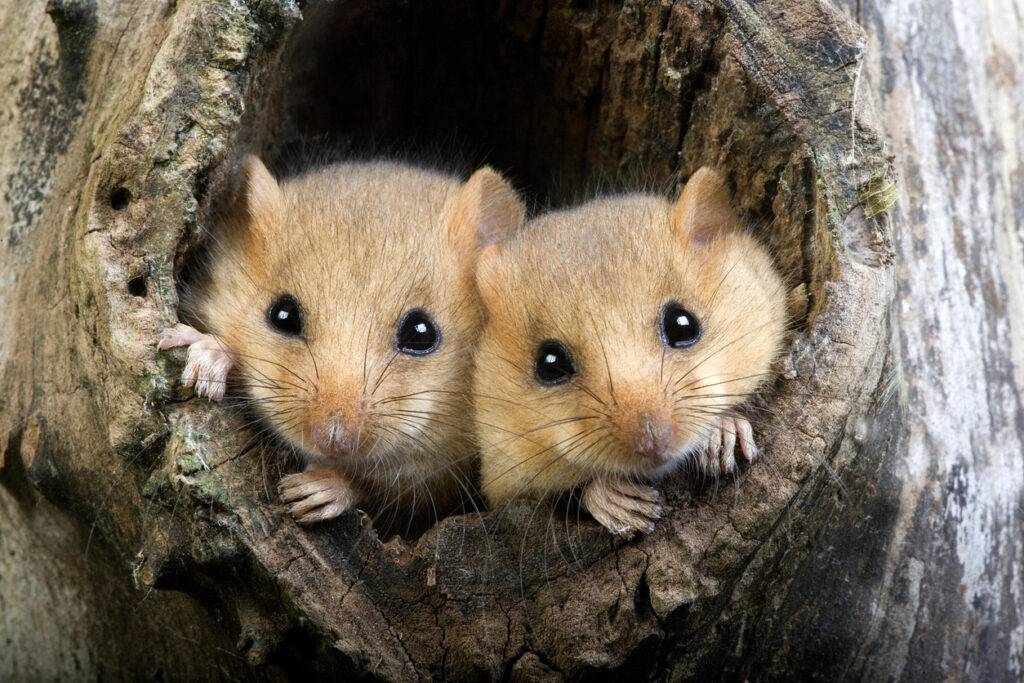
9. Hazel dormice
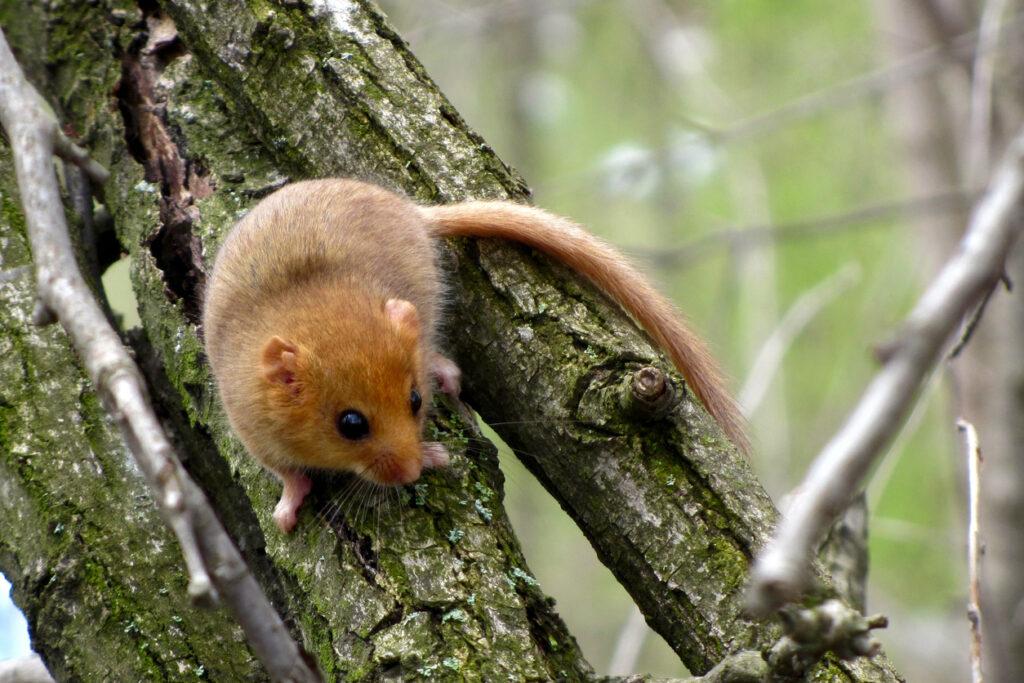
Hazel dormice are secretive, tree-dwelling mammals that have vanished from half their historical range. Hedgerow removal and declining coppiced woodland have left them isolated and struggling. You’re unlikely to spot one in the wild without a licence, but if you’re in a reserve that monitors them, look for their intricate woven nests in shrubs and hedges. They hibernate for half the year, so timing matters too. Late spring to early autumn is best.
10. Capercaillie
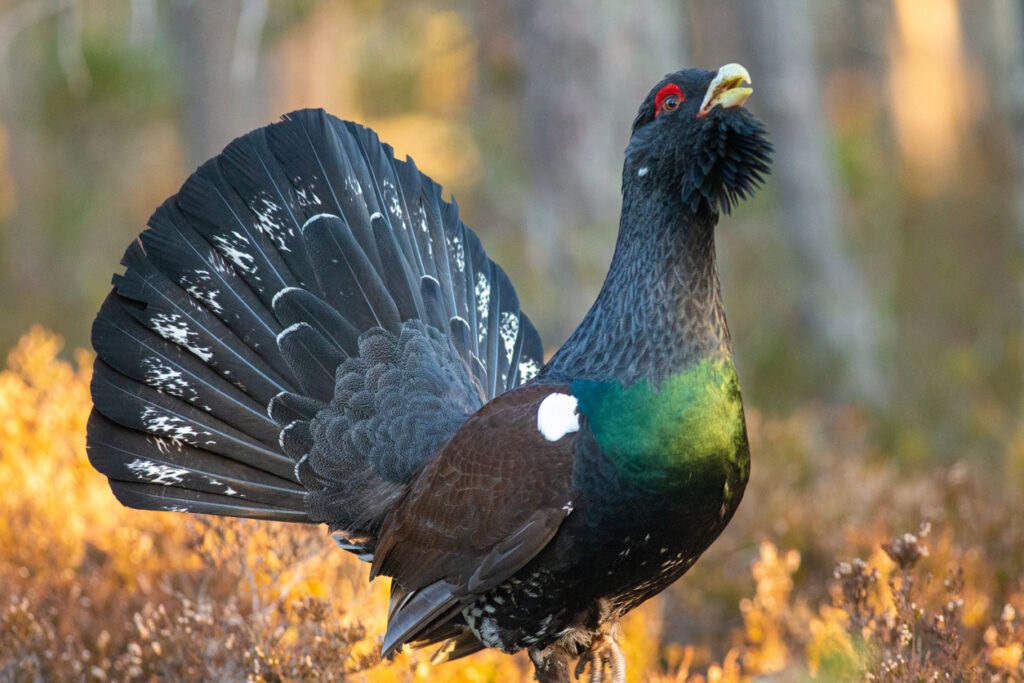
This giant grouse is now found only in parts of the Scottish Highlands. Deforestation, cold spring weather, and disturbance from people and dogs have all contributed to its steep decline. Males are dramatic to witness during the spring ‘lek’ season, where they perform booming calls and fan their tails to attract females. Seeing one is incredibly rare, but well-managed forest reserves may offer guided opportunities.
11. Eels (European eel)
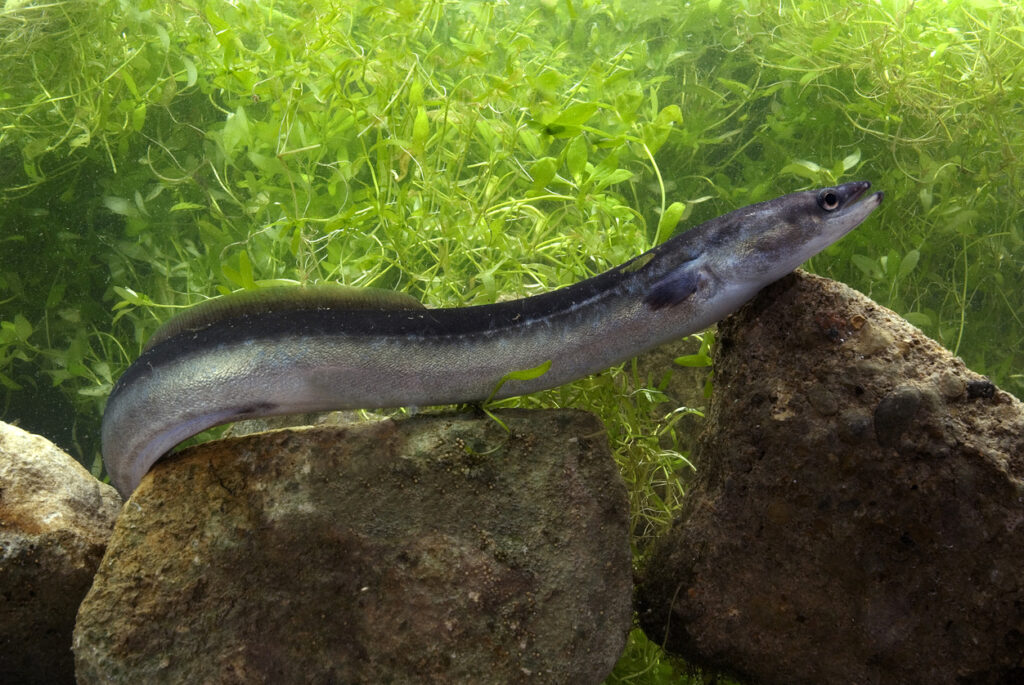
The European eel has mysteriously dropped by over 90% in the past few decades. The causes are still debated: climate change, barriers to migration, and pollution all play a role. You’ll sometimes spot juvenile eels, or “elvers,” in estuaries and rivers during their migration upstream in spring. Adult eels tend to hide in muddy riverbeds and are much harder to see, but their story is a reminder of how even common creatures can vanish quietly.
12. Curlew
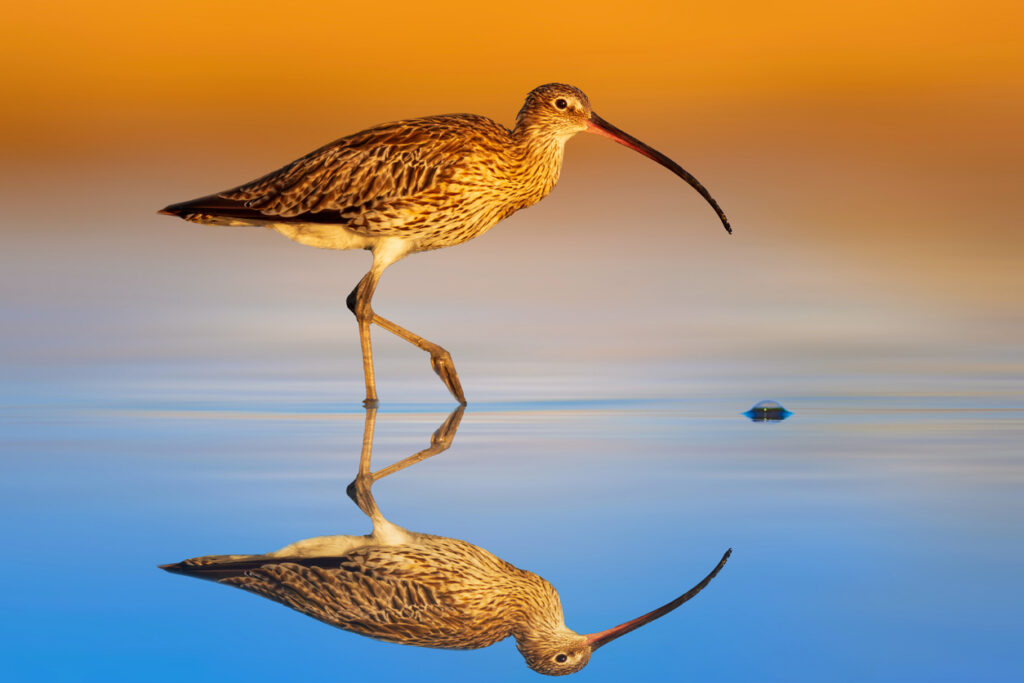
The haunting call of the curlew was once common across UK farmland and wetlands. But nesting sites have been lost to development, and their long nesting season makes them vulnerable to disturbance and predation. Look for them on coastal mudflats and estuaries in winter, or moorland and grassland in breeding season. Their long, down-curved bill and slow, graceful flight make them hard to mistake for anything else.
13. Brown hares
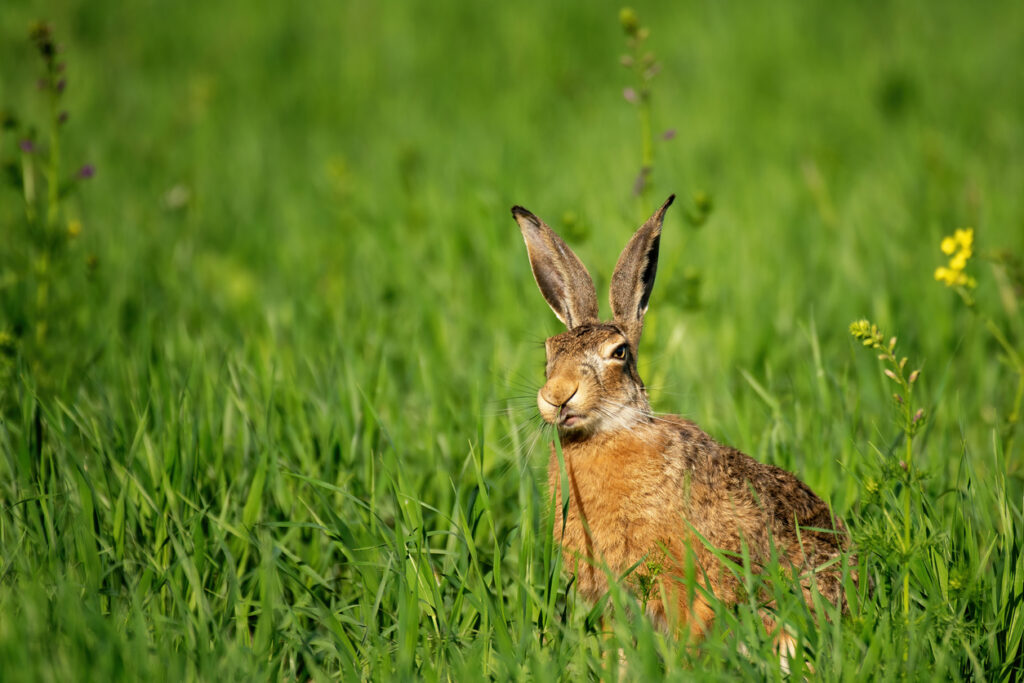
Brown hares are still relatively widespread, but their numbers have plummeted in recent decades. Intensive farming and lack of cover have reduced their habitats, and illegal hare coursing hasn’t helped either. They’re most visible in early spring, when they “box”: standing up and jabbing at each other during mating season. Spot them at dawn or dusk in open fields, where their long legs and fast, bounding movement set them apart from rabbits.
14. Seals (especially harbour seals)
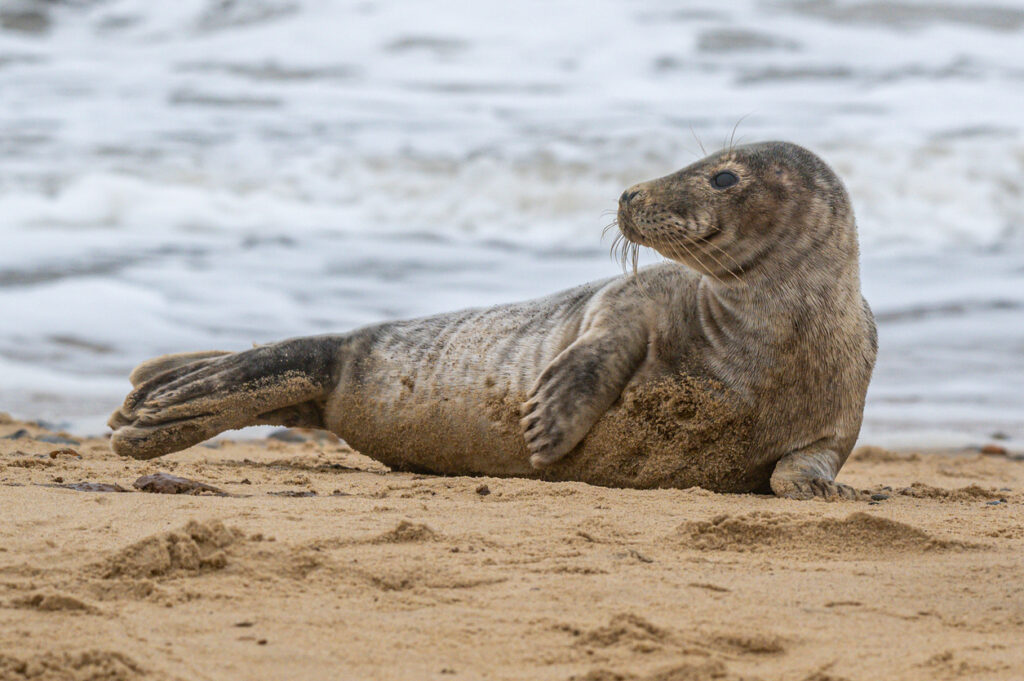
Harbour seals (common seals) are declining in parts of Scotland, possibly due to food shortages and competition from grey seals. They’re smaller than greys and have more rounded heads with V-shaped nostrils. You can see them hauled out on sandbanks or rocky shores, especially around estuaries and coastal inlets. Respecting distance and keeping dogs on leads is key, as disturbance can cause them to abandon resting sites altogether.