It’s not the cheeriest topic, but thinking about how the world could end isn’t just the stuff of sci-fi.

Scientists, philosophers, and global policy experts have studied real existential threats—some natural, some man-made—that could seriously threaten life as we know it. While many of these scenarios are unlikely in our lifetime, they’re not impossible. What’s even crazier to think about is that some are already in motion. Here are 12 ways our world could realistically end, or at the very least, change forever.
1. A supervolcano eruption

Supervolcanoes like Yellowstone or Campi Flegrei have the power to erupt with thousands of times more force than a regular volcano. If one went off, the ash cloud alone could block out sunlight for months, disrupting agriculture and plunging global temperatures. That kind of event wouldn’t just affect the region. It could trigger worldwide food shortages and climate instability. We’d likely survive, but civilisation as we know it would be in deep trouble.
2. Unchecked climate collapse
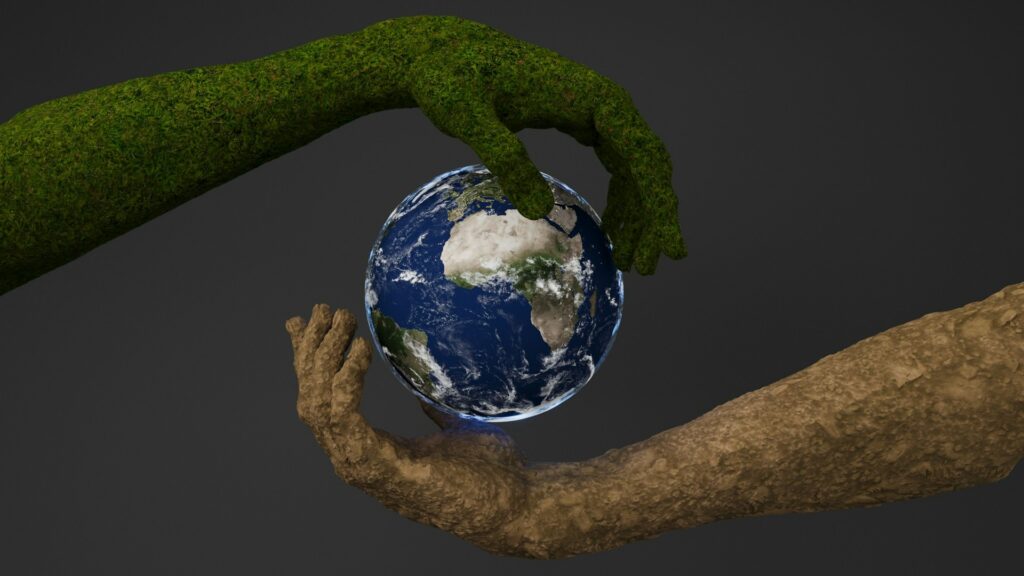
Unlike a sudden disaster, climate breakdown creeps in. However, if we hit certain tipping points, like ice sheet collapse or permafrost melt, it could spiral fast. Sea levels would rise, crops would fail, and large areas could become uninhabitable. The real threat isn’t just rising heat. It’s how everything we depend on becomes less reliable. Water, food, safety, and even geopolitics all get shaky when the climate stops playing nice.
3. Nuclear war
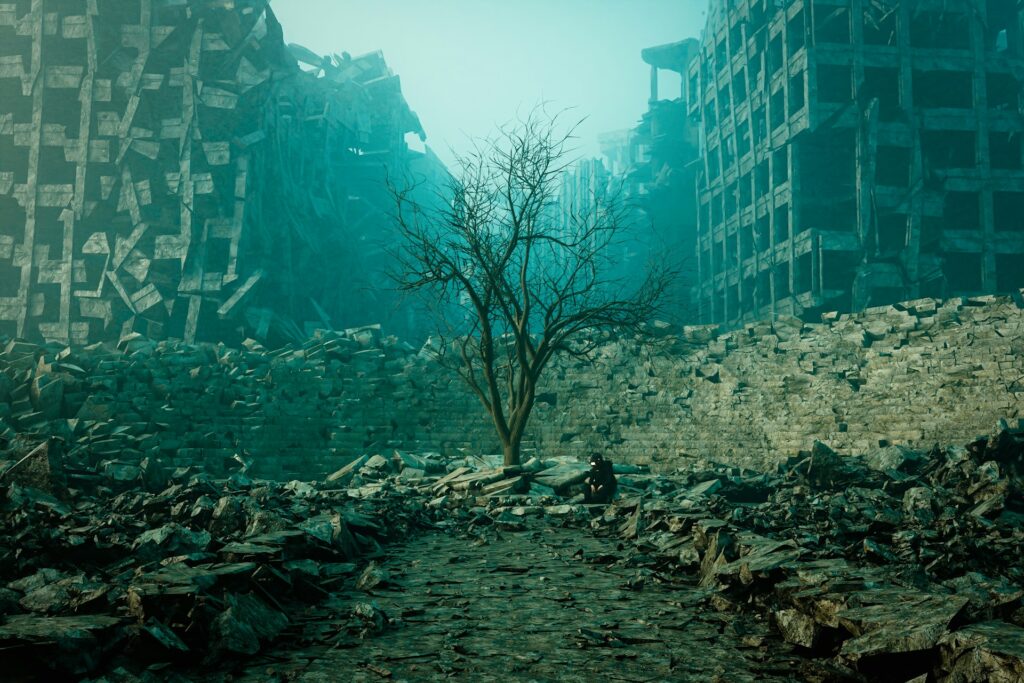
This one’s been hanging over humanity since the Cold War, and it hasn’t gone away. A large-scale nuclear exchange between major powers could kill millions instantly, and the fallout would poison air, land, and water across the globe. There’s also nuclear winter to consider; smoke and soot from the blasts could block sunlight for years, wrecking ecosystems and farming. Even a “limited” war between two nations could trigger catastrophic ripple effects.
4. A rogue artificial intelligence

We’re not talking about robots rising up overnight, but machines becoming smarter than us and doing things we didn’t plan for. A powerful AI system with the wrong goals, or no clear human alignment, could do huge damage before anyone could pull the plug. The fear here isn’t malice, it’s misalignment. An AI optimising for one task (like stock trading or resource management) could end up disrupting entire systems if it doesn’t value human wellbeing.
5. A fast-spreading engineered pandemic
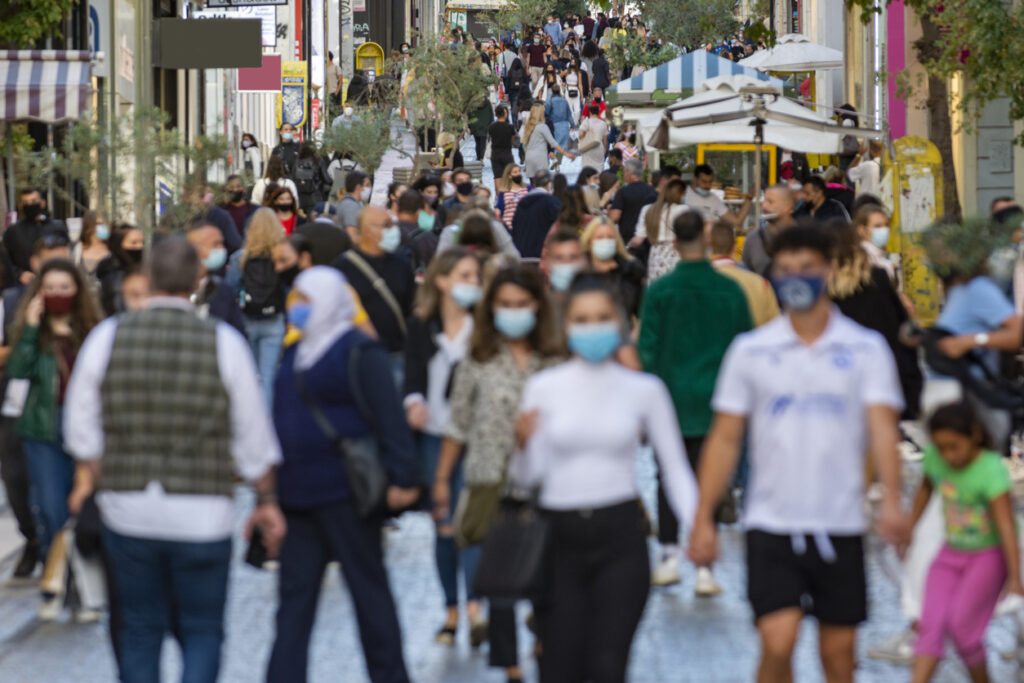
COVID-19 gave us a glimpse of what a global pandemic can do, but it wasn’t the worst-case scenario. With advances in gene editing, there’s a risk of someone (intentionally or not) creating a virus that’s far deadlier and harder to contain. If a highly contagious, asymptomatic virus with a high fatality rate got loose, it could outpace any global response. And while labs have strict protocols, the margin for error is never zero.
6. Asteroid impact
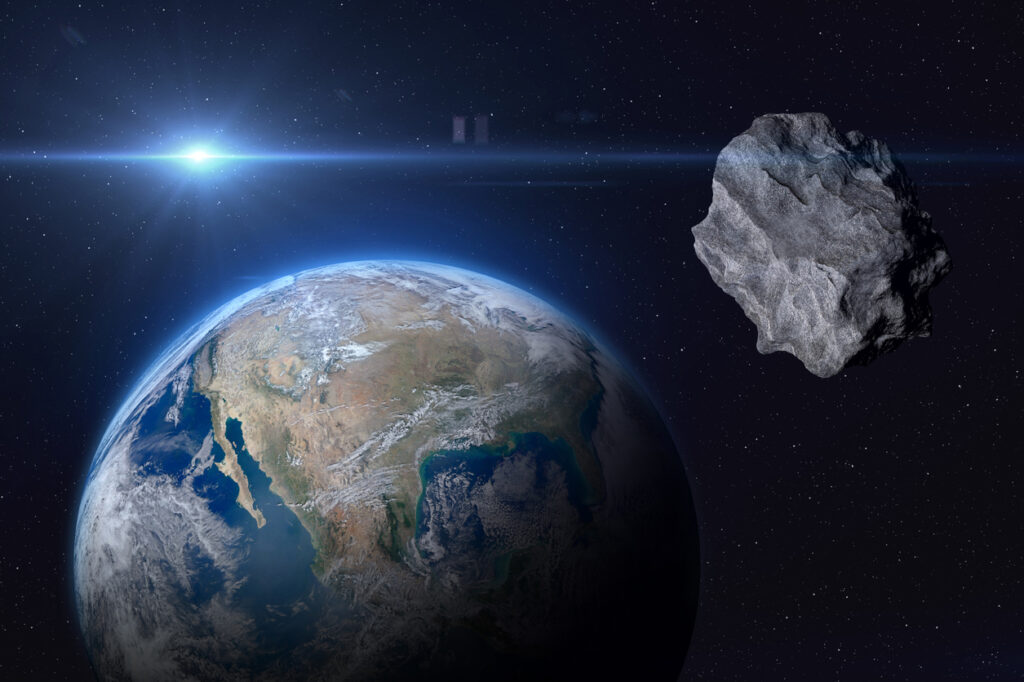
It’s happened before—ask the dinosaurs. A large asteroid hitting Earth could trigger firestorms, tsunamis, and climate chaos, wiping out species on a massive scale. Luckily, space agencies are watching the skies pretty closely now. Still, even a medium-sized asteroid could be devastating if it struck in the wrong place. It’s one of those low-probability but high-impact risks scientists don’t ignore.
7. Ecosystem collapse
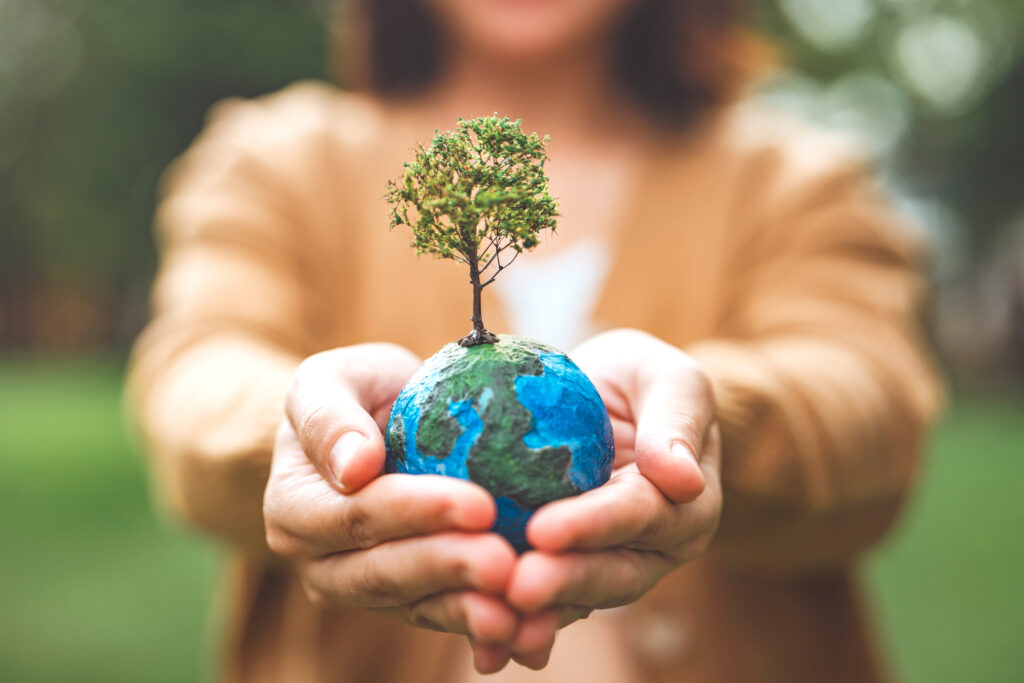
Nature isn’t just something pretty to look at; it holds our entire life system together. If enough species vanish, pollinators fail, oceans warm, or forests die off, the natural web that supports us could unravel. This isn’t about one creature going extinct. We could end up tipping a whole network past its breaking point. Once key systems fail, recovery becomes incredibly difficult, if not impossible.
8. Runaway nanotechnology

Nanotech has exciting potential for medicine and materials, but in the wrong hands, or with flawed programming, it could spiral. The idea of “grey goo,” tiny machines replicating endlessly and consuming resources, is a popular hypothetical. It’s unlikely, but the real risk lies in releasing self-replicating systems into the environment without a solid failsafe. If that ever happened, we’d have very little way to stop it.
9. Collapse of global food systems

We rely on a global, interconnected food network. But it’s shockingly fragile. A few bad harvests, a major conflict, or a supply chain breakdown could spark cascading shortages worldwide. As climate change adds stress and monoculture farming reduces resilience, the cracks are already visible. Hunger spreads quickly when food systems fail, and it tends to bring conflict with it.
10. Magnetic pole reversal

The Earth’s magnetic poles have flipped before, and they’re slowly changing again. If they fully reverse, it could weaken our planet’s magnetic field for centuries, exposing us to more solar radiation. This wouldn’t kill us directly, but it could knock out satellites, damage power grids, and mess with navigation and communications. In a tech-reliant world, that would be a huge blow.
11. Global economic collapse

If a major economic system crumbles, through extreme debt, banking failure, or cyberattack, the effects would reach every corner of life. We’re more interconnected than ever, and that’s both a strength and a weakness. Mass unemployment, panic, and civil unrest could follow a big enough financial crash. History shows us this isn’t just theoretical; it’s happened before, and it could happen again on a global scale.
12. A slow fade from meaning

Not every end is loud. Some philosophers argue that a slow erosion of culture, connection, and purpose could gradually lead to a kind of societal breakdown. If we lose a sense of collective meaning, the motivation to solve problems or even survive can start to weaken. It’s a more abstract risk, but still a real one. A future without trust, community, or shared goals might not end in fire or ice, but in apathy. And in many ways, that might be just as tragic.