
Spring gardens often look effortless: think beds bursting with daffodils, borders full of tulips, and fruit trees covered in blossom. Of course, anyone who’s tended a garden knows that those results don’t just happen on their own. Behind the scenes, much of the work begins months earlier, often in the cool, damp days of autumn and winter. By planning ahead and putting in effort when the garden looks quiet, you set yourself up for a spring that feels colourful, structured, and alive without a mad scramble once the weather turns.
The trick is to think seasonally. Plants, soil, and even tools respond better when they’re cared for before problems arise. That means planting bulbs when the soil is cool, adding mulch before frost arrives, or pruning fruit trees when they’re dormant. These forward-thinking moves might not feel glamorous at the time, but they pay off in abundance once spring rolls around. Here are some of the best ways to prepare your garden in advance so it greets spring ready to thrive.
1. Planting spring bulbs in autumn
Spring wouldn’t feel like spring without the colour of bulbs pushing through the soil; daffodils, tulips, crocuses, and hyacinths bringing life back after the grey of winter. However, these flowers need months underground before they’ll put on that display. Bulbs rely on a cold spell to trigger the biological changes that allow them to sprout and flower properly, so planting them in autumn is key.
The process itself is simple but benefits from care. Choose a sunny or lightly shaded spot with well-draining soil, dig holes two to three times as deep as the bulb is tall, and plant them with the pointed end facing up. Mixing different varieties gives a staggered display, with crocuses and daffodils arriving early and tulips following later. By spring, all that quiet preparation pays off as your beds and pots come alive seemingly overnight.
2. Adding mulch before frost arrives
Mulching is one of those garden jobs that feels like an extra chore, but it’s worth its weight in gold once winter sets in. Spreading a thick layer of organic material such as bark, compost, or leaf mould protects the soil from harsh temperature swings. Roots stay insulated, moisture is locked in, and the soil structure improves as worms pull organic matter down over time.
The benefits stretch into spring. A mulched bed warms more evenly, suppresses early weed growth, and looks tidy before plants even emerge. Apply mulch in late autumn, ideally once the soil is damp but not waterlogged, so that moisture is sealed in for the months ahead. Come March and April, your plants will thank you with healthier, stronger growth.
3. Preparing raised beds for vegetables
Raised beds are brilliant for veg growing, but they need care before winter. Soil loses nutrients with every harvest, so leaving beds bare means planting into tired ground the following spring. The solution is simple: add organic matter before the cold sets in. Spreading compost or well-rotted manure in autumn gives the soil time to rest and replenish.
Winter weather helps break down the material, worms do their work, and by spring the beds are rich and ready to go. Some gardeners even sow green manures, or hardy plants like winter rye or clover, to cover and enrich the soil, which can then be dug in later. Preparing early means that when you’re itching to sow peas and carrots in March, the groundwork has already been done.
4. Pruning fruit trees in winter
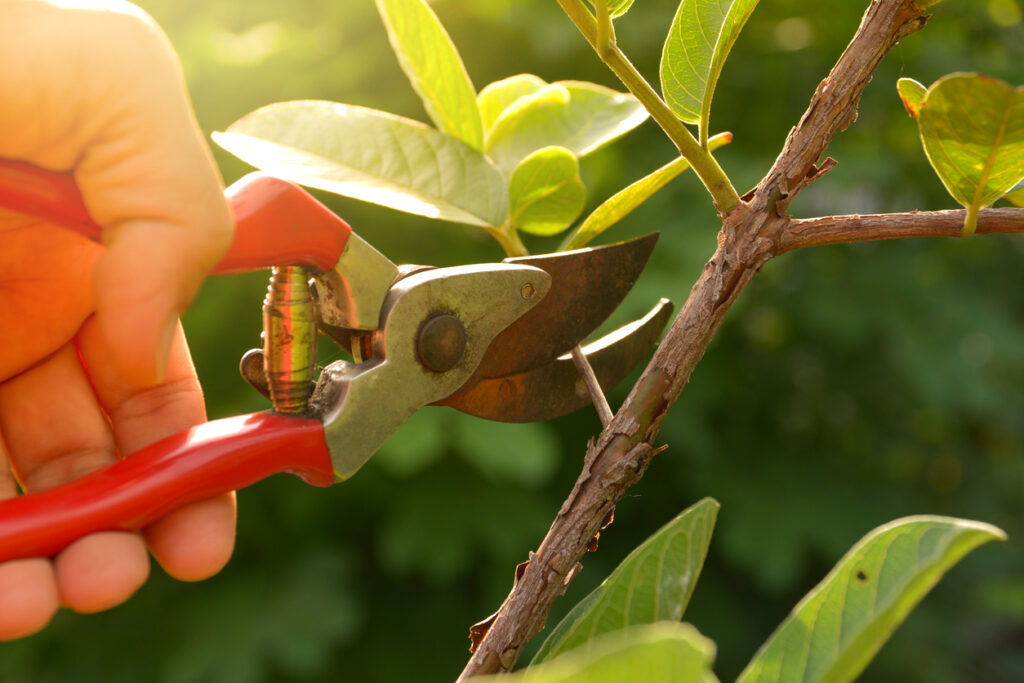
Fruit trees need structure to thrive, and winter is the perfect time to provide it. Once the leaves are gone and the tree is dormant, you can clearly see its shape. Pruning at this stage directs energy into productive branches and removes weak or diseased wood. Cutting back also improves airflow, which reduces the risk of fungal infections later.
The aim isn’t to hack the tree down but to shape it sensibly by removing crossing branches, thinning crowded areas, and encouraging strong, open growth. Done well, this work sets the tree up for healthier blossom and heavier harvests. By spring, the buds that emerge will be supported by a balanced, resilient framework.
5. Dividing perennials before the freeze
Perennials like hostas, asters, or daylilies are reliable garden favourites, but over time they become crowded. Growth slows, the centre of the clump dies back, and the display loses its vigour. Dividing them in autumn or early winter gives them space to breathe again.
The process is straightforward: lift the clump carefully, split it into smaller sections using a spade or knife, and replant them in fresh soil. Cooler weather and moist ground help roots settle in without the stress of heat. Come spring, those divisions grow with renewed energy, and you’ll also have extra plants to spread around or share.
6. Planting bare-root trees and shrubs
Bare-root plants, or those sold without soil around their roots, are only available in autumn and winter, and they’re one of the most cost-effective ways to establish trees and shrubs. Because they’re dormant, they can focus all their energy on root growth before spring arrives.
Planting them is easy: dig a wide hole, spread out the roots, and backfill with soil, watering well to eliminate air pockets. By spring, they’ll be anchored in and ready to put out leaves. Bare-root plants often establish more quickly than container-grown versions, giving you a stronger plant for less money.
7. Protecting delicate plants with covers
Not all plants are tough enough to face a British winter unaided. Half-hardy perennials, tender shrubs, and anything exotic can suffer badly once frost arrives. Planning protection early keeps them alive and saves you the heartbreak of losing favourites.
Options vary depending on the plant. Some can be covered with horticultural fleece or cloches, while pots can be grouped together and wrapped for insulation. Delicate specimens may be better off moved into a greenhouse or even a bright windowsill indoors. Protecting them through the dark months ensures they’ll bounce back with healthy growth in spring.
8. Starting a compost heap
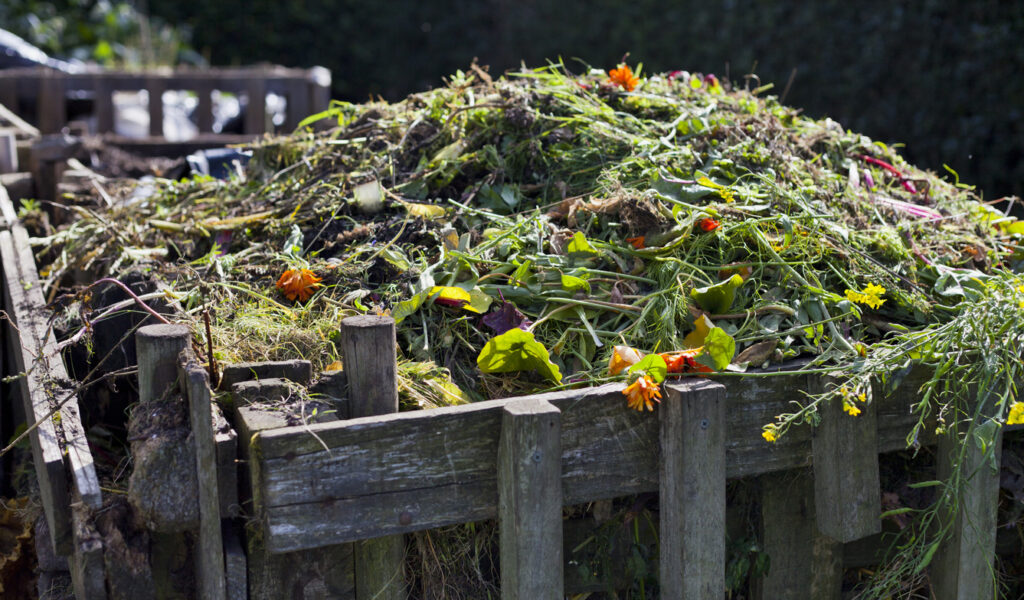
Autumn is the perfect time to start composting because gardens naturally produce heaps of organic material: fallen leaves, pruned branches, dead annuals. Rather than bagging it all up, turning it into compost creates a valuable resource for the months ahead.
Pile up a mix of “greens” (soft plant material, vegetable scraps) and “browns” (dry leaves, twigs, cardboard) to get the balance right. Over winter, natural processes get underway, breaking it all down slowly. By the time spring planting starts, you’ll have a supply of dark, crumbly compost ready to feed your soil for free.
9. Sowing hardy annuals before winter
While many seeds can’t survive winter, some annuals are tough enough to germinate and sit quietly until warmer days arrive. Cornflowers, nigella, calendula, and larkspur are good examples. Sowing them in late autumn means they get a head start, producing stronger plants that flower earlier in spring.
This approach, often called “autumn sowing,” saves you time later and extends your display. Instead of waiting until May for colour, you’ll see blooms weeks earlier. It’s an easy way to cheat the calendar and enjoy a longer season of flowers.
10. Cleaning and storing tools properly
It’s tempting to shove tools into the shed at the end of autumn and forget about them, but neglect now creates headaches later. Mud left on blades holds moisture, leading to rust. Blunt secateurs make pruning harder and less effective. By spring, poorly kept tools can be more of a hindrance than a help.
Spending an afternoon cleaning, sharpening, and oiling your kit makes a huge difference. Wash off soil, dry everything thoroughly, and apply oil to metal parts. Store tools somewhere dry, not dumped on damp ground. When spring arrives, you’ll be ready to get going without delay.