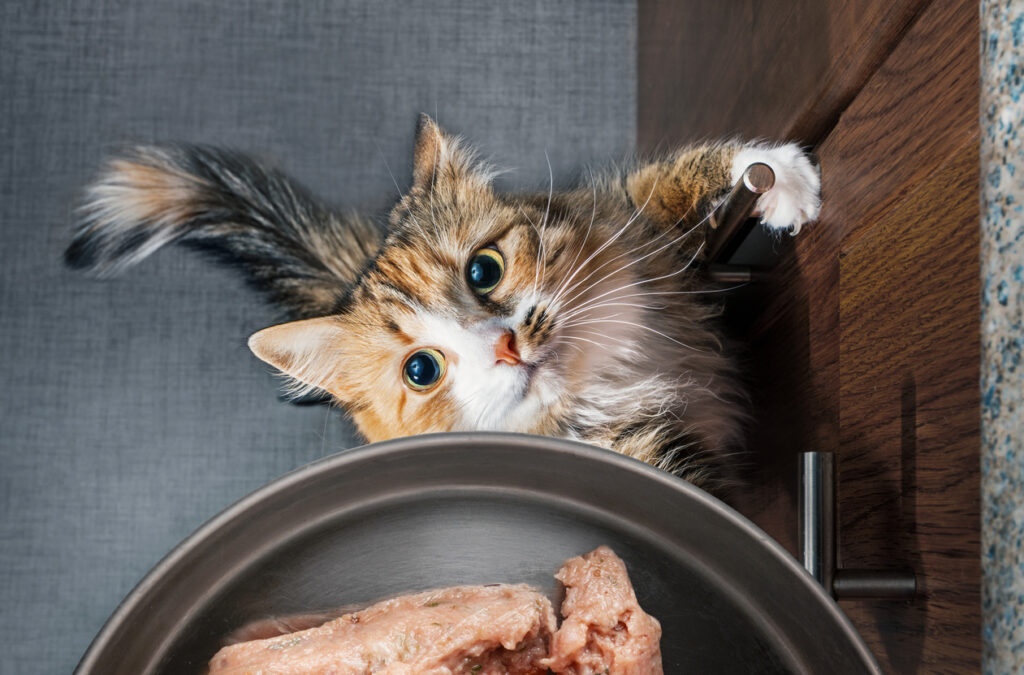
It’s tempting to share food with your cat, but not everything on your plate is safe for them. Some everyday items can cause illness or worse if ingested. While ingesting a tiny amount might not be cause for panic, you’re better off keeping these foods as far away from your feline friends as possible for their safety and wellness.
1. Chocolate
Chocolate contains theobromine and caffeine, both of which cats can’t process. Even small amounts can cause vomiting, diarrhoea, or tremors, and darker chocolate varieties pose an even greater risk. Keeping chocolate locked away is essential, especially during holidays when it’s more abundant. A cat’s curiosity makes them more likely to explore treats left within reach.
2. Onions
Onions, whether raw, cooked, or powdered, damage a cat’s red blood cells. This can lead to anaemia, leaving them weak, lethargic, and at serious risk if they ingest enough. Since onions are often hidden in sauces and prepared foods, it’s easy to overlook the danger. Avoid offering any leftovers that might contain onion in any form.
3. Garlic
Garlic is even more toxic to cats than onions. It can cause gastrointestinal upset and lead to dangerous blood cell damage when eaten in larger amounts. Because garlic is used in so many dishes, cats can be exposed unintentionally. It’s best to avoid feeding them anything seasoned with garlic to keep them safe.
4. Grapes
Grapes and raisins are particularly harmful, although the exact toxin is still unknown. Ingesting even a small quantity can lead to kidney failure in cats. Because the reaction can be severe and unpredictable, grapes should never be offered as snacks. It’s safer to remove them entirely from a cat’s diet.
5. Alcohol

Alcohol has a much stronger effect on cats than it does on humans. Even tiny sips can cause serious health issues such as drops in blood sugar, seizures, or even coma. Leaving glasses unattended during gatherings is a common risk. Cats should never be given alcohol in any form, as their bodies can’t process it safely.
6. Coffee
Coffee, like chocolate, contains caffeine, which is highly toxic to cats. It can cause rapid breathing, restlessness, or even heart problems if consumed in significant amounts. Spilled coffee or unattended mugs can be enough to cause harm. Keeping cats away from coffee grounds and brewed drinks is the safest approach.
7. Raw eggs
Raw eggs carry the risk of salmonella or E. coli, which can make cats very ill. They also contain a protein that can interfere with how cats absorb certain vitamins. Cooked eggs in small amounts can be fine, but raw should always be avoided. The risks far outweigh any nutritional benefit when served uncooked.
8. Raw meat
Although cats are natural carnivores, raw meat can still be dangerous. It can contain harmful bacteria or parasites that cause illness and digestive problems. Cooking meat thoroughly before sharing makes it much safer. While raw diets are sometimes promoted, they should only ever be handled with extreme care and professional guidance.
9. Raw fish
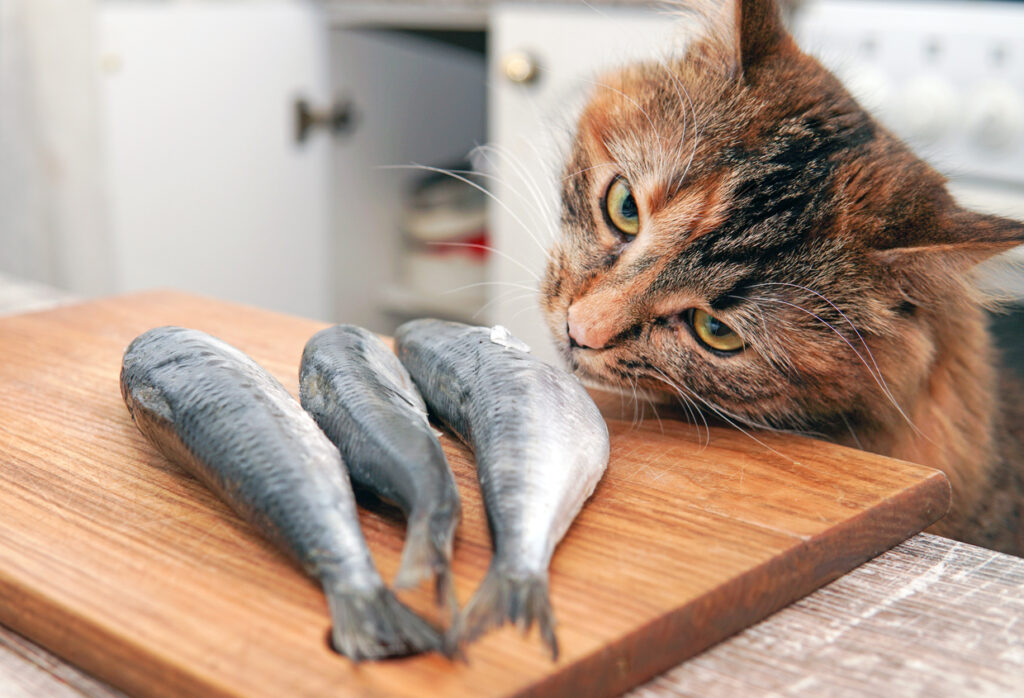
Raw fish carries bacteria and parasites that can harm cats, along with enzymes that destroy essential vitamins when eaten too often. This makes it unsuitable as a regular treat. Cooked fish in moderation can be a healthy snack. However, sushi scraps or raw leftovers should never be shared, no matter how much your cat begs.
10. Dairy products
Despite the common image of cats drinking milk, most are lactose intolerant. Dairy can cause stomach upset, diarrhoea, and discomfort for many cats once they’re past kittenhood. Special lactose-free alternatives exist if you want to indulge them safely. It’s best to skip ordinary milk and cream entirely to avoid problems.
11. Dog food
While not toxic in the strictest sense, dog food is harmful over time because it lacks the nutrients cats need. Taurine, an essential amino acid for cats, is missing from dog food recipes. Feeding cats dog food regularly leads to serious health issues. Their nutritional needs are different, which makes sticking to cat-specific food essential for their wellbeing.
12. Bones
Cooked bones splinter easily and can injure a cat’s mouth or digestive tract. Even raw bones can cause blockages or break teeth, making them dangerous to offer. Instead of bones, choose safe cat treats designed for chewing. These provide satisfaction without the serious risks associated with feeding actual bones.
13. Yeast dough
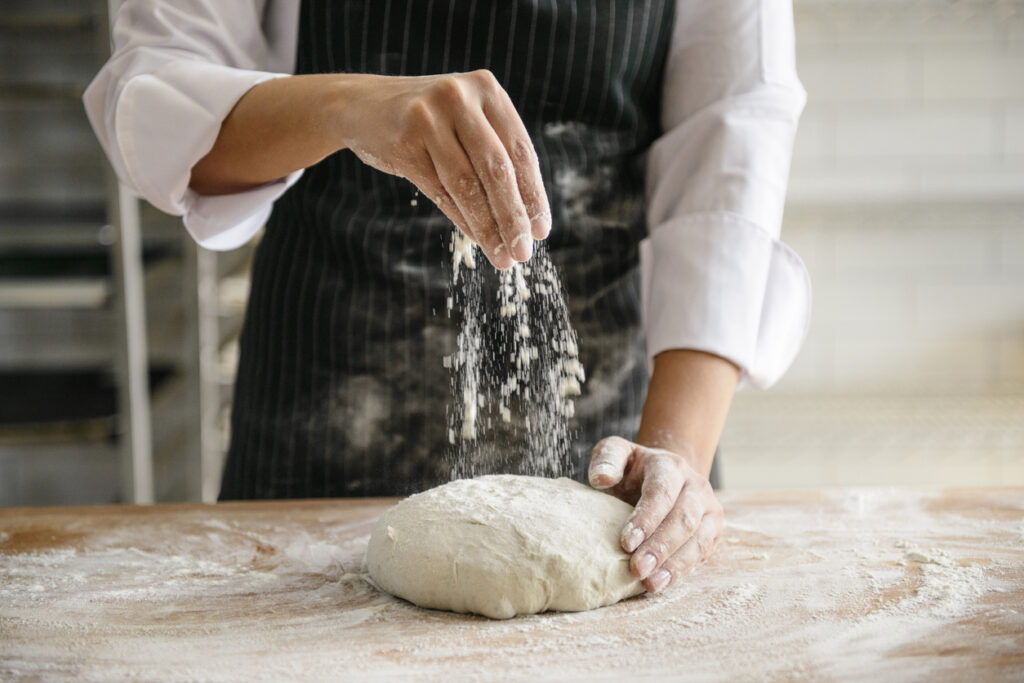
Uncooked dough can expand inside a cat’s stomach, causing bloating and discomfort. As the yeast ferments, it also produces alcohol, which is toxic to cats in any amount. This combination makes dough especially dangerous. Keeping rising dough out of reach is important whenever you bake at home, since curious cats may try to sample it.
14. Xylitol
Xylitol, a sweetener found in sugar-free gum and some foods, is extremely toxic to cats. It can cause rapid insulin release, leading to dangerously low blood sugar levels. Because it shows up in unexpected products, xylitol is especially risky. Checking labels and avoiding sugar-free items around pets helps prevent accidental poisoning.