Life underwater is full of extremes, especially when it comes to parenting.
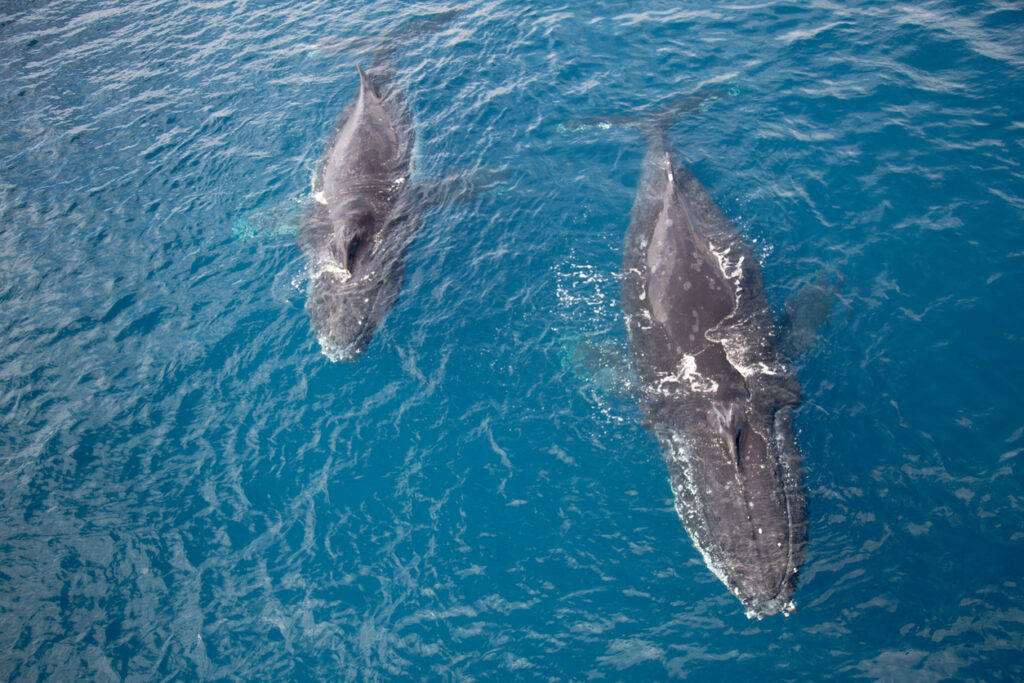
Some marine creatures devote extraordinary care to their young, while others barely stick around. This isn’t so much a personal choice as it is a biological imperative, but it’s still interesting to examine these dynamics on a closer level. These examples reveal the best and worst marine parents you’ll find in the ocean.
1. Seahorse dads do the hard work.

Seahorses are famous for flipping the script. The males carry fertilised eggs in their brood pouch until they’re ready to hatch, providing oxygen and nutrients along the way. It’s one of the rare cases of male pregnancy in nature.
This makes seahorses some of the most dedicated parents in the sea. By keeping their young safe until birth, they give them a strong start in life, even if survival afterwards is still left to chance.
2. Clownfish are devoted protectors.
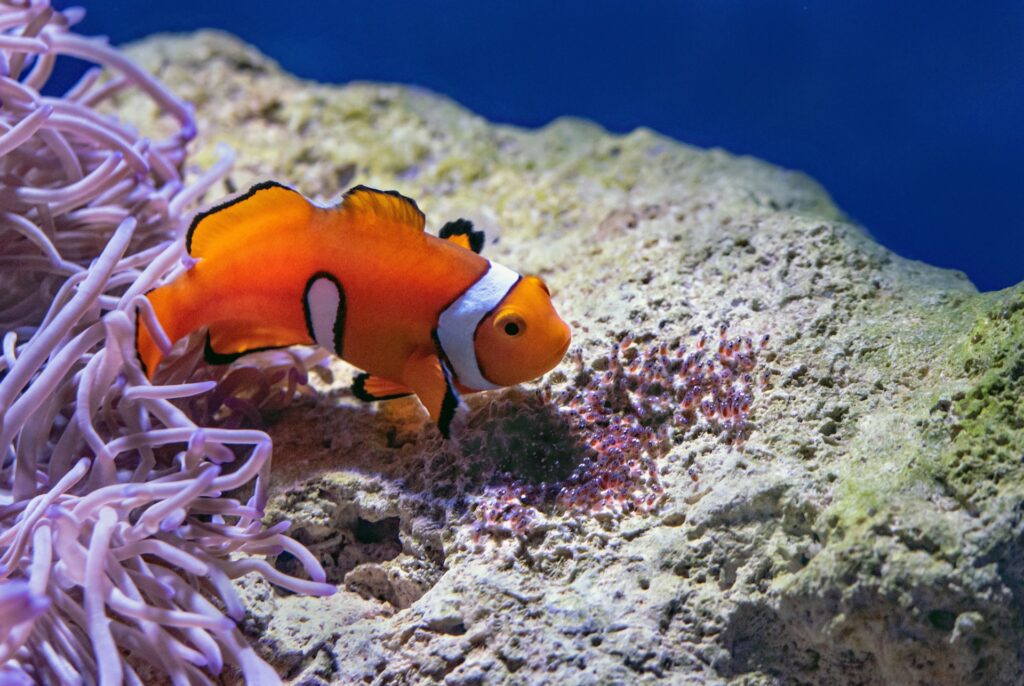
Clownfish live in close partnership with sea anemones, which offer safety for their eggs. The males are especially attentive, cleaning the eggs constantly and fanning them with their fins to keep them oxygenated.
This high level of care means clownfish parents are among the best nurturers in the ocean. Their vigilance greatly increases the odds of their offspring surviving the vulnerable early stages.
3. Octopus mothers will sacrifice everything for their offspring.
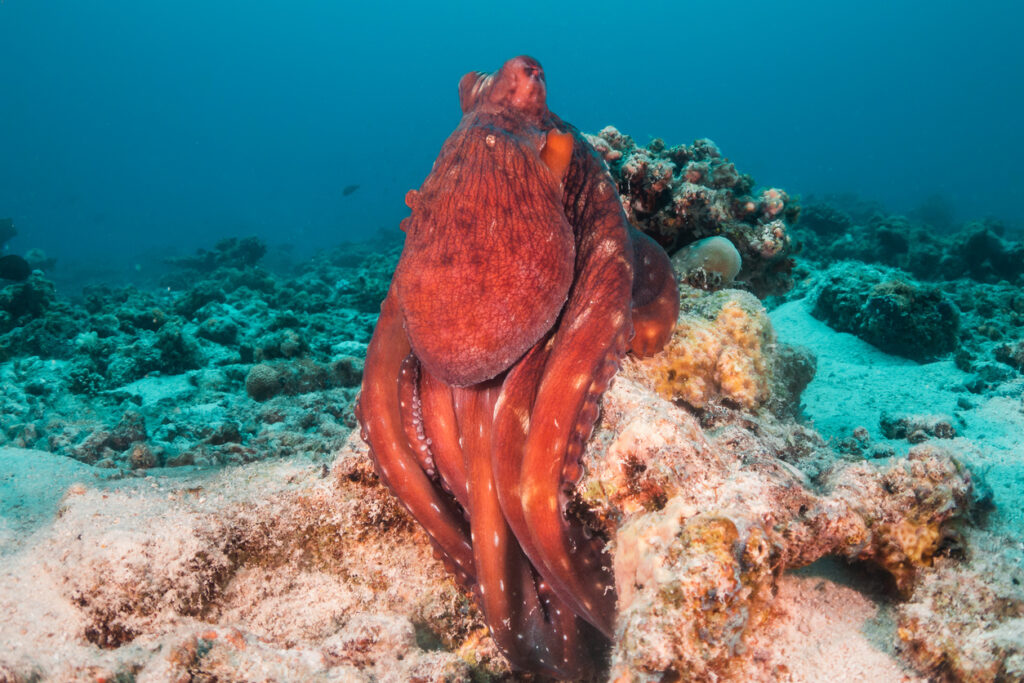
Few marine parents can match the devotion of an octopus mother. She guards her eggs obsessively, cleaning and aerating them for months. In many species, she won’t eat during this time, ultimately sacrificing her life for her young.
That selflessness means her offspring start life protected, but she never sees them grow. It’s parenting at its most extreme, total dedication, but only once in her lifetime before she dies.
4. Whales are nurturing giants.
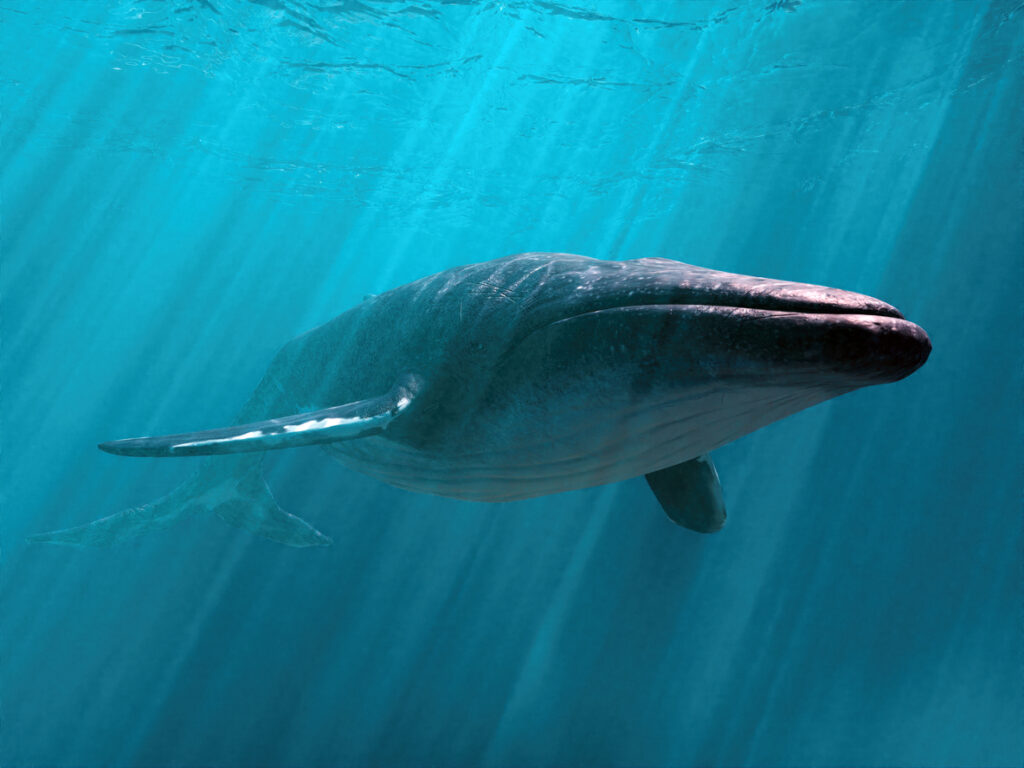
Whale calves are born into a world full of danger, but their mothers provide constant protection. They nurse their calves with fat-rich milk that helps them grow quickly, and they often travel in pods for safety.
This extended care makes whales excellent parents. Calves may stay with their mothers for years, learning migration routes, feeding techniques, and social behaviours that prepare them for adult life.
5. Penguins look after their young in tough conditions.
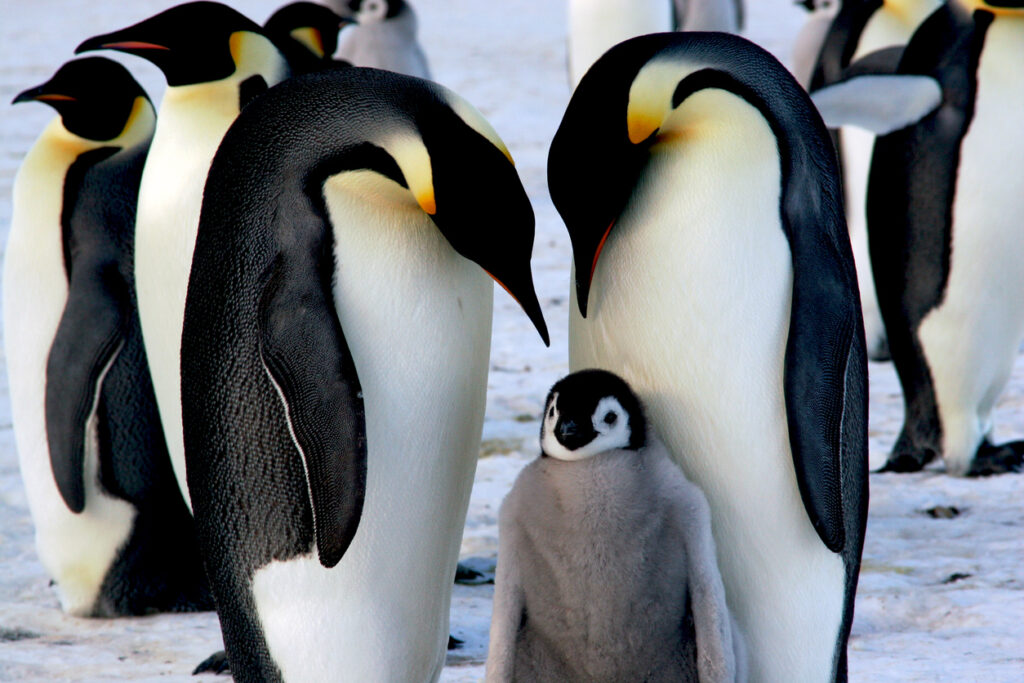
Whilst technically not marine creatures in the same way as fish, penguins spend much of their lives at sea and raise chicks in harsh conditions. Male emperor penguins famously incubate eggs on their feet, protecting them through Antarctic winters.
Their shared parenting makes penguins stand out as models of endurance and teamwork. Their survival as a species depends on both parents shouldering enormous responsibility in one of the world’s toughest environments.
6. Sharks put in very minimal investment.
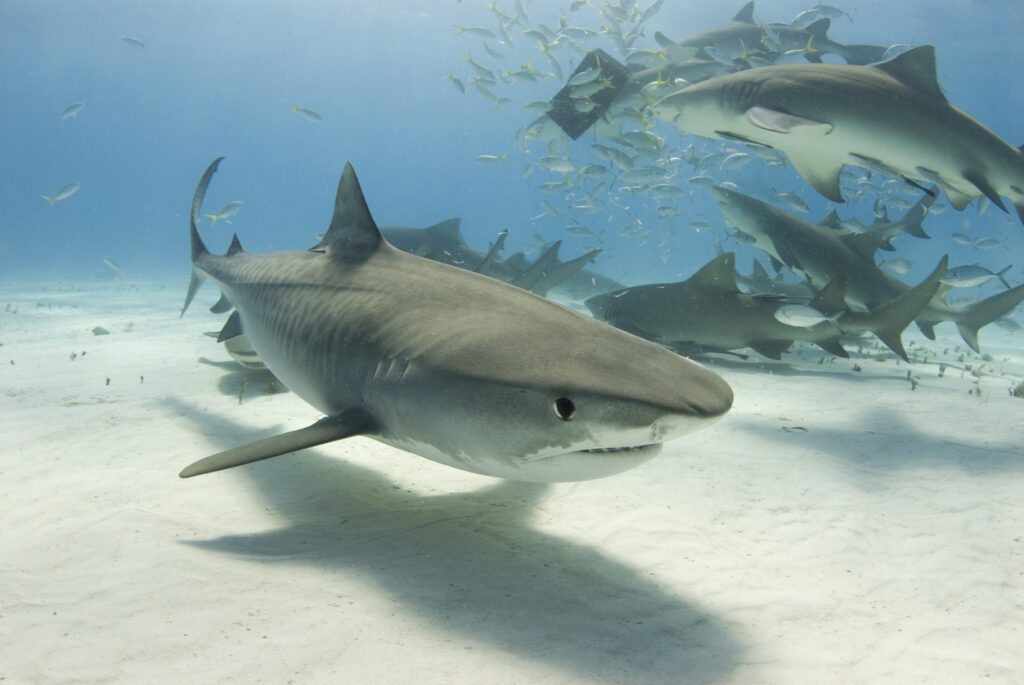
Most sharks take the opposite approach. After giving birth, whether to live young or hatched eggs, they offer no care at all. The pups are left to fend for themselves immediately, despite being born with some survival instincts.
This hands-off style makes sharks some of the least attentive marine parents. It works because they produce well-developed young, but it leaves survival entirely to the luck and instincts of the pups.
7. Sea turtles abandon their nest early on.
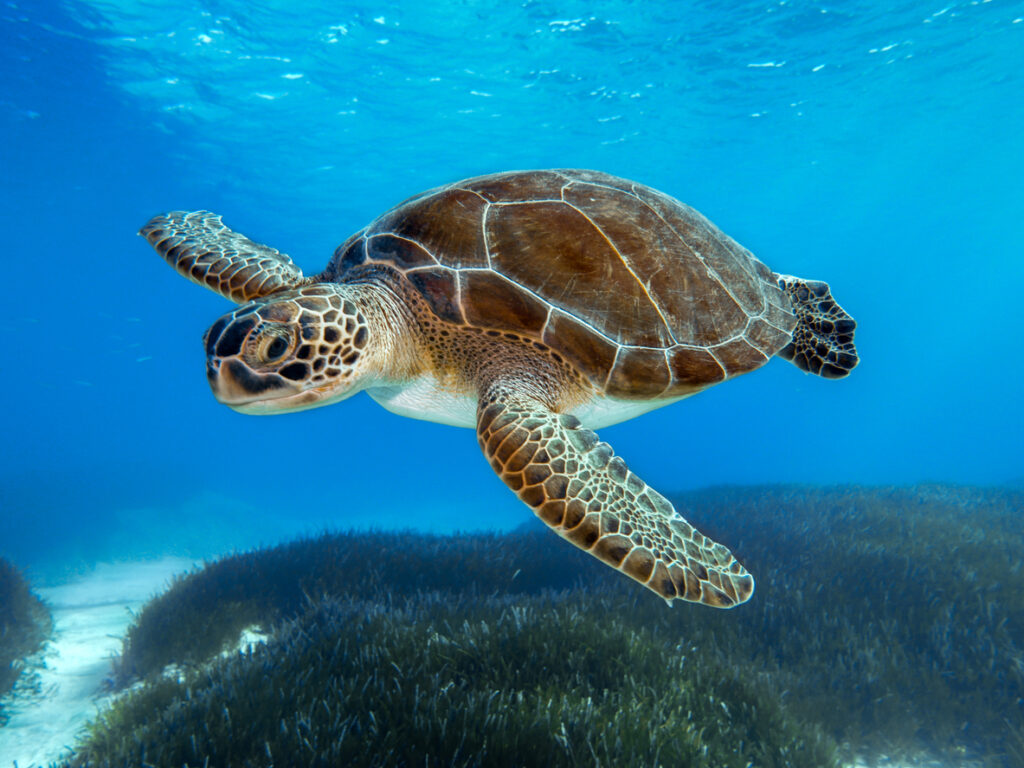
Sea turtle mothers drag themselves ashore to dig nests and lay eggs, then return to the sea, never meeting their offspring. Hatchlings face predators, disorientation, and exhaustion on their solitary race to the water.
This strategy is one of the least nurturing in the ocean. Survival depends on sheer numbers: thousands of eggs are laid in hopes that a handful will make it to adulthood.
8. Dolphins are playful but protective mothers.
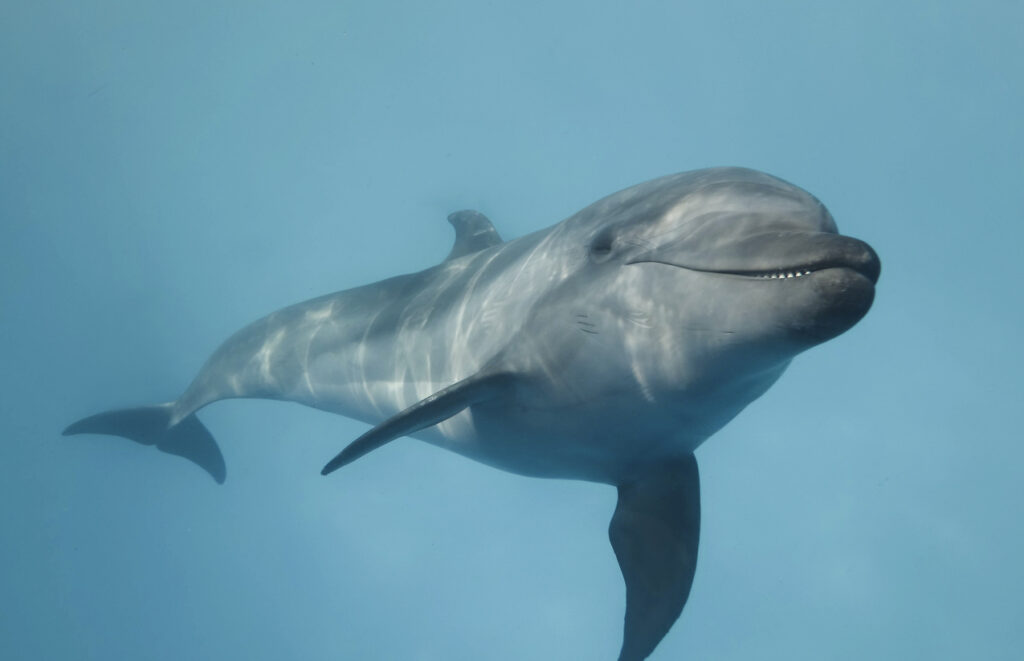
Dolphin mothers are highly involved, nursing calves for years and teaching them hunting techniques and social skills. They form strong bonds, often seen swimming close together with calves tucked safely by their sides.
This blend of care and teaching makes dolphins excellent parents. Their offspring benefit not only from protection but also from learning the complex behaviours needed to thrive in social pods.
9. Crabs only give limited care.
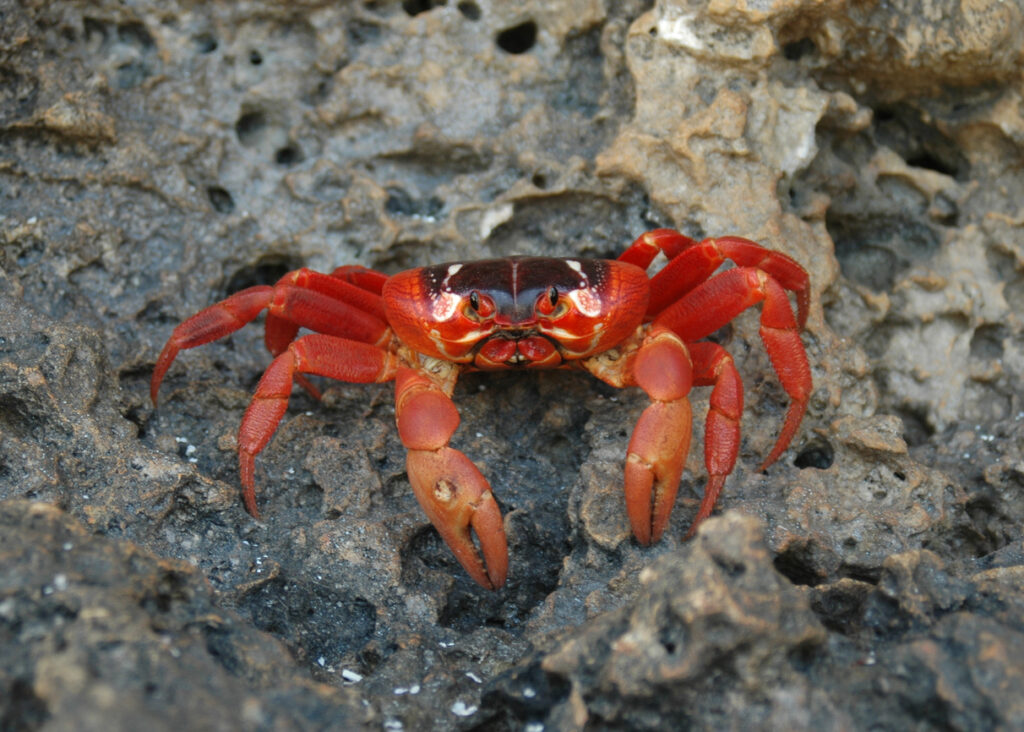
Female crabs carry fertilised eggs under their abdomen until they hatch, protecting them for weeks. However, once the larvae are released into the water, they receive no further attention and must survive on their own.
That partial investment shows a mix of good and bad parenting. Crabs give their offspring a safe start but withdraw completely afterwards, leaving them vulnerable in their earliest stages of life.
10. Anglerfish make some pretty strange sacrifices.
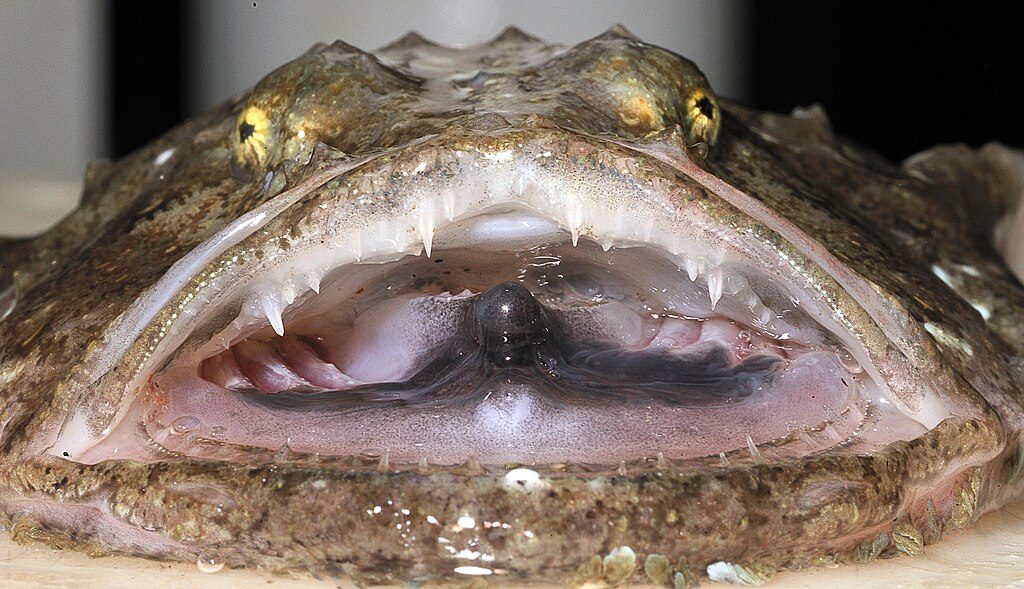
In deep-sea anglerfish, the males fuse permanently to females, effectively becoming a source of sperm on demand. This unusual arrangement ensures reproduction continues, but the female shoulders all the burden of survival and protection.
It’s a bizarre system that doesn’t provide much active parenting, but it guarantees the species continues. In terms of nurturing, anglerfish rank among the least invested marine parents.
11. Pipefish are extremely reluctant fathers.
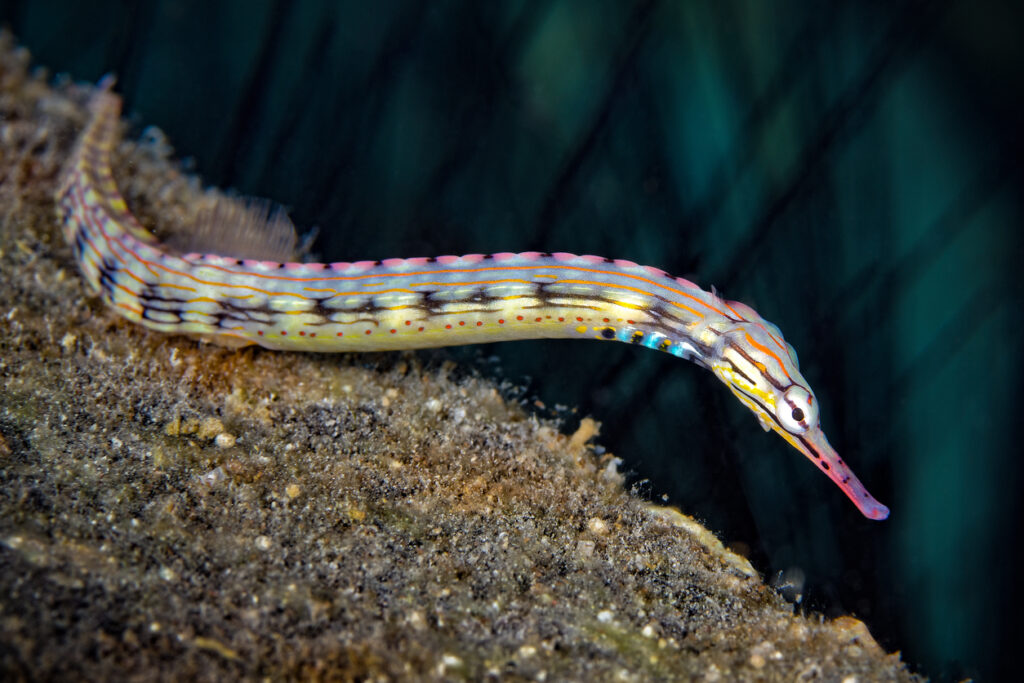
Pipefish, close relatives of seahorses, also have males that brood young. However, unlike seahorses, pipefish fathers sometimes play favourites supporting some embryos while neglecting others if resources are scarce.
This selective parenting makes pipefish an unusual case. They provide more care than many fish, but their inconsistency shows that not all paternal efforts are entirely selfless.
12. Crocodile icefish make surprisingly attentive guardians.
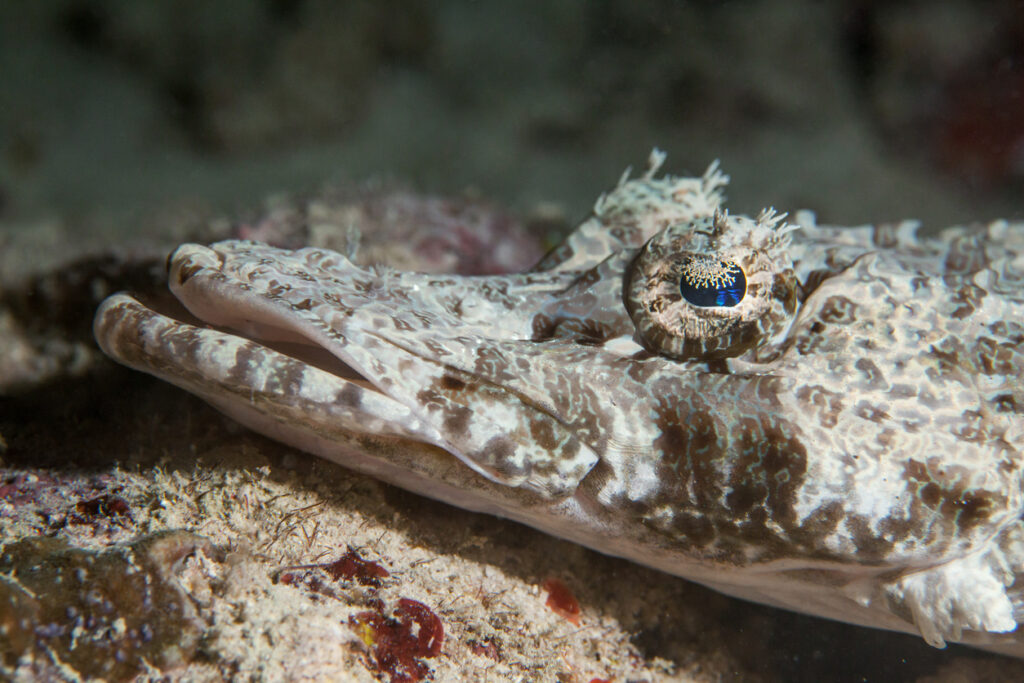
Living in Antarctic waters, some species of icefish show rare devotion. Females guard their eggs on the sea floor, fending off predators until the young hatch. Their dedication greatly improves survival in a harsh environment.
This level of protection makes them stand out among fish. While not as extreme as octopuses, their willingness to defend their offspring puts them firmly in the “good parent” category.
13. Sunfish are all about quantity over quality.
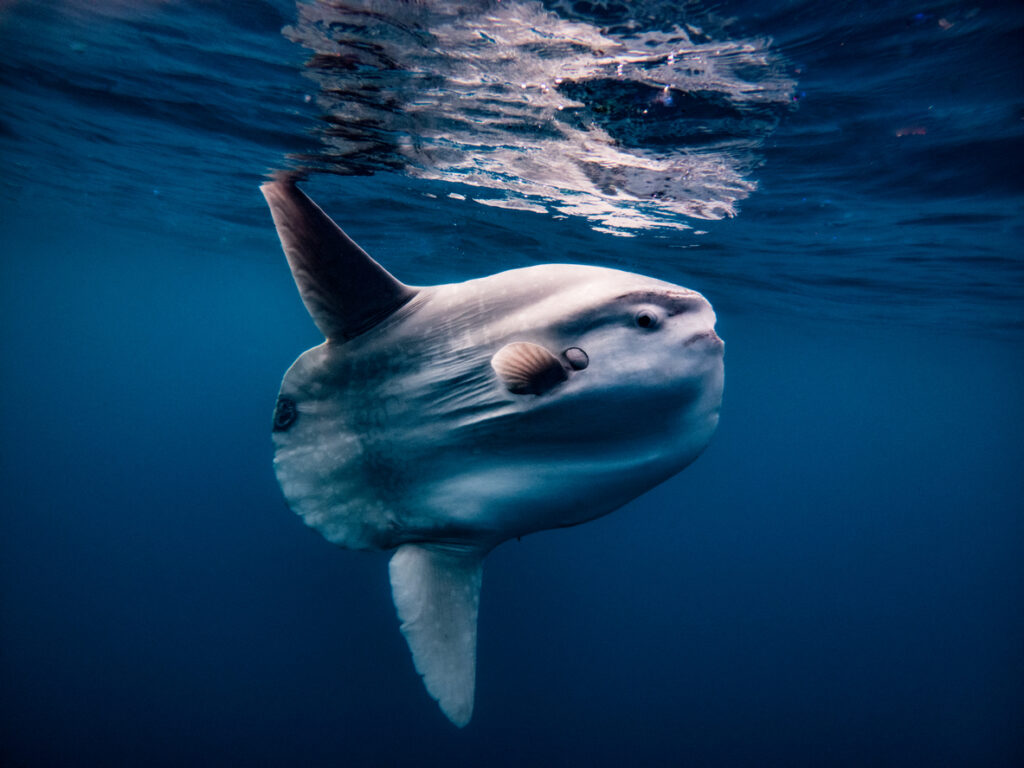
Ocean sunfish produce staggering numbers of eggs, up to 300 million in a single season. However, once they’re released, there’s no care at all, leaving larvae to fend for themselves in a dangerous, unpredictable ocean.
This approach prioritises numbers over nurturing. Whilst effective for species survival, it leaves individual offspring vulnerable, making sunfish some of the least attentive parents in the marine world.