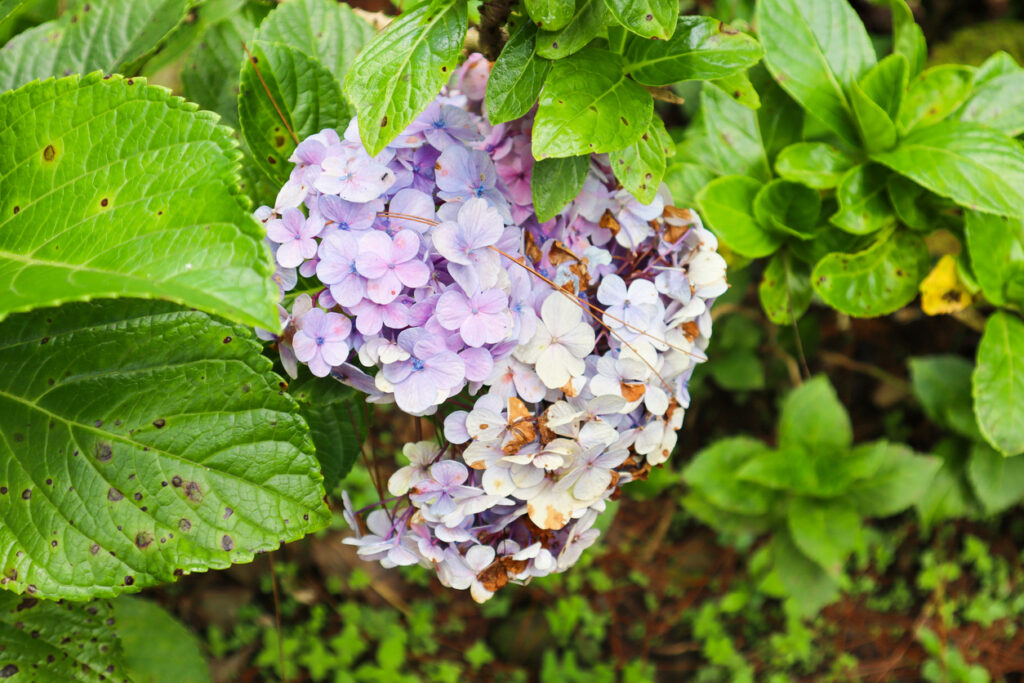
Nothing’s more disappointing than gorgeous hydrangeas that suddenly look like they’ve given up on life, with their big beautiful blooms hanging their heads in defeat. The good news is that drooping hydrangeas are usually crying for help about something specific and fixable. These are some of the most common issues, as well as easy remedies to get these flowers back in tip-top shape.
1. They’re absolutely parched and need a proper drink.
Hydrangeas are basically the drama queens of the flower world when it comes to water. They need loads of it, and they’re not subtle when they’re thirsty. Those big, lush leaves lose moisture fast, especially on hot days or windy spots.
Give them a long, deep drink at the base of the plant rather than a quick sprinkle on top. Water early morning or evening so they can actually absorb it instead of watching it evaporate. Check the soil regularly because these plants go from fine to dramatically wilted surprisingly quickly.
2. The afternoon sun is cooking them alive.
Morning sun is lovely for hydrangeas, but that brutal afternoon heat can be too much for their delicate constitution. They prefer to spend the hottest part of the day in some shade, like sophisticated ladies avoiding harsh lighting.
If they’re planted in full blazing sun all day, consider adding some shade cloth during peak summer or planting something taller nearby to give them afternoon relief. You can’t move established plants easily, but you can definitely help them cope with their current location.
3. Their soil is rubbish and can’t hold onto water.
Sandy soil drains too fast and leaves hydrangeas high and dry, while clay soil either drowns them or becomes too hard for water to penetrate. They need that Goldilocks soil that’s just right: it holds moisture but doesn’t get soggy.
Mix in some compost or well-rotted manure to improve whatever soil you’re working with. This helps sandy soil retain water and helps clay soil drain better. Think of it as giving your hydrangeas a better foundation to work with.
4. You’re watering the leaves instead of the roots.
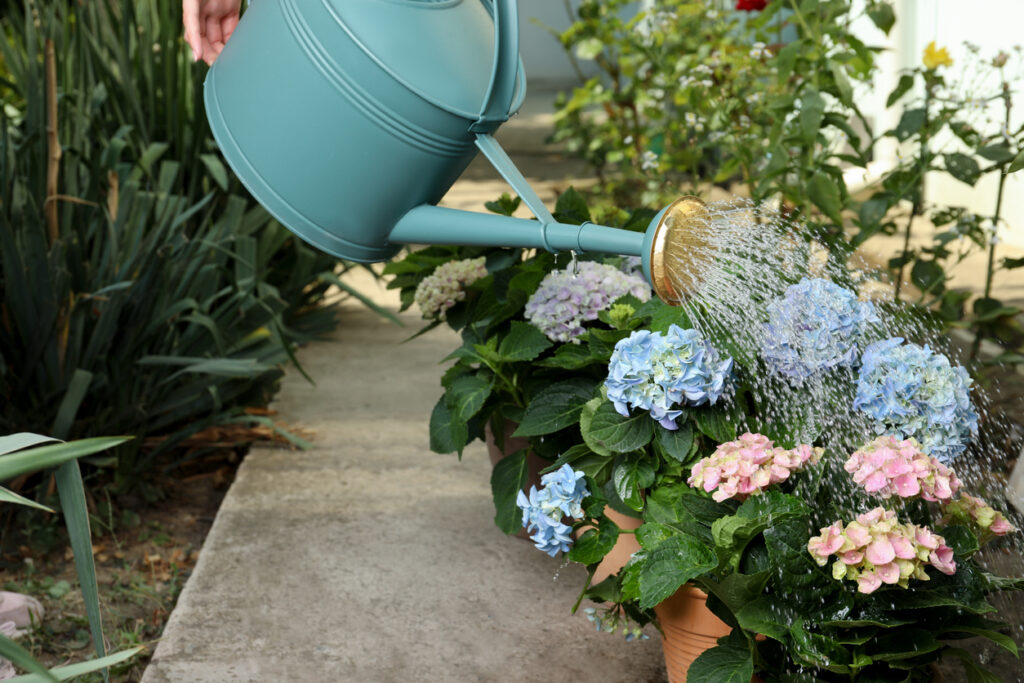
Sprinkling water on the flowers and leaves might look refreshing, but it’s not actually helping the plant much. The roots are doing all the hard work down below, and that’s where the water needs to go.
Water slowly and deeply at the base of the plant so it soaks down to the root zone. A soaker hose or drip irrigation works brilliantly, or just use your regular hose on a gentle setting pointed at the ground rather than the plant itself.
5. The weather’s been particularly brutal lately.
Sometimes hydrangeas droop simply because they’re having a tough time with extreme weather, whether that’s unseasonably hot days, strong winds, or a sudden heatwave that caught everyone off guard, including your plants.
During particularly harsh weather, give them extra attention with more frequent watering and perhaps some temporary shade if possible. They’ll usually bounce back once conditions improve, especially if you help them through the rough patch.
6. They’re planted in the wrong spot entirely.
Some varieties of hydrangeas are pickier about their location than others. If yours are in deep shade all day or blasted by wind and sun constantly, they might just be telling you they’re not happy with their address.
Research your specific variety to see what conditions they actually prefer. Some hydrangeas love sun, others prefer shade, and most want something in between. You might need to consider relocating them during their dormant season if they’re really in the wrong spot.
7. The mulch situation needs sorting out.
No mulch means the soil dries out faster and gets too hot in summer, while too much mulch can prevent water from reaching the roots properly. Getting the mulch balance right makes a huge difference to how well hydrangeas cope with stress.
Apply a 5-8 cm layer of organic mulch around the base, keeping it away from the stem itself. Good options include bark chips, compost, or leaf mould. This helps retain soil moisture and keeps the roots cooler during hot weather.
8. They’re actually fine and just being dramatic.
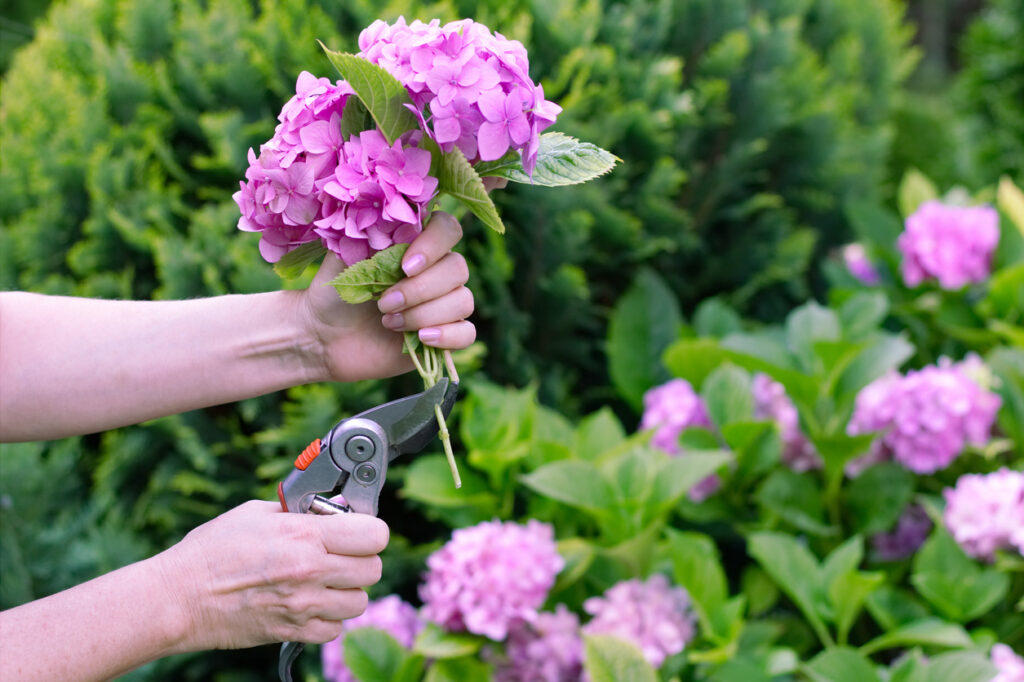
Sometimes hydrangeas droop during the hottest part of the day as a natural protective mechanism, then perk up again in the evening when it’s cooler. This is normal behaviour, not a crisis requiring intervention.
If they bounce back by evening or early morning, they’re probably just conserving energy during peak heat. Keep an eye on them and maintain regular watering, but don’t panic if they look a bit sorry for themselves at 2pm on a scorching day.
9. Something’s wrong with their root system.
Root problems from overwatering, underwatering, or damage during planting can cause persistent drooping that doesn’t improve with normal care. Waterlogged roots can’t function properly, and damaged roots can’t take up water efficiently.
Check the soil drainage and make sure you’re not overwatering. If the soil is constantly soggy or if the drooping continues despite proper watering and good conditions, the roots might need time to recover from previous stress or damage.
10. They need a bit of TLC and patience.
Newly planted hydrangeas often look a bit sorry for themselves while they establish their root systems, and even established plants can have off days when they’re dealing with stress, seasonal changes, or just general plant drama.
Keep up with consistent care, including regular watering, appropriate mulching, and monitoring for any obvious problems. Most hydrangeas are quite resilient and will recover from drooping episodes once their needs are met, and they’ve had time to settle down.