Animals learn, solve problems and communicate in ways that catch people off guard, and the more scientists study them, the more impressive their abilities look.
Some use tools with real intention, others remember faces for years, and many understand social cues that feel surprisingly close to human behaviour. Intelligence shows up differently across species, but the depth of it becomes clear as soon as you look at how they survive, adapt and make decisions in their own worlds. It’s a reminder that the animal kingdom is far more complex than most of us realise. Here are some of the brightest creatures out there.
1. Chimpanzees use tools and plan several steps ahead.
Chimpanzees impress researchers because they do not just use sticks and stones, they choose the right tools for each situation. They strip leaves, shape branches and adjust materials before using them, which shows clear planning. That level of thought places them close to humans in problem-solving ability. Their minds work through challenges with a mix of memory and creativity that looks surprisingly familiar.
Scientists also see chimps work together to solve tasks that require cooperation. They watch each other, learn quickly and adapt methods when something changes. Their ability to apply flexibility to their thinking helps them survive in complex environments and proves how strong their intelligence is. Their ability to share knowledge makes them stand out among other primates.
2. Dolphins understand language patterns and solve puzzles easily.
Dolphins communicate with whistles and clicks that function like a shared language. They copy each other’s signals, recognise names and respond to new patterns that scientists teach in experiments. Their ability to understand instructions shows a level of comprehension similar to young children. They notice small details in tone and pitch, which helps them communicate clearly.
Their problem-solving skills are strong too. Dolphins complete tasks that require memory, teamwork and strategy, and they learn new rules faster than expected. They also show playful intelligence in the wild by creating bubble rings, coordinating hunts and adapting to changes in their environment. Their mix of social and cognitive skills places them among the smartest animals alive.
3. Elephants remember people, locations, and social bonds for decades.

Elephants are known for their powerful memory. They remember safe routes, dangerous areas and watering holes even after many years. Their memory helps them lead herds through long migrations. They also recognise friendly humans and react warmly to people who treated them well in the past. Their awareness of the world is quiet but deep.
Elephants also show complex emotions. They comfort each other, react to loss and work together during stressful moments. Their ability to read social cues and respond with care shows emotional intelligence that rivals some primates. Elephants’ blend of memory and empathy makes them exceptional among large mammals.
4. Ravens solve logic tasks that challenge young children.
Ravens and other corvids surprise scientists with tasks that involve planning. They move objects, store food and even save tools for future use. That sort of thinking shows awareness of time rather than simple instinct. They solve problems in steps, which is a sign of advanced mental ability. Their solutions often match the creativity of primates.
Ravens also show strong social intelligence. They watch other birds carefully and change their behaviour to protect food stores from thieves. Being able to think about another bird’s intentions reflects impressive cognitive skill. Their mix of strategy, memory, and social awareness places them among the smartest birds ever studied.
5. Pigs learn tasks quickly and understand cause and effect.
Pigs pick up new information faster than many pets and farm animals. They recognise their names, respond to commands and remember solutions to puzzles long after learning them. Their curiosity pushes them to explore new objects and patterns, which helps researchers understand their mental strength. They solve problems with surprising accuracy.
Pigs also show emotional awareness. They read body language, notice changes in tone and respond to social cues. Groups of pigs communicate in ways that show cooperation and shared understanding. Their intelligence often goes unnoticed, yet science consistently ranks them as one of the smartest domesticated animals.
6. Octopuses escape traps and solve puzzles through trial and error.
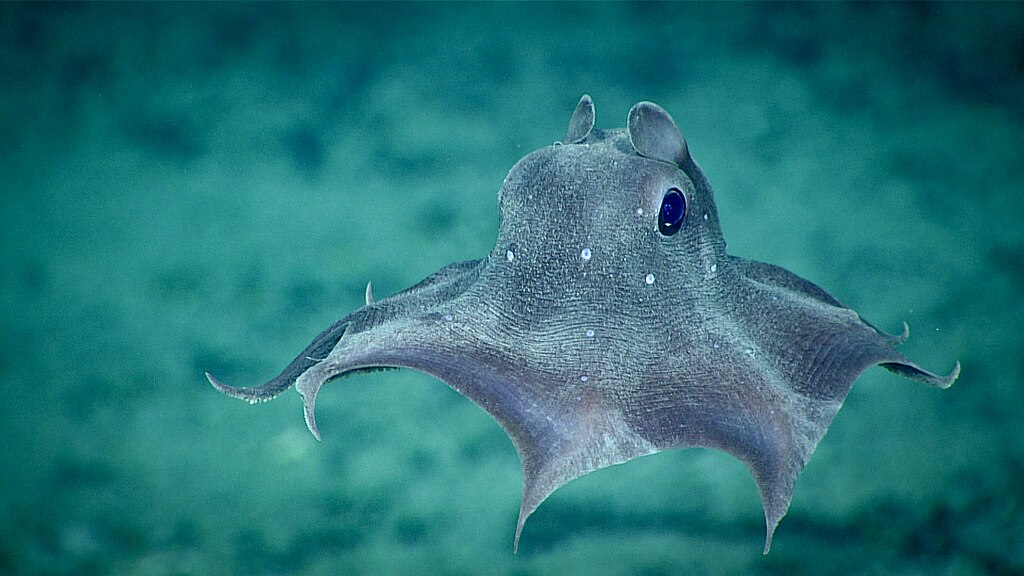
Octopuses have large brains for their body size and use them well. They escape sealed tanks, open jars and navigate mazes with surprising skill. Their ability to manipulate objects shows strong problem-solving without any training. They learn quickly and remember solutions long enough to repeat them later.
Scientists also notice that octopuses show personalities. Some are cautious, while others explore confidently. They interact with tools and play with objects around them, which shows curiosity. Their intelligence evolved separately from mammals, proving that smart thinking can appear in very different species.
7. African grey parrots understand words and form simple sentences.
African grey parrots stand out among birds because they learn human words with meaning, not just sound. They match colours and shapes to the correct words and even answer questions about them. Some can form short phrases that show understanding rather than mimicry, which demonstrates advanced cognitive processing.
They also show emotional intelligence by bonding closely with humans and recognising subtle changes in mood or tone. Their memory and communication skills make them one of the most intelligent bird species studied. Their ability to learn for many years shows long-term cognitive strength.
8. Whales communicate using complex calls that travel long distances.
Humpback and sperm whales use patterned calls that function like songs. These calls share information about migration routes, danger and social position. Scientists see clear structure in these sounds, which suggests a form of communication more complex than simple noise. Whales respond to new patterns and remember them over time.
Whales also show problem-solving in group behaviour. They coordinate hunts, share food and help injured members of their pod. Their awareness of social roles and cooperation reflects high intelligence in a marine environment. Their thinking is slow and deliberate, yet deeply advanced.
9. Dogs read human emotions and adapt their behaviour quickly.

Dogs may not rank as high in tool use or logic, but their social intelligence is one of the strongest in the animal world. They read facial expressions, track tone and respond to emotional signals with accuracy. This helps them support humans in daily life and builds strong bonds.
Dogs also learn rules and respond to training with surprising speed. Some breeds excel at advanced tasks such as detecting illness, guiding people with disabilities or locating missing individuals. Their intelligence is shaped by thousands of years of partnership with humans, creating unique mental skills.
10. Orangutans use tools and teach skills to their young.
Orangutans use sticks to catch insects, leaves as makeshift gloves and branches as shelters. These tools show creativity and careful thinking. They solve problems by watching and copying others, which helps young orangutans learn essential survival skills. This kind of teaching behaviour is a clear sign of intelligence.
They also plan routes through the forest by memorising fruit cycles and tree positions. Their strong long-term thinking proves their strong memory and awareness of their environment. Their ability to adapt and learn places them alongside chimpanzees as highly intelligent primates.
11. Sea lions understand symbols and follow multistep instructions.
Sea lions perform well in cognitive tests that involve recognising symbols and solving sequences. They remember patterns and respond correctly even when rules change. Their flexibility shows advanced mental processing. Their problem-solving ability goes beyond basic training.
Sea lions also show impressive teamwork in the wild. They coordinate hunts, respond to social signals and protect young members of their groups. Their balance of social and cognitive intelligence makes them one of the smartest marine mammals studied.
12. Crows make tools and solve difficult memory tasks.

Crows are known for bending wires into hooks, using sticks to pull food, and even creating multistep tool systems. These actions show forward-thinking and creativity normally seen in primates. Their ability to understand how objects work reveals a high level of intelligence.
They also remember human faces and treat people differently based on past experiences. This long memory shows strong social understanding. Their intelligence helps them adapt to cities and forests with equal success, proving how versatile their minds are.
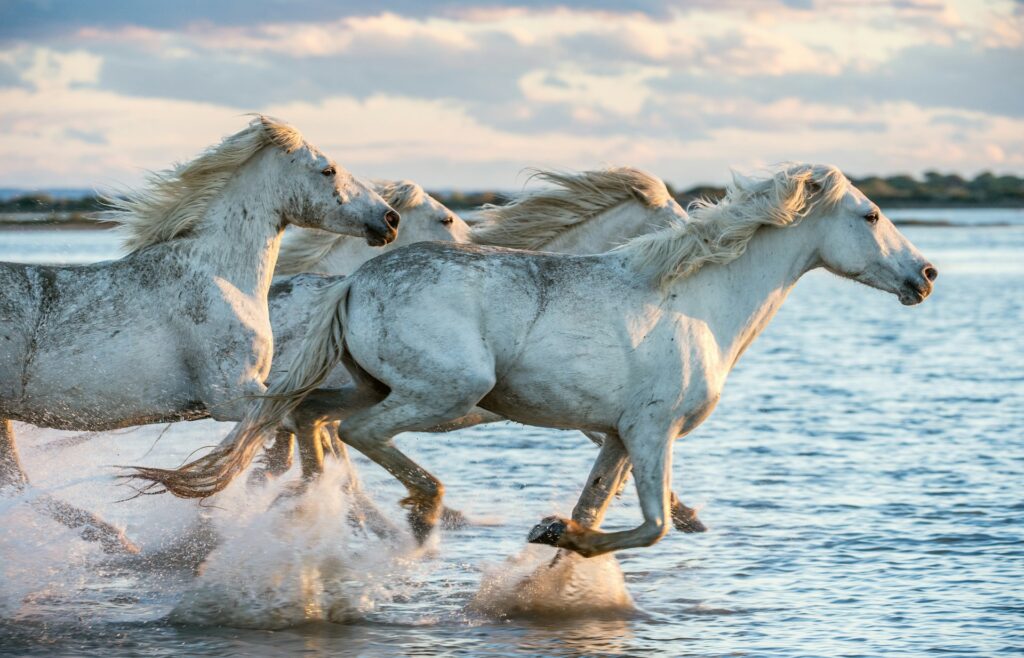
13. Horses understand human cues and respond to subtle body language.
Horses recognise emotions from posture, tone and small movements, which helps them work closely with humans. They also remember routes, routines, and people across long periods. Their communication skills are stronger than many people realise, especially when responding to stress or safety signals.
Horses also solve simple puzzles and learn new tasks quickly. Their ability to adapt and understand context shows flexible intelligence. Their awareness of humans and their environment proves their place on the list of highly intelligent animals.
14. Rats learn mazes fast and understand social behaviour.
Rats solve mazes, remember shortcuts and find solutions that improve with practice. They also understand patterns and rules with surprising speed. Their strong cognitive ability makes them useful in scientific studies where memory and learning are tested.
They also show clear social intelligence. Rats comfort stressed companions, share food and change behaviour based on group needs. Their emotional awareness and problem-solving skills make them far smarter than their reputation suggests.
15. Bees use maps and complex communication to guide their colony.
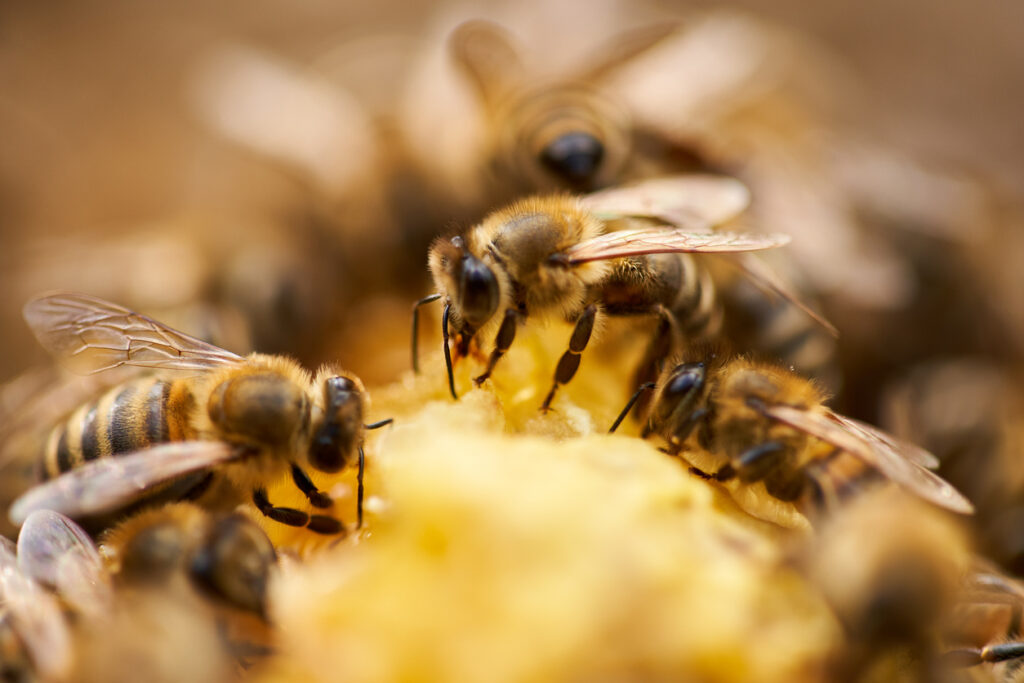
Bees communicate using movements that function like maps. Their waggle dance tells others exactly where to find food by sharing distance and direction, which demonstrates advanced spatial awareness rarely seen in insects. Their ability to pass information accurately keeps the colony strong.
Bees also solve navigation tasks and remember important locations for long periods. Their teamwork and communication prove that intelligence can appear in very small creatures. Their organised behaviour reflects problem-solving far more advanced than people expect from insects.