Some animals pick up the sounds of the place they live in, just like people do, and the differences can be surprisingly clear once you listen for them.
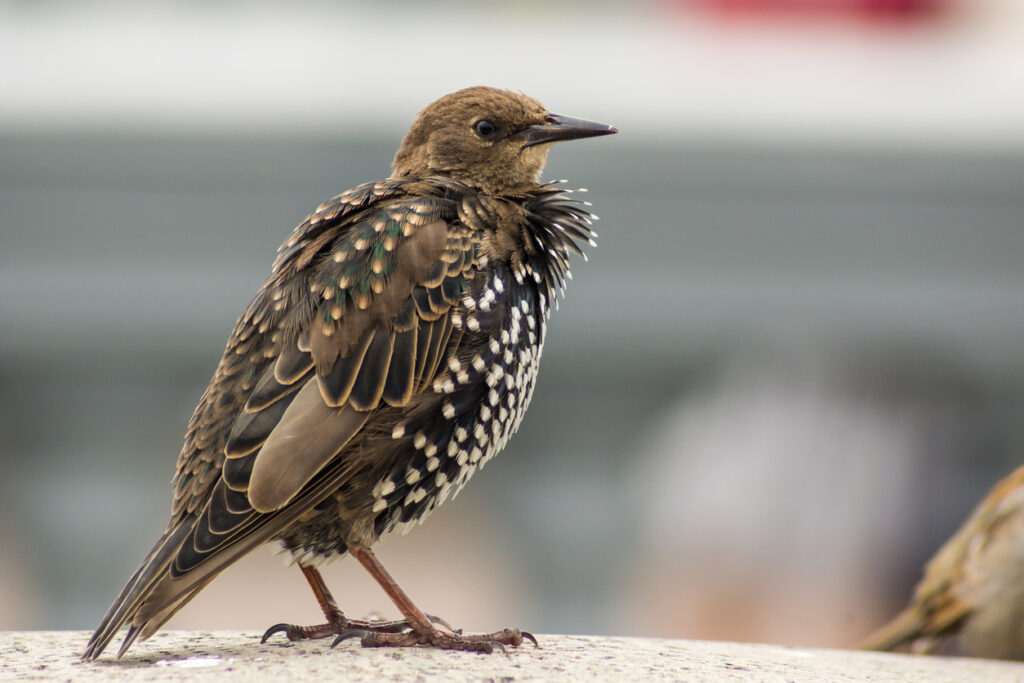
Birds, whales, primates, and even a few farm animals develop their own local quirks in pitch, rhythm or calls, shaped by the groups they grow up around. It’s not random noise; it’s learned behaviour that changes from region to region. When you realise how varied these “accents” can be, it adds a whole new layer to how we think about the way animals communicate.
1. Birds in cities sing louder than the same species in the countryside.

Many British birds adjust their songs to compete with traffic noise. Robins and blackbirds in cities use sharper, higher calls so they can be heard over engines and construction. Their rural versions sound calmer, softer and far more melodic. These differences are so clear that experts can often guess where a bird lives just by listening.
The change happens because young birds copy the adults around them. If they grow up in a noisy place, they learn the louder, faster version of the song. Over time, the city style becomes a full “accent” that is passed on through generations.
2. Cyanistes Caeruleus in different UK regions sing noticeably different songs.
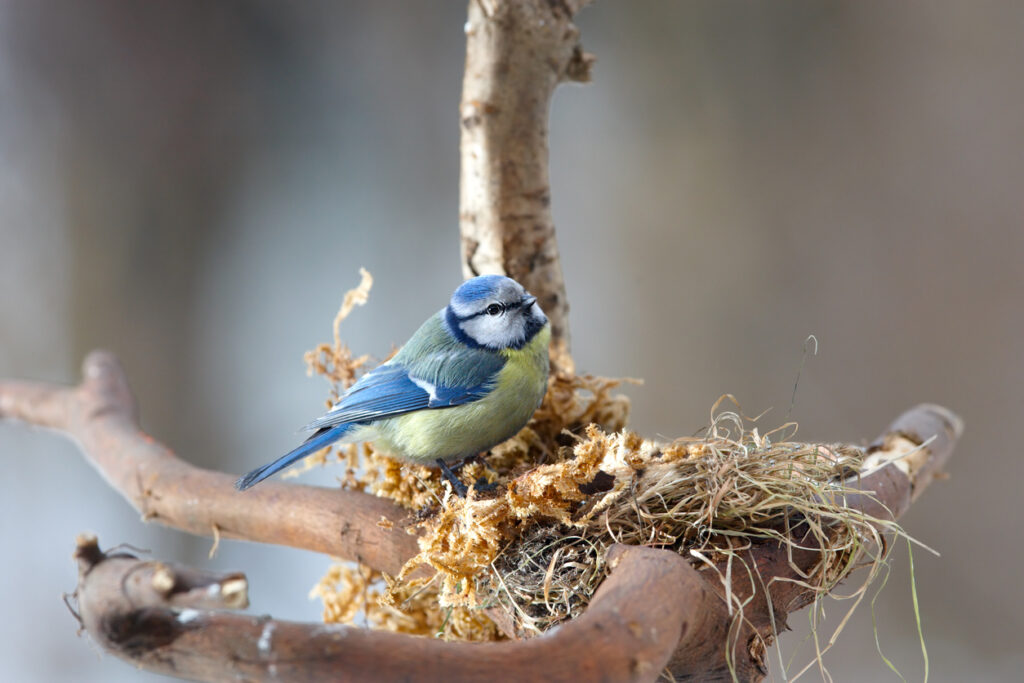
These birds in the south of England use shorter, faster calls compared with those in Scotland and northern England. These differences developed because birds form local traditions within their flocks. Each region sticks to the version they recognise, and young birds learn by mimicking older ones. Scientists say this creates something very close to a dialect. If you place one from Cornwall in the Highlands, it would still sing in its original accent because those habits stick strongly once learned.
3. Orcas around the UK coast have distinct family dialects.
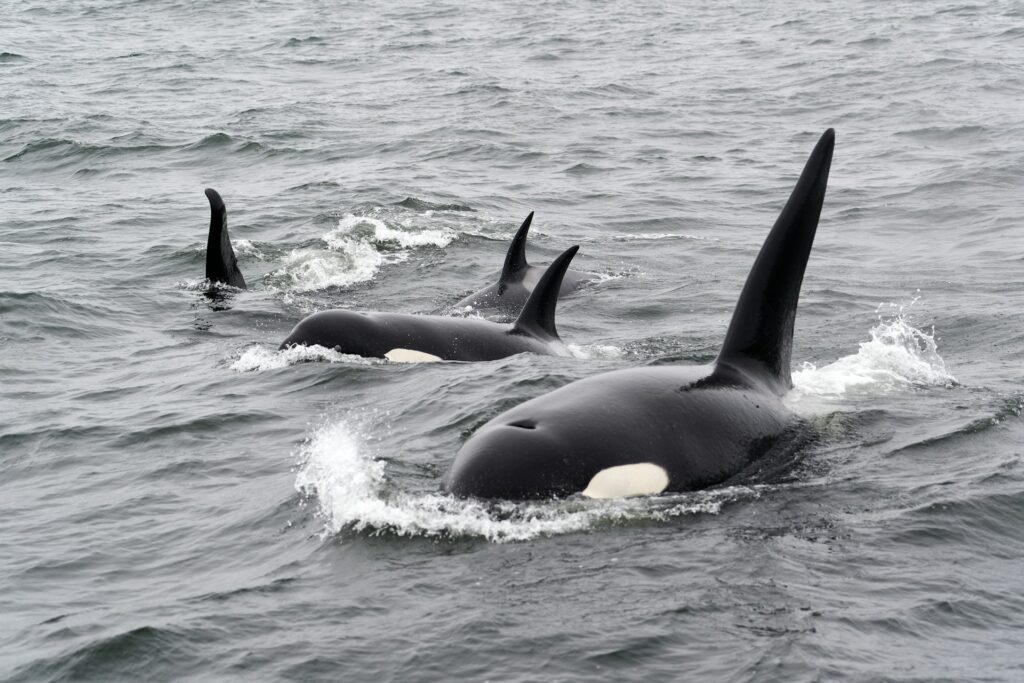
Different pods of orcas use unique patterns of clicks and whistles, and these sounds are passed through generations like a spoken language. Scottish pods have calls that are entirely different from groups off the coast of Wales or Ireland. The difference is so clear that experts identify pods by sound alone. These vocal differences help pods recognise each other at long distances. Each group shares its own traditions, hunting techniques and communication style, and the accent becomes part of their identity.
4. Humpback whales passing the UK follow changing “song trends.”
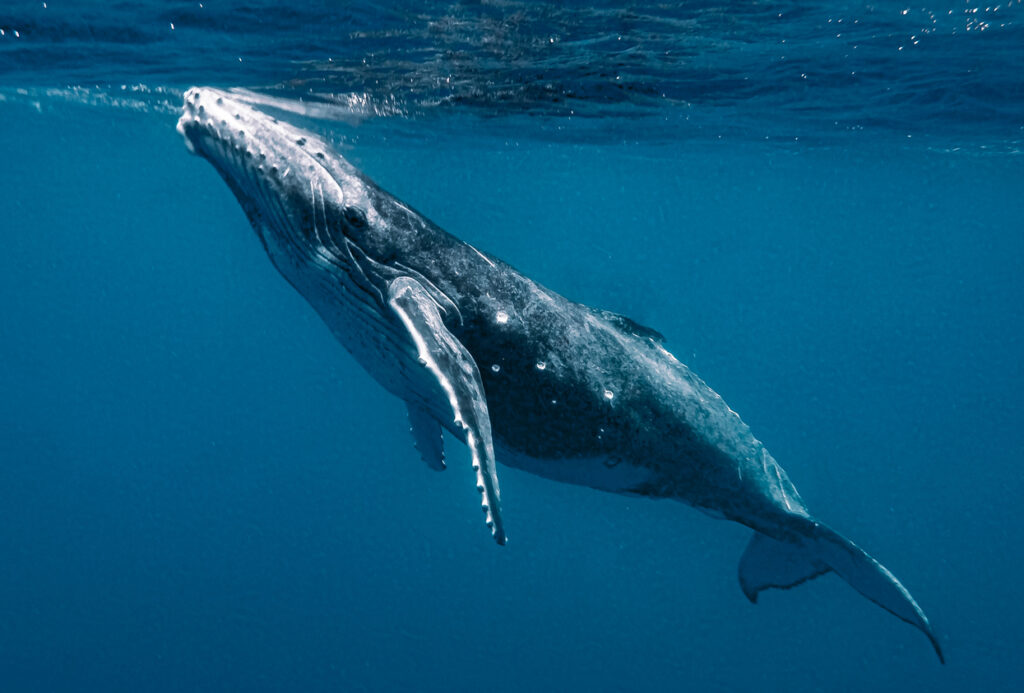
Humpbacks sing long, patterned songs that change over time like musical trends. Groups travelling near UK waters pick up new versions from whales migrating in the Atlantic. These updated songs spread pod to pod until they become a shared regional style. Their accents can change every year as new sections are added. Scientists compare this to cultural trends in human music, except whales pass theirs across thousands of miles through sound alone.
5. Seals around the UK mimic local sounds in their environment.
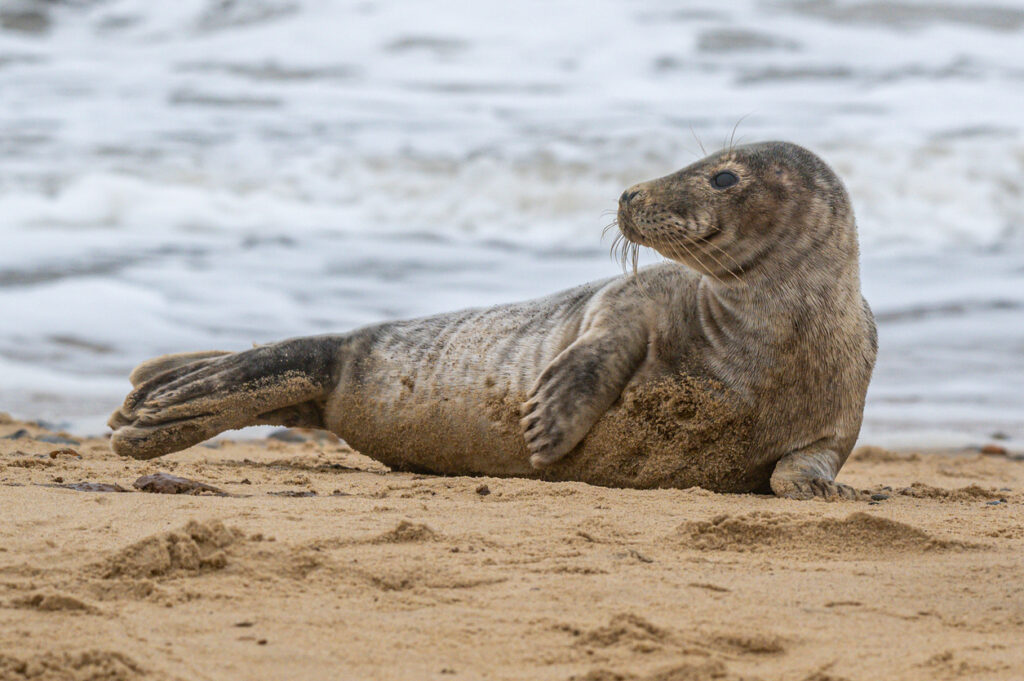
Grey seals living along different British coastlines develop varied “voices” based on their surroundings. Some populations make deeper calls, while others use sharp, high-pitched sounds. These differences come from how sound travels underwater in each region. Young seals copy the adults around them and end up with accents shaped by waves, cliffs and underwater terrain. Some seals can even mimic human voices, which researchers say proves how flexible their vocal learning is.
6. Dolphins off the UK coast use whistles unique to their pods.

Bottlenose dolphins living around Scotland and Wales use distinct whistles that act like names. These signature sounds vary by region, and dolphins respond only to the versions they recognise. Even pods living fairly close together can develop dramatically different styles. These accents help groups identify who belongs to them and who does not. The calls stay consistent for years and pass through families, showing how strong their communication habits are.
7. Songbirds in Britain copy neighbours and develop local dialect clusters.
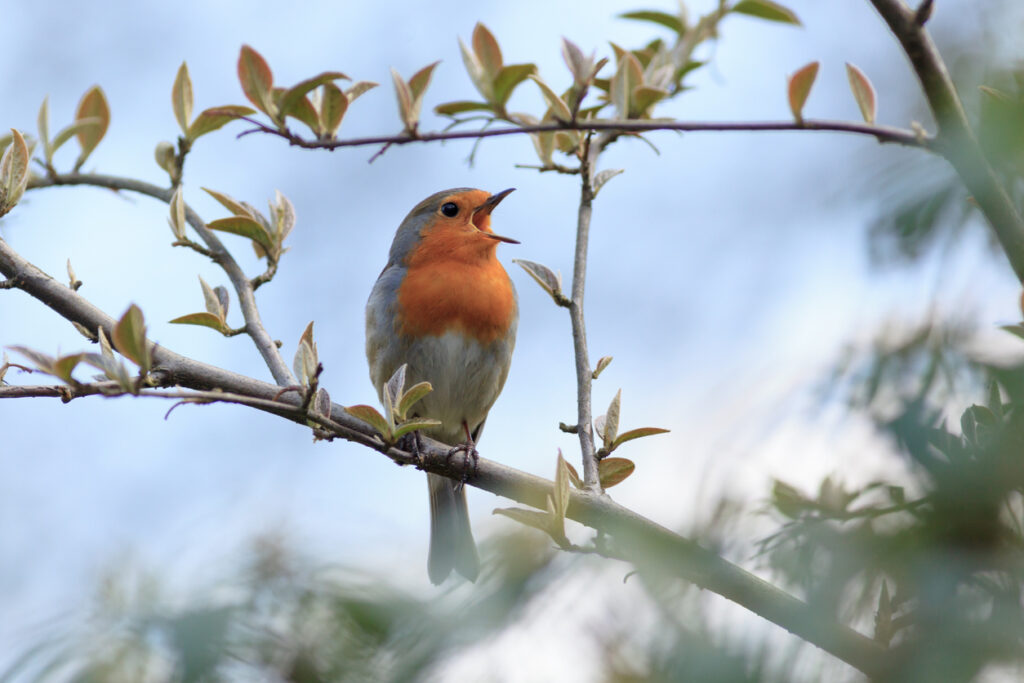
Species like chaffinches and willow warblers (to name a few) form “song neighbourhoods,” where birds in the same area share unique versions of their calls. Each town, valley, or woodland can end up with its own style. Birds learn these sounds as chicks and keep them for life. These accents act as a social glue. Male birds use local styles to attract mates because females recognise familiar patterns. This keeps birds returning to their birthplace to raise future generations.
8. Parrots kept in UK homes pick up accents from their owners.

Pet parrots imitate the voices they hear most often, which means many end up speaking with clear British accents. Some even copy slang, regional wording or common phrases from their area. A parrot raised in Glasgow will sound different from one raised in Kent. These differences make each bird’s speech unique and often surprising. Their versions of human accents can be so accurate that owners struggle to tell bird and person apart from another room.
9. Bats in Britain develop dialects based on their colony.

Bats use calls that vary between groups, and researchers in the UK have found clear differences between colonies living even a few miles apart. These calls help them coordinate flights and hunting. Each colony sticks to its own version of the sound patterns. Young bats learn by listening to the adults around them, which means the accent stays consistent for many generations. These vocal habits act like local traditions passed down through the group.
10. Even sheep develop flock-specific bleats.
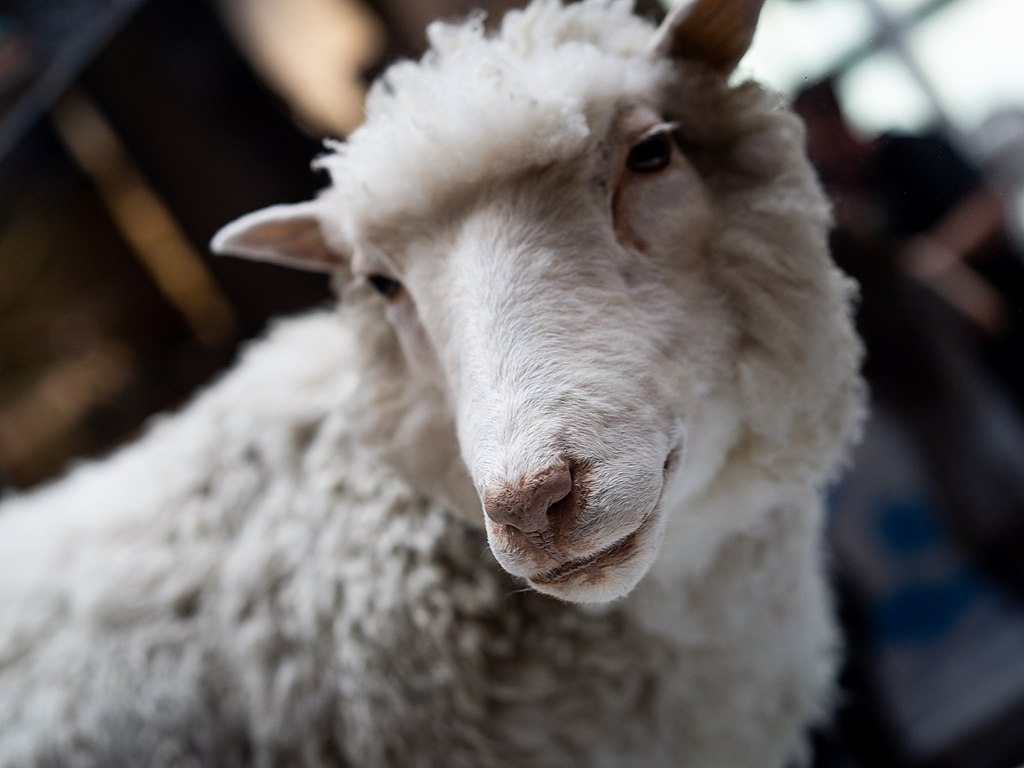
Sheep in different parts of the UK develop slightly different bleat patterns based on the groups they grow up with. These accents are subtle but clear enough for researchers to measure. The sounds change with the landscape, weather, and the flock’s social habits. Farmers who work with sheep for years often notice these differences instinctively. Each flock builds its own rhythm and tone, which becomes the sheep version of an accent shaped entirely by local life.