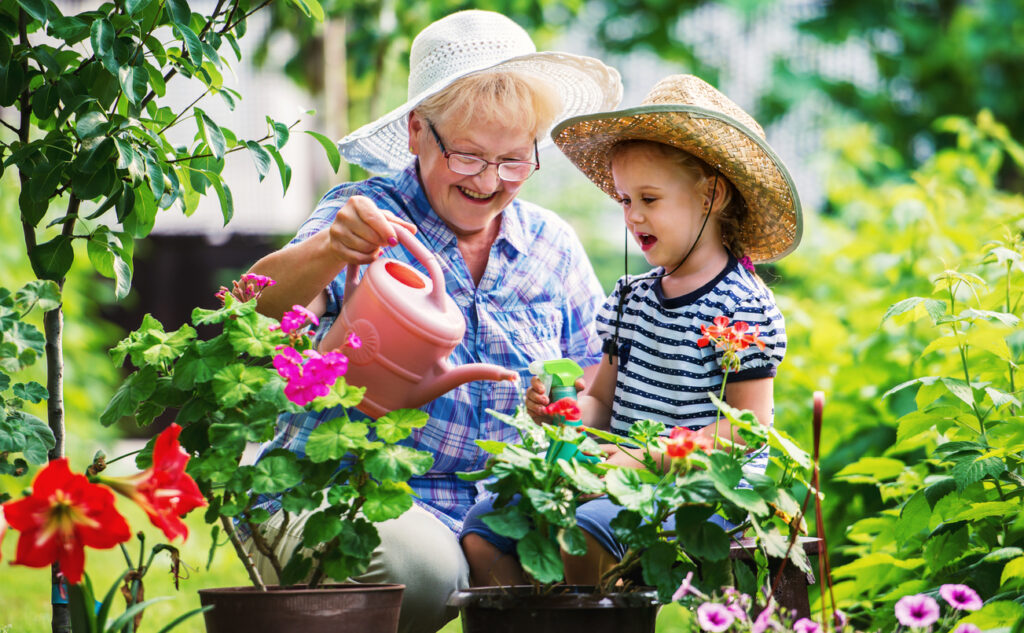
As the world’s population ages, finding ways to support healthy living in later years isn’t just a goal, it’s a necessity. Emerging research shows that gardening might be one of those rare, simple interventions that benefits both mind and body, and could even help people live longer.
A recent study by the University of Edinburgh, published in the Journal of Environmental Psychology, focused on gardening habits among the Lothian Birth Cohort 1921. This long-running study began in 1932 when participants took the Scottish Mental Survey aged 11. Between 1999 and 2001, when participants were around 79, researchers collected data on lifestyle activities, including time spent gardening, and then reassessed cognitive function. It turned out that those still gardening showed noticeably better cognitive performance than those who didn’t, even after adjusting for early-life intelligence, health, education and socio-economic status, according to the published findings.
It’s not hard to imagine why digging around in soil helps seniors thrive.
Low-impact exercise meets cognitive stimulation

Gardening combines gentle physical activity such as bending, digging, and watering with continuous mental engagement. You’re not just moving; you’re planning, learning, problem-solving, and adapting. Dr Janie Corley, lead author of the Lothian study, notes that gardening relies on “complex cognitive processes such as memory and executive function,” and seems to support mental sharpness even into the ’80s.
Research on gardening has shown additional benefits. A large-scale umbrella review covering 40 studies and meta-analyses reported positive effects on well-being, quality of life, and general health, with a moderate average effect size, especially in older participants. Other studies, like The Netherlands’ allotment gardeners survey, found adults over 62 using community gardens regularly had improved well-being and lower stress than neighbours who didn’t.
Even basic benefits like vitamin D, muscle tone, better balance, and lower blood pressure come from gardening. According to gerontologists, it helps support dexterity, immunity, and cardiovascular health, all of which are key to avoiding falls and injuries in later years.
Fighting cognitive decline and boosting resilience
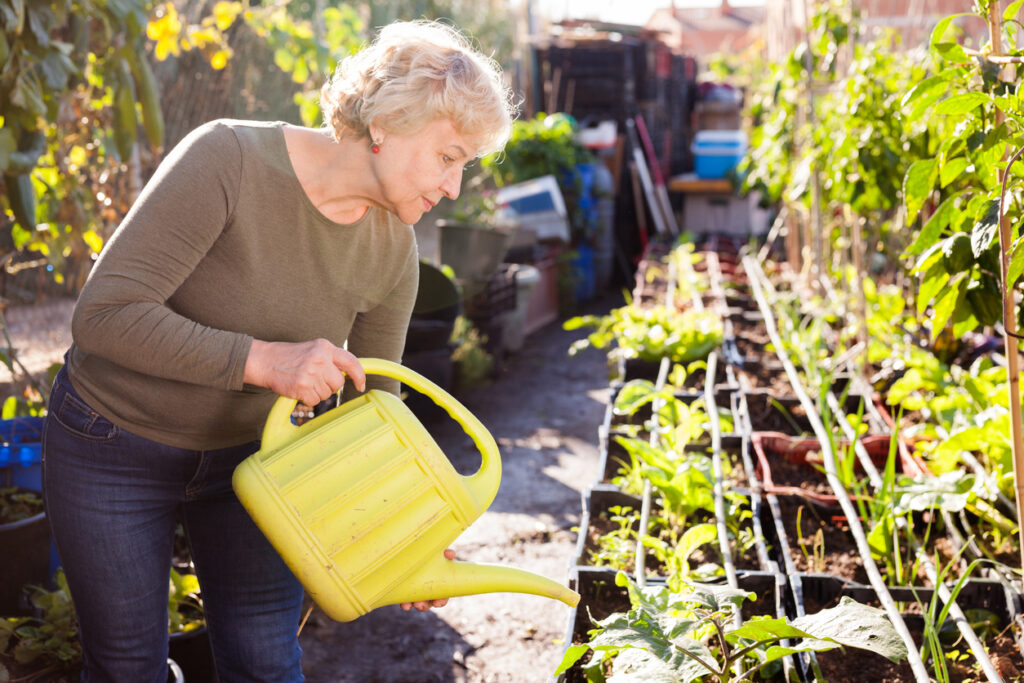
Memory decline and dementia affect millions of older adults, and as the scientific consensus shows, mental stimulation slows those paths. Studies in Australia show that seniors with daily gardening had a 36% lower risk of developing dementia over 16 years than non-gardeners. Other longitudinal research confirms garden time is linked with better thinking skills well into one’s 70s and 80s, even after accounting for earlier IQ and education levels.
Gardening isn’t a magic cure, but it supports brain reserves, multiple paths of function, offering resilience against age-related neuropathology. Horticultural therapy studies confirm improvements in mood, stress reduction, and cognitive function among older adults.
Social connections, purpose, and emotional health
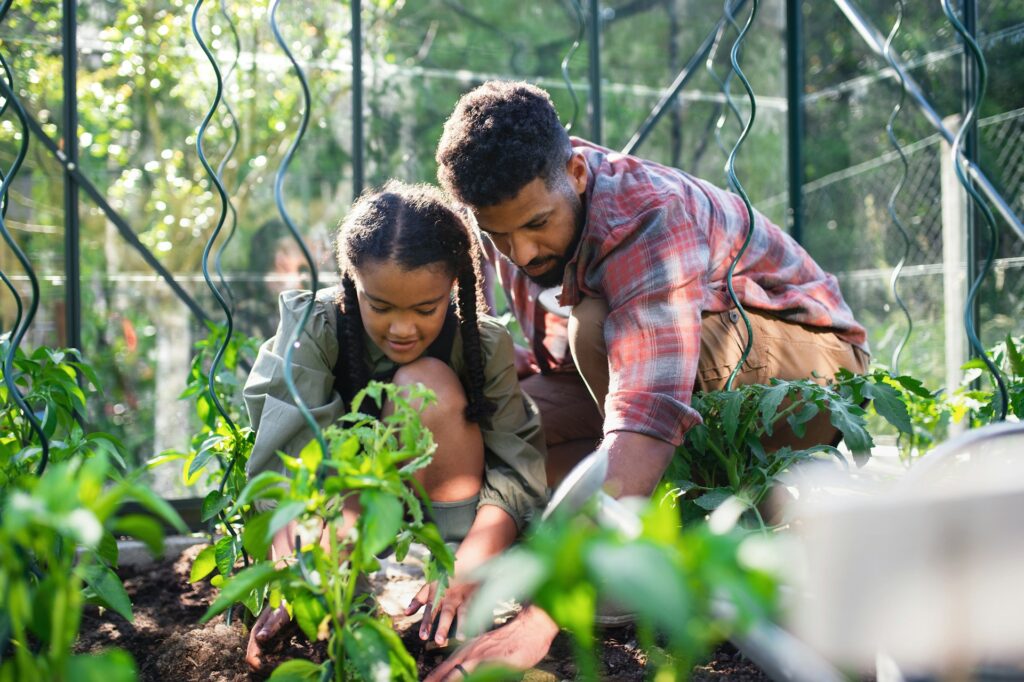
Many seniors face loneliness when friends, routines, or daily rhythms change after retirement. Gardening invites connection through garden centres, community allotments, seed swaps, or online advice groups. The act of growing something fosters responsibility, nurturing, pride and meaning.
In the Lothian cohort, gardening was not just a hobby; it was a daily ritual that connected individuals to routines, nature, and something bigger than themselves. Other research confirms that allotment gardeners report greater life satisfaction, reduced GP visits, and a stronger sense of belonging, compared to non-gardening neighbours.
Globally, similar patterns surface. The longevity movements, like the Blue Zones, highlight gardening as a low-intensity, everyday activity that supports longevity. According to Dan Buettner, “In every Blue Zone, almost everybody who makes it into their nineties gardens their whole life.” Gardening makes exercise meaningful, social, and purposeful, not a chore.
Living longer, living well
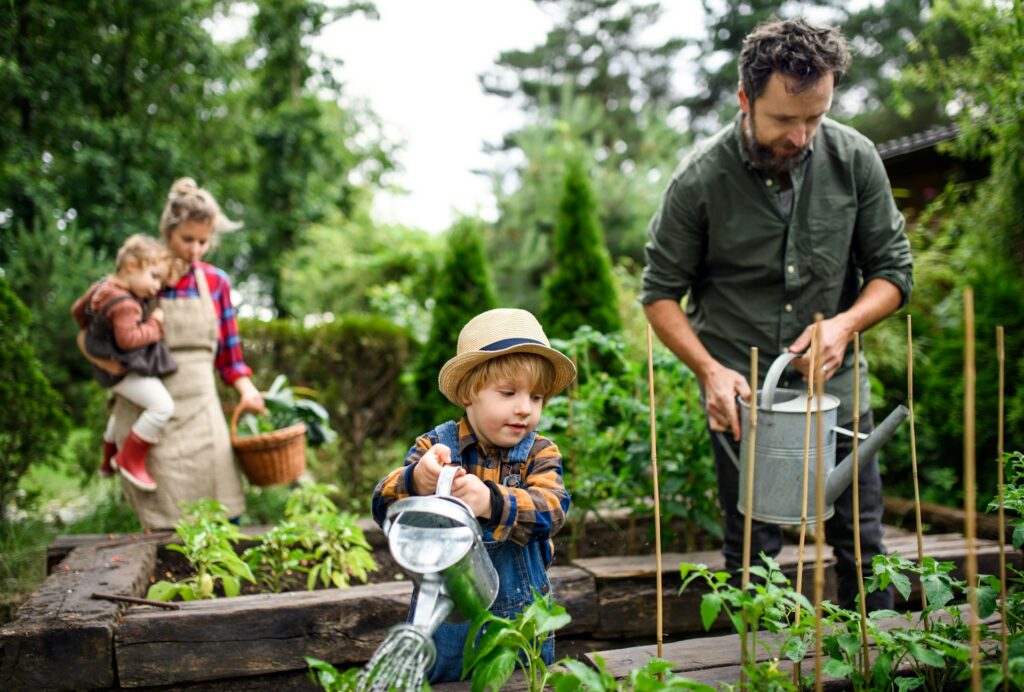
So, can gardening truly extend lifespan? While exact numbers are hard to pin down, clues are there. Gardening means better cardiovascular health, richer social ties, lower stress, and we know all of those matter for longevity. Reviews note gardening’s moderate positive impact on physical and psychological well-being, suggesting it’s one piece of a longer, healthier life puzzle.
In the Blue Zones and beyond, gardening is also a gateway to better nutrition: fresh fruit and vegetables, herbs, healthier food choices, and cleaner diets. Even soil contact can boost immunity: researchers link soil microbiota to beneficial immune responses. These biological mechanisms add context to gardening’s resilience-boosting role.
Importantly, gardening is inclusive: it doesn’t require expensive gear, is suitable for varying ability levels, adapts to container or indoor gardens, and can be scaled to ability. That matters for planning public health strategies for ageing populations.
The University of Edinburgh study expands on gardening as cognitive lifestyle medicine. There are no drugs, just daily trowels and seeds. Future research should include larger trials to test cause and effect. Still, policy-level initiatives already include “social prescribing” that refers older adults to gardening programs.
Communities can support this easily. Allotment gardens, community hubs, volunteer gardening schemes, and green space council planning all matter. For seniors, simply introducing them to a pot and potato or herbs can start something transformative. This isn’t just horticulture, it’s health strategy. The study provides weight and credibility to gardening as a public health tool.