
In a bold move that could reshape environmental accountability in the UK, Scotland is on the verge of criminalising severe ecological harm through a groundbreaking legislative proposal. The Ecocide (Scotland) Bill, introduced by Scottish Labour MSP Monica Lennon, aims to hold company directors and public officials personally liable for actions that cause widespread or lasting damage to nature, according to The Guardian. If enacted, this law would mark the first time in the UK that environmental destruction is treated with the same seriousness as grave crimes like murder or manslaughter.
The term “ecocide” refers to unlawful or reckless acts that are known to potentially cause severe, widespread or long-term harm to ecosystems, wildlife, or natural resources. Common examples include oil spills, mass deforestation, illegal toxic waste dumping, and destructive fishing practices such as bottom trawling. While existing laws may penalise environmental negligence, this bill introduces a higher threshold of accountability—making such acts a criminal offence, and targeting decision-makers rather than just the companies they represent.
@rob_pownall Scotland is the first place in the UK to introduce legislation to send company bosses and directors to prison if they destroy or damage ecosystems and you’ll be sent to jail or get a hefty fine if you do – what do you think? #fyp #uk #scotland ♬ original sound – Rob Pownall
Lennon’s bill follows a rising tide of international momentum.
Countries including Brazil, Mexico, Peru, Italy and the Netherlands are already discussing ecocide laws. In small island nations—where the impacts of climate change are acutely felt—calls to criminalise ecocide have been loudest. States like Vanuatu, Samoa and Fiji have advocated for including ecocide as a fifth crime under the jurisdiction of the International Criminal Court (ICC), alongside genocide, crimes against humanity, war crimes, and crimes of aggression. Scotland could now lead the way in the UK.
The proposed bill has already attracted substantial cross-party backing, with more than 50 Members of the Scottish Parliament from across the political spectrum expressing their support. This bipartisan consensus signals that environmental destruction is no longer a fringe issue or one limited to green party agendas—it’s increasingly seen as a matter of public safety, justice and human rights.
Lennon has made clear that the bill’s intent is to close legal loopholes that currently allow harmful practices to go unpunished. “I think the bill will give people hope,” she said. “It’s really important to renew hope and put environmental protection at the top of the agenda. This should give confidence to policymakers and ensure the public knows we’re making sure our laws are fit for purpose, and closing gaps and loopholes.”
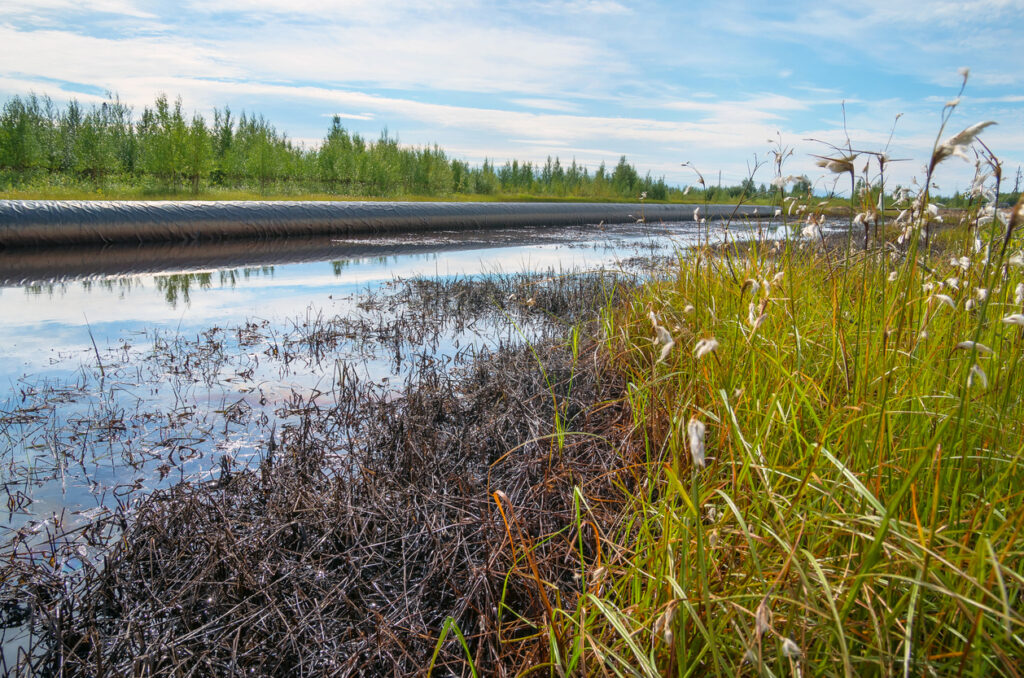
Under the new legislation, those found guilty of ecocide could face substantial fines and potentially prison sentences.
While the exact sentencing guidelines are still to be determined, the bill is expected to establish strong deterrents aimed at top-level decision-makers—those who knowingly approve or turn a blind eye to practices that harm the environment.
Campaigners and climate lawyers argue that such accountability is long overdue. Currently, much of the damage inflicted on Scotland’s environment is met with fines that, while large on paper, often amount to a minor inconvenience for major corporations. Personal criminal liability could change that equation, making executives and officials think twice before greenlighting ecologically harmful operations.
Maurice Golden, a Scottish Conservative MSP, highlighted the global importance of such legislation. “This is a moment for Scotland to lead,” he said. “The context of this is international. We don’t want to see Scotland—or any part of the UK—become a safe haven for corporations that wish to operate without due care for nature.”
The bill’s introduction comes at a time when the Scottish Government has been criticised for backtracking on its environmental commitments. Cuts to green investment, delays in emissions targets, and a perceived softening of previously promised legislation have left many environmental groups frustrated. Lennon’s bill appears to be a direct response to this public discontent—providing a tangible mechanism to restore accountability.
@monicalennonlabour Scotlands Nature Is In Trouble, I Spoke Yesterday Why the Ecocide Bill Matters #MonicaLennon ♬ original sound – Monica Lennon-Scottish Labour
Although the Scottish Government has not officially introduced the bill, it has expressed support for the general idea.
A government spokesperson acknowledged the importance of new tools to tackle environmental crime and said ministers would consider the bill’s provisions seriously as it progresses.
If passed, the Ecocide (Scotland) Bill would compel industries and public bodies to establish far more rigorous environmental safeguards. From energy companies to agriculture and construction, all sectors would need to audit their environmental impact in light of potential criminal exposure. It would also mark a major legal shift—moving environmental responsibility from being largely corporate and financial to personal and criminal.
Legal experts say this could set an important precedent for other parts of the UK. While England, Wales and Northern Ireland have robust environmental regulations, none currently allow for the prosecution of ecocide as a standalone crime. Scotland’s leadership on this front could put pressure on Westminster and other devolved administrations to consider similar legislation.
The proposal also intersects with growing public concern about the climate emergency and biodiversity collapse. Polling consistently shows that the environment is among the top priorities for Scottish voters, especially among younger generations. With climate anxiety on the rise and visible impacts of ecological degradation becoming harder to ignore, this bill resonates well beyond the political class.
@nataliebennettgreen #Ecocide #EcocideLaw #PlanetaryBoundaries ♬ original sound – Natalie Bennett
Globally, the idea of ecocide has long been discussed but rarely implemented.
The Rome Statute—the founding treaty of the ICC—has never included ecocide in its mandate, despite campaigns by legal scholars and activists. In 2021, a panel of international legal experts even drafted a definition of ecocide for potential adoption by the ICC. The fact that Scotland, a relatively small nation, could be the first in the UK to act on this issue is both symbolic and potentially catalytic.
Of course, much will depend on the bill’s wording, enforcement provisions, and how the legal system interprets cases brought under it. There are concerns among some business groups about the potential for overreach or uncertainty in how the law might apply to complex industrial operations. Balancing deterrence with fair legal process will be key.
Still, the mere prospect of criminal sanctions for environmental harm is already shifting the conversation. It sends a clear message: that harming the planet for profit will no longer be shrugged off as the cost of doing business.
The bill is expected to go to an initial vote soon to confirm its progression through the legislative process.
If successful, it would move into committee stage, where the finer details will be debated and potentially revised. Environmental campaigners, legal experts and industry leaders alike will be watching closely.
In the broader fight against climate change and biodiversity loss, laws like this offer more than symbolism. They provide concrete legal tools that force a rethink in how decisions affecting nature are made. And as more countries and jurisdictions consider adopting ecocide laws, Scotland’s efforts could end up inspiring a global shift.
In summary, the Ecocide (Scotland) Bill represents a major evolution in how we think about environmental protection. By criminalising severe ecological damage and targeting those in positions of power, it closes a gaping hole in current legislation. It affirms that protecting nature is not optional, and that those who knowingly devastate ecosystems will be held accountable—not just with fines, but with the full weight of the law.