Bears get all the headlines in Yellowstone.
They’re big, photogenic, and easy to fear, which makes them perfect villains in news stories and warning signs. However, if you look past the drama, bears are nowhere near the biggest risk to people in the park. In fact, most visitors will never have a close call with one at all, let alone a fatal encounter.
The real dangers tend to be less cinematic and far more ordinary. Animals people underestimate, ignore, or treat casually because they don’t look threatening enough to worry about. Some are large and familiar, some are small and easily dismissed, but all of them have caused far more harm to humans than bears ever have. The mismatch between what scares us and what actually puts people in danger says a lot about how we assess risk when we’re surrounded by wildlife.
1. Bison
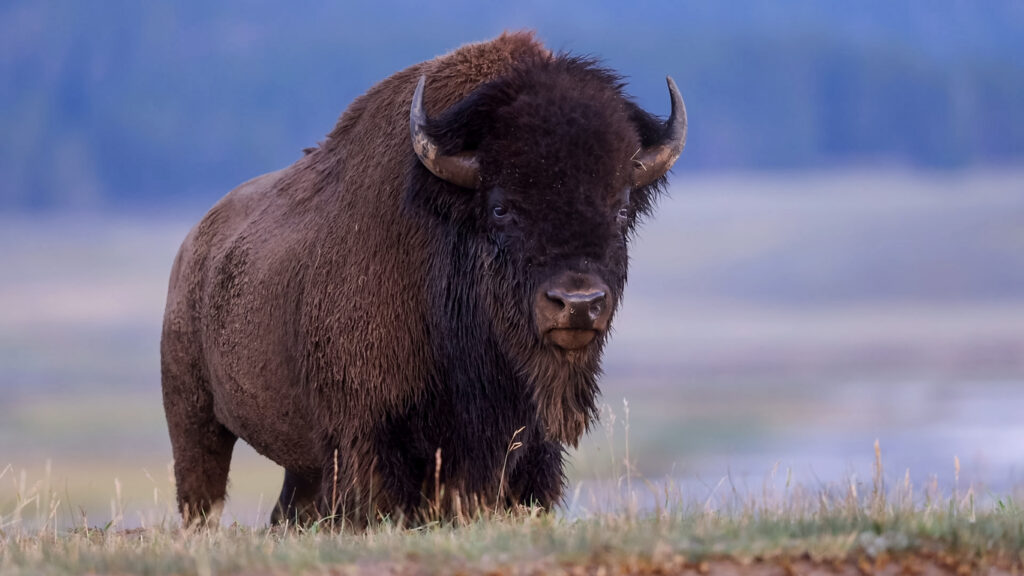
Bison are responsible for more injuries in Yellowstone than any other animal, and they’ve killed people too. These massive animals can weigh up to 2,000 pounds and can run at 35 miles per hour, which is three times faster than humans can sprint.
The problem is that tourists treat them like docile farm animals and get way too close for photos, not realising that bison are wild and unpredictable. They’ll charge without much warning if they feel threatened or if you’ve invaded their space, and being gored or trampled by something that heavy is often fatal. Park rules say you need to stay at least 25 yards away from bison, but people ignore this constantly and then act shocked when the animal defends itself.
2. Elk
Elk might look graceful and harmless, but during rutting season in autumn, the males become aggressive and territorial as they compete for mates. Bulls in rut have massive antlers and a lot of testosterone-fuelled aggression, and they’ve been known to charge people who get too close or who they perceive as threats.
Female elk with calves in spring are also dangerous because they’re protective mothers who will kick or charge if they think their babies are at risk. Elk attacks send people to hospital with serious injuries fairly regularly, yet tourists still try to get close for photos because they don’t look as obviously dangerous as a bear.
3. Moose

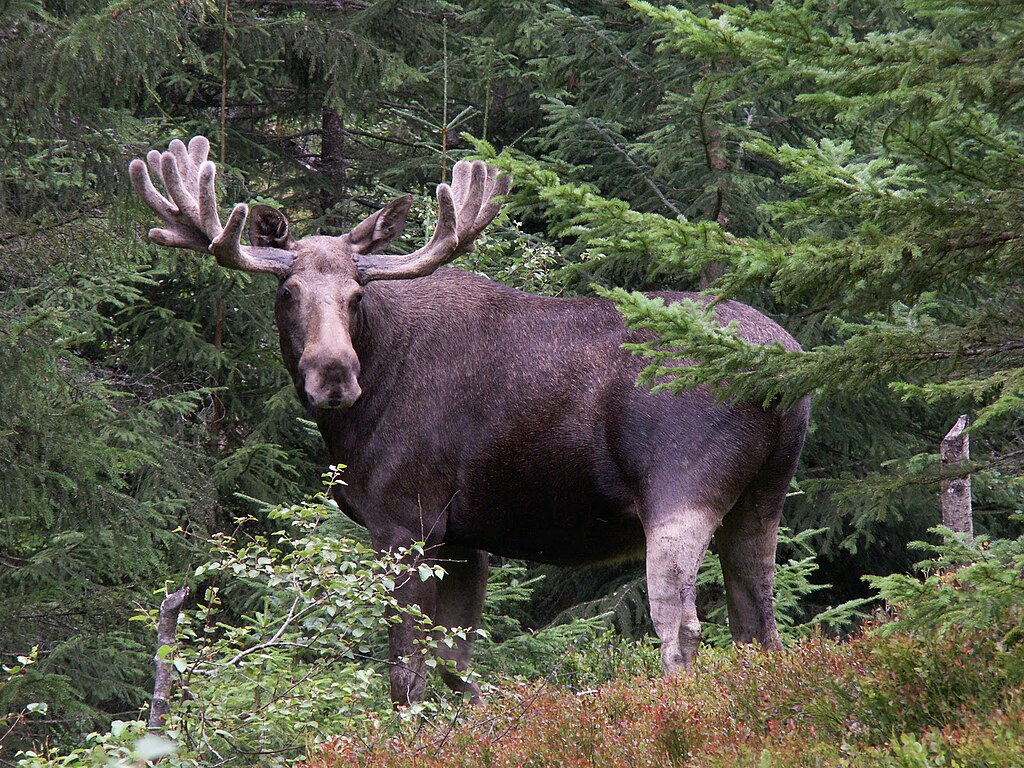
Moose are actually one of the most dangerous animals in North America, and while they’re less common in Yellowstone than in some other areas, they’re still present and still a threat. They’re enormous, with bulls standing over six feet tall at the shoulder and weighing up to 1,500 pounds, and they’re surprisingly quick and agile despite their size.
Moose are particularly aggressive during mating season and when cows have calves, and they’ve been known to stomp people to death. Unlike bears who might bluff charge and then back off, moose tend to follow through when they charge, and they’ll use their front hooves like hammers to beat down whatever’s threatening them.
4. Coyotes
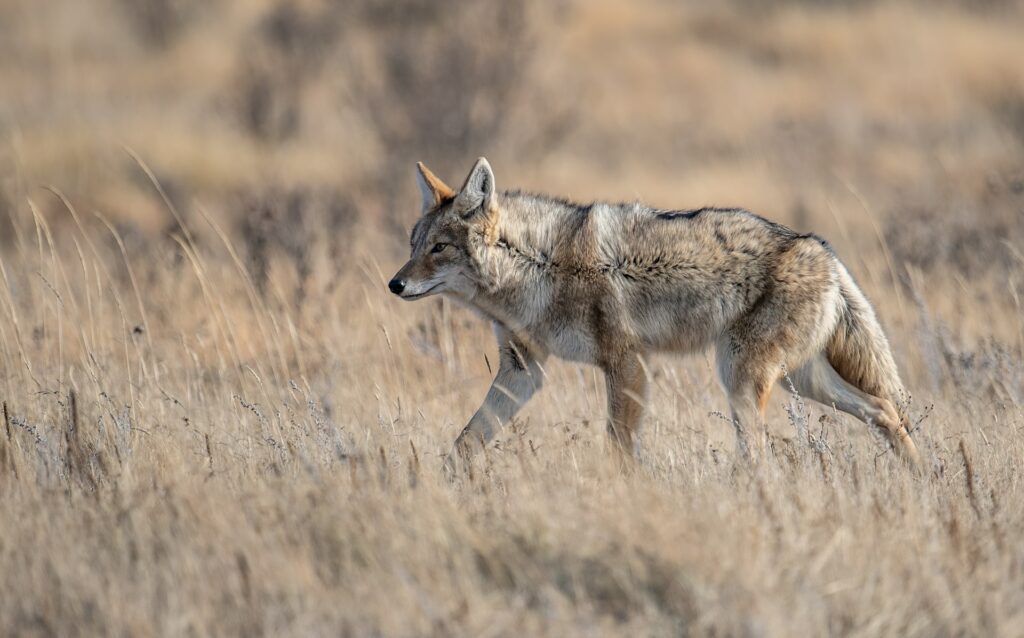
Coyote attacks on humans are rare, but they do happen, especially when the animals have become habituated to people and associate them with food. Yellowstone has had incidents where coyotes have approached people aggressively or bitten children, particularly in campgrounds where food isn’t stored properly.
The bigger risk with coyotes is that they can carry rabies and other diseases that can be transmitted through bites. They’re also opportunistic and will go after small pets, which can lead to confrontations when owners try to protect their animals. Most coyotes will avoid humans, but fed coyotes lose their natural wariness and become dangerous.
5. Deer
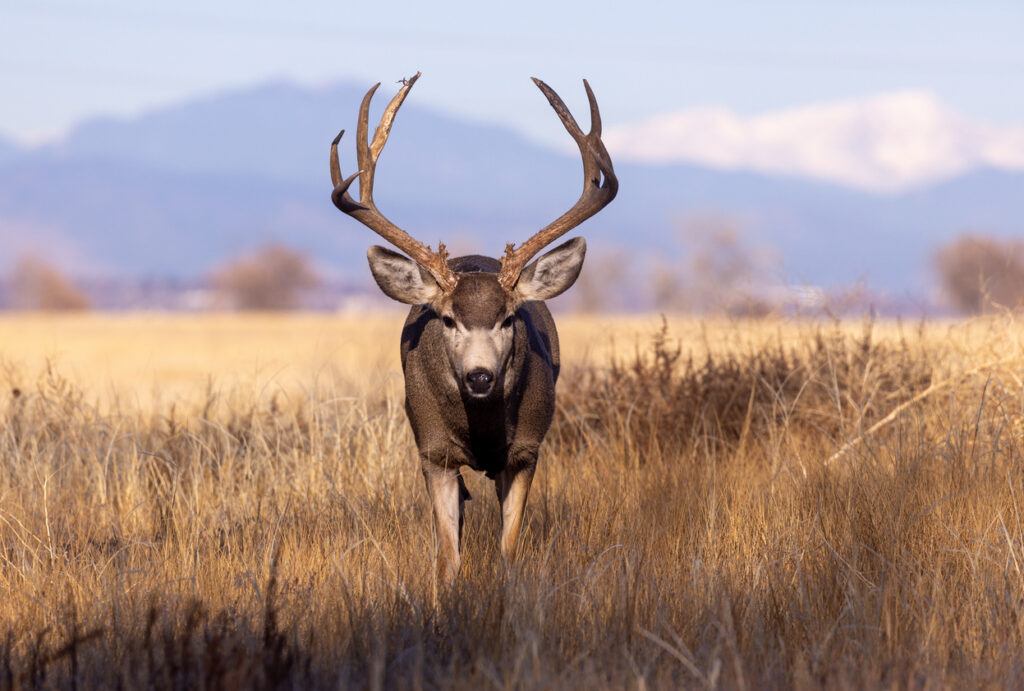
Deer themselves aren’t typically aggressive, but they kill more people through vehicle collisions than almost any other animal in the park. Yellowstone’s roads wind through prime deer habitat, and these animals will dart into traffic without warning, especially at dawn and dusk when visibility is lower.
A collision with a deer at highway speeds can total your car and cause serious injuries or death to the people inside, particularly if the animal comes through the windscreen. The sheer number of deer in the park combined with heavy tourist traffic during summer makes these collisions a statistical certainty, and they happen far more often than bear encounters.
6. Ground squirrels and marmots

These cute little rodents seem completely harmless, but they carry fleas that can transmit plague to humans. Sylvatic plague, the same disease that caused the Black Death in medieval Europe, is present in rodent populations throughout the western United States, including Yellowstone.
People who feed ground squirrels or handle them are at risk of flea bites, and while modern antibiotics can treat plague effectively if caught early, it’s still a serious illness that can be fatal without treatment. The National Park Service specifically warns against touching or feeding these animals, but tourists ignore this constantly because they’re small and adorable.
7. Ticks
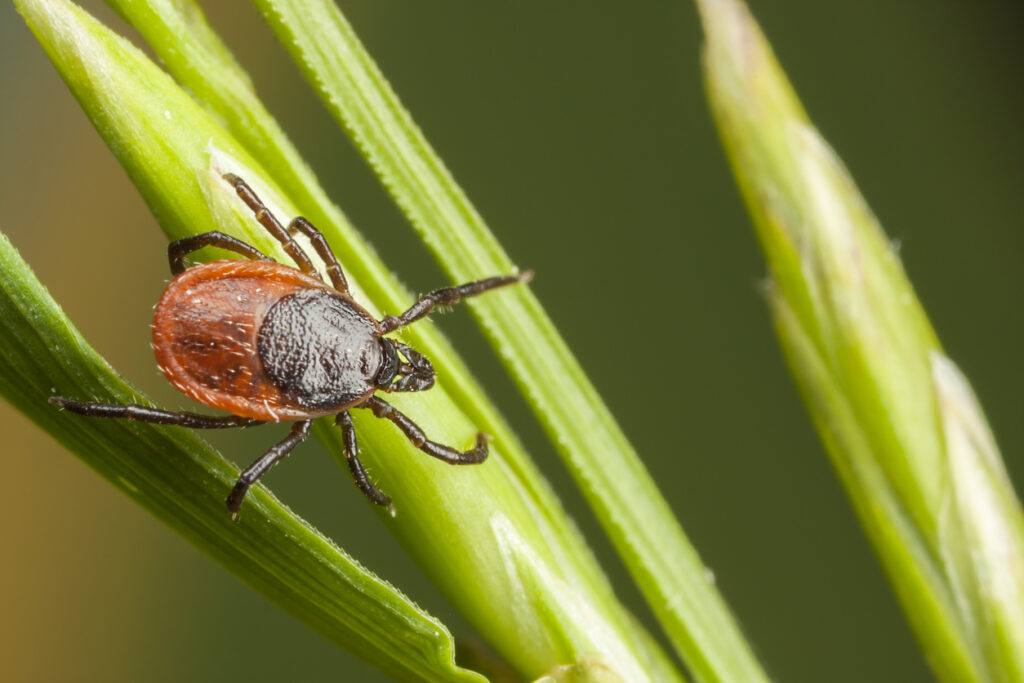
Ticks in Yellowstone can carry several diseases, including Rocky Mountain spotted fever and Colorado tick fever, both of which can make you seriously ill. These tiny arachnids attach to your skin while you’re hiking through grass or brush, and you might not notice them for hours or even days.
Rocky Mountain spotted fever in particular can be fatal if not treated promptly with antibiotics, and the early symptoms are flu-like, which means people often don’t realise they need medical attention until the disease has progressed. Tick-borne illnesses are far more common than bear attacks, yet most visitors don’t take basic precautions like wearing long trousers and checking for ticks after hikes.
8. Rattlesnakes
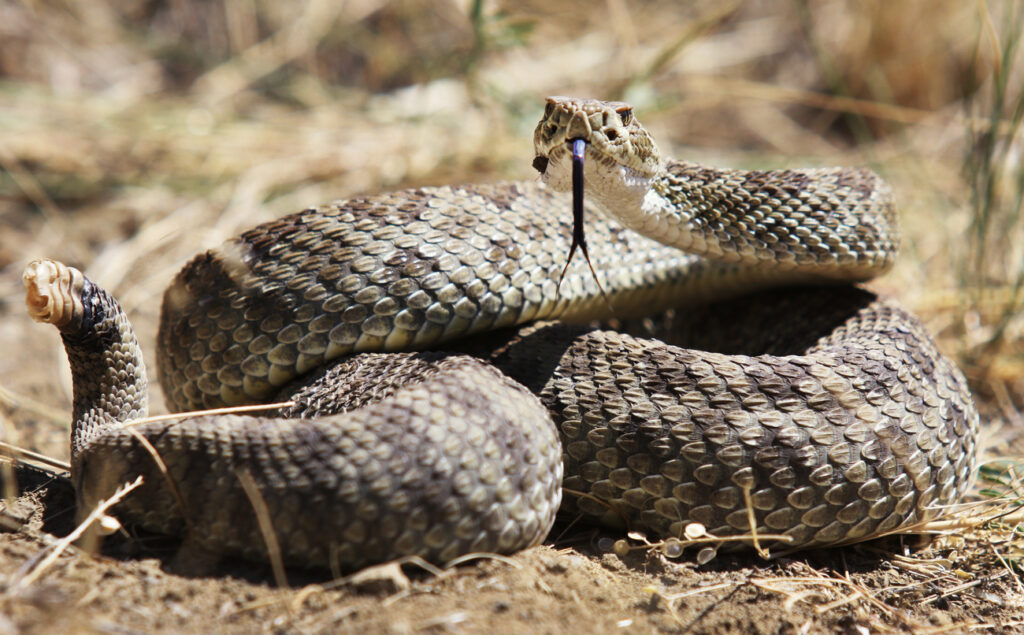
The prairie rattlesnake is found in lower elevations of Yellowstone, particularly in the northern areas of the park. While they’re not aggressive and would rather avoid humans, they will strike if stepped on or threatened, and their venom can cause serious tissue damage and systemic illness.
Most rattlesnake bites in the park happen when people don’t watch where they’re putting their hands and feet while hiking or climbing on rocks. The snakes blend in extremely well with their surroundings, so you can be right next to one without realising it until you hear the rattle, which might be too late if you’ve already invaded their space.
9. Bighorn sheep

Bighorn sheep rams have those impressive curved horns for a reason—they use them to fight each other during mating season, and they can use them on humans too if they feel threatened. These are powerful animals that live on steep cliffs and rocky terrain where they’re sure-footed, but humans aren’t, so an encounter in the wrong place could result in someone falling as well as being butted or charged. Male bighorn sheep can weigh up to 300 pounds, and they’re built for ramming, so being hit by one is no joke. They’re generally shy around people, but during rutting season their behaviour becomes unpredictable.
10. Wolves

Wolf attacks on humans are extremely rare, but they’re not impossible, and Yellowstone’s wolf population has grown significantly since reintroduction in 1995. Wolves are apex predators with powerful jaws and pack-hunting behaviour, and while they typically avoid humans, habituated wolves or those defending a kill or den site could potentially attack.
The bigger concern is people trying to get too close to wolves for photos, which puts both the person and the wolves at risk. Wolves that become comfortable around humans often end up being killed by park management because they’re considered a threat, so the danger goes both ways.
The common thread with all these animals is that they’re dangerous primarily because people don’t treat them with appropriate respect. Bears get all the attention and fear, but you’re statistically more likely to be injured or killed by an animal that seems harmless or familiar.