Some of our most beloved garden plants arrived in Britain completely by accident.
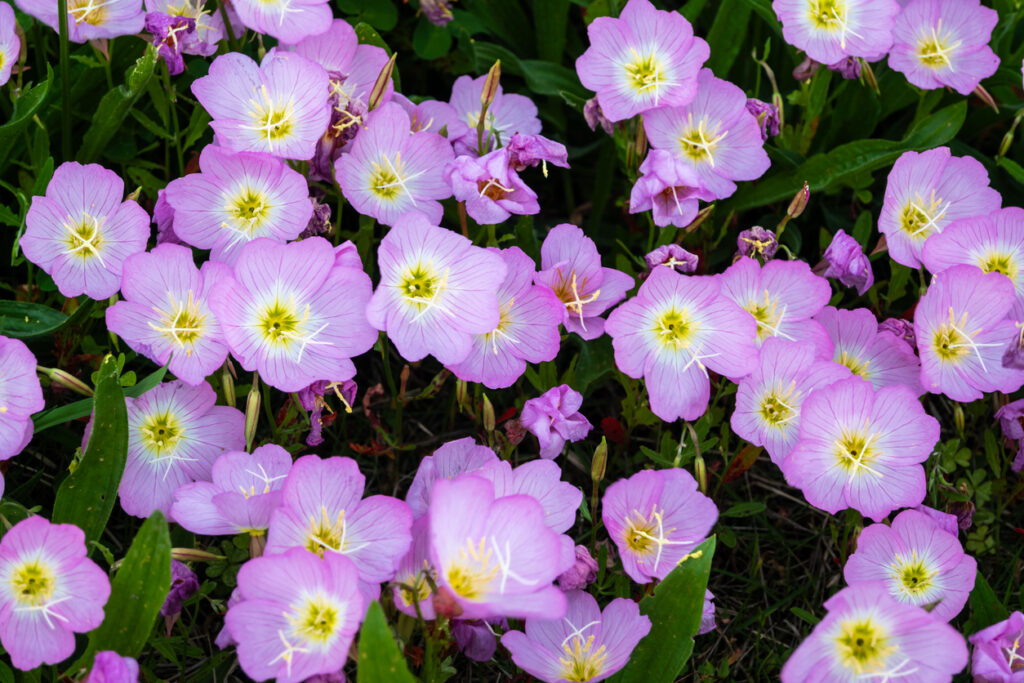
Rather than being intentionally introduced into our ecosystem, they were hidden in cargo or clinging to ships. While not exactly welcome at first, they’ve become more British than tea and crumpets. Given how common these 10 plants are now, it’s hard to believe they weren’t always here.
1. Buddleia davidii arrived as a stowaway on Welsh slate.

The butterfly bush that’s now synonymous with British gardens wasn’t deliberately introduced. In reality, it hitched a ride on slate shipments from China in the 1890s. Seeds got caught in the rough stone surfaces and germinated when the slate reached Welsh quarries and building sites.
Within decades, buddleia had spread across Britain’s railways and wasteland, earning the nickname “the bomb site plant” during World War II. Now it’s so common that most people assume it’s native, and it’s practically impossible to imagine a British summer without its purple spikes covered in butterflies.
2. Japanese knotweed came hidden in exotic plant collections.
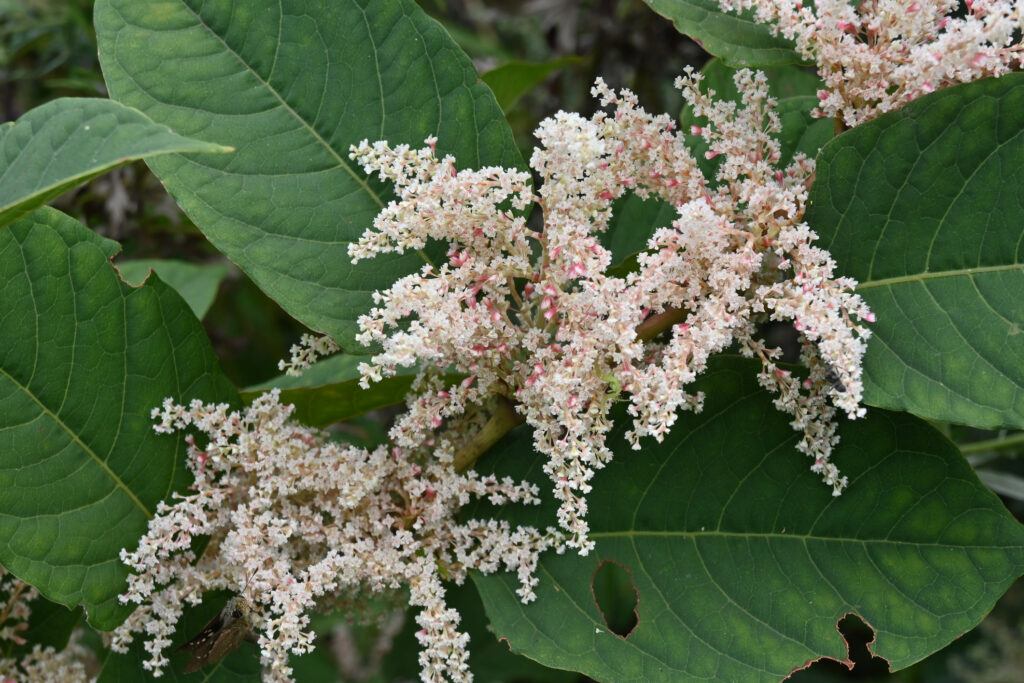
This notorious invasive arrived in the 1840s, mixed up with other Japanese plants that Victorian collectors were importing for their exotic gardens. Nobody noticed the innocent-looking stems until it was far too late to contain them.
What started as an accidental introduction has become Britain’s most expensive plant problem, costing millions to control each year. Estate agents now include Japanese knotweed clauses in property contracts, making this botanical mistake one of the most legally significant plants in the country.
3. Himalayan balsam escaped via contaminated seed packets.
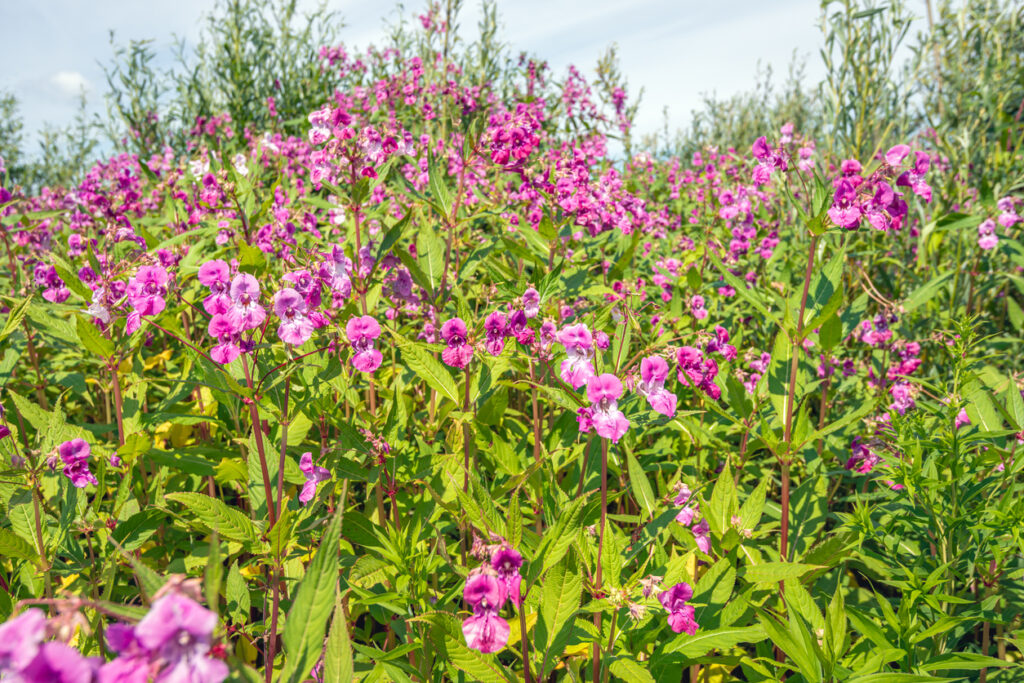
Victorian gardeners thought they were getting pure flower seeds from India, but Himalayan balsam seeds were mixed in with their legitimate orders. The explosive seed pods meant that once it established in one garden, it spread to every garden downstream.
Those pretty pink flowers that now line British riverbanks were never meant to be here, but they’ve become such a feature of our waterways that removing them would fundamentally change the British countryside. It’s taken over from native plants so thoroughly that many people think it belongs here.
4. Rhododendron ponticum arrived with other rhododendron species.
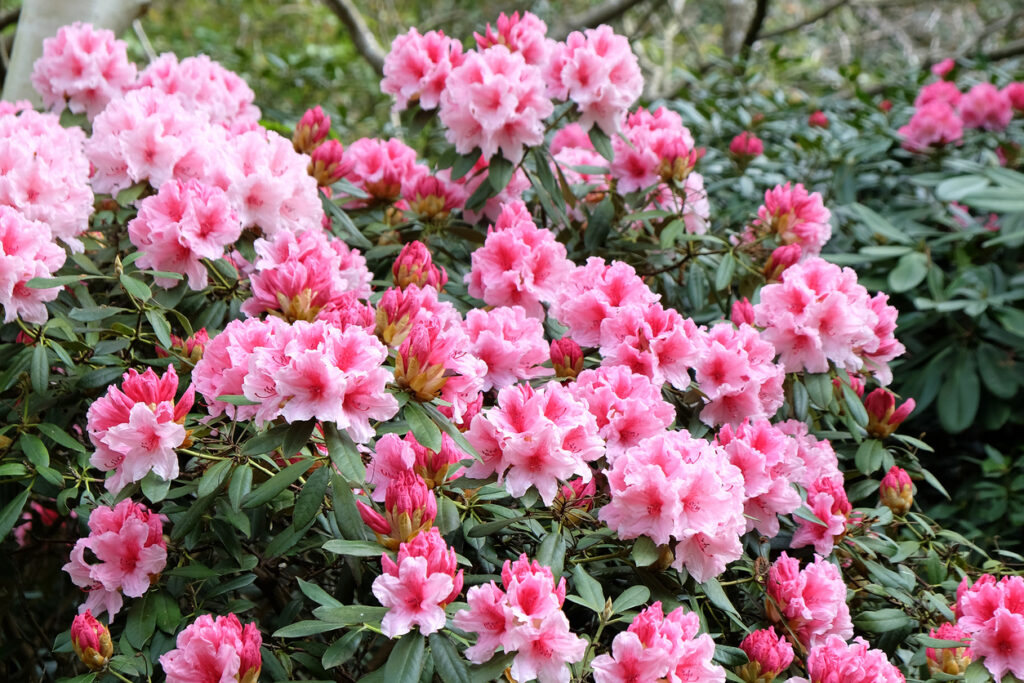
When wealthy Victorians were importing exotic rhododendrons from around the world, ponticum seeds contaminated shipments of other species. Gardeners planted their collections without realising they’d introduced this particularly aggressive variety alongside the decorative ones they actually wanted.
Ponticum has now colonised huge areas of Scotland, Wales, and Ireland, creating impenetrable thickets that nothing else can grow through. What began as seed contamination has reshaped entire landscapes, particularly in areas where it was never supposed to survive British winters.
5. Montbretia spread through contaminated garden soil.

This bright orange flower arrived mixed into soil shipments and plant deliveries from South Africa in the late 1800s. Victorian gardeners had no idea their “clean” garden soil contained montbretia corms that would take over their borders within a few seasons.
Cornwall and Ireland are now famous for their drifts of wild montbretia, which bloom along roadsides and clifftops every summer. The accidental introduction has become so naturalised that it’s featured on tourist postcards as quintessentially British countryside.
6. Oxford ragwort travelled the railways from botanical gardens.
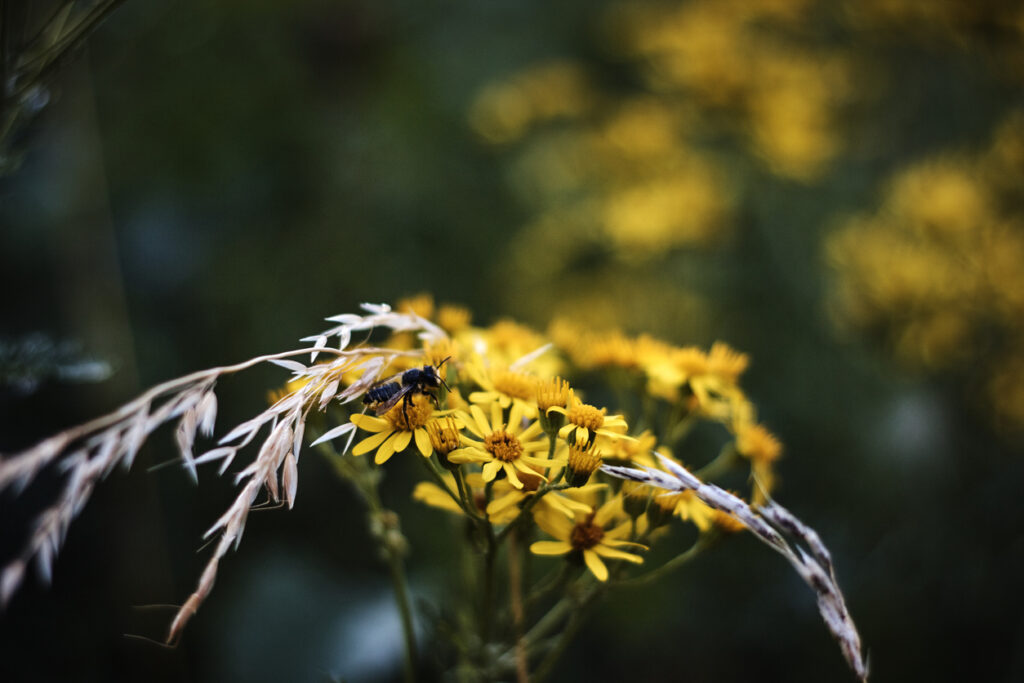
Seeds from Oxford Botanic Garden’s Sicilian ragwort collection blew onto railway tracks in the 1700s, where they found the perfect growing conditions. The plant spread along Britain’s expanding railway network, jumping from station to station in the wheels and undercarriages of trains.
Railway embankments across Britain are now yellow with ragwort every summer, a direct result of that original botanical accident. It’s become so associated with British railways that trainspotters use ragwort blooms as seasonal markers for their hobby.
7. Canadian fleabane hitched rides on ships’ ballast.
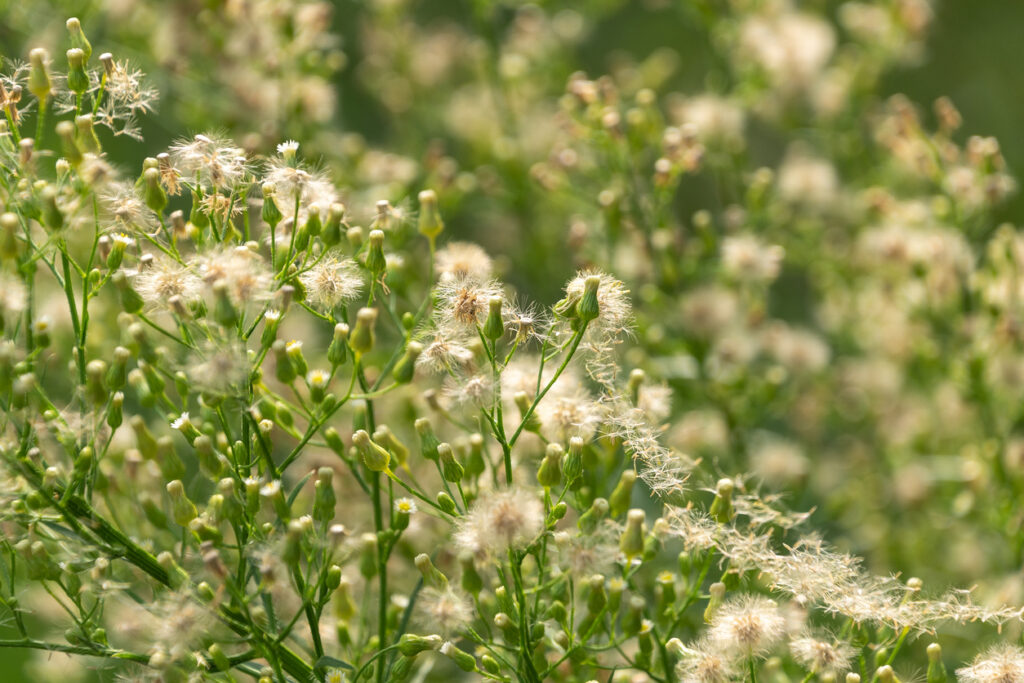
Ships arriving from North America in the 1600s used Canadian soil as ballast, inadvertently bringing fleabane seeds to British ports. The plant established around docks and slowly spread inland, following trade routes and river systems.
Fleabane is now so common on British wasteland and building sites that most people don’t realise it’s a relatively recent arrival. Its ability to colonise disturbed ground has made it an unofficial indicator of urban development across the country.
8. Evening primrose came mixed with American timber imports.
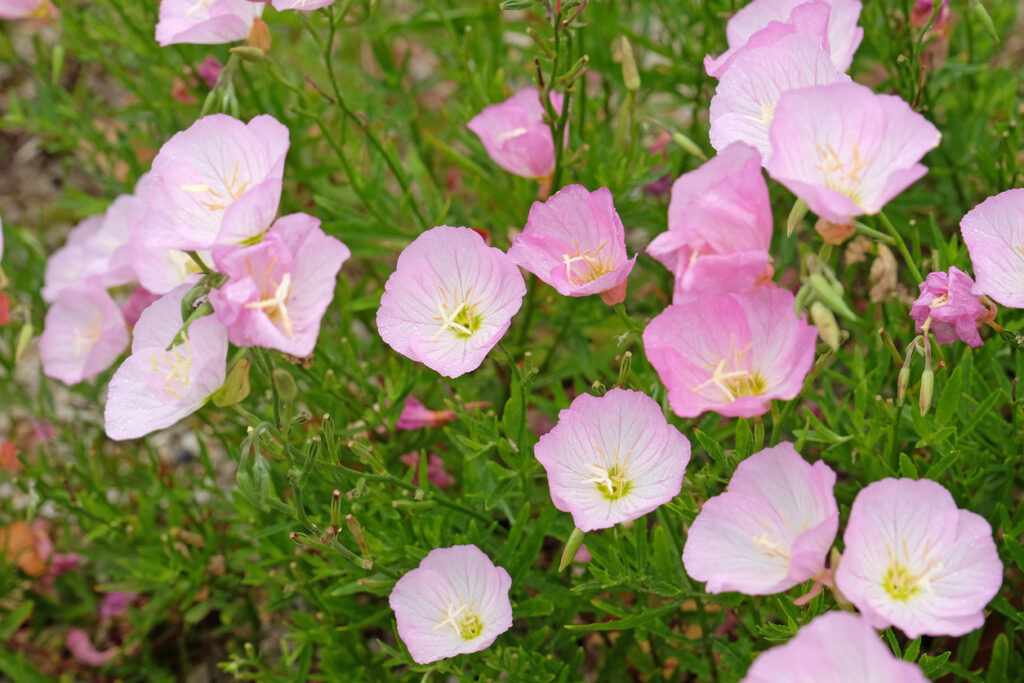
Seeds travelled to Britain embedded in bark and wood shipments from North America in the 1600s. When timber merchants unloaded their cargo, evening primrose seeds scattered around British ports and timber yards, establishing the first populations.
The tall yellow flowers that now bloom along British coastal paths and sandy soils arrived completely by chance. Evening primrose has become such a feature of British seaside landscapes that it’s often mistaken for a native wildflower by visitors and locals alike.
9. Galant soldier arrived in wool shipments from South America.
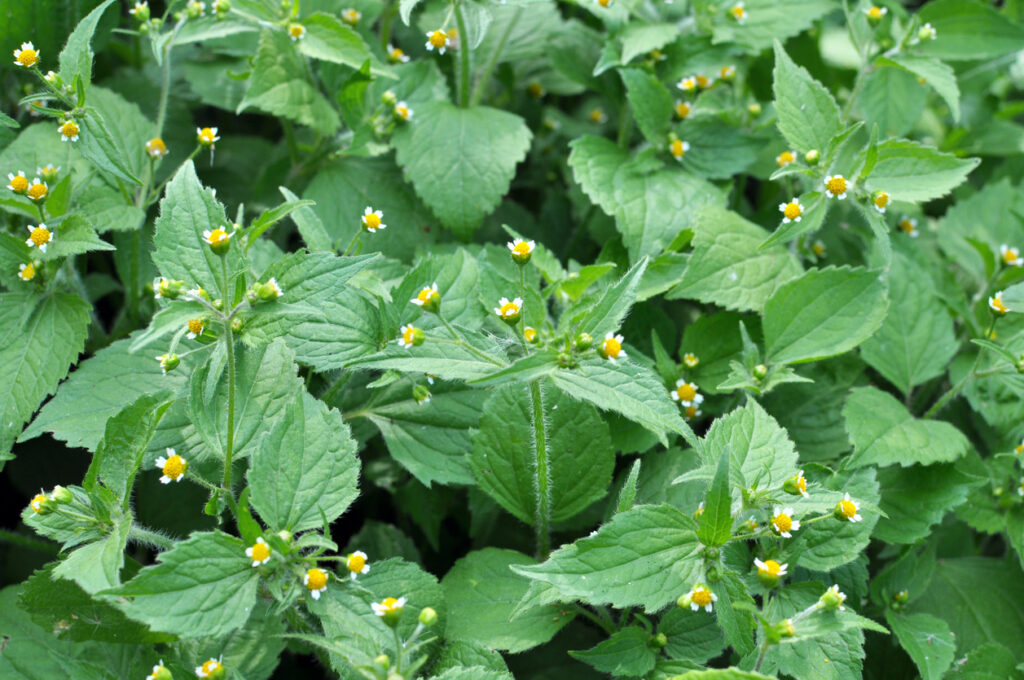
This daisy-like weed came to Britain in the fleeces of South American sheep during the 1800s wool trade. Seeds clung to raw wool and dropped out when cargo was processed at British textile mills, establishing colonies around industrial areas.
Galant soldier spread from textile towns across Britain, becoming a common garden weed that most people just accept as part of British flora. The accidental introduction through the wool trade has made it one of the most successful plant immigrants in British history.
10. New Zealand willowherb travelled in plant pot drainage.
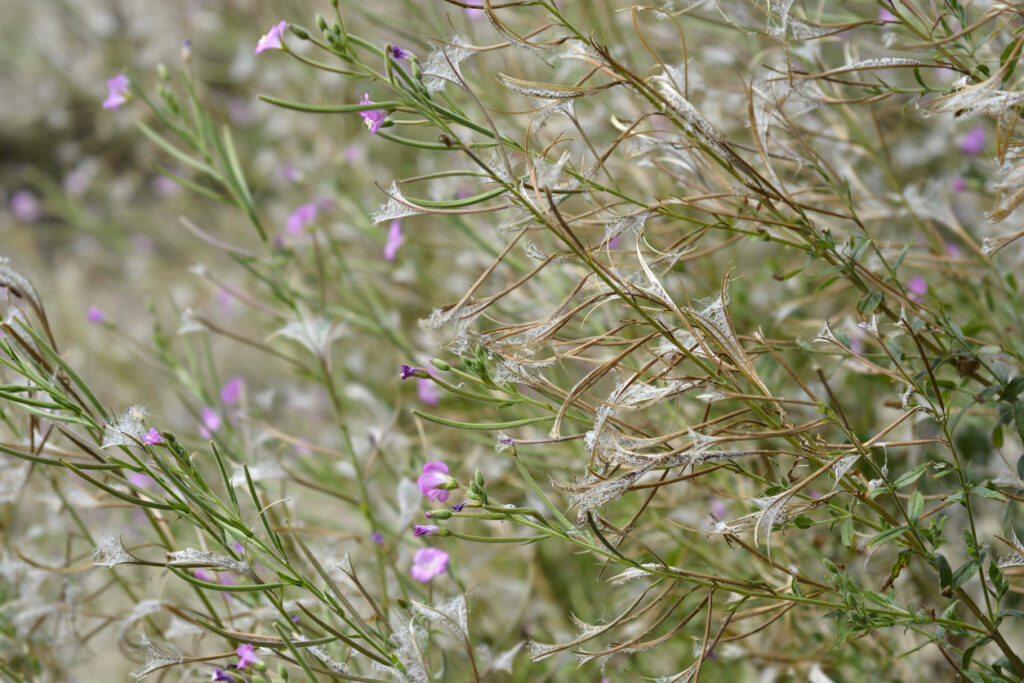
Victorian gardeners importing exotic plants from New Zealand unknowingly brought willowherb seeds in the drainage material packed around their purchases. The tiny seeds established wherever the contaminated packing materials were discarded or composted.
This unassuming little plant is now found in gardens across Britain, often mistaken for native willowherb species. It’s so well-established that botanists have to look closely to distinguish it from plants that have been here for thousands of years.