Even if you don’t know them by name, chances are you’ll recognise the tardigrade by sight alone.
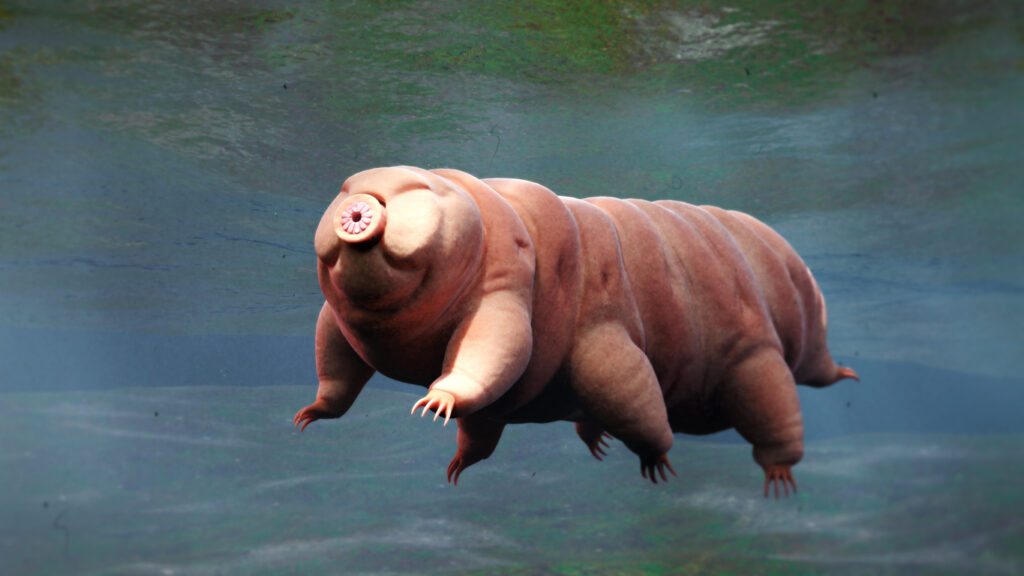
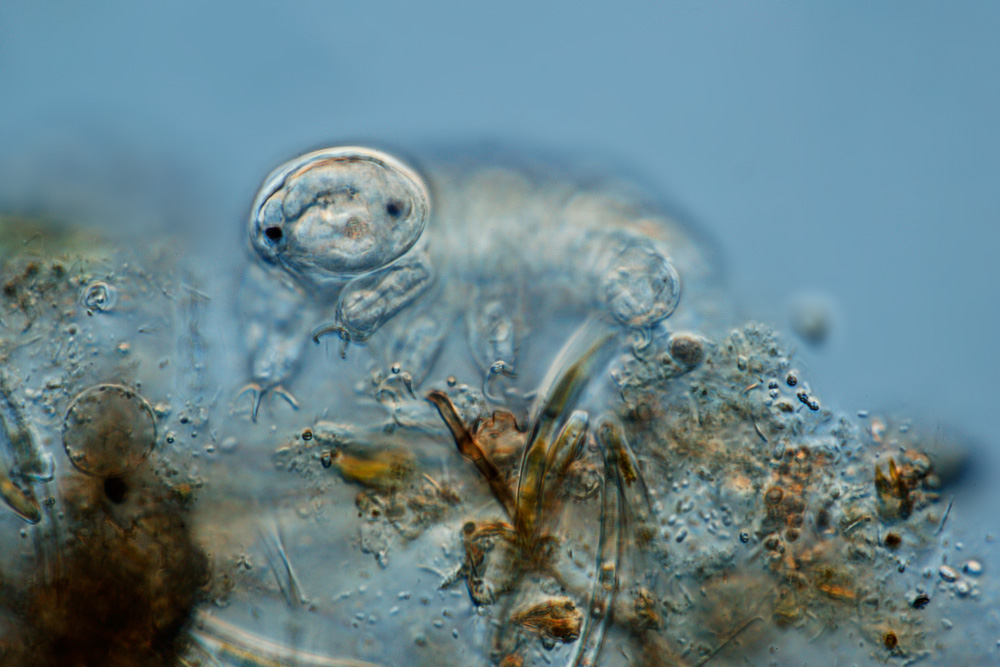
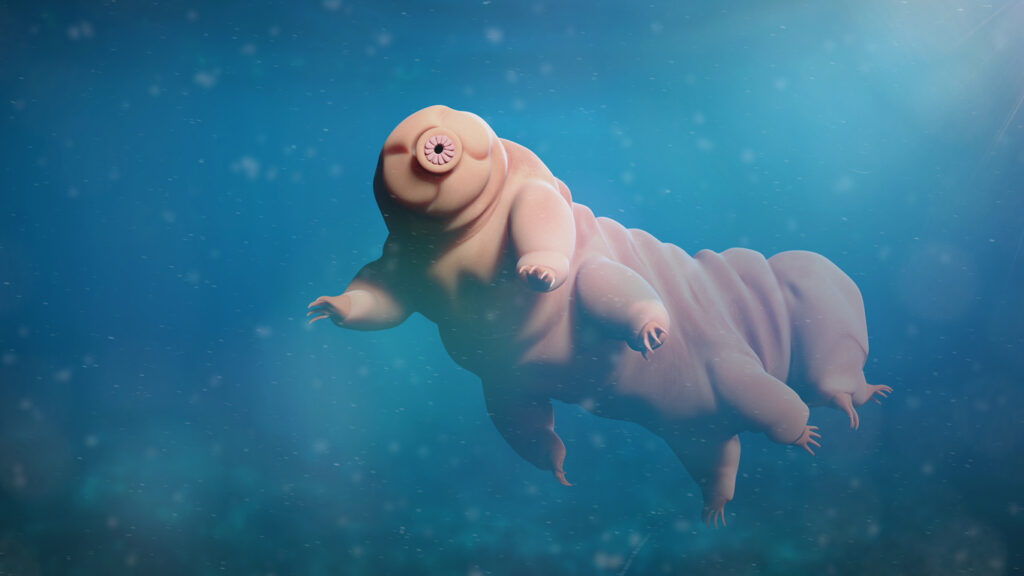
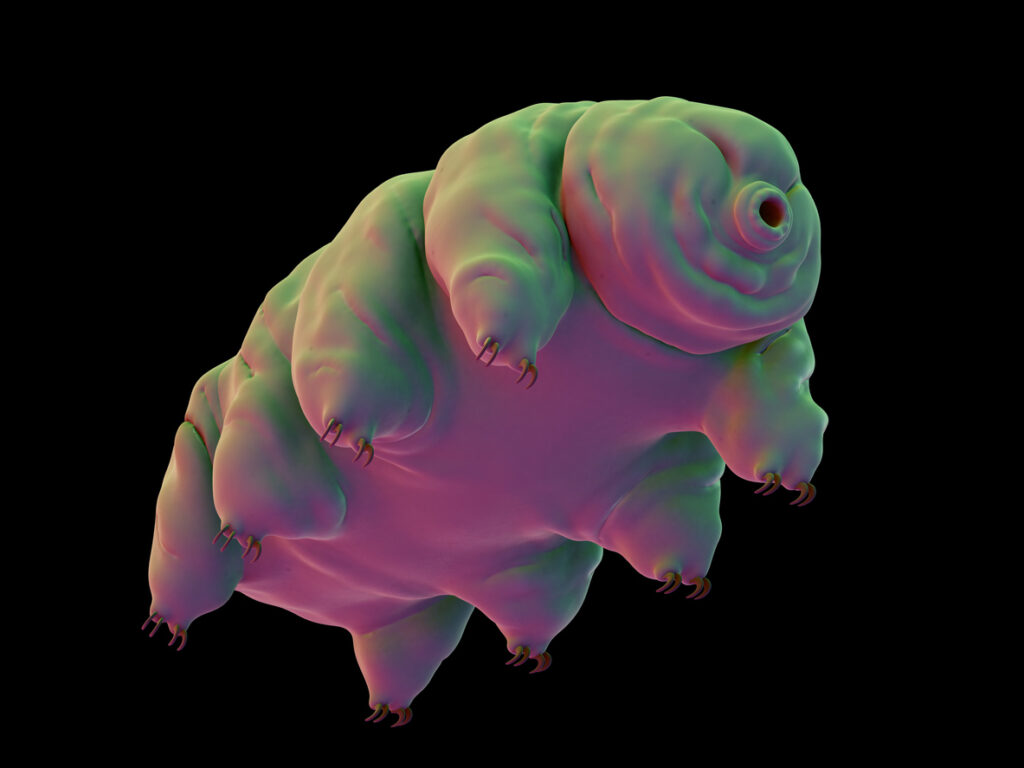
While they’re so small that you’ll never see one up close and personal with your own eyes, thankfully, scientists have magnified their adorable images for the world to enjoy. These microscopic creatures look like tiny water bears with stubby legs, but they’re actually the most indestructible animals on Earth, and possibly the universe. Here are some of the coolest facts about them.
1. They can survive the vacuum of space.
Tardigrades are the only animals known to survive in space without any protection whatsoever. Scientists have sent them up on space missions where they’ve endured the vacuum, cosmic radiation, and extreme temperatures for days before returning to Earth completely fine.
While humans would die in seconds in the vacuum of space, tardigrades just shrug it off like it’s another Tuesday. They’ve basically proven that life can exist in conditions we thought were impossible for any living thing to survive.
2. They come back to life after being completely dehydrated.

When conditions get tough, tardigrades can lose up to 99% of their body water and enter a state called cryptobiosis, essentially becoming a dried-out husk. In this state, they can survive for decades without food, water, or oxygen.
Add a drop of water to a decades-old tardigrade sample, and they’ll rehydrate and start walking around like nothing happened. It’s like having a biological resurrection button that works every single time.
3. They laugh in the face of radiation that would kill humans.
Tardigrades can withstand radiation levels that are 1,000 times higher than what would be lethal to humans. They’ve got special proteins that help repair their DNA when it gets damaged by radiation exposure.
NASA has used tardigrades in radiation experiments because they’re so ridiculously tough. While radiation sickness would finish us off quickly, tardigrades treat nuclear-level radiation like a mild sunburn.
4. They can handle temperatures that would boil or freeze everything else.
These tiny animals can survive temperatures from -272 °C (almost absolute zero) up to 150 °C (hot enough to sterilise medical equipment). They don’t just survive these extremes; they come out of them completely functional.
Whether you freeze them solid or heat them to boiling point, tardigrades will bounce back once conditions return to normal. They’ve basically evolved to treat Earth’s most extreme environments as mildly inconvenient rather than lethal.
5. They’re found literally everywhere on the planet.
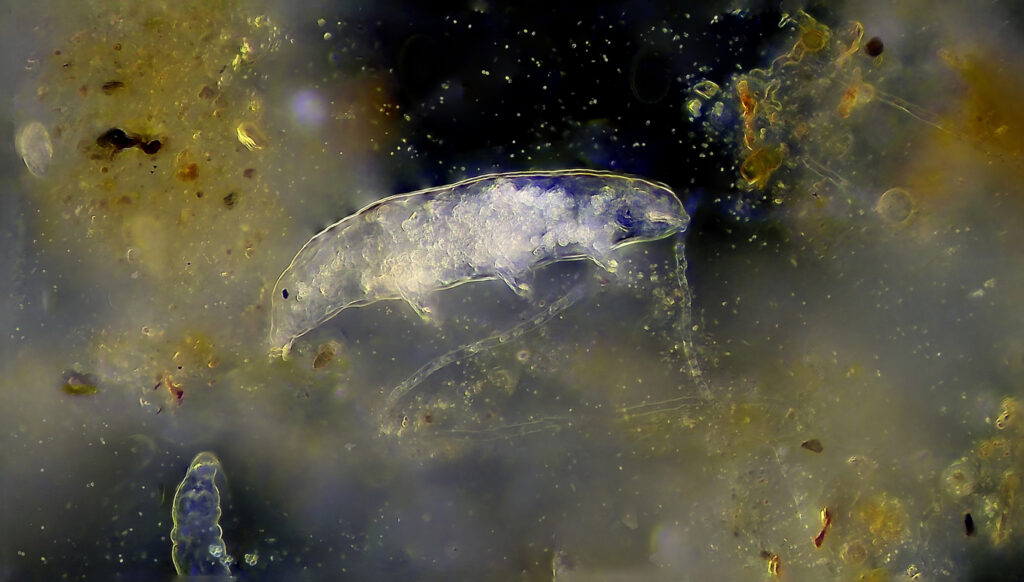
Tardigrades live in every environment imaginable, from the deepest ocean trenches to the highest mountains, from tropical rainforests to Antarctic ice. If there’s even a tiny bit of moisture, there are probably tardigrades there.
You’ve almost certainly got thousands of them living in the moss on your roof, in your garden soil, and even in the dust around your house. They’re like the ultimate survivalists that have colonised every possible habitat on Earth.
6. They can survive without food for 30 years.
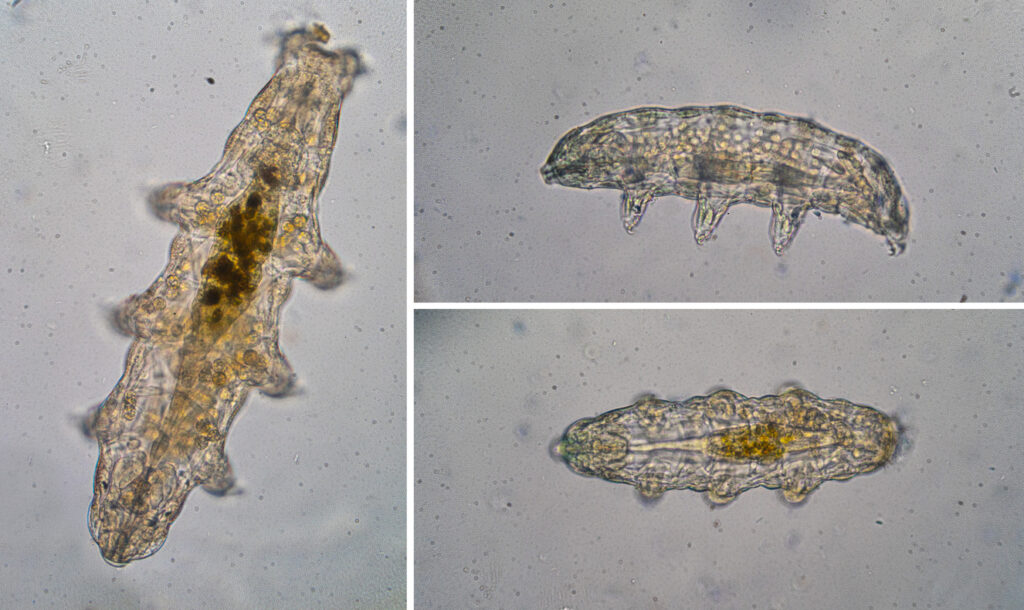
In their cryptobiotic state, tardigrades don’t need to eat, drink, or breathe for decades. Scientists have revived specimens that had been sitting in museum collections for over thirty years, and they started eating and reproducing immediately.
Humans get hangry after skipping one meal, but tardigrades can fast for longer than most people live. They’ve essentially solved the problem of resource scarcity by becoming able to pause their entire existence until better times arrive.
7. They’ve got claws that would make wolverine jealous.
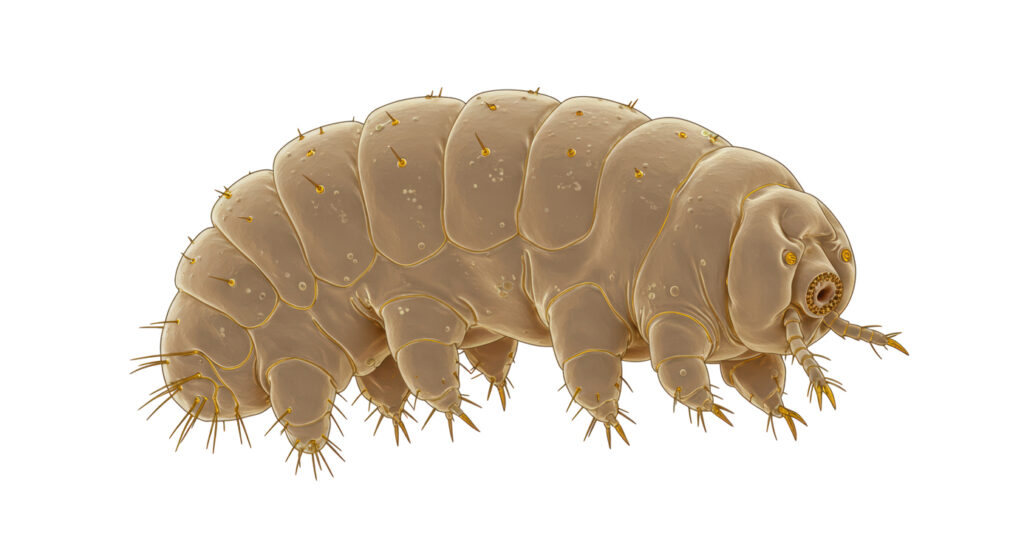
Despite being smaller than a full stop, tardigrades have eight legs with sharp claws that they use to grip surfaces and tear apart their food. Under a microscope, they look like microscopic bears with attitude problems.
These claws are so effective that tardigrades can walk around in hurricane-force winds or rushing water without being swept away. They’re basically tiny tanks with grappling hooks for feet.
8. They can repair their DNA like it’s a computer programme.

When radiation or other stresses damage their genetic material, tardigrades can rebuild their DNA from scratch using special repair mechanisms. They can fix breaks, deletions, and mutations that would be permanent in other animals.
This DNA repair system is so efficient that scientists are studying it to understand how we might protect human astronauts from radiation during long space missions. Tardigrades are essentially biological IT support for their own genetic code.
9. They reproduce by laying eggs that are just as indestructible.
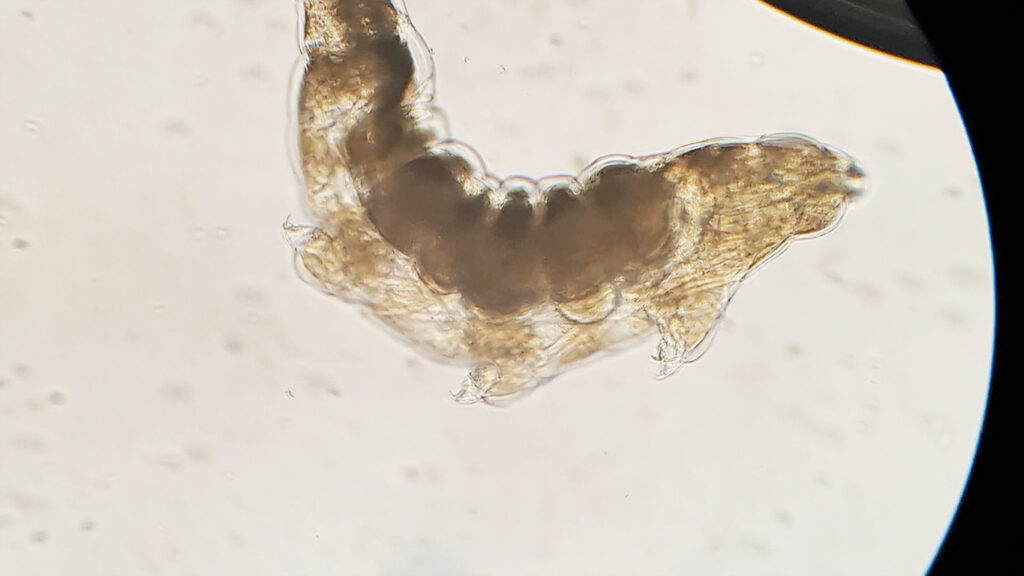
Tardigrade eggs can survive all the same extreme conditions as the adults, meaning their offspring are born ready to handle whatever the universe throws at them. The eggs look like tiny, spiky balls that could double as medieval weapons.
Even when the parents die, their eggs can wait in suspended animation until conditions improve, then hatch and carry on the family line. They’ve essentially evolved immortal nurseries for their babies.
10. They might be the last species standing when everything else is gone.
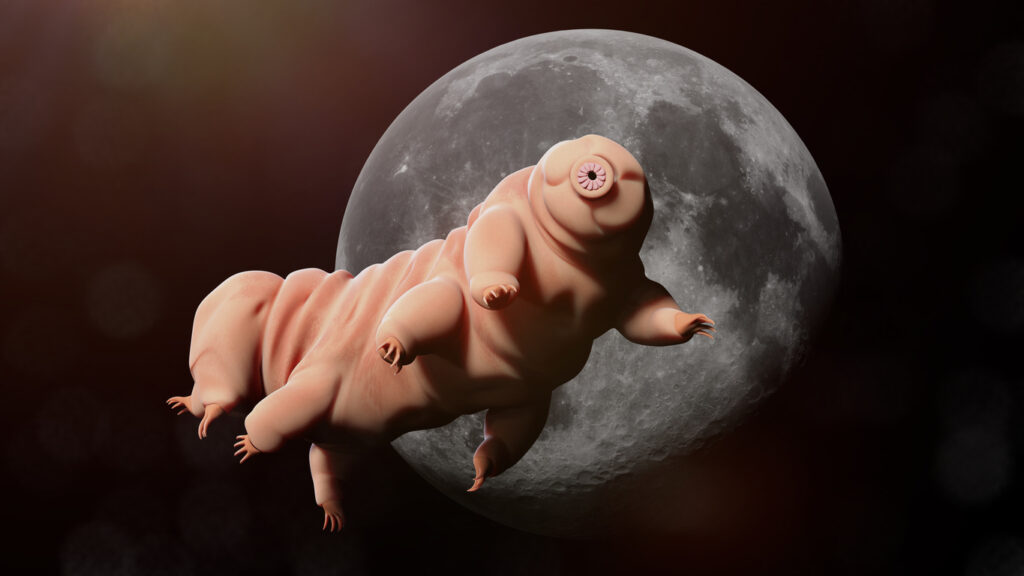
Scientists have calculated that tardigrades could survive most extinction-level events, including asteroid impacts, gamma-ray bursts, and the eventual death of our sun. They’re basically nature’s backup plan for life on Earth.
While dinosaurs, mammoths, and probably humans will all be ancient history, tardigrades will likely still be plodding around on their stubby legs billions of years from now. They’re the ultimate proof that sometimes being small and nearly indestructible beats being big and impressive.