Plants might look passive, but many have clever ways of manipulating insects to get what they need.
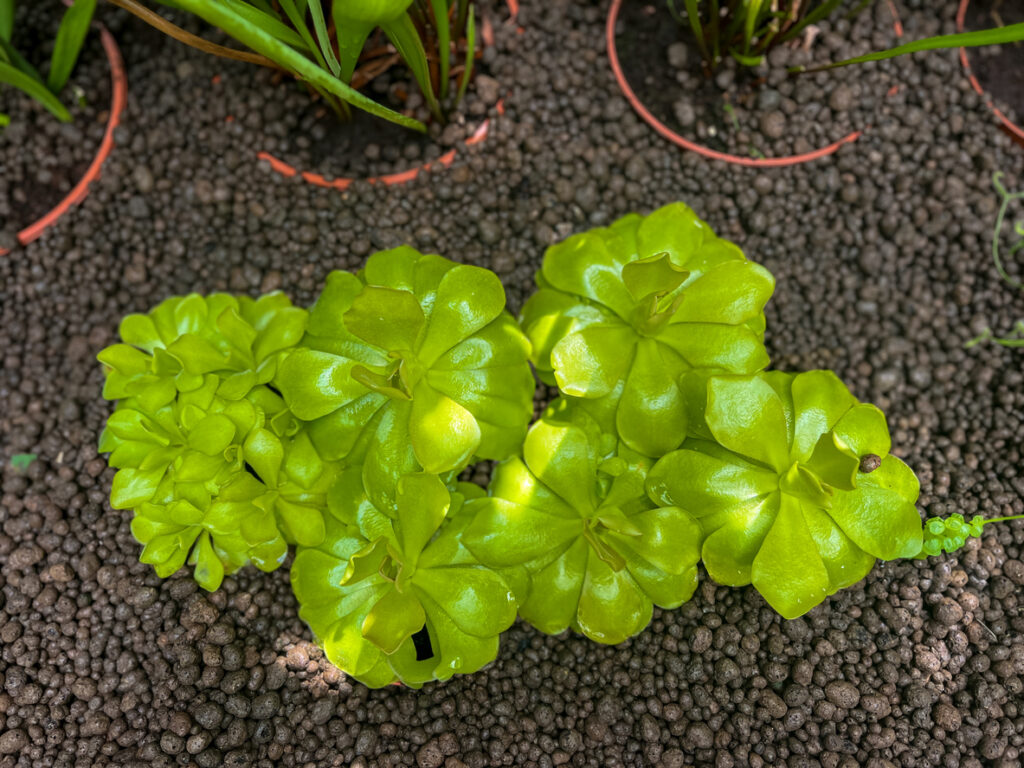
From disguises to sneaky traps, these plants trick unsuspecting bugs into helping with pollination, feeding, or survival. Here are some of the most fascinating examples that prove just how intertwined our ecosystem truly is, and how closely nature works together.
Orchids mimic female insects.
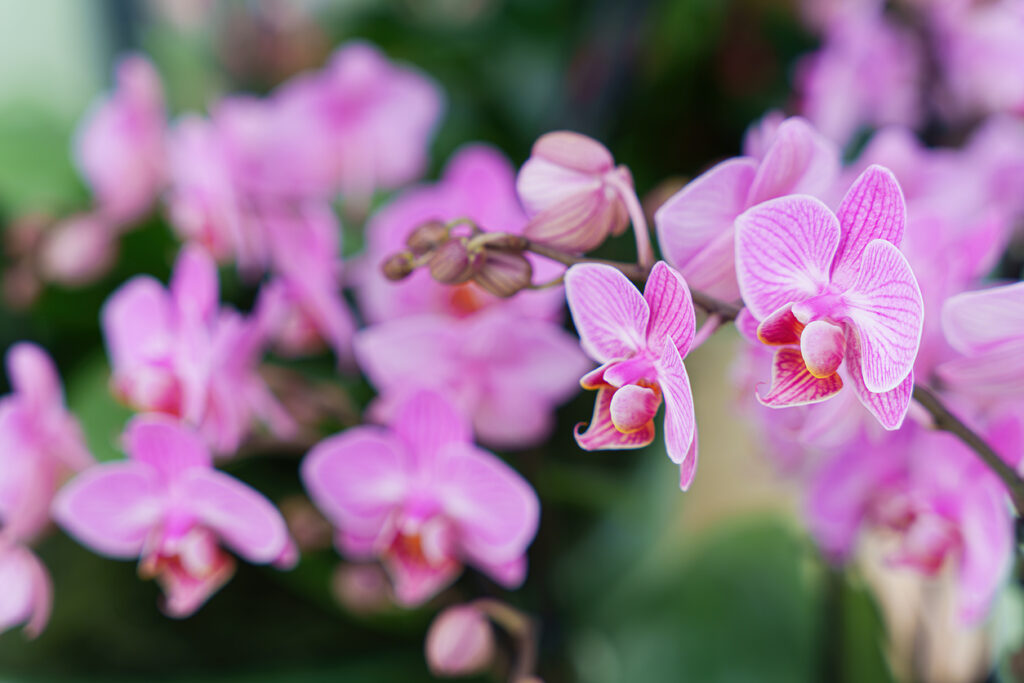
Some orchids have flowers shaped and scented like female insects. Male bees or wasps mistake them for mates and attempt to land on them. In the process, they pick up pollen and carry it to the next flower. This trick works because the plant doesn’t need to offer nectar. Instead, it fools the insect into doing the hard work of pollination, all while gaining nothing in return.
The corpse flower smells like death.
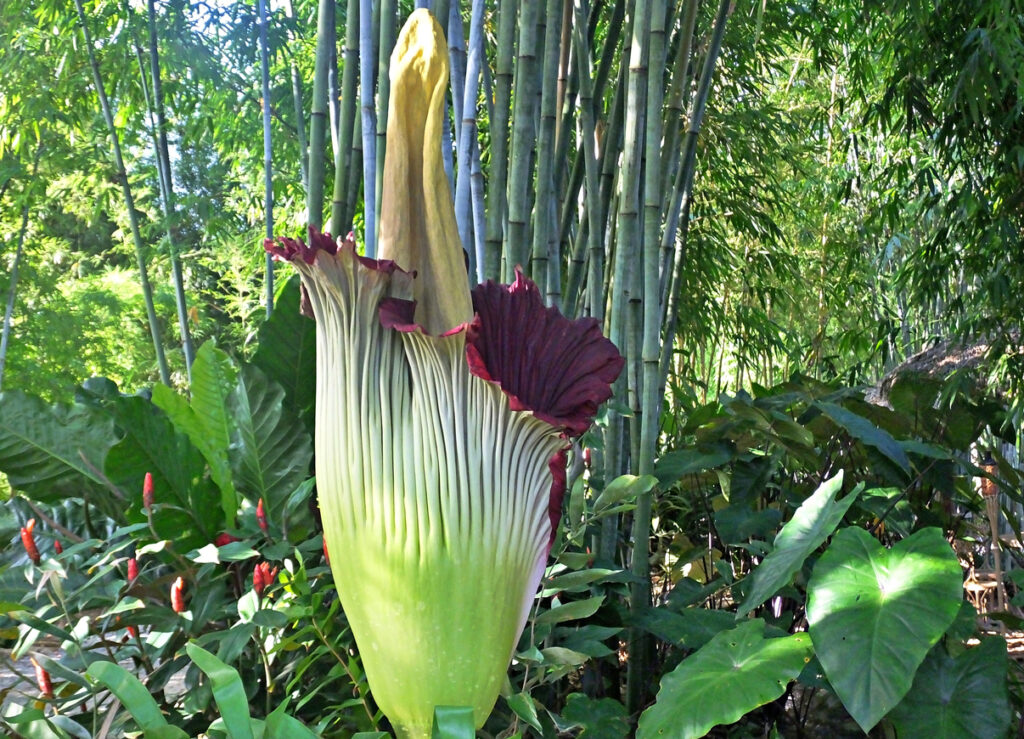
The huge corpse flower releases a powerful stench of rotting meat. This attracts flies and beetles that usually feed on dead animals. They crawl inside the flower, believing they’ve found food or a place to lay eggs. Instead, they get covered in pollen and leave frustrated. By copying the smell of decay, the plant ensures pollination without offering a real reward.
Bladderworts vacuum insects in.
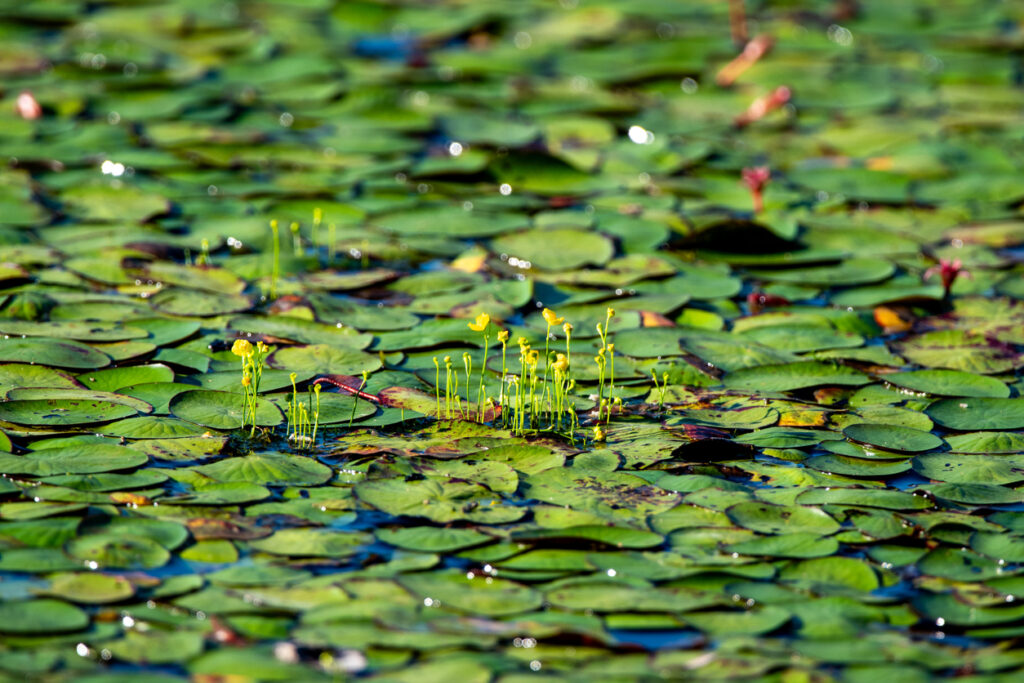
Bladderworts are aquatic plants with tiny bladder-like traps. When insects brush against them, the trap door sucks the bug inside in a split second. Once caught, the plant digests its prey. It’s a clever adaptation that makes up for poor nutrients in the water. The plant survives by tricking insects into touching the sensitive hairs that trigger the trap.
Pitcher plants have super slippery sides.
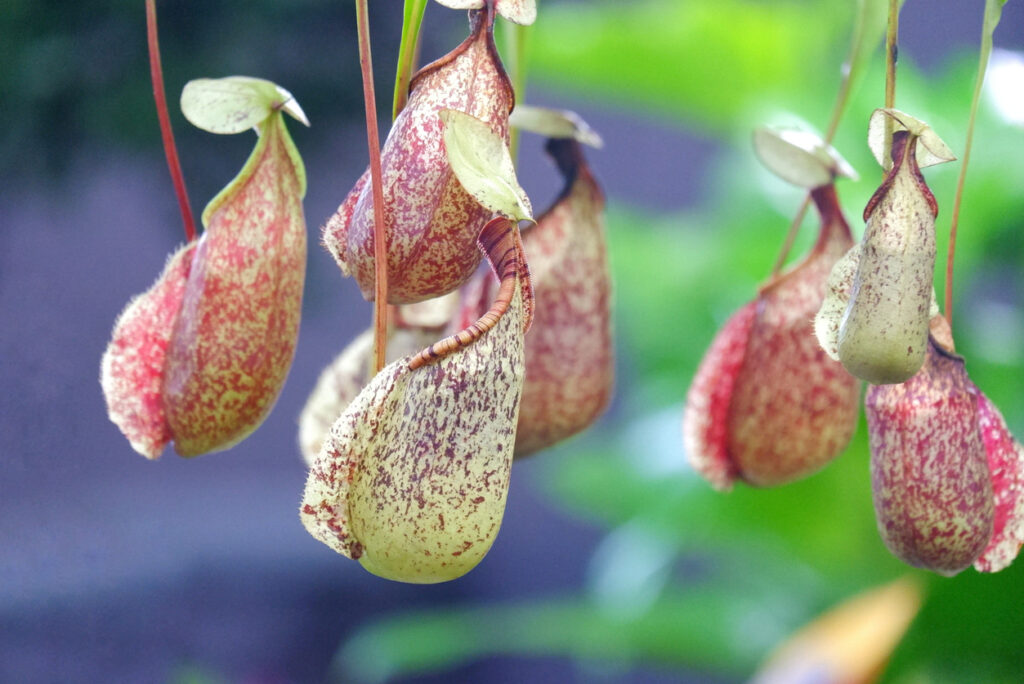
Pitcher plants lure insects with sweet nectar around the rim of their tall, tube-shaped leaves. Once inside, the surface is too slippery for them to climb out, and they eventually drown in the liquid at the bottom. That liquid contains enzymes that slowly break the insect down. The trick is simple: attract with sweetness, then trap and digest for survival.
Carrion flowers imitate dead animals.
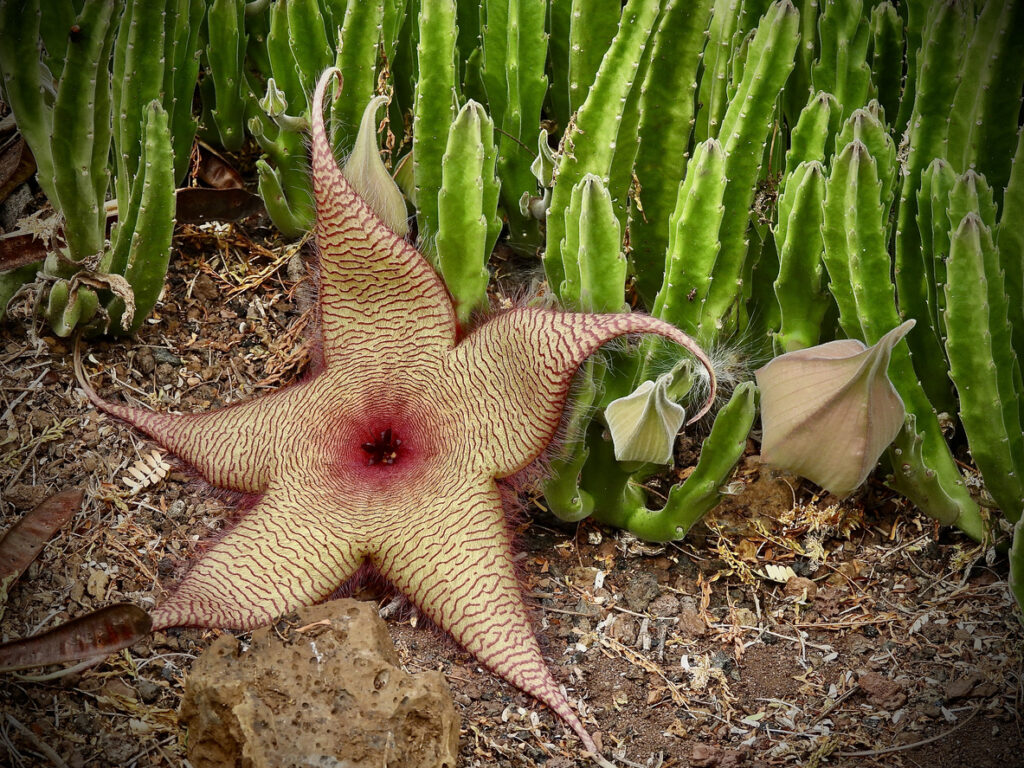
Smaller relatives of the corpse flower, carrion flowers also use foul odours to attract insects. Their blooms look and smell like decaying flesh, tricking flies into visiting them. These visitors don’t get food, but they do carry pollen away. The plant uses deception rather than reward, making the insect do the work without any benefit in return.
Butterworts have very sticky leaves.
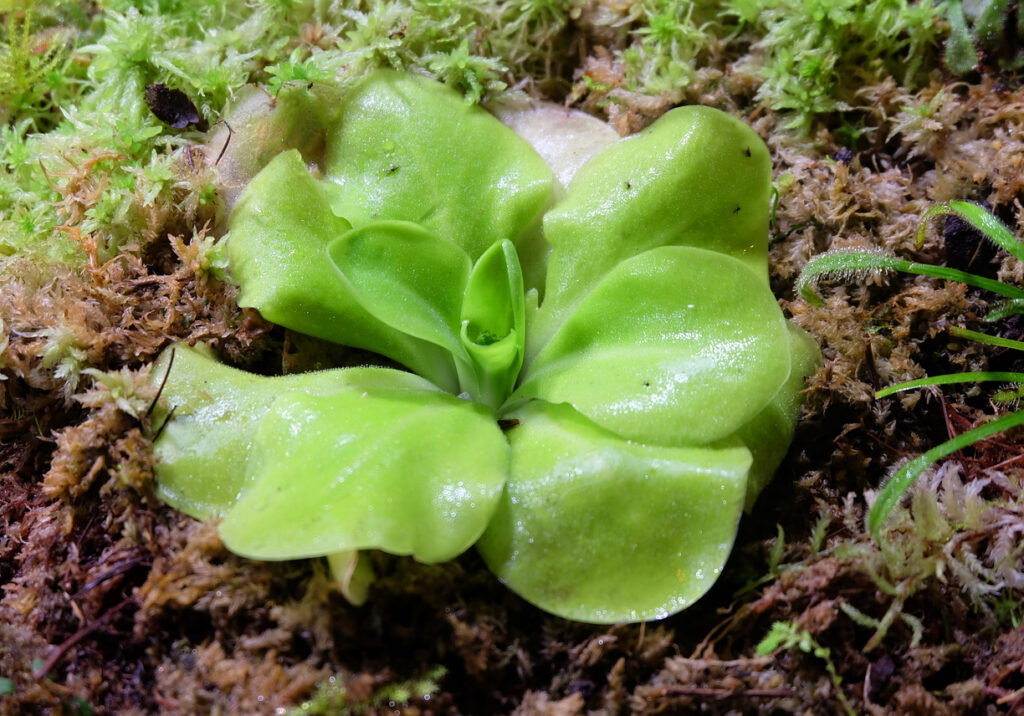
Butterworts produce shiny leaves coated in a sticky substance that looks like dew. Small insects land on them, thinking they’ve found moisture or food, only to get trapped in the glue-like secretion. Once stuck, the plant releases digestive juices to absorb nutrients. It’s a subtle trap, tricking insects with the promise of something harmless, but delivering a fatal surprise.
Rafflesia’s giant disguise is impressively tricky.
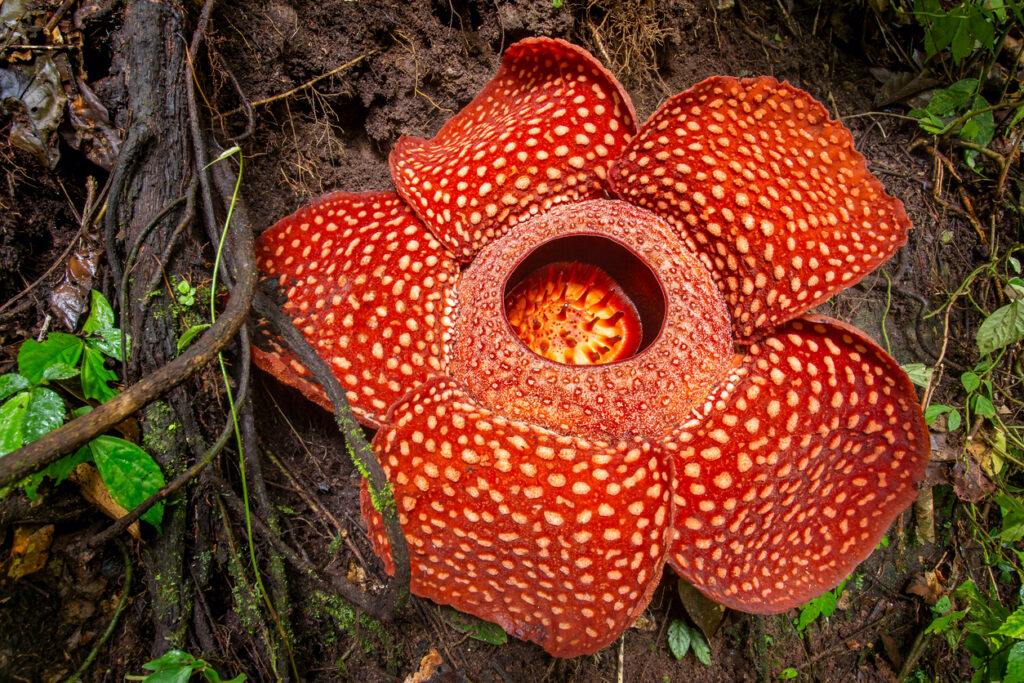
Rafflesia produces some of the largest flowers in the world, and like the corpse flower, they smell like rotting meat. The sheer size and stench attract carrion-feeding insects that spread the plant’s pollen. This massive bloom doesn’t bother with nectar. Instead, its strategy is all about trickery, using smell and size to fool insects into becoming pollinators.
Dodder vines steal signals.
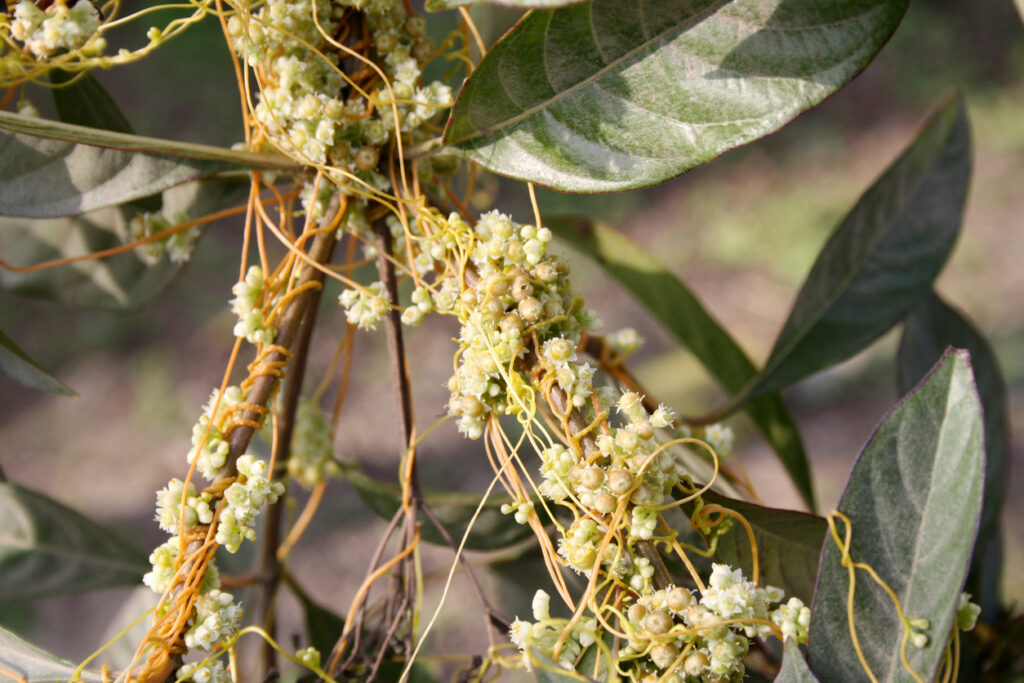
Dodder is a parasitic plant that wraps around its host. It doesn’t catch insects directly, but it tricks them by manipulating the scents released by its host plants, making itself harder to detect. This way, dodder avoids being eaten and continues to thrive. Its sneaky use of chemical cues shows that not all tricks involve traps, some involve clever deception at the chemical level.
Cobra lilies make false exits.
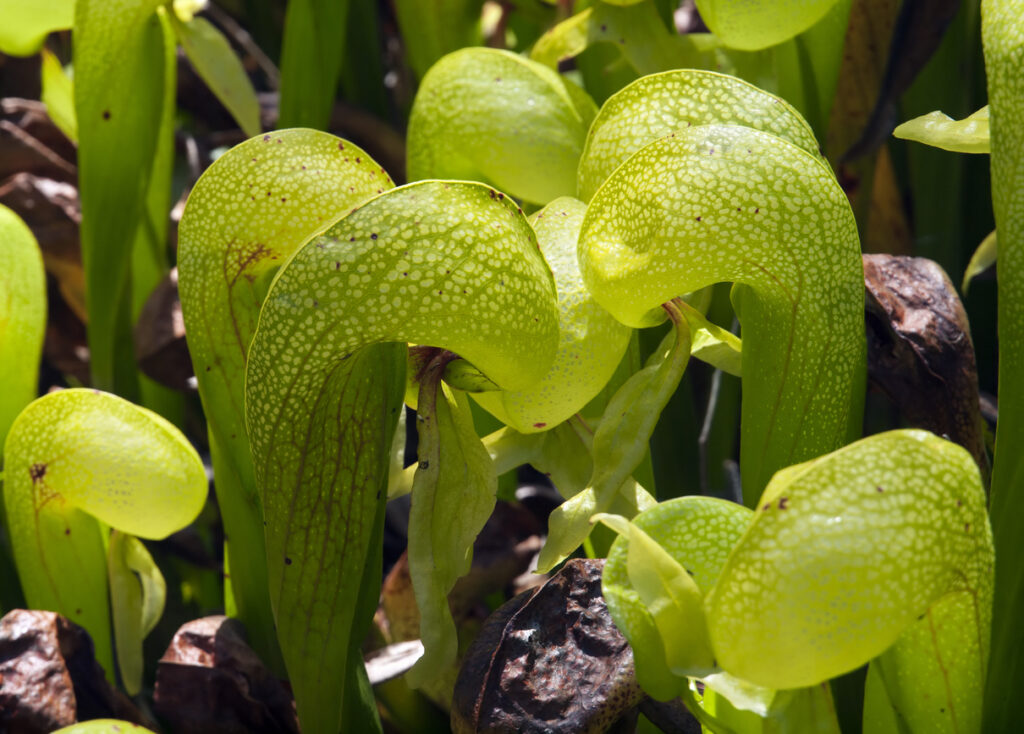
Cobra lilies look like they have openings for insects to escape, but those “windows” are false. Once inside, insects become confused, repeatedly trying to fly out through the transparent spots. Eventually, they tire and fall deeper into the tube, where they’re digested. The plant doesn’t need force, it just confuses insects until they can’t escape.
Milkweed traps insect legs.
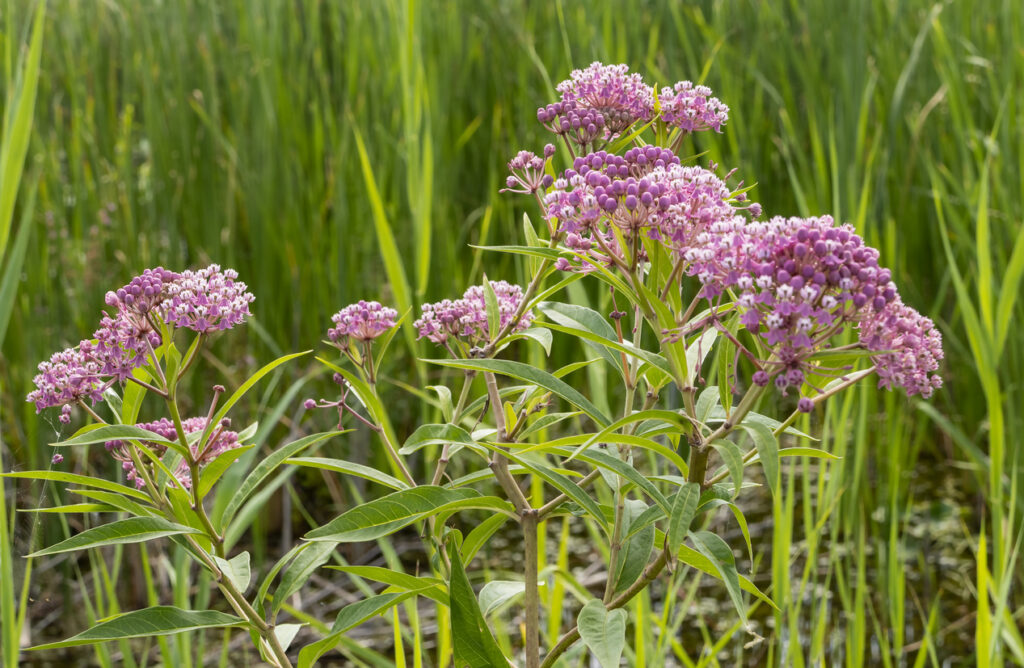
Milkweed flowers have small slits in their petals. When insects land, their legs can slip inside and get caught. As they struggle free, they pull out pollen sacs that stick to them. The accidental hitchhiking spreads the plant’s pollen to the next flower. The insect thinks it’s feeding normally, but the plant ensures it leaves with its reproductive material.
Sundews and their glistening tentacles can be deadly.
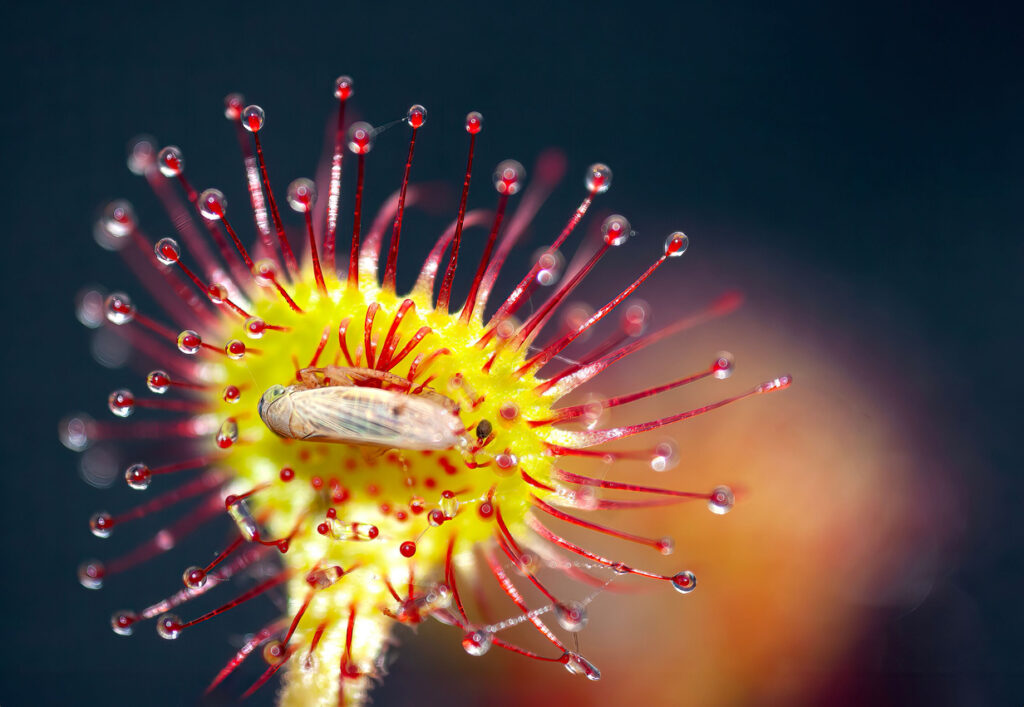
Sundews have long, sticky tentacles that sparkle in the sun like drops of nectar. Insects are drawn in, believing they’ve found food or water, but quickly become stuck in the glue. Once trapped, the tentacles slowly curl around the insect, smothering it while enzymes digest the body. The trick lies in appearances, as what looks like dew is actually a deadly trap.
Cuckoo flowers know how to fool butterflies.
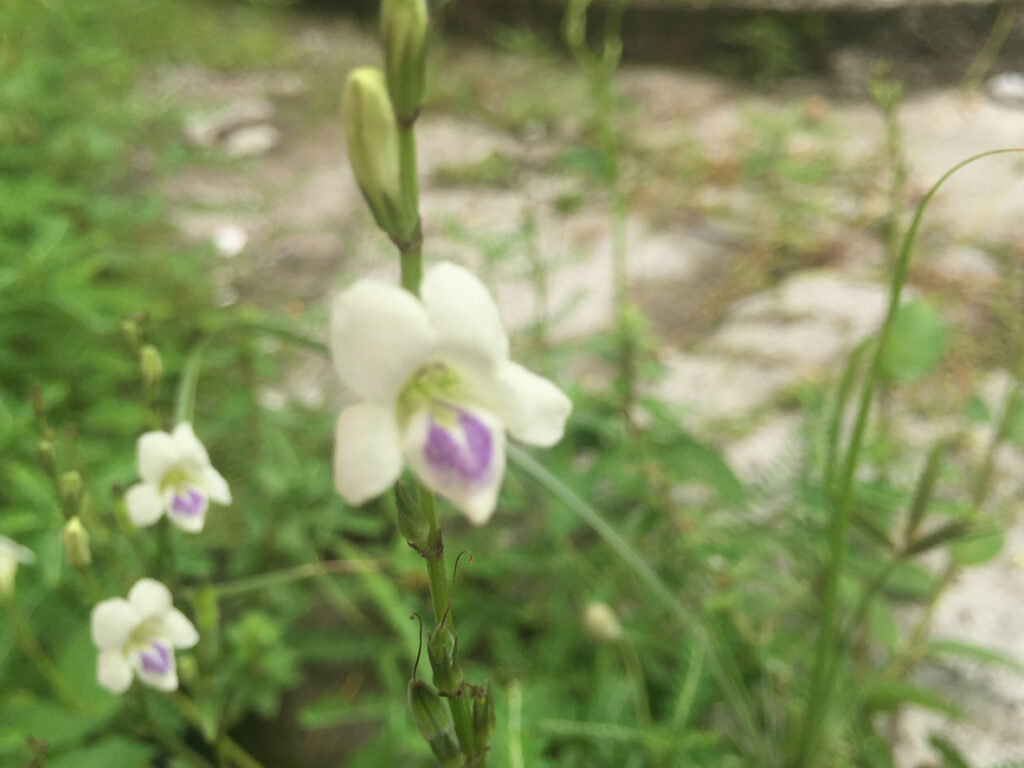
Cuckoo flowers sometimes trick butterflies into laying eggs on them by mimicking plants the insects usually prefer. When the caterpillars hatch, they find the food isn’t suitable, and many don’t survive. While harsh, this tactic helps the plant by reducing insect numbers that might otherwise feed on its real leaves. It’s a form of deception that protects the plant indirectly.
Lithops disguise themselves as stones.
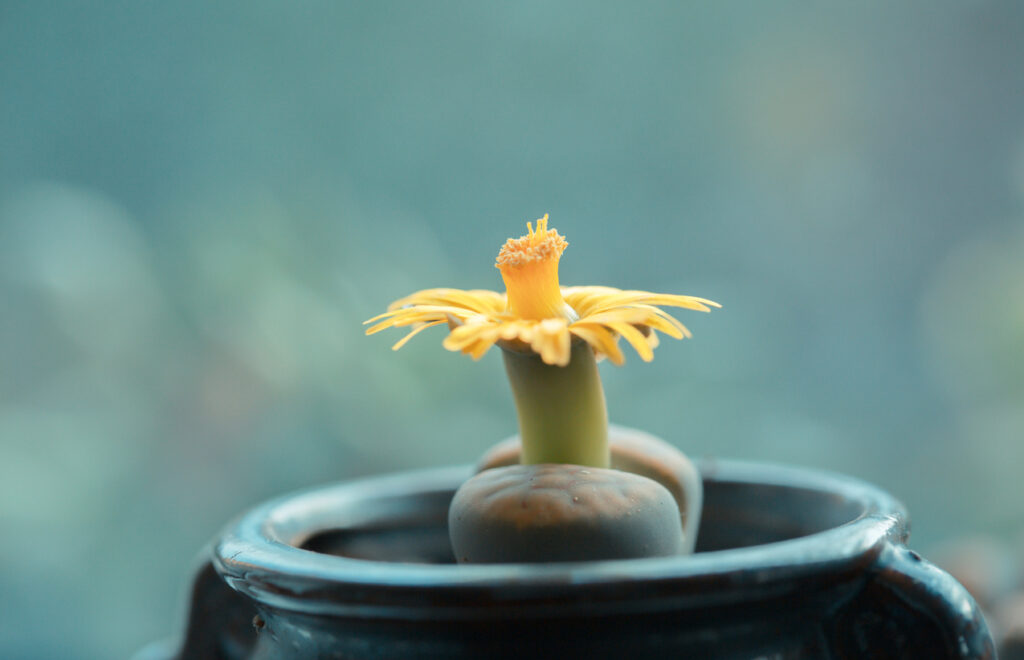
Also known as “living stones,” lithops avoid being eaten by blending into their environment. While they don’t lure insects, their disguise tricks both animals and insects into overlooking them. This clever mimicry means they can survive in harsh conditions. By looking like something inedible, they reduce the risk of being damaged or consumed.